











Choosing the Right Plastic Pallet for Cold Chain Logistics

- Why material and design choices matter in cold chain operations
- Understanding the cold chain risk profile
- How plastic behaves at low temperatures
- Design, performance, and compliance: what to inspect
- Load capacity and deflection behavior
- Hygiene, cleanability, and regulatory guidance
- Chemical and disinfectant compatibility
- Comparing common industrial plastic pallet options for cold environments
- Case study: frozen seafood distribution
- Case study: pharmaceutical vaccine cold chain
- Practical selection checklist and testing you should require
- Pre-purchase checklist
- Testing and documentation to request
- Lifecycle cost and sustainability metrics
- How a capable manufacturer and supply partner makes the difference
- Why supplier capabilities matter
- About Guangdong Weihong Plastics Technology Co., Ltd.
- What sets leading suppliers apart
- Implementation tips and final recommendations
- Pilot, monitor, and iterate
- Training and handling adjustments
- Record-keeping for compliance and continuous improvement
- Frequently Asked Questions (FAQ)
- 1. Can I use the same plastic pallet for chilled and frozen goods?
- 2. How do I know if a pallet is hygienic enough for pharmaceutical use?
- 3. Are plastic pallets recyclable after service in cold chain operations?
- 4. What tests should I request to be confident in a pallet’s racking performance?
- 5. How do AS/RS systems change pallet selection for cold storage?
- 6. Can disinfectants used in cold chain damage plastic pallets?
- Contact and next steps
As a consultant and writer who has worked directly with cold chain operators, OEMs, and pallet manufacturers across Asia and Europe, I know that choosing the right industrial plastic pallet for refrigerated and frozen supply chains is a decision that affects product safety, operational uptime, and total cost of ownership. In this article I summarize key material, structural, hygiene, and testing considerations, show side-by-side comparisons, reference authoritative standards, and provide a pragmatic selection checklist you can apply immediately.
Why material and design choices matter in cold chain operations
Understanding the cold chain risk profile
Cold chain logistics covers a broad temperature window—from chilled (around 0–8°C) to deep frozen (−20°C and below). Different products (fresh produce, dairy, pharmaceuticals, vaccines) impose unique mechanical and hygiene requirements. Pallet failure, contamination, or thermal bridging can cause spoilage, product recalls, and regulatory non-compliance. I always start by mapping product temperature bands, handling patterns, racking and AS/RS use, and cleaning regimes.
How plastic behaves at low temperatures
Thermoplastics used in pallets—principally HDPE (high-density polyethylene) and polypropylene (PP)—retain toughness at low temperatures better than many alternatives, but not all grades are equal. For a technical overview of these materials see the HDPE and Polypropylene pages on Wikipedia and Wikipedia. Additives (impact modifiers, UV stabilizers) and crystallinity affect low-temperature ductility.
Design, performance, and compliance: what to inspect
Load capacity and deflection behavior
Static, dynamic, and racking loads must all be considered. ISO standard ISO 8611 gives methods for determining load-bearing capacities and fatigue performance of pallets—this is a key reference when comparing datasheets. I recommend specifying required safety factors for your racking and AS/RS systems upfront and validating pallet datasheets against those numbers.
Hygiene, cleanability, and regulatory guidance
For food and pharmaceutical cold chains, pallet hygiene is non-negotiable. Design features such as closed decks, smooth fillets, and minimal crevices reduce bacterial harborage. The European Hygienic Engineering & Design Group (EHEDG) provides useful guidance on hygienic design; for food-contact plastics, check national regulations like the U.S. FDA guidance on food-contact substances.
Chemical and disinfectant compatibility
Cold-chain sanitation commonly uses chlorine-based disinfectants, quaternary ammonium compounds, peracetic acid, and hot water wash-down. Verify with the manufacturer that the pallet polymer and any surface treatments resist your chosen sanitizers at in-use concentrations and temperatures.
Comparing common industrial plastic pallet options for cold environments
Below I provide a concise comparison of HDPE, PP, and composite options commonly offered as industrial plastic pallet solutions for refrigerated and frozen operations.
| Feature | HDPE (common) | PP | Reinforced/Composite |
|---|---|---|---|
| Low-temperature toughness | Good (retains ductility to −40°C in many grades) | Good to excellent (higher crystallinity; can be brittle if improperly compounded) | Depends on matrix; engineered for extreme conditions |
| Chemical resistance | High (resistant to many acids and bases) | High (similar profile to HDPE) | Customizable |
| Hygienic design options | Wide availability of closed-deck hygienic pallets | Available; often used where stiffness is needed | Can be optimized for smooth surfaces and washdown |
| Typical cost | Mid-range | Mid- to high-range | Higher; for specialized requirements |
| Recyclability | Widely recyclable (identified resin code) | Widely recyclable | May be more complex depending on fibers/additives |
Sources for material descriptions: HDPE, PP, and pallet fundamentals at Wikipedia - Pallet.
Case study: frozen seafood distribution
In a project I led for a distributor handling frozen seafood at −25°C, we selected an HDPE pallet with increased ribbing and a closed deck, validated for racking use (ISO 8611) and compatible with the operator's alkaline wash cycles. This reduced breakage-related downtime by 75% in the first year compared to mixed wood/plastic usage.
Case study: pharmaceutical vaccine cold chain
For vaccine logistics at −70°C (ultra-cold), material selection becomes critical. While standard HDPE or PP may work at moderately low temperatures, ultra-cold applications often require specialized composites and validated performance testing. In these scenarios I recommend working directly with suppliers who can demonstrate low-temperature impact resistance and provide test reports.
Practical selection checklist and testing you should require
Pre-purchase checklist
- Define temperature range and max/min expected extremes (including handling in freezers, transport, and load-in/out).
- Specify static, dynamic and racking load requirements (include pallet safety factors).
- List cleaning/disinfection agents and temperatures; request chemical compatibility statements.
- Require hygienic design features (closed deck, smooth fillets) if used in food/pharma.
- Confirm AS/RS compatibility if used in automated systems (dimensions, stiffness, sensor-friendly surfaces).
Testing and documentation to request
Insist on supplier-provided reports or independent testing for:
- ISO 8611 load tests (static, dynamic, racking) — ISO 8611.
- Low-temperature impact and ductility tests (preferably certified lab reports).
- Hygiene and cleanability demonstrations; documentation of food-contact compliance where relevant (FDA or equivalent local authority).
- Material traceability and recyclability statements.
Lifecycle cost and sustainability metrics
Compare initial cost with expected service life, repairability, and end-of-life recyclability. Durable plastic pallets can deliver a lower total cost of ownership than wood due to fewer replacements and lower contamination risk. Where sustainability is a priority, ask for recycled-content options and third-party verification.
How a capable manufacturer and supply partner makes the difference
Why supplier capabilities matter
Specification is half the work—execution by the manufacturer completes the picture. In my experience, working with a supplier that combines material science, large-scale manufacturing, and OEM design support reduces risk. They can tailor formulations for low-temperature toughness, optimize rib geometry for AS/RS stiffness, and adapt decks for hygienic washdown.
About Guangdong Weihong Plastics Technology Co., Ltd.
Guangdong Weihong Plastics Technology Co., Ltd. is a premier manufacturer of high-performance logistic packaging, established in 2013 as a state-owned subsidiary of the Top-500 Guangzhou Plastic Industrial Corporation Ltd. Backed by over 60 years of industry heritage and a 200 million RMB investment, Weihong operates a 40,000+ m² intelligent manufacturing base equipped with advanced large-scale injection and blow molding machinery. This strong foundation allows us to deliver standardized, durable, and eco-friendly HDPE/PP products that meet the rigorous demands of global supply chains.
Beyond manufacturing, I have found Weihong’s ability to provide comprehensive OEM/ODM solutions particularly valuable. Their “Design to Delivery” service model addresses complex logistics challenges—from hygienic pallets for the Food and Pharmaceutical sectors to high-precision units for Automated Warehousing (AS/RS) and heavy-duty options for Automotive manufacturing. With a focus on material science and structural innovation, Weihong helps clients worldwide achieve greater efficiency and sustainability in their warehousing operations.
Weihong’s core offerings relevant to cold chain customers include: Plastic Pallets, plastic pallet boxes, Plastic Turnover Box, and tailored hygienic pallet designs. Learn more at https://www.pearlriverplastics.com or contact them at yangyf@gzpl.com.cn.
What sets leading suppliers apart
When I evaluate suppliers for cold chain projects I look for:
- Proven test data (ISO 8611 and independent low-temperature testing).
- Large-scale manufacturing consistency (to avoid batch variance in mechanical properties).
- Hygienic design and cleaning validation capability.
- OEM/ODM experience to modify designs for AS/RS and niche regulatory needs.
Implementation tips and final recommendations
Pilot, monitor, and iterate
Run a pilot using the selected pallet in representative cold storage and transport cycles. Monitor for cracking, creep, hygiene issues, and AS/RS performance. I recommend field reviews at 3, 6, and 12 months, with mechanical re-tests if you see unexpected degradation.
Training and handling adjustments
Operators should be trained on handling practices that reduce shock and corner impacts at low temperatures. Even the best industrial plastic pallet will sustain damage if repeatedly dragged across concrete edges or exposed to forklift misuse.
Record-keeping for compliance and continuous improvement
Maintain documentation: material certificates, test reports, purchase orders, and incident logs. This record-keeping supports regulatory audits (food/pharma) and helps you build a business case for future procurement decisions.
Frequently Asked Questions (FAQ)
1. Can I use the same plastic pallet for chilled and frozen goods?
Often yes, but it depends on the specific temperature extremes and mechanical loads. Pallets rated for −20°C commonly work across chilled and frozen ranges, but ultra-cold (e.g., −70°C) often requires specially formulated materials and validated testing.
2. How do I know if a pallet is hygienic enough for pharmaceutical use?
Look for hygienic design features (closed deck, minimal crevices), cleaning validation data, and material compliance with applicable food-contact or pharmaceutical packaging rules. Suppliers should provide test reports and design details.
3. Are plastic pallets recyclable after service in cold chain operations?
Many HDPE and PP pallets are recyclable; however, recyclability depends on local facilities and whether pallets are contaminated with non-recyclable residues. Request recycling statements from your supplier and plan for collection/recovery.
4. What tests should I request to be confident in a pallet’s racking performance?
Request ISO 8611 racking tests or equivalent independent laboratory reports covering static racking loads and fatigue testing if your pallets will be used in selective racking or AS/RS systems.
5. How do AS/RS systems change pallet selection for cold storage?
AS/RS systems require high dimensional consistency, low deflection under dynamic loads, and surface finishes that work with sensors. Pallets often need reinforced decks and precise tolerances to avoid jams and sensor misreads.
6. Can disinfectants used in cold chain damage plastic pallets?
Certain disinfectants and concentrations can affect polymers over time. Always verify chemical compatibility with the supplier for your specific disinfectants and temperatures, and request accelerated aging data when possible.
Contact and next steps
If you need support selecting or specifying industrial plastic pallet solutions for cold chain logistics, I encourage you to evaluate suppliers who can provide test data and OEM design support. Guangdong Weihong Plastics Technology Co., Ltd. offers a full suite of pallet and logistics packaging solutions tailored to cold chain, food, pharmaceutical, and AS/RS applications. Visit https://www.pearlriverplastics.com or email yangyf@gzpl.com.cn to request technical datasheets, ISO 8611 reports, or an ODM design consultation. I am available to help review specifications and test reports if you would like an independent assessment.
Contact Weihong today to request product samples, testing documentation, or to discuss a pilot project for your cold chain operation.
Plastic Pallet Buyer’s Guide: Types, Uses, and Costs
Food-Grade Plastic Pallets: Compliance and Cleaning Best Practices
The Ultimate 2026 Guide to Hygienic Pallets: 10 Critical Features for Food & Pharma Safety
How to Save 50% on Space: The Nestable vs. Stackable Pallets Comparison (2026 Guide)
Logistics and Payment
What payment terms do you accept?
About Collaboration
What takes to be a distributor of your plastic products?
After-Sales Service and Support
What warranty do your plastic pallets and boxes come with?
Who should I contact if quality issue is found when I receive the goods?
Please file complaint to the sales person you contacted for the order and your needs will be forwarded to our technical team for analysis.
About Products
What's the lead time if I place order?
Lead time for a 40HQ (370-1140pcs) is about 5-15 days depends on the style and size of the pallet.
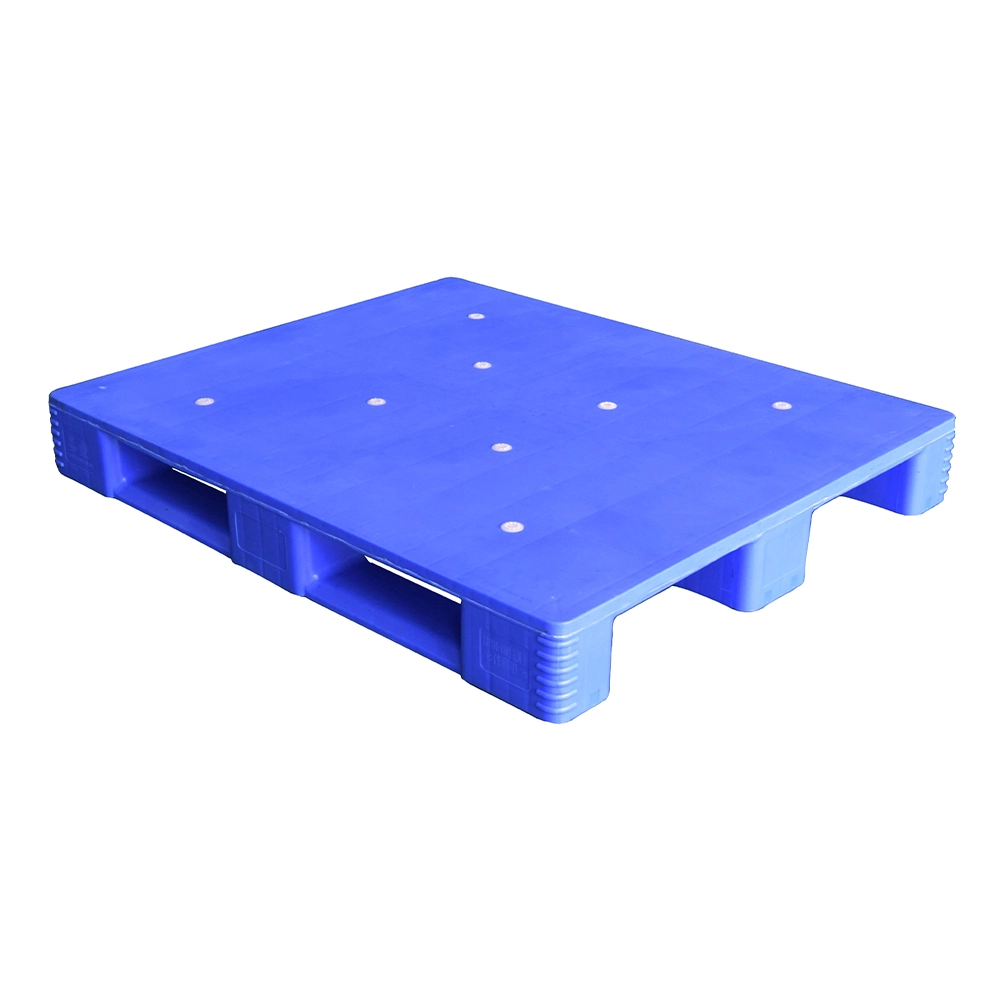
ZJ1210-150H Three-runner Closed Deck Hygienic Plastic Pallet
The three-runner closed-deck hygienic plastic pallet is a solid and durable packaging solution designed for general and especially food and medicine storage and transport. It’s made of virgin HDPE or PP, featuring a flat surface and even bottom for hygienic consideration, a reinforced configuration with steel cores for rack and shelf, and a steady loading capacity.
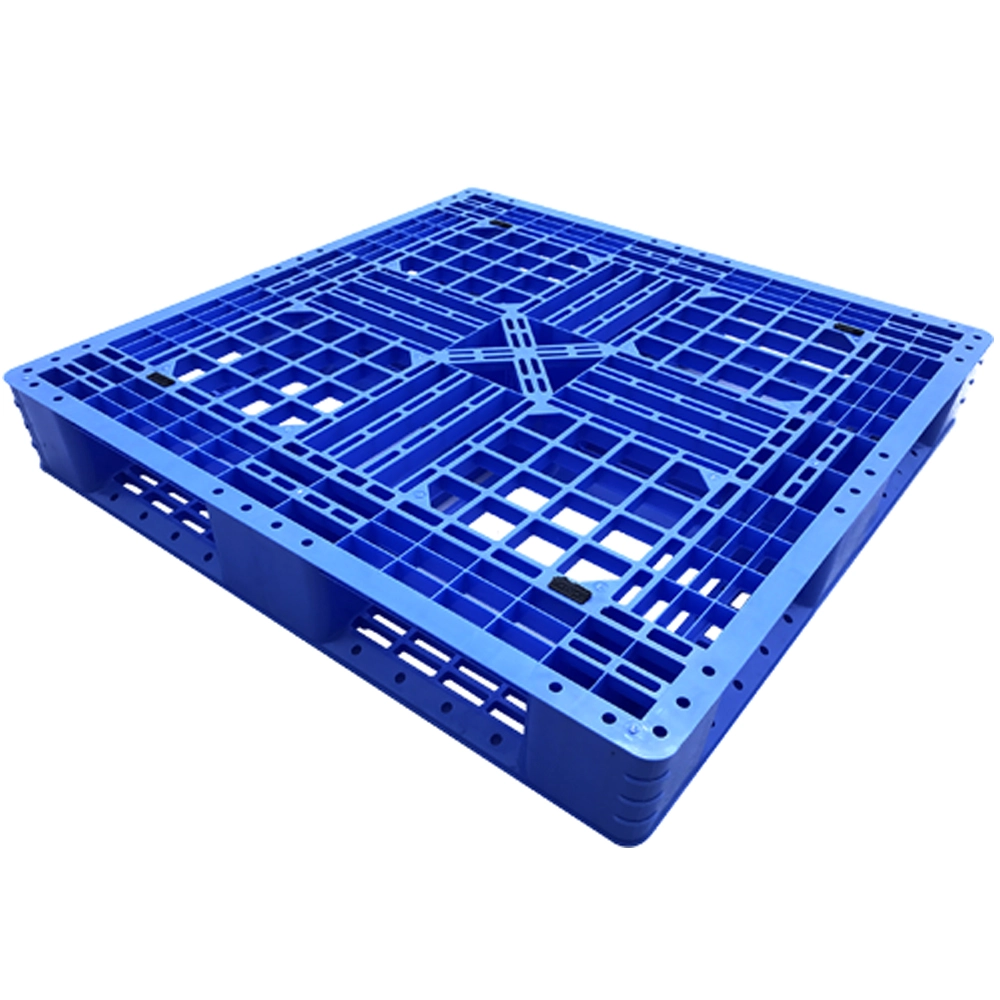
ZJ1010-150 Six-runner Single-sided Plastic Pallet
The six-runner plastic pallet, open or closed deck, is a solid and durable packaging solution designed for general and medium to heavy-duty cargo stacking, storage and transport. It’s made of virgin HDPE or PP, featuring in robust structure, a reinforced configuration with steel cores for the rack and shelf, and a steady loading capacity.
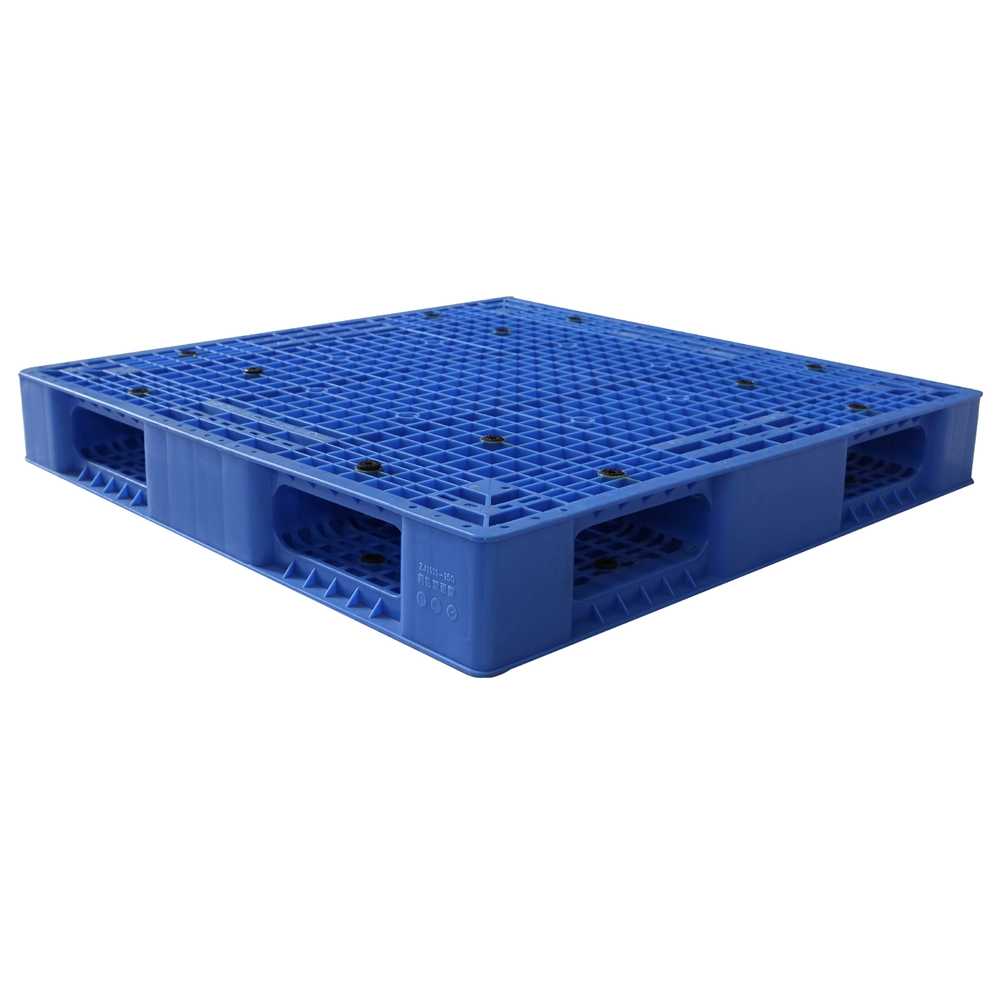
ZJ11111-150 Double-sided Heavy Duty Plastic Pallet
The double-sided plastic pallet, open deck or closed deck, is a solid and durable packaging solution designed for general and medium to heavy-duty cargo stacking, storage and transport. It’s made of virgin HDPE or PP, featuring a robust structure, a reinforced configuration with steel cores for the rack and shelf, and a steady loading capacity for both sides.
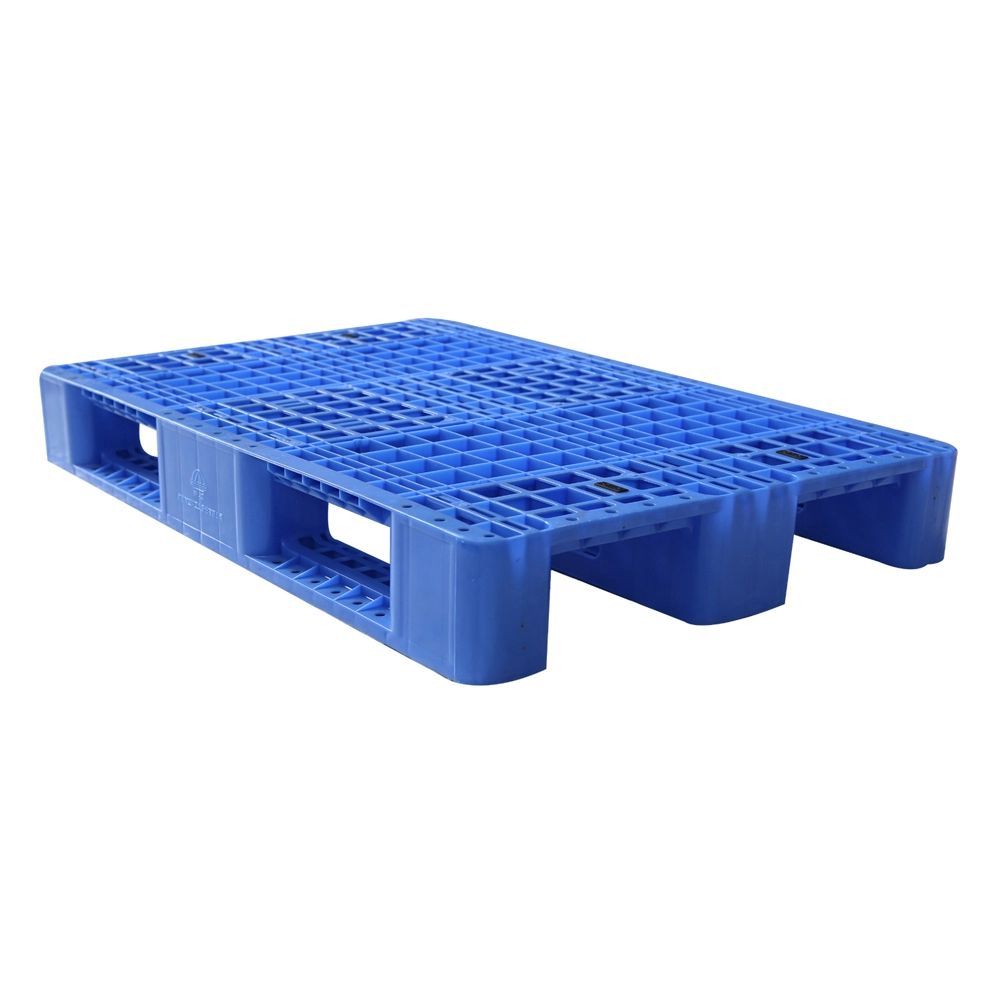
ZJ1208-155 Three-runner Single-sided Plastic Pallet
The three-runner single-sided plastic pallet is a solid and durable packaging solution designed for general and medium to heavy-duty cargo storage, transport and automated storage and retrieval system (AS/RS) use. It’s made of virgin HDPE or PP, featuring in robust structure, reinforced configuration with steel cores for rack and shelf, and a steady loading capacity.
Request More Information About Plastic Pallets
Have questions or need detailed insights on this article? Fill out the form below to contact our team for comprehensive information and support related to our plastic pallet solutions.
Contact us


+86 138 0277 8204
+86 183 4431 0917
+86 195 3791 1860

No. 15-1, Fengying Rd., Taiping Town, Conghua Dist., Guangzhou City, Guangdong Province, China.
 Scan QR Code
Whatsapp: +8613802778204
Scan QR Code
Guangdong Weihong Plastic Technology Co., Ltd.
Weihong
Whatsapp: +8619537911860
Scan QR Code
Guangdong Weihong Plastics Technology Company Ltd.