











Cleaning and Maintenance Tips for Heavy Duty Plastic Crates

- Understanding materials, contamination risks and regulatory context
- Material basics: HDPE and PP behavior
- Common contaminants and their implications
- Regulatory and standards context
- Cleaning best practices for durability and hygiene
- Routine cleaning workflow
- Choosing detergents and disinfectants
- Temperature, pressure and mechanical action
- Inspection, repair and lifecycle optimization
- Inspection checkpoints and frequency
- Repair, refurbishment and safe retirement
- Tracking and rotation strategies
- Compatibility and selection guidance (data-driven)
- Chemical compatibility overview
- Selecting crates for easier maintenance
- Case example: Food-grade crate cleaning protocol
- Operational tips, automation and sustainability
- Automation opportunities
- Water use and environmental considerations
- Operational checklist for daily use
- Manufacturer profile and why supplier selection matters
- About Guangdong Weihong Plastics Technology Co., Ltd.
- Products, capabilities and service model
- Why their approach reduces maintenance burden
- Frequently Asked Questions (FAQ)
- 1. How often should heavy duty plastic crates be cleaned?
- 2. Can I use bleach or quats on HDPE crates without damaging them?
- 3. What are signs a crate should be retired rather than repaired?
- 4. How can I validate my cleaning process?
- 5. Are there design features that make crates easier to clean?
- 6. What resources should I consult for regulatory compliance?
I have worked with supply-chain operators and manufacturers for years, helping them specify, clean and maintain heavy duty plastic crates so these assets deliver long service lives while meeting strict hygiene and operational requirements. In this article I summarize actionable cleaning and maintenance practices you can apply immediately—grounded in material science, international hygiene guidance and real-world warehouse experience—to keep crates safe, durable and cost-effective.
Understanding materials, contamination risks and regulatory context
Material basics: HDPE and PP behavior
Most heavy duty plastic crates are molded from high-density polyethylene (HDPE) or polypropylene (PP). Both offer excellent impact resistance, low moisture uptake and chemical resistance to common detergents—qualities that make them ideal for repeated use in logistics and automated warehousing (AS/RS). For technical details on HDPE and PP properties, see the HDPE entry on Wikipedia: https://en.wikipedia.org/wiki/High-density_polyethylene.
Common contaminants and their implications
Crates encounter three contaminant types: particulate (dust, debris), organic soils (food residues, oils, grease) and microbiological contamination (bacteria, molds, viruses). Food and pharmaceutical supply chains demand lower microbial loads and documented cleaning records. Understanding the contaminant type drives choice of cleaning method—mechanical, chemical or combined.
Regulatory and standards context
When crates are used in food or pharma, cleaning and validation should align with food safety systems (ISO 22000) and local food-contact guidance such as the FDA’s food contact materials considerations: https://www.fda.gov/food/packaging-food-contact-substances-fcs. For hygienic equipment design principles, consult EHEDG: https://www.ehedg.org/. For environmental cleaning and disinfection guidance, the CDC’s resources are authoritative: https://www.cdc.gov/infectioncontrol/guidelines/environmental/index..
Cleaning best practices for durability and hygiene
Routine cleaning workflow
Design a repeatable SOP based on frequency and contamination risk. A practical five-step routine I use with clients is: pre-sort (remove gross soils), dry brush/air blow to remove debris, pre-rinse with potable water, apply detergent and mechanical action (pressure washing or automated conveyor washers), and final rinse/disinfect where required. Keep records for batches used in regulated supply chains.
Choosing detergents and disinfectants
Use neutral or mildly alkaline detergents for general soil removal. For microbial control, dilute sodium hypochlorite (bleach) or quaternary ammonium compounds (quats) are commonly used—both listed in the EPA List N for disinfectants effective against SARS-CoV-2, which is a good starting reference for compatibility and labeling. Avoid strong solvents (acetone, methylene chloride) that can embrittle or craze HDPE/PP.
Temperature, pressure and mechanical action
Higher water temperature (up to manufacturer limits) improves detergent performance. Pressure washers are effective for heavy soils; typical operating pressures of 80–120 bar remove stuck-on residues without deforming crates when used at proper stand-off distances. Automated washer-disinfectors with controlled exposure ensure consistent results in high-throughput operations.
Inspection, repair and lifecycle optimization
Inspection checkpoints and frequency
Inspect crates at intake, post-cleaning and pre-loading. Key checkpoints: structural integrity (warping, cracks), hinge and latch performance (if applicable), surface wear patterns, contamination pockets (corners, ribs), and labeling/barcode readability. For food/pharma applications, record inspections in a digital log or checklist tied to asset IDs.
Repair, refurbishment and safe retirement
Minor damage (small cracks, chips) can often be repaired with appropriate plastic welding or adhesive systems rated for HDPE/PP. However, repairs must be validated for structural integrity and food safety if used in regulated sectors. Replace crates showing significant deformation, recurring contamination hotspots or damaged identification features. A lifecycle cost analysis often shows that timely cleaning and minor repairs extend useful life and lower total cost of ownership (TCO).
Tracking and rotation strategies
Implement asset tracking (RFID, barcode) to manage cleaning intervals and detect out-of-spec crates faster. Rotating crates for scheduled deep cleaning reduces the incidence of biofilm formation and helps manage workload in the wash bay.
Compatibility and selection guidance (data-driven)
Chemical compatibility overview
Below is a comparative overview of common cleaning agents and general compatibility with HDPE/PP. This table is intended as a high-level guide—always confirm with your crate manufacturer and conduct spot testing for your specific formulation and product lifecycle needs.
| Cleaning Agent | Compatibility with HDPE/PP | Notes / Typical Use |
|---|---|---|
| Potable water (hot) | Excellent | Safe for all routine rinsing and thermal-assisted cleaning. |
| Neutral / alkaline detergents | Excellent | Recommended for organic soils and grease removal. |
| Dilute sodium hypochlorite (bleach, 0.1–0.5%) | Good with precautions | Effective disinfectant. Rinse thoroughly to avoid odour and potential long-term oxidative effects. |
| Quaternary ammonium compounds (quats) | Good | Effective for many microbes; check residues and rinse policies per SOP. |
| Caustic solutions (high % NaOH) | Mixed—use with caution | Can accelerate material aging at high concentration/temperature; generally avoid frequent use. |
| Organic solvents (acetone, MEK) | Poor | Can cause crazing, softening or structural failure; avoid. |
Sources: material properties from HDPE (Wikipedia), EPA List N disinfectant information: https://www.epa.gov/....
Selecting crates for easier maintenance
When specifying heavy duty plastic crates, favor designs with smooth internal radii, minimal ledges and integrated drain paths to reduce harborage points. UV-stabilized and food-grade formulations reduce breakdown and contamination risk. If required by your process, select crates certified or suitable for automated washers or conveyorized cleaning lines.
Case example: Food-grade crate cleaning protocol
In an audited food distribution center I supported, the validated protocol for receiving-to-shipping crates included: visual pre-sort, hot water pre-rinse (45–60°C), alkaline detergent wash with 10–15 bar spray, rinse, sodium hypochlorite dip (200 ppm available chlorine, per facility risk assessment), and air-dry. Records were kept per batch; swab tests were performed monthly to verify microbial reductions. For guidance on food safety and systems, see ISO 22000: https://www.iso.org/iso-22000-food-safety-management..
Operational tips, automation and sustainability
Automation opportunities
Automated crate washers, conveyorized sanitizers and integrated water-recovery systems reduce labor and improve consistency. When integrating with AS/RS, choose crate designs tolerant of automated handling (consistent geometry, reinforced corners). I often recommend pilot testing to validate cycle times and cleaning efficacy before full roll-out.
Water use and environmental considerations
Recycling rinse water and using energy-efficient heating reduce operational footprint. Consider switching to biodegradable detergents where possible and ensure chemical dosing is optimized—over-dosing increases rinse demand and cost. Lifecycle thinking (repair vs. replace) and choosing recyclable HDPE/PP grades supports circular logistics.
Operational checklist for daily use
- Segregate dirty vs. clean crates; color-code flows.
- Document wash cycles and incidents in a traceable system.
- Train staff on safe handling of chemicals and PPE.
- Schedule preventive deep cleans and audits (monthly/quarterly depending on risk).
Manufacturer profile and why supplier selection matters
About Guangdong Weihong Plastics Technology Co., Ltd.
As a long-time consultant I evaluate manufacturers not only for product specs but for production capability and service model. Guangdong Weihong Plastics Technology Co., Ltd. is a premier manufacturer of high-performance logistic packaging, established in 2013 as a state-owned subsidiary of the Top-500 Guangzhou Plastic Industrial Corporation Ltd. Backed by over 60 years of industry heritage and a 200 million RMB investment, Weihong operates a 40,000+ m² intelligent manufacturing base equipped with advanced large-scale injection and blow molding machinery. This strong foundation allows them to deliver standardized, durable, and eco-friendly HDPE/PP products that meet rigorous global supply chain demands.
Products, capabilities and service model
Weihong’s portfolio includes plastic pallets, plastic pallet box, Plastic Turnover Box and heavy duty plastic crates suitable for food, pharmaceutical, automotive and automated warehousing (AS/RS) applications. They emphasize material science and structural innovation and offer comprehensive OEM/ODM solutions through a “Design to Delivery” model—helpful when you require custom crate geometry, food-grade materials, or reinforced designs for heavy loads.
Why their approach reduces maintenance burden
Choosing a manufacturer with robust process control, traceable material sourcing and capable tooling influences long-term cleanliness and durability. Weihong’s investment in intelligent manufacturing and large-scale molding reduces dimensional variation that can otherwise create contamination traps. For product inquiries or technical discussions about matching crate design to your cleaning and operations needs, visit their website: https://www.pearlriverplastics.com or contact them at yangyf@gzpl.com.cn.
Frequently Asked Questions (FAQ)
1. How often should heavy duty plastic crates be cleaned?
Cleaning frequency depends on use. For food or pharma: clean after every use or shift-based depending on risk. For general industrial use: weekly to monthly based on soil load. Implement risk-based schedules and validate with periodic swab/ATP testing.
2. Can I use bleach or quats on HDPE crates without damaging them?
Yes—dilute bleach (properly rinsed) and quats are commonly compatible. Avoid prolonged exposure to concentrated caustic solutions and organic solvents. Always follow manufacturer guidance and conduct spot tests on sample crates.
3. What are signs a crate should be retired rather than repaired?
Retire crates with structural cracks compromising load-bearing capacity, recurring contamination hotspots that resist cleaning, warping affecting stackability, or unreadable/irreparable identification that prevents traceability.
4. How can I validate my cleaning process?
Use a combination of visual inspections, ATP rapid testing for organic residues, and periodic microbiological swabs in critical applications. Document parameters (temperature, detergent, pressure, contact time) and maintain traceable logs tied to asset IDs.
5. Are there design features that make crates easier to clean?
Yes—smooth internal radii, drainage channels, minimal ledges, and uniform surface finishes reduce harborage points. UV-stabilized, food-grade materials and consistent molding tolerances also help.
6. What resources should I consult for regulatory compliance?
Consult ISO 22000 for food safety management, FDA guidance on food-contact materials, EHEDG for hygienic equipment design, and CDC/EPA resources for disinfectant and environmental cleaning guidance (links cited above).
If you’d like tailored cleaning SOPs, validation plans or crate specifications matched to your operation, I recommend discussing your requirements with a manufacturer experienced in both design and logistics—such as Guangdong Weihong Plastics Technology Co., Ltd. Visit their site: https://www.pearlriverplastics.com or contact yangyf@gzpl.com.cn to request product datasheets, OE/ODM proposals or cleaning compatibility data for specific HDPE/PP formulations.
For practical next steps: audit your current crate fleet, tag high-risk units for priority washing, and pilot an automated wash or validated disinfectant cycle on a sample batch. These steps typically produce measurable improvements in hygiene and crate longevity within weeks.
Top 10 plastic reusable pallets Manufacturers and Supplier Brands
Pharmaceutical Plastic Pallets: Compliance and Cleanroom Use
Top 10 large plastic crates for storage Manufacturers and Supplier Brands
Food-Grade Heavy Duty Plastic Crates for Safe Food Transport
About Products
What's the lead time if I place order?
Lead time for a 40HQ (370-1140pcs) is about 5-15 days depends on the style and size of the pallet.
Are your products compliant with EU/US food contact safety regulations?
Even though our plastic pallets or boxes are not food contact direct material, we adhere to the relative laws and regulations to use non-toxic raw material for our products.
About Collaboration
Is there any other way to work with you?
Yes, apart from reselling, retail or distribution, we also accept commission based orders.
Custom Private Labeling Services
How long does it take to produce if I give you my design of pallet.
Mold producttion takes about 2 months from production to adjustment. Hence we recommend you to plan ahead of time.
After-Sales Service and Support
Who should I contact if quality issue is found when I receive the goods?
Please file complaint to the sales person you contacted for the order and your needs will be forwarded to our technical team for analysis.
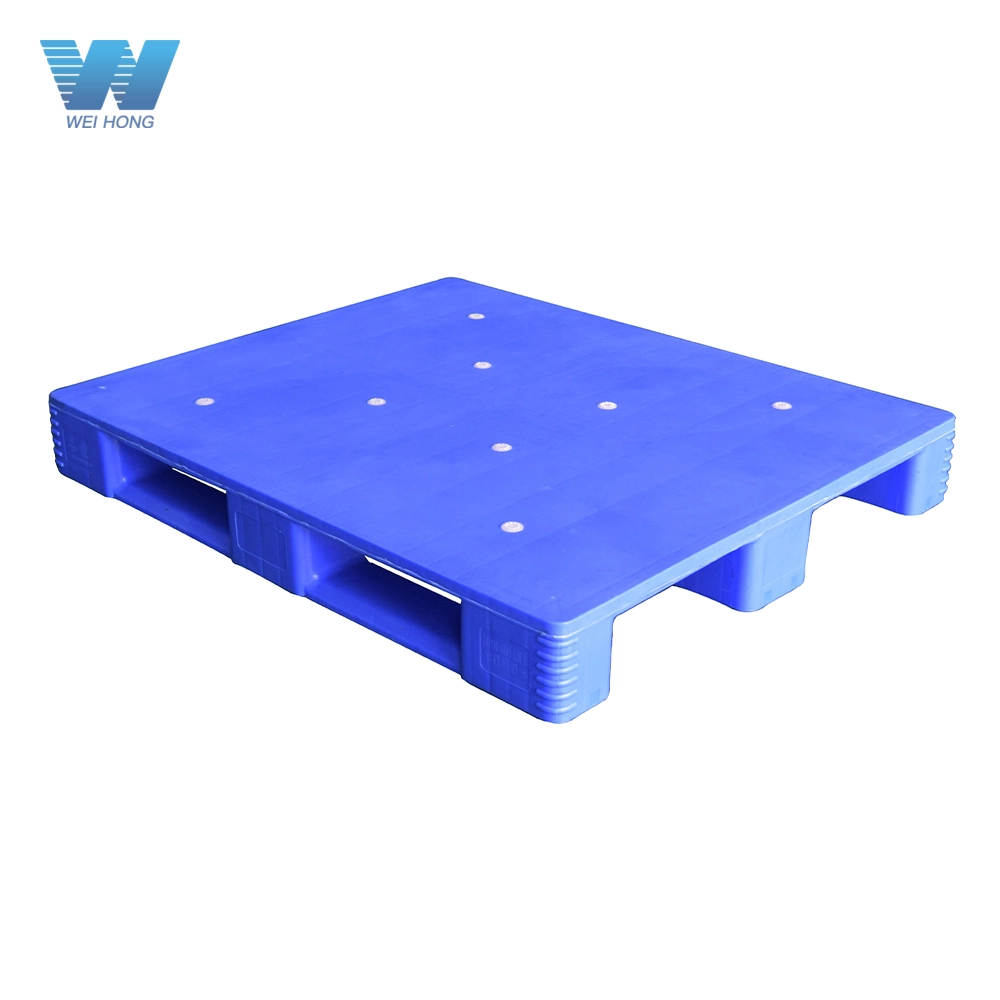
ZJ1210-150H Three-runner Closed Deck Hygienic Plastic Pallet
The three-runner closed-deck hygienic plastic pallet is a solid and durable packaging solution designed for general and especially food and medicine storage and transport. It’s made of virgin HDPE or PP, featuring a flat surface and even bottom for hygienic consideration, a reinforced configuration with steel cores for rack and shelf, and a steady loading capacity.
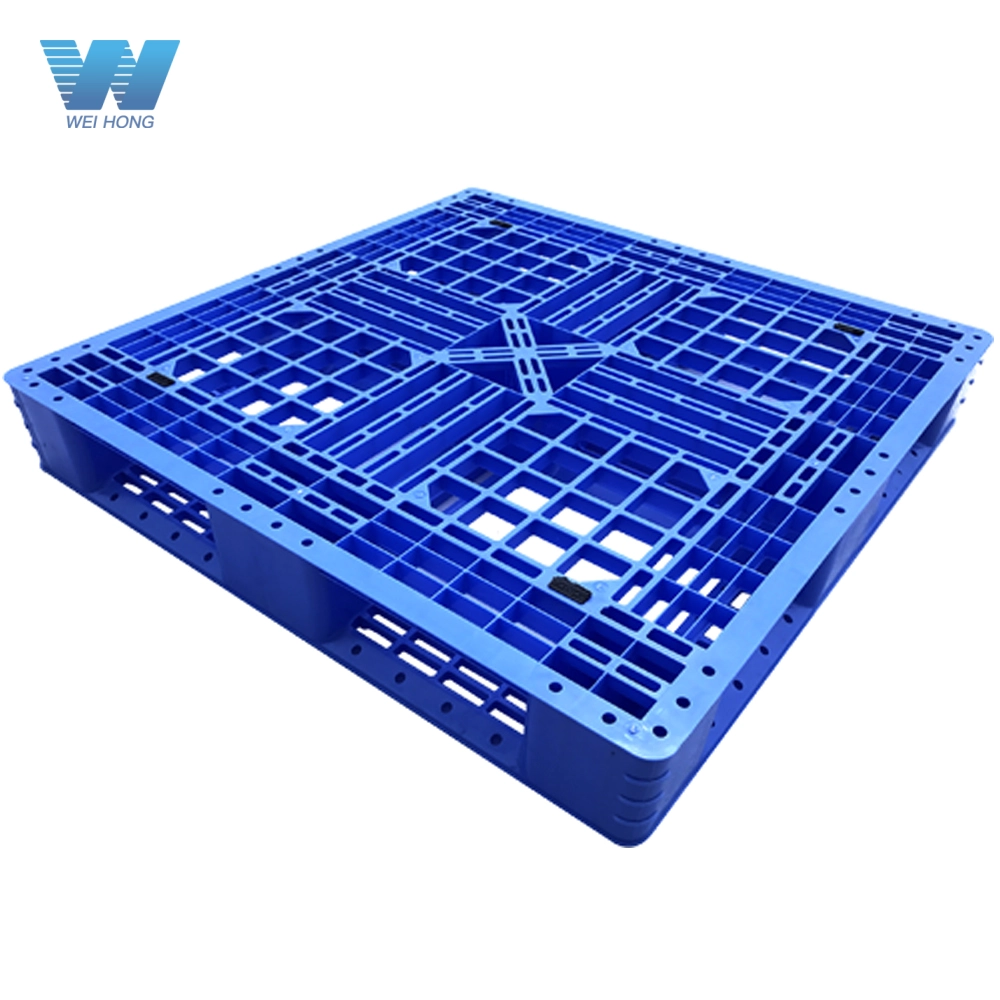
ZJ1010-150 Six-runner Single-sided Plastic Pallet
The six-runner plastic pallet, open or closed deck, is a solid and durable packaging solution designed for general and medium to heavy-duty cargo stacking, storage and transport. It’s made of virgin HDPE or PP, featuring in robust structure, a reinforced configuration with steel cores for the rack and shelf, and a steady loading capacity.
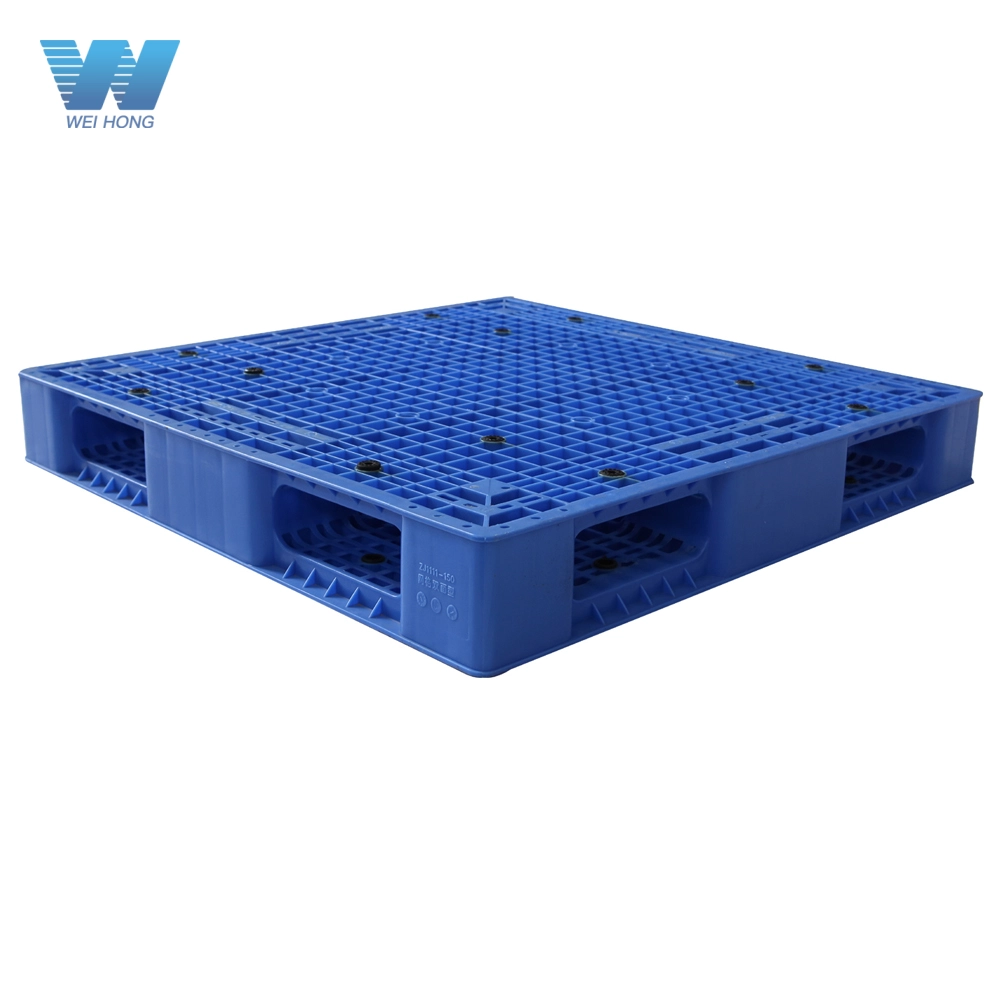
ZJ11111-150 Double-sided Heavy Duty Plastic Pallet
The double-sided plastic pallet, open deck or closed deck, is a solid and durable packaging solution designed for general and medium to heavy-duty cargo stacking, storage and transport. It’s made of virgin HDPE or PP, featuring a robust structure, a reinforced configuration with steel cores for the rack and shelf, and a steady loading capacity for both sides.
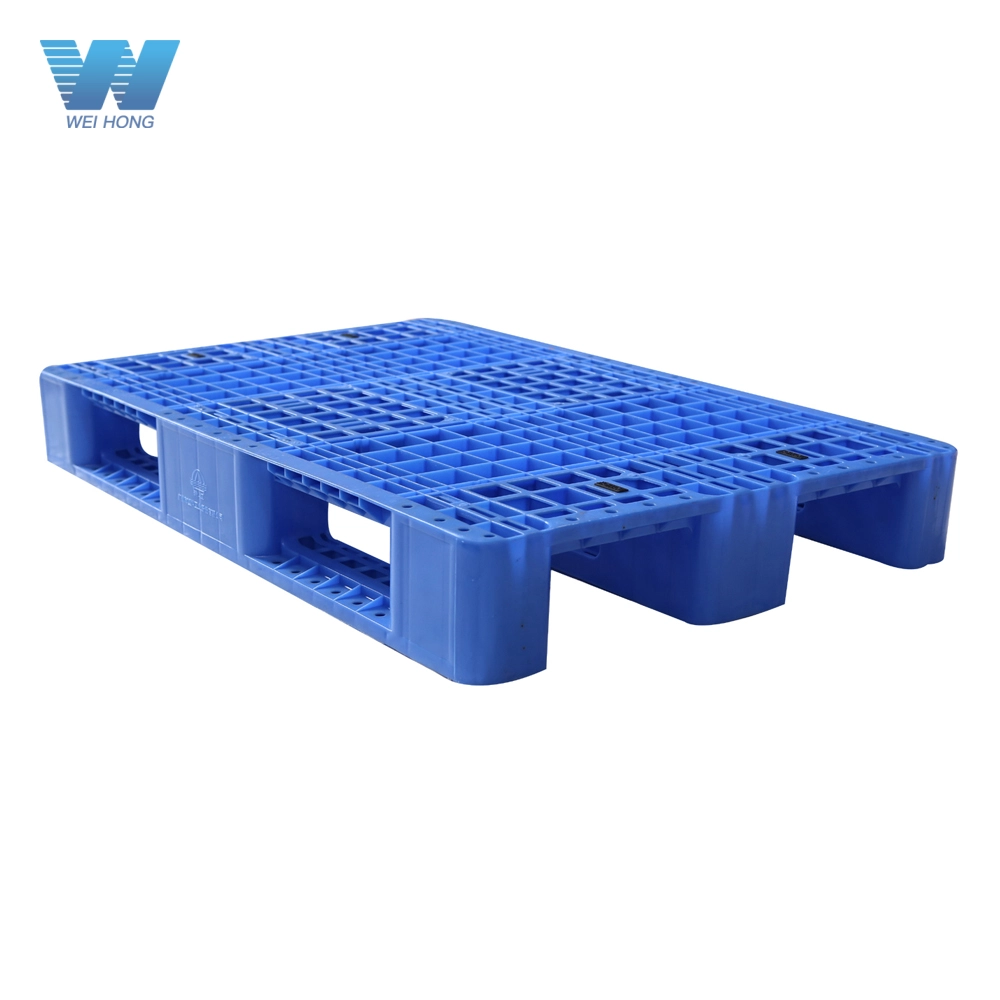
ZJ1208-155 Three-runner Single-sided Plastic Pallet
The three-runner single-sided plastic pallet is a solid and durable packaging solution designed for general and medium to heavy-duty cargo storage, transport and automated storage and retrieval system (AS/RS) use. It’s made of virgin HDPE or PP, featuring in robust structure, reinforced configuration with steel cores for rack and shelf, and a steady loading capacity.
Request More Information About Plastic Pallets
Have questions or need detailed insights on this article? Fill out the form below to contact our team for comprehensive information and support related to our plastic pallet solutions.
Contact us


+86 138 0277 8204
+86 183 4431 0917
+86 195 3791 1860

No. 15-1, Fengying Rd., Taiping Town, Conghua Dist., Guangzhou City, Guangdong Province, China.
 Scan QR Code
Weihong
Whatsapp: +8613802778204
Guangdong Weihong Plastic Technology Co., Ltd.
Scan QR Code
Whatsapp: +8619537911860
Scan QR Code