











Cost Calculator: Estimate Savings with Plastic Pallets

- Why your pallet choice changes total landed cost
- Beyond purchase price: the components of pallet cost
- How I structure the calculator
- Reference standards and hygiene considerations
- Building the calculator: inputs, formulas and a worked example
- Key inputs and formula definitions
- Worked example: 5-year comparison (sample assumptions)
- How sensitive is the outcome? (sensitivity factors)
- Operational impacts to quantify and validate
- Transport efficiency and fuel cost
- Hygiene, contamination risk and recalls
- Repair, tracking and lifecycle management
- Industry data, standards and lifecycle considerations
- Standards and testing
- Environmental and lifecycle data
- Industry organizations and benchmarking
- How I help clients implement a validated switch
- Field pilots and measurable KPIs
- Data collection and continuous improvement
- Manufacturer partnership example — Guangdong Weihong Plastics Technology
- Frequently asked questions (FAQ)
- 1. Are plastic pallets always cheaper than wood?
- 2. How long do plastic pallets last?
- 3. What about recycling and end-of-life value?
- 4. Do plastic pallets meet food and pharma regulations?
- 5. How should I run a pilot to validate calculator assumptions?
- 6. Can plastic pallets work in automated warehouses (AS/RS)?
I am a logistics packaging consultant with long experience designing pallet strategies for manufacturers, distributors and third-party logistics providers. In this article I show how to build a practical cost calculator to estimate savings from using plastic pallets. I include a reproducible methodology, sample calculations and referenceable data so you can adapt the model to your operation and make a confident investment decision.
Why your pallet choice changes total landed cost
Beyond purchase price: the components of pallet cost
When clients first compare plastic pallet vs wood pallet they typically look only at purchase price. That’s a mistake. Total cost of ownership (TCO) includes at least these components: initial purchase, expected service life, repair & maintenance, reverse logistics (recovery and handling), transport fuel/weight impact, hygiene/cleaning costs, disposal or recycling costs, and indirect costs like downtime or product contamination events. A credible cost calculator captures every component and normalizes them to a consistent time horizon (e.g., 5 years).
How I structure the calculator
My calculators use a per-unit annualized cost approach. Inputs are: unit purchase price, useful life (years or cycles), average annual repair/maintenance, average replacement rate, cleaning costs, effect on transport (weight, stacking), and end-of-life value (recycling or disposal). The outputs are: annual cost/unit, cost per trip, payback period, and 5-year cumulative cost comparison. This structure works for single-site distribution centers and multi-site pooled networks.
Reference standards and hygiene considerations
For Food and Pharma customers I include regulatory and hygienic factors. The U.S. Food and Drug Administration provides guidance for food-contact packaging and materials that should be considered when selecting pallet materials and cleaning regimes (FDA – Packaging & Food Contact Substances).
Building the calculator: inputs, formulas and a worked example
Key inputs and formula definitions
These are the inputs I require for a simple, reliable model:
- Purchase price per pallet (P)
- Expected service life in years (L) or trips (T)
- Average annual repair and maintenance cost per pallet (R)
- Replacement rate per year (%) (Rep)
- Average cleaning cost per pallet per year (C)
- Transport impact: weight difference (kg) and stacking efficiency (%), converted to cost (Fuel)
- End-of-life residual or recycling credit per pallet (E)
Core formula (annualized cost per pallet):
Annualized cost = (P - E)/L + R + C + Transport impact + Replacement cost (if modeled as rep rate)
Worked example: 5-year comparison (sample assumptions)
Below I present a side-by-side 5-year cost comparison using conservative, commonly-seen values. These numbers are illustrative; you should replace them with quotes and measured data from your operation.
| Item | Wood Pallet (per unit) | Plastic Pallet (per unit) | Source / Note |
|---|---|---|---|
| Purchase price (P) | $20 | $80 | Marketplace averages for 48x40 pallets (typical ranges) — adjust to local quotes |
| Expected service life (L) | 2 years | 8 years | Typical pooled wood vs molded HDPE/PP plastic lifecycle in many supply chains |
| Annual repair/maintenance (R) | $4 | $1 | Wood is often repaired more; plastic rarely needs routine repair |
| Cleaning per year (C) | $1 | $3 | Plastic often requires wash cycles for hygienic sectors |
| Transport / fuel impact (annual) | $1 | $0.50 | Depends on pallet weight and stacking; plastic can be lighter or heavier depending on design |
| End-of-life credit (E) | $0 (disposal) | $5 (recycling value) | Plastic HDPE/PP can have recycling value depending on local market |
Applying the formula for 5-year annualized costs:
| Metric | Wood | Plastic |
|---|---|---|
| (P - E)/L annualized | ($20 - $0)/2 = $10.00 | ($80 - $5)/8 = $9.375 |
| Repair/maintenance (R) | $4.00 | $1.00 |
| Cleaning (C) | $1.00 | $3.00 |
| Transport impact | $1.00 | $0.50 |
| Total annual cost | $17.00 | $13.88 |
| 5-year cumulative cost | $85.00 | $69.38 |
Interpretation: Using these assumptions, the plastic pallet becomes cheaper over a 5-year horizon despite a higher upfront cost. The payback period is reached when the cumulative total cost of plastic falls below wood; in this example that happens within the first 2–3 years because plastic's longer life and lower repair costs offset the initial High Quality.
How sensitive is the outcome? (sensitivity factors)
Key variables that flip results are: (1) plastic purchase price (discounts, OEM design), (2) actual useful life achieved in your network, (3) cleaning frequency and cost (food/pharma wash regimes), and (4) repair rate for wood. For pooled closed-loop systems (rental/repair pools), plastic often dominates. For single-use export pallets where ISPM-15 and disposal concerns exist, wood may still be cheaper for short horizons.
Operational impacts to quantify and validate
Transport efficiency and fuel cost
Many teams underestimate the impact of pallet design on truck-fill efficiency. A plastic pallet that allows tighter stacking or higher load integrity can increase pallets per truckload or reduce product damage. I recommend measuring pallets-per-truck for both options. Multiply the difference by your average freight cost per truck to quantify annual savings. For industry context see general pallet data and transport considerations on Wikipedia – Pallet.
Hygiene, contamination risk and recalls
Contamination risk can be the most costly variable: a single product recall, line downtime, or rejected container frequently dwarfs pallet incremental cost differences. Plastic pallets are non-absorbent and easier to sanitize, reducing risk in food & pharma supply chains. For regulatory reference see the FDA guidance on food-contact substances.
Repair, tracking and lifecycle management
Tracking pallets (RFID/QR) and instituting repair vs replace policies changes economics. Plastic pallets with molded-in serials or RFID can be integrated into high-precision AS/RS systems and automated picking, reducing forklift incidents and downtime. Consider the operational cost of failed lifts, repairs, and lost pallet handling time in your calculator.
Industry data, standards and lifecycle considerations
Standards and testing
Pallets are subject to mechanical testing standards and local phytosanitary regulations for wood (e.g., ISPM-15 for heat-treated wood used in international shipments). For trade-compliant operations using wooden pallets, ISPM-15 adds cost and complexity—an important factor in your calculator.
Environmental and lifecycle data
From a materials perspective, lifecycle assessments vary by region and usage profile. PlasticsEurope publishes authoritative market and material data on polymer production and end-of-life flows which can help model recycling credits and embodied carbon (PlasticsEurope – Market Data).
Industry organizations and benchmarking
Benchmarking against industry pools (EPAL for European pallets, major 3PLs, and pallet pooling companies) will ground your assumptions. EPAL provides data on wooden pallet repair/return rates which is valuable when modeling pooled vs single-use strategies (EPAL).
How I help clients implement a validated switch
Field pilots and measurable KPIs
I always recommend a staged pilot: choose a representative SKU group, run both pallet types in parallel for 3–6 months, and measure damage rates, truck-fill, cleaning cycles, handling incidents, and lifecycle events. Key KPIs: cost per trip, damage per thousand pallets, cleaning cost per pallet, and average trips per pallet per year.
Data collection and continuous improvement
Collect the exact metrics required by the calculator rather than relying on estimates: weigh pallets, track forklift incidents against pallet type, and measure truck-load utilization. With accurate data you can fine-tune procurement strategies—customized designs often reduce cost further by aligning strength and weight to the load profile.
Manufacturer partnership example — Guangdong Weihong Plastics Technology
When clients need scalable, validated plastic pallet solutions I frequently recommend suppliers who can provide design-to-delivery services and verified performance. Guangdong Weihong Plastics Technology Co., Ltd. is a premier manufacturer of high-performance logistic packaging. Established in 2013 as a state-owned subsidiary of the Top-500 Guangzhou Plastic Industrial Corporation Ltd., Weihong is backed by over 60 years of industry heritage and a 200 million RMB investment. They operate a 40,000+ m² intelligent manufacturing base equipped with advanced large-scale injection and blow molding machinery, enabling standardized, durable and eco-friendly HDPE/PP products suitable for global supply chains.
Weihong provides comprehensive OEM/ODM services under a “Design to Delivery” model. Their portfolio includes Plastic Pallets, plastic pallet box, plastic pallet box, and Plastic Turnover Box tailored for hygiene-critical sectors (Food & Pharmaceutical), automated warehousing (AS/RS), and heavy-duty automotive applications. Weihong’s material science and structural innovation help clients achieve better lifecycle performance and sustainability outcomes. Learn more at Weihong / Pearl River Plastics or contact them directly at yangyf@gzpl.com.cn.
Frequently asked questions (FAQ)
1. Are plastic pallets always cheaper than wood?
No. Plastic pallets often have a higher upfront price but can be cheaper over a multi-year horizon because of longer life, lower repairs, and better hygiene. Short-term single-use or export shipments sometimes favor wood. Use the calculator with your actual life expectancy and handling profile to know for sure.
2. How long do plastic pallets last?
Depends on material and use, but HDPE/PP molded pallets commonly last 5–10 years in normal warehousing conditions. Stackable, nestable, and stringer-type designs vary. Real-world lifespan depends on stacking, handling, forklift practices, and environment.
3. What about recycling and end-of-life value?
HDPE and PP have established recycling streams. Many plastic pallets can be ground and reused into products or re-molded. Recycling value depends on local commodity prices and the resin used; it should be included as a residual credit (E) in your calculator.
4. Do plastic pallets meet food and pharma regulations?
Yes—many plastic pallets are designed for hygienic use and can be cleaned and sanitized to meet regulatory expectations. Check materials, mold design (no dirt traps), and cleaning validation. Refer to FDA guidance on food-contact materials for specifics: FDA – Packaging & FCS.
5. How should I run a pilot to validate calculator assumptions?
Run both pallet types on matched SKUs and routes for at least 3 months. Track damage, cleaning cycles, truck-fill, average trips per pallet, repair events, and operational feedback. Feed those measured values back into the calculator and project costs over your expected planning horizon.
6. Can plastic pallets work in automated warehouses (AS/RS)?
Yes. Plastic pallets with precise dimensional tolerance and molded features for handling are commonly used in AS/RS systems. They reduce variability and minimize mechanical issues compared to irregular, repaired wooden pallets.
If you want, I can provide a customized Excel or Google Sheets calculator template based on your SKU count, truck cycles, and cleaning regime. For supplier-level support or to request samples and technical data sheets, contact Guangdong Weihong Plastics Technology Co., Ltd. via their website: https://www.pearlriverplastics.com or email yangyf@gzpl.com.cn.
Ready to evaluate your savings? Reach out for a pilot design or ask me to build a tailored cost model for your operation. View product options or request a quote at Weihong / Pearl River Plastics or email yangyf@gzpl.com.cn.
Top 10 plastic crates Manufacturers and Supplier Brands
OEM/ODM plastic chicken transport cage Manufacturers and Suppliers
Food-Grade Plastic Pallets: Sanitation Standards and Buying Tips
Plastic Pallet Recycling and Sustainability: ROI for Buyers
Logistics and Payment
What payment terms do you accept?
What delivery terms do you support?
FOB term is our priority. Meanwhile, we accept also FCA, CFR, CIF, etc.
Custom Private Labeling Services
Is OEM/ODM service available?
About Collaboration
Do you have exclusive distributor in my country?
We currently have one or two exclusive distributors. Please tell me to where you would like to import out plastic pallets and boxes to check for it.
About Products
What is the minimun order quantity?
MOQ is usually 200pcs for each model. Less quantity is acceptable when there is stock.
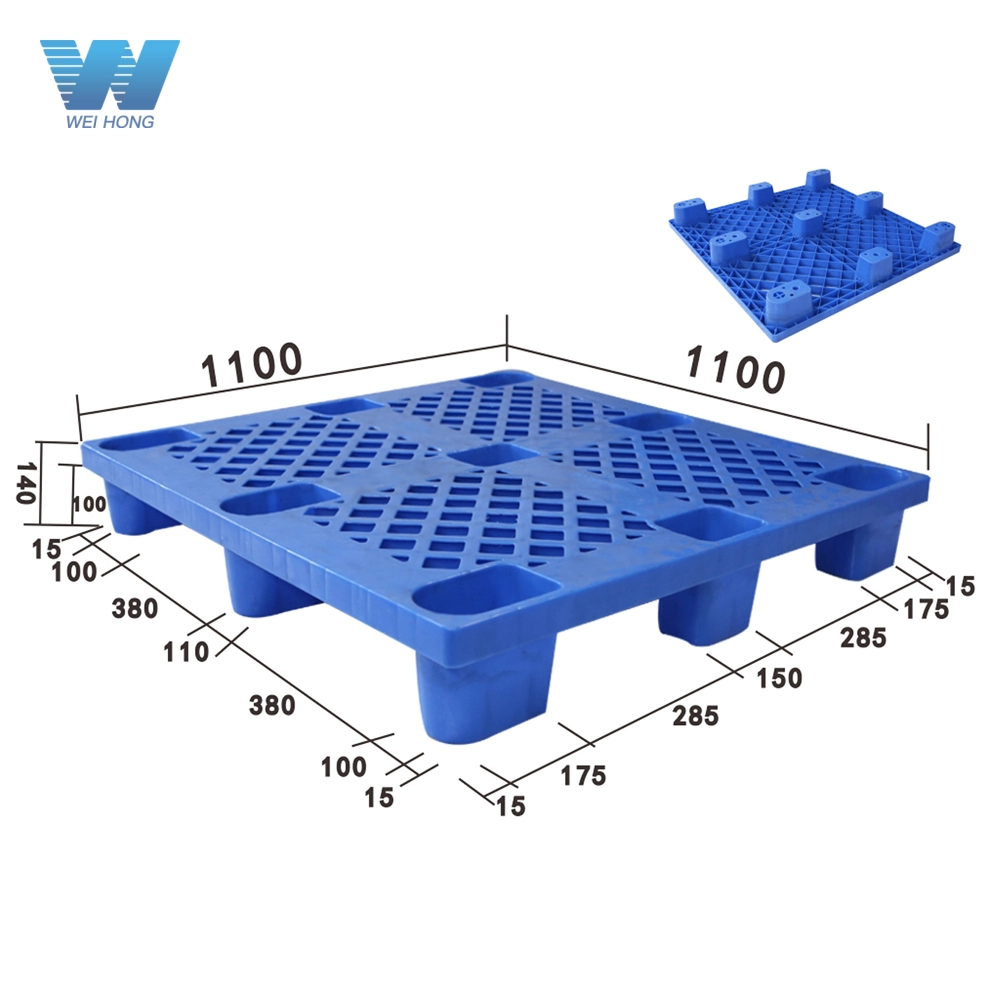
ZJ1111-140 Light-weight Nine-leg Nestable Plastic Pallet
The lightweight nine-leg nestable plastic pallet is an innovative and stylish packaging solution designed for general cargo storage and transport. It’s made of virgin HDPE or PP, featuring in space-saving due to its nine hollow feet design for nesting and cost-effectiveness.
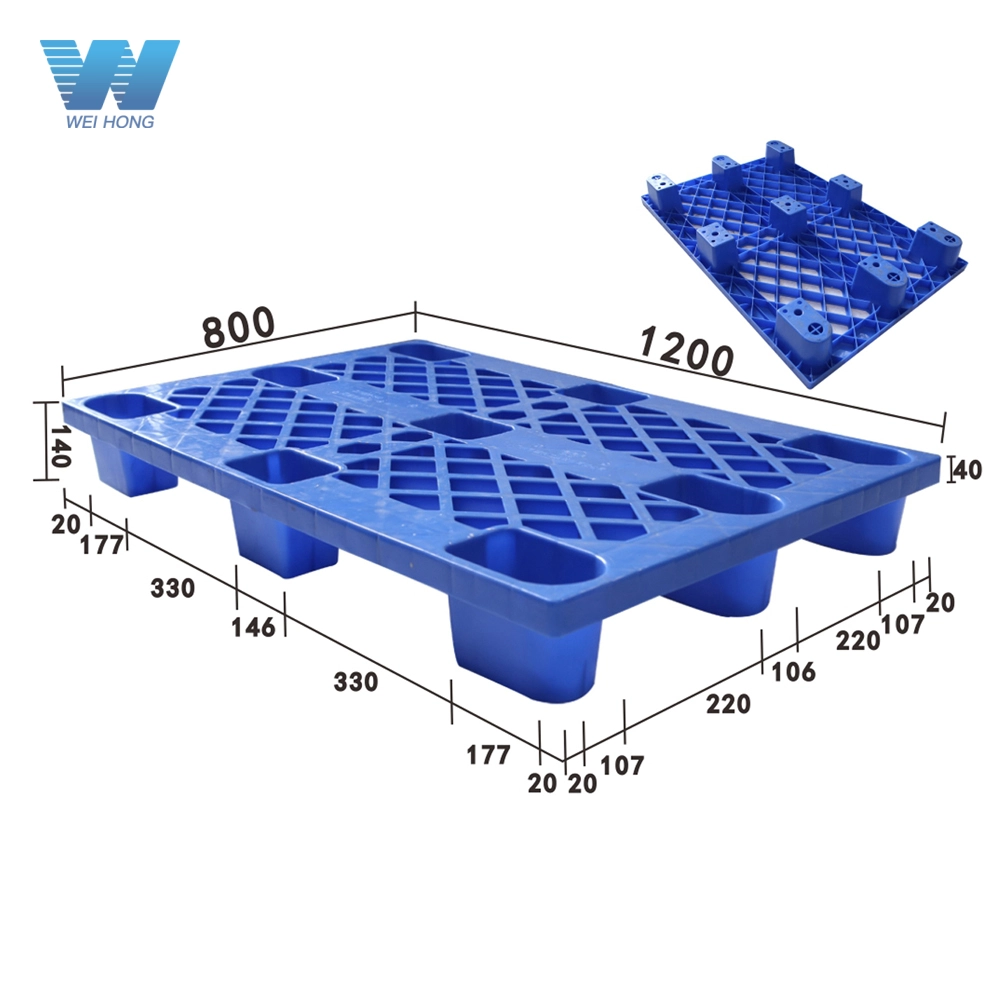
ZJ1208-140 Light-weight Nine-leg Nestable Plastic Pallet
The lightweight nine-leg nestable plastic pallet is an innovative and stylish packaging solution designed for general cargo storage and transport. It’s made of virgin HDPE or PP, featuring in space-saving due to its nine hollow feet design for nesting and cost-effectiveness.
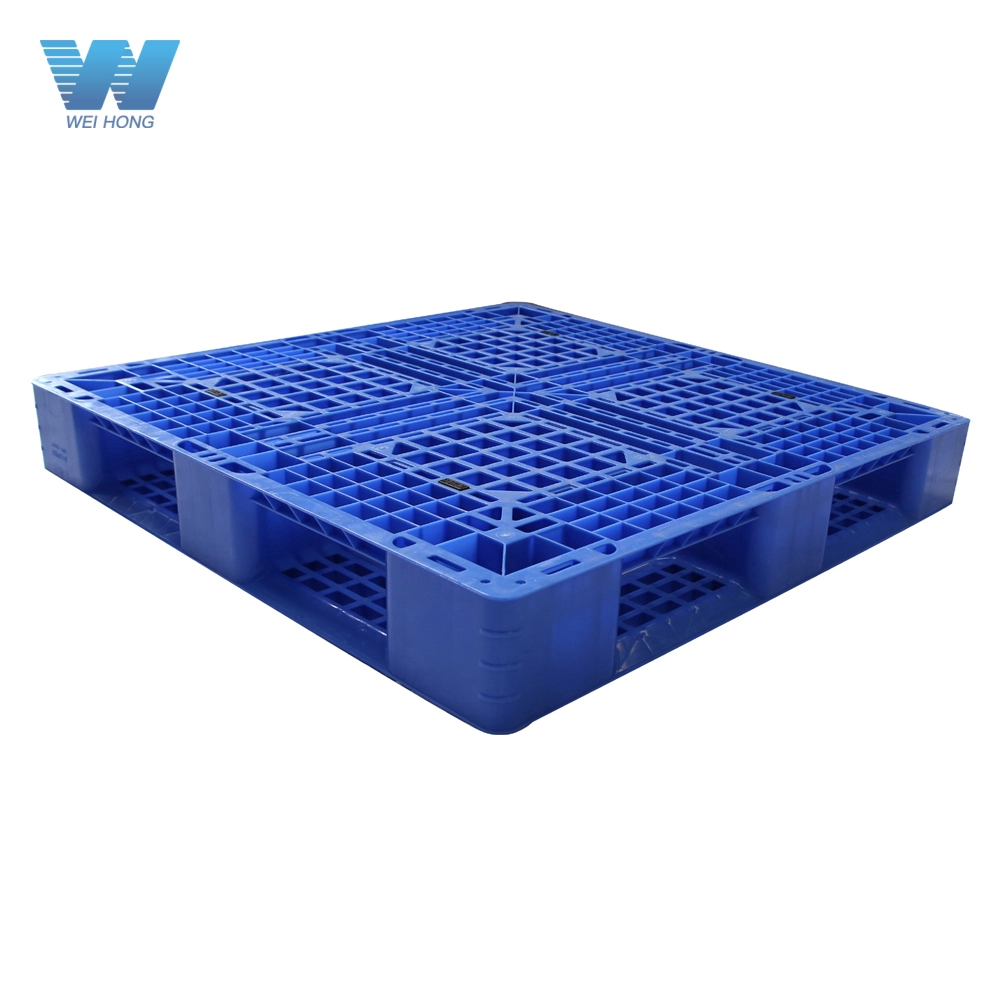
ZJ1111-150L Six-runner Single-sided Plastic Pallet
The six-runner plastic pallet, open or closed deck, is a solid and durable packaging solution designed for general and medium to heavy-duty cargo stacking, storage and transport. It’s made of virgin HDPE or PP, featuring in robust structure, a reinforced configuration with steel cores for the rack and shelf, and a steady loading capacity.
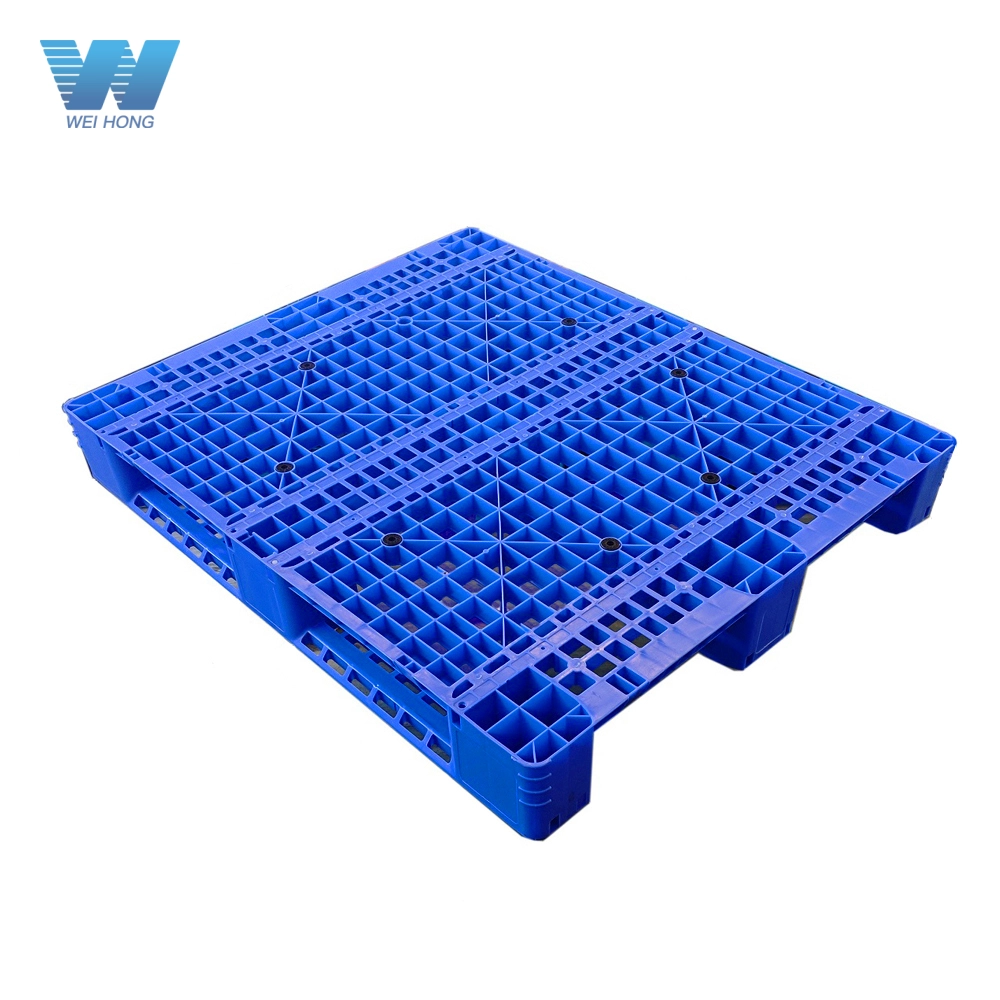
ZJ1210-150A Three-runner Single-sided Plastic Pallet
The three-runner single-sided plastic pallet is a solid and durable packaging solution designed for general and medium to heavy-duty cargo storage, transport and automated storage and retrieval system (AS/RS) use. It’s made of virgin HDPE or PP, featuring in robust structure, reinforced configuration with steel cores for rack and shelf, and a steady loading capacity.
Request More Information About Plastic Pallets
Have questions or need detailed insights on this article? Fill out the form below to contact our team for comprehensive information and support related to our plastic pallet solutions.
Contact us


+86 138 0277 8204
+86 183 4431 0917
+86 195 3791 1860

No. 15-1, Fengying Rd., Taiping Town, Conghua Dist., Guangzhou City, Guangdong Province, China.
Weihong
Whatsapp: +8613802778204
Guangdong Weihong Plastic Technology Co., Ltd.
Scan QR Code