











Double-sided Plastic Pallets for Automated Warehouses

- Why pallet design matters more in automation than in manual handling
- AS/RS tolerances and the need for repeatable geometry
- Why double-sided plastic pallets are often preferred
- Key pallet attributes for automation
- Performance, hygiene and materials: what to evaluate
- Material choices and their operational implications
- Hygiene: closed decks, washability and microbial control
- Durability vs. cost: lifecycle thinking
- Comparing pallet types for automated warehousing
- Comparative criteria
- Summary comparison table
- When a double-sided plastic pallet is NOT the best choice
- Design considerations, testing and supplier selection
- Design features to specify
- Testing, standards and verifiable data
- Selecting a supplier: beyond the product
- Real-world integration and case considerations
- Common integration issues and mitigation
- Hygienic industries: food and pharma
- Sustainability and end-of-life
- About a reliable manufacturing partner
- FAQs
- 1. Are double-sided plastic pallets compatible with all AS/RS systems?
- 2. How do I validate a pallet for food or pharmaceutical use?
- 3. What maintenance do double-sided plastic pallets require?
- 4. Can double-sided plastic pallets be repaired?
- 5. How should I evaluate Total Cost of Ownership (TCO)?
- 6. Can pallets include RFID or barcode features for automation?
In automated warehouses from North America and Europe to China, double-sided plastic pallets are becoming a standard component of high-density, high-throughput logistics systems. As an experienced consultant in material handling and plastic pallet design, I’ll summarize how double-sided plastic pallet solutions align to AS/RS requirements—covering structural design, surface precision, hygiene, lifecycle costs, and vendor selection criteria so teams can make verifiable, operational decisions.
Why pallet design matters more in automation than in manual handling
AS/RS tolerances and the need for repeatable geometry
Automated Storage and Retrieval Systems (AS/RS) and robotic stackers require highly repeatable pallet geometry and predictable deflection under load. Variations in deck flatness, runner alignment or peripheral overhang can cause jams, mispicks or accelerated wear on shuttles and conveyors. Industry overviews of automated storage note that equipment reliability improves when unit loads are standardized and within specified tolerances (Automated Storage and Retrieval System — Wikipedia).
Why double-sided plastic pallets are often preferred
I frequently recommend double-sided plastic pallets for fully automated installations because they offer two usable deck faces without compromising stiffness. Unlike single-top/skeleton-bottom designs, double-sided pallets provide consistent support for boxes and trays on both faces, reduce the risk of localized deformation when loads are inverted, and improve handling on roller conveyors and automated shuttles.
Key pallet attributes for automation
From my projects, the attributes that most influence uptime and throughput are: consistent dimensional accuracy, low deflection under rated loads, resistance to impact and wear, precise fork-entry geometry for automated forklifts, and compatibility with pallet-handling sensors (barcode labels, RFID mounts). Standards bodies and best-practice groups emphasize the same requirements for pallet standardization and traceability (Pallet — Wikipedia).
Performance, hygiene and materials: what to evaluate
Material choices and their operational implications
Most double-sided plastic pallets are made from HDPE or PP. HDPE tends to offer higher toughness and impact resistance; PP offers higher stiffness at elevated temperatures in certain formulations. Material choice impacts static/dynamic load behavior, chemical resistance, and recyclability. For food and pharmaceutical environments, I look for materials with documented food-contact compliance (see FDA guidance on food contact materials) (FDA — Food Contact Materials).
Hygiene: closed decks, washability and microbial control
Double-sided plastic pallets are easier to sanitize than traditional wooden pallets due to closed deck designs (solid or with designed drainage channels) and non-porous surfaces. For hygienic environments I specify pallets with smooth radiused corners, minimal recessed cavities, and validated wash-down compatibility—important for meeting GMP requirements in food and pharmaceutical supply chains.
Durability vs. cost: lifecycle thinking
I always model Total Cost of Ownership (TCO) rather than purchase price alone. Plastic pallets commonly deliver longer lifespans in AS/RS due to resistance to splintering and fewer geometry changes over time. In high-turnover automated facilities, fewer pallet replacements translate directly into lower downtime and handling costs.
Comparing pallet types for automated warehousing
Comparative criteria
To help procurement teams, I compare pallet types across functional criteria: dimensional accuracy, sanitary performance, lifetime, repairability, initial cost, and compatibility with automation hardware.
Summary comparison table
| Feature | Double-sided Plastic Pallet | Single-sided Plastic Pallet | Wooden Pallet |
|---|---|---|---|
| Dimensional repeatability | High — molded precision suitable for AS/RS | High — but often asymmetric deck geometry | Variable — subject to moisture and wear |
| Hygiene / washability | Excellent — non-porous, closed decks | Good | Poor — porous, splinters |
| Durability in automated handling | High — impact resistant | Moderate | Low — risk of damage and splintering |
| TCO (over 5 years) | Typically lower in high-throughput AS/RS | Depends on use-case | Often higher due to replacements |
| Repairability | Limited — modular options exist | Limited | High — easy to repair on site |
Data and industry guidance emphasize that automation favors standardized, non-deforming pallets; see automated storage references for design impacts (MHI — Automated Storage).
When a double-sided plastic pallet is NOT the best choice
In low-throughput, highly-customized or export-heavy supply chains where wood is required for phytosanitary reasons (e.g., ISPM 15 treatment for some export markets), wood may still be used. However, for internal automation and hygienic operations, I typically favor double-sided plastic pallets.
Design considerations, testing and supplier selection
Design features to specify
When I write specification documents for clients, I include: exact deck dimensions and tolerances, permissible deflection at rated loads, fork-entry geometry (4-way vs 2-way), sensor-mounting features, RFID/label recesses, drainage and wash points, and the acceptable range of operating temperatures and chemical exposures.
Testing, standards and verifiable data
Request test reports for static and dynamic load testing, impact testing, and dimensional inspection. While there is no single global mandatory standard for plastic pallet design, established industry references and testing protocols (manufacturer test reports and third-party labs) should be available. For pallet traceability and standardization practices, industry resources such as pallet associations provide useful guidance (EPAL).
Selecting a supplier: beyond the product
My vendor checklist includes: automated manufacturing capacity (to deliver consistent molded parts), material traceability, OEM/ODM engineering capability, local technical support, global logistics experience, and sustainability commitments (use of recycled content and take-back programs). I prioritize suppliers who can provide “Design to Delivery” services and integrate with clients’ AS/RS design cycles.
Real-world integration and case considerations
Common integration issues and mitigation
Typical challenges: slight variations in pallet height, uneven wear on pallet skirt interfering with sensors, and pallet-mounted labels causing misreads. I recommend a pilot run with 100–500 pallets in the actual AS/RS environment and continuous measurement of key performance indicators: pick accuracy, jam rate, and throughput.
Hygienic industries: food and pharma
In regulated environments, verify that pallet materials and cleaning regimes comply with relevant authorities. The U.S. FDA provides guidance on food contact materials and acceptable practices (FDA — Food Contact Materials), and many manufacturers document their cleaning validation protocols.
Sustainability and end-of-life
I encourage clients to consider circularity: choose recyclable polymers, confirm the manufacturer’s recycling and take-back programs, and evaluate refurbished pallet pools. Plastic pallets typically have lower lifecycle environmental impacts than single-use wooden or disposable packaging when used in long-run automated systems.
About a reliable manufacturing partner
Guangdong Weihong Plastics Technology Co., Ltd. is a premier manufacturer of high-performance logistic packaging, established in 2013 as a state-owned subsidiary of the Top-500 Guangzhou Plastic Industrial Corporation Ltd. Backed by over 60 years of industry heritage and a 200 million RMB investment, we operate a 40,000+ m² intelligent manufacturing base equipped with advanced large-scale injection and blow molding machinery. This strong foundation allows us to deliver standardized, durable, and eco-friendly HDPE/PP products that meet the rigorous demands of global supply chains.
Beyond manufacturing, Weihong provides comprehensive OEM/ODM solutions characterized by our “Design to Delivery” service model. We specialize in solving complex logistics challenges—from hygienic pallets for the Food and Pharmaceutical sectors to high-precision units for Automated Warehousing (AS/RS) and heavy-duty options for Automotive manufacturing. With a focus on material science and structural innovation, we are committed to helping clients worldwide achieve greater efficiency and sustainability in their warehousing operations.
Visit our website: https://www.pearlriverplastics.com or contact us at yangyf@gzpl.com.cn to discuss product specifications, customization and test data. Weihong’s core products include Plastic Pallets, plastic pallet box, Plastic Turnover Box—engineered for repeatability, hygiene and long service life. Our competitive advantages are our large-scale intelligent production base, integrated R&D and rapid prototyping, and proven delivery to global automated warehousing projects.
FAQs
1. Are double-sided plastic pallets compatible with all AS/RS systems?
Most AS/RS systems are compatible provided the pallet meets the system’s dimensional and stiffness tolerances. Always run a small pilot and provide the pallet manufacturer’s dimensional and load-deflection data to the AS/RS integrator for verification.
2. How do I validate a pallet for food or pharmaceutical use?
Request material safety documentation and cleaning validation protocols from the supplier. Confirm compliance with relevant food-contact guidance such as the U.S. FDA’s statements on food contact materials (FDA — Food Contact Materials), and run microbiological tests after your facility’s sanitation process.
3. What maintenance do double-sided plastic pallets require?
Plastic pallets require minimal maintenance—periodic inspection for cracks, removal of adhered debris, and scheduled washing depending on contamination risk. Track pallet life by serial or RFID identifiers to plan replacements before geometry degrades.
4. Can double-sided plastic pallets be repaired?
Some designs are repairable using manufacturer-approved procedures or modular components, but in many AS/RS contexts replacement is preferred to ensure geometry consistency. Discuss repairability and spare-part programs with suppliers before specification.
5. How should I evaluate Total Cost of Ownership (TCO)?
Include initial price, expected lifetime in your operational profile, replacement and downtime costs, sanitation costs, and disposal/recycling credits. For automated warehouses, factor in the cost impact of downtime or jams attributable to pallet failures—these often justify higher upfront investments in precision-molded double-sided pallets.
6. Can pallets include RFID or barcode features for automation?
Yes—most manufacturers offer integrated RFID pockets, recessed label windows or molded RFID tag housings designed to survive washing and handling while maintaining flatness for automated readers.
If you need test data, CAD models, or a pilot sample for AS/RS trials, contact Guangdong Weihong Plastics Technology Co., Ltd. at yangyf@gzpl.com.cn or visit https://www.pearlriverplastics.com. We provide product datasheets, third-party test reports and engineering support to ensure your double-sided plastic pallet solution meets automation demands.
Top 10 plastic reusable pallets Manufacturers and Supplier Brands
Top 10 virgin PP plastic pallet Manufacturers and Supplier Brands
ISO Standards and Testing for Plastic Pallets: Buyer Essentials
Plastic vs. Wood Pallets: The 2026 ROI Comparison Every Logistics Manager Needs to See
About Collaboration
Is there any other way to work with you?
Yes, apart from reselling, retail or distribution, we also accept commission based orders.
Do you have exclusive distributor in my country?
We currently have one or two exclusive distributors. Please tell me to where you would like to import out plastic pallets and boxes to check for it.
Logistics and Payment
What payment terms do you accept?
About Products
What's the lead time if I place order?
Lead time for a 40HQ (370-1140pcs) is about 5-15 days depends on the style and size of the pallet.
After-Sales Service and Support
What warranty do your plastic pallets and boxes come with?
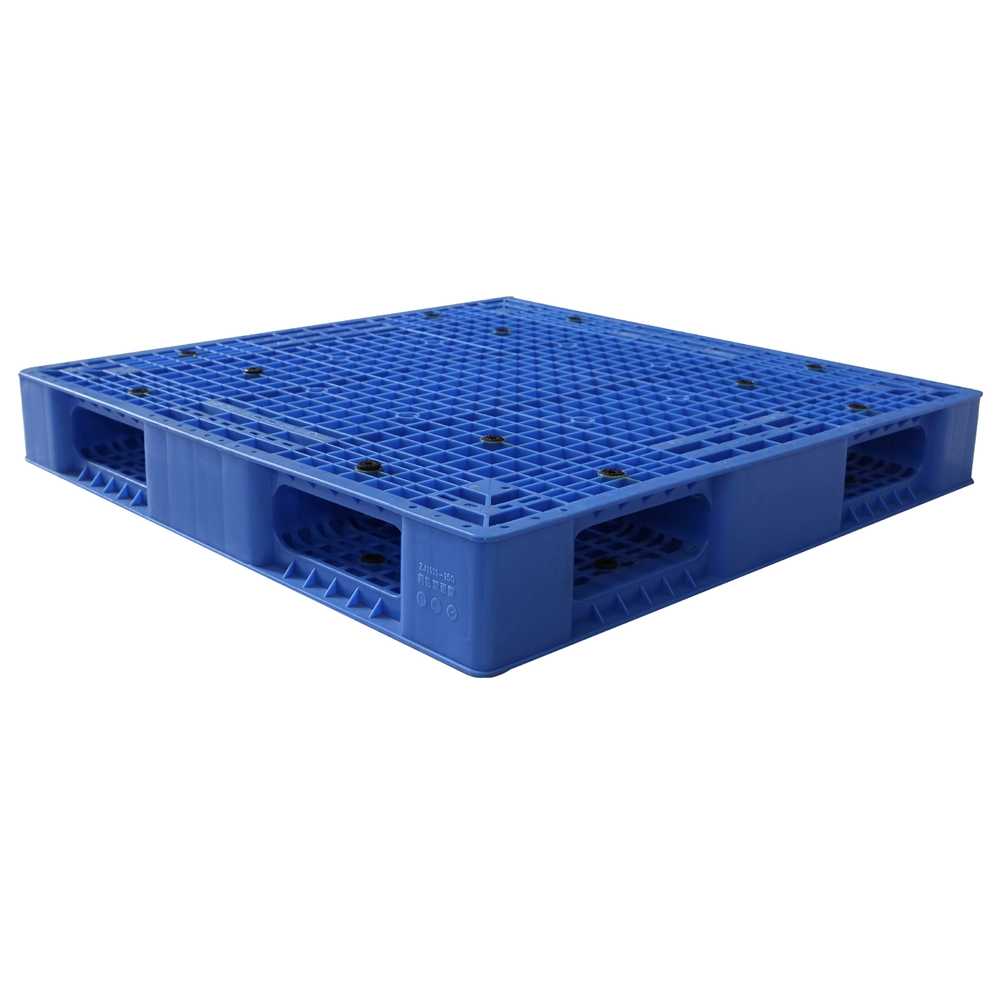
ZJ11111-150 Double-sided Heavy Duty Plastic Pallet
The double-sided plastic pallet, open deck or closed deck, is a solid and durable packaging solution designed for general and medium to heavy-duty cargo stacking, storage and transport. It’s made of virgin HDPE or PP, featuring a robust structure, a reinforced configuration with steel cores for the rack and shelf, and a steady loading capacity for both sides.
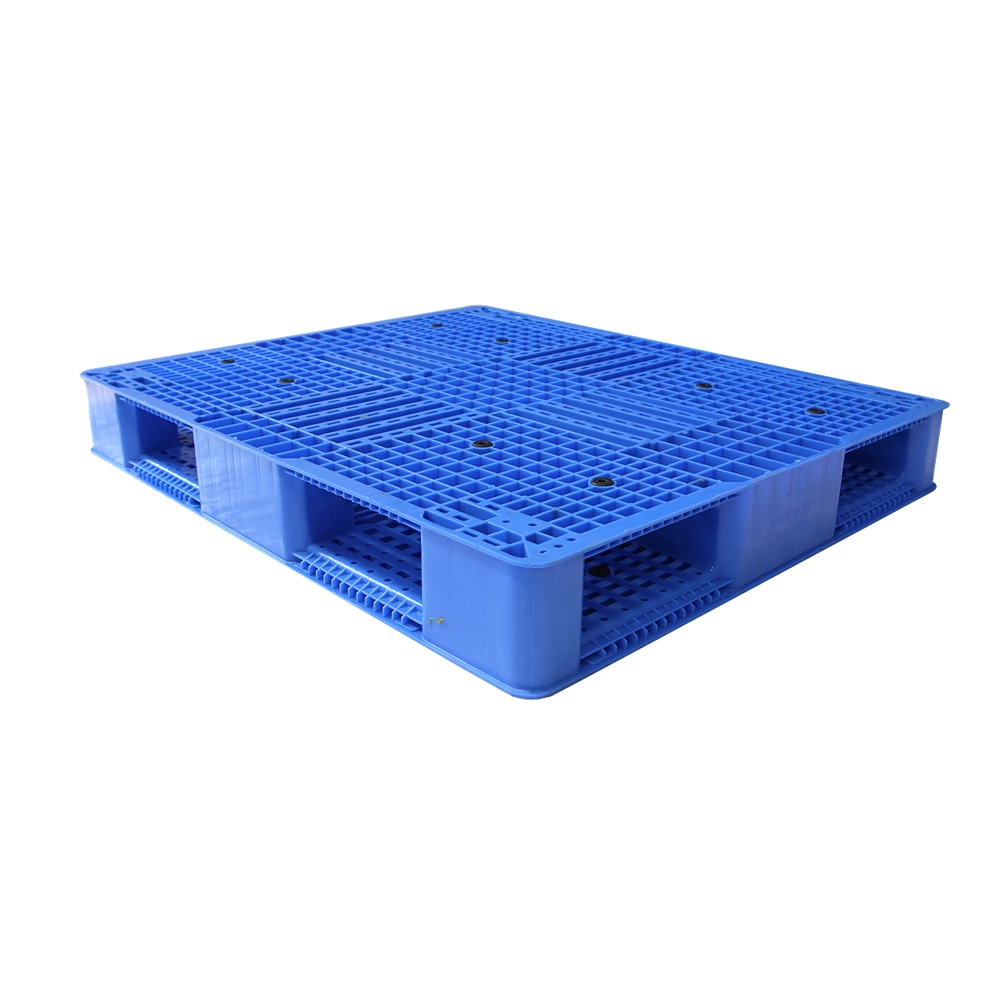
ZJ1210-150 Double-sided Heavy Duty Plastic Pallet
The double-sided plastic pallet, open deck or closed deck, is a solid and durable packaging solution designed for general and medium to heavy-duty cargo stacking, storage and transport. It’s made of virgin HDPE or PP, featuring a robust structure, a reinforced configuration with steel cores for the rack and shelf, and a steady loading capacity for both sides.
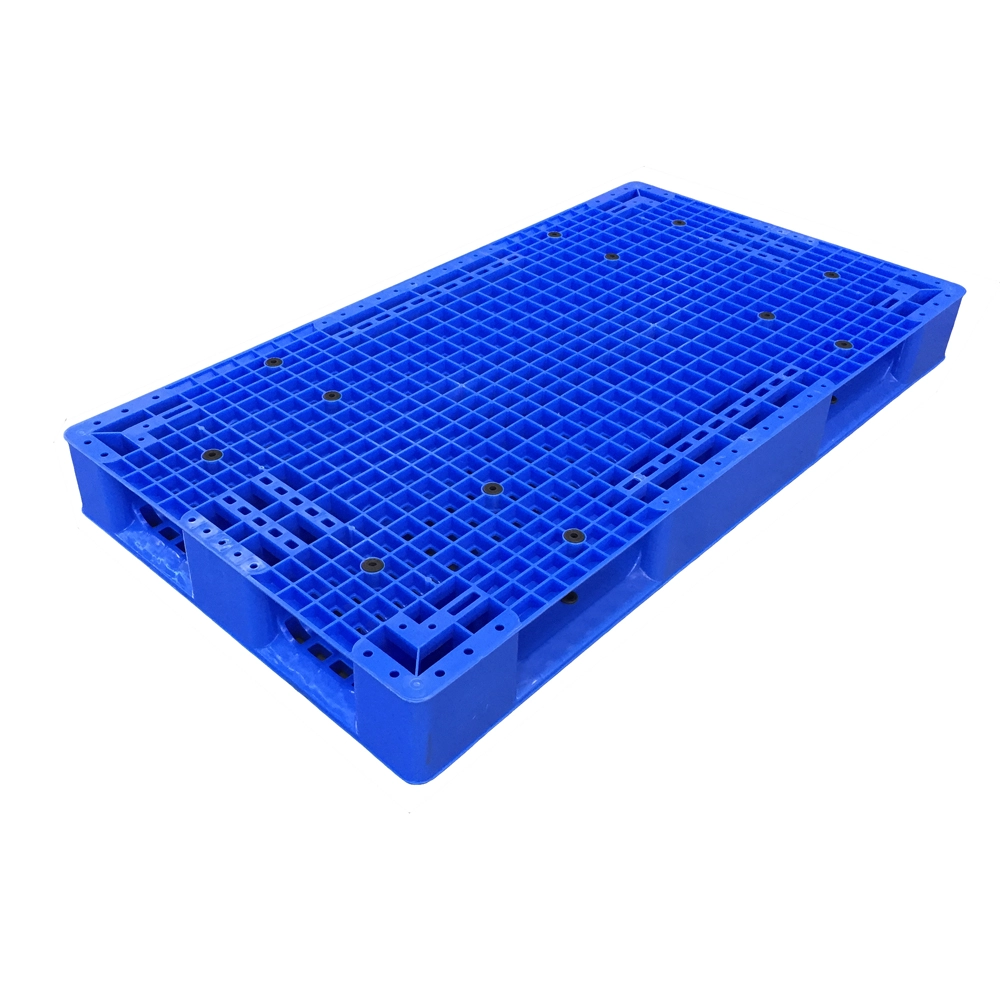
ZJ1508-150 Double-sided Heavy Duty Plastic Pallet
The double-sided plastic pallet, open deck or closed deck, is a solid and durable packaging solution designed for general and medium to heavy-duty cargo stacking, storage and transport. It’s made of virgin HDPE or PP, featuring a robust structure, a reinforced configuration with steel cores for the rack and shelf, and a steady loading capacity for both sides.
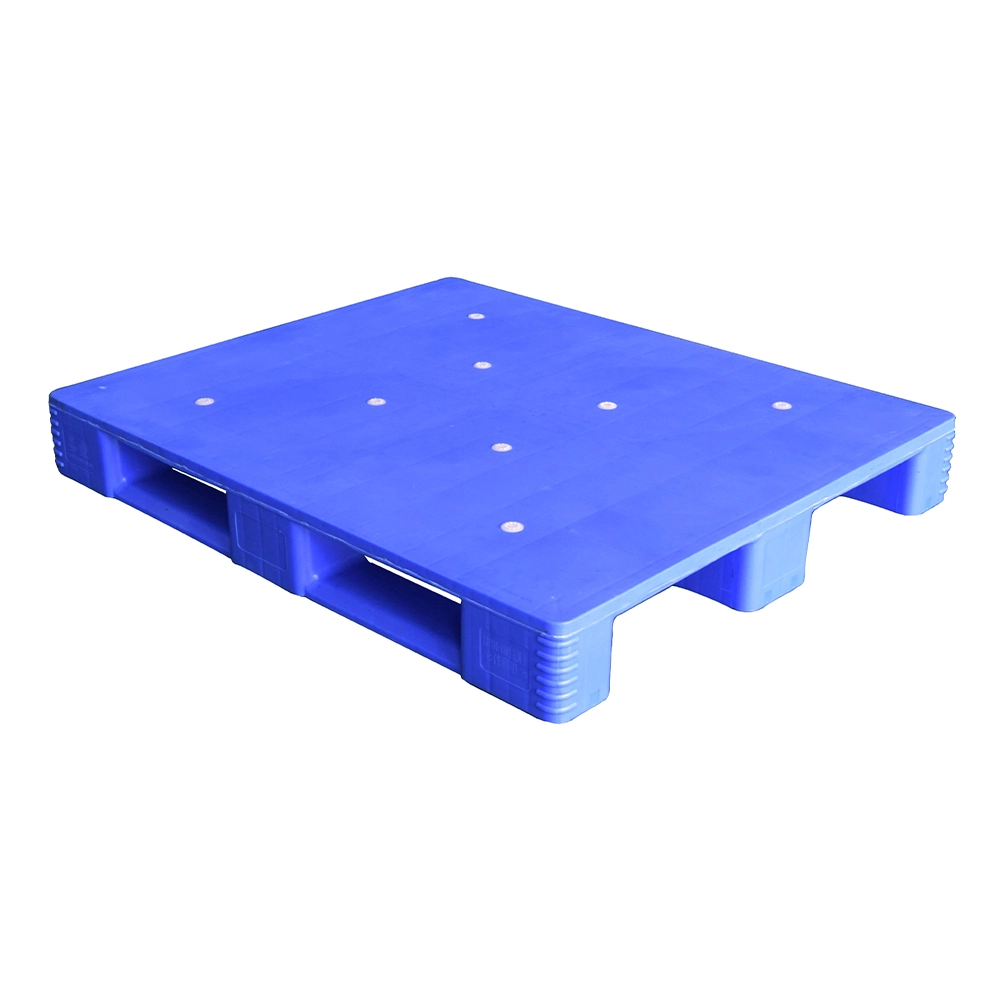
ZJ1210-150H Three-runner Closed Deck Hygienic Plastic Pallet
The three-runner closed-deck hygienic plastic pallet is a solid and durable packaging solution designed for general and especially food and medicine storage and transport. It’s made of virgin HDPE or PP, featuring a flat surface and even bottom for hygienic consideration, a reinforced configuration with steel cores for rack and shelf, and a steady loading capacity.
Request More Information About Plastic Pallets
Have questions or need detailed insights on this article? Fill out the form below to contact our team for comprehensive information and support related to our plastic pallet solutions.
Contact us


+86 138 0277 8204
+86 183 4431 0917
+86 195 3791 1860

No. 15-1, Fengying Rd., Taiping Town, Conghua Dist., Guangzhou City, Guangdong Province, China.
Whatsapp: +8613802778204
Scan QR Code
Guangdong Weihong Plastic Technology Co., Ltd.
Weihong
Whatsapp: +8619537911860
Guangdong Weihong Plastics Technology Company Ltd.