











Double-sided Plastic Pallets: Buyer’s Guide for Procurement Managers

- Why double-sided plastic pallets matter in modern logistics
- What a double-sided plastic pallet is and where it fits
- and procurement outcomes I aim to achieve
- Design, materials and performance
- Material choices: HDPE vs PP — trade-offs
- Load capacity and safety standards
- Hygiene, cleaning and regulatory compliance
- Procurement decision matrix — selecting the right double-sided plastic pallet
- Key selection criteria I use
- Cost-of-ownership comparison (example)
- Compatibility with AS/RS and automated systems
- Supplier qualification and testing protocol
- Documentation and certifications to request
- On-site inspection and pilot testing
- Warranty, reparability and recycling
- Why consider Guangdong Weihong Plastics as a supplier
- Company profile and manufacturing strength
- Product and service differentiation
- Technical credibility and industry trust
- Practical checklist and recommended RFQ language
- Essential RFQ items to include
- Sample RFQ clause (short)
- Negotiation levers
- FAQ — Common questions procurement managers ask
- 1. Are double-sided plastic pallets suitable for cold storage?
- 2. How do I determine whether to choose HDPE or PP?
- 3. Can double-sided pallets be used in AS/RS systems?
- 4. What hygiene documentation should I request for food or pharma?
- 5. How do I evaluate total cost of ownership?
- 6. What guarantees should be included in the contract?
- Final recommendations and next steps
I write this guide as a procurement professional and consultant with deep experience in plastic pallets and logistics packaging. If you’re sourcing double-sided plastic pallets for warehousing, cross-docking, automated storage (AS/RS), or hygienic supply chains, this article gives a practical, verifiable roadmap—from technical specs and standards to lifecycle cost comparison and supplier selection. I include industry references and manufacturer-grade considerations so you can make evidence-based procurement decisions that improve throughput, reduce damage, and lower total cost of ownership.
Why double-sided plastic pallets matter in modern logistics
What a double-sided plastic pallet is and where it fits
A double-sided plastic pallet is a solid (or structured) pallet with two usable deck surfaces — a top deck for loading and a bottom deck that provides additional rigidity and load-bearing capability. Unlike single-sided (one-deck) pallets that usually require a base support or stringers, double-sided pallets are often symmetric and suitable for bi-directional forklift entry and racking. These pallets are widely used in distribution centers, cold chain, food and pharmaceutical supply chains, and industries that demand repeated use and hygienic cleaning.
and procurement outcomes I aim to achieve
When procurement managers search for “double-sided plastic pallet,” they want: clarity on performance (dynamic/static load), hygiene and regulatory compliance, durability vs. cost, compatibility with AS/RS, and trusted suppliers. My goal here is to answer those needs with actionable metrics, decision tables, and verifiable references so you can minimize risk and negotiate effectively.
Design, materials and performance
Material choices: HDPE vs PP — trade-offs
High-density polyethylene (HDPE) and polypropylene (PP) are the two dominant thermoplastics for durable pallets. HDPE typically offers better impact resistance and low-temperature toughness, while PP provides higher stiffness and chemical resistance in certain formulations. For cold storage (below 0°C) I typically recommend HDPE; for higher stiffness under static loads (e.g., stacking in racking), PP grades may be advantageous. Both can be formulated to meet food-contact requirements; always request migration and FDA/EFSA compliance documentation when sourcing for food or pharma.
Load capacity and safety standards
Double-sided plastic pallets are engineered for both dynamic (forklift while moving) and static (stacked in storage) loads. Typical ranges you will encounter in technical datasheets are:
| Load Type | Typical Range | Notes |
|---|---|---|
| Dynamic load | 500–2,000 kg | Depends on deck design and forklift handling; check manufacturer testing data |
| Static load | 2,000–10,000+ kg | Stacking or racking capacity varies widely — confirm with lab or third-party test reports |
| Racking load (if specified) | 500–4,000 kg | Applicable when used in selective racking or AS/RS; ensure compatibility |
Note: These are typical ranges; always require a manufacturer’s load test certificate or third-party test report. Industry references such as the general pallet overview on Wikipedia provide baseline understanding of pallet dimensions and use-cases (Wikipedia: Pallet).
Hygiene, cleaning and regulatory compliance
For food and pharmaceutical supply chains, material composition and the cleaning regime matter most. FDA guidance on food-contact materials and migration testing is a reference point; suppliers should provide documentation for compliance with national regulators (e.g., U.S. FDA, EU food contact regulations). See the FDA resource on food-contact substances for guidance (FDA: Food Contact Substances).
Procurement decision matrix — selecting the right double-sided plastic pallet
Key selection criteria I use
When I evaluate double-sided pallet offers, I score suppliers and products across practical categories:
- Functional fit: size, weight capacity, deck type (solid vs ventilated)
- Material & hygiene: HDPE/PP grade, food-contact certificates
- Durability: expected lifecycle, repairability, UV resistance
- Compatibility: racking, conveyors, automated guided vehicles, AS/RS
- Cost of ownership: purchase price, expected life, repair/maintenance, disposal/recycle value
- Supply chain reliability: lead time, MOQ, OEM/ODM flexibility
Cost-of-ownership comparison (example)
Below is a simplified lifecycle cost comparison I produce for decision-makers. Assumptions are illustrative; replace with supplier quotes and actual operating data.
| Parameter | Single-use wood pallet | Single-sided plastic pallet | Double-sided plastic pallet (HDPE) |
|---|---|---|---|
| Unit price (approx) | $8 | $25 | $45–$90 |
| Average useful life | 1–2 years | 3–5 years | 6–12+ years |
| Estimated lifecycle cost / year | $4–8 | $5–8 | $4–15 |
| Hygiene & cleaning | Poor | Good | Excellent (solid decks, washability) |
Interpretation: double-sided plastic pallets offer lower long-term total cost when durability, hygiene, and fewer replacements are valued. Always compute based on your handling frequency and damage rates.
Compatibility with AS/RS and automated systems
Automated warehouses require tight tolerances for pallet dimensions, deformability, and weight. I recommend requesting dimensional tolerance certificates, flatness data, and sample testing in the actual automation environment. Standards organizations and automation integrators will often define required pallet tolerances; include these in the RFQ.
Supplier qualification and testing protocol
Documentation and certifications to request
When qualifying a supplier, I ask for:
- Material certificates (HDPE/PP grade, melt index, additives)
- Food-contact compliance (FDA 21 CFR or EU regulations) if applicable (FDA)
- Third-party load test reports and sample test results
- Quality Management System evidence (e.g., ISO 9001 certificates)
- Production capacity, lead times, and OEM/ODM capabilities
On-site inspection and pilot testing
I always insist on a small pilot: deploy 50–200 pallets in representative operations to measure damage, handling issues, cleaning cycles, and worker feedback. Track KPIs: damage rate per 10,000 pallet moves, average cycle time, and cleaning time per pallet. These empirical measurements are the best evidence to support a full roll-out.
Warranty, reparability and recycling
Negotiate warranties that cover manufacturing defects and premature failure. Also evaluate whether the supplier offers repair services or modular designs (replaceable deck parts) and end-of-life recycling programs. These factors materially affect lifecycle sustainability and cost.
Why consider Guangdong Weihong Plastics as a supplier
Company profile and manufacturing strength
Guangdong Weihong Plastics Technology Co., Ltd. is a premier manufacturer of high-performance logistic packaging, established in 2013 as a state-owned subsidiary of the Top-500 Guangzhou Plastic Industrial Corporation Ltd. Backed by over 60 years of industry heritage and a 200 million RMB investment, Weihong operates a 40,000+ m² intelligent manufacturing base equipped with advanced large-scale injection and blow molding machinery. This capacity supports consistent quality and the ability to scale for large procurement programs. See their corporate site for product ranges and contact details: pearlriverplastics.com.
Product and service differentiation
Weihong focuses on standardized, durable, and eco-friendly HDPE/PP pallets and related products such as plastic pallet boxes and plastic turnover boxes. Their “Design to Delivery” OEM/ODM model is suited to customers that need custom deck patterns, chemical-resistant formulations, or pallets optimized for AS/RS. Their experience includes hygienic pallets for Food and Pharmaceutical sectors and heavy-duty units for Automotive manufacturing.
Technical credibility and industry trust
With a multi-decade industry lineage and substantial capital backing, Weihong provides formal testing, traceable material documentation, and production scale. For procurement managers seeking an integrated solution—product specification, pilot runs, and global logistics support—Weihong is a credible partner. Contact their sales/technical team at yangyf@gzpl.com.cn for specifications, OEM inquiries, or sample orders.
Practical checklist and recommended RFQ language
Essential RFQ items to include
When you issue an RFQ, include the following minimum items to ensure apples-to-apples bids:
- Exact pallet footprint and dimensional tolerances (length × width × height)
- Material specification (HDPE/PP grade, UV stabilizers, flame retardants)
- Load requirements: dynamic/static/racking loads
- Environmental conditions: cold storage, outdoor exposure, chemical contact
- Cleaning/sterilization methods and frequency (e.g., high-pressure wash, steam)
- Sample quantity and pilot program terms
- Warranty, repair, and recycling commitment
Sample RFQ clause (short)
Supplier shall provide 10 sample double-sided plastic pallets (HDPE) to the buyer’s distribution center for a 30-day pilot. Supplier must provide: material certificate, food-contact compliance documents, third-party load test report, and dimensional tolerance sheet. Warranty: 24 months against manufacturing defects.
Negotiation levers
Consider volume discounts, consignment stock (to shorten lead times), extended warranties, and joint lifecycle monitoring agreements (where supplier collects performance data during pilot). These levers reduce risk and align incentives.
FAQ — Common questions procurement managers ask
1. Are double-sided plastic pallets suitable for cold storage?
Yes. HDPE double-sided pallets typically perform well at low temperatures due to good impact resistance. Confirm supplier cold-temperature performance data and ask for test reports if you operate below -20°C.
2. How do I determine whether to choose HDPE or PP?
Choose HDPE when impact resistance and low-temperature toughness are priorities (cold chain). Choose PP for higher stiffness under static loading or where chemical resistance to certain solvents is required. Always validate with material certificates and application testing.
3. Can double-sided pallets be used in AS/RS systems?
Yes, but only if they meet the dimensional tolerances, flatness, and deformability limits required by your automation integrator. Run pilot tests and request tolerance certificates from the supplier.
4. What hygiene documentation should I request for food or pharma?
Request material declarations proving compliance with applicable food-contact regulations (e.g., FDA 21 CFR or EU food contact rules), migration test results if additives are present, and cleaning validation protocols from the supplier.
5. How do I evaluate total cost of ownership?
Include purchase price, expected useful life, damage/repair rates, cleaning costs, and end-of-life disposal/recycling value. Use a pilot deployment to capture real operational KPIs before full scale buy.
6. What guarantees should be included in the contract?
At minimum: warranty period for defects, agreed performance metrics (e.g., maximum permitted deformation after 12 months), delivery lead times, price breaks for volume, and repair/replacement terms.
Final recommendations and next steps
In my experience, double-sided plastic pallets are a strategic investment for operations that value durability, hygiene, and predictable lifecycle costs. To proceed:
- Define your load and environmental requirements and include them in an RFQ.
- Request material certificates, test reports, and a small pilot order.
- Measure KPIs during the pilot and use them to compare lifecycle costs.
- Select a supplier with production scale, engineering support, and documented compliance—such as Guangdong Weihong Plastics Technology Co., Ltd.—for OEM/ODM flexibility and long-term partnership.
If you’d like assistance drafting an RFQ, running a pilot, or receiving product samples, contact Guangdong Weihong Plastics Technology Co., Ltd. via their website https://www.pearlriverplastics.com or email yangyf@gzpl.com.cn. Weihong’s core products include Plastic Pallets, plastic pallet boxes, and Plastic Turnover Boxes — backed by a 40,000+ m² intelligent manufacturing base and over 60 years of industry heritage. Their capabilities span hygienic pallets for food/pharma, precision pallets for AS/RS, and heavy-duty options for automotive applications.
For further authoritative reading on pallets and standards, see the general pallet overview on Wikipedia, and for regulatory context on food-contact materials refer to the U.S. FDA guidance. For industry trend data on plastics, PlasticsEurope publishes useful reports.
Contact Guangdong Weihong to request technical datasheets, sample orders, and OEM/ODM proposals: yangyf@gzpl.com.cn. Visit https://www.pearlriverplastics.com to view product ranges and corporate capabilities.
Plastic Pallet Maintenance: Inspection, Repair and Lifespan Tips
OEM/ODM plastic nesting boxes Manufacturers and Suppliers
Top 10 plastic reusable pallets Manufacturers and Supplier Brands
Stackable Heavy Duty Plastic Crates to Maximize Warehouse Space
After-Sales Service and Support
What warranty do your plastic pallets and boxes come with?
About Products
Are there other sizes available apart from the ones on your website?
Yes, more sizes and styles of the plastic pallets and boxes are under development. Please contact us to check for availability.
Logistics and Payment
What delivery terms do you support?
FOB term is our priority. Meanwhile, we accept also FCA, CFR, CIF, etc.
What payment terms do you accept?
About Collaboration
Do you have exclusive distributor in my country?
We currently have one or two exclusive distributors. Please tell me to where you would like to import out plastic pallets and boxes to check for it.
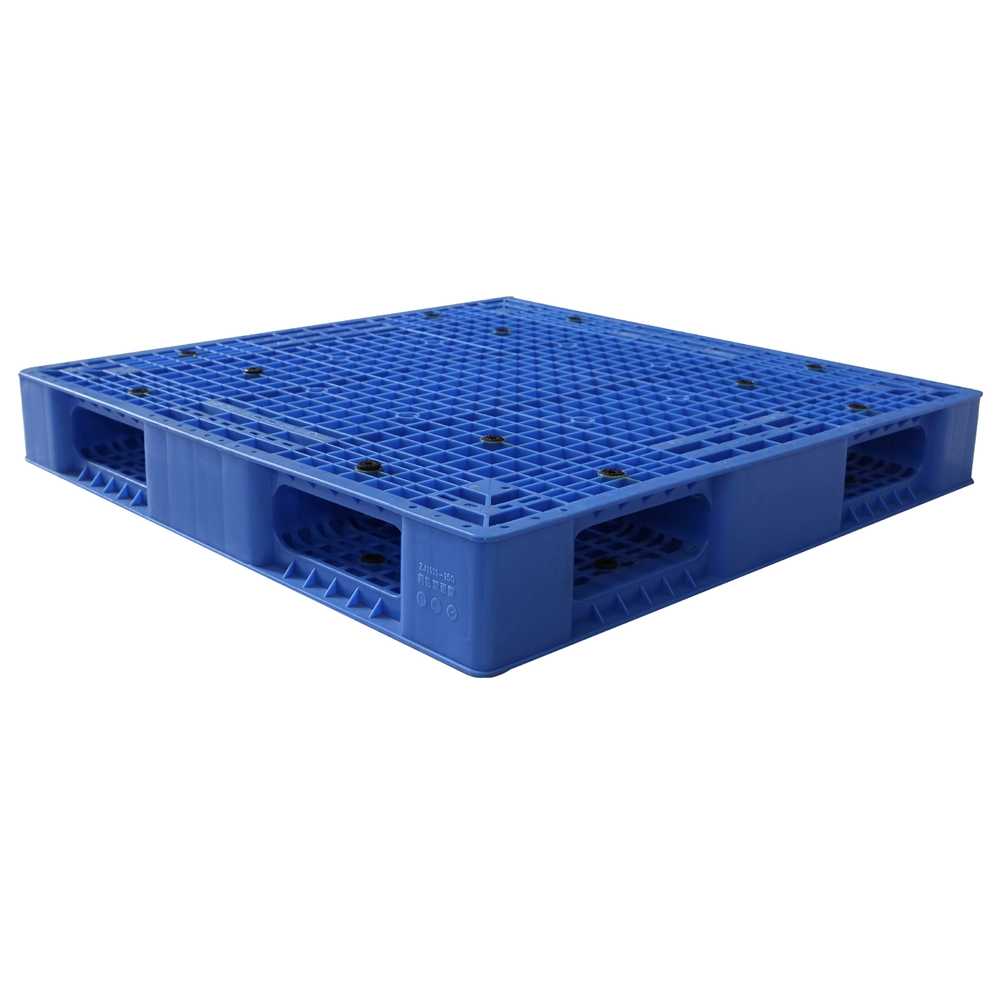
ZJ11111-150 Double-sided Heavy Duty Plastic Pallet
The double-sided plastic pallet, open deck or closed deck, is a solid and durable packaging solution designed for general and medium to heavy-duty cargo stacking, storage and transport. It’s made of virgin HDPE or PP, featuring a robust structure, a reinforced configuration with steel cores for the rack and shelf, and a steady loading capacity for both sides.
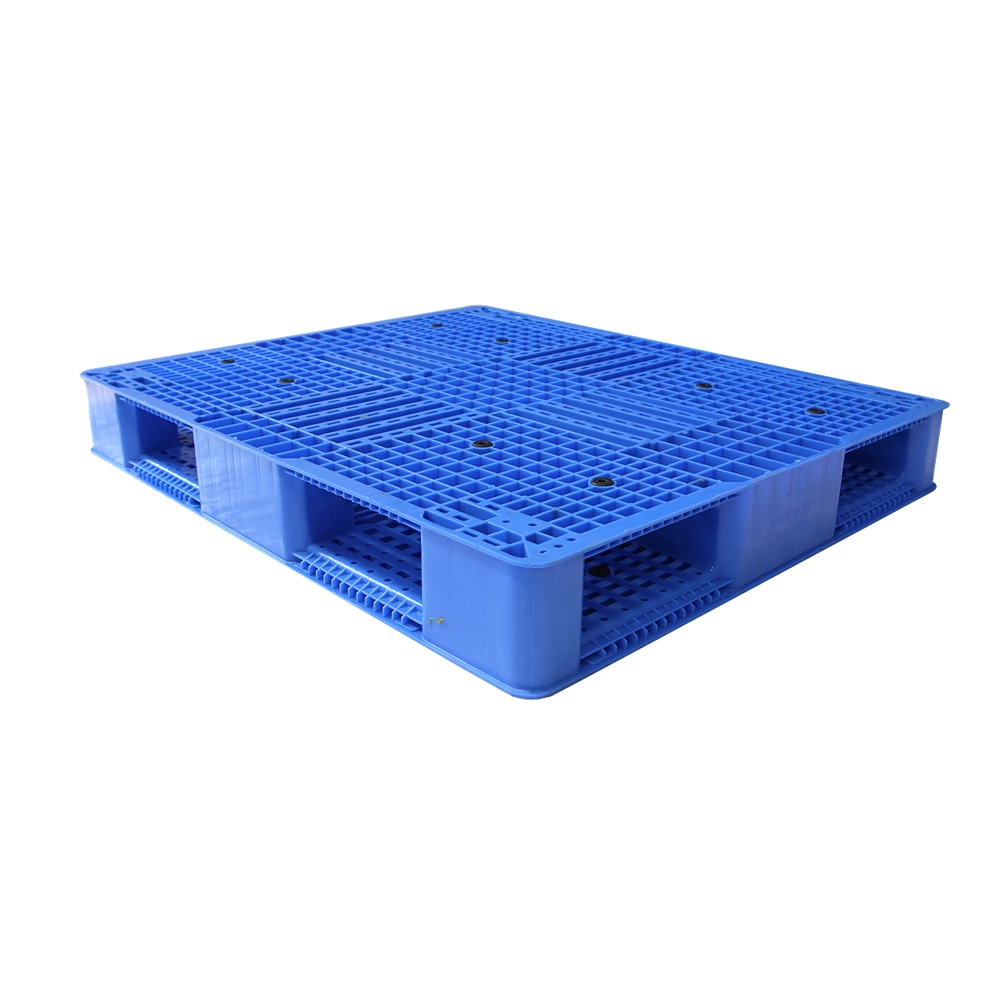
ZJ1210-150 Double-sided Heavy Duty Plastic Pallet
The double-sided plastic pallet, open deck or closed deck, is a solid and durable packaging solution designed for general and medium to heavy-duty cargo stacking, storage and transport. It’s made of virgin HDPE or PP, featuring a robust structure, a reinforced configuration with steel cores for the rack and shelf, and a steady loading capacity for both sides.
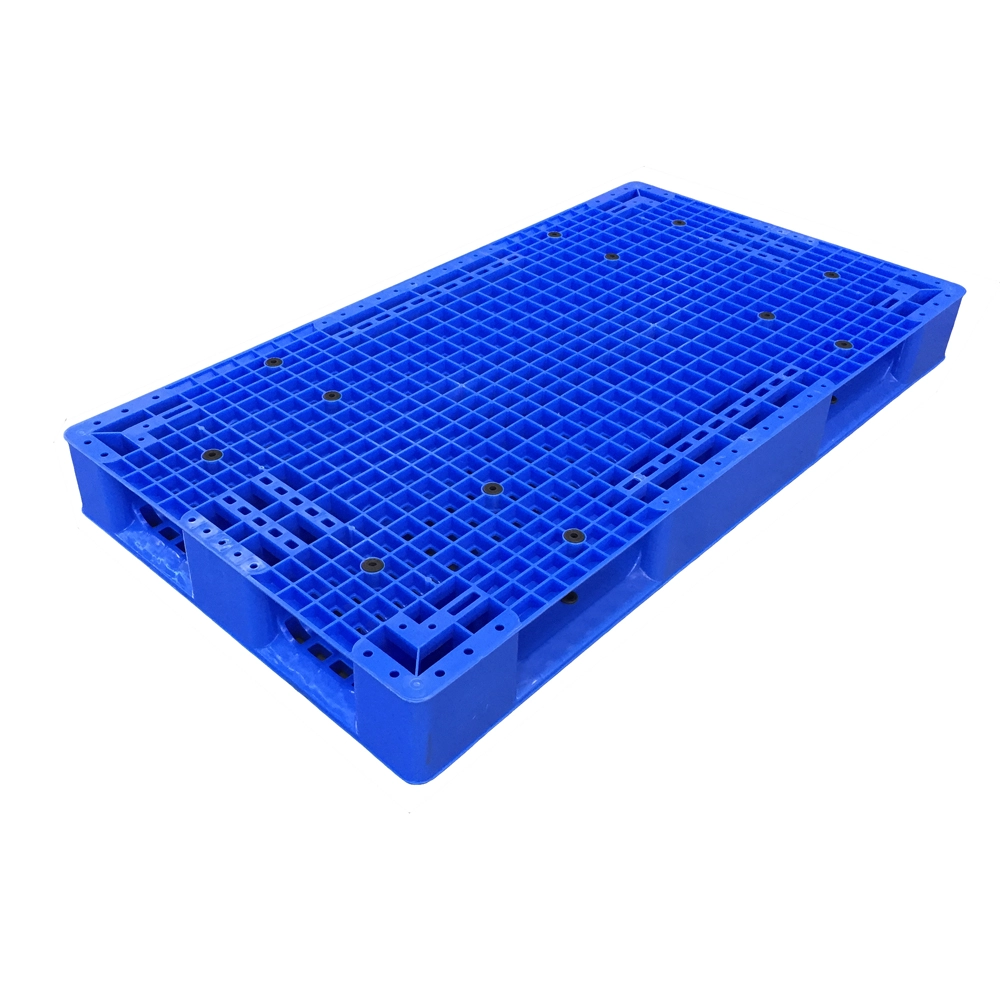
ZJ1508-150 Double-sided Heavy Duty Plastic Pallet
The double-sided plastic pallet, open deck or closed deck, is a solid and durable packaging solution designed for general and medium to heavy-duty cargo stacking, storage and transport. It’s made of virgin HDPE or PP, featuring a robust structure, a reinforced configuration with steel cores for the rack and shelf, and a steady loading capacity for both sides.
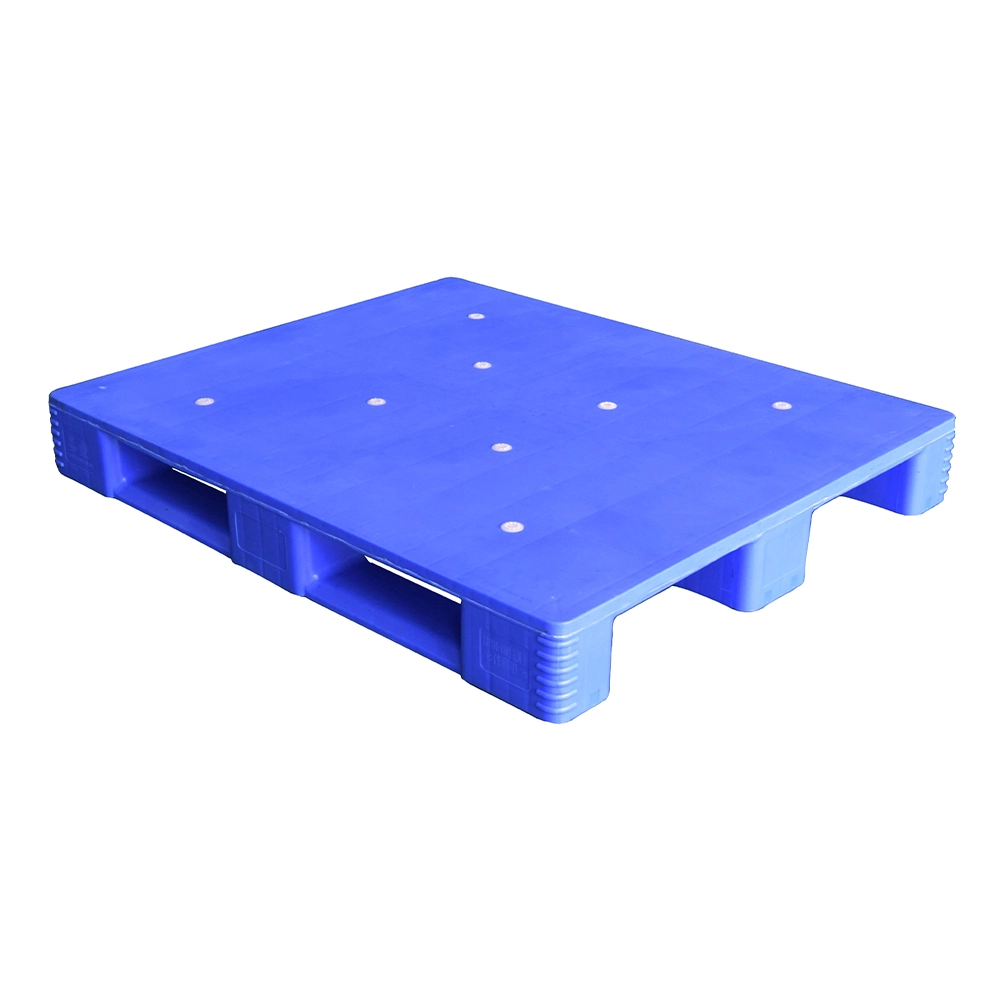
ZJ1210-150H Three-runner Closed Deck Hygienic Plastic Pallet
The three-runner closed-deck hygienic plastic pallet is a solid and durable packaging solution designed for general and especially food and medicine storage and transport. It’s made of virgin HDPE or PP, featuring a flat surface and even bottom for hygienic consideration, a reinforced configuration with steel cores for rack and shelf, and a steady loading capacity.
Request More Information About Plastic Pallets
Have questions or need detailed insights on this article? Fill out the form below to contact our team for comprehensive information and support related to our plastic pallet solutions.
Contact us


+86 138 0277 8204
+86 183 4431 0917
+86 195 3791 1860

No. 15-1, Fengying Rd., Taiping Town, Conghua Dist., Guangzhou City, Guangdong Province, China.
 Scan QR Code
Whatsapp: +8613802778204
Scan QR Code
Guangdong Weihong Plastic Technology Co., Ltd.
Weihong
Whatsapp: +8619537911860
Scan QR Code
Guangdong Weihong Plastics Technology Company Ltd.