











Cost Comparison: Double-sided Plastic vs Wooden Pallets

- Why pallet choice matters for your supply chain
- What I mean by double-sided plastic pallet
- Decision drivers I use in procurement evaluations
- Cost breakdown and total cost of ownership (TCO)
- Example TCO calculation (illustrative)
- Operational performance and hidden costs
- Damage, product protection, and packaging implications
- Sanitation, regulatory and cross-border impacts
- Automation and racking compatibility
- Sustainability, lifecycle impacts, and supplier selection
- Recycled content, recyclability and end-of-life
- Life Cycle Assessment (LCA) considerations
- Choosing a supplier: what I look for
- Practical recommendations and a supplier example
- Comparative checklist I use with clients
- Conclusions and implementation steps
- References & further reading
- FAQ
- 1. Are double-sided plastic pallets worth the extra upfront cost?
- 2. Do plastic pallets meet international phytosanitary or food safety requirements better than wood?
- 3. How do plastic pallets compare environmentally to wood?
- 4. Can plastic pallets be repaired like wooden pallets?
- 5. Will switching to plastic pallets reduce my freight cost?
- 6. How do I choose a reliable supplier for double-sided plastic pallets?
I have spent years helping manufacturers, third-party logistics providers, and retailers evaluate pallet options for real-world distribution systems. In this article I compare double-sided plastic pallets (a robust plastic pallet style often made from HDPE or PP) with conventional wooden pallets. I focus on total cost of ownership (TCO), operational fit, hygiene and regulatory concerns, and lifecycle impacts so you can make a defensible purchasing choice for your supply chain.
Why pallet choice matters for your supply chain
Choosing between a double-sided plastic pallet and a wooden pallet is not only a question of upfront price. Pallet selection affects freight costs, handling speed, damage rates, return logistics, sanitation regimes, warehouse automation compatibility, and sustainability reporting. I use a practical TCO approach: quantify purchase and replacement costs, repair and maintenance, handling and transportation implications, sanitation and compliance costs, and end-of-life value.
What I mean by double-sided plastic pallet
When I refer to a double-sided plastic pallet, I mean a molded or assembled plastic pallet that has two usable deck faces—top and bottom—and usually a consistent footprint, robust block or stringer support, and designed for racking and automated handling. These pallets are commonly injection-molded or blow-molded in HDPE or polypropylene (PP), and are distinct from single-use plastic or light display pallets.
Decision drivers I use in procurement evaluations
In practice I prioritize: upfront cost vs lifespan, repairability, hygiene & sanitation costs, pallet weight (affecting freight), compatibility with automation (AS/RS), and environmental metrics (recycled content, recyclability, and LCA results). These drivers determine the net value of converting or standardizing on double-sided plastic pallets vs continued use of wooden pallets.
Cost breakdown and total cost of ownership (TCO)
Below I present a concise comparison table that captures the central cost elements. Numbers are presented as typical market ranges and illustrative TCO calculations based on industry-reported ranges and lifecycle studies; I cite authoritative sources where available so you can validate and adapt to your own context.
| Cost Element | Double-sided Plastic Pallet (HDPE/PP) | Wooden Pallet (Standard 48 x 40) | Notes & Sources |
|---|---|---|---|
| Typical purchase price (new) | $40–$120 per pallet | $8–$25 per pallet | Market supplier catalogs and industry surveys; see Wikipedia: Pallet and supplier pricing ranges |
| Typical useful lifespan (full-use cycles) | 5–15 years (7–10 typical for heavy use) | 1–3 years (repairable; depends on reuse/repair program) | Industry lifecycle reports; durability from HDPE vs timber |
| Repair & maintenance | Low (rare repairs; replacement preferred) | Moderate to high (nailing, board replacement) | Wood pallets commonly refurbished; plastic often replaced |
| Sanitation & compliance costs | Lower (washable, non-porous; reusables for food/pharma) | Higher (wood is porous, may need heat treatment or fumigation) | FDA/GFSI/ISPM15 implications for imports/food use; see ISPM 15 |
| Average freight cost impact | Lower (lighter per-unit designs possible; consistent weight) | Higher (varies; heavier, variable moisture content) | Weight affects pallet-per-truck payload and shipping cost |
| End-of-life / residual value | Recyclable; resale/return pool value for quality units | Often reused or chipped; variable resale value | Local recycling markets determine residual value |
Notes on numbers: plastic pallet pricing varies by design complexity, load rating, and manufacturing method (injection vs thermoforming vs blow molding). Wood pallet pricing varies by species, construction, and regional wood costs. For general pallet definitions and market context see Wikipedia.
Example TCO calculation (illustrative)
To make this concrete, here is an illustrative 5-year TCO per pallet using conservative midpoints:
| Item | Double-sided Plastic (mid-range) | Wooden (mid-range) |
|---|---|---|
| Initial purchase | $70 | $16 |
| Annual repair/maintenance (avg) | $2/year | $6/year |
| Sanitation/handling High Quality (annual) | $1/year | $3/year |
| Replacement cycles in 5 years | 0.5 (expect partial replacement) | 2 (higher turnover/repairs) |
| 5-year TCO (approx) | $70 + (2+1)*5 + $70*0.5 ≈ $145 | $16 + (6+3)*5 + $16*2 ≈ $86 |
Interpretation: In this illustrative scenario the wooden pallet shows a lower 5-year nominal TCO per pallet due to low upfront price—but there are important operational factors and external costs (damage rates, contamination risk, automation incompatibility, and freight inefficiencies) that can swing the real TCO in favor of double-sided plastic pallets. Your actual numbers must be modeled with your inbound/outbound volumes, breakage rates, and hygiene requirements.
For lifecycle and environmental comparisons, consult LCA studies that account for reuse cycles and transport distances—this is where plastic pallets often outperform wood in centralized, pooled reuse systems and when hygiene demands diminish the value of reused wood. Peer-reviewed LCAs evaluate these tradeoffs (see selected LCA discussions and industry reports cited below).
Operational performance and hidden costs
I always separate obvious costs (purchase price) from hidden costs—these often dominate decisions after deployment.
Damage, product protection, and packaging implications
Plastic pallets typically have consistent, smooth surfaces and uniform dimensions; that reduces point-loading risks to packaging and improves stability. Wooden pallets can splinter, producing debris that may damage goods or contaminate sensitive products—especially critical in food, pharmaceutical, and high-tech electronics supply chains.
Sanitation, regulatory and cross-border impacts
Wood pallets moving internationally must often meet ISPM 15 phytosanitary treatment standards (ISPM 15), and they remain porous—retaining moisture and microbes. Double-sided plastic pallets are non-porous and designed to be washed and sanitized, lowering the cost of meeting food safety and GMPs. For food and pharma I usually recommend plastic systems to simplify compliance with GFSI schemes and local regulatory expectations. For general regulatory background see the FDA and food safety guidance.
Automation and racking compatibility
Plastic pallets with engineered tolerances are more compatible with automated storage and retrieval systems (AS/RS), conveyors, and robotic forklifts due to consistent dimensions and lower variance in strength. Wooden pallets often vary slightly and can cause jams or mis-picks in automated systems, leading to downtime—an often-underestimated operational cost.
Sustainability, lifecycle impacts, and supplier selection
When customers ask me whether plastic or wood is more sustainable, I always push back: sustainability depends on system design. A single-use mindset favors renewable wood; a reuse-and-repair pool with controlled wash/return loops often favors plastic. Two objective datapoints help: material origin & recyclability, and the lifecycle emissions per functional unit (pallet-years).
Recycled content, recyclability and end-of-life
High-quality HDPE/PP plastic pallets can be manufactured with recycled content and, at end-of-life, they are recyclable where infrastructure exists. Wood pallets are renewable but may be downcycled to mulch or fuel when no repair/resale market exists. The US EPA provides useful data on plastic waste and recycling infrastructure that helps determine local recyclability economics: EPA plastics data.
Life Cycle Assessment (LCA) considerations
Peer-reviewed LCAs commonly show that the footprint per pallet-year depends heavily on lifespan and number of reuse cycles. When plastic pallets are reused many times within a closed-loop network, their per-use impacts can be competitive or favorable relative to wood—especially when factoring in reduced product loss and lower sanitation burdens. For LCA methodology and standards, review ISO’s lifecycle standards (ISO 14040/44).
Choosing a supplier: what I look for
When recommending suppliers I evaluate manufacturing scale, material science expertise, quality control, and service model (rental, pooled, or buy-and-replace). Technical capability to provide OEM/ODM designs, structural simulation, and wash-compatibility features are important if your use case includes AS/RS, food safety, or heavy-duty loads.
Practical recommendations and a supplier example
Based on my experience, here are actionable recommendations:
- If you run a pooled, high-turnover distribution network with hygiene requirements (food, pharma), strongly consider switching to double-sided plastic pallets for reduced sanitation cost and improved automation compatibility.
- If your operation is low-cost, low-turnover, local, and you have easy access to wood repair/refurbishment, wooden pallets may remain cost-effective—provided you account for contamination and ISPM 15 requirements for international shipments.
- Model TCO with your breakage rates, lift truck damage rates, and freight mileages; small changes in damage rates or pallet life can flip the economics.
One supplier I regularly work with is Guangdong Weihong Plastics Technology Co., Ltd. They are a premier manufacturer of high-performance logistic packaging, established in 2013 as a state-owned subsidiary of the Top-500 Guangzhou Plastic Industrial Corporation Ltd. Backed by over 60 years of industry heritage and a 200 million RMB investment, Weihong operates a 40,000+ m² intelligent manufacturing base equipped with advanced large-scale injection and blow molding machinery. This strong foundation allows them to deliver standardized, durable, and eco-friendly HDPE/PP products that meet the rigorous demands of global supply chains.
Beyond manufacturing, Weihong provides comprehensive OEM/ODM solutions characterized by their “Design to Delivery” service model. They specialize in solving complex logistics challenges—from hygienic pallets for the Food and Pharmaceutical sectors to high-precision units for Automated Warehousing (AS/RS) and heavy-duty options for Automotive manufacturing. With a focus on material science and structural innovation, Weihong is committed to helping clients worldwide achieve greater efficiency and sustainability in their warehousing operations.
For direct inquiries or to see product examples (Plastic Pallets, plastic pallet box, Plastic Turnover Box), you can review their offerings at https://www.pearlriverplastics.com or contact them at yangyf@gzpl.com.cn. Their combination of manufacturing scale, material expertise and OEM/ODM capability makes them a competitive choice if you are considering a transition to double-sided plastic pallets.
Comparative checklist I use with clients
- Calculate current pallet turnover per year and cost of lost/damaged goods attributable to pallet issues.
- Estimate sanitation costs (wash cycles, labor, chemical) for both pallet types.
- Model freight costs using pallet weights and average load factors.
- Assess AS/RS compatibility risk and downtime cost for mismatched pallet tolerances.
Conclusions and implementation steps
Double-sided plastic pallets are almost always higher upfront cost but can excel when controlled reuse, hygiene requirements, automation, and longer useful life are important. Wooden pallets remain a viable low-capex option for localized, low-regulation, low-turnover systems or where a strong repair and reuse market exists.
Implementation steps I recommend:
- Run a focused pilot: select a SKU cluster and measure breakage, handling time, sanitation cycles, and forklift incidents using both pallet types for 3–6 months.
- Do a TCO model including logistics, repair, sanitation, product damage, and downtime costs.
- If converting, adopt a phased approach and choose a supplier that offers design validation and after-sales support—such as OEM/ODM capability for tailored double-sided plastic pallets.
References & further reading
- Wikipedia – Pallet (overview of pallet types and market context)
- ISPM 15 (phytosanitary requirements for wood packaging)
- US EPA – Plastics Material-specific Data
- ISO – Environmental management and LCA standards
- Industry analysis and supplier catalogs (consult local supplier pricing and Pallet Enterprise industry journal for market-specific pricing).
FAQ
1. Are double-sided plastic pallets worth the extra upfront cost?
Yes, often—if you need durability, washability, consistent dimensions for automation, or reduced product damage. The higher upfront cost can be offset by lower repair and sanitation costs, fewer product losses, and longer service life. A TCO model with your own breakage and turnover rates will give a definitive answer.
2. Do plastic pallets meet international phytosanitary or food safety requirements better than wood?
Plastic pallets are non-porous and washable, which generally makes them easier to keep sanitary for food and pharmaceutical supply chains. Wooden pallets moving internationally must meet ISPM 15 treatment requirements; plastic avoids these phytosanitary issues. See ISPM 15 background: ISPM 15.
3. How do plastic pallets compare environmentally to wood?
Environmental performance depends on the number of reuse cycles, transport distances, and end-of-life management. Reused plastic pallets in closed-loop systems can have competitive lifecycle impacts versus wood. For rigorous evaluation use ISO-compliant life cycle assessment (ISO 14040/44).
4. Can plastic pallets be repaired like wooden pallets?
Plastic pallets are less often repaired; they are usually replaced when damaged. Wooden pallets are designed to be repaired and rebuilt, which can extend their life but increases handling and labor costs.
5. Will switching to plastic pallets reduce my freight cost?
Potentially. Plastic pallets can be lighter and have more consistent weight and dimensions, improving truck load factors and reducing freight per unit of goods. Model your average pallet weight and payload to quantify the savings.
6. How do I choose a reliable supplier for double-sided plastic pallets?
Look for manufacturers with scale, material science expertise, quality control (consistent molding tolerances), and service capabilities (OEM/ODM, design assistance). Guangdong Weihong Plastics Technology Co., Ltd. is an example of a manufacturer with a large intelligent manufacturing base, advanced injection and blow molding equipment, and comprehensive OEM/ODM services. Visit their website or contact yangyf@gzpl.com.cn for product and customization options.
If you want, I can help model a TCO tailored to your operation or assist in setting up a pilot comparing double-sided plastic pallets with your current wooden pallets. Contact Guangdong Weihong Plastics Technology Co., Ltd. at yangyf@gzpl.com.cn or review product ranges at https://www.pearlriverplastics.com.
The Ultimate Guide to Plastic Pallets for Automotive Parts: 2026 Strategy & Beyond
Plastic vs. Wood Pallets: The 2026 ROI Comparison Every Logistics Manager Needs to See
Top 10 hygienic plastic pallets Manufacturers and Supplier Brands
7 Reasons Why Plastic Pallets Custom Sizes Are the Secret to Slashing Supply Chain Costs in 2026
About Collaboration
Is there any other way to work with you?
Yes, apart from reselling, retail or distribution, we also accept commission based orders.
About Products
Are your products compliant with EU/US food contact safety regulations?
Even though our plastic pallets or boxes are not food contact direct material, we adhere to the relative laws and regulations to use non-toxic raw material for our products.
What's the lead time if I place order?
Lead time for a 40HQ (370-1140pcs) is about 5-15 days depends on the style and size of the pallet.
Custom Private Labeling Services
Is OEM/ODM service available?
Logistics and Payment
What delivery terms do you support?
FOB term is our priority. Meanwhile, we accept also FCA, CFR, CIF, etc.
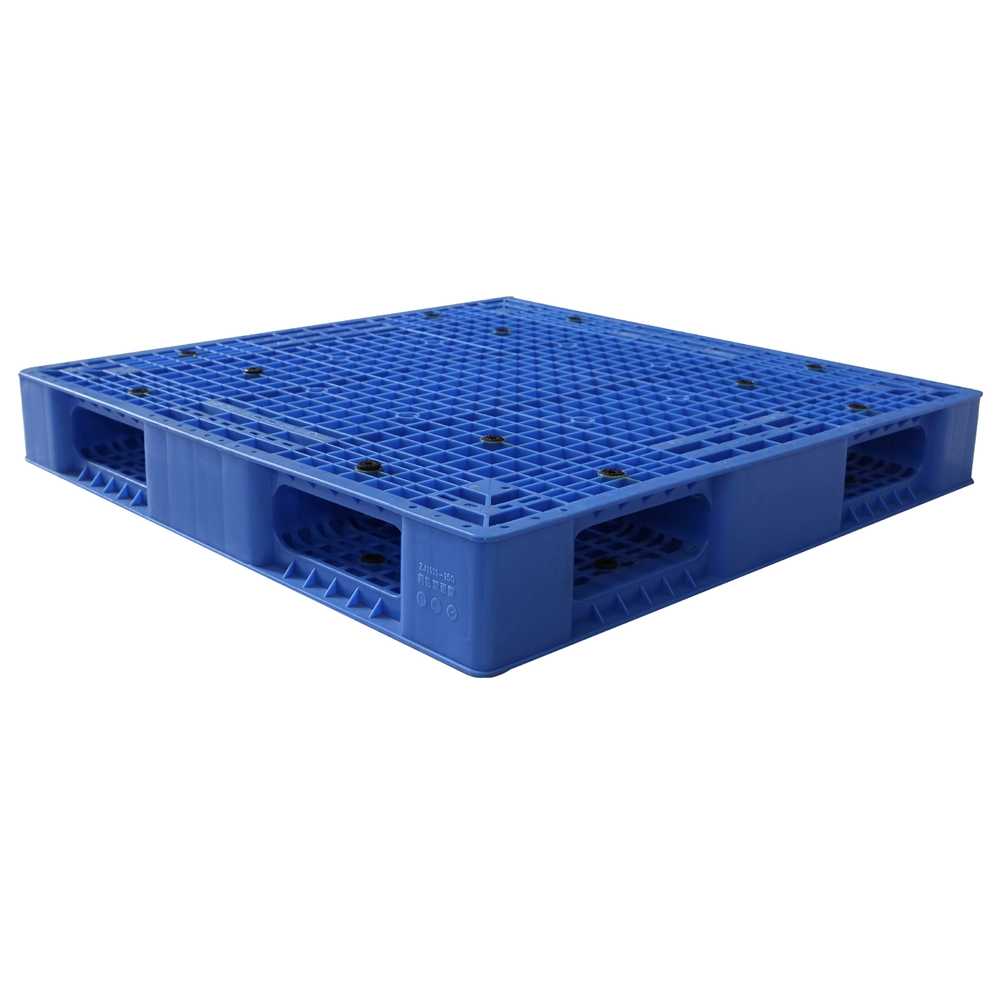
ZJ11111-150 Double-sided Heavy Duty Plastic Pallet
The double-sided plastic pallet, open deck or closed deck, is a solid and durable packaging solution designed for general and medium to heavy-duty cargo stacking, storage and transport. It’s made of virgin HDPE or PP, featuring a robust structure, a reinforced configuration with steel cores for the rack and shelf, and a steady loading capacity for both sides.
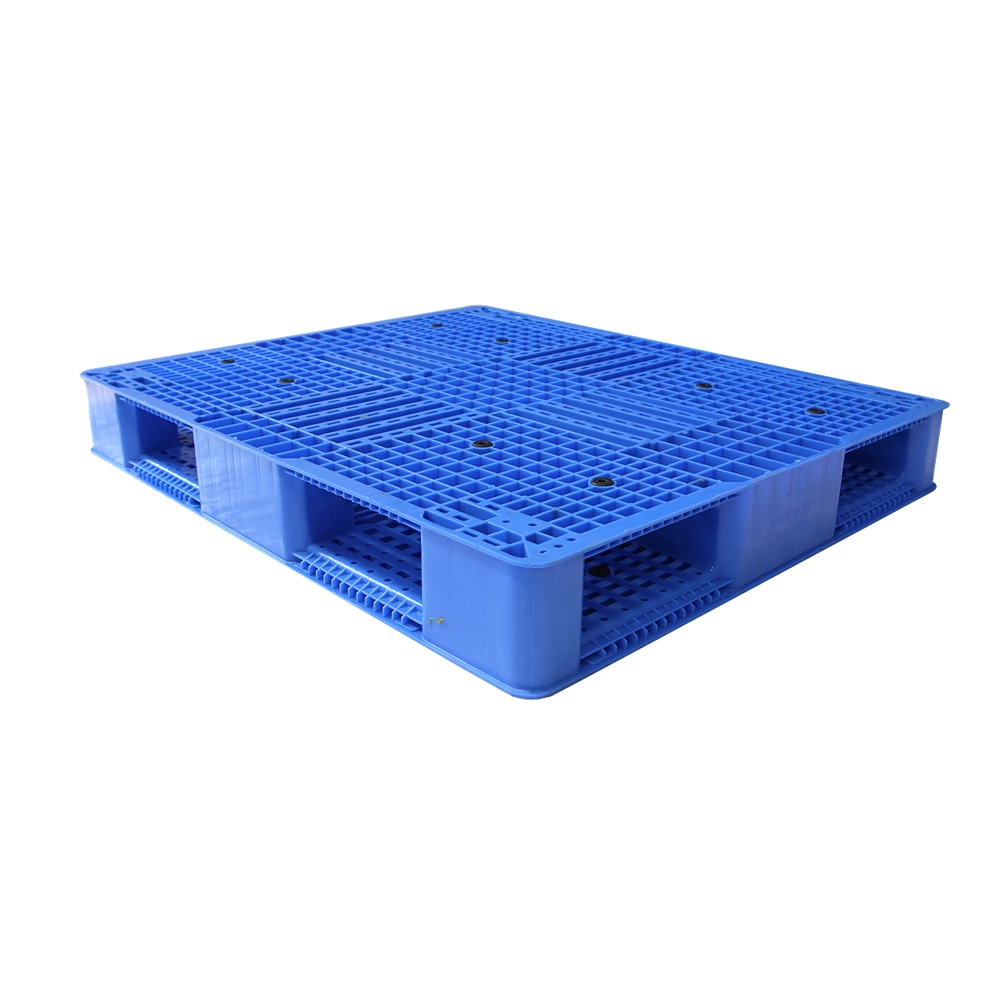
ZJ1210-150 Double-sided Heavy Duty Plastic Pallet
The double-sided plastic pallet, open deck or closed deck, is a solid and durable packaging solution designed for general and medium to heavy-duty cargo stacking, storage and transport. It’s made of virgin HDPE or PP, featuring a robust structure, a reinforced configuration with steel cores for the rack and shelf, and a steady loading capacity for both sides.

ZJ1508-150 Double-sided Heavy Duty Plastic Pallet
The double-sided plastic pallet, open deck or closed deck, is a solid and durable packaging solution designed for general and medium to heavy-duty cargo stacking, storage and transport. It’s made of virgin HDPE or PP, featuring a robust structure, a reinforced configuration with steel cores for the rack and shelf, and a steady loading capacity for both sides.
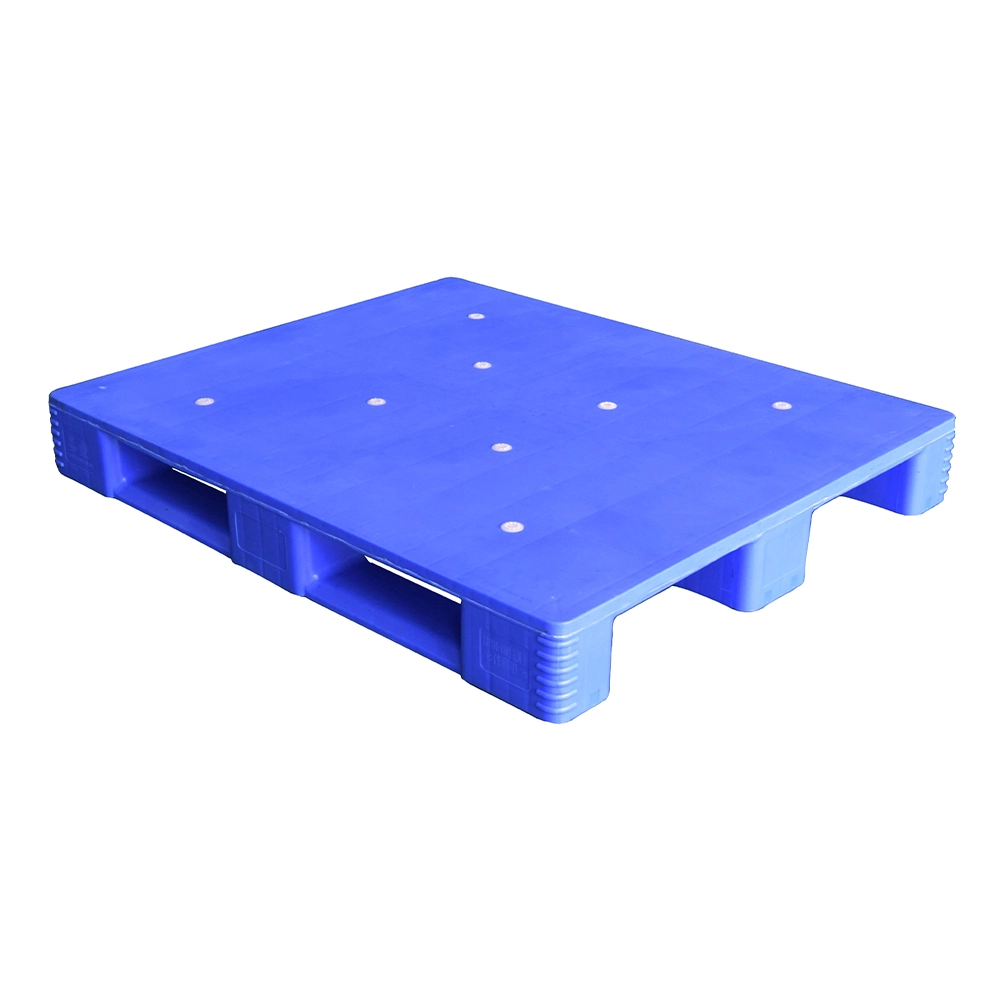
ZJ1210-150H Three-runner Closed Deck Hygienic Plastic Pallet
The three-runner closed-deck hygienic plastic pallet is a solid and durable packaging solution designed for general and especially food and medicine storage and transport. It’s made of virgin HDPE or PP, featuring a flat surface and even bottom for hygienic consideration, a reinforced configuration with steel cores for rack and shelf, and a steady loading capacity.
Request More Information About Plastic Pallets
Have questions or need detailed insights on this article? Fill out the form below to contact our team for comprehensive information and support related to our plastic pallet solutions.
Contact us


+86 138 0277 8204
+86 183 4431 0917
+86 195 3791 1860

No. 15-1, Fengying Rd., Taiping Town, Conghua Dist., Guangzhou City, Guangdong Province, China.
 Scan QR Code
Whatsapp: +8613802778204
Scan QR Code
Guangdong Weihong Plastic Technology Co., Ltd.
Weihong
Whatsapp: +8619537911860
Scan QR Code
Guangdong Weihong Plastics Technology Company Ltd.