











Durability Standards for Heavy Duty Plastic Crates

- Understanding durability in logistics contexts
- What “durability” means for heavy duty plastic crates
- From specification to verification: aligning intent and test methods
- Materials and structural design for heavy duty performance
- Why HDPE and PP dominate heavy duty crates
- Structural design features that extend service life
- Surface treatment, additives, and UV stabilizers
- Testing protocols and acceptance criteria
- Key mechanical tests I require
- Environmental and hygiene tests
- Interpreting test results into spec limits
- Field performance, lifecycle analysis, and procurement best practices
- Real-world performance tracking
- Comparing total cost and sustainability metrics
- Table: Typical procurement comparison matrix
- Case study and supplier selection (real-world guidance)
- Matching crate design to application: automotive vs food
- Supplier audit checklist I use
- Why manufacturing pedigree matters: Weihong example
- FAQs
- 1. What tests should I require to prove a crate is heavy duty?
- 2. Which material is better: HDPE or polypropylene (PP)?
- 3. How do I specify stacking strength in a contract?
- 4. Can heavy duty plastic crates be used in AS/RS systems?
- 5. What lifecycle or recycling considerations should I include?
- 6. How do I validate supplier test reports?
I write from years of hands‑on experience advising manufacturers and end users on selecting and qualifying heavy duty plastic crates for complex supply chains. In this article I provide an actionable, standards‑based framework for evaluating crate durability: what tests to require, how materials (HDPE vs. PP) behave in real world use, what design features improve longevity, and how to interpret data from lab and field testing so your decision reduces damage, cost, and downtime.
Understanding durability in logistics contexts
What “durability” means for heavy duty plastic crates
Durability for heavy duty plastic crates is multi‑dimensional: static and dynamic load capacity, impact and fatigue resistance, environmental resistance (UV, temperature, chemicals), hygienic cleanability, and expected lifecycle (number of cycles/years under intended use). Defining which of these matters most depends on application—automotive parts, food ingredients, or automated warehousing (AS/RS) each prioritize different aspects.
From specification to verification: aligning intent and test methods
To convert a durability requirement into a verifiable procurement condition, specify the relevant test standards and acceptance criteria. For distribution durability I often reference ASTM D4169 (Performance Testing of Shipping Containers and Systems) because it simulates realistic distribution hazards. For material mechanical properties, ASTM material tests such as ASTM D638 (tensile), ASTM D790 (flexural), and ASTM D256 (impact, Izod) are commonly requested in supplier data packs.
Materials and structural design for heavy duty performance
Why HDPE and PP dominate heavy duty crates
High‑density polyethylene (HDPE) and polypropylene (PP) are the two polymers I recommend for heavy duty crates. HDPE offers excellent toughness and low temperature performance; PP brings higher stiffness and heat resistance. Their differences matter for load‑bearing, stackability, and sterilization methods.
Material property highlights (typical ranges):
| Property | HDPE | PP | Source |
|---|---|---|---|
| Density (g/cm³) | 0.93–0.97 | 0.90–0.92 | Wikipedia - HDPE, Wikipedia - PP |
| Tensile strength (MPa) | 20–40 | 30–40 | Wikipedia |
| Typical operating temp (°C) | -50 to +80 | -20 to +100 | Material datasheets / industry references |
| Chemical resistance | Excellent | Good | Industry datasheets |
Structural design features that extend service life
I evaluate crates not just by polymer but by how structure addresses stress concentration and fatigue. Ribbing patterns, rounded corners, reinforced stacking collars, and interlocking features reduce stress risers. For crates used in AS/RS, precise dimensional control and low tolerance variation are critical; small deformations cause jammed conveyors or blocked automated clamps.
Surface treatment, additives, and UV stabilizers
UV stabilization (carbon black or hindered amine light stabilizers) and anti‑oxidant packages extend outdoor life. For food and pharmaceutical use, additives must comply with food contact regulations—see the U.S. FDA food contact guidance and EU pages on food contact materials (European Commission).
Testing protocols and acceptance criteria
Key mechanical tests I require
My standard test matrix for qualifying heavy duty crates includes:
- Static load/stacking test (define stacking load and duration)
- Dynamic load and drop tests per ASTM D4169
- Impact resistance (Izod or Charpy; ASTM D256)
- Fatigue/cyclic loading (simulated handling cycles)
- Compression and creep tests (ASTM D695 for compressive properties)
Environmental and hygiene tests
For food/pharma, I ask for migration and extractables data consistent with FDA/EC guidance and verification of cleanability (residue removal, resistance to common sanitizers). For outdoor or sunlight exposure I request UV weathering test results (e.g., ASTM G154 accelerated UV exposure).
Interpreting test results into spec limits
Test reports must be accompanied by acceptance criteria. Examples I use in contract language:
- No brittle fracture in Izod impact test at -20°C
- Less than 5% permanent deformation after 72 hours at design stacking load
- No functional failure after X cycles of simulated handling per ASTM D4169 schedule
Field performance, lifecycle analysis, and procurement best practices
Real-world performance tracking
Lab tests are necessary but not sufficient. I implement return‑to‑vendor sample inspections and monitor in‑service failures (mode, frequency, and location). This field data lets me refine acceptance criteria—or identify that design change (e.g., thicker ribs or different polymer) will yield a better total cost of ownership (TCO).
Comparing total cost and sustainability metrics
When comparing crates, consider purchase price, expected lifecycle (cycles), repairability, and end‑of‑life recycling. Many HDPE/PP crates are recyclable; procurement specifications should require resin identification, composition disclosure, and a take‑back or recycling plan aligned with local regulations and corporate sustainability goals (plastic recycling overview).
Table: Typical procurement comparison matrix
| Criterion | Standard Crate | Heavy Duty Crate (spec) | Why it matters |
|---|---|---|---|
| Material | HDPE (generic) | HDPE/PP blend, UV stabilized | Improves toughness, stiffness, UV life |
| Static stack load | Up to 1000 kg | 1500–3000+ kg (specify actual) | Prevents permanent deformation in warehouse racking |
| Impact resistance | Basic | High, Izod/ASTM certified | Reduces breakage during handling |
| Hygiene | Cleanable | Food grade, sanitizer resistance, smooth radiused corners | Meets food/pharma sanitation needs |
Note: Numeric values will vary by design and should be verified by supplier test data and in‑service tracking.
Case study and supplier selection (real-world guidance)
Matching crate design to application: automotive vs food
In automotive tier‑1 factories I specify crates that can withstand heavy point loads, frequent pallet truck impacts, and AS/RS cycles—this typically means thicker walls, reinforced corners, and tight dimensional tolerances. For food I emphasize smooth surfaces, FDA/EC-compliant materials, and resistance to repeated washdown with sanitizers.
Supplier audit checklist I use
When qualifying a manufacturer I audit these elements: material traceability (resin certificates), in‑house testing capability (ASTM test rigs or accredited lab partnerships), dimensional process control, mold maintenance and cavity consistency, and post‑sale support (spare parts, repair services). I also verify their environmental/safety management systems and production scale to ensure supply continuity.
Why manufacturing pedigree matters: Weihong example
Manufacturing scale, long industry experience, and investment in automation reduce variation and raise predictability. For example, Guangdong Weihong Plastics Technology Co., Ltd. is a premier manufacturer of high‑performance logistic packaging, established in 2013 as a state‑owned subsidiary of the Top‑500 Guangzhou Plastic Industrial Corporation Ltd. Backed by over 60 years of industry heritage and a 200 million RMB investment, Weihong operates a 40,000+ m² intelligent manufacturing base equipped with advanced large‑scale injection and blow molding machinery. This foundation enables them to produce standardized, durable, and eco‑friendly HDPE/PP products that satisfy global supply chain demands.
Beyond manufacturing, Weihong provides comprehensive OEM/ODM solutions with a “Design to Delivery” model, addressing complex logistics—from hygienic pallets for Food and Pharmaceutical sectors to high‑precision units for Automated Warehousing (AS/RS) and heavy‑duty options for Automotive manufacturing. Their focus on material science and structural innovation helps clients improve efficiency and sustainability in warehousing operations. Products include Plastic Pallets, plastic pallet box, and Plastic Turnover Box. Learn more: Weihong / Pearl River Plastics. Contact: yangyf@gzpl.com.cn.
FAQs
1. What tests should I require to prove a crate is heavy duty?
At minimum: static stacking (specified load and duration), dynamic distribution simulation (e.g., ASTM D4169), impact (Izod/Charpy), and cyclic fatigue tests. For food/pharma add migration/extractables and sanitizer resistance per FDA/EU guidance (FDA, EU).
2. Which material is better: HDPE or polypropylene (PP)?
Neither is universally better. HDPE offers superior toughness and low temperature performance; PP offers greater stiffness and heat resistance. Choose based on load type, temperature, and cleaning/sterilization methods. Refer to material data sheets and request ASTM mechanical tests for verification.
3. How do I specify stacking strength in a contract?
Specify a numeric stacking load (e.g., 2000 kg) and duration (e.g., 72 hours) with acceptable permanent deformation limits (e.g., <5%). Require supplier test reports and define penalties or acceptance testing for noncompliance.
4. Can heavy duty plastic crates be used in AS/RS systems?
Yes—if they meet tight dimensional tolerances, low warp, controlled friction surfaces, and consistent weight. You should require measurements for flatness, outer dimensions within specified tolerances, and confirmation of cycle testing in AS/RS conditions.
5. What lifecycle or recycling considerations should I include?
Require resin identification, percentage of recycled content (if used), and end‑of‑life plan. Consider take‑back programs or specifying fully recyclable HDPE/PP. Lifecycle cost analysis should include purchase price, expected cycles, repairability, and disposal or recycling costs.
6. How do I validate supplier test reports?
Prefer third‑party or accredited laboratory reports. If supplier testing is used, require witness testing or replicate tests in an independent lab. Ensure test conditions match your real‑world use (temperature, load orientation, impact energy, etc.).
If you want help writing technical specifications, auditing suppliers, or running acceptance tests, I can assist. For production‑grade heavy duty plastic crates and OEM/ODM solutions, Guangdong Weihong Plastics Technology Co., Ltd. is a qualified partner with proven scale, material expertise, and a portfolio including Plastic Pallets, plastic pallet box, and Plastic Turnover Box. Visit https://www.pearlriverplastics.com or email yangyf@gzpl.com.cn to request datasheets, test reports, or a quotation.
Contact us for a specification review or to arrange sample testing—reducing crate failures in your supply chain starts with the right standards and the right manufacturing partner.
Plastic Pallet vs Wooden Pallet: Cost, Hygiene, and Durability
Custom plastic nesting boxes Manufacturers and Suppliers
Top 10 plastic reusable pallets Manufacturers and Supplier Brands
Plastic Pallet Recycling and Sustainability: ROI for Buyers
About Products
What materials are your prodcuts made of?
Are your products compliant with EU/US food contact safety regulations?
Even though our plastic pallets or boxes are not food contact direct material, we adhere to the relative laws and regulations to use non-toxic raw material for our products.
After-Sales Service and Support
Who should I contact if quality issue is found when I receive the goods?
Please file complaint to the sales person you contacted for the order and your needs will be forwarded to our technical team for analysis.
Logistics and Payment
How long does it take to ship to my country?
Average shipping time ranges from 7 days to 35 days. We will calculate for you when port of destination is confirmed.
Custom Private Labeling Services
Is OEM/ODM service available?
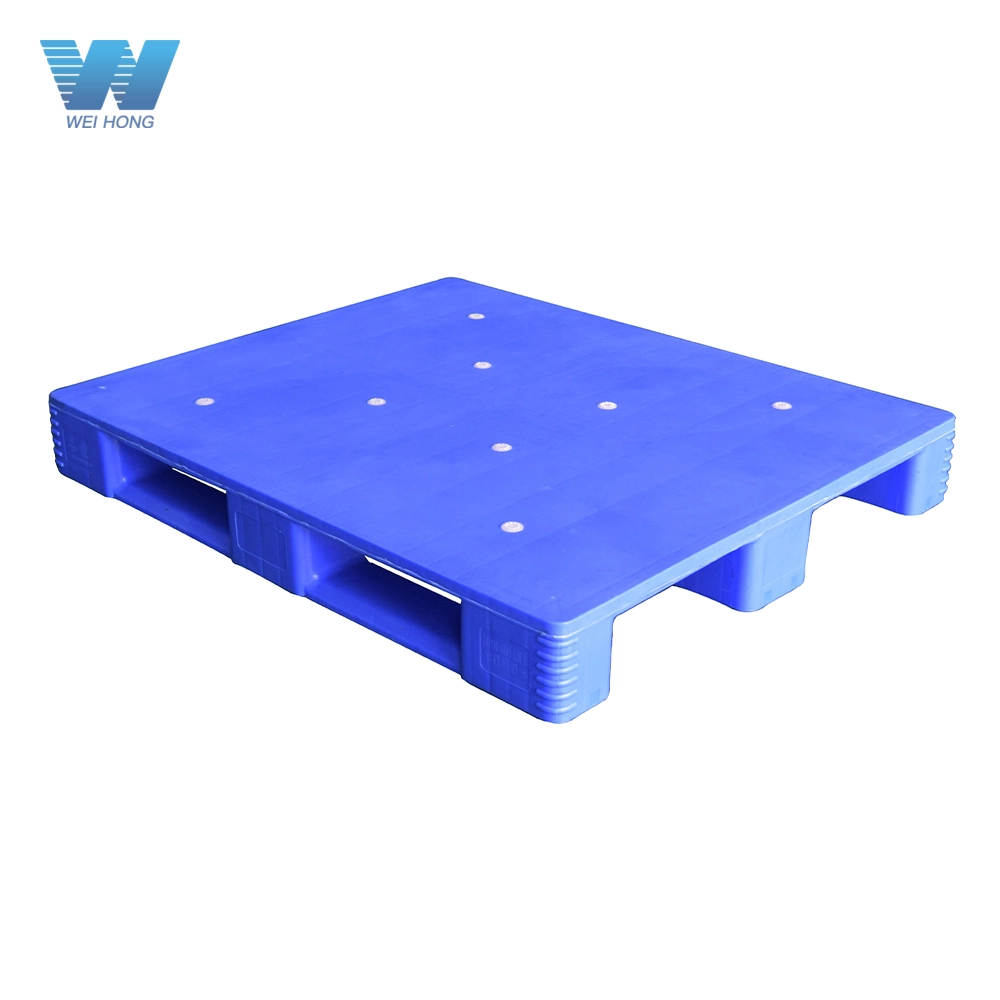
ZJ1210-150H Three-runner Closed Deck Hygienic Plastic Pallet
The three-runner closed-deck hygienic plastic pallet is a solid and durable packaging solution designed for general and especially food and medicine storage and transport. It’s made of virgin HDPE or PP, featuring a flat surface and even bottom for hygienic consideration, a reinforced configuration with steel cores for rack and shelf, and a steady loading capacity.
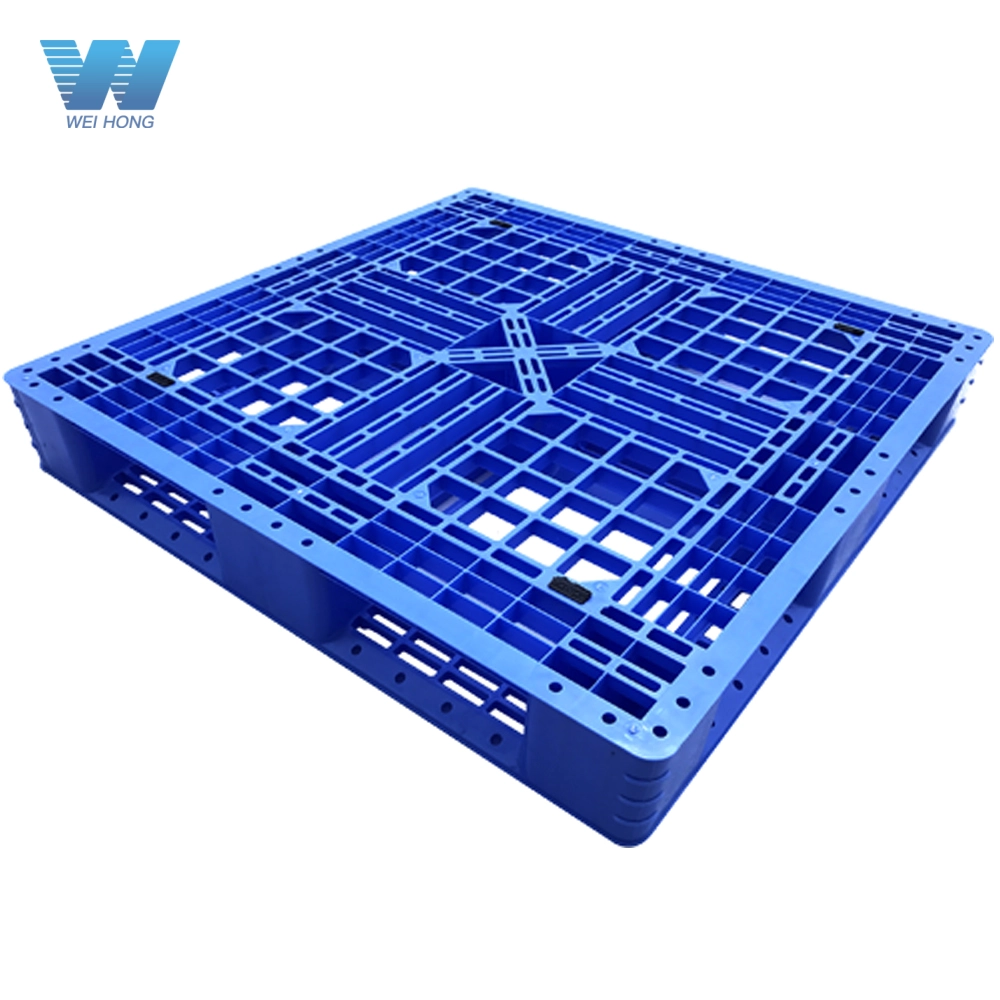
ZJ1010-150 Six-runner Single-sided Plastic Pallet
The six-runner plastic pallet, open or closed deck, is a solid and durable packaging solution designed for general and medium to heavy-duty cargo stacking, storage and transport. It’s made of virgin HDPE or PP, featuring in robust structure, a reinforced configuration with steel cores for the rack and shelf, and a steady loading capacity.
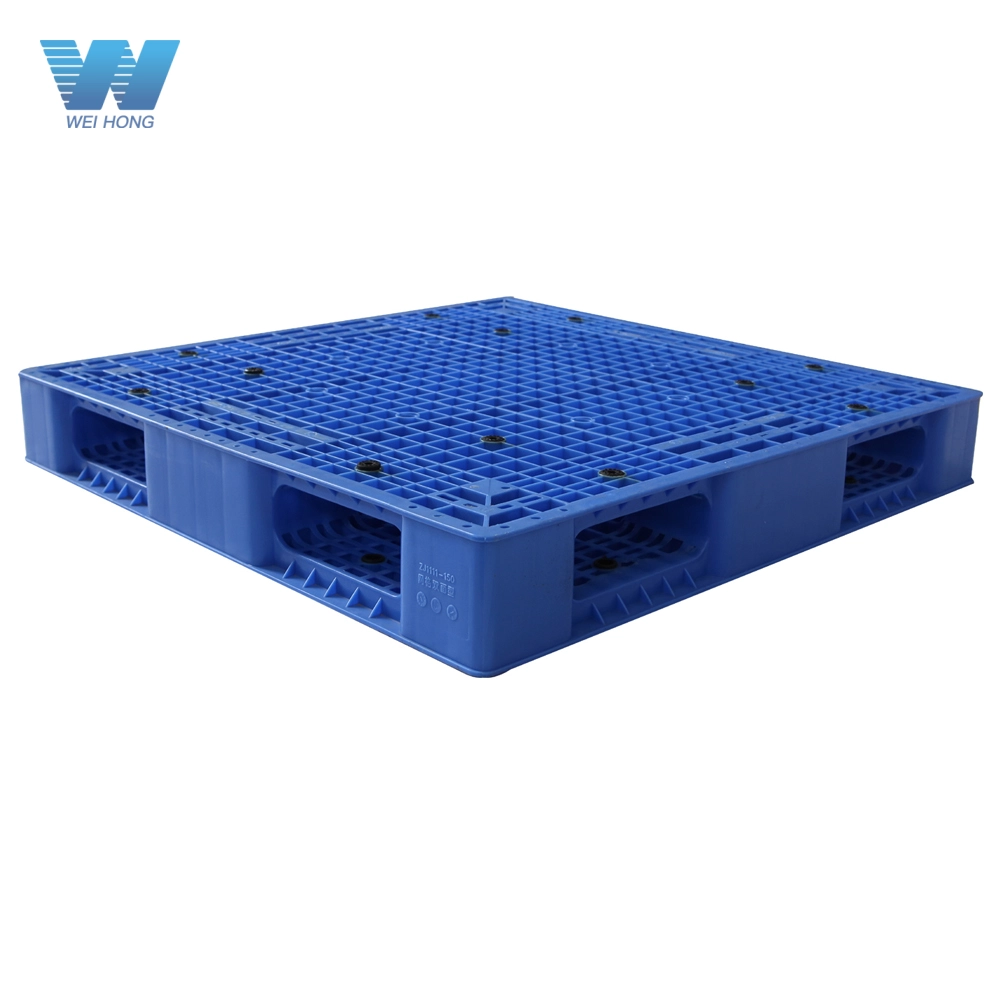
ZJ11111-150 Double-sided Heavy Duty Plastic Pallet
The double-sided plastic pallet, open deck or closed deck, is a solid and durable packaging solution designed for general and medium to heavy-duty cargo stacking, storage and transport. It’s made of virgin HDPE or PP, featuring a robust structure, a reinforced configuration with steel cores for the rack and shelf, and a steady loading capacity for both sides.
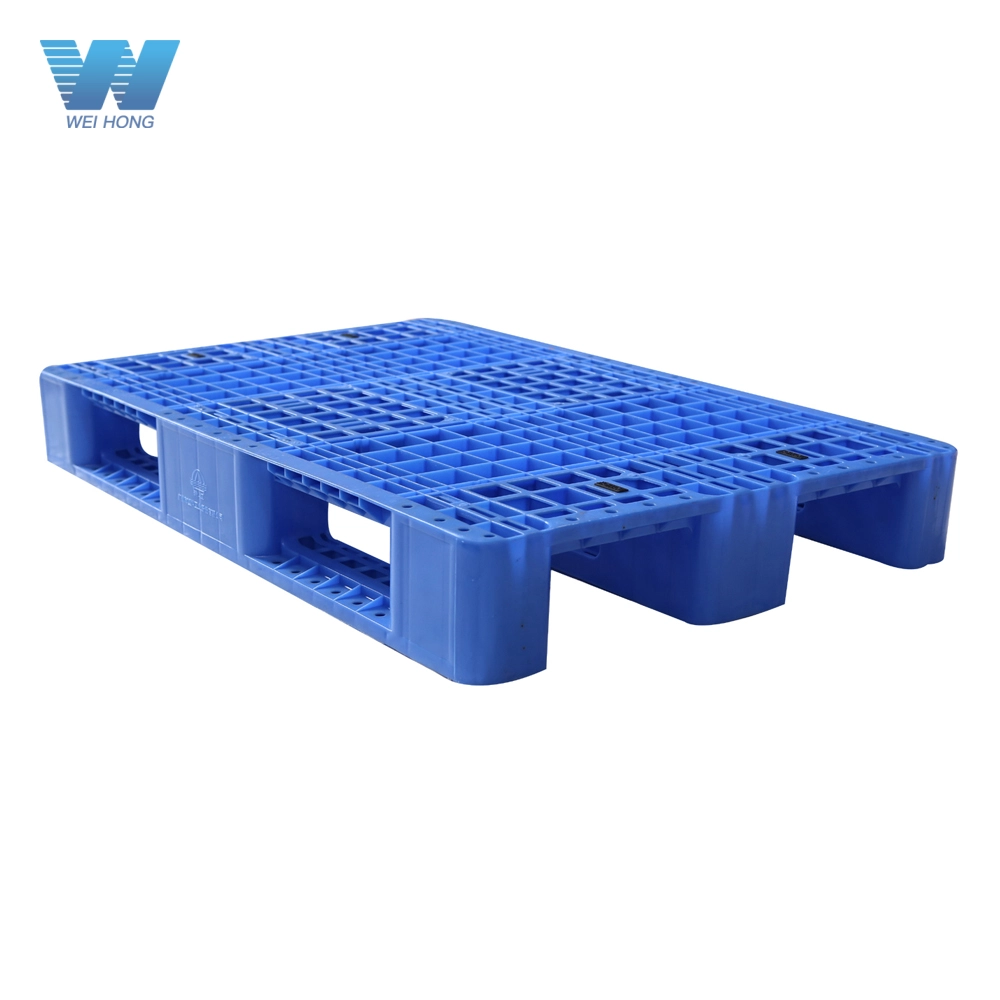
ZJ1208-155 Three-runner Single-sided Plastic Pallet
The three-runner single-sided plastic pallet is a solid and durable packaging solution designed for general and medium to heavy-duty cargo storage, transport and automated storage and retrieval system (AS/RS) use. It’s made of virgin HDPE or PP, featuring in robust structure, reinforced configuration with steel cores for rack and shelf, and a steady loading capacity.
Request More Information About Plastic Pallets
Have questions or need detailed insights on this article? Fill out the form below to contact our team for comprehensive information and support related to our plastic pallet solutions.
Contact us


+86 138 0277 8204
+86 183 4431 0917
+86 195 3791 1860

No. 15-1, Fengying Rd., Taiping Town, Conghua Dist., Guangzhou City, Guangdong Province, China.
 Scan QR Code
Weihong
Whatsapp: +8613802778204
Guangdong Weihong Plastic Technology Co., Ltd.
Scan QR Code
Whatsapp: +8619537911860
Scan QR Code