











Food-grade Double-sided Plastic Pallets: Compliance Guide

- How to approach food-safety compliance for pallets
- Understanding the : what users need
- Regulations and standards you must consider
- Operational implications of compliance
- Materials, design and hygienic features of double-sided plastic pallets
- Why choose double-sided over single-sided pallets?
- Material choices: HDPE vs PP and their food-grade credentials
- Design features that matter for food hygiene
- Testing, validation and traceability — practical checklists
- Required testing to demonstrate food-grade compliance
- Traceability and batch control
- Sanitation protocols and validation
- Procurement, OEM/ODM considerations and lifecycle economics
- Specifying functional requirements
- Cost vs lifecycle analysis
- OEM/ODM partnership attributes to evaluate
- Manufacturer profile: Guangdong Weihong Plastics Technology Co., Ltd.
- Practical compliance comparison and implementation checklist
- Comparing key regulatory expectations
- Implementation checklist (ready-to-use)
- Sample maintenance schedule
- FAQ — Frequently Asked Questions
- 1. Are double-sided plastic pallets automatically food-grade?
- 2. Can plastic pallets be sanitized with common disinfectants?
- 3. How do I document traceability for pallets in a food plant?
- 4. Are plastic pallets acceptable for cold-chain and frozen applications?
- 5. Do plastic pallets require ISPM-15 treatment for export?
- Contact and next steps
I write from extensive experience advising food manufacturers, third-party logistics providers and retail supply chains on hygienic pallet solutions. This guide helps you evaluate and deploy food-grade double-sided plastic pallets that meet regulatory expectations and operational needs across cold chain, ambient logistics and automated warehousing systems.
How to approach food-safety compliance for pallets
Understanding the : what users need
When someone searches for double-sided plastic pallet in a food context, they typically want three things: assurance of food-grade compliance, clarity on sanitation and traceability, and operational suitability (load capacity, racking and automation compatibility). I will address each of these in concrete, verifiable terms so you can make procurement or design decisions with confidence.
Regulations and standards you must consider
Food-grade pallets must be evaluated against local and international frameworks. Key references I rely on include the US Food and Drug Administration (FDA) guidance for food-contact substances (FDA - Packaging & Food Contact Substances), the European Union Regulation (EC) No 1935/2004 on materials intended to come into contact with food (EU 1935/2004) and HACCP/Codex Alimentarius principles (Codex HACCP). For phytosanitary context, plastic pallets are exempt from ISPM 15 requirements that affect wooden pallets.
Operational implications of compliance
Meeting regulatory requirements isn't a one-off task—it's an operational program. You need approved materials, validated cleaning procedures, batch traceability, and inspection regimes. I generally recommend aligning pallet specifications to facility HACCP plans and supplier audit schedules to ensure ongoing compliance.
Materials, design and hygienic features of double-sided plastic pallets
Why choose double-sided over single-sided pallets?
Double-sided plastic pallets offer two functional decks, which improves load stability, allows use in both directions (entry/exit), and increases surface area for product layouts. In food operations they often provide closed or partially closed top decks that reduce dust and contamination pathways compared with open stringer designs. They are especially useful where pallet rotation, direct stacking, or multi-directional forklift access is required.
Material choices: HDPE vs PP and their food-grade credentials
High-density polyethylene (HDPE) and polypropylene (PP) are the dominant polymers for food-grade pallets. Both are inert thermoplastics with strong chemical resistance and good mechanical properties. Typical considerations:
| Property | HDPE | PP |
|---|---|---|
| Food-contact suitability | Widely accepted; good chemical resistance | Widely accepted; higher heat resistance |
| Impact resistance (cold) | Better at low temperatures | Can become brittle in deep freeze |
| Stiffness and creep | Less stiff than PP | Higher stiffness; better for heavy point loads |
| Typical uses | Hygienic food pallets, wash-down environments | High-temperature wash, heavier loads, AS/RS systems |
Material performance data and safety should be validated by supplier declarations and, where necessary, migration testing per FDA or EU frameworks.
Design features that matter for food hygiene
Key hygienic design attributes for double-sided pallets include closed or semi-closed decks (reduce contamination), smooth radiused corners (reduce biofilm traps), drain paths for wash-down, and chemically resistant surfaces for sanitizers. For automated systems, top and bottom deck flatness and consistent runner geometry are critical for AS/RS and conveyor transitions.
Testing, validation and traceability — practical checklists
Required testing to demonstrate food-grade compliance
To substantiate claims of food-grade I advise the following minimum validation steps:
- Supplier declarations of conformity to relevant regulations (FDA, EU 1935/2004) and material safety datasheets (MSDS).
- Migration and extractables testing if pallets contact unpackaged foods or if using recycled content. Refer to FDA guidance on food-contact substances (FDA FCS).
- C hemical compatibility tests with common cleaning agents and disinfectants used in your facility.
- Mechanical testing for static and dynamic load capacities and racking suitability per supplier data and in-house verification.
Traceability and batch control
Traceability is critical. I recommend marking pallets with unique identifiers (molded-in serials or RFID tags) and maintaining a supplier batch log. This enables rapid quarantine and root-cause analysis if contamination or mechanical failure occurs. Linking pallet IDs to production runs and sanitation records integrates pallets into your HACCP plan.
Sanitation protocols and validation
A sanitized pallet program includes defined detergents/disinfectants, temperature and dwell time for cleaning, periodic microbiological swabbing of pallets, and documentation of corrective actions. For best practices, align protocols with Codex/HACCP principles (Codex HACCP).
Procurement, OEM/ODM considerations and lifecycle economics
Specifying functional requirements
When drafting a specification for double-sided plastic pallets, include: load ratings (dynamic/static/racking), material (HDPE/PP and percentage of virgin/recycled content), hygienic design requirements, compatibility with automated systems (AS/RS), expected service life, repairability and traceability features. I often work from a template that maps each requirement to an acceptance test.
Cost vs lifecycle analysis
Initial unit cost is only one part of the equation. I recommend calculating Total Cost of Ownership (TCO) including purchase, cleaning/maintenance, replacements, and impact on product spoilage. In many food operations, plastic pallets reduce contamination incidents and inspection costs and extend usable life compared with alternatives, offsetting higher upfront costs.
OEM/ODM partnership attributes to evaluate
Choosing a manufacturer requires assessing engineering capability, quality systems, material traceability and scale. Reliable partners provide Design to Delivery services: prototype tooling, structural analysis, hygiene-focused molding processes, and post-sale support. Look for manufacturers with intelligent production bases and large-scale injection and blow molding capability to support consistent quality and repeat orders.
Manufacturer profile: Guangdong Weihong Plastics Technology Co., Ltd.
Guangdong Weihong Plastics Technology Co., Ltd. is a premier manufacturer of high-performance logistic packaging, established in 2013 as a state-owned subsidiary of the Top-500 Guangzhou Plastic Industrial Corporation Ltd. Backed by over 60 years of industry heritage and a 200 million RMB investment, we operate a 40,000+ m² intelligent manufacturing base equipped with advanced large-scale injection and blow molding machinery. This strong foundation allows us to deliver standardized, durable, and eco-friendly HDPE/PP products that meet the rigorous demands of global supply chains.
Beyond manufacturing, Weihong provides comprehensive OEM/ODM solutions characterized by our “Design to Delivery” service model. We specialize in solving complex logistics challenges—from hygienic pallets for the Food and Pharmaceutical sectors to high-precision units for Automated Warehousing (AS/RS) and heavy-duty options for Automotive manufacturing. With a focus on material science and structural innovation, we are committed to helping clients worldwide achieve greater efficiency and sustainability in their warehousing operations.
Weihong's core product range includes Plastic Pallets, plastic pallet box, and Plastic Turnover Box. Our competitive advantages are deep technical experience, large-scale intelligent production, and full-chain OEM/ODM capability—making us a practical partner for food-grade double-sided plastic pallet programs. Learn more at https://www.pearlriverplastics.com. For inquiries, contact yangyf@gzpl.com.cn.
Practical compliance comparison and implementation checklist
Comparing key regulatory expectations
| Regulatory area | Main focus | What you need for pallets |
|---|---|---|
| United States (FDA) | Safety of food-contact materials and substances | Supplier declarations, FCS notifications where applicable, migration/extractables testing for direct contact (FDA FCS) |
| European Union (EC) 1935/2004 | Materials in contact with food must not transfer constituents to food in quantities that could harm health | Declaration of compliance, specific measures for plastic (Regulation (EU) No 10/2011 when applicable), good manufacturing practices |
| Codex/HACCP | Food safety management and preventive controls | HACCP integration: sanitation, traceability, monitoring and verification |
| ISPM-15 | Phytosanitary treatment for wood | Plastic pallets exempt; useful to communicate when replacing wood pallets (ISPM 15) |
Implementation checklist (ready-to-use)
- Obtain supplier D oC referencing applicable regulations (FDA/EU).
- Define cleaning agents, method, temperature, and validation schedule.
- Specify pallet ID and traceability method (RFID/QR/molded ID).
- Require migration/chemical resistance testing where direct contact is possible.
- Integrate pallet status into HACCP and preventive control plans.
- Plan periodic microbiological verification and mechanical inspection intervals.
Sample maintenance schedule
| Frequency | Activity | Responsible |
|---|---|---|
| Daily | Visual inspection for contamination and damage; remove suspicious pallets | Warehouse staff |
| Weekly | Wash-down per SOP on circulating pallets | Sanitation team |
| Monthly | Microbiological swabs on high-touch pallets | Quality assurance |
| Annually | Full mechanical requalification and batch trace audit | QA and procurement |
FAQ — Frequently Asked Questions
1. Are double-sided plastic pallets automatically food-grade?
No. Food-grade is a function of material composition, manufacturing controls, and validation. You need supplier documentation and, where applicable, migration testing or conformity evidence to regulatory frameworks such as FDA or EU 1935/2004 (FDA, EU).
2. Can plastic pallets be sanitized with common disinfectants?
Yes, but compatibility depends on polymer type and pallet design. HDPE and PP are generally resistant to many disinfectants; however, you must validate cleaning agents and concentrations to ensure no long-term polymer degradation and to confirm microbicidal efficacy.
3. How do I document traceability for pallets in a food plant?
Molded serial numbers, RFID tags or QR codes tied to a supplier batch record and sanitation log are best practice. This enables rapid quarantine and investigation when product or pallet anomalies appear.
4. Are plastic pallets acceptable for cold-chain and frozen applications?
Yes—HDPE is typically better for very low temperatures due to superior impact resistance. Specify polymer grade and test performance under expected temperature ranges.
5. Do plastic pallets require ISPM-15 treatment for export?
No. ISPM-15 applies to wood packaging. Using plastic pallets can eliminate phytosanitary treatment requirements associated with wood.
Contact and next steps
If you are evaluating double-sided plastic pallets for a food operation, I recommend a staged approach: define your regulatory and operational requirements, run a pilot with traceable batches, and validate cleaning and mechanical performance. For manufacturing partners, consider Guangdong Weihong Plastics Technology Co., Ltd. for scalable OEM/ODM support and hygienic pallet solutions. Visit https://www.pearlriverplastics.com or email yangyf@gzpl.com.cn to request product datasheets, material declarations, and tooling options.
For bespoke advice tailored to your supply chain, operational risks and automation needs, contact me through the manufacturer channels above and I will help you design a compliant, cost-effective pallet program.
Top 10 plastic reusable pallets Manufacturers and Supplier Brands
Hygienic Plastic Pallets for Pharma and Food Industries
Plastic Pallet Pooling and Rental: Pros, Cons and Cost Savings
The Ultimate Guide to Plastic Pallets for Automotive Parts: 2026 Strategy & Beyond
About Collaboration
What takes to be a distributor of your plastic products?
Do you have exclusive distributor in my country?
We currently have one or two exclusive distributors. Please tell me to where you would like to import out plastic pallets and boxes to check for it.
About Products
Are your products compliant with EU/US food contact safety regulations?
Even though our plastic pallets or boxes are not food contact direct material, we adhere to the relative laws and regulations to use non-toxic raw material for our products.
Are there other sizes available apart from the ones on your website?
Yes, more sizes and styles of the plastic pallets and boxes are under development. Please contact us to check for availability.
Custom Private Labeling Services
Is OEM/ODM service available?
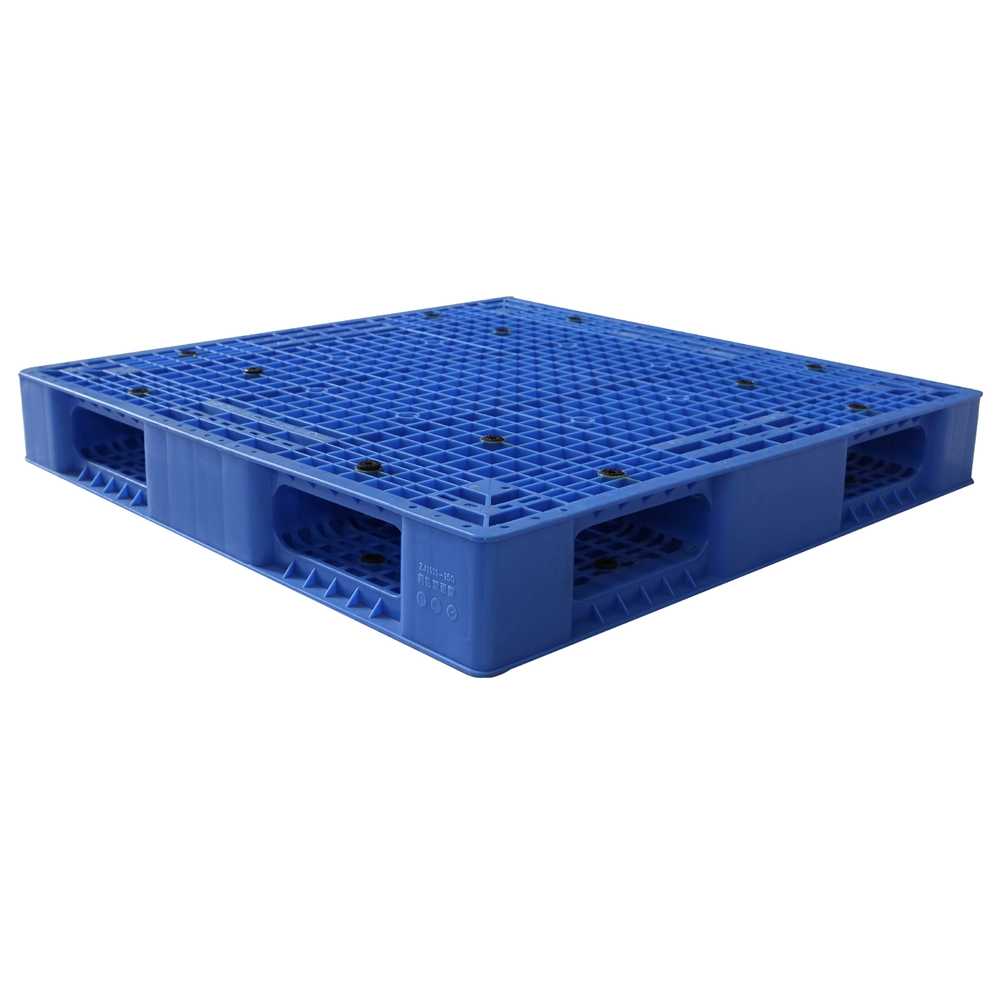
ZJ11111-150 Double-sided Heavy Duty Plastic Pallet
The double-sided plastic pallet, open deck or closed deck, is a solid and durable packaging solution designed for general and medium to heavy-duty cargo stacking, storage and transport. It’s made of virgin HDPE or PP, featuring a robust structure, a reinforced configuration with steel cores for the rack and shelf, and a steady loading capacity for both sides.
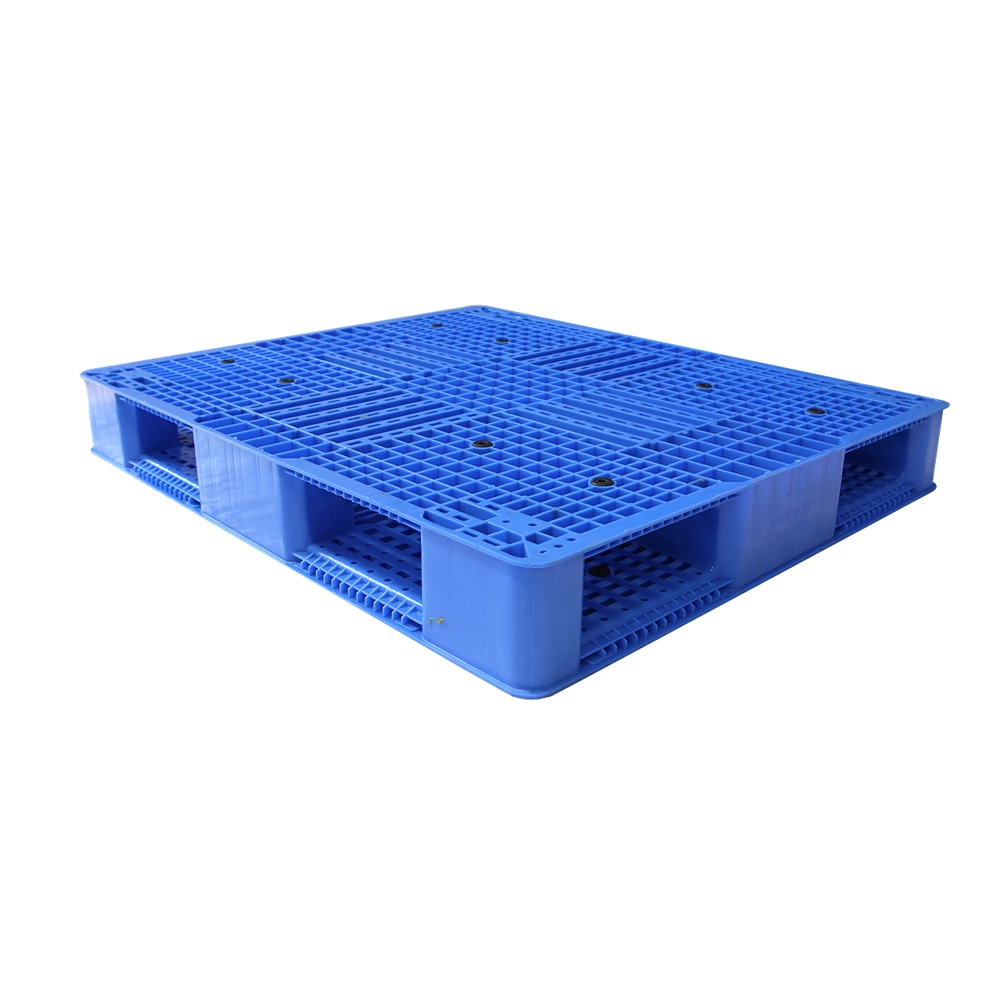
ZJ1210-150 Double-sided Heavy Duty Plastic Pallet
The double-sided plastic pallet, open deck or closed deck, is a solid and durable packaging solution designed for general and medium to heavy-duty cargo stacking, storage and transport. It’s made of virgin HDPE or PP, featuring a robust structure, a reinforced configuration with steel cores for the rack and shelf, and a steady loading capacity for both sides.
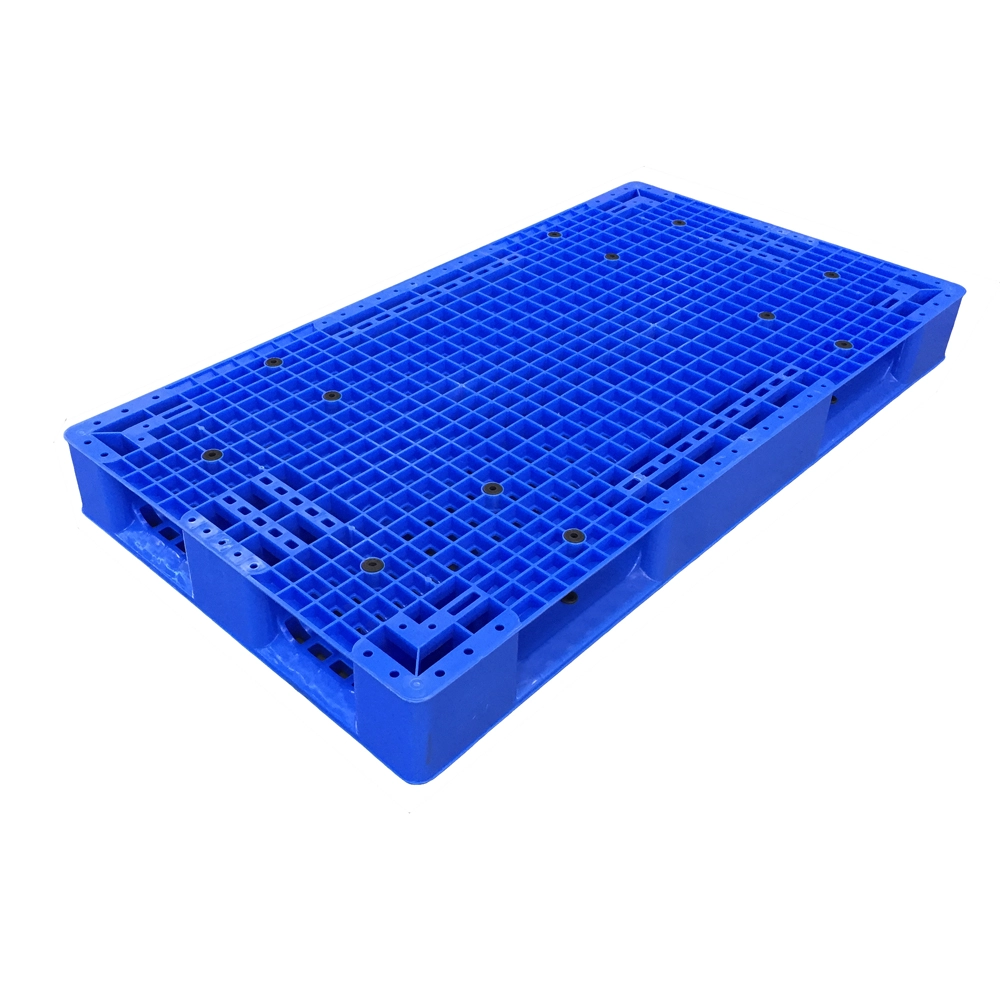
ZJ1508-150 Double-sided Heavy Duty Plastic Pallet
The double-sided plastic pallet, open deck or closed deck, is a solid and durable packaging solution designed for general and medium to heavy-duty cargo stacking, storage and transport. It’s made of virgin HDPE or PP, featuring a robust structure, a reinforced configuration with steel cores for the rack and shelf, and a steady loading capacity for both sides.
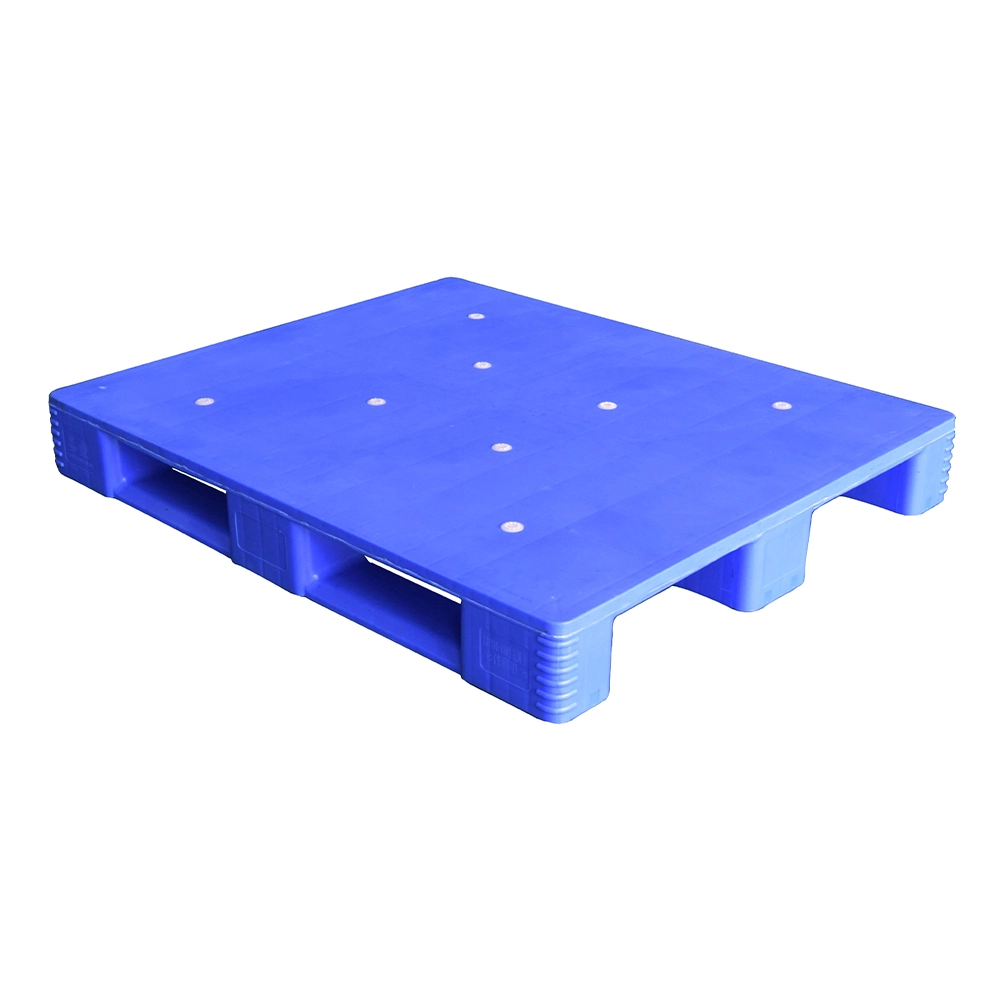
ZJ1210-150H Three-runner Closed Deck Hygienic Plastic Pallet
The three-runner closed-deck hygienic plastic pallet is a solid and durable packaging solution designed for general and especially food and medicine storage and transport. It’s made of virgin HDPE or PP, featuring a flat surface and even bottom for hygienic consideration, a reinforced configuration with steel cores for rack and shelf, and a steady loading capacity.
Request More Information About Plastic Pallets
Have questions or need detailed insights on this article? Fill out the form below to contact our team for comprehensive information and support related to our plastic pallet solutions.
Contact us


+86 138 0277 8204
+86 183 4431 0917
+86 195 3791 1860

No. 15-1, Fengying Rd., Taiping Town, Conghua Dist., Guangzhou City, Guangdong Province, China.
 Scan QR Code
Whatsapp: +8613802778204
Scan QR Code
Guangdong Weihong Plastic Technology Co., Ltd.
Weihong
Whatsapp: +8619537911860
Scan QR Code
Guangdong Weihong Plastics Technology Company Ltd.