











Food-Grade Plastic Pallets: Compliance and Cleaning Best Practices

- Why material choice and design matter for hygienic supply chains
- Material science: HDPE vs. PP for food environments
- Hygienic design features to reduce contamination risk
- Load rating, dimensional accuracy and automation compatibility
- Regulatory compliance and documentation
- Which regulations apply to food-grade pallets?
- Required supplier documentation and certificates
- Audits, HACCP and integration into your food safety plan
- Cleaning, sanitation and validation best practices
- Cleaning vs. sanitizing: definitions and why both matter
- Validated cleaning protocols for plastic pallets
- Comparison of commonly used sanitizers
- Validation and verification: microbiological testing and record-keeping
- Operational practices: inspection, handling and traceability
- Incoming inspection and quarantine
- Storage, segregation and cross-contamination control
- Traceability and pallet lifecycle management
- Cost-benefit analysis and performance benchmarking
- Durability, lifecycle and sustainability considerations
- Sample cost comparison (illustrative)
- Key performance indicators to track
- Real-world implementation: case examples and supplier selection
- Practical tips for piloting new pallet types
- Choosing a supplier: what I look for
- Manufacturer spotlight: Guangdong Weihong Plastics Technology Co., Ltd.
- Final checklist before specification
- Pre-purchase checklist
- Operational checklist
- FAQ
- 1. Are all plastic pallets food-grade by default?
- 2. How often should food-grade pallets be sanitized?
- 3. Can I use steam or hot-water washing for HDPE pallets?
- 4. What sanitizers are best for organic soils?
- 5. How do I prove compliance during an audit?
- 6. When should a pallet be retired instead of repaired?
As a logistics and plastics specialist, I know that selecting and maintaining a compliant, easy-to-clean industrial plastic pallet is foundational to reducing contamination risk across food supply chains. In this article I synthesize regulatory expectations, hygienic design principles, validated cleaning protocols, and pragmatic inspection and traceability practices so you can choose the right food-grade pallet, implement effective sanitation, and demonstrate compliance to auditors and buyers.
Why material choice and design matter for hygienic supply chains
Material science: HDPE vs. PP for food environments
When buyers ask me which material to choose for food operations, my default recommendation is high-density polyethylene (HDPE) or food-grade polypropylene (PP). HDPE provides excellent impact resistance, low moisture absorption, and chemical compatibility with common food sanitizers; PP offers higher temperature resistance for hot wash cycles. Both materials are commonly used in certified food-contact applications and are available in FDA-compliant grades when supplied with appropriate documentation. For regulatory context, see the FDA's guidance on food-contact materials: FDA - Packaging & Food Contact Substances.
Hygienic design features to reduce contamination risk
A well-designed industrial plastic pallet minimizes crevices, dead zones, and pooling surfaces. Key features I insist on include smooth fillets at joints, sloped decks to prevent standing water, sealed or fully mold-inserted stringers (no screwed-in timber), and radiused corners for easier wiping. Hygienic pallets for wet environments often have a solid deck or engineered drainage channels that direct fluids away. EHEDG principles and ISO 22000 food safety management frameworks reinforce design-for-cleanability as a control point; see ISO 22000 for broader food safety management context.
Load rating, dimensional accuracy and automation compatibility
Beyond cleanliness, your pallet must support load profiles and integrate with material handling systems (forklifts, conveyors, AS/RS). I evaluate static/dynamic load ratings, rackability, and exact base dimensions. Inconsistency in pallet dimensions can cause jams or mispicks in automated warehousing. If you plan automated storage, request factory tolerance data and trial samples to validate compatibility.
Regulatory compliance and documentation
Which regulations apply to food-grade pallets?
Food-grade pallets must align with local and international rules on materials in contact with food, hygienic processing, and cleaning validation. The main references I use are:
- FDA food-contact guidance: FDA - Packaging & Food Contact Substances
- EU Regulation (EC) No 1935/2004 on materials intended to come into contact with food: EUR-Lex 1935/2004
- ISO 22000 for food safety management systems: ISO 22000
These frameworks do not prescribe a single pallet design; they require documented risk assessment, supplier declarations, and evidence that materials and cleaning regimes prevent contamination.
Required supplier documentation and certificates
Ask suppliers for: material/raw material certificates (food-contact grade), migration or extractables test reports if available, certificate of conformity referencing applicable regulations, and manufacturing traceability records. I always request a written vendor declaration that the pallet grade conforms to FDA or EU food-contact requirements and can be accompanied by test reports upon request.
Audits, HACCP and integration into your food safety plan
Integrate pallets into your HACCP and prerequisite programs as potential contamination vectors. Define critical control points (CCPs) such as pallet receipt, pre-use inspection, and post-incident quarantine. Documentation of cleaning procedures, validation records, and training logs is essential for third-party audits such as BRC or SQF.
Cleaning, sanitation and validation best practices
Cleaning vs. sanitizing: definitions and why both matter
In practice I separate cleaning (removal of visible soil and biofilms) from sanitizing (reducing microorganisms to an acceptable level). Effective sanitation relies on prior cleaning—residual organic matter can neutralize chemical sanitizers. The WHO five keys to safer food highlight the importance of cleanliness across food operations: WHO - Five Keys to Safer Food.
Validated cleaning protocols for plastic pallets
A validated pallet cleaning protocol includes detergent selection, mechanical action (pressure/brush), water temperature, sanitizing agent, contact time, and drying. Below is a commonly used protocol I employ as a starting point; it must be validated to your soil types and microbiological targets:
- Pre-rinse with cold water to remove loose debris.
- Apply alkaline detergent (if fatty soils) at recommended concentration; soak or agitate for 2–10 minutes.
- High-pressure wash (50–150 bar depending on pallet robustness) with hot water (60–80°C) to rinse. For PP use caution at high temperatures—confirm material limits.
- Apply a food-safe sanitizer (see table below) and allow full contact time.
- Air-dry fully or use a forced-air dryer; store pallets inverted on sanitized racks to avoid recontamination.
Comparison of commonly used sanitizers
| Sanitizer | Typical concentration | Contact time | Pros | Cons |
|---|---|---|---|---|
| Sodium hypochlorite (chlorine) | 50–200 ppm available chlorine | 1–5 min | Broad-spectrum, low cost | Can corrode metal, inactivated by organic matter, may cause off-odors |
| Peracetic acid (PAA) | 80–200 ppm PAA | 1–5 min | Effective in presence of organic matter, short contact time, breaks down to benign residues | Corrosive at high concentrations, requires PPE |
| Quaternary ammonium compounds (QACs) | 200–400 ppm | 5–10 min | Residual activity, non-corrosive | Inactivated by anionic detergents, limited against spores |
| Hot water / steam | >80°C | Depends on temperature | No chemical residues | Energy intensive, material heat limit |
Sources and guidance for selection include FDA and national food safety authorities; for disinfectant selection see CDC/EPA resources on sanitizers and disinfectants for food environments: CDC - Disinfection.
Validation and verification: microbiological testing and record-keeping
Validation requires microbiological baseline testing (ATP swabs, aerobic colony counts) before and after cleaning to verify target reduction (commonly ≥3 log reduction for non-pathogens or as defined by your HACCP). I perform at least three runs to confirm consistency, then periodic verification sampling and trend analysis. Keep detailed SOPs, batch records, and corrective action logs for auditability.
Operational practices: inspection, handling and traceability
Incoming inspection and quarantine
On arrival, inspect pallets for cleanliness, damage, and documentation. Quarantine any suspect lots and re-clean or reject. I use a color-coded tagging system showing date of last sanitation and the inspector's initials to simplify visual checks on the warehouse floor.
Storage, segregation and cross-contamination control
Store sanitized pallets on raised, clean racks; avoid contact with floors, chemicals, or non-food pallets. Maintain clear segregation between pallets used for raw materials, finished goods, and non-food items. Floor plans and traffic flows should minimize cross-traffic from non-food zones.
Traceability and pallet lifecycle management
Assign identifiers (barcodes, RFID) to pallet batches to enable traceability. Track number of cleanings, repairs, and end-of-life. I recommend retiring pallets that show structural fatigue or irreparable surface damage—these are harder to clean and can harbor microbes.
Cost-benefit analysis and performance benchmarking
Durability, lifecycle and sustainability considerations
Plastic pallets typically offer a longer lifecycle and lower total cost of ownership compared with single-use wood pallets in hygienic operations. When factoring in reduced contamination risk, fewer returns, and fewer replacements, high-performance HDPE/PP pallets often justify the higher upfront cost. Consider recyclability and reclaimed resin programs to improve sustainability metrics.
Sample cost comparison (illustrative)
| Item | Typical unit cost (USD) | Average life (years) | Comments |
|---|---|---|---|
| Industrial plastic pallet (HDPE) | $60–$120 | 5–10 | Reusable, hygienic, repairable |
| Wood pallet (grade) | $12–$25 | 1–3 | Lower cost, higher contamination & replacement |
These ranges vary by region, spec, and supplier. Include cleaning equipment and labor when calculating total cost.
Key performance indicators to track
- % pallets passing post-clean microbiological swabs
- Average cleaning time and water/chemical usage per pallet
- Replacement rate per year
- Incidents of pallet-related product contamination
Real-world implementation: case examples and supplier selection
Practical tips for piloting new pallet types
Run a pilot with a small quantity through your full inbound/outbound and wash cycle. Include automation runs if relevant. During the pilot I test dimensional tolerances, slip resistance, wash durability, and microbiological outcomes over several cycles before scaling.
Choosing a supplier: what I look for
Suppliers must provide transparent material data, history of supplying food & pharma clients, and an engineering-first approach to hygienic design. I prioritize manufacturers that provide OEM/ODM services, testing support, and a documented design-to-delivery process that includes trial samples and dimensional reports.
Manufacturer spotlight: Guangdong Weihong Plastics Technology Co., Ltd.
In my experience working with global suppliers, Guangdong Weihong Plastics Technology Co., Ltd. is a strong partner for high-performance logistic packaging. Established in 2013 as a state-owned subsidiary of the Top-500 Guangzhou Plastic Industrial Corporation Ltd., Weihong builds on over 60 years of industry heritage and a 200 million RMB investment. Their 40,000+ m² intelligent manufacturing base is equipped with advanced large-scale injection and blow molding machinery, enabling standardized, durable, and eco-friendly HDPE/PP products suitable for global supply chains.
Weihong's Design to Delivery OEM/ODM model supports customers from concept through validation. They specialize in hygienic pallets for the Food and Pharmaceutical sectors, high-precision units for Automated Warehousing (AS/RS), and heavy-duty options for Automotive manufacturing. Their emphasis on material science and structural innovation helps clients improve efficiency and sustainability. Product lines include Plastic Pallets, plastic pallet box, plastic pallet box, and Plastic Turnover Box.
Contact Weihong for samples, technical datasheets, and project discussions at: https://www.pearlriverplastics.com or by email: yangyf@gzpl.com.cn
Final checklist before specification
Pre-purchase checklist
- Obtain material certificates and regulatory declarations.
- Request trial samples and confirm dimensional tolerances.
- Validate cleaning protocol and perform microbiological baseline tests.
- Confirm load ratings and automation compatibility.
- Agree on lifecycle replacement and repair policies.
Operational checklist
- Implement incoming inspection and tagging system.
- Train staff on cleaning SOPs and PPE for sanitizer handling.
- Document validation, verification, and corrective actions.
- Monitor KPIs and perform periodic audits.
FAQ
1. Are all plastic pallets food-grade by default?
No. Not all plastic pallets are manufactured from food-contact grade resin. You must request material certificates and vendor declarations stating compliance with FDA or EU food-contact regulations as relevant to your market.
2. How often should food-grade pallets be sanitized?
Sanitation frequency depends on use: pallets contacting finished product or exposed to high-risk areas should be sanitized after each use or shift. For less critical operations, establish a risk-based schedule and verify with microbiological tests.
3. Can I use steam or hot-water washing for HDPE pallets?
Yes, HDPE typically tolerates hot-water washing; PP tolerates higher temperatures. Always confirm the manufacturer's maximum service temperature and validated cleaning protocol to avoid warping.
4. What sanitizers are best for organic soils?
Peracetic acid (PAA) retains efficacy in the presence of organic matter better than chlorine. However, the choice must consider material compatibility, residues, and occupational safety.
5. How do I prove compliance during an audit?
Maintain supplier certificates, SOPs for cleaning and inspection, validation and verification records (ATP or microbiological tests), and training logs. Traceability records for pallet batches and corrective action logs are also essential.
6. When should a pallet be retired instead of repaired?
Retire pallets that have irreparable cracks, excessive surface pitting, or distorted dimensions that compromise load integrity or cleanability. These defects can harbor contaminants and undermine sanitation efforts.
If you would like help selecting a specification, testing a pilot, or sourcing food-grade industrial plastic pallets, I recommend contacting a qualified manufacturer. For reliable OEM/ODM solutions and hygienic pallet options, visit Guangdong Weihong Plastics Technology Co., Ltd. or email yangyf@gzpl.com.cn to request samples, technical datasheets, and project proposals.
Top 10 chicken cage plastic Manufacturers and Supplier Brands
Buyer Checklist: Selecting Heavy Duty Plastic Crate Suppliers
Custom Heavy Duty Plastic Crates: Design and Bulk Ordering
Cleaning and Maintenance Tips for Heavy Duty Plastic Crates
About Collaboration
What takes to be a distributor of your plastic products?
Custom Private Labeling Services
Is OEM/ODM service available?
Logistics and Payment
How long does it take to ship to my country?
Average shipping time ranges from 7 days to 35 days. We will calculate for you when port of destination is confirmed.
About Products
What materials are your prodcuts made of?
Are there other sizes available apart from the ones on your website?
Yes, more sizes and styles of the plastic pallets and boxes are under development. Please contact us to check for availability.
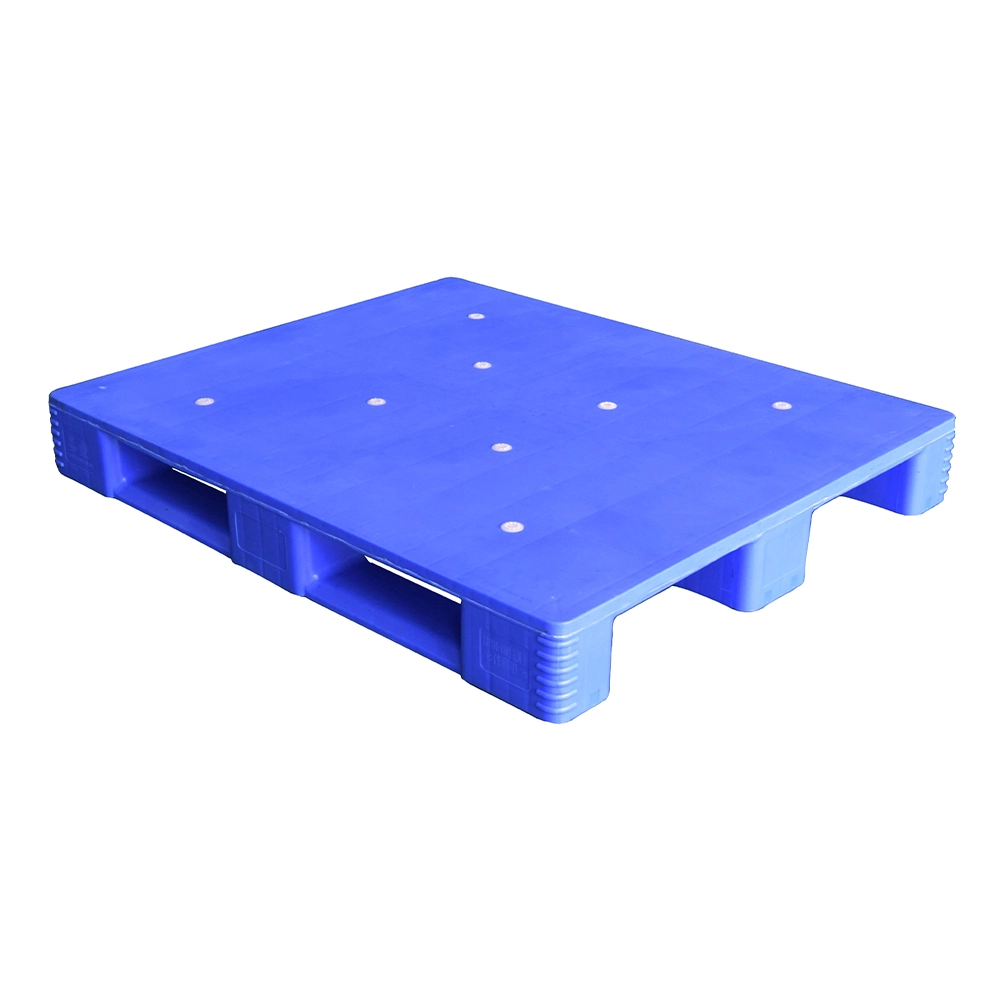
ZJ1210-150H Three-runner Closed Deck Hygienic Plastic Pallet
The three-runner closed-deck hygienic plastic pallet is a solid and durable packaging solution designed for general and especially food and medicine storage and transport. It’s made of virgin HDPE or PP, featuring a flat surface and even bottom for hygienic consideration, a reinforced configuration with steel cores for rack and shelf, and a steady loading capacity.
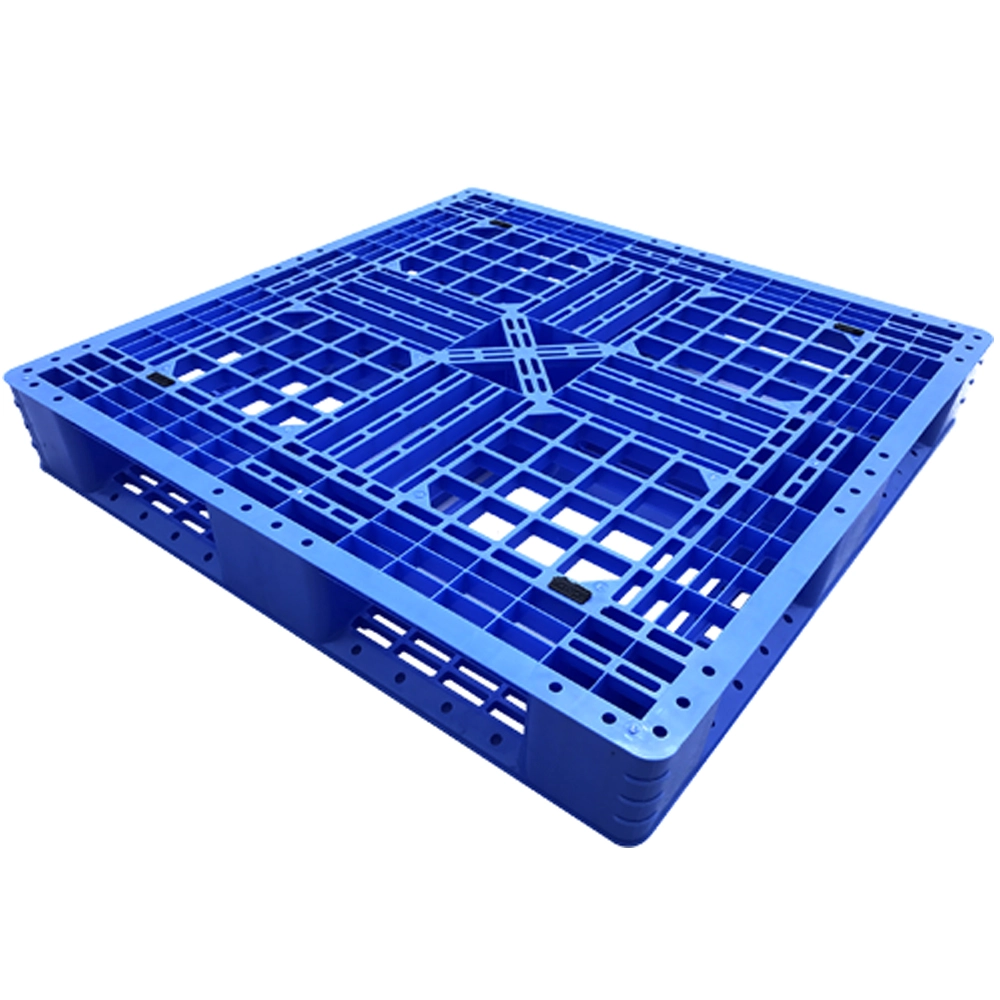
ZJ1010-150 Six-runner Single-sided Plastic Pallet
The six-runner plastic pallet, open or closed deck, is a solid and durable packaging solution designed for general and medium to heavy-duty cargo stacking, storage and transport. It’s made of virgin HDPE or PP, featuring in robust structure, a reinforced configuration with steel cores for the rack and shelf, and a steady loading capacity.
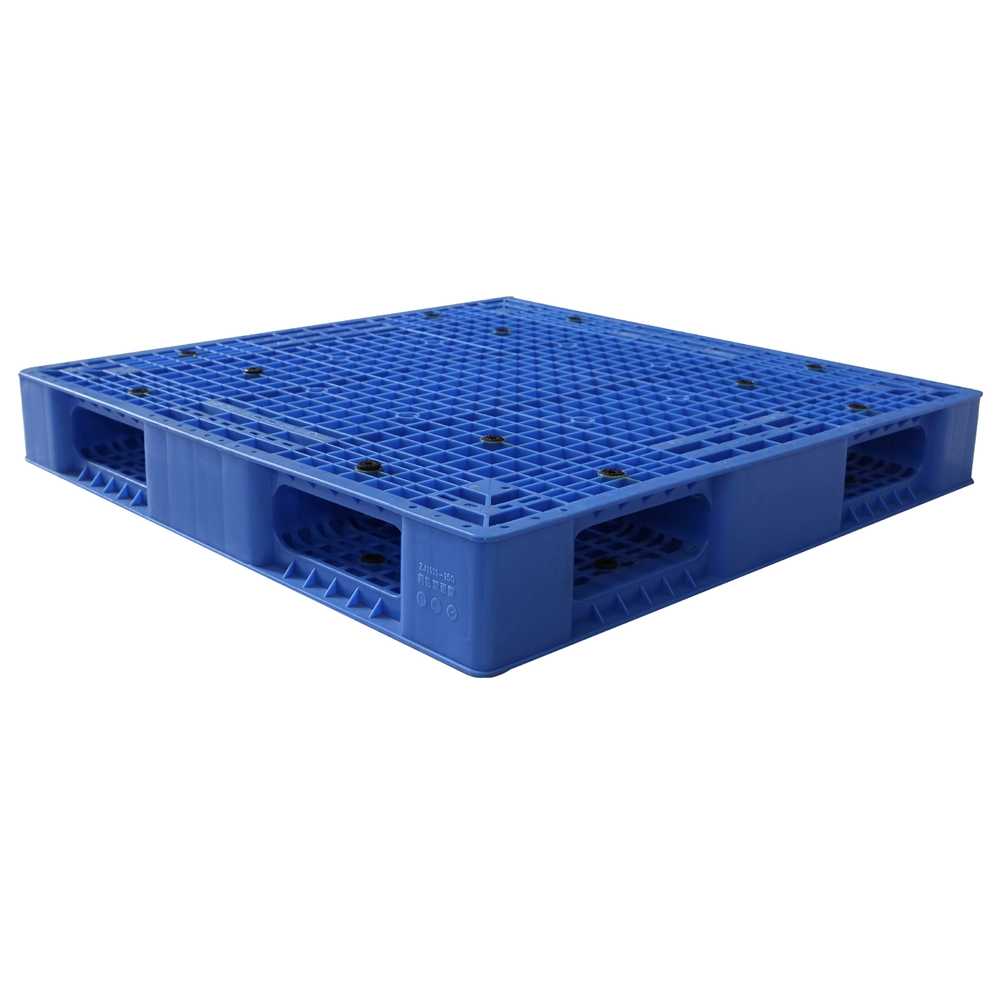
ZJ11111-150 Double-sided Heavy Duty Plastic Pallet
The double-sided plastic pallet, open deck or closed deck, is a solid and durable packaging solution designed for general and medium to heavy-duty cargo stacking, storage and transport. It’s made of virgin HDPE or PP, featuring a robust structure, a reinforced configuration with steel cores for the rack and shelf, and a steady loading capacity for both sides.
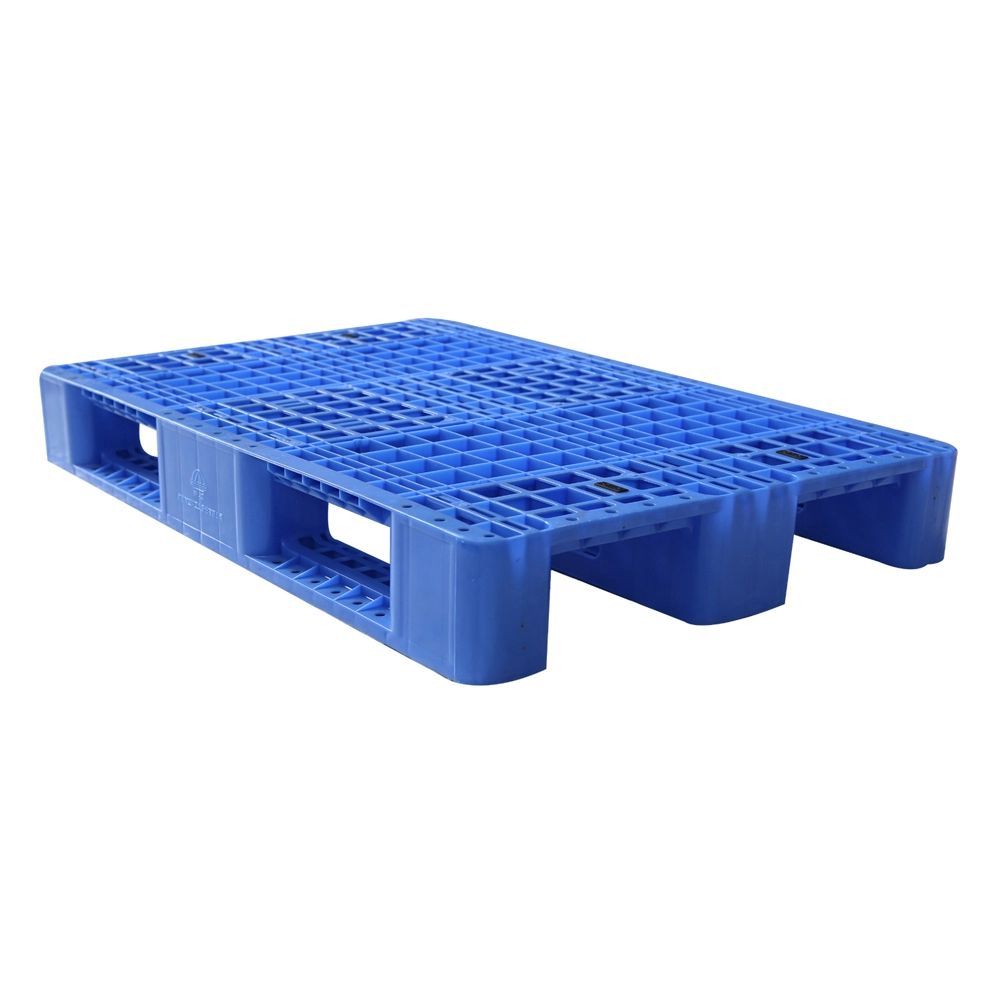
ZJ1208-155 Three-runner Single-sided Plastic Pallet
The three-runner single-sided plastic pallet is a solid and durable packaging solution designed for general and medium to heavy-duty cargo storage, transport and automated storage and retrieval system (AS/RS) use. It’s made of virgin HDPE or PP, featuring in robust structure, reinforced configuration with steel cores for rack and shelf, and a steady loading capacity.
Request More Information About Plastic Pallets
Have questions or need detailed insights on this article? Fill out the form below to contact our team for comprehensive information and support related to our plastic pallet solutions.
Contact us


+86 138 0277 8204
+86 183 4431 0917
+86 195 3791 1860

No. 15-1, Fengying Rd., Taiping Town, Conghua Dist., Guangzhou City, Guangdong Province, China.
 Scan QR Code
Whatsapp: +8613802778204
Scan QR Code
Weihong
Guangdong Weihong Plastic Technology Co., Ltd.
Whatsapp: +8619537911860
Scan QR Code
Guangdong Weihong Plastics Technology Company Ltd.