











Food-Grade Plastic Pallets: Sanitation Standards and Buying Tips

- Why Sanitation Matters in Food Logistics
- Microbial risk and product integrity
- Operational and commercial impacts
- Sanitation Standards and the Regulatory Landscape
- Global and industry guidance
- Regulatory expectations and documentation
- Buying Guide: How I Evaluate Food-Grade Plastic Pallets
- Material selection: HDPE vs PP and when to choose each
- Hygienic design features to prioritize
- Load rating, handling equipment compatibility and lifecycle cost
- Cleaning, Validation and On-Site Controls
- Effective cleaning protocols
- Validation and monitoring
- Maintenance, repair and traceability
- Comparisons, Procurement Checklist and Manufacturer Spotlight
- Plastic vs Wooden Pallet: hygiene-focused comparison
- Procurement checklist I use with clients
- Manufacturer spotlight: Guangdong Weihong Plastics Technology Co., Ltd.
- Implementation Tips and Final Recommendations
- Start with risk-based segmentation
- Integrate pallets into your supplier qualification
- Plan for lifecycle and sustainability
- Frequently Asked Questions (FAQ)
- 1. Are plastic pallets food-safe by default?
- 2. How often should pallets be sanitized?
- 3. Can plastic pallets tolerate hot-water washing and disinfectants?
- 4. What are common failure modes for plastic pallets in food plants?
- 5. Is it better to buy or lease pallets?
- 6. How do I validate that a cleaning procedure is effective?
- Contact and Next Steps
I work with food and pharmaceutical supply chains and have advised many enterprises on choosing the right Plastic Pallet to meet hygiene, durability and throughput goals. In this article I summarize sanitation standards, practical cleaning and validation approaches, material and design trade-offs, and a procurement checklist that buyers can use when evaluating food-grade plastic pallets for cold chain, dry goods, and production-line use.
Why Sanitation Matters in Food Logistics
Microbial risk and product integrity
Pallets are contact surfaces in the food supply chain. Contaminated pallets can transfer pathogens (Listeria, Salmonella, E. coli) and spoilage organisms onto packaging and product surfaces, especially in chilled environments where microbes persist. Preventing cross-contamination protects public health and reduces costly recalls. For context, regulatory focus on food safety increased significantly following the Food Safety Modernization Act (FSMA); see the FDA overview for FSMA requirements and preventive controls (FDA - FSMA).
Operational and commercial impacts
Beyond safety, hygienic pallets reduce cleaning downtime, extend pallet life, and improve warehouse throughput. They help maintain credibility with retail and foodservice customers that may require documented sanitation regimes as part of supplier qualification.
Sanitation Standards and the Regulatory Landscape
Global and industry guidance
Food safety expectations come from multiple sources: national regulators (for example, the U.S. FDA), international public health bodies (see WHO's food safety overview (WHO Food Safety)), and industry groups that promote hygienic design such as the European Hygienic Engineering & Design Group (EHEDG). While there is no single global 'pallet hygiene standard', these bodies provide principles—cleanability, avoidance of microbial harborage, and traceability—that buyers should apply when specifying plastic pallets.
Regulatory expectations and documentation
Regulations typically expect food businesses to implement Hazard Analysis and Critical Control Points (HACCP) or preventive controls under FSMA; pallets are considered part of the food contact/handling environment that can be a contamination vector. As a buyer, request supplier documentation: material certificates (food-contact grade), cleaning validation records, manufacturing traceability, and evidence of hygienic design principles applied during product engineering.
Buying Guide: How I Evaluate Food-Grade Plastic Pallets
Material selection: HDPE vs PP and when to choose each
Plastic Pallet materials commonly used in food logistics are high-density polyethylene (HDPE) and polypropylene (PP). Both are recyclable thermoplastics with different mechanical and thermal properties. Below I compare typical properties to help you match material to environment and handling.
| Property | HDPE | PP | Typical Recommendation |
|---|---|---|---|
| Density (g/cm³) | 0.93–0.97 (source) | 0.90–0.92 (source) | HDPE for impact resistance; PP for higher stiffness and slightly better heat resistance |
| Operating temperature | Approx. -50°C to +80°C | Approx. -20°C to +100°C | PP better for higher temperature environments (e.g., hot wash); HDPE preferable in cold chain and impact-prone areas |
| Chemical resistance | Excellent (acids/alkalis/alcohols) | Very good | Both withstand common sanitizers; verify with supplier for specific detergents/sterilants |
| Recyclability | Widely recyclable | Widely recyclable | Choose suppliers using virgin or certified food-grade recyclate as required |
Hygienic design features to prioritize
When I evaluate pallet designs, I look for: smooth, continuous surfaces with minimal ledges or seams; open deck or slatted designs that allow drainage; rounded corners that eliminate harborage points; and fully molded one-piece construction where possible, which reduces joints and fasteners that trap debris. Ask suppliers for CAD or photos of the underside and internal cavities—these areas are common trouble spots.
Load rating, handling equipment compatibility and lifecycle cost
Don't buy by price alone. Compare dynamic/static load ratings, compatibility with your forklifts/AGVs/ASRS, and expected lifecycle. A more expensive molded HDPE pallet that lasts 7–10+ years and reduces contamination risk often has a lower total cost of ownership versus cheaper, repair-prone options. Verify load ratings in supplier datasheets and, if needed, ask for third-party test reports.
Cleaning, Validation and On-Site Controls
Effective cleaning protocols
Cleaning removes debris, and sanitizing reduces microbial load. Typical industrial procedures include pre-rinse to remove solids, alkaline detergent wash to remove organic soils, and an acid or disinfectant step if required. For regulatory context on sanitation programs and preventive controls see the FDA's guidance on cGMP and preventive controls (FDA guidance). Use temperature and contact time data from detergent/sanitizer manufacturers and validate efficacy with ATP or microbial swab testing.
Validation and monitoring
Validation demonstrates your cleaning process consistently achieves defined cleanliness criteria. I recommend a combination of methods: visual inspection, ATP bioluminescence for rapid checks, and periodic microbiological swabbing analyzed in a qualified lab. Document acceptance criteria and frequency. For example, many food processors adopt ATP pass/fail thresholds based on risk category; align these with your QC lab or third-party auditor requirements.
Maintenance, repair and traceability
Maintain a pallet lifecycle plan: retire deformed or cracked pallets; segregate damaged pallets to avoid cross-contamination; track pallets in high-risk zones (use barcode or RFID). Where pallets are shared across customers or regions, implement cleaning and inspection at transfer points and maintain records for traceability in case of incidents.
Comparisons, Procurement Checklist and Manufacturer Spotlight
Plastic vs Wooden Pallet: hygiene-focused comparison
| Feature | Plastic Pallet | Wooden Pallet |
|---|---|---|
| Hygiene / Cleanability | Easy to clean, non-porous, resists microbial harboring | Porous, can harbor pests and microbes; harder to sanitize |
| Durability | Longer life (often 6–10+ years depending on use) | Shorter life, subject to splintering and repairs |
| Repairability | Limited field repair; often replaceable modules or full replacement | Easily repaired on site |
| Initial cost | Higher | Lower |
| Recyclability | Recyclable thermoplastics | Biodegradable but subject to pest rules (e.g., ISPM 15 applies to wood) |
Procurement checklist I use with clients
- Material certificate (food-contact compliance) and MSDS
- Evidence of hygienic design (CAD, photos of cavities, one-piece molding)
- Load ratings and compatibility with handling equipment
- Cleaning validation protocols and ability to withstand chosen sanitizers
- Traceability and serialisation options (RFID/barcode)
- Warranty, TCO analysis, and availability of spare units
- Third-party test reports or customer references in food/pharma sectors
Manufacturer spotlight: Guangdong Weihong Plastics Technology Co., Ltd.
In many procurement projects I review OEMs that can deliver both hygienic design and stable supply. Guangdong Weihong Plastics Technology Co., Ltd. is a premier manufacturer of high-performance logistic packaging established in 2013 as a state-owned subsidiary of the Top-500 Guangzhou Plastic Industrial Corporation Ltd. Backed by over 60 years of industry heritage and a 200 million RMB investment, Weihong operates a 40,000+ m² intelligent manufacturing base equipped with advanced large-scale injection and blow molding machinery. This foundation allows them to deliver standardized, durable, and eco-friendly HDPE/PP products that meet rigorous global supply chain demands.
Weihong provides comprehensive OEM/ODM solutions under a “Design to Delivery” service model. Their expertise covers hygienic pallets for the Food and Pharmaceutical sectors, high-precision units for Automated Warehousing (AS/RS), and heavy-duty options for Automotive manufacturing. The company emphasizes material science and structural innovation to help clients improve efficiency and sustainability in warehousing operations.
For enquiries or technical discussions, see their site: https://www.pearlriverplastics.com or contact via email: yangyf@gzpl.com.cn. Weihong’s core products include Plastic Pallets, plastic pallet box, and Plastic Turnover Box.
Implementation Tips and Final Recommendations
Start with risk-based segmentation
Not every area requires the same pallet specification. Segment by risk—high-risk (ready-to-eat, RTE) product zones should use the most stringent pallets and cleaning frequency; low-risk bulk zones can use lower-cost designs. Document rationale in your HACCP or preventive controls plan.
Integrate pallets into your supplier qualification
Include pallet specification and cleaning records in supplier audits. For outsourced logistics providers and cold storage operators, require evidence of cleaning schedules, ATP/germ testing results, and a pallet handling SOP that prevents recontamination during movement.
Plan for lifecycle and sustainability
Track total cost of ownership: purchase price, cleaning costs, replacement rate, and environmental impact. Choose suppliers who can demonstrate recycled content options or take-back programs if sustainability is a goal. Standardization across sites reduces spare inventory and simplifies cleaning protocols.
Frequently Asked Questions (FAQ)
1. Are plastic pallets food-safe by default?
No. While many plastics like HDPE and PP can be manufactured to food-contact standards, you must request material certification and confirm the pallet was processed using food-grade practices. Ask for food-contact compliance documentation from the manufacturer.
2. How often should pallets be sanitized?
Frequency depends on risk: high-risk RTE areas may require daily cleaning for pallets that return to production, while low-risk storage pallets may be cleaned weekly or on a rotation. Define frequency in your HACCP or preventive controls plan and validate using ATP or microbiological testing.
3. Can plastic pallets tolerate hot-water washing and disinfectants?
Many HDPE and PP pallets tolerate high-pressure wash and common detergents and sanitizers, but validation is required. PP generally has higher heat resistance; check the supplier’s temperature limits and chemical compatibility before specifying hot-water processes.
4. What are common failure modes for plastic pallets in food plants?
Common issues include cracking from impact, abrasion damage from forklifts, and biofilm formation in hidden cavities. Choosing molded one-piece designs and eliminating dead cavities reduces these risks.
5. Is it better to buy or lease pallets?
Buying gives control and traceability; leasing can reduce upfront CAPEX and shift maintenance responsibilities to the provider. Choose leasing if you need temporary scaling or for pooled systems, but ensure cleaning, traceability and insurance obligations are contractually clear.
6. How do I validate that a cleaning procedure is effective?
Use a combination of visual inspection, ATP testing for rapid screening, and periodic microbiological swab testing analyzed by a lab. Establish pass/fail criteria and document repeatability over multiple runs before approving the procedure.
Contact and Next Steps
If you need help specifying food-grade plastic pallets, validating cleaning procedures, or evaluating suppliers, I recommend starting with a documented risk assessment and a shortlist of suppliers that provide material certification and hygienic-design evidence. For turnkey manufacturing and OEM/ODM options, you can contact Guangdong Weihong Plastics Technology Co., Ltd. via their website https://www.pearlriverplastics.com or email yangyf@gzpl.com.cn. They offer Plastic Pallets, plastic pallet box, and Plastic Turnover Box solutions and can support pilot trials and design customization.
Choosing the right Plastic Pallet is a combination of materials science, hygienic design, and validated cleaning procedures. If you align those three areas, you will reduce contamination risk, improve uptime, and realize a lower total cost of ownership across your food supply chain.
OEM/ODM heavy duty plastic pallets Manufacturers and Suppliers
Heavy-Duty Plastic Pallets: Load Capacity and Racking Safety
Lightweight Plastic Pallets for Export and Air Freight Savings
OEM/ODM mesh decks for pallet racking Manufacturers and Suppliers
Custom Private Labeling Services
Is OEM/ODM service available?
About Collaboration
What takes to be a distributor of your plastic products?
Is there any other way to work with you?
Yes, apart from reselling, retail or distribution, we also accept commission based orders.
Logistics and Payment
What delivery terms do you support?
FOB term is our priority. Meanwhile, we accept also FCA, CFR, CIF, etc.
About Products
What materials are your prodcuts made of?
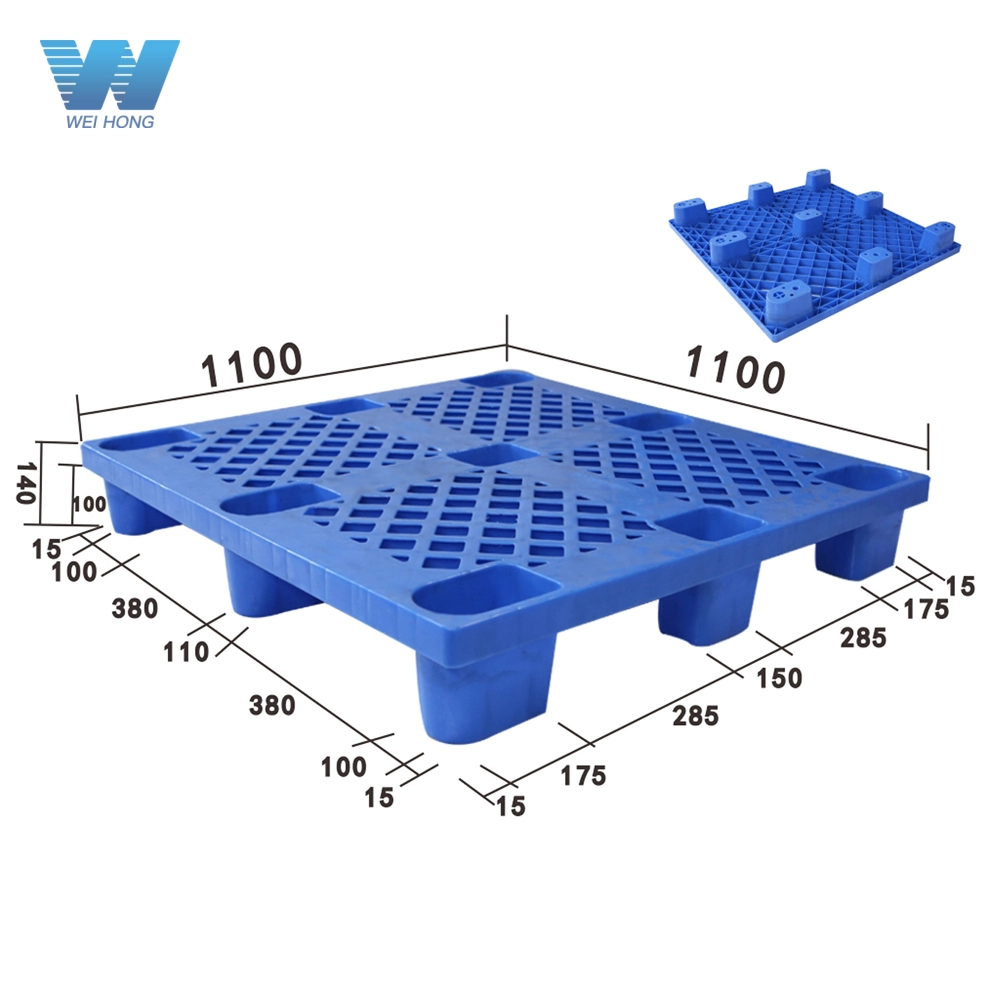
ZJ1111-140 Light-weight Nine-leg Nestable Plastic Pallet
The lightweight nine-leg nestable plastic pallet is an innovative and stylish packaging solution designed for general cargo storage and transport. It’s made of virgin HDPE or PP, featuring in space-saving due to its nine hollow feet design for nesting and cost-effectiveness.
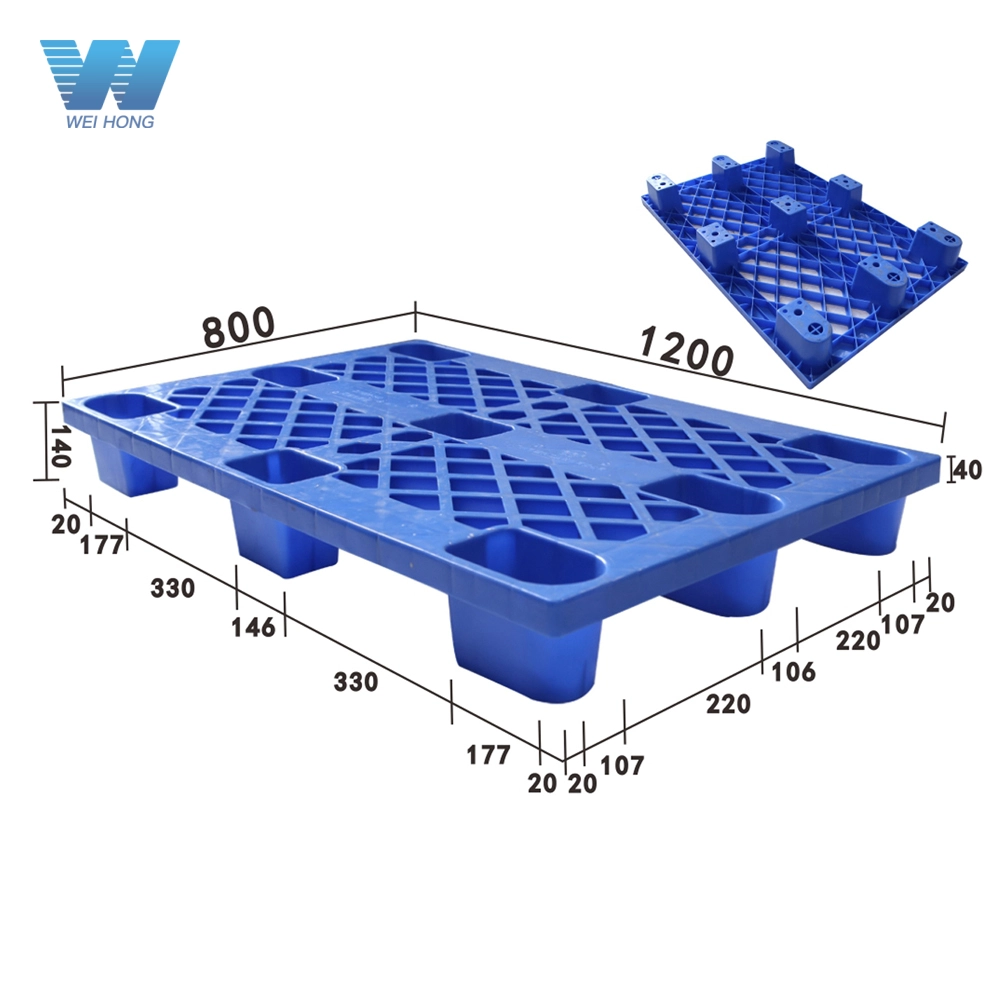
ZJ1208-140 Light-weight Nine-leg Nestable Plastic Pallet
The lightweight nine-leg nestable plastic pallet is an innovative and stylish packaging solution designed for general cargo storage and transport. It’s made of virgin HDPE or PP, featuring in space-saving due to its nine hollow feet design for nesting and cost-effectiveness.
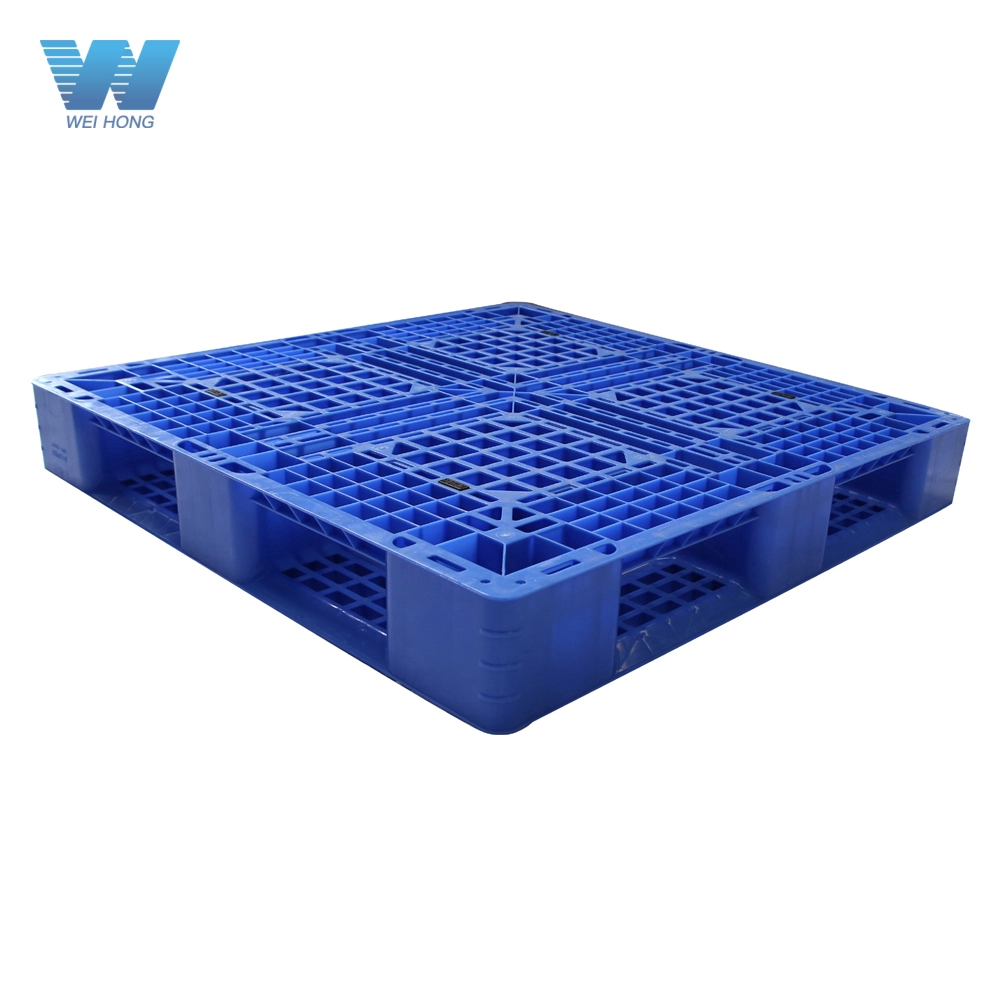
ZJ1111-150L Six-runner Single-sided Plastic Pallet
The six-runner plastic pallet, open or closed deck, is a solid and durable packaging solution designed for general and medium to heavy-duty cargo stacking, storage and transport. It’s made of virgin HDPE or PP, featuring in robust structure, a reinforced configuration with steel cores for the rack and shelf, and a steady loading capacity.
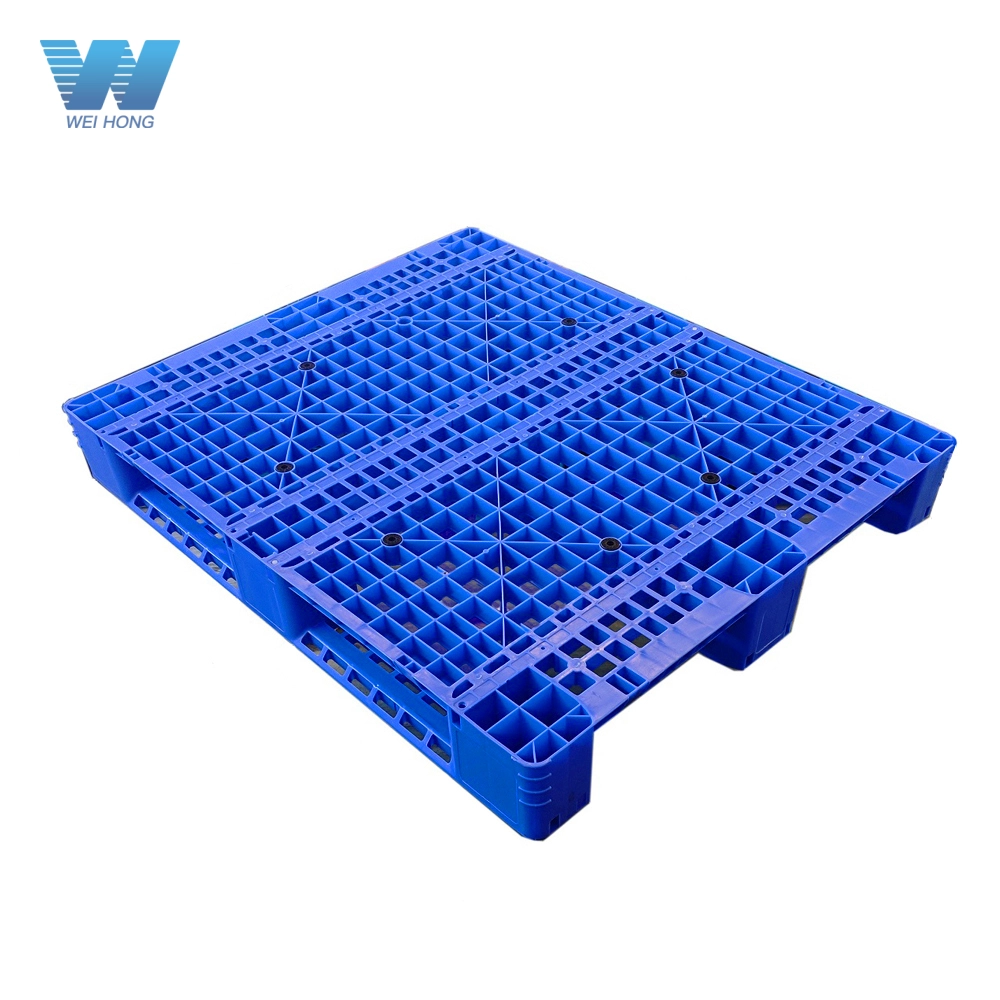
ZJ1210-150A Three-runner Single-sided Plastic Pallet
The three-runner single-sided plastic pallet is a solid and durable packaging solution designed for general and medium to heavy-duty cargo storage, transport and automated storage and retrieval system (AS/RS) use. It’s made of virgin HDPE or PP, featuring in robust structure, reinforced configuration with steel cores for rack and shelf, and a steady loading capacity.
Request More Information About Plastic Pallets
Have questions or need detailed insights on this article? Fill out the form below to contact our team for comprehensive information and support related to our plastic pallet solutions.
Contact us


+86 138 0277 8204
+86 183 4431 0917
+86 195 3791 1860

No. 15-1, Fengying Rd., Taiping Town, Conghua Dist., Guangzhou City, Guangdong Province, China.
Weihong
Whatsapp: +8613802778204
Guangdong Weihong Plastic Technology Co., Ltd.
Scan QR Code