











How to Save 50% on Space: The Nestable vs. Stackable Pallets Comparison (2026 Guide)

- What Is the Core Difference Between Nestable vs Stackable Pallets?
- Key Takeaways: Quick Summary of Pallet Types
- Deep Dive: Nestable Pallet Advantages and Space Savings
- Deep Dive: Stackable Pallet Strengths and Racking Logistics
- Cost vs ROI: The 2026 Logistics Perspective
- Expert Tips and Common Mistakes in Pallet Selection
- Conclusion
- FAQ
- What does a nestable pallet mean?
- Can you put nestable pallets in warehouse racking?
- How much space do nestable pallets save compared to stackable?
- Which pallet type has a higher dynamic load capacity?
- Are stackable pallets more expensive than nestable pallets?
- What are the runners on a stackable pallet?
- Which plastic pallet is best for international export?
- How do automated storage systems handle nestable vs stackable pallets?
What Is the Core Difference Between Nestable vs Stackable Pallets?
Nestable pallets feature hollow feet that allow them to fit inside one another when empty, maximizing space savings. In contrast, stackable pallets have solid bottom decks or runners, allowing them to sit securely on top of each other for structural support.
When managing a modern warehouse facility or directing an intricate supply chain network, understanding the core physical differences between these two designs is absolutely critical. The physical construction directly dictates how they are utilized on the floor and in transit:
- Nestable Pallets: These are intentionally built with hollow, conical legs (usually featuring a nine-leg configuration). When empty, these legs nest deeply into the deck of the pallet positioned immediately below it. This specialized design heavily influences the plastic pallet return ratio, allowing warehouse managers to stack far more empty pallets on a single return truck. By interlocking seamlessly, they prevent towering stacks from tipping over, ensuring a safer workspace.
- Stackable Pallets: These units are manufactured with solid bottom runners or a full perimeter picture-frame base. These solid bottoms provide a stable, flat surface area, meaning they can safely sit on top of another loaded pallet without crushing the fragile goods below. They are entirely essential as stackable warehouse racking pallets for heavy-duty commercial storage environments where weight must be distributed safely.
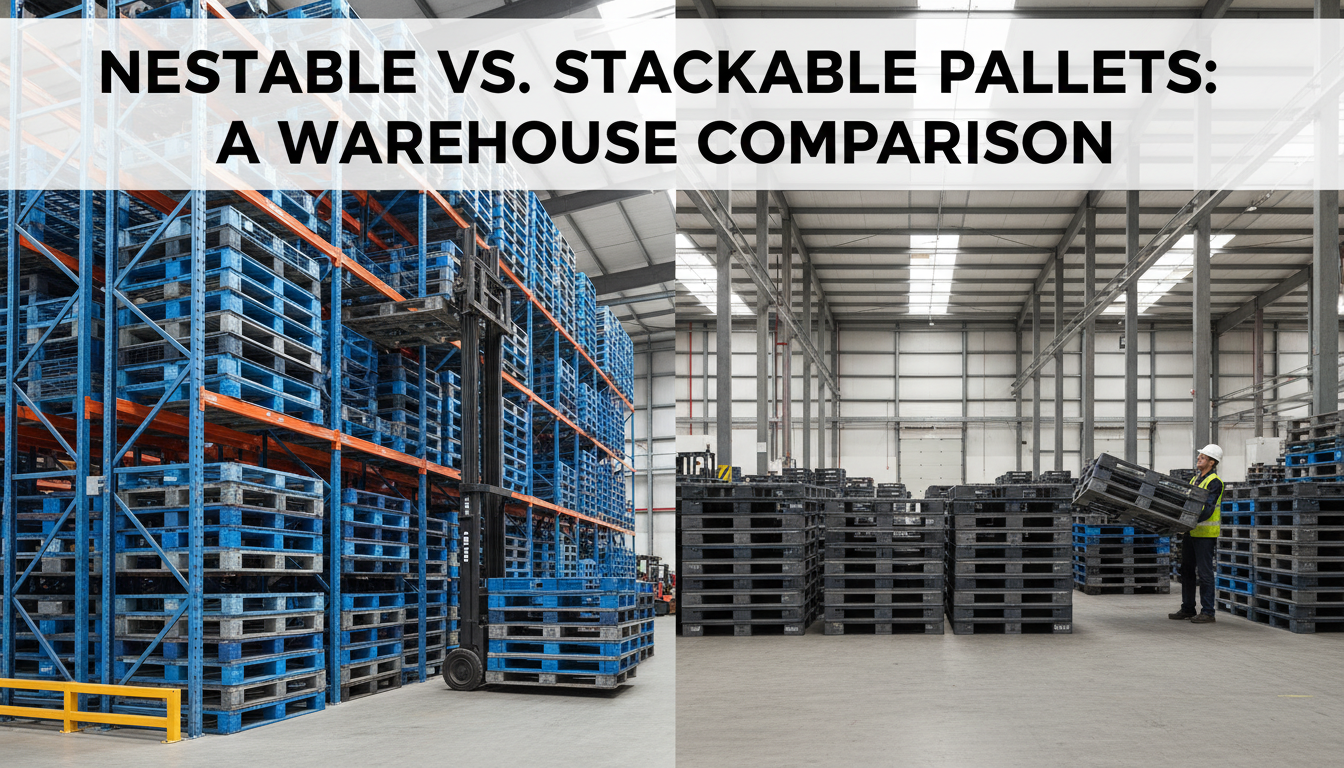
As a quick definition, nestable pallets exist to maximize space savings during return shipping and empty storage by nesting together, while stackable pallets are engineered to provide the immense structural support necessary for heavy-duty edge racking and double stacking in distribution centers.
Key Takeaways: Quick Summary of Pallet Types
A nestable pallet can save up to 50% on storage space and return freight costs when empty, whereas stackable pallets are strictly required for edge racking and high-capacity vertical storage. Your ideal choice depends on your specific supply chain needs.
If you are operating on a tight schedule and trying to make a quick purchasing decision between the two distinct platforms, here are the most important logistical considerations to keep in mind:
- Space and Freight Savings: Nestable pallets dramatically reduce your vertical footprint on the floor. Because they collapse into one another, they can conservatively save up to 50% to 75% on both warehouse storage space and the fuel surcharges associated with return freight costs.
- Vertical Storage Integrity: Stackable pallets are strictly required for unsupported edge racking and high-capacity vertical storage systems. If you attempt to place a nestable pallet on an unsupported edge rack, it will fail and fall through, causing potentially catastrophic product loss.
- Supply Chain Model: The ideal choice depends heavily on whether your supply chain functions as a closed-loop system or is primarily focused on one-way exports. Closed-loop systems often benefit from the extreme durability of stackable pallets, whereas one-way transport systems heavily prioritize the nestable export pallets space savings to keep immediate shipping costs as low as possible.
Deep Dive: Nestable Pallet Advantages and Space Savings
Nestable pallets provide immense space savings by reducing the vertical footprint of empty pallets on warehouse floors. They significantly lower freight costs on return shipments and are ideal for retail distribution, one-way exports, and lightweight air freight.
Let's meticulously break down exactly how these lightweight, nesting platforms provide such massive operational and financial savings for modern logistics networks:
Understanding Nesting Ratios
A standard non-nestable wooden or plastic pallet takes up a fixed, rigid amount of vertical space. However, nestable pallets feature a designated nesting ratio (often listed as 3:1 or even 4:1 by manufacturers). This means you can comfortably fit three or four times as many empty pallets in the exact same warehouse footprint. This footprint reduction is critical for crowded warehouse floors where commercial square footage is rented at a premium and aisle maneuverability is essential for forklift operators.
Freight Cost Reduction
Because you can fit substantially more empty nestable pallets onto a standard 53-foot return trailer, you immediately achieve elite freight cost pallet optimization. For a company running frequent Less-Than-Truckload (LTL) freight operations, lowering the sheer volume of return trips translates directly into lower fuel consumption, fewer driver hours, and vastly reduced logistics overhead.
Ideal Use Cases
You will consistently extract the most value out of nestable pallets in the following core supply chain scenarios:
- Retail Distribution: Moving lightweight consumable goods from a central distribution center to a retail storefront, where the empty pallets are temporarily stored in tight backrooms.
- One-Way Exports: Because they are incredibly lightweight and highly affordable to produce, they are perfect for international shipping lanes where you do not expect to ever receive the pallet back into your inventory.
- Air Freight Transport: The significantly lighter tare weight of nestable plastic pallets drastically reduces prohibitively expensive air cargo weight fees.
Furthermore, plastic nestable pallets are completely exempt from strict international heat-treatment regulations, as reported by Wikipedia regarding the rigorous ISPM 15 standards for raw wood packaging. This exemption guarantees that your international cargo will not be held up at customs due to missing phytosanitary heat stamps, making them highly efficient for frictionless global logistics.
Deep Dive: Stackable Pallet Strengths and Racking Logistics
Stackable pallets feature bottom runners that allow for double stacking and safe edge racking in warehouses. They offer superior load distribution mechanics, ensuring higher static and dynamic load limits for handling heavy goods safely in complex supply chains.
While nestable pallets undeniably win the battle on pure space savings, stackable pallets are the undisputed heavy-duty champions of rigorous warehouse infrastructure.
Double Stacking Logistics
Double stacking refers to the common warehouse practice of placing one fully loaded pallet directly on top of another loaded pallet. The uniform, solid bottom runners of a stackable pallet serve to distribute weight evenly and safely across the fragile goods situated below. This critical load distribution mechanism maintains strict OSHA warehouse safety standards and prevents the costly crushing of lower-tier products during prolonged storage.
Racking Compatibility
If your distribution center heavily relies on vertical racking systems to maximize cubic storage density, stackable pallets are non-negotiable.
- Edge Racking: Stackable pallets are engineered to sit safely on the narrow front and back edges of a standard rack without requiring center wire decking support.
- Drive-In Racking: The robust, solid base architecture allows forklifts to safely maneuver and place heavy pallets deep into dense drive-in storage systems without the pallet bowing or snapping under pressure.
Load Distribution Mechanics
When conducting a technical comparison of the dynamic vs static load rating, stackable pallets naturally perform drastically better under intense stress due to their reinforced construction.
- Static Load: The absolute maximum weight the pallet can safely hold while sitting entirely still on a concrete warehouse floor.
- Dynamic Load: The maximum weight the pallet can support while being actively lifted, tilted, or transported by a forklift in transit.
- Racking Load: The strict maximum weight the pallet can handle while suspended in an unsupported edge rack.
Stackable pallets actively distribute kinetic forces evenly across their multiple runners, leading to significantly higher racking and dynamic load capacities. A standard pallet functions as the fundamental structural foundation of a unit load, as reported by Wikipedia, making this even weight distribution absolutely essential for maximum handling efficiencies.
Cost vs ROI: The 2026 Logistics Perspective
While stackable plastic pallets require a higher initial investment than nestable pallets, they offer excellent long-term ROI through lower cost-per-trip metrics in closed-loop systems. By 2026, automated warehouse robotics increasingly demand the uniform runners of stackable pallets.
Deciding exactly where to allocate your logistics and packaging budget requires a careful calculation of your specific operational cycle and future growth plans.
Initial Investment Costs
When purchasing plastic pallets in bulk, nestable designs are generally far cheaper to manufacture. This is because they require significantly less raw plastic resin to mold and feature a much simpler injection mold tooling process. Stackable pallets, by definition, require substantially more high-density material to properly form the thick, solid bottom deck and structural runners, driving up the initial upfront procurement cost.
Calculating Cost-Per-Trip and Long-Term ROI
In a strictly managed closed-loop supply chain (where all pallets are continually returned to your main facility for reuse), the long-term Return on Investment heavily favors durable stackable plastic pallets.
- Determine the Upfront Capital Cost: For example, you might pay $50 per heavy-duty stackable pallet versus $30 per lightweight nestable pallet.
- Estimate the Total Lifespan: A premium, high-quality stackable pallet might confidently survive 100 rigorous transport trips, whereas a cheaper nestable model might fatigue and fail after 50 trips.
- Calculate the Exact Cost-Per-Trip: $50 / 100 trips = $0.50 cost per trip. $30 / 50 trips = $0.60 cost per trip.
Over an extended timeline, the heavy-duty stackable pallet yields a measurably better return on investment despite the significantly higher initial sticker price.
2026 Warehouse Automation Trends
As we look deeper into the logistics landscape of 2026, facility automation is no longer optional; it is the industry standard. Modern Automated Storage and Retrieval Systems (ASRS), autonomous guided vehicles (AGVs), and smart forklifts rely on precise LiDAR sensors and optical scanners. The uniform, predictable bottom runners of stackable pallets are highly compatible with automated conveyor belts and robotic handling sensors, making them the definitively preferred choice for forward-looking, high-tech automated facilities.
Expert Tips and Common Mistakes in Pallet Selection
A common mistake is attempting to use nestable pallets in unsupported edge racking, which leads to immediate structural failure and safety hazards. Ensure you match your pallet bottom design to your specific material handling equipment and prioritize sustainable, recycled plastic options.
To ensure your facility is getting the absolute best performance and safety out of your pallet inventory, keep these actionable expert recommendations in mind during your next procurement cycle:
- Avoid Catastrophic Racking Failures: You must never place a nestable pallet on an unsupported edge rack. Without rigid bottom runners to brace the load, the hollow plastic legs will dangerously flex and eventually snap under the inventory's weight, dropping your valuable products and severely endangering warehouse personnel operating below.
- Match Your Material Handling Equipment: An advanced expert tip is to meticulously match your chosen pallet bottom design (such as utilizing standard 3-runners versus a full 6-runner picture frame base) to your specific forklift fleet or electric pallet jacks. Some manual pallet jacks simply cannot roll over the bottom boards of certain picture-frame stackable pallets, causing immediate workflow bottlenecks.
- Evaluate Your Environmental Impact: Corporate sustainability remains a major, heavily scrutinized 2026 logistics initiative. Look closely for high-density polyethylene (HDPE) recycled resin options. HDPE is extremely durable, easily sanitized, and can be completely ground up and remanufactured at the end of its useful lifecycle, drastically reducing your company's overall carbon footprint and landfill contributions.
Conclusion
Choosing between nestable and stackable pallets comes down to balancing return freight space savings against the structural needs of warehouse racking. Review your specific warehouse infrastructure and freight cycle before making a bulk purchasing decision to ensure maximum ROI.
Whether you prioritize an industry-leading plastic pallet return ratio for cross-country reverse logistics or require heavy-duty stackable warehouse racking pallets for sophisticated vertical automation, implementing the correct platform will fundamentally transform your operational efficiency. Take the necessary time to accurately audit your dynamic load ratings, assess your current racking infrastructure, and mathematically calculate your cost-per-trip metrics. Contact us today to optimize your freight cost pallet optimization strategy.
FAQ
What does a nestable pallet mean?
A nestable pallet is designed with hollow nine-leg bottoms that fit securely into the deck of the pallet below it. This specific design dramatically reduces the vertical footprint when the pallets are empty, making them highly space-efficient for both storage and return transportation.
Can you put nestable pallets in warehouse racking?
Generally, no. Nestable pallets completely lack the solid bottom runners required to safely bridge the gap in unsupported edge racking. To safely rack a nestable pallet, the warehouse rack must be equipped with full wire decking or solid wooden supports across the entire span.
How much space do nestable pallets save compared to stackable?
Nestable pallets can save up to 50% to 75% of vertical storage space when sitting empty. This significant compression allows logistics managers to fit significantly more empty pallets on a single return truck, vastly improving transportation efficiency and lowering shipping expenses.
Which pallet type has a higher dynamic load capacity?
Stackable pallets typically feature a much higher dynamic load capacity. The sturdy bottom runners distribute weight far more evenly across the base, making them the ideal choice for safely transporting incredibly heavy goods in transit or while being actively manipulated by forklifts.
Are stackable pallets more expensive than nestable pallets?
Yes, stackable pallets usually require a higher initial purchase cost. This pricing difference is due to the extra plastic material required to construct the solid bottom deck and structural runners, although they frequently provide a superior long-term ROI in closed-loop systems.
What are the runners on a stackable pallet?
Runners are the thick, horizontal plastic or wooden bars located on the absolute bottom of a stackable pallet. They exist to provide vital structural integrity, allow for safe double-stacking of heavy loads, and seamlessly distribute immense weight across heavy-duty warehouse storage racks.
Which plastic pallet is best for international export?
Nestable pallets are usually the overwhelmingly preferred choice for international one-way exports. They are cheaper to purchase, incredibly lightweight, entirely exempt from strict ISPM 15 heat treatment mandates, and save highly valuable cubic space in shipping containers and air cargo holds.
How do automated storage systems handle nestable vs stackable pallets?
Modern automated storage and retrieval systems (ASRS) typically require the use of stackable pallets. The highly uniform, predictable bottom runners of stackable pallets are absolutely necessary to ensure smooth travel across motorized conveyor belts and accurate detection by sensitive robotic handling sensors.
Top 10 plastic shipping pallets Manufacturers and Supplier Brands
Plastic Pallets and Food Safety Regulations (FDA, EU)
Top 10 heavy duty plastic pallets Manufacturers and Supplier Brands
Buyer Checklist: Selecting Heavy Duty Plastic Crate Suppliers
About Products
Are there other sizes available apart from the ones on your website?
Yes, more sizes and styles of the plastic pallets and boxes are under development. Please contact us to check for availability.
What is the minimun order quantity?
MOQ is usually 200pcs for each model. Less quantity is acceptable when there is stock.
Logistics and Payment
What payment terms do you accept?
After-Sales Service and Support
Who should I contact if quality issue is found when I receive the goods?
Please file complaint to the sales person you contacted for the order and your needs will be forwarded to our technical team for analysis.
Custom Private Labeling Services
Is OEM/ODM service available?
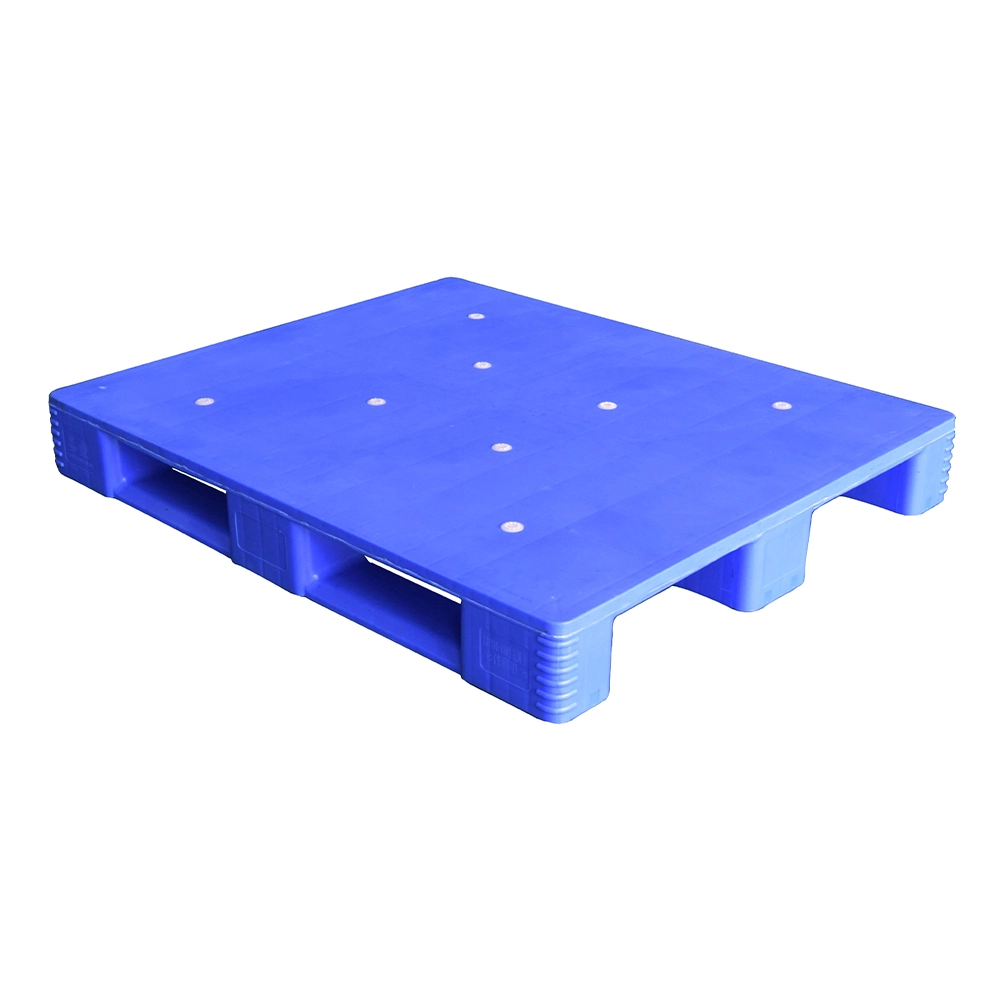
ZJ1210-150H Three-runner Closed Deck Hygienic Plastic Pallet
The three-runner closed-deck hygienic plastic pallet is a solid and durable packaging solution designed for general and especially food and medicine storage and transport. It’s made of virgin HDPE or PP, featuring a flat surface and even bottom for hygienic consideration, a reinforced configuration with steel cores for rack and shelf, and a steady loading capacity.
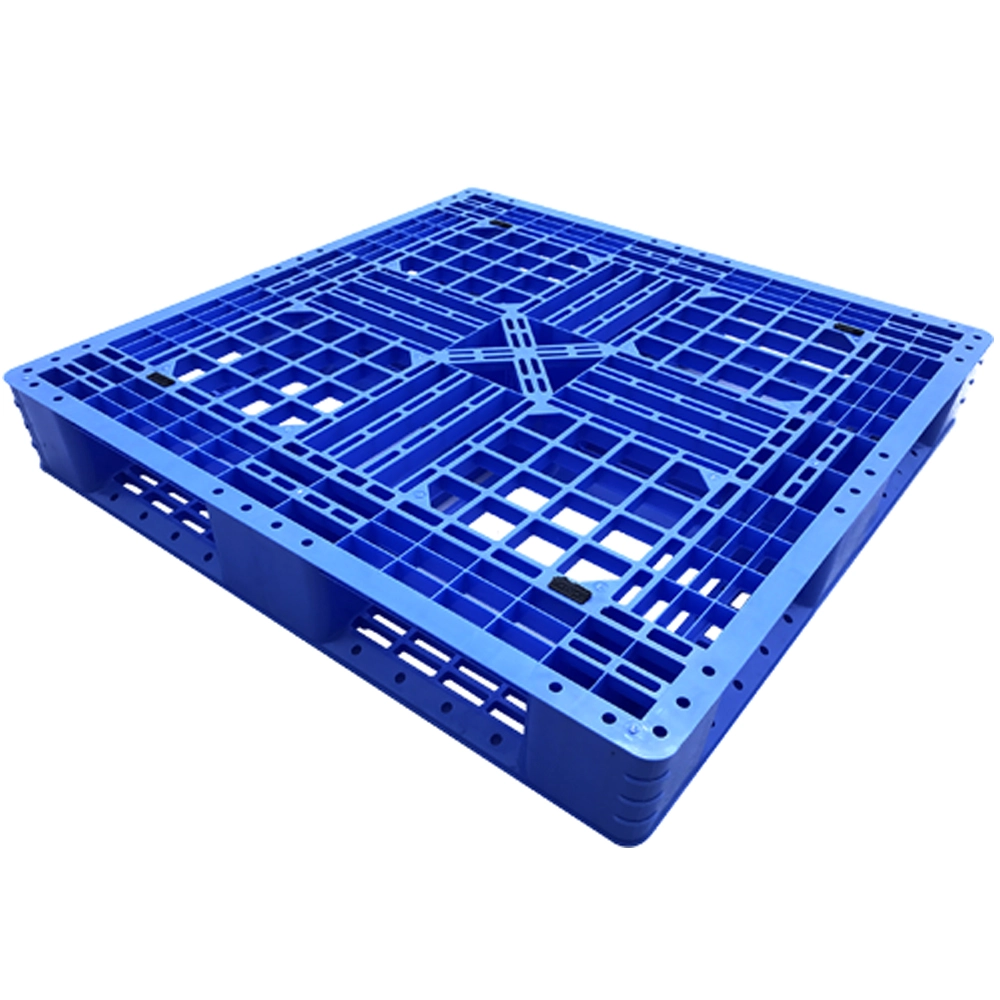
ZJ1010-150 Six-runner Single-sided Plastic Pallet
The six-runner plastic pallet, open or closed deck, is a solid and durable packaging solution designed for general and medium to heavy-duty cargo stacking, storage and transport. It’s made of virgin HDPE or PP, featuring in robust structure, a reinforced configuration with steel cores for the rack and shelf, and a steady loading capacity.
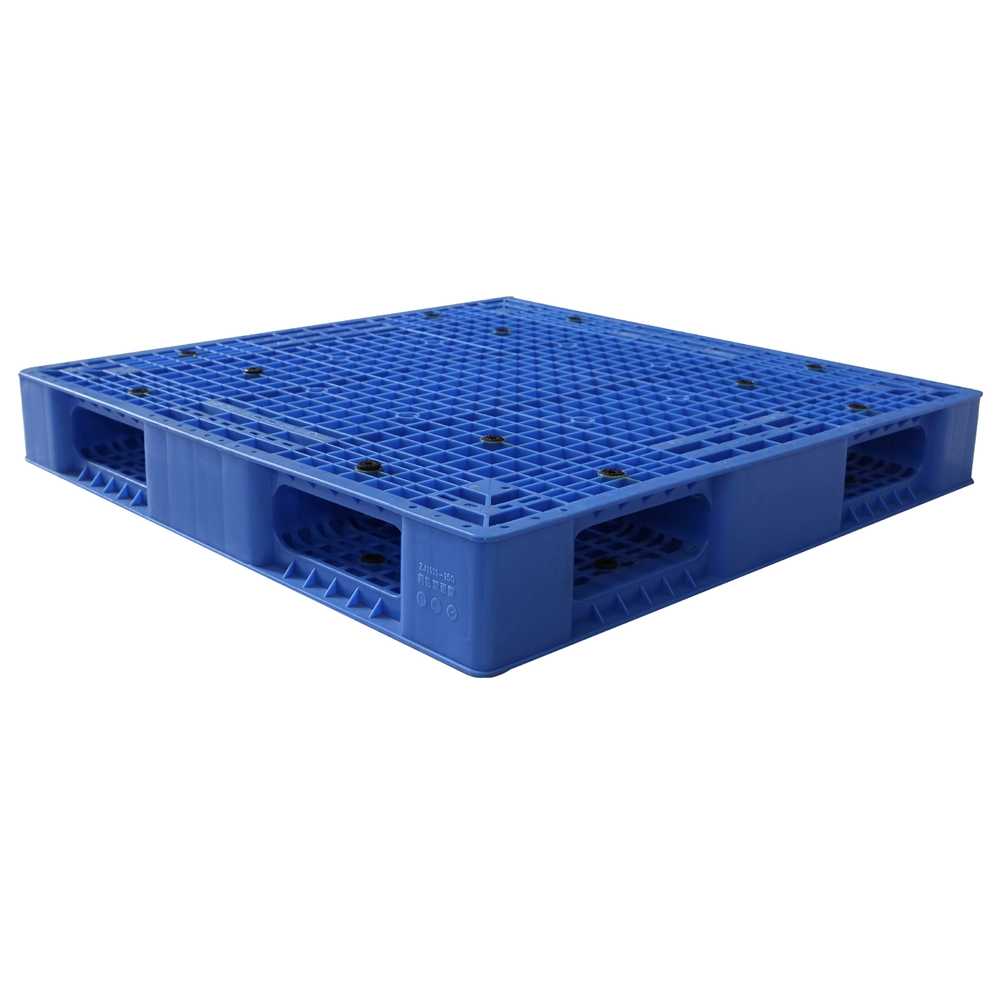
ZJ11111-150 Double-sided Heavy Duty Plastic Pallet
The double-sided plastic pallet, open deck or closed deck, is a solid and durable packaging solution designed for general and medium to heavy-duty cargo stacking, storage and transport. It’s made of virgin HDPE or PP, featuring a robust structure, a reinforced configuration with steel cores for the rack and shelf, and a steady loading capacity for both sides.
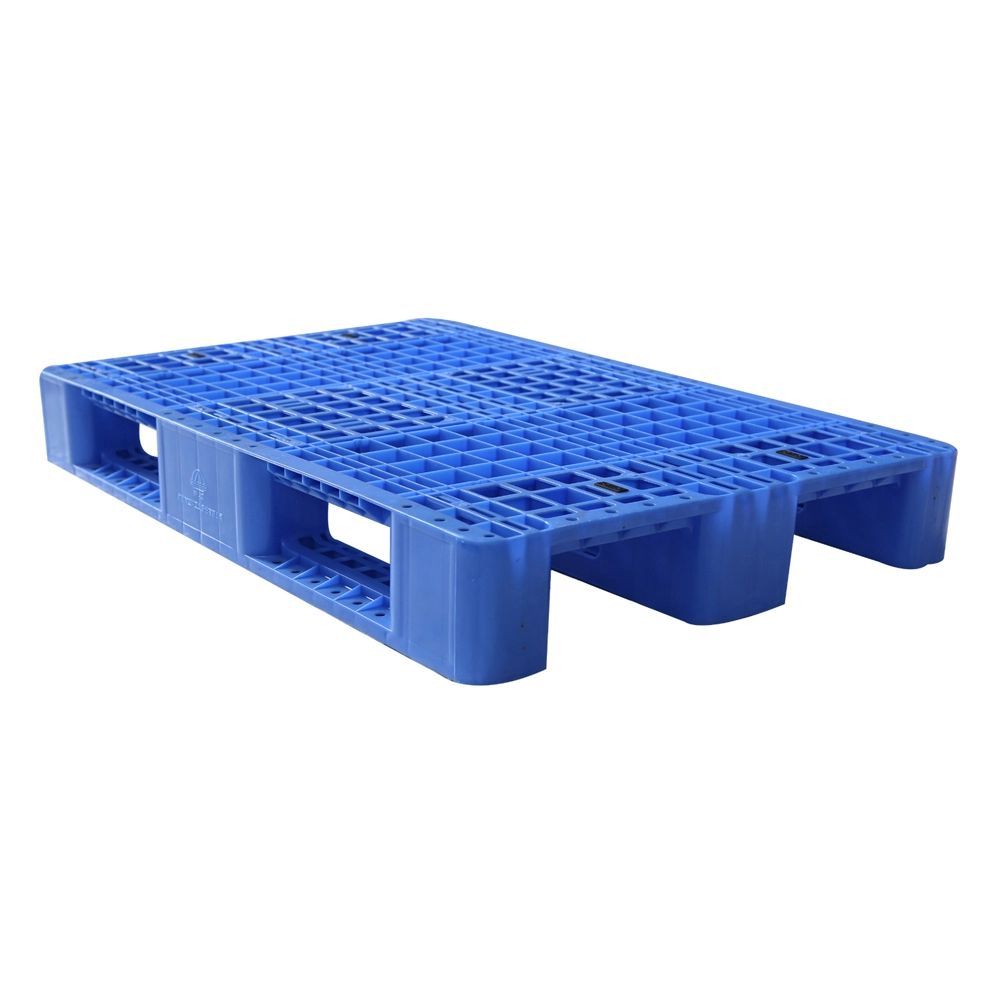
ZJ1208-155 Three-runner Single-sided Plastic Pallet
The three-runner single-sided plastic pallet is a solid and durable packaging solution designed for general and medium to heavy-duty cargo storage, transport and automated storage and retrieval system (AS/RS) use. It’s made of virgin HDPE or PP, featuring in robust structure, reinforced configuration with steel cores for rack and shelf, and a steady loading capacity.
Request More Information About Plastic Pallets
Have questions or need detailed insights on this article? Fill out the form below to contact our team for comprehensive information and support related to our plastic pallet solutions.
Contact us


+86 138 0277 8204
+86 183 4431 0917
+86 195 3791 1860

No. 15-1, Fengying Rd., Taiping Town, Conghua Dist., Guangzhou City, Guangdong Province, China.
 Scan QR Code
Weihong
Whatsapp: +8613802778204
Guangdong Weihong Plastic Technology Co., Ltd.
Scan QR Code
Whatsapp: +8619537911860
Scan QR Code
Guangdong Weihong Plastics Technology Company Ltd.