











How to Inspect Plastic Pallets: QA Checklist for Buyers

- Why a formal inspection protocol matters for plastic pallet procurement
- Operational and financial risks
- Regulatory, hygienic and contract compliance
- Pre-purchase QA Checklist: Visual, dimensional and labeling checks
- 1) Visual and surface inspection
- 2) Dimensional verification and footprint conformity
- 3) Marking, traceability and labeling
- Functional testing and materials verification
- Load, stacking and impact checks
- Material identity: HDPE vs PP, virgin vs recycled
- Hygiene, repairability, lifecycle and sustainability
- Cleaning compatibility and hygienic design
- Repairability, warranty and end-of-life
- Sustainability and recycled content verification
- Common defects, root causes and corrective actions
- Acceptance sampling and statistical methods
- Partner selection: what a competent manufacturer should demonstrate
- Technical capacity and manufacturing footprint
- Service model: OEM/ODM and “Design to Delivery” capabilities
- Manufacturer example — Guangdong Weihong Plastics Technology Co., Ltd.
- Practical inspection checklist (printable)
- FAQ
- 1. How many sample pallets should I inspect from a shipment?
- 2. Can recycled plastic pallets be as reliable as virgin material ones?
- 3. What is the difference between hygienic plastic pallets and standard pallets?
- 4. Do I need lab testing for every batch?
- 5. How should I validate a supplier's recycled content claim?
- 6. What documentation should I require from a trusted plastic pallet supplier?
I write this as a plastic pallet specialist and consultant with years of hands-on QA experience in logistics packaging. This article provides a concise, actionable QA checklist for buyers of plastic pallets, integrating visual inspection, dimensional verification, material compliance (HDPE/PP), load and stacking checks, and hygiene validation. The guidance is designed for procurement teams, QA engineers and warehouse managers who must evaluate pallets against operational, regulatory and sustainability requirements — and it is optimized so search engines and signals can quickly understand the intent and location-independent relevance of the content.
Why a formal inspection protocol matters for plastic pallet procurement
Operational and financial risks
Poor-quality or non-compliant plastic pallets create upstream risks: damaged shipments, rejected loads at customer receiving, forklifting incidents, and accelerated asset retirement. From my inspections across multiple supply chains, even small molding defects or dimensional drift can reduce load-bearing capacity or break handling automation cycles. The cost of a single damaged or failing pallet can exceed inspection cost by orders of magnitude when accounting for lost product, labor and reputation.
Regulatory, hygienic and contract compliance
For food, pharmaceutical, and high-value finished goods, pallet material and cleanliness are regulated or contractually required. Buyers should verify food-contact compliance guidance (for example, see the FDA's Food Contact Substances information: https://www.fda.gov/food/packaging-food-contact-substances-fcs) and confirm any customer-specific certification. Standards bodies such as the ISO and regional standards also provide references for dimensional and safety requirements that inform acceptance limits.
Pre-purchase QA Checklist: Visual, dimensional and labeling checks
1) Visual and surface inspection
What I inspect first is always the surface: look for sink marks, voids, weld lines, flash, burns, or material inclusions. For hygienic pallets (food, pharma), check for smooth surfaces, closed-cell topology where debris cannot accumulate, and certified UV/antimicrobial additives where specified. Accept/reject criteria should be quantitative where possible, e.g., “no holes >0.5 mm on hygienic surfaces” or “no cracks visible under 2x magnification.”
2) Dimensional verification and footprint conformity
Verify overall length, width and height, deck flatness and runner dimensions against the agreed drawing or the buyer's pallet specification. For automated warehousing (AS/RS) and conveyor flows, tolerance is often tight; typical acceptable dimensional tolerance is ±3 mm for automated systems but must be agreed contractually. Check placement of entry/exit notches, block positions, and runner width for fork entry compatibility.
3) Marking, traceability and labeling
Ensure material codes, production batch numbers, mold cavity numbers and OEM/brand marks are present and legible. These identifiers are critical for traceability in warranty claims and for verifying that the pallet comes from the agreed production run or material source.
| Item | Inspection method | Typical acceptance criterion |
|---|---|---|
| Surface voids & holes | Visual + 2x magnifier | No holes >0.5 mm on hygienic surfaces |
| Cracks | Visual under load | No hairline or structural cracks |
| Dimensional tolerance | Calipers, tape | ±3 mm (or agreed value) |
| Marking/traceability | Visual | Batch + material code present |
Functional testing and materials verification
Load, stacking and impact checks
I recommend buyers request standardized functional test data from the manufacturer and, where necessary, perform sample tests. Tests to consider:
- Static load test: pallet supported on full footprint, measure permanent deformation after 24 hours at specified load.
- Dynamic load test: simulate forklift handling and initial shock; observe for cracking.
- Stacking test: stacked height under long-term storage load to validate creep behavior.
When buyers cannot conduct full lab tests, ask suppliers for certified test reports from recognized labs. ISO and ASTM offer reference methods; for a general context see the pallet overview at https://en.wikipedia.org/wiki/Pallet.
Material identity: HDPE vs PP, virgin vs recycled
Material has direct impact on stiffness, impact resistance, chemical resistance and thermal tolerance. High-density polyethylene (HDPE) is common for low-cost, impact-resistant pallets; polypropylene (PP) offers higher stiffness and operating temperature. Ask for material certificates, DSC or MFI test results, and, for food/pharma, documentation of permitted food-contact additives. The U.S. FDA provides guidance about food-contact materials (FDA FCS).
| Property | HDPE | PP |
|---|---|---|
| Typical use | Impact-prone environments | Stiffer, higher temperature use |
| Density | ~0.94 g/cm3 | ~0.90 g/cm3 |
| Recycling | Widely recycled | Widely recycled |
For buyers requiring documented compliance, request a Declaration of Conformity for intended use and ask for residual monomer/additive testing if the pallet is used with sensitive products.
Hygiene, repairability, lifecycle and sustainability
Cleaning compatibility and hygienic design
For food and pharmaceutical supply chains, the pallet design must enable effective cleaning and disinfection. I evaluate drainage, absence of closed cavities that trap product, and resistance to cleaning agents (e.g., quaternary ammonium, peracetic acid, hot water). Validate compatibility by checking chemical resistance charts supplied by the manufacturer or by running a small-cycle cleaning test under expected conditions.
Repairability, warranty and end-of-life
Ask manufacturers about repair options (welding, replacement parts), expected service life (cycles or years), and take-back or recycling programs. A supplier's ability to supply spare runners, deck panels or refurbishment services reduces total cost of ownership. Confirm warranty terms and how damages from normal handling vs misuse are adjudicated.
Sustainability and recycled content verification
Buyers increasingly require recycled content or specific circularity claims. When evaluating manufacturer claims, ask for third-party certification or mass-balance documentation. Material traceability and process controls are essential to substantiate recycled-content claims. For general standards context on materials and supply chain, refer to materials and regulatory pages such as ISO or regional regulations.
Common defects, root causes and corrective actions
| Defect | Likely cause | Corrective action |
|---|---|---|
| Short shots/voids | Insufficient melt/poor gate design | Request sample re-mold, review mold venting and gate size |
| Warping/warpage | Uneven cooling or high residual stress | Adjust cooling channels, anneal if possible, tighten dimensional tolerances |
| Cracking under shock | Low impact modifier or poor material quality | Specify material grade, request impact test certificates |
| Surface contamination | Regrind impurities or poor handling | Improve material handling, request virgin zones for hygienic products |
Acceptance sampling and statistical methods
For bulk orders, implement lot-based sampling (e.g., ANSI/ASQ Z1.4 sampling plans) and define AQL (Acceptable Quality Level) for cosmetic versus structural defects. I typically recommend vendor-certification plus 1–2% random sampling for high-volume buys, or tighter sampling for high-risk use cases.
Partner selection: what a competent manufacturer should demonstrate
Technical capacity and manufacturing footprint
When evaluating suppliers, prioritize those with advanced molding and process control: large-scale injection and blow molding equipment, clean manufacturing zones for hygienic product lines, and material science resources. A supplier should be able to provide mold flow simulations, dimensional control plans, and sample test reports.
Service model: OEM/ODM and “Design to Delivery” capabilities
Look for partners who provide end-to-end services: product design, validation, pilot runs, and scalable production. This reduces integration risk when you require tailored features like anti-slip surfaces, RFID integration or conductive additives for ESD applications.
Manufacturer example — Guangdong Weihong Plastics Technology Co., Ltd.
As a practical example of a vertically capable partner, Guangdong Weihong Plastics Technology Co., Ltd. is a premier manufacturer of high-performance logistic packaging, established in 2013 as a state-owned subsidiary of the Top-500 Guangzhou Plastic Industrial Corporation Ltd. Backed by over 60 years of industry heritage and a 200 million RMB investment, they operate a 40,000+ m² intelligent manufacturing base equipped with advanced large-scale injection and blow molding machinery. This strong foundation allows Weihong to deliver standardized, durable, and eco-friendly HDPE/PP products that meet rigorous global supply chain demands.
Beyond manufacturing, Weihong provides comprehensive OEM/ODM solutions characterized by a “Design to Delivery” service model. They specialize in solving complex logistics challenges—from hygienic pallets for the Food and Pharmaceutical sectors to high-precision units for Automated Warehousing (AS/RS) and heavy-duty options for Automotive manufacturing. With a focus on material science and structural innovation, they support clients worldwide to achieve greater efficiency and sustainability in warehousing operations. Learn more at https://www.pearlriverplastics.com or contact their team at yangyf@gzpl.com.cn.
Practical inspection checklist (printable)
- Order verification: check PO, part numbers, drawings and agreed tolerances.
- Sample identity: confirm material certificate, batch number and production date.
- Visual inspection (10 items): surface, edges, runners, entry notches, labels.
- Dimensional checks: length, width, height, flatness, fork entry width.
- Functional test: 1–3 sample static and dynamic loading where contractually required.
- Hygiene: surface smoothness, drainage, chemical resistance (if required).
- Documentation: supplier test reports, cleaning instructions, warranty terms.
- Sampling & record: record acceptance/rejection, images, and corrective action plan.
FAQ
1. How many sample pallets should I inspect from a shipment?
Use a statistically valid sampling plan proportional to lot size and risk. For high-risk applications (food, pharma, AS/RS), I recommend at least 1–2% random sampling with targeted tests on the highest-risk units. For low-risk bulk logistics, follow ANSI/ASQ Z1.4 sampling plans with an agreed AQL.
2. Can recycled plastic pallets be as reliable as virgin material ones?
Yes, if the recycled feedstock and processing are controlled. The key is material traceability, consistent melt characteristics, and verification testing. Ask for MFI (Melt Flow Index), tensile and impact reports, and third-party certification where necessary.
3. What is the difference between hygienic plastic pallets and standard pallets?
Hygienic pallets are designed for easy cleaning and to prevent contamination: closed-cell decks, smooth surfaces, minimal cavities, chemical resistance to disinfectants, and often made from virgin or segregated materials. They are commonly used in food and pharmaceutical industries.
4. Do I need lab testing for every batch?
Not necessarily. Use a risk-based approach: require full lab testing on new designs or material changes, and rely on supplier process control and periodic verification for stable, certified product lines. Maintain reserve samples and perform re-tests if deviations or customer complaints occur.
5. How should I validate a supplier's recycled content claim?
Request mass-balance documentation, third-party certification, or chain-of-custody records. Independent laboratory testing can also confirm polymer type and contaminants. A transparent supply chain and documented process controls are strong indicators of legitimate claims.
6. What documentation should I require from a trusted plastic pallet supplier?
At minimum: material certificates (HDPE/PP grade), production batch numbers, dimensional drawings, functional test reports (static/dynamic/stacking), cleaning/chemical resistance data, and warranty terms. For hygienic applications, include food-contact declarations or equivalent regulatory documents.
For tailored support evaluating suppliers or designing a QA acceptance protocol, contact Guangdong Weihong Plastics Technology Co., Ltd. Visit https://www.pearlriverplastics.com or email yangyf@gzpl.com.cn to discuss product specifications (Plastic Pallets, plastic pallet box, Plastic Turnover Box), OEM/ODM options and testing capabilities. I am available to help you convert these inspection criteria into a practical, field-ready QA checklist and sampling plan.
Pharmaceutical Plastic Pallets: Compliance and Cleanroom Use
Top 10 heavy duty plastic pallets Manufacturers and Supplier Brands
How to Choose the Right Plastic Pallet for Your Supply Chain
OEM/ODM heavy duty plastic pallets Manufacturers and Suppliers
About Collaboration
Do you have exclusive distributor in my country?
We currently have one or two exclusive distributors. Please tell me to where you would like to import out plastic pallets and boxes to check for it.
After-Sales Service and Support
Who should I contact if quality issue is found when I receive the goods?
Please file complaint to the sales person you contacted for the order and your needs will be forwarded to our technical team for analysis.
What warranty do your plastic pallets and boxes come with?
Custom Private Labeling Services
Is OEM/ODM service available?
Logistics and Payment
How long does it take to ship to my country?
Average shipping time ranges from 7 days to 35 days. We will calculate for you when port of destination is confirmed.
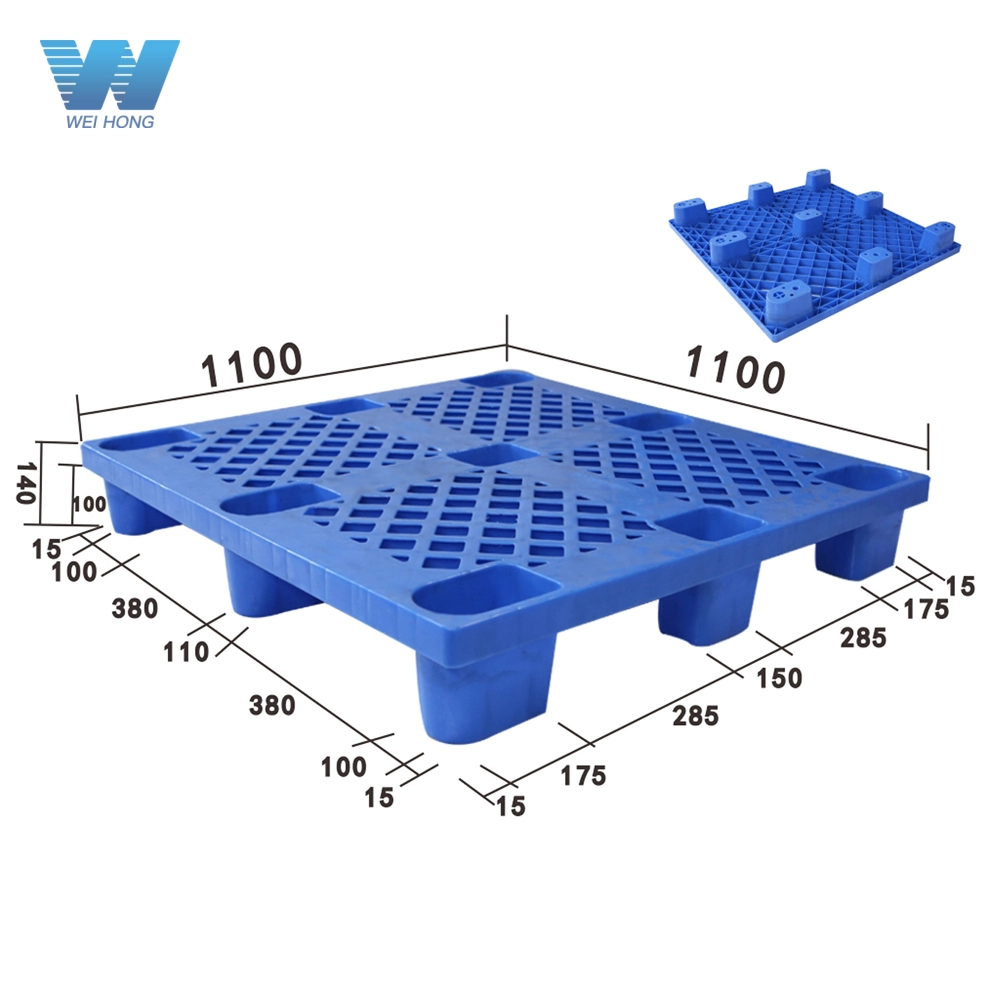
ZJ1111-140 Light-weight Nine-leg Nestable Plastic Pallet
The lightweight nine-leg nestable plastic pallet is an innovative and stylish packaging solution designed for general cargo storage and transport. It’s made of virgin HDPE or PP, featuring in space-saving due to its nine hollow feet design for nesting and cost-effectiveness.
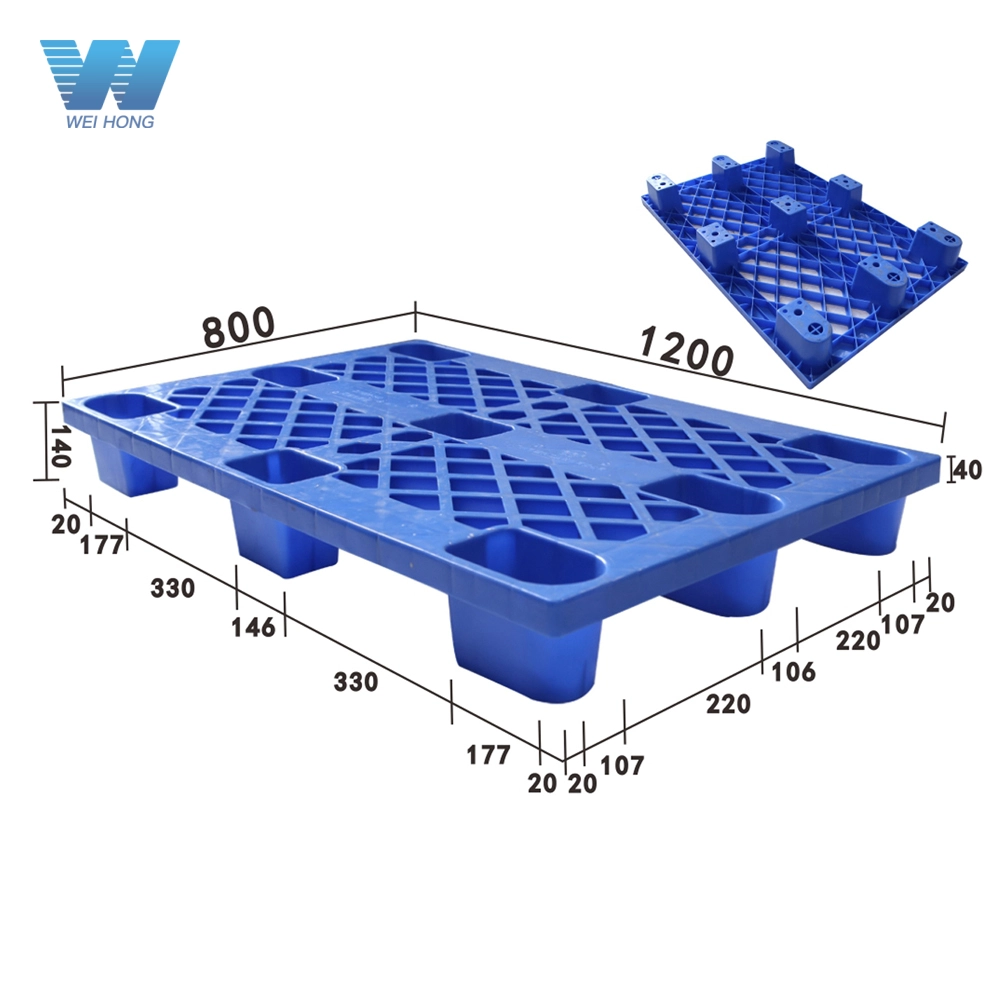
ZJ1208-140 Light-weight Nine-leg Nestable Plastic Pallet
The lightweight nine-leg nestable plastic pallet is an innovative and stylish packaging solution designed for general cargo storage and transport. It’s made of virgin HDPE or PP, featuring in space-saving due to its nine hollow feet design for nesting and cost-effectiveness.
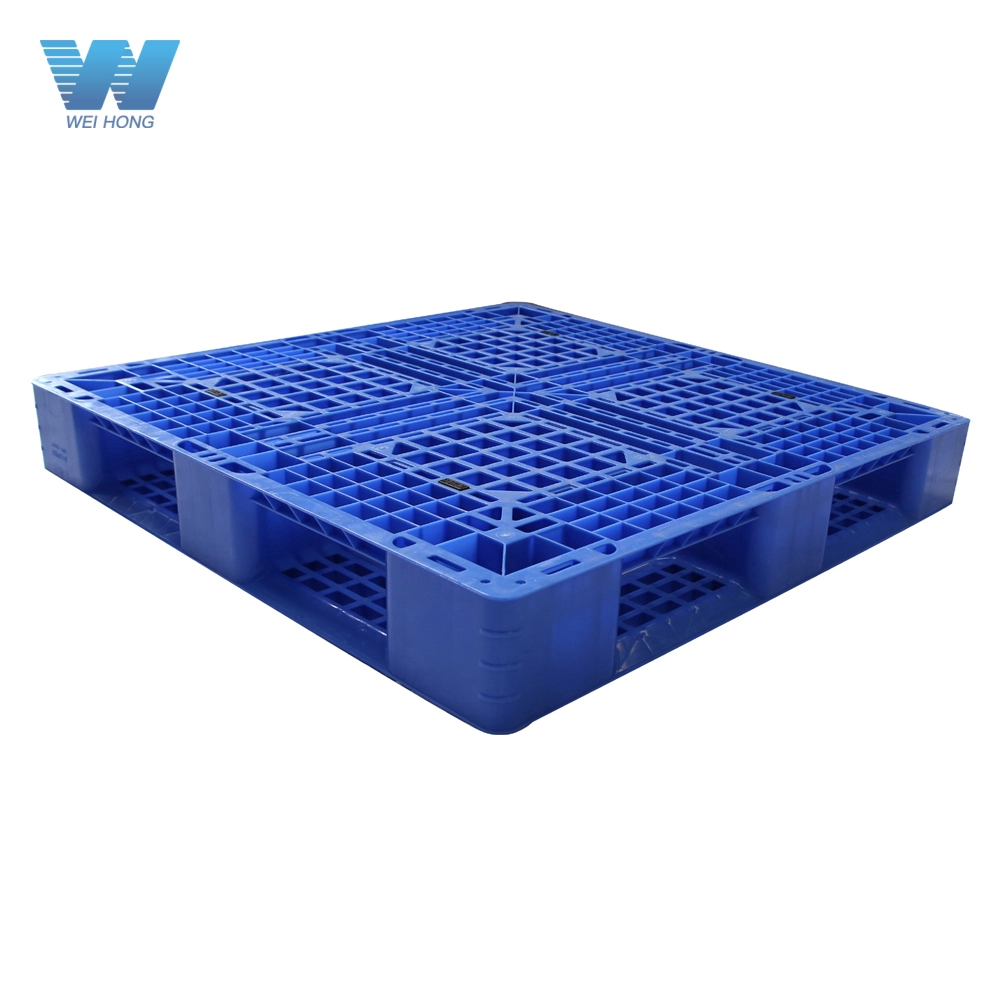
ZJ1111-150L Six-runner Single-sided Plastic Pallet
The six-runner plastic pallet, open or closed deck, is a solid and durable packaging solution designed for general and medium to heavy-duty cargo stacking, storage and transport. It’s made of virgin HDPE or PP, featuring in robust structure, a reinforced configuration with steel cores for the rack and shelf, and a steady loading capacity.
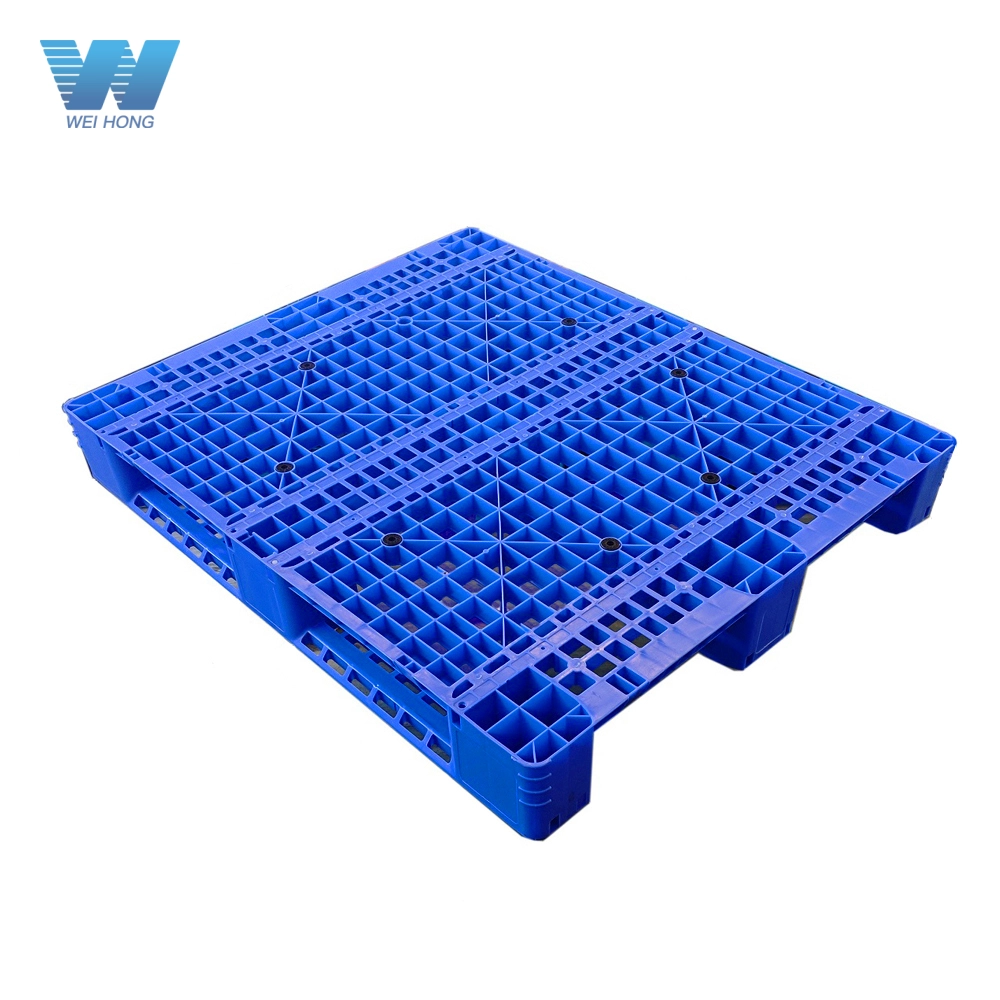
ZJ1210-150A Three-runner Single-sided Plastic Pallet
The three-runner single-sided plastic pallet is a solid and durable packaging solution designed for general and medium to heavy-duty cargo storage, transport and automated storage and retrieval system (AS/RS) use. It’s made of virgin HDPE or PP, featuring in robust structure, reinforced configuration with steel cores for rack and shelf, and a steady loading capacity.
Request More Information About Plastic Pallets
Have questions or need detailed insights on this article? Fill out the form below to contact our team for comprehensive information and support related to our plastic pallet solutions.
Contact us


+86 138 0277 8204
+86 183 4431 0917
+86 195 3791 1860

No. 15-1, Fengying Rd., Taiping Town, Conghua Dist., Guangzhou City, Guangdong Province, China.
Weihong
Whatsapp: +8613802778204
Guangdong Weihong Plastic Technology Co., Ltd.
Scan QR Code