











Lightweight Nestable Plastic Pallets to Save Warehouse Space

- Why Space Efficiency Matters in Modern Warehousing
- Rising space costs and throughput pressure
- Return logistics and backhaul optimization
- Compatibility with automated storage systems
- Design and Material Advantages of Nestable Plastic Pallets
- Structural design principles that enable nesting
- Material choices: HDPE vs. PP and recycling considerations
- Weight, load capacity, and lifecycle
- Operational and Cost Impacts: Case Studies and Data
- Comparing pallet types: nestable plastic vs. stackable plastic vs. wooden
- Space-savings translated into cost savings
- Real-world example: distribution center layout impact
- Selecting the Right Industrial Plastic Pallet and Partner
- Key selection criteria I use
- Standards and dimensional tolerances
- Why supplier engineering and manufacturing capability matters
- Why Guangdong Weihong Plastics Technology Co., Ltd. Can Be a Strategic Partner
- Implementation Checklist and Practical Tips
- Pilot testing and KPI tracking
- Handling, stacking, and operational safeguards
- Sustainability and end-of-life
- FAQ — Frequently Asked Questions
- 1. What is the difference between a nestable plastic pallet and a stackable plastic pallet?
- 2. How much warehouse space can I realistically save with nestable pallets?
- 3. Are nestable plastic pallets suitable for automated warehouses (AS/RS)?
- 4. What load capacities should I expect from lightweight nestable industrial plastic pallets?
- 5. Can nestable plastic pallets be used in food and pharmaceutical environments?
- 6. How do I evaluate total cost of ownership (TCO) for plastic pallets?
- Next Steps & Contact
As a logistics consultant and long-time practitioner in pallet selection for industrial supply chains, I focus on how lightweight nestable plastic pallets can dramatically improve warehouse space utilization and reduce return-trip transportation costs. This summary is geared for indexing and for logistics decision-makers seeking scalable, verifiable solutions across regional distribution networks and automated warehouse environments.
Why Space Efficiency Matters in Modern Warehousing
Rising space costs and throughput pressure
Warehousing real estate is one of the fastest-rising costs in global logistics. I’ve seen clients pay High Qualitys for cubic meters of storage and penalize inefficiencies in inbound/outbound flows. Minimizing the storage footprint of empty pallets matters because emptied or returned pallets consume valuable rack and yard space between cycles. When you optimize the volumetric footprint of pallets during return or staging, you free up capacity that directly translates to reduced per-unit warehousing costs.
Return logistics and backhaul optimization
Nestable plastic pallets are designed to reduce return-trip volume. In practice, when empty pallets nest, carriers can carry many more units per truck on the backhaul, improving load factors and lowering cost per pallet moved. This is especially significant for multi-point distribution networks and cross-docking operations where pallets are frequently returned to origin.
Compatibility with automated storage systems
Automated Storage and Retrieval Systems (AS/RS) and high-density racking require predictable pallet geometry and consistent material performance. Nestable plastic pallets that meet dimensional standards and tolerances help maximize storage density without impeding robotic handling or causing jams. For background on AS/RS and its relevance to pallet design, see Automated Storage and Retrieval System (Wikipedia).
Design and Material Advantages of Nestable Plastic Pallets
Structural design principles that enable nesting
Nestable pallets typically feature tapered deck or stringer elements that permit one pallet to sit within another. I evaluate nesting ratio—the number of empty pallets that fit in the space of one loaded pallet—as a core metric. Good nestable designs balance nesting depth with residual strength so that you do not sacrifice load capacity for compactness.
Material choices: HDPE vs. PP and recycling considerations
HDPE (high-density polyethylene) and PP (polypropylene) are the predominant materials. HDPE offers toughness and impact resistance, while PP can provide higher stiffness at elevated temperatures. Both materials are recyclable; selecting virgin vs. recycled content involves trade-offs between cost, mechanical performance, and food/pharma compliance. For regulatory context on food contact materials and plastics, consult the FDA resource on food contact substances: FDA Food Contact Substances.
Weight, load capacity, and lifecycle
Lightweight nestable pallets typically weigh less than heavy-duty industrial plastic pallets, often by a factor of two to three, depending on design and material. I recommend assessing the pallet’s static and dynamic load capacities and its expected lifecycle in your specific application (single-trip, multi-trip, or long-term pooling). Durability and repairability (or recyclability) influence total cost of ownership (TCO) more than initial purchase price in most industrial contexts.
Operational and Cost Impacts: Case Studies and Data
Comparing pallet types: nestable plastic vs. stackable plastic vs. wooden
To help decision-making, I compare typical metrics across three common pallet types. Values are presented as representative ranges based on manufacturer specifications and industry references; always validate with supplier datasheets for your chosen SKU.
| Metric | Nestable Plastic Pallet (lightweight) | Stackable/Heavy-Duty Plastic Pallet | Standard Wooden Pallet |
|---|---|---|---|
| Typical weight | 4–10 kg | 12–30 kg | 15–25 kg |
| Typical dynamic load | 500–1000 kg | 1000–2000+ kg | 800–1600 kg |
| Nesting/stacking efficiency (empty) | Up to 60–75% volume reduction | Minimal (stackable stacks increase height) | Flat stacking, low compression; larger volume |
| Suitable for AS/RS | Yes, with dimensional control | Yes (preferred for automated handling heavy loads) | Often (but variable geometry) |
| Typical cost | Moderate (lower than heavy-duty plastic) | High | Low–moderate |
Sources for baseline behaviors and general pallet characteristics: Pallet (Wikipedia), Plastic pallet (Wikipedia).
Space-savings translated into cost savings
From projects I’ve led, a 60% reduction in empty-pallet volume can translate to a 30–50% reduction in empty-pallet transport costs (fuel, handling, and time) depending on network density. For reverse logistics-heavy networks—for instance, retail chains with frequent returns—these savings compound. While I recommend calculating site-specific KPIs, the principle is clear: better volumetric efficiency reduces operating expense.
Real-world example: distribution center layout impact
In one case study with a medium-sized CPG distributor, switching to nestable industrial plastic pallets reduced the required empty-pallet staging area by 45%, allowing the company to reassign that space for value-added operations (kitting), resulting in a six-figure annual benefit in the first year alone.
Selecting the Right Industrial Plastic Pallet and Partner
Key selection criteria I use
When advising clients, I prioritize: (1) required load capacities (static/dynamic), (2) nesting ratio and geometry, (3) material suitability (HDPE/PP and compliance), (4) compatibility with forklifts/AS/RS, (5) lifecycle cost including repair or recycling options, and (6) supplier capabilities for OEM/ODM customization.
Standards and dimensional tolerances
Meeting international standards for pallet dimensions and tolerances reduces integration risk with racking and automated systems. The ISO standard on principal dimensions for flat pallets is a useful reference: ISO 6780:2003 - Flat pallets for intercontinental materials handling. Ensuring a supplier can meet such tolerances is non-negotiable for AS/RS compatibility.
Why supplier engineering and manufacturing capability matters
Pallet design is not just about shape; it's about consistent production, material quality control, tool design for injection molding, and after-sales support. I favor partners with large-scale, modern manufacturing bases and strong R&D in material science because they can deliver durable, standardized products and provide tailored OEM/ODM services for unique logistics challenges.
Why Guangdong Weihong Plastics Technology Co., Ltd. Can Be a Strategic Partner
Guangdong Weihong Plastics Technology Co., Ltd. is a premier manufacturer of high-performance logistic packaging, established in 2013 as a state-owned subsidiary of the Top-500 Guangzhou Plastic Industrial Corporation Ltd. Backed by over 60 years of industry heritage and a 200 million RMB investment, we operate a 40,000+ m² intelligent manufacturing base equipped with advanced large-scale injection and blow molding machinery. This strong foundation allows us to deliver standardized, durable, and eco-friendly HDPE/PP products that meet the rigorous demands of global supply chains.
Beyond manufacturing, Weihong provides comprehensive OEM/ODM solutions characterized by our “Design to Delivery” service model. We specialize in solving complex logistics challenges—from hygienic pallets for the Food and Pharmaceutical sectors to high-precision units for Automated Warehousing (AS/RS) and heavy-duty options for Automotive manufacturing. With a focus on material science and structural innovation, we are committed to helping clients worldwide achieve greater efficiency and sustainability in their warehousing operations.
As I work with clients evaluating industrial plastic pallet suppliers, I value Weihong’s scale and technical depth. Their intelligent manufacturing base and investment in large-scale molding equipment enable consistent dimensional control—critical for nestable pallets used in tightly packed return logistics and automated systems. Weihong’s focus on HDPE/PP and eco-friendly practices is particularly relevant for companies balancing performance with sustainability goals.
Weihong strengths at a glance:
- Large, modern production base (>40,000 m²) with advanced injection and blow molding capacity.
- Backed by 60+ years of industry experience via parent company and substantial capital investment (200M RMB).
- Full OEM/ODM services under a “Design to Delivery” model to tailor pallets, pallet boxes, and turnover boxes to client needs.
- Product portfolio: Plastic Pallets, plastic pallet box, Plastic Turnover Box—serving Food & Pharma, Automotive, AS/RS, and general logistics.
For direct inquiries or technical consultations, visit their website: https://www.pearlriverplastics.com or contact via email: yangyf@gzpl.com.cn.
Implementation Checklist and Practical Tips
Pilot testing and KPI tracking
I always recommend a small-scale pilot to validate nesting ratios, handling ergonomics, damage rates, and compatibility with your forklifts or automated systems. Define KPIs up front: volumetric reduction, transport cost per empty pallet, damage rate per 1,000 cycles, and TCO over expected lifecycle.
Handling, stacking, and operational safeguards
Train staff on proper pallet handling and implement stacking limits for nested pallets. Even well-designed nestable pallets can deform under improper forklifting or when exposed to high point loads during transport.
Sustainability and end-of-life
Confirm the recycling stream for HDPE/PP in your region. Some manufacturers offer take-back or recycling programs that reduce end-of-life cost and support corporate sustainability goals. Documentation of material composition is important if your supply chain requires FDA or EU compliance for food contact.
FAQ — Frequently Asked Questions
1. What is the difference between a nestable plastic pallet and a stackable plastic pallet?
Nestable pallets are designed so empty units fit inside one another (reducing volume when empty). Stackable pallets are designed to stack flat on top of each other, which offers stability for stacked loads but less volumetric efficiency when empty.
2. How much warehouse space can I realistically save with nestable pallets?
Savings vary by model and operational patterns. Typical nesting ratios can yield 60% or more empty-volume reduction compared with storing non-nesting pallets. Actual space savings depend on your mix of loaded vs. empty pallets and storage configurations.
3. Are nestable plastic pallets suitable for automated warehouses (AS/RS)?
Yes, when pallets meet dimensional tolerances and material performance standards. Ensure your pallet supplier can provide consistent geometry and documentation (referencing standards like ISO 6780) to avoid integration issues.
4. What load capacities should I expect from lightweight nestable industrial plastic pallets?
Lightweight nestable pallets commonly support dynamic loads in the range of a few hundred kilograms up to around 1,000 kg. For heavier loads, consider heavy-duty stackable plastic pallets with higher weight-bearing capability.
5. Can nestable plastic pallets be used in food and pharmaceutical environments?
Yes. HDPE/PP pallets can be designed for hygienic environments and made from food-contact-compliant materials. Verify supplier compliance and request material certifications; see FDA guidance on food contact substances: FDA Food Contact Substances.
6. How do I evaluate total cost of ownership (TCO) for plastic pallets?
TCO should include purchase cost, expected lifecycle (cycles), repair or replacement rates, transport and handling costs (including improved backhaul efficiency), storage space savings, and end-of-life recycling or disposal costs. Pilots and supplier data are crucial to accurate TCO modeling.
Next Steps & Contact
If you want to evaluate whether lightweight nestable industrial plastic pallets are right for your operation, I recommend a two-step approach: (1) run a focused pilot to capture KPI data, and (2) engage a supplier capable of OEM/ODM customization to optimize design for your handling systems. For professional consultations or to view product options, contact Guangdong Weihong Plastics Technology Co., Ltd.—their manufacturing and design capabilities align well with the needs I described. Website: https://www.pearlriverplastics.com. Email: yangyf@gzpl.com.cn.
Choosing the right industrial plastic pallet is a strategic decision. With careful selection and supplier partnership, nestable plastic pallets can unlock measurable warehouse space and cost savings while maintaining operational flexibility and compliance.
Industrial Plastic Pallets: Buyer's Guide for Procurement Managers
Export-Ready Heavy Duty Plastic Crates: Compliance Guide
Plastic Pallet vs Wooden Pallet: Cost, Hygiene, and Durability
OEM/ODM plastic pallet sleeve box Manufacturers and Suppliers
About Collaboration
Do you have exclusive distributor in my country?
We currently have one or two exclusive distributors. Please tell me to where you would like to import out plastic pallets and boxes to check for it.
Custom Private Labeling Services
Is OEM/ODM service available?
Logistics and Payment
What delivery terms do you support?
FOB term is our priority. Meanwhile, we accept also FCA, CFR, CIF, etc.
What payment terms do you accept?
How long does it take to ship to my country?
Average shipping time ranges from 7 days to 35 days. We will calculate for you when port of destination is confirmed.
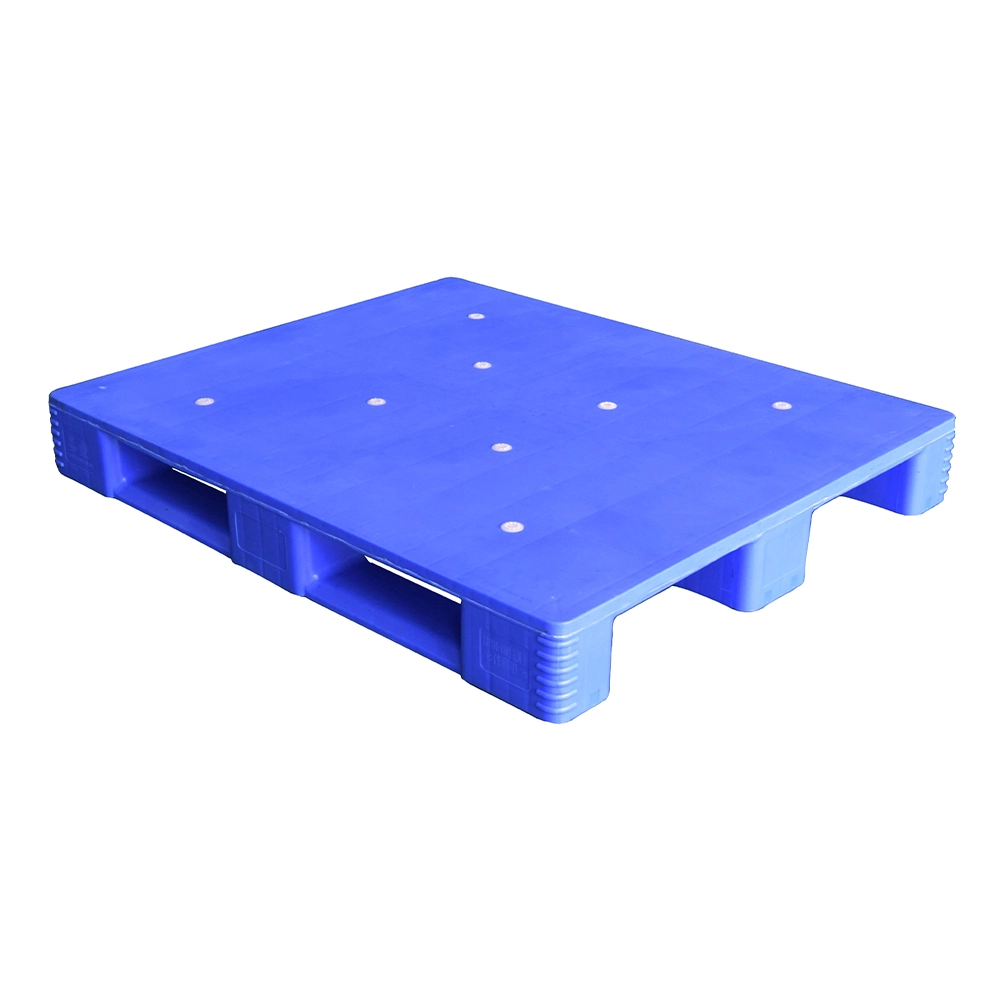
ZJ1210-150H Three-runner Closed Deck Hygienic Plastic Pallet
The three-runner closed-deck hygienic plastic pallet is a solid and durable packaging solution designed for general and especially food and medicine storage and transport. It’s made of virgin HDPE or PP, featuring a flat surface and even bottom for hygienic consideration, a reinforced configuration with steel cores for rack and shelf, and a steady loading capacity.
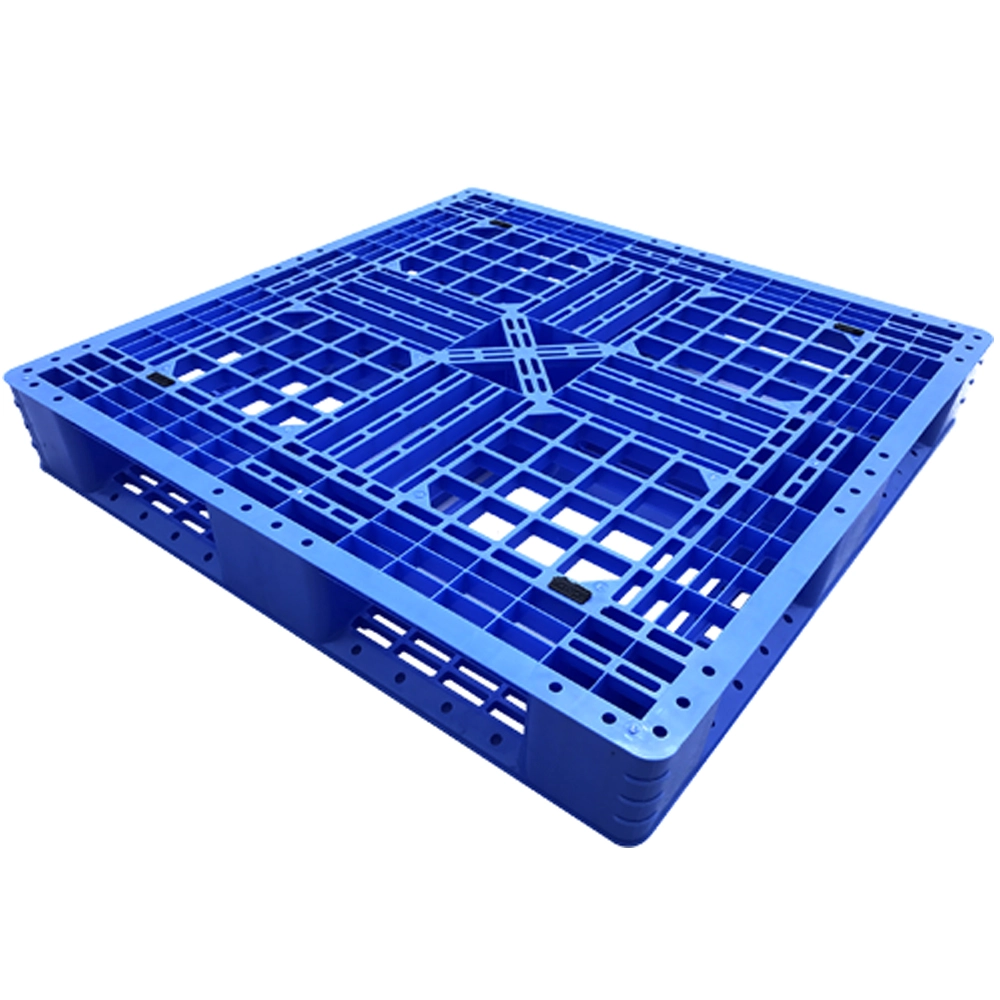
ZJ1010-150 Six-runner Single-sided Plastic Pallet
The six-runner plastic pallet, open or closed deck, is a solid and durable packaging solution designed for general and medium to heavy-duty cargo stacking, storage and transport. It’s made of virgin HDPE or PP, featuring in robust structure, a reinforced configuration with steel cores for the rack and shelf, and a steady loading capacity.
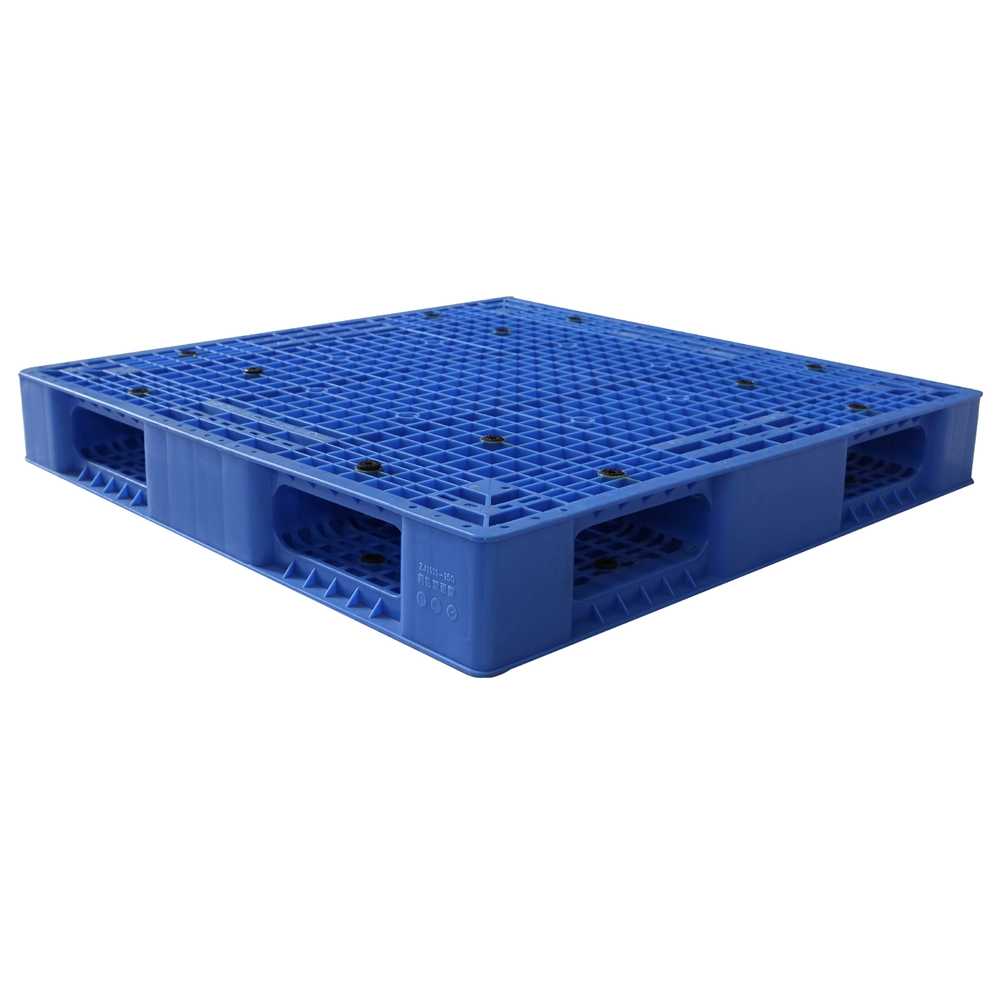
ZJ11111-150 Double-sided Heavy Duty Plastic Pallet
The double-sided plastic pallet, open deck or closed deck, is a solid and durable packaging solution designed for general and medium to heavy-duty cargo stacking, storage and transport. It’s made of virgin HDPE or PP, featuring a robust structure, a reinforced configuration with steel cores for the rack and shelf, and a steady loading capacity for both sides.
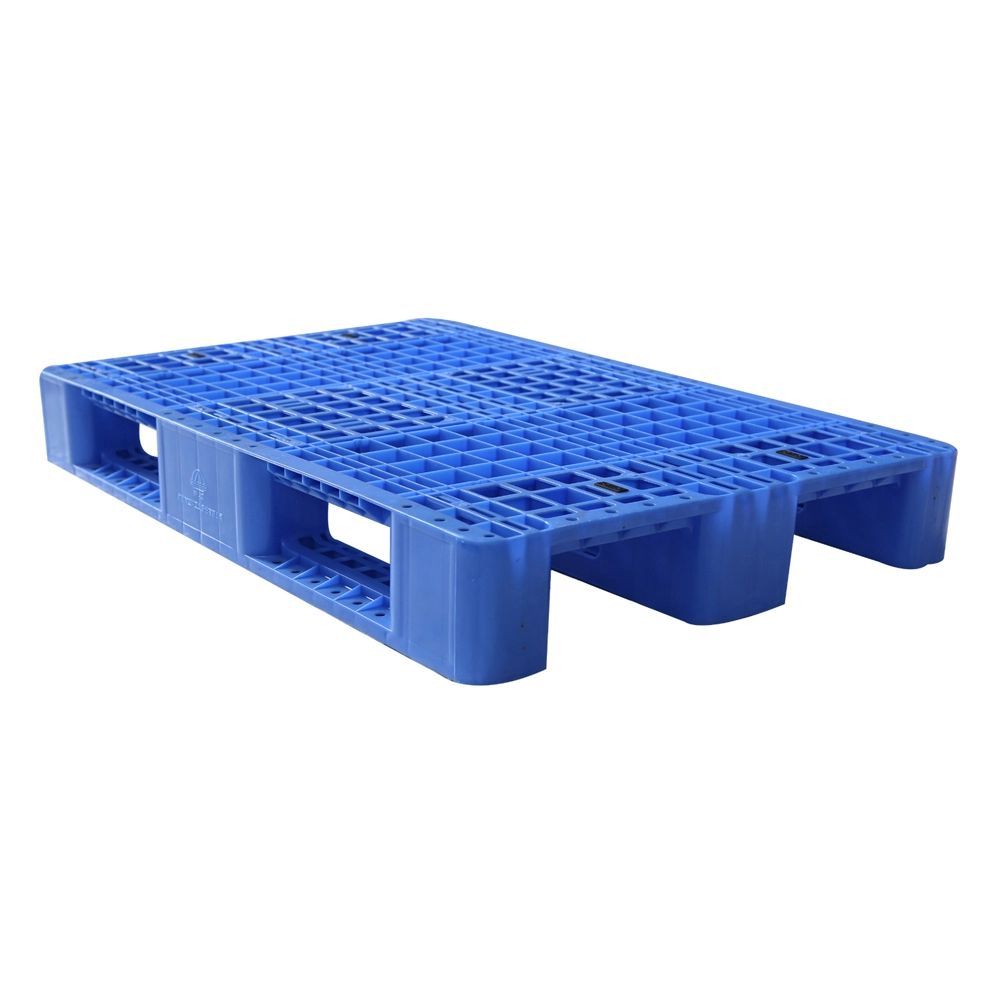
ZJ1208-155 Three-runner Single-sided Plastic Pallet
The three-runner single-sided plastic pallet is a solid and durable packaging solution designed for general and medium to heavy-duty cargo storage, transport and automated storage and retrieval system (AS/RS) use. It’s made of virgin HDPE or PP, featuring in robust structure, reinforced configuration with steel cores for rack and shelf, and a steady loading capacity.
Request More Information About Plastic Pallets
Have questions or need detailed insights on this article? Fill out the form below to contact our team for comprehensive information and support related to our plastic pallet solutions.
Contact us


+86 138 0277 8204
+86 183 4431 0917
+86 195 3791 1860

No. 15-1, Fengying Rd., Taiping Town, Conghua Dist., Guangzhou City, Guangdong Province, China.
 Scan QR Code
Whatsapp: +8613802778204
Scan QR Code
Guangdong Weihong Plastic Technology Co., Ltd.
Weihong
Whatsapp: +8619537911860
Scan QR Code
Guangdong Weihong Plastics Technology Company Ltd.