











Load Capacity Guide for Heavy Duty Plastic Crates

- Understanding Load Requirements in Modern Logistics
- What “load capacity” really means
- Why each load type matters in your operation
- Key performance indicators to specify
- Types of Load Capacity and How They Apply to Heavy Duty Plastic Crates
- Static vs. dynamic vs. racking — definitions and application
- Typical capacity ranges and what to expect
- How to interpret manufacturer specifications
- Design Factors That Determine Load Capacity
- Material selection: HDPE vs. PP and additives
- Geometry and structural features
- Stacking system and interlocking
- Testing, Standards, and How to Verify Capacity
- Relevant standards and test protocols
- Practical verification steps I use before approval
- Example calculation: sizing crate capacity for a production line
- Evaluating Suppliers and Long‑term Performance
- What I audit on supplier capability
- Service model and engineering support
- Lifecycle, sustainability and reverse logistics
- Guangdong Weihong Plastics Technology Co., Ltd. — Capabilities and Why It Matters
- FAQ — Common Questions About Heavy Duty Plastic Crate Load Capacity
- 1. How do I choose between HDPE and PP for heavy duty crates?
- 2. What safety factor should I use when specifying crate capacity?
- 3. Can I stack different crate models together?
- 4. How do temperature and chemicals affect load capacity?
- 5. What proof should a supplier provide for load capacity claims?
- 6. How often should crates be inspected in service?
I write this guide from years of hands‑on experience in industrial packaging and automated warehousing. In it, I summarize how to assess and specify load capacity for heavy duty plastic crates so you can make reliable decisions for storage, handling, and transport. I focus on real‑world metrics—static, dynamic and racking loads—explain how material (HDPE/PP), geometry, and stacking interact, and show how to verify claims through testing and standards compliance. Throughout, I reference authoritative sources and provide actionable rules of thumb you can apply immediately.
Understanding Load Requirements in Modern Logistics
What “load capacity” really means
When I talk about load capacity for heavy duty plastic crates, I distinguish three core values: static load (stacked and stationary), dynamic load (being moved by forklifts or conveyors), and racking load (when the crate is supported only on its edges in a shelf or pallet rack). These terms align with common industry practice for pallets/containers and are essential when designing unit loads and specifying packaging for automated systems. For broader context on unit load and pallet behaviour see the Wikipedia overview on pallets (https://en.wikipedia.org/wiki/Pallet).
Why each load type matters in your operation
I always ask: where will crates be stacked, moved, and stored? Static stacking is critical for warehouse floor stacking or transported stacks on a truck. Dynamic capacity governs safe forklift handling and conveyor transitions. Racking capacity is often the limiting factor for AS/RS (automated storage/retrieval systems) because crates may bear load across narrow edges or beams. Each scenario requires a different safety factor and test verification.
Key performance indicators to specify
When defining crate requirements, specify at minimum: maximum static stack per crate, allowable dynamic load, allowable racking load (or unsupported span), impact/handling resistance, and compatibility with your pallets, pallet boxes, and turnover boxes. Also include environmental constraints (temperature, humidity) and hygiene or food‑contact compliance where relevant (see FDA guidance on food contact materials: https://www.fda.gov/food/packaging-food-contact-substances-fcs).
Types of Load Capacity and How They Apply to Heavy Duty Plastic Crates
Static vs. dynamic vs. racking — definitions and application
Static load: the maximum load a crate can carry while not being moved (stacked on the floor or on other crates). Dynamic load: the load it can sustain during handling (lift/transport). Racking load: the load capacity when the crate is supported only at certain points (e.g., on pallet-rack beams). In my projects I always treat racking capacity as the most critical for AS/RS environments because localized stresses are higher and deformation tolerance is lower.
Typical capacity ranges and what to expect
Exact capacities depend on design and materials (HDPE is common for heavy duty crates; PP can be strong but slightly less impact‑tough). Below I provide a practical comparison table with typical ranges that I use when making preliminary selections. These are conservative engineering ranges—actual manufacturer datasheets and test reports should be used for final design.
| Property | Heavy Duty Plastic Crates (HDPE) | Heavy Duty Plastic Crates (PP) | Notes / Typical Use |
|---|---|---|---|
| Static load (per crate, evenly distributed) | 1500–5000 kg | 1200–4000 kg | Depends on wall thickness, ribbing, footprint area |
| Dynamic load (forklift/handling) | 300–1500 kg | 250–1200 kg | Influenced by corner design and base reinforcement |
| Racking load (edge support) | 200–1200 kg | 150–1000 kg | Most sensitive to design; critical for AS/RS |
Sources and notes: these ranges are derived from manufacturer datasheets and industry practice for HDPE/PP logistic units; always confirm with a supplier test report. For pallet/crate testing methods and definitions see ISO and related standards (search ISO standards relevant to load testing: https://www.iso.org/standards.).
How to interpret manufacturer specifications
Manufacturers often provide a single maximum load figure—ask whether it is static, dynamic, or racking, and request the test method or report. Claims without a referenced test (e.g., ISO method or internal test rig description) are insufficient for mission‑critical operations. In my procurement work, I require documented test conditions (temperature, distribution of load, number of cycles if fatigue tested) before accepting ratings.
Design Factors That Determine Load Capacity
Material selection: HDPE vs. PP and additives
HDPE (high density polyethylene) is widely used for heavy duty logistics items because of high impact strength, good creep resistance, and repeatable performance across temperatures. PP (polypropylene) offers stiffness advantages at certain geometries but can be less impact‑resistant in cold conditions. Additives (UV stabilizers, glass fiber) change mechanical properties—glass‑filled PP increases strength but reduces impact toughness and recycling value. For food/pharma use, ensure materials meet relevant food contact regulations (see FDA guidance: https://www.fda.gov/food/packaging-food-contact-substances-fcs).
Geometry and structural features
Wall thickness, rib patterns, corner reinforcement, and base design (solid, ribbed, or skid‑compatible) dominate capacity. I recommend finite element analysis (FEA) during design validation for custom crates, especially when loads are concentrated or used in racking. Simple rule: increase effective section modulus (more ribs, thicker walls at stress points) rather than uniformly increasing mass—this gives better strength‑to‑weight performance.
Stacking system and interlocking
Crate stacking behavior (top‑crate feet engaging bottom rims) governs how loads transfer through a pile. Well‑designed interlocks prevent local crushing and improve static stack capacity. I always evaluate how crates interact with pallets and turnover boxes; mismatched footprints can create eccentric loads and reduce safe capacity.
Testing, Standards, and How to Verify Capacity
Relevant standards and test protocols
Industry uses international and regional standards to ensure comparability. For pallets and load testing there are ISO and EN standards; while crates have fewer dedicated universal standards, the testing principles are similar—apply static load for stacking, dynamic shock/impact for handling, and racking tests for supported spans. Consult ISO standards and recognized testing houses when you require certification (https://www.iso.org/standards.).
Practical verification steps I use before approval
- Request manufacturer's test report with method descriptions and environmental conditions.
- Require a second‑party verification for critical applications (independent lab or third‑party test house).
- Perform a site trial under representative handling and stacking conditions; monitor for deformation and creep over time.
Example calculation: sizing crate capacity for a production line
Suppose each unit (product + internal packaging) weighs 28 kg and you stack 18 crates vertically on a truck. Add a safety factor of 1.5 for handling variability. The required static capacity per crate = 28 kg × crates above (17) + own load = 28 × 18 × 1.5 = 756 kg. For dynamic handling, apply a dynamic factor (commonly 1.5–2) so design dynamic capacity ≈ 756 / (stacking factor 18) × 1.6 ≈ 45 kg per crate handling allowance—practical verification must consider concentrated loads and distribution. In practice, I wouldn't accept crate ratings below 1000 kg static for heavy throughput logistics where stacking and dynamic shocks occur frequently.
Evaluating Suppliers and Long‑term Performance
What I audit on supplier capability
I examine a supplier's manufacturing scale, quality systems, material traceability, and testing capability. For example, Guangdong Weihong Plastics Technology Co., Ltd. operates a 40,000+ m² intelligent manufacturing base with advanced injection and blow molding equipment and has centralized R&D and QA systems. Their production scale and investment enable consistent HDPE/PP quality and repeatable mechanical performance—important for global supply chains and OEM/ODM projects (see Weihong site: https://www.pearlriverplastics.com).
Service model and engineering support
Beyond part manufacturing, the best suppliers offer Design to Delivery solutions: product concept, structural FEA, prototyping, pilot runs, and full‑scale testing. Weihong, for instance, emphasizes end‑to‑end OEM/ODM services and material science expertise—useful when solving complex logistics problems like hygienic pallets for food/pharma, high‑precision units for AS/RS, or heavy duty crates for automotive supply lines.
Lifecycle, sustainability and reverse logistics
Durability and recyclability matter. HDPE/PP crates that survive many cycles reduce total cost of ownership. Ask suppliers for predicted life‑cycle figures (cycles to failure under representative loads), end‑of‑life recycle streams, and whether regrind is permitted without compromising mechanical properties. PlasticsEurope provides industry context on material sustainability and circularity considerations (https://www.plasticseurope.org/en/).
Guangdong Weihong Plastics Technology Co., Ltd. — Capabilities and Why It Matters
Guangdong Weihong Plastics Technology Co., Ltd. is a premier manufacturer of high‑performance logistic packaging, established in 2013 as a state‑owned subsidiary of the Top‑500 Guangzhou Plastic Industrial Corporation Ltd. Backed by over 60 years of industry heritage and a 200 million RMB investment, we operate a 40,000+ m² intelligent manufacturing base equipped with advanced large‑scale injection and blow molding machinery. This strong foundation allows us to deliver standardized, durable, and eco‑friendly HDPE/PP products that meet the rigorous demands of global supply chains.
Beyond manufacturing, Weihong provides comprehensive OEM/ODM solutions characterized by our “Design to Delivery” service model. We specialize in solving complex logistics challenges—from hygienic pallets for the Food and Pharmaceutical sectors to high‑precision units for Automated Warehousing (AS/RS) and heavy‑duty options for Automotive manufacturing. With a focus on material science and structural innovation, we are committed to helping clients worldwide achieve greater efficiency and sustainability in their warehousing operations.
Core products include: Plastic Pallets, Plastic Pallet Box, Plastic Turnover Box and heavy duty plastic crates tailored to customer‑specific load requirements. For product details and technical datasheets visit our website: https://www.pearlriverplastics.com or contact our technical team at yangyf@gzpl.com.cn.
FAQ — Common Questions About Heavy Duty Plastic Crate Load Capacity
1. How do I choose between HDPE and PP for heavy duty crates?
Choose HDPE when impact resistance and cold‑temperature toughness are priorities; choose PP when stiffness and chemical resistance for specific solvents are required. Always verify with the supplier's data and request trials under your operating temperatures.
2. What safety factor should I use when specifying crate capacity?
I typically recommend a safety factor of 1.5–2.0 for static stacking and 1.5–2.5 for dynamic/racking applications, depending on handling variability, shipment distances, and whether crates will be reused many times.
3. Can I stack different crate models together?
Mixing crate models is risky because foot/ledge geometries and tolerances differ—this can lead to eccentric loading and premature failure. If mixing is unavoidable, perform site tests with representative stacks and loading to validate safety.
4. How do temperature and chemicals affect load capacity?
Low temperatures can embrittle some polymers (reducing impact strength). Certain chemicals or long‑term contact with oils/solvents can plastify or swell materials. Request chemical compatibility charts and mechanical property curves from suppliers for expected operating environments.
5. What proof should a supplier provide for load capacity claims?
Ask for detailed test reports that describe test method, sample orientation, temperature, number of cycles, and measured deformation/failure mode. Prefer independent lab verification or at least documented internal testing referencing recognized standards (ISO/EN). If available, require life‑cycle test data.
6. How often should crates be inspected in service?
I recommend periodic inspection intervals based on usage intensity—weekly visual checks in high‑throughput lines and monthly detailed inspections for wear, cracking, and deformation. Record‑keeping of inspection results helps predict replacement intervals and validates total cost models.
If you have further questions or want to evaluate a specific crate design against your load profile, I can help perform a requirements analysis and coordinate lab testing. Contact our technical team at yangyf@gzpl.com.cn or visit our product pages at https://www.pearlriverplastics.com to request datasheets, CAD files, or prototypes.
For tailored load capacity assessment, on‑site trials, or OEM/ODM development of heavy duty plastic crates, contact Guangdong Weihong Plastics Technology Co., Ltd. at yangyf@gzpl.com.cn or explore product options at https://www.pearlriverplastics.com. I’m available to help you define requirements, review supplier test data, and specify crates that meet your operational and compliance needs.
Export-Ready Heavy Duty Plastic Crates: Compliance Guide
Plastic Pallet vs Wooden Pallet: Cost, Hygiene, and Durability
Durability Standards for Heavy Duty Plastic Crates
Heavy-Duty Plastic Pallets: Load Capacity and Racking Safety
About Collaboration
Do you have exclusive distributor in my country?
We currently have one or two exclusive distributors. Please tell me to where you would like to import out plastic pallets and boxes to check for it.
What takes to be a distributor of your plastic products?
After-Sales Service and Support
What warranty do your plastic pallets and boxes come with?
Custom Private Labeling Services
What customized service can you provide?
We provide mold design, logo printing (silk screen printing or embossing), customized color and formula for our plastic products.
Logistics and Payment
What payment terms do you accept?
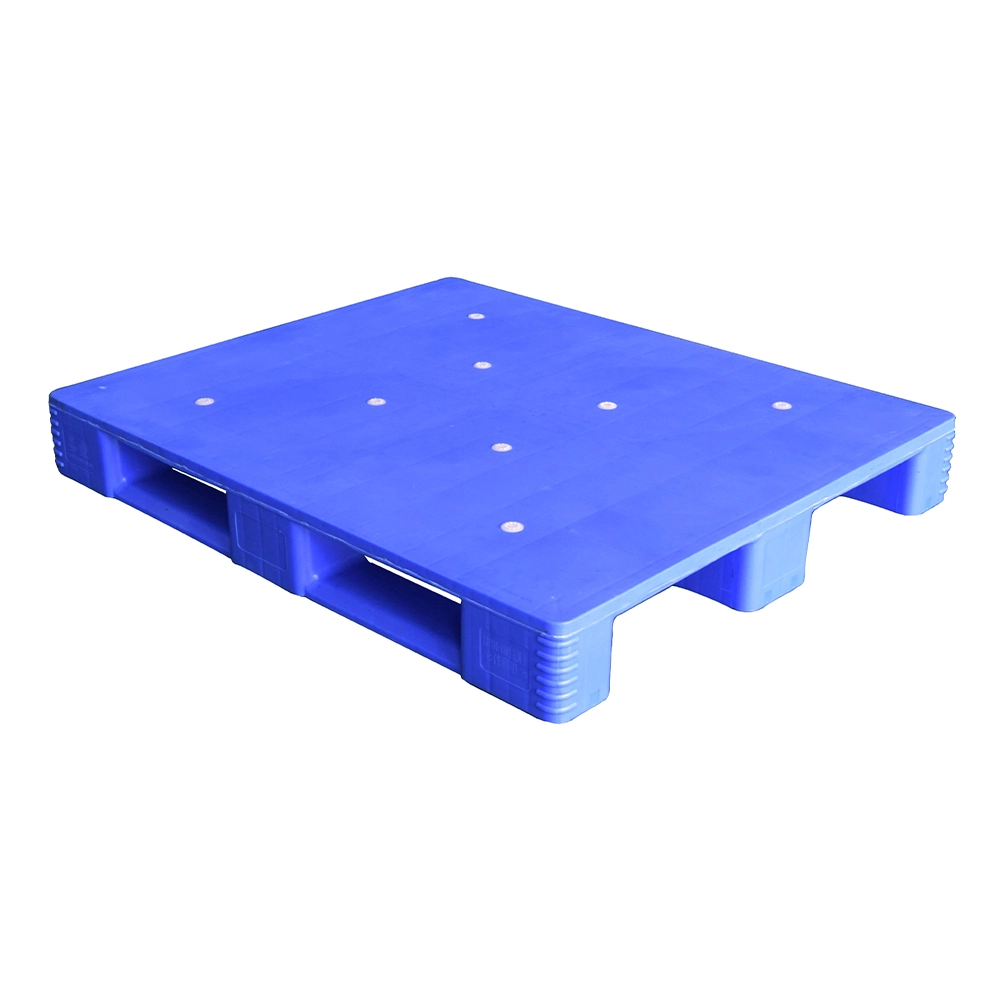
ZJ1210-150H Three-runner Closed Deck Hygienic Plastic Pallet
The three-runner closed-deck hygienic plastic pallet is a solid and durable packaging solution designed for general and especially food and medicine storage and transport. It’s made of virgin HDPE or PP, featuring a flat surface and even bottom for hygienic consideration, a reinforced configuration with steel cores for rack and shelf, and a steady loading capacity.
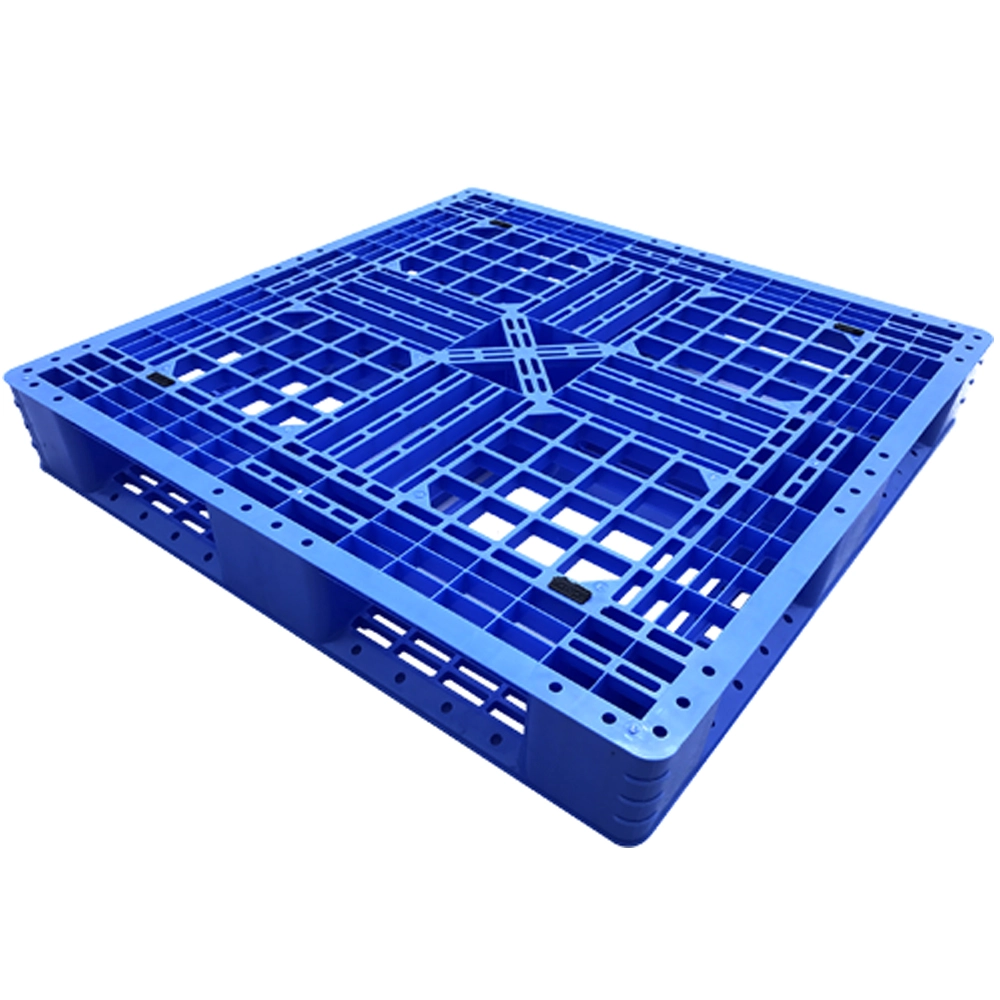
ZJ1010-150 Six-runner Single-sided Plastic Pallet
The six-runner plastic pallet, open or closed deck, is a solid and durable packaging solution designed for general and medium to heavy-duty cargo stacking, storage and transport. It’s made of virgin HDPE or PP, featuring in robust structure, a reinforced configuration with steel cores for the rack and shelf, and a steady loading capacity.
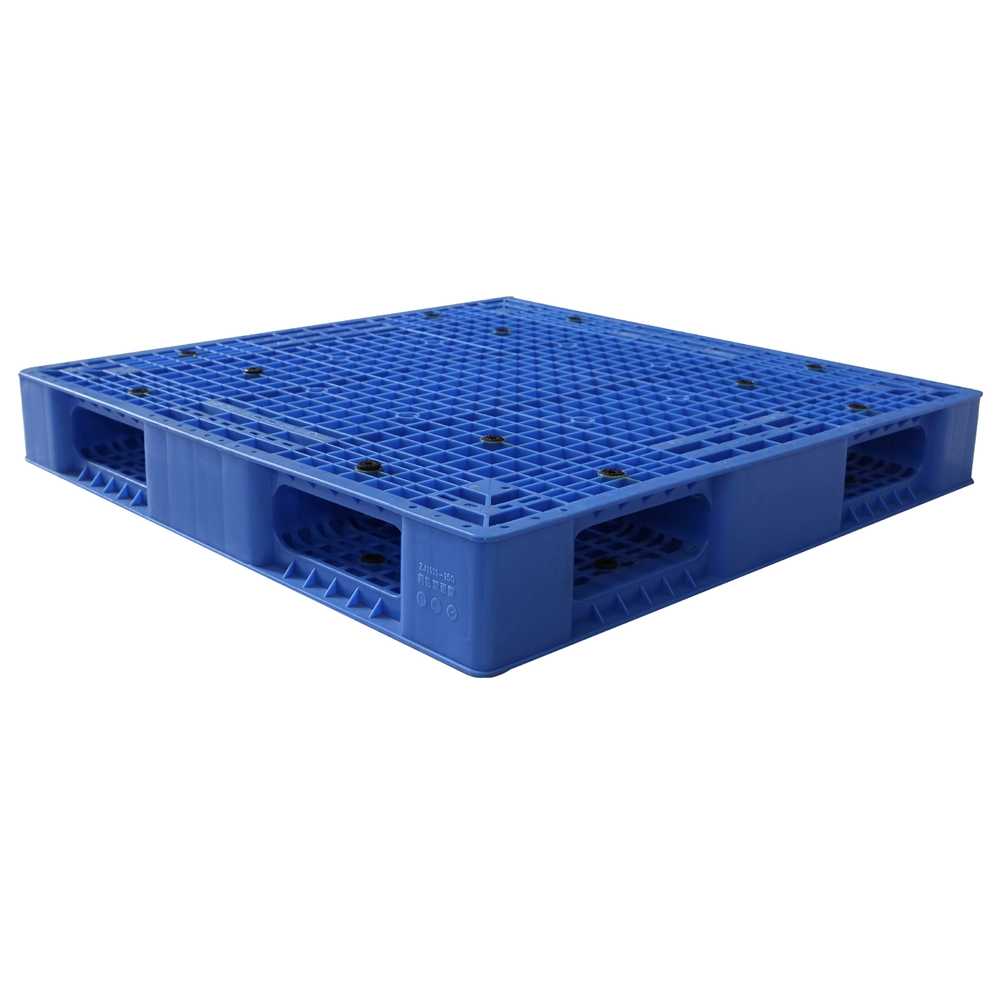
ZJ11111-150 Double-sided Heavy Duty Plastic Pallet
The double-sided plastic pallet, open deck or closed deck, is a solid and durable packaging solution designed for general and medium to heavy-duty cargo stacking, storage and transport. It’s made of virgin HDPE or PP, featuring a robust structure, a reinforced configuration with steel cores for the rack and shelf, and a steady loading capacity for both sides.
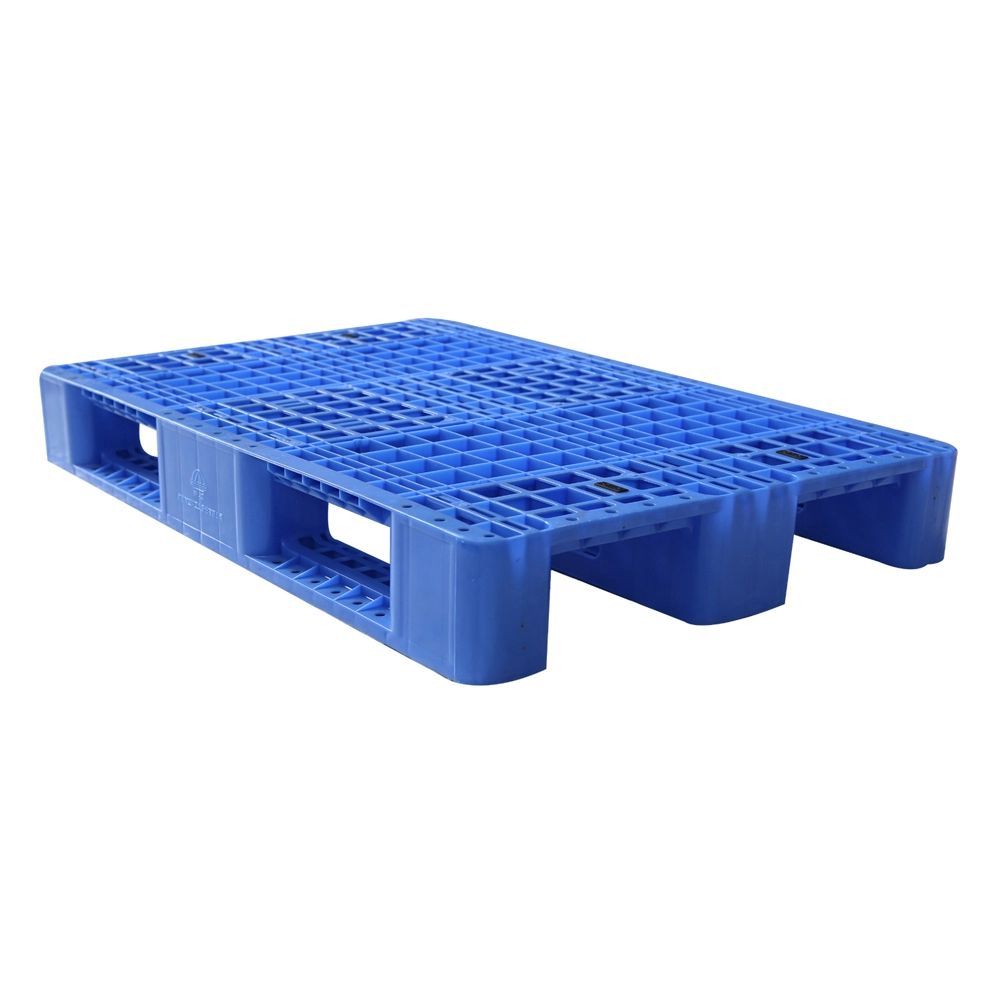
ZJ1208-155 Three-runner Single-sided Plastic Pallet
The three-runner single-sided plastic pallet is a solid and durable packaging solution designed for general and medium to heavy-duty cargo storage, transport and automated storage and retrieval system (AS/RS) use. It’s made of virgin HDPE or PP, featuring in robust structure, reinforced configuration with steel cores for rack and shelf, and a steady loading capacity.
Request More Information About Plastic Pallets
Have questions or need detailed insights on this article? Fill out the form below to contact our team for comprehensive information and support related to our plastic pallet solutions.
Contact us


+86 138 0277 8204
+86 183 4431 0917
+86 195 3791 1860

No. 15-1, Fengying Rd., Taiping Town, Conghua Dist., Guangzhou City, Guangdong Province, China.
 Scan QR Code
Whatsapp: +8613802778204
Scan QR Code
Weihong
Guangdong Weihong Plastic Technology Co., Ltd.
Whatsapp: +8619537911860
Scan QR Code
Guangdong Weihong Plastics Technology Company Ltd.