











Pharmaceutical Use: Cleanroom Double-sided Plastic Pallets

- Why cleanroom standards matter in pharmaceutical logistics
- Regulatory and quality framework
- How pallet choice impacts contamination risk
- Practical implication for supply chains
- Design and material considerations for double-sided plastic pallets
- Double-sided design benefits and trade-offs
- Material selection: HDPE vs. PP
- Surface finish, geometry and particle control
- Operational best practices and validation in pharmaceutical cleanrooms
- Cleaning, disinfection and validated cycles
- Inspection, traceability and lifecycle management
- Cleaning-compatible materials and agents: a quick compatibility guide
- Selecting a supplier: why manufacturer capabilities matter
- What I look for in a cleanroom pallet manufacturer
- Comparing pallet types: double-sided vs single-sided vs nestable (summary)
- Supplier case study: Guangdong Weihong Plastics Technology Co., Ltd.
- Implementation checklist and final recommendations
- Quick implementation checklist
- Operational tips from my consulting work
- When to choose double-sided plastic pallets
- FAQ — Common questions about double-sided plastic pallets for pharmaceutical cleanrooms
- 1. Are double-sided plastic pallets accepted in GMP cleanrooms?
- 2. Which is better for cleanrooms: HDPE or PP?
- 3. How should pallets be validated for a pharmaceutical facility?
- 4. How often should pallets be retired?
- 5. Can double-sided plastic pallets be used in automated storage and retrieval systems (AS/RS)?
- Contact and product inquiry
I frequently help pharmaceutical manufacturers and logistics teams evaluate material handling equipment for controlled environments. In my experience, double-sided plastic pallets—when properly specified, validated and maintained—offer an ideal balance of hygiene, durability and load stability for cleanrooms and GMP-regulated areas. This article explains the regulatory context, the technical trade-offs between materials and constructions, cleaning and validation approaches, and how to select a supplier who can support qualification and long-term supply.
Why cleanroom standards matter in pharmaceutical logistics
Regulatory and quality framework
Pharmaceutical cleanrooms are governed by standards that define airborne particulate limits, environmental control and contamination risk management. Two widely referenced sources are ISO 14644 (cleanrooms and associated controlled environments) and FDA guidance on sterile drug manufacturing practices. ISO 14644 sets the classification of cleanrooms by particle concentration and provides test methods for airborne particles (ISO 14644). The FDA's guidance on sterile drug products produced by aseptic processing outlines expectations for contamination control and validated cleaning programs (FDA guidance).
How pallet choice impacts contamination risk
Pallets enter and exit controlled zones frequently and therefore can be vectors for particulate, microbes, and chemical residues. Double-sided plastic pallets reduce contamination risk compared with porous materials: their non-porous HDPE/PP surfaces are cleanable and less likely to shed particles or absorb fluids. But material alone is not sufficient—design (e.g., smooth surfaces, minimized crevices) and documented cleaning/validation are equally critical.
Practical implication for supply chains
From a logistical perspective, pallets in pharmaceutical distribution must also meet load and handling expectations (rackability, forklift access, automated storage compatibility) while supporting hygiene protocols. I always start vendor selection with a checklist mapping regulatory requirements to pallet features—material compatibility, cleanability, traceability, and supplier validation support.
Design and material considerations for double-sided plastic pallets
Double-sided design benefits and trade-offs
Double-sided plastic pallets have usable top and bottom decks, providing two advantages in pharmaceutical operations: (1) reversible use or dedicated clean/dirty sides to extend lifecycle during wash cycles; (2) improved load stability and compatibility with racking and automated systems. Compared with single-faced (one-way) pallets, double-sided pallets are structurally stiffer and generally offer higher dynamic and static load ratings. The trade-off is slightly higher weight and cost, but for cleanroom use the hygiene and repeatable performance justify the investment.
Material selection: HDPE vs. PP
The two most common polymers for hygienic pallets are high-density polyethylene (HDPE) and polypropylene (PP). My practical guidance:
- HDPE: excellent impact resistance, good chemical resistance to alkalis and many disinfectants, and good low-temperature toughness. It is commonly used in heavy-duty hygienic pallets and performs well in high-throughput wash cycles.
- PP: higher stiffness and better resistance to some organic solvents and higher-temperature applications. PP pallets can be lighter for the same stiffness, which may benefit automated systems that impose weight limits.
Both materials are non-porous and compatible with common pharmaceutical disinfectants (isopropyl alcohol, quaternary ammonium compounds, peracetic acid formulations), but you must verify compatibility with your specific cleaning agents and cycle temperatures. Manufacturer chemical-compatibility charts and material safety data sheets (MSDS) are essential during selection.
Surface finish, geometry and particle control
Design details that materially affect cleanroom suitability include: continuous molded decks (no removable slats), radiused internal corners, flush-bottom designs that reduce crevices, and smooth, non-textured surfaces that can be wiped and steam-cleaned. Where particulate control is critical, specify pallets with sealed hollow sections or solid decks rather than open-grid designs that trap fluids or particulates.
Operational best practices and validation in pharmaceutical cleanrooms
Cleaning, disinfection and validated cycles
Cleaning and disinfection must be validated. Typical validation steps I use with clients include: define worst-case contamination scenarios; select a representative pallet sample; establish cleaning agent(s) and parameters (temperature, concentration, contact time); perform microbiological and particulate testing before and after cleaning; and document reproducibility over multiple cycles. Where applicable, include residue testing to ensure no disinfectant carryover into product-contact areas. ISO 14644 provides guidance on environmental monitoring and test methods (ISO 14644).
Inspection, traceability and lifecycle management
I recommend implementing a pallet lifecycle program that includes: unique ID marking (barcode or RFID), incoming inspection for contamination or damage, scheduled deep-clean cycles, and eventual retirement criteria (cracks, deformation, surface degradation). This traceability is essential for root-cause analysis in contamination investigations and for regulatory recordkeeping.
Cleaning-compatible materials and agents: a quick compatibility guide
| Cleaning Agent | Compatibility with HDPE | Compatibility with PP | Notes |
|---|---|---|---|
| 70% Isopropyl Alcohol (IPA) | Good | Good | Fast evaporating; effective for wiping. Validate for residue-sensitive products. |
| Quaternary Ammonium Compounds | Good | Good | Broad-spectrum; rinse recommendations vary by formulation. |
| Peracetic Acid | Good (short contact) | Good (short contact) | Strong oxidizer—validate material resistance for repeated cycles. |
| Chlorine Bleach (Sodium Hypochlorite) | Moderate | Moderate | Can cause oxidative degradation at high concentrations/long contact times—rinse thoroughly. |
Sources for disinfectant guidance and cleanroom practices include regulatory and standards organizations such as the FDA and ISO (FDA, ISO).
Selecting a supplier: why manufacturer capabilities matter
What I look for in a cleanroom pallet manufacturer
From an operational and compliance perspective, a manufacturer should provide:
- Documented material specifications and compliance data
- Clean room or sanitary manufacturing controls for hygienic products where applicable
- Capacity for OEM/ODM and secondary operations (e.g., integrated RFID mounting, custom colors for zone control)
- Validation support—test reports, cleanability studies, and on-site qualification assistance
Comparing pallet types: double-sided vs single-sided vs nestable (summary)
| Feature | Double-sided Plastic Pallet | Single-sided Plastic Pallet | Nestable Plastic Pallet |
|---|---|---|---|
| Hygiene | High (solid decks, reversible) | High (if sealed) | Moderate (open features may trap debris) |
| Load capacity (typical) | Static: 2,000–8,000 kg; Dynamic: 500–2,000 kg * | Static: 1,500–6,000 kg; Dynamic: 400–1,500 kg | Static: 1,000–4,000 kg; Dynamic: 300–1,000 kg |
| Rackability | Good | Good | Limited |
| Space efficiency (return leg) | Low (bulkier) | Low | High (saves space) |
*Typical ranges based on industry manufacturer specifications and pallet industry overviews (see general pallet information on Wikipedia and typical manufacturer datasheets). Always confirm load ratings from the specific product datasheet for your intended use.
Supplier case study: Guangdong Weihong Plastics Technology Co., Ltd.
In my evaluations of reliable suppliers, Guangdong Weihong Plastics Technology Co., Ltd. stands out for pharmaceutical and food-grade logistic packaging. Weihong is a premier manufacturer established in 2013 as a state-owned subsidiary of the Top-500 Guangzhou Plastic Industrial Corporation Ltd. Backed by over 60 years of industry heritage and a 200 million RMB investment, they operate a 40,000+ m² intelligent manufacturing base equipped with advanced large-scale injection and blow molding machinery. This infrastructure supports standardized, durable, and eco-friendly HDPE/PP products tailored for global supply chains.
Weihong’s strengths relevant to pharmaceutical buyers include:
- Comprehensive OEM/ODM “Design to Delivery” services and the ability to develop hygienic pallets with custom features (RFID mounts, solid decks, sanitation-friendly geometries).
- Experience supplying hygienic pallets for Food and Pharmaceutical sectors and high-precision units for Automated Warehousing (AS/RS).
- Materials and structural innovation backed by a large manufacturing base, enabling consistent quality and traceable production runs.
For inquiries or product data, visit their website: https://www.pearlriverplastics.com or contact yangyf@gzpl.com.cn.
Implementation checklist and final recommendations
Quick implementation checklist
- Map requirements to ISO cleanroom class and internal contamination control program.
- Select material (HDPE or PP) and confirm chemical/disinfectant compatibility with supplier MSDS.
- Choose double-sided designs with sealed decks and minimized crevices for high-hygiene areas.
- Define cleaning/disinfection cycles and validate microbiologically and for particulate load (referencing ISO 14644 methods where applicable).
- Implement traceability (barcodes/RFID) and lifecycle criteria for retirement.
- Request manufacturer test reports and engage supplier for qualification support.
Operational tips from my consulting work
In deployments I've overseen, small changes yield big results: color-code pallets for zones to reduce cross-contamination, schedule dedicated clean/dirty routes, and use wash docks designed for pallet geometry to ensure complete coverage. Finally, include pallet handling in GMP training—operator technique influences particulate generation more than many realize.
When to choose double-sided plastic pallets
Choose double-sided plastic pallets when you need: recurrent cleaning and reuse in GMP cleanrooms, compatibility with racking or AS/RS, higher load stability, and a design that supports traceability and validation. For short-lived one-way logistics where hygiene is less critical, nestable or single-use options may be more economical—but for pharmaceutical-grade processes, double-sided plastic pallets are often the best long-term choice.
FAQ — Common questions about double-sided plastic pallets for pharmaceutical cleanrooms
1. Are double-sided plastic pallets accepted in GMP cleanrooms?
Yes—provided the pallet material and design meet your cleanroom classification, are compatible with validated cleaning/disinfection procedures, and form part of documented contamination control and handling programs. Reference ISO 14644 for environmental monitoring and adopt FDA guidance for sterile processing where applicable (FDA).
2. Which is better for cleanrooms: HDPE or PP?
Both are acceptable. HDPE offers excellent impact resistance and good chemical resistance, while PP gives higher stiffness and higher temperature resistance. The right choice depends on your disinfectants, wash temperature, mechanical requirements and automation constraints—confirm with supplier compatibility data.
3. How should pallets be validated for a pharmaceutical facility?
Validation typically includes defining worst-case contamination risk, running representative cleaning and disinfection cycles, and performing microbiological and particulate testing pre- and post-cleaning across multiple cycles. Document reproducible results and include residue testing if necessary.
4. How often should pallets be retired?
Retirement depends on observed damage, deformation, or surface degradation that compromises cleanability. Implement a lifecycle policy: routine inspections, damage thresholds (cracks, structural deformation), and maximum service life based on wash-cycle testing.
5. Can double-sided plastic pallets be used in automated storage and retrieval systems (AS/RS)?
Yes—many double-sided pallets are designed for AS/RS compatibility, with tight dimensional tolerances and adequate stiffness. Ensure the pallet model is specified for your racking and robotic handling system, and confirm lead-time and consistency from your supplier.
Contact and product inquiry
If you want assistance specifying, validating, or procuring double-sided plastic pallets for pharmaceutical use, I recommend partnering with manufacturers who can provide both technical documentation and validation support. Guangdong Weihong Plastics Technology Co., Ltd. provides a broad portfolio of HDPE/PP plastic pallets and OEM/ODM services to address hygienic, automated and heavy-duty use cases. Learn more at pearlriverplastics.com or email yangyf@gzpl.com.cn to request technical datasheets, chemical compatibility charts, and validation assistance.
Choosing the right double-sided plastic pallet is a balance of material science, hygienic design, and operational integration. With validated cleaning protocols and a capable supplier, these pallets will reduce contamination risk while improving supply chain efficiency in pharmaceutical environments.
Plastic Pallet Maintenance: Inspection, Repair and Lifespan Tips
How to Choose Heavy Duty Plastic Crates for Warehouse Use
Top 10 large plastic crates for storage Manufacturers and Supplier Brands
Recyclable Heavy Duty Plastic Crates: Sustainability Benefits
About Products
What materials are your prodcuts made of?
Logistics and Payment
What payment terms do you accept?
What delivery terms do you support?
FOB term is our priority. Meanwhile, we accept also FCA, CFR, CIF, etc.
Custom Private Labeling Services
Is OEM/ODM service available?
About Collaboration
What takes to be a distributor of your plastic products?
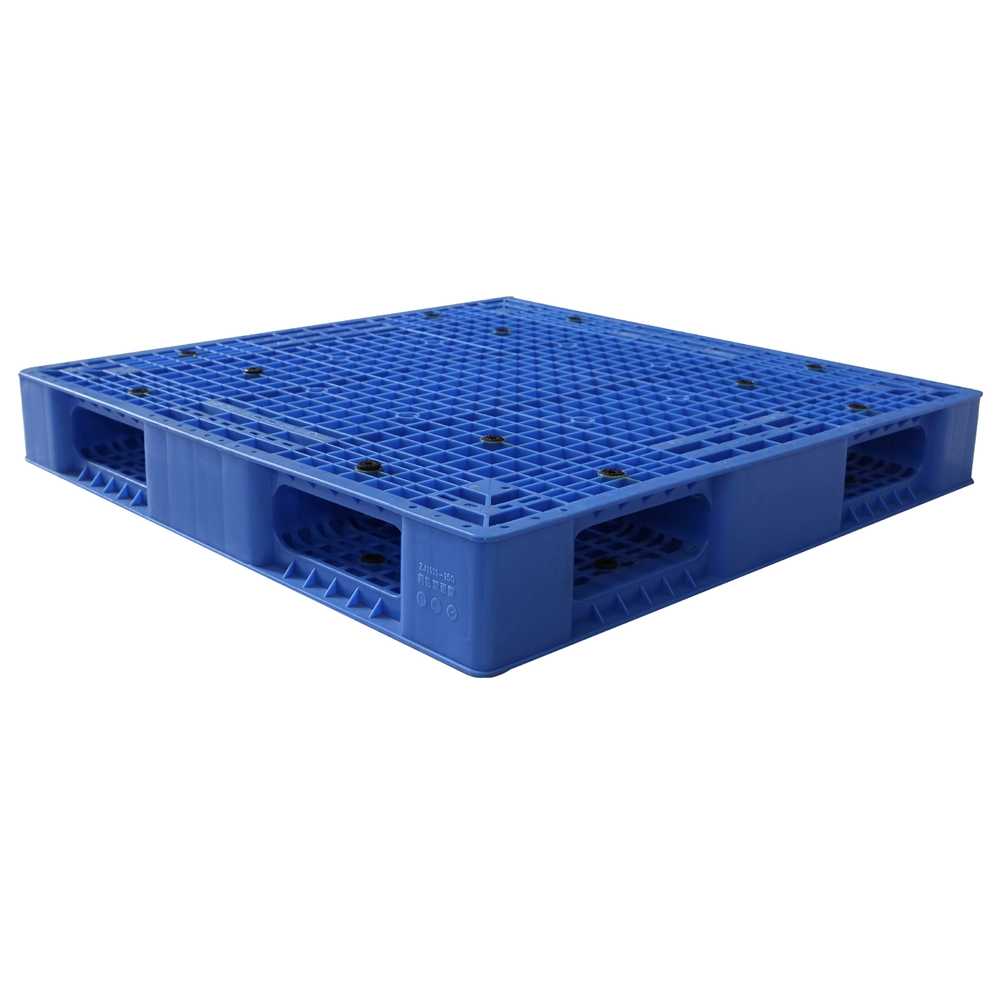
ZJ11111-150 Double-sided Heavy Duty Plastic Pallet
The double-sided plastic pallet, open deck or closed deck, is a solid and durable packaging solution designed for general and medium to heavy-duty cargo stacking, storage and transport. It’s made of virgin HDPE or PP, featuring a robust structure, a reinforced configuration with steel cores for the rack and shelf, and a steady loading capacity for both sides.
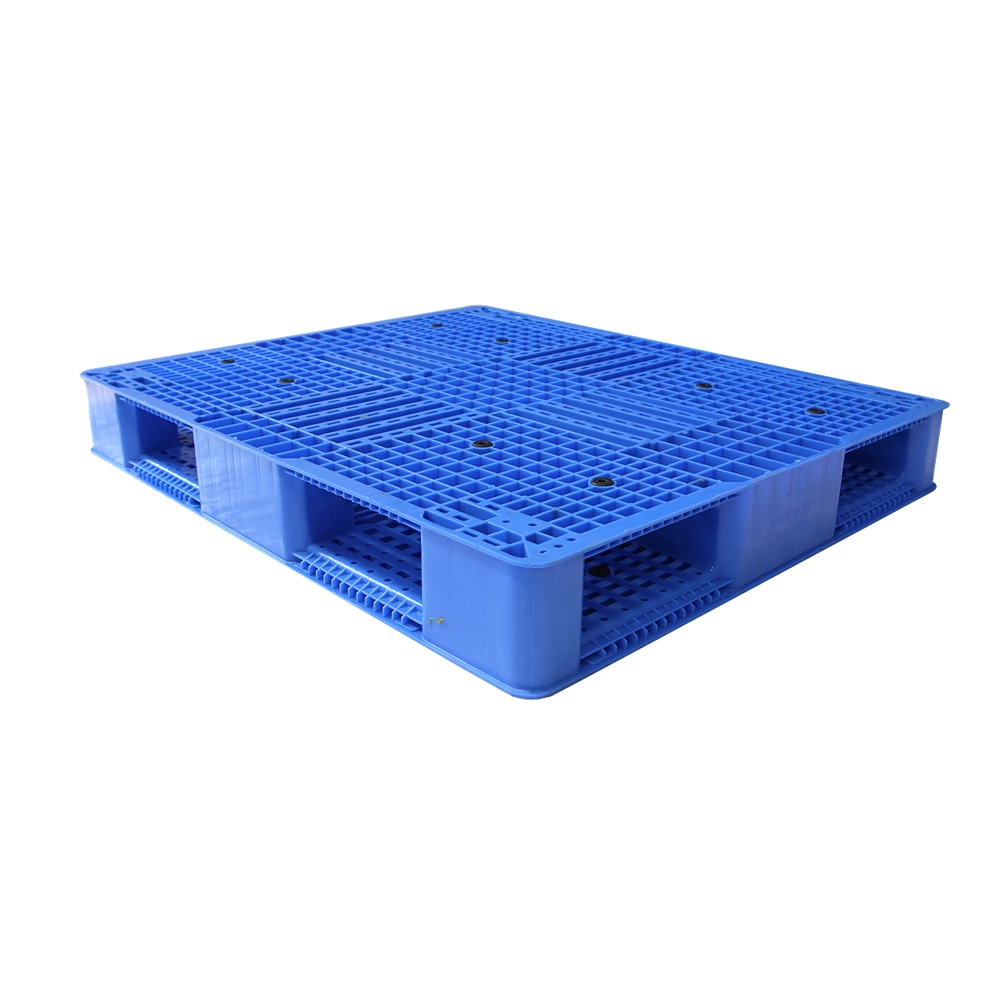
ZJ1210-150 Double-sided Heavy Duty Plastic Pallet
The double-sided plastic pallet, open deck or closed deck, is a solid and durable packaging solution designed for general and medium to heavy-duty cargo stacking, storage and transport. It’s made of virgin HDPE or PP, featuring a robust structure, a reinforced configuration with steel cores for the rack and shelf, and a steady loading capacity for both sides.
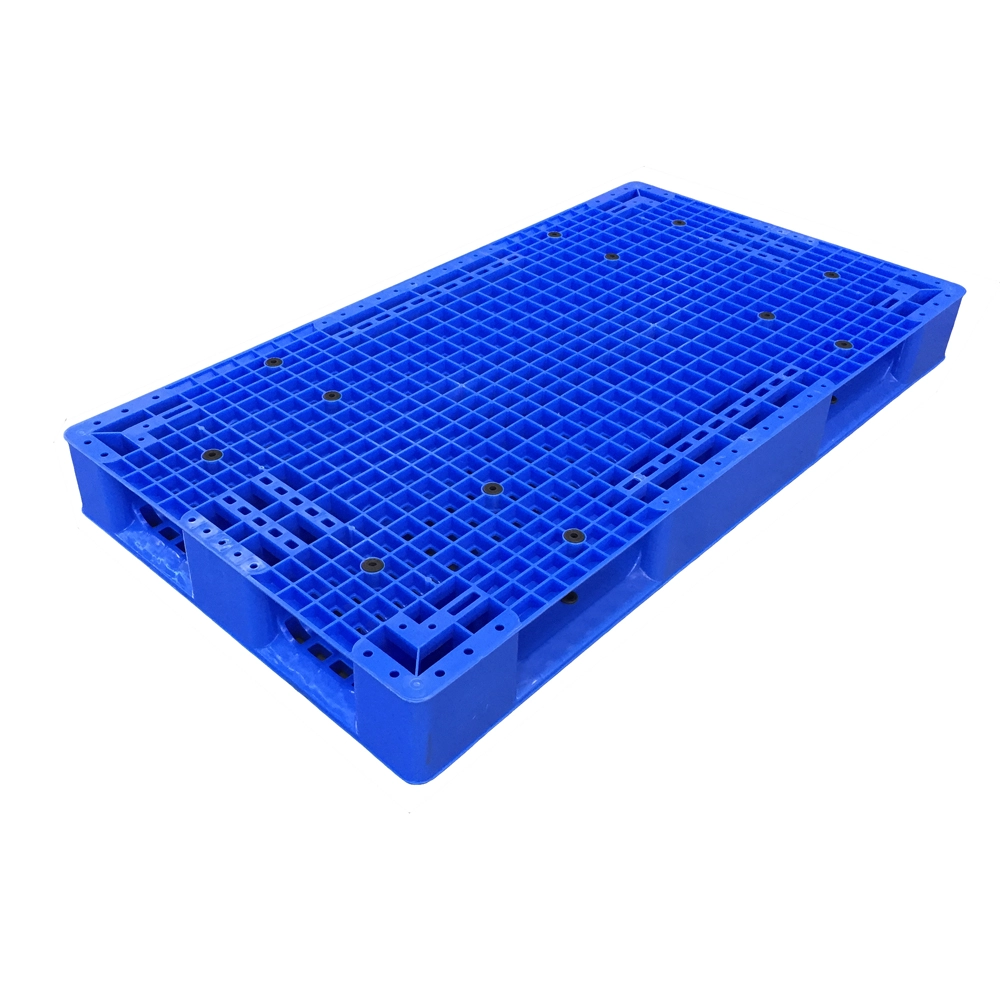
ZJ1508-150 Double-sided Heavy Duty Plastic Pallet
The double-sided plastic pallet, open deck or closed deck, is a solid and durable packaging solution designed for general and medium to heavy-duty cargo stacking, storage and transport. It’s made of virgin HDPE or PP, featuring a robust structure, a reinforced configuration with steel cores for the rack and shelf, and a steady loading capacity for both sides.
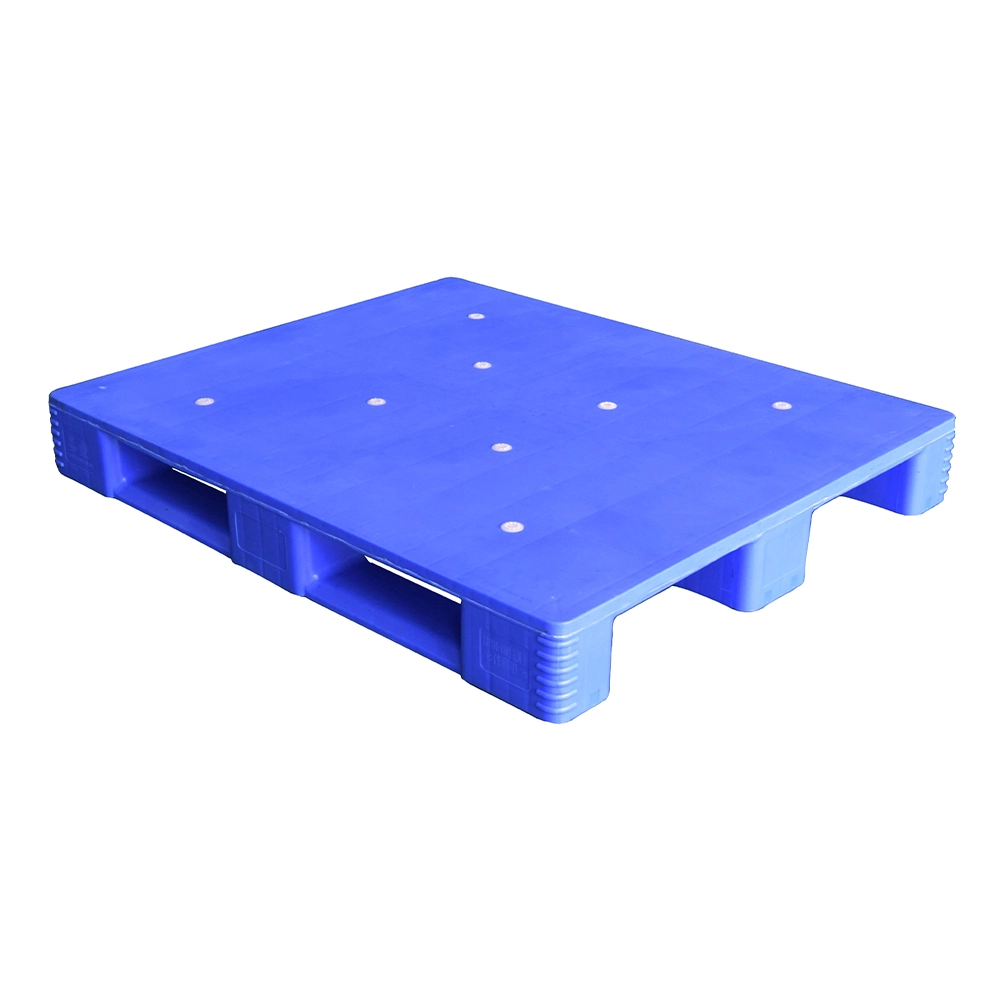
ZJ1210-150H Three-runner Closed Deck Hygienic Plastic Pallet
The three-runner closed-deck hygienic plastic pallet is a solid and durable packaging solution designed for general and especially food and medicine storage and transport. It’s made of virgin HDPE or PP, featuring a flat surface and even bottom for hygienic consideration, a reinforced configuration with steel cores for rack and shelf, and a steady loading capacity.
Request More Information About Plastic Pallets
Have questions or need detailed insights on this article? Fill out the form below to contact our team for comprehensive information and support related to our plastic pallet solutions.
Contact us


+86 138 0277 8204
+86 183 4431 0917
+86 195 3791 1860

No. 15-1, Fengying Rd., Taiping Town, Conghua Dist., Guangzhou City, Guangdong Province, China.
 Scan QR Code
Whatsapp: +8613802778204
Scan QR Code
Guangdong Weihong Plastic Technology Co., Ltd.
Weihong
Whatsapp: +8619537911860
Scan QR Code
Guangdong Weihong Plastics Technology Company Ltd.