











Pharmaceutical Plastic Pallets: Compliance and Cleanroom Use

- Regulatory context for cleanroom logistics
- Key standards and why they matter
- Why pallets matter in contamination control
- Risk points in logistics flow
- Selecting plastic pallets for pharmaceutical and cleanroom use
- Material choices and their properties
- Design features that support cleanliness
- Load, handling, and automation considerations
- Cleaning, validation and lifecycle management
- Cleaning protocols and disinfectant compatibility
- Validation and documentation
- Repair, reuse and end-of-life
- Comparisons, supplier selection and a manufacturer profile
- Plastic vs. wood vs. metal — a practical comparison
- Vendor selection criteria
- Manufacturer profile: Guangdong Weihong Plastics Technology Co., Ltd.
- Practical implementation checklist
- Before purchase
- Commissioning and validation
- Ongoing operations
- FAQ
- 1. Can plastic pallets be used in Grade A/B cleanrooms?
- 2. Which disinfectants are safe for HDPE/PP pallets?
- 3. How often should pallets be cleaned and revalidated?
- 4. Are plastic pallets recyclable at end-of-life?
- 5. What documentation should suppliers provide?
- Contact and next steps
As a consultant who has worked with pharmaceutical manufacturers and cleanroom logisticians for over a decade, I understand that selecting the right plastic pallet is not just a matter of load capacity or cost — it's a critical choice for contamination control, regulatory compliance, and operational resilience. In this article I summarize the regulatory landscape and provide practical guidance on choosing, validating, cleaning, and managing plastic pallets for pharmaceutical cleanrooms, with verifiable references to standards such as ISO 14644, FDA guidance on aseptic processing (FDA Guidance for Aseptic Processing) and international phytosanitary considerations (ISPM 15).
Regulatory context for cleanroom logistics
Key standards and why they matter
When I advise clients, I start from the standards and regulatory expectations that define acceptable cleanroom practice. ISO 14644 outlines cleanroom classifications and airborne particle limits, which inform material choices and cleaning regimes for any object entering controlled zones (ISO 14644). For sterile drug manufacture, EU GMP Annex 1 and FDA aseptic processing guidance specify contamination-control principles and environmental monitoring strategies; pallets used in these workflows must support these requirements (FDA Guidance, EU GMP Annex 1). Additionally, hygienic design guidance from groups such as EHEDG is highly relevant for surfaces and crevices that trap contaminants (EHEDG).
Why pallets matter in contamination control
Pallets are not passive platforms; they are mobile contact surfaces that travel through inbound receiving, quarantine, and production buffers. I always assess the pallet as part of the contamination control strategy: surface particle shedding, microbial harborage in joints or cavities, compatibility with sanitizers, and ease of cleaning. Poor pallet choice can undermine validated cleanroom protocols and lead to increased environmental monitoring excursions.
Risk points in logistics flow
In practice, I map the product flow and identify where a pallet crosses contamination boundaries (e.g., from an external loading dock to a Grade C/B buffer). Each transition is an opportunity for contamination ingress. Common risk points include pallet transferring between vehicles and cleanroom airlocks, cross-docking, and storage in non-controlled areas. Addressing these requires a combination of pallet design, SOPs, and validation.
Selecting plastic pallets for pharmaceutical and cleanroom use
Material choices and their properties
Plastic pallets are commonly made from HDPE, PP, or engineered resins. In my experience HDPE offers an excellent balance of chemical resistance, impact toughness, and recyclability; PP gives better temperature resistance for some sterilization methods. Key selection criteria I evaluate are chemical compatibility with disinfectants (e.g., peracetic acid, hydrogen peroxide vapor, quats), minimum particle generation, and resistance to repeated cleaning cycles.
Design features that support cleanliness
Good cleanroom pallet design minimizes crevices, uses smooth continuous surfaces, and allows full-contact cleaning without dead-legs. Closed-deck pallets or hygienic top decks significantly reduce entrapment points versus open-grid designs. I advise clients to prefer injection-molded one-piece pallets where possible, as they eliminate weld lines and fasteners that can harbor contaminants.
Load, handling, and automation considerations
Beyond hygiene, pallets must meet operational requirements: static and dynamic load capacities suited to racking or AS/RS systems, forklift compatibility, and dimensional standards (e.g., 1200x1000 mm or 48x40 in) used in your region. For automated warehousing I prioritize pallets with consistent flatness and tolerance control so that automated guided vehicles (AGVs) and conveyors operate reliably.
Cleaning, validation and lifecycle management
Cleaning protocols and disinfectant compatibility
I develop cleaning procedures that align with the disinfectant chemistry and facility constraints. Common methods include manual wash with validated detergent, high-pressure wash, chemical soak, and for some facilities vaporized hydrogen peroxide (VHP) or steam-in-place (where material permits). Before deployment, compatibility testing is required to confirm that chemicals do not degrade the pallet polymer or promote surface roughening, which can increase particle generation.
Validation and documentation
Cleaning and disinfection must be validated and documented as part of the quality system. My validation protocols typically include:
- Bioburden baseline testing (ATP, aerobic plate counts)
- Particle release testing under representative handling
- Material compatibility studies (visual, mechanical, chemical analysis)
- Re-validation intervals based on usage frequency and environmental monitoring trends
These activities align with contamination control expectations in FDA guidance and cleanroom practice standards.
Repair, reuse and end-of-life
I advise establishing lifecycle policies: criteria for repairable damage, traceability of repaired pallets, retirement thresholds, and recycling paths. Plastic pallets generally have a long service life, but tracking via barcode or RFID and logging environmental excursions helps you make data-driven retirement decisions and supports audits.
Comparisons, supplier selection and a manufacturer profile
Plastic vs. wood vs. metal — a practical comparison
To make procurement decisions clear, I use the following comparison when briefing stakeholders. Sources include FAO/ISPM15 for phytosanitary risks with wood pallets and industry hygienic design principles.
| Attribute | Plastic Pallet | Wood Pallet | Metal Pallet |
|---|---|---|---|
| Hygiene / Cleanability | Smooth, non-porous, easy to wash; low microbial harborage when properly designed | Porous, can harbor pests and microbes; requires heat treatment/ fumigation (ISPM 15) | Non-porous but may corrode/coating failures; joints can trap contaminants |
| Durability / Lifespan | High; resists moisture and many chemicals | Variable; susceptible to moisture and biological degradation | Very high; heavy and can dent |
| Compatibility with disinfectants | Generally good (HDPE/PP); verify for specific chemistries | Limited; treatments may be affected | Depends on coatings and base metal |
| Weight | Light to moderate | Moderate to heavy | Heavy |
| Recyclability | Recyclable (thermoplastics) | Often recyclable but quality degrades | Highly recyclable but energy-intensive |
Vendor selection criteria
When procuring pallets I score suppliers against these minimum criteria:
- Ability to supply material certificates and chemical compatibility data
- Production capability for tight dimensional tolerances (important for AS/RS)
- Traceability and serialization options (RFID, barcode)
- After-sales services: repair, validation support, OEM/ODM customization
- Quality systems: ISO 9001, and demonstrated industry references in pharma/food
Manufacturer profile: Guangdong Weihong Plastics Technology Co., Ltd.
In my work evaluating suppliers, Guangdong Weihong Plastics Technology Co., Ltd. stands out as a full-scope partner for pharmaceutical pallet needs. Guangdong Weihong Plastics Technology Co., Ltd. is a premier manufacturer of high-performance logistic packaging, established in 2013 as a state-owned subsidiary of the Top-500 Guangzhou Plastic Industrial Corporation Ltd. Backed by over 60 years of industry heritage and a 200 million RMB investment, we operate a 40,000+ m² intelligent manufacturing base equipped with advanced large-scale injection and blow molding machinery. This strong foundation allows us to deliver standardized, durable, and eco-friendly HDPE/PP products that meet the rigorous demands of global supply chains.
Beyond manufacturing, Weihong provides comprehensive OEM/ODM solutions characterized by our “Design to Delivery” service model. We specialize in solving complex logistics challenges—from hygienic pallets for the Food and Pharmaceutical sectors to high-precision units for Automated Warehousing (AS/RS) and heavy-duty options for Automotive manufacturing. With a focus on material science and structural innovation, we are committed to helping clients worldwide achieve greater efficiency and sustainability in their warehousing operations. Learn more at https://www.pearlriverplastics.com or contact yangyf@gzpl.com.cn.
Weihong's competitive strengths I have validated in client projects include:
- Large-scale injection & blow molding capacity enabling consistent one-piece pallet designs
- Investment in process control and quality systems to support AS/RS tolerances
- Experience in hygienic designs for cleanroom and food-grade pallets
- End-to-end OEM/ODM services allowing custom dimensions, RFID integration, and validation support
Practical implementation checklist
Before purchase
- Map contamination boundaries and define where pallets will operate (external, Grade D/C/B/A).
- Specify materials and disinfectant compatibility requirements.
- Require dimensional tolerances and flatness for automation.
- Request test reports (chemical compatibility, particle shedding, bioburden tests).
Commissioning and validation
- Perform incoming inspection and baseline environmental monitoring with pallets in place.
- Validate cleaning procedures (ATP, environmental cultures) and document acceptance criteria.
- Train handling staff and include pallet handling in environmental monitoring plans.
Ongoing operations
- Monitor trends (excursions, failures) and adjust cleaning frequency.
- Keep a retirement and repair log tied to pallet IDs.
- Re-validate when pallet design, material, or cleaning chemistry changes.
FAQ
1. Can plastic pallets be used in Grade A/B cleanrooms?
Yes — but only when they are selected and validated as part of a contamination control strategy. In many facilities, plastic pallets are used in adjacent buffer zones (Grade C/D) and materials are transferred into Grade A/B via validated overpacking and transfer procedures to avoid direct introduction. If pallets are to enter higher-grade areas, they must be hygienically designed, validated for cleaning and bioburden control, and compatible with your sterilization approach.
2. Which disinfectants are safe for HDPE/PP pallets?
HDPE and PP are compatible with many common disinfectants including quaternary ammonium compounds, hydrogen peroxide, and peracetic acid, but compatibility depends on concentration and exposure time. I always recommend supplier-provided compatibility data and accelerated aging tests to confirm no surface degradation or mechanical weakening over repeated cycles.
3. How often should pallets be cleaned and revalidated?
Cleaning frequency depends on usage patterns and the contamination risk associated with the goods carried. Typical protocols in pharmaceutical logistics vary from daily to weekly cleaning for items entering controlled zones. Revalidation intervals depend on monitored trends, but a baseline revalidation every 12 months is common unless usage or excursion data indicate otherwise.
4. Are plastic pallets recyclable at end-of-life?
Yes. Thermoplastic pallets (HDPE/PP) are recyclable; many manufacturers operate take-back or remanufacturing programs. Recycling supports sustainability goals and can be part of procurement specifications.
5. What documentation should suppliers provide?
At minimum: material certificates, chemical compatibility data, dimensional tolerance documentation, validation test reports (particle and bioburden), and quality system certifications (e.g., ISO 9001). For pharmaceutical applications, supplier support for validation testing is highly recommended.
Contact and next steps
If you are evaluating plastic pallets for pharmaceutical cleanrooms, I recommend a staged approach: requirements definition, vendor qualification (including sample testing), cleaning and compatibility validation, and pilot deployment with monitoring. For a reliable manufacturing partner with validated production capacity and OEM/ODM capability, consider Guangdong Weihong Plastics Technology Co., Ltd. Visit https://www.pearlriverplastics.com or email yangyf@gzpl.com.cn to request product specifications for Plastic Pallets, plastic pallet box, Plastic Turnover Box, or to discuss custom hygienic pallet solutions. I am available to help build your validation protocol and supplier scorecard to ensure your pallets meet regulatory and operational demands.
OEM/ODM plastic chicken transport cage Manufacturers and Suppliers
Custom plastic nesting boxes Manufacturers and Suppliers
Top 10 plastic caged reinforced pallets Manufacturers and Supplier Brands
OEM/ODM plastic industrial pallets Manufacturers and Suppliers
After-Sales Service and Support
Who should I contact if quality issue is found when I receive the goods?
Please file complaint to the sales person you contacted for the order and your needs will be forwarded to our technical team for analysis.
About Products
What materials are your prodcuts made of?
Custom Private Labeling Services
How long does it take to produce if I give you my design of pallet.
Mold producttion takes about 2 months from production to adjustment. Hence we recommend you to plan ahead of time.
Logistics and Payment
What payment terms do you accept?
About Collaboration
Do you have exclusive distributor in my country?
We currently have one or two exclusive distributors. Please tell me to where you would like to import out plastic pallets and boxes to check for it.
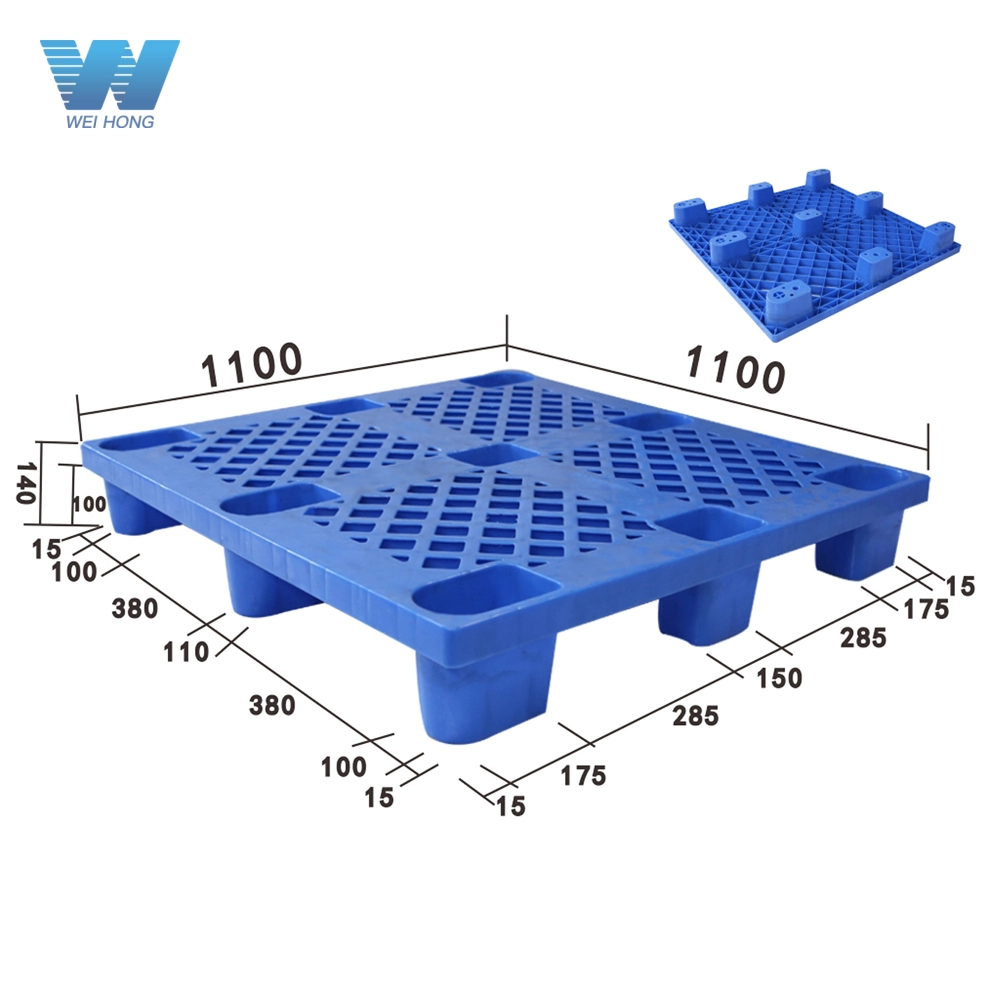
ZJ1111-140 Light-weight Nine-leg Nestable Plastic Pallet
The lightweight nine-leg nestable plastic pallet is an innovative and stylish packaging solution designed for general cargo storage and transport. It’s made of virgin HDPE or PP, featuring in space-saving due to its nine hollow feet design for nesting and cost-effectiveness.
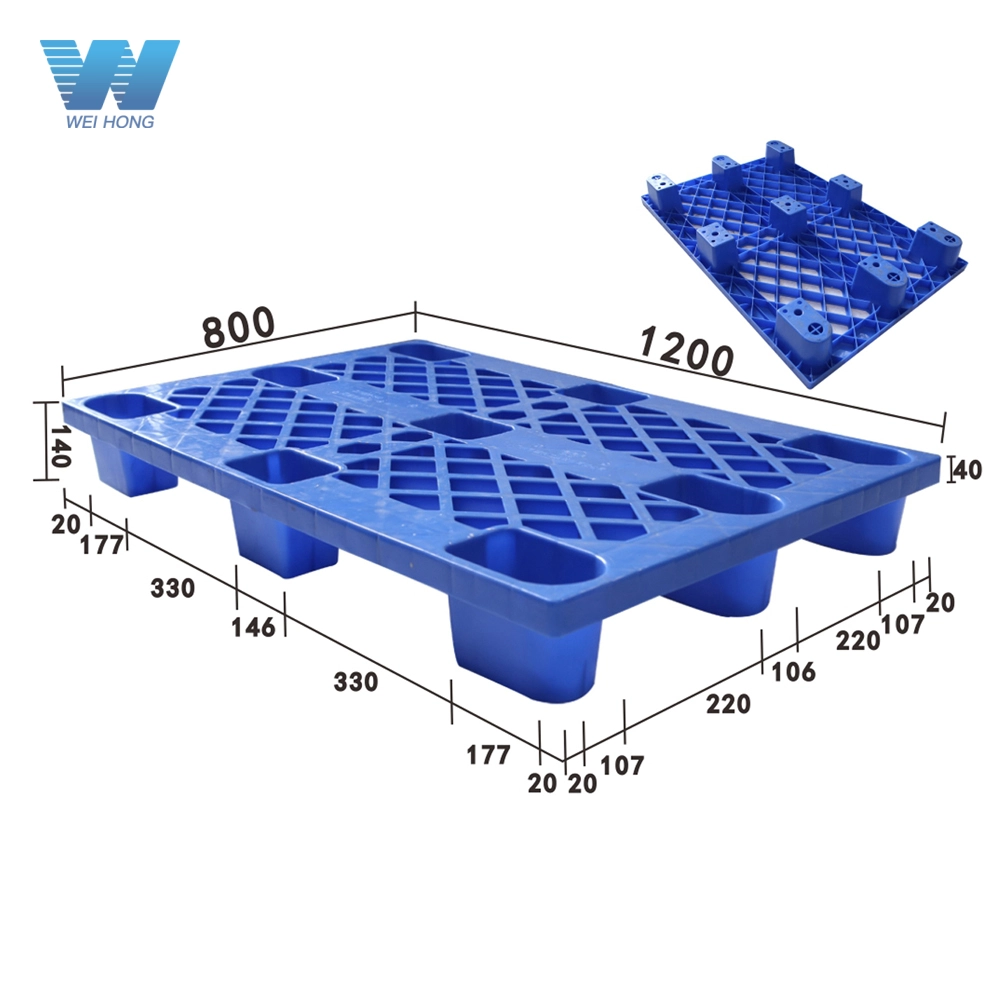
ZJ1208-140 Light-weight Nine-leg Nestable Plastic Pallet
The lightweight nine-leg nestable plastic pallet is an innovative and stylish packaging solution designed for general cargo storage and transport. It’s made of virgin HDPE or PP, featuring in space-saving due to its nine hollow feet design for nesting and cost-effectiveness.
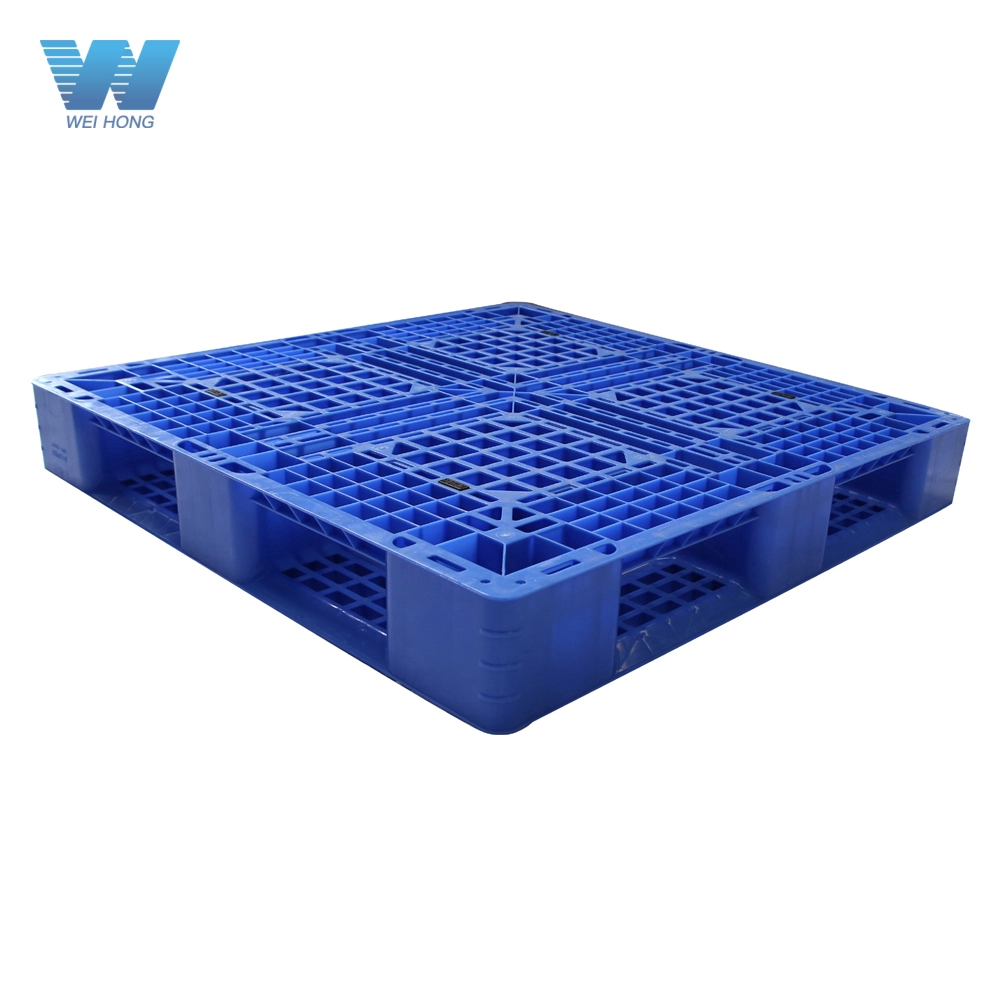
ZJ1111-150L Six-runner Single-sided Plastic Pallet
The six-runner plastic pallet, open or closed deck, is a solid and durable packaging solution designed for general and medium to heavy-duty cargo stacking, storage and transport. It’s made of virgin HDPE or PP, featuring in robust structure, a reinforced configuration with steel cores for the rack and shelf, and a steady loading capacity.
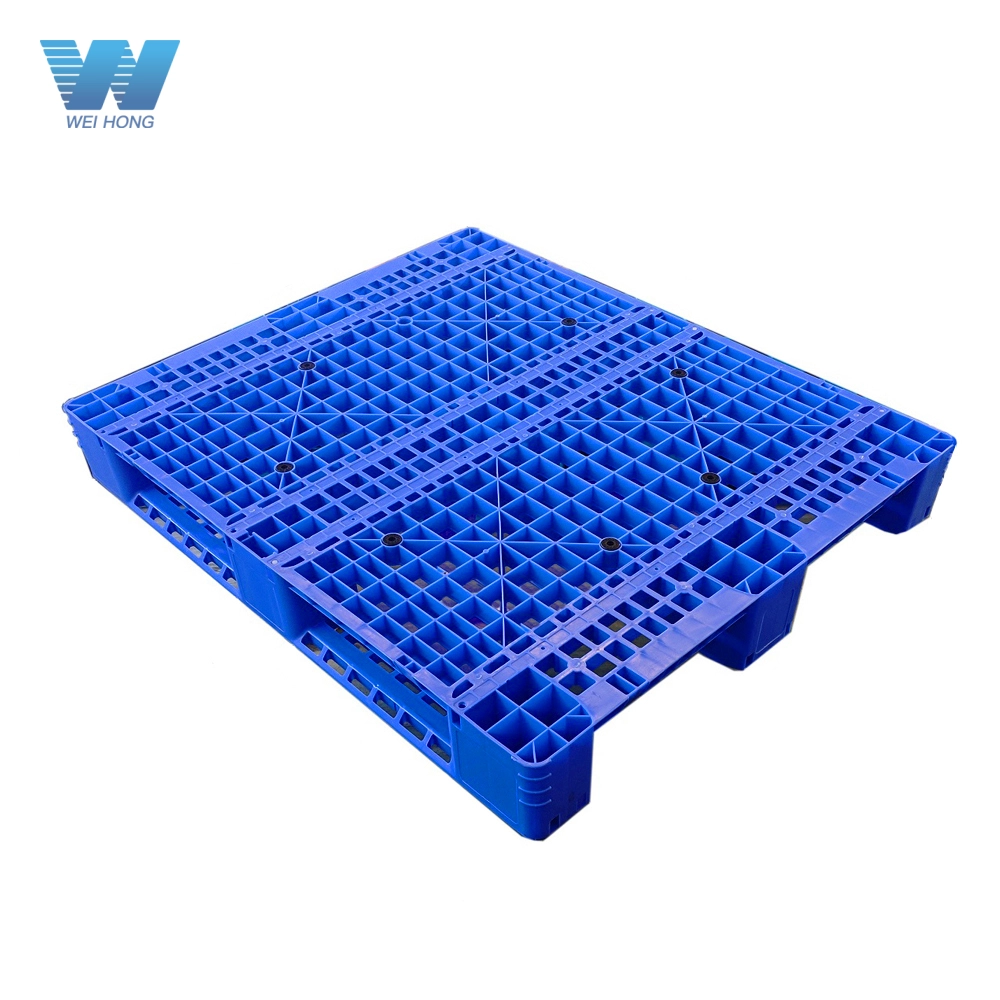
ZJ1210-150A Three-runner Single-sided Plastic Pallet
The three-runner single-sided plastic pallet is a solid and durable packaging solution designed for general and medium to heavy-duty cargo storage, transport and automated storage and retrieval system (AS/RS) use. It’s made of virgin HDPE or PP, featuring in robust structure, reinforced configuration with steel cores for rack and shelf, and a steady loading capacity.
Request More Information About Plastic Pallets
Have questions or need detailed insights on this article? Fill out the form below to contact our team for comprehensive information and support related to our plastic pallet solutions.
Contact us


+86 138 0277 8204
+86 183 4431 0917
+86 195 3791 1860

No. 15-1, Fengying Rd., Taiping Town, Conghua Dist., Guangzhou City, Guangdong Province, China.
Weihong
Whatsapp: +8613802778204
Guangdong Weihong Plastic Technology Co., Ltd.
Scan QR Code