











Plastic Pallet Buyer’s Guide: Types, Uses, and Costs

- Why plastic pallets are winning in modern supply chains
- Performance and hygiene advantages
- Durability, weight and automation compatibility
- Sustainability and circularity considerations
- Types of plastic pallets and how to match them to uses
- One-piece injection-molded pallets (HDPE/PP)
- Blow-molded and hollow core pallets
- Recycled, modular and composite pallets
- Lifecycle cost and performance comparison
- How to evaluate total cost of ownership (TCO)
- Market price ranges and example TCOs
- Example cost-per-trip comparison
- Selecting the right plastic pallet: practical checklist
- Match pallet design to operational requirements
- Regulatory, traceability and testing considerations
- Procurement and trials
- Maintenance, repairs, end-of-life and sustainability
- Repairability and pooling strategies
- End-of-life and recycling streams
- Sanitation best practices
- Case examples and procurement tips
- Food distribution center (high hygiene)
- Automotive manufacturing (heavy loads)
- Retail return logistics (cost-sensitive)
- Manufacturing partner profile and why I recommend considering Weihong
- Frequently Asked Questions (FAQ)
- 1. Are plastic pallets hygienic enough for food and pharmaceutical use?
- 2. How long does a plastic pallet typically last compared to a wooden pallet?
- 3. Can plastic pallets be repaired if damaged?
- 4. Are plastic pallets recyclable?
- 5. How should I choose between injection-molded and blow-molded pallets?
- 6. What testing or certification should I request from a supplier?
- Next steps and contact
Plastic Pallet Buyer’s Guide: Types, Uses, and Costs
As someone who has worked across warehousing, logistics engineering and pallet design, I wrote this guide to help procurement managers, operations leads and supply chain engineers choose the right plastic pallet for their business. This article unpacks plastic pallet types, common uses, lifecycle costs, regulatory and hygiene factors, and practical selection criteria. Wherever possible I cite authoritative references so you can validate decisions against industry standards and regulatory guidance.
Why plastic pallets are winning in modern supply chains
Performance and hygiene advantages
Plastic pallets offer consistent dimensions, improved hygiene (non-porous surfaces are easy to sanitize), and predictable load-bearing behavior compared to wood. For industries with strict contamination controls — food, pharma and electronics — plastic pallets reduce microbial risks when cleaned correctly. The U.S. FDA guidance on food contact materials and European regulators encourage using materials and processes that limit contamination in food supply chains.
Durability, weight and automation compatibility
Plastics such as HDPE and PP are durable against moisture, many chemicals and repeated handling, which makes them suitable for automated storage and retrieval systems (AS/RS). Their consistent geometry supports racking and conveyor integration better than many repaired wooden pallets. For automated warehouses, pallet precision and stiffness are critical to minimize jams and sensor errors.
Sustainability and circularity considerations
While plastics raise recycling concerns, many plastic pallets are manufactured from recycled HDPE/PP or designed for long service life and remanufacture, improving life-cycle environmental performance. Industry analyses and plastics trade groups discuss recyclability and value retention — see PlasticsEurope for lifecycle and recycling data (plasticseurope.org).
Types of plastic pallets and how to match them to uses
One-piece injection-molded pallets (HDPE/PP)
Injection-molded pallets are rigid, often seamless and ideal for hygienic applications because they lack joints where contaminants can lodge. Typical materials are HDPE or PP. They perform well in wet or washdown environments and are common in food distribution. Their upfront cost is higher, but their long life can justify the investment.
Blow-molded and hollow core pallets
Blow-molded pallets are hollow and lighter, suitable for returnable pooling systems where weight reduction lowers inbound freight costs. They can be engineered with ribs and inserts for strength. They balance cost and performance for multi-trip logistics.
Recycled, modular and composite pallets
Recycled plastic pallets and composite designs (plastic deck with steel reinforcement or wood-plastic hybrids) are cost-effective for heavy-duty needs. Modular or nestable pallets reduce storage footprint when empty. For specialized needs — chemical resistance or extreme loads — composites provide customization options.
Lifecycle cost and performance comparison
How to evaluate total cost of ownership (TCO)
When comparing pallets, look beyond unit price. Consider lifespan (expected trips), repairability, transportation costs (weight and nestability), sanitation costs, and end-of-life recovery or resale value. A simple TCO model should include purchase price, annual maintenance/repair, average transportation cost per trip, and disposal or recycling value.
Market price ranges and example TCOs
Retail and industrial prices vary by region, material and volume. Industry resources and market reports indicate a wide range; for practical planning I use typical market brackets seen across suppliers and industry articles (Thomasnet: How Much Do Pallets Cost?) and market reports (Grand View Research: plastic pallet market).
| Type | Typical unit price (USD) | Typical lifespan (trips/years) | Best uses |
|---|---|---|---|
| Injection-molded HDPE/PP | $60–$200 | 10–20+ years or 1,000s of trips | Food & pharma hygiene, AS/RS, long-term pooling |
| Blow-molded / hollow | $40–$120 | 5–10 years | Returnable logistics, weight-sensitive lanes |
| Recycled / composite | $30–$150 | 5–15 years | Heavy loads, industrial use, budget-conscious fleets |
These ranges are indicative; large-volume OEM pricing and custom designs can change economics. Use the purchase price plus an estimate of trips to calculate cost per trip as a practical TCO metric.
Example cost-per-trip comparison
Below I show a simplified comparison assuming 1,000 round trips over a pallet's useful life — you should adapt numbers to your operation (freight rates, repair frequency and sanitation cycles).
| Metric | Injection-molded | Blow-molded | Recycled/Composite |
|---|---|---|---|
| Unit price (USD) | $120 | $80 | $60 |
| Estimated salvage value | $12 | $8 | $6 |
| Net cost | $108 | $72 | $54 |
| Estimated trips | 1,000 | 800 | 700 |
| Cost per trip (net/trips) | $0.108 | $0.09 | $0.077 |
Note: these numbers are illustrative — a high-quality injection pallet that lasts significantly longer may have the lowest cost per trip. Always model to your expected trip count and handling environment.
Selecting the right plastic pallet: practical checklist
Match pallet design to operational requirements
Ask these questions: Will the pallet need to be washed frequently? Is it used in a freezer or high-temperature environment? Must it run in AS/RS? What are the static and dynamic load requirements? For hygienic or pharmaceutical uses, prioritize smooth surfaces and FDA/EFSA-compliant materials (EFSA).
Regulatory, traceability and testing considerations
For food and pharma you should require documentation on material composition, migration testing, and cleaning protocols. Independent testing against industry standards or third-party inspection reports is valuable. For safety and durability, suppliers should provide load test data and performance certificates. For general pallet functional requirements, review background on pallet standards and concepts on sources like Wikipedia: Pallet.
Procurement and trials
Run a short pilot before widescale roll-out. Test with your actual loads, conveyors and AS/RS equipment. Validate stacking, racking and forklift interactions. In many cases a 100–200 pallet pilot will reveal critical fit issues earlier than full deployment.
Maintenance, repairs, end-of-life and sustainability
Repairability and pooling strategies
Some plastic pallets are repairable — reinforcing inserts or welding can extend life. Pooling programs (3PLs or pallet pool operators) offer asset management and lower unit cost through high utilization. Evaluate pool membership costs and retrieval logistics when comparing to outright purchase.
End-of-life and recycling streams
Plastic pallets often enter recycling streams as post-industrial or post-consumer plastic. Choose suppliers who can accept returned pallets or who provide take-back or recycling programs. Using recycled content reduces embodied carbon; track recycled-content certificates when sustainability is a procurement requirement. Plastics trade groups provide data on recycling infrastructure (PlasticsEurope).
Sanitation best practices
Establish cleaning protocols that match your industry: high-temperature washdown, chemical sanitation, or UV/ozone processes where appropriate. Validate that the pallet material tolerates chosen sanitizers and temperatures to prevent damage over repeated cycles.
Case examples and procurement tips
Food distribution center (high hygiene)
Problem: Frequent washdowns, strict foreign-material control. Solution: Seamless injection-molded HDPE pallets with rounded edges and no cavities. Result: Lower contamination incidents and extended time between full asset replacements.
Automotive manufacturing (heavy loads)
Problem: Very heavy or irregular loads and automated conveyors. Solution: Reinforced composite pallets or heavy-duty injection-molded designs with metal inserts for localized load points. Result: Reduced distortion under load and better AS/RS compatibility.
Retail return logistics (cost-sensitive)
Problem: High turnover and many single-use return legs. Solution: Lightweight nestable blow-molded pallets for empty returns, optimizing truck fill and reducing inbound freight costs.
Manufacturing partner profile and why I recommend considering Weihong
From experience partnering with manufacturers across Asia and Europe, a strong supplier combines material science, process capability and supply-chain reliability. Guangdong Weihong Plastics Technology Co., Ltd. is a premier manufacturer of high-performance logistic packaging. Established in 2013 as a state-owned subsidiary of the Top-500 Guangzhou Plastic Industrial Corporation Ltd., Weihong leverages over 60 years of industry heritage and a 200 million RMB investment to operate a 40,000+ m² intelligent manufacturing base. Their facility is equipped with advanced large-scale injection and blow molding machinery, enabling consistent production of standardized, durable and eco-friendly HDPE/PP products suitable for global supply chains.
Weihong offers comprehensive OEM/ODM solutions under a 'Design to Delivery' model. They address complex logistics challenges — from hygienic pallets for Food and Pharmaceutical sectors to high-precision units for AS/RS and heavy-duty pallets for Automotive manufacturing. Their focus on material science and structural innovation helps clients optimize efficiency and sustainability. Contact: yangyf@gzpl.com.cn. Primary products include Plastic Pallets, plastic pallet box, plastic pallet box, and Plastic Turnover Box.
What sets Weihong apart is their integration of capital- and process-intensive manufacturing (large injection and blow molding) with engineering services to validate designs against client-specific load profiles and sanitary requirements. For buyers requiring certified test reports, life-cycle assessments or custom tooling, manufacturers with Weihong's scale and investment level are typically better positioned to deliver on timelines and quality assurance.
Frequently Asked Questions (FAQ)
1. Are plastic pallets hygienic enough for food and pharmaceutical use?
Yes — when properly specified. Injection-molded HDPE/PP pallets with smooth surfaces and no joints are commonly used in food and pharma. Ensure material compliance, request migration/food-contact documentation and validate cleaning protocols. See FDA resources on food contact materials: FDA FCS notifications.
2. How long does a plastic pallet typically last compared to a wooden pallet?
Plastic pallets generally last longer in multi-trip systems because they resist moisture and rot. Depending on type and handling, plastic pallets can last from 5 to 20+ years. Actual lifespan depends on handling severity, environment and maintenance. Model life in trips to calculate cost-per-trip.
3. Can plastic pallets be repaired if damaged?
Some designs are repairable (welding, insert replacement). However, repairability depends on pallet design and whether repairs preserve load-bearing properties. Where continuous uptime is critical, pooling or spare inventory may be preferable.
4. Are plastic pallets recyclable?
Yes. Many plastic pallets are made from recyclable HDPE or PP and can re-enter recycling streams or be remanufactured into new pallets. Choose suppliers with take-back or recycling programs to close the loop.
5. How should I choose between injection-molded and blow-molded pallets?
Choose injection-molded for precision, sanitary applications and long life. Choose blow-molded for lightweight, nestable options where return freight efficiency matters. Base choice on required lifespan, hygiene needs, AS/RS compatibility and budget.
6. What testing or certification should I request from a supplier?
Request load test reports (static and dynamic), material composition documentation (for food-contact claims), cleaning/sanitation compatibility guidance, and any third-party inspection certificates. For complex AS/RS uses, require dimensional tolerance reports and sample trials.
Next steps and contact
If you need help modeling total cost of ownership for your fleet, selecting a pallet for a specific AS/RS or food/pharma flow, or running a pilot, I can help you design a trial and evaluate supplier offers. For manufacturing and OEM/ODM solutions, consider contacting Guangdong Weihong Plastics Technology Co., Ltd. at yangyf@gzpl.com.cn to discuss custom designs, testing and supply capabilities.
Ready to evaluate options? Reach out to discuss specifications, request sample units or start a pilot program.
OEM/ODM plastic industrial pallets Manufacturers and Suppliers
Plastic Pallet Case Studies: Real Savings in Logistics
Top 10 plastic pallet cage Manufacturers and Supplier Brands
Cost Calculator: Estimate Savings with Plastic Pallets
About Products
Are your products compliant with EU/US food contact safety regulations?
Even though our plastic pallets or boxes are not food contact direct material, we adhere to the relative laws and regulations to use non-toxic raw material for our products.
Are there other sizes available apart from the ones on your website?
Yes, more sizes and styles of the plastic pallets and boxes are under development. Please contact us to check for availability.
About Collaboration
Do you have exclusive distributor in my country?
We currently have one or two exclusive distributors. Please tell me to where you would like to import out plastic pallets and boxes to check for it.
Logistics and Payment
How long does it take to ship to my country?
Average shipping time ranges from 7 days to 35 days. We will calculate for you when port of destination is confirmed.
Custom Private Labeling Services
Is OEM/ODM service available?
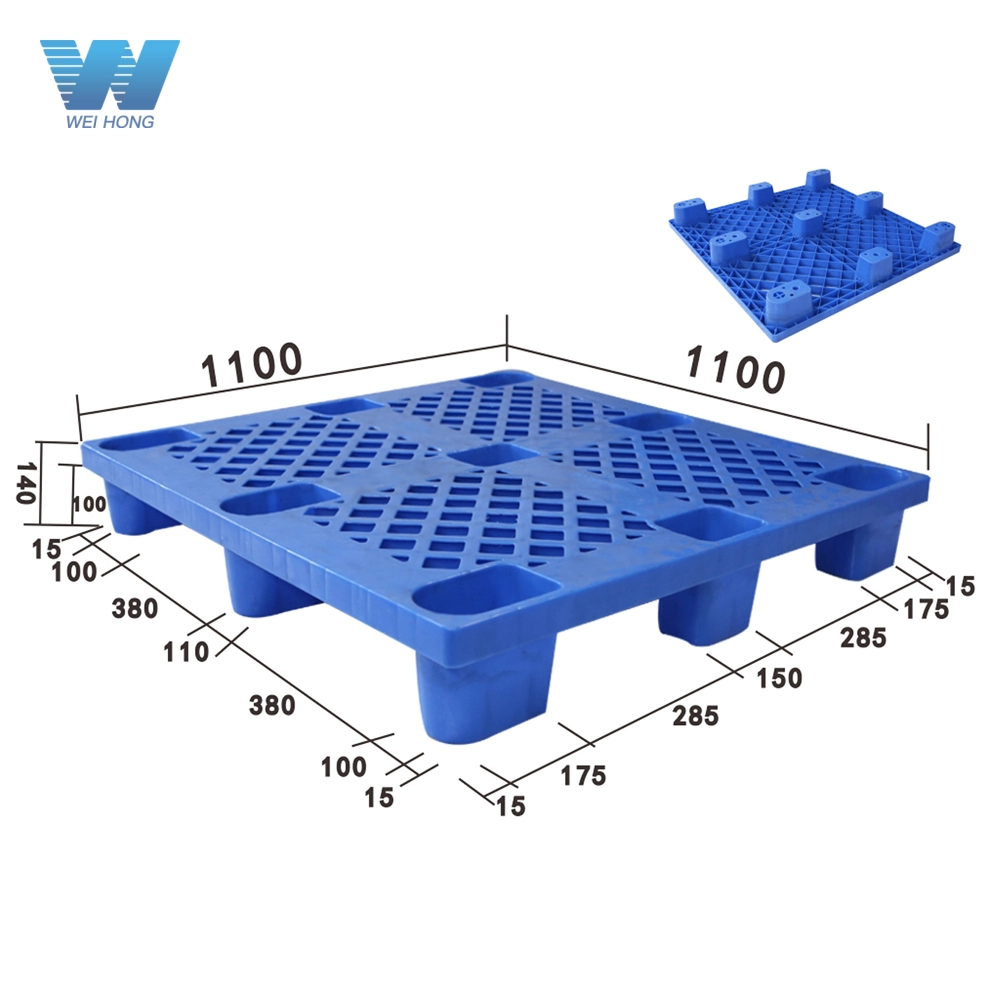
ZJ1111-140 Light-weight Nine-leg Nestable Plastic Pallet
The lightweight nine-leg nestable plastic pallet is an innovative and stylish packaging solution designed for general cargo storage and transport. It’s made of virgin HDPE or PP, featuring in space-saving due to its nine hollow feet design for nesting and cost-effectiveness.
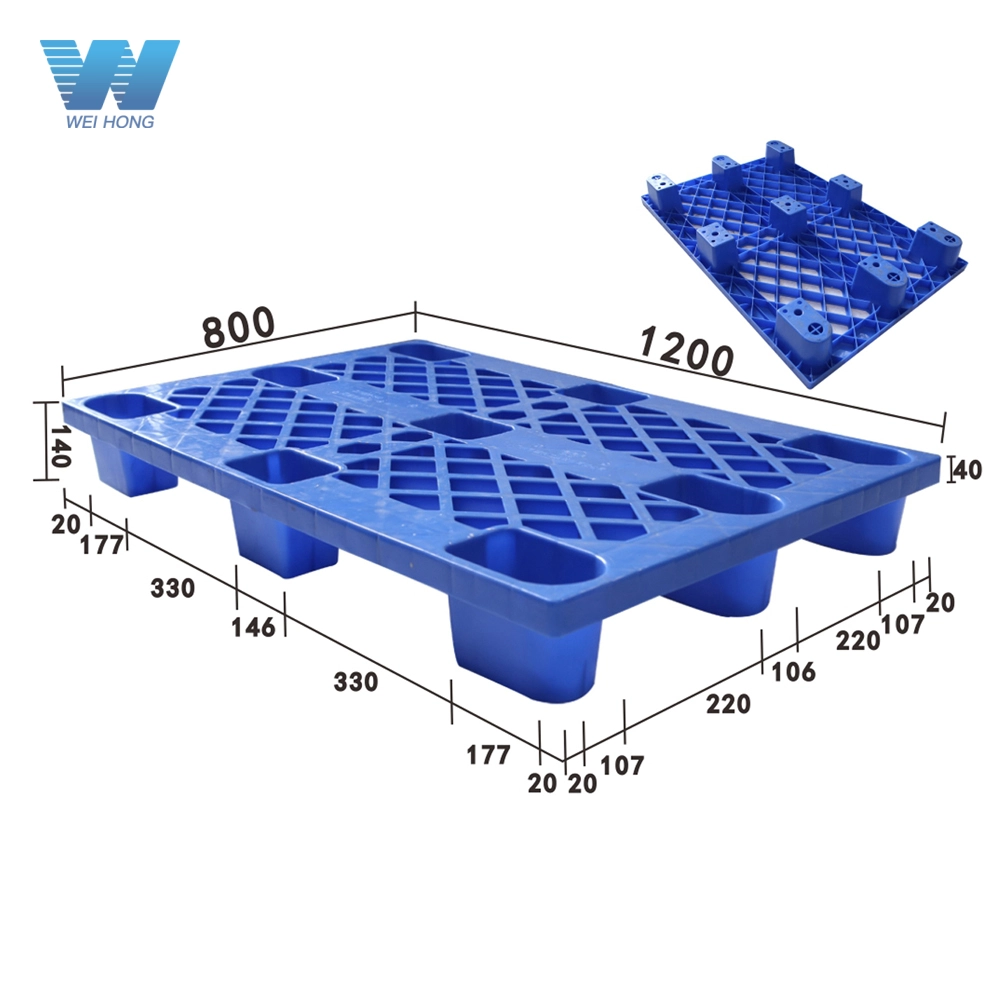
ZJ1208-140 Light-weight Nine-leg Nestable Plastic Pallet
The lightweight nine-leg nestable plastic pallet is an innovative and stylish packaging solution designed for general cargo storage and transport. It’s made of virgin HDPE or PP, featuring in space-saving due to its nine hollow feet design for nesting and cost-effectiveness.
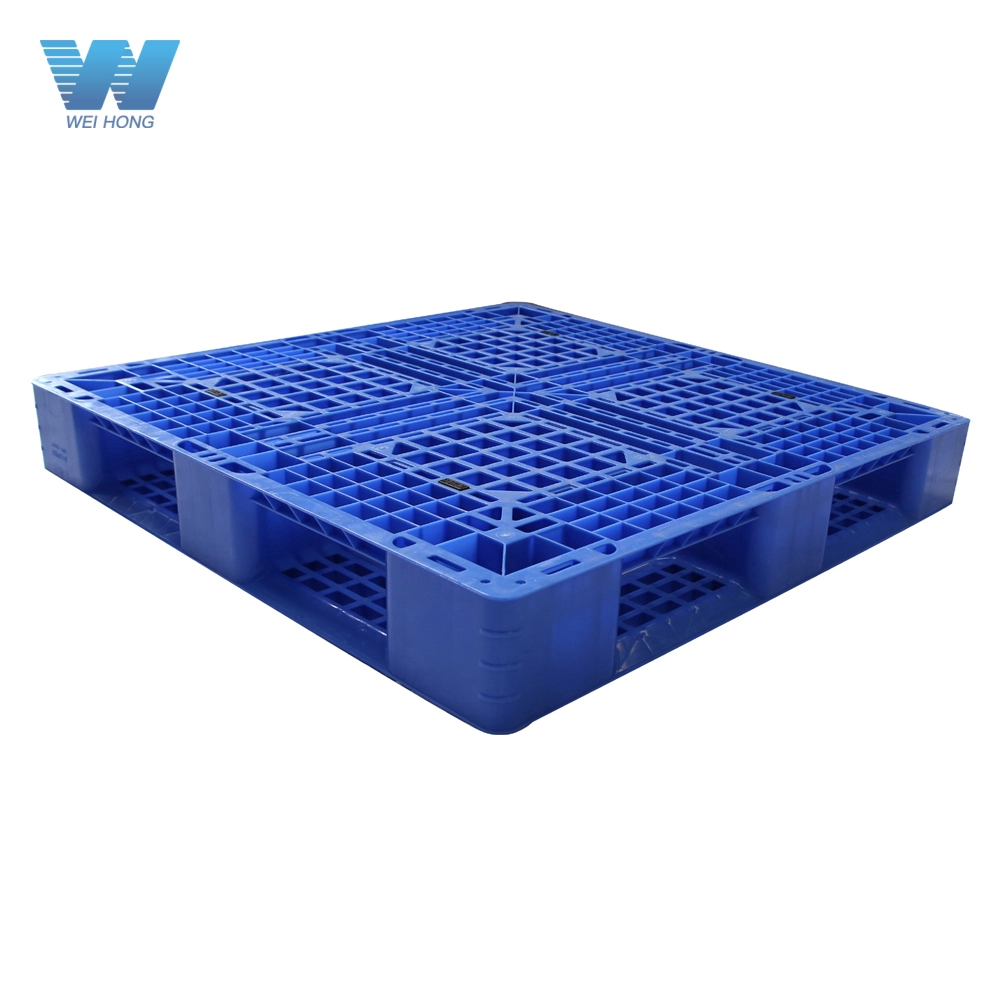
ZJ1111-150L Six-runner Single-sided Plastic Pallet
The six-runner plastic pallet, open or closed deck, is a solid and durable packaging solution designed for general and medium to heavy-duty cargo stacking, storage and transport. It’s made of virgin HDPE or PP, featuring in robust structure, a reinforced configuration with steel cores for the rack and shelf, and a steady loading capacity.
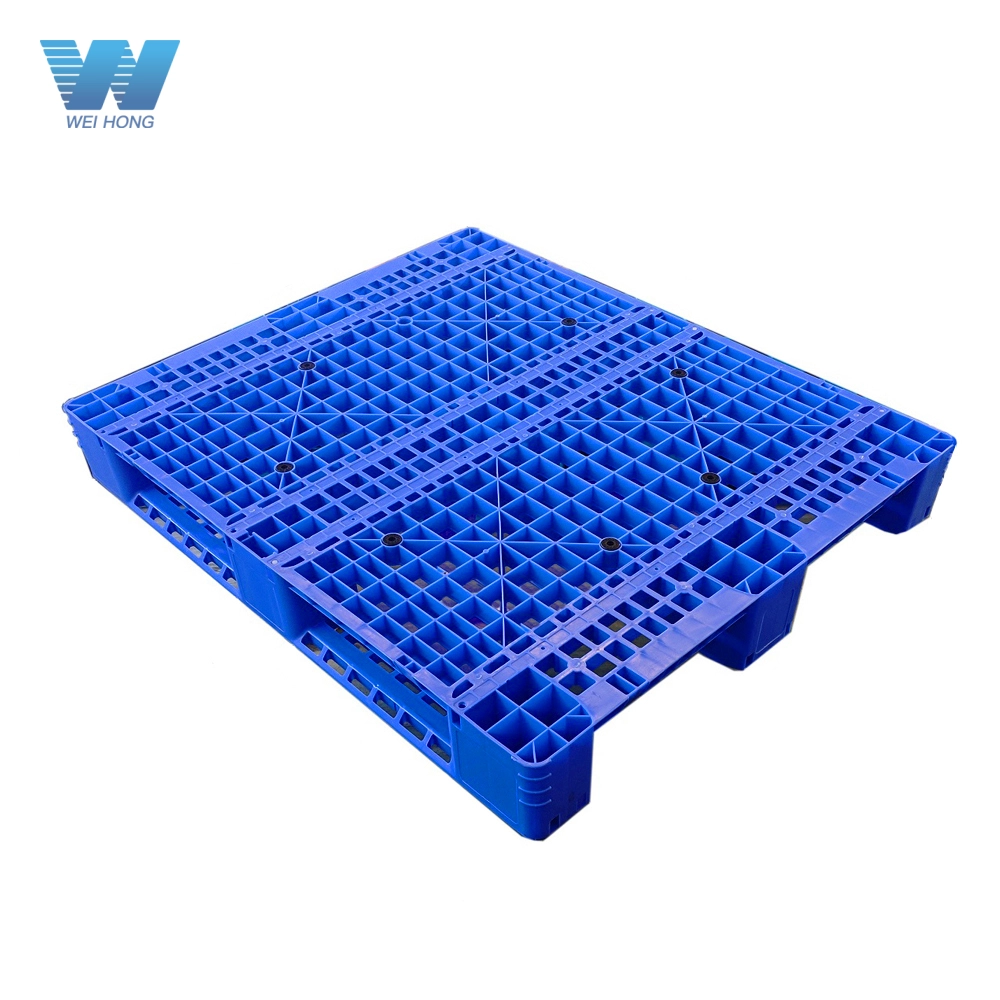
ZJ1210-150A Three-runner Single-sided Plastic Pallet
The three-runner single-sided plastic pallet is a solid and durable packaging solution designed for general and medium to heavy-duty cargo storage, transport and automated storage and retrieval system (AS/RS) use. It’s made of virgin HDPE or PP, featuring in robust structure, reinforced configuration with steel cores for rack and shelf, and a steady loading capacity.
Request More Information About Plastic Pallets
Have questions or need detailed insights on this article? Fill out the form below to contact our team for comprehensive information and support related to our plastic pallet solutions.
Contact us


+86 138 0277 8204
+86 183 4431 0917
+86 195 3791 1860

No. 15-1, Fengying Rd., Taiping Town, Conghua Dist., Guangzhou City, Guangdong Province, China.
Weihong
Whatsapp: +8613802778204
Guangdong Weihong Plastic Technology Co., Ltd.
Scan QR Code