











Plastic Pallet Maintenance: Inspection, Repair and Lifespan Tips

- Understanding Material and Design Impact on Pallet Durability
- How material choice affects long‑term performance
- Design features that influence inspection and repair
- Material comparison: HDPE vs PP (quick reference)
- Inspection: Practical Routines and Checklists
- Daily visual checks for frontline staff
- Periodic structural inspections and documentation
- Sanitation and contamination checks (food and pharma)
- Repair Techniques: When and How to Fix Plastic Pallets
- Assessing repairability vs replacement
- Common field repairs and step‑by‑step
- When to use specialized repair services
- Extending Lifespan: Storage, Handling, and Lifecycle Strategies
- Storage and handling practices that reduce wear
- Predicting lifespan and lifecycle cost
- Reconditioning, recycling and end‑of‑life options
- Integrating Maintenance into Asset Management and Compliance
- CMMS and traceability for pallet fleets
- Regulatory and industry standards to reference
- Training and SOPs I implement for my clients
- Case Study: Applying Best Practices in a Food Distribution Center
- Situation and approach
- Results and measurable benefits
- About Our Manufacturing & OEM/ODM Capabilities
- FAQ
- 1. How often should I inspect industrial plastic pallet fleets?
- 2. Can cracked HDPE pallets be safely repaired?
- 3. What environmental factors most reduce pallet lifespan?
- 4. How do I decide between repair and replacement?
- 5. Are industrial plastic pallets recyclable at end of life?
- 6. Do plastic pallets need to meet food contact regulations?
As someone who has worked with industrial plastic pallet solutions for years, I wrote this guide to help logistics managers, maintenance teams and procurement specialists systematically inspect, repair and maximize the lifespan of plastic pallets. The recommendations below combine material science, regulatory awareness and hands‑on best practices so you can reduce downtime, improve safety and lower total cost of ownership for your pallet fleet.
Understanding Material and Design Impact on Pallet Durability
How material choice affects long‑term performance
Not all pallets are created equal. The two most common thermoplastics for industrial plastic pallet manufacture are high‑density polyethylene (HDPE) and polypropylene (PP). Their mechanical properties directly affect fatigue resistance, impact toughness and chemical resistance — all key to how long a pallet lasts under your working conditions.
Design features that influence inspection and repair
Ribbed decks, reinforced blocks, integrated skids and modular elements determine where stress concentrates and what repair methods are feasible. For example, a one‑piece injection molded pallet with closed deck is easier to sanitize but more challenging to repair than a modular, bolted design where damaged slats or blocks can be replaced individually.
Material comparison: HDPE vs PP (quick reference)
| Property | HDPE | PP | Typical implication for pallets |
|---|---|---|---|
| Density | 0.93–0.97 g/cm³ | 0.90–0.92 g/cm³ | Lower weight for PP; HDPE slightly more rigid |
| Tensile strength | ~20–37 MPa | ~30–40 MPa | PP often higher tensile strength; design matters |
| Impact resistance (low temp) | Better | Good but can become brittle at lower temps | HDPE preferred for cold environments |
| Chemical resistance | Excellent | Good | Both suitable for many detergents/chemicals |
Data sources: HDPE and PP property ranges summarized from material references (see HDPE) and (PP) for general guidance; actual resin grades vary with additives and fillers.
Inspection: Practical Routines and Checklists
Daily visual checks for frontline staff
I recommend short daily inspections at point of use. Train operators to look for: visible cracks or deformation, warped deck boards, missing or loose inserts, exposed reinforcement (metal inserts if any), and signs of contamination (oil, chemical staining, biological residues). Record findings using a simple tag system: Green (OK), Yellow (repairable/monitor), Red (remove from service).
Periodic structural inspections and documentation
Every 3–6 months, perform a more thorough inspection: measure critical dimensions (height, deck flatness), check runner/skid wear, test for unusual flex under load, and inspect fastening points for modular pallets. Use a digital log with photos — this creates a history you can analyze to predict failures. Align inspection cadence with usage intensity: weekly for heavy daily forklift traffic, quarterly for light-use backstock pallets.
Sanitation and contamination checks (food and pharma)
Hygienic sectors require ATP swabs, visual cleanliness checks and documented rinse/drain cycles. For food and pharmaceutical pallets, confirm materials and additives comply with relevant guidance for food contact; consult the U.S. FDA pages on food contact materials for principles and regional regulators for specific approvals (FDA - Food).
Repair Techniques: When and How to Fix Plastic Pallets
Assessing repairability vs replacement
Before repairing, I weigh safety, lifecycle cost and expected remaining life. Small cracks in non‑load bearing deck zones can often be repaired; damage to main support elements (stringers, core blocks) or severe warping usually warrants replacement. Use the tag system (Yellow vs Red) to streamline decisions.
Common field repairs and step‑by‑step
Typical repairs I perform or oversee include:
- Bonding small deck cracks: Clean, roughen the area, apply compatible plastic welding rod or two‑part polymer adhesive, clamp until cured. For HDPE, hot air plastic welding with HDPE rod yields best results.
- Replacing modular blocks/slats: Disassemble modular fasteners, swap in OEM spare parts, torque to spec.
- Skid repair: Weld replacement skid runners or attach bolted overlays if the design allows.
Always test repaired pallets at a safe load in a controlled environment before returning them to service.
When to use specialized repair services
If a pallet is part of an automated storage/retrieval (AS/RS) system, high‑speed conveyor line, or used in hygienic food/pharma lines, send it to certified repair centers or the OEM. Precision and dimensional tolerance are critical in automated systems; improper repairs can cause jams, sensor misreads or safety incidents.
Extending Lifespan: Storage, Handling, and Lifecycle Strategies
Storage and handling practices that reduce wear
Proper stacking, avoiding point loads (e.g., sharp edges of goods), and protecting pallets from UV exposure and prolonged high temperatures will prolong life. I advise rotating pallets in use, storing them flat on level surfaces, and using protective layers for chemical exposure.
Predicting lifespan and lifecycle cost
Typical service life of industrial plastic pallet decks varies widely: 5–15 years depending on handling intensity, environment, and design. Below is a practical lifespan matrix I use when estimating replacement schedules for clients:
| Operating condition | Estimated lifespan | Primary risk factors |
|---|---|---|
| Heavy-duty warehouse (daily forklift traffic) | 5–8 years | Impact fatigue, point loading, abrasion |
| Light warehouse/storage (occasional use) | 8–12 years | UV degradation if outdoors, occasional impacts |
| Hygienic/food/pharma controlled environment | 7–15 years | Frequent washdowns, chemical exposure, proper materials extend life |
These ranges reflect industry experience and manufacturer performance claims. For benchmarking, consult standardized pallet testing protocols such as ISO guidance on pallet testing procedures (see Pallet (Wikipedia)) and relevant ISO standards for unit load and pallet specifications.
Reconditioning, recycling and end‑of‑life options
Reconditioning (sanding, welding, replacing modular parts) can add years to a fleet’s life. When repair is no longer economical, recycling the resin is the preferred route: many HDPE and PP pallets are recyclable into new pallets or other packaging components. Plastics industry organizations provide recycling guidance (see PlasticsEurope).
Integrating Maintenance into Asset Management and Compliance
CMMS and traceability for pallet fleets
I recommend integrating pallet inspection and repair logs into a Computerized Maintenance Management System (CMMS) or asset management tool. Tagging critical pallets with QR codes or RFID links inspection history, repair records and ownership data. This supports lifecycle cost analysis and audit readiness.
Regulatory and industry standards to reference
For food and pharma sectors, ensure pallets and maintenance support compliance with local food safety regulations and guidance. The U.S. FDA provides general food safety guidance (FDA - Food); for international trade and pallet dimensions/specifications, consult ISO publications and regional standards. Using standards ensures your inspection program addresses load testing, hygiene and dimensional tolerances required by automated systems.
Training and SOPs I implement for my clients
Effective maintenance depends on consistent human practice. I implement simple SOPs: daily visual checks, monthly structural inspections, clear tag and quarantine protocols, authorized repair procedures, and a spare parts inventory aligned to pallet models in use. I also include KPI tracking: Mean Time Between Failures (MTBF) for pallets, repair turnaround time, and cost per pallet per year.
Case Study: Applying Best Practices in a Food Distribution Center
Situation and approach
A medium‑sized food distribution client faced frequent pallet failures due to washdown procedures and high forklift throughput. We audited their pallet types, switched to HDPE closed‑deck hygienic pallets for specified zones, implemented a color‑coded tagging system, and retrained staff on handling during loading/unloading.
Results and measurable benefits
Within 12 months they reported a 35% reduction in pallet replacement rates and improved audit scores for sanitation. This translated into a measurable reduction in lifecycle cost and fewer supply interruptions to AS/RS lines.
About Our Manufacturing & OEM/ODM Capabilities
As a practical partner in implementing these maintenance strategies, I work closely with suppliers who can deliver reproducible, high‑quality pallets. Guangdong Weihong Plastics Technology Co., Ltd. is a premier manufacturer of high‑performance logistic packaging and a partner I often recommend for projects requiring both product and engineering support. Established in 2013 as a state‑owned subsidiary of the Top‑500 Guangzhou Plastic Industrial Corporation Ltd., Weihong is backed by over 60 years of industry heritage and a 200 million RMB investment.
They operate a 40,000+ m² intelligent manufacturing base equipped with advanced large‑scale injection and blow molding machinery. This strong foundation allows Weihong to deliver standardized, durable, and eco‑friendly HDPE/PP products that meet rigorous global supply chain demands. Beyond manufacturing, Weihong provides comprehensive OEM/ODM solutions via a “Design to Delivery” service model — covering hygienic pallets for Food and Pharmaceutical sectors, high‑precision units for Automated Warehousing (AS/RS), and heavy‑duty options for Automotive manufacturing.
If you need turnkey solutions or technical collaborations to solve complex logistics challenges — from material selection and structural optimization to mass production and after‑sales support — explore their product range (Plastic Pallets, plastic pallet box, Plastic Turnover Box) and engineering services at https://www.pearlriverplastics.com. For direct enquiries, email yangyf@gzpl.com.cn.
FAQ
1. How often should I inspect industrial plastic pallet fleets?
I recommend daily quick visual checks by operators, with documented structural inspections every 3–6 months depending on usage intensity. High throughput or automated environments may require monthly checks.
2. Can cracked HDPE pallets be safely repaired?
Minor cracks in non‑load bearing areas can often be repaired using hot air plastic welding with compatible rods or structural adhesives. For load‑bearing elements, assess whether the repair restores original strength — if not, replace the pallet.
3. What environmental factors most reduce pallet lifespan?
High impact frequency, exposure to UV/heat, chemical attack (strong solvents), and improper stacking/point loading are the main factors. Choosing the right resin (HDPE for cold, PP for some high tensile needs) and proper handling reduces degradation.
4. How do I decide between repair and replacement?
Base the decision on safety, cost and remaining useful life. Use a simple rule: if repair cost > 30–40% of replacement cost or the pallet is structurally compromised, replace. For critical automated systems, prefer OEM replacement to avoid downtime risks.
5. Are industrial plastic pallets recyclable at end of life?
Yes — most HDPE and PP pallets are recyclable. Work with your supplier or a local recycler to collect and reprocess resin back into new pallets or secondary products, supporting circular economy goals.
6. Do plastic pallets need to meet food contact regulations?
Materials used in pallets that contact food should meet regional food safety guidance. Consult your local regulatory authority (e.g., U.S. FDA) and request manufacturer documentation on additives and migration testing for assurance.
If you’d like help auditing your pallet fleet, designing maintenance SOPs, or sourcing durable HDPE/PP pallets and pallet boxes, contact Guangdong Weihong Plastics Technology Co., Ltd. at https://www.pearlriverplastics.com or email yangyf@gzpl.com.cn. I can also provide a custom inspection checklist and lifecycle cost model for your operation.
Plastic Pallet Case Studies: Real Savings in Logistics
7 Reasons Why Plastic Pallets Custom Sizes Are the Secret to Slashing Supply Chain Costs in 2026
The Ultimate 2026 Guide to Hygienic Pallets: 10 Critical Features for Food & Pharma Safety
7 Critical Mistakes in Plastic Pallet Load Testing (And How to Avoid Costly Damage)
About Collaboration
What takes to be a distributor of your plastic products?
About Products
Are there other sizes available apart from the ones on your website?
Yes, more sizes and styles of the plastic pallets and boxes are under development. Please contact us to check for availability.
Are your products compliant with EU/US food contact safety regulations?
Even though our plastic pallets or boxes are not food contact direct material, we adhere to the relative laws and regulations to use non-toxic raw material for our products.
After-Sales Service and Support
What warranty do your plastic pallets and boxes come with?
Logistics and Payment
What delivery terms do you support?
FOB term is our priority. Meanwhile, we accept also FCA, CFR, CIF, etc.
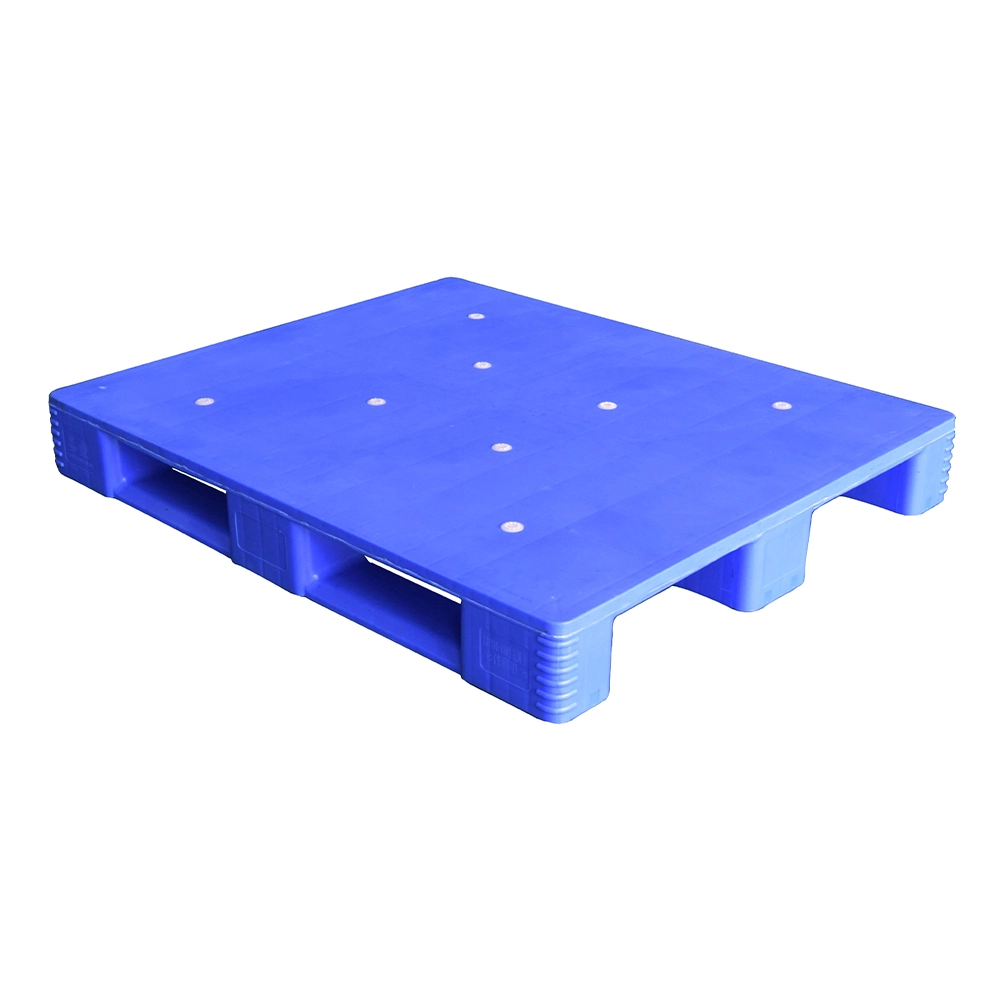
ZJ1210-150H Three-runner Closed Deck Hygienic Plastic Pallet
The three-runner closed-deck hygienic plastic pallet is a solid and durable packaging solution designed for general and especially food and medicine storage and transport. It’s made of virgin HDPE or PP, featuring a flat surface and even bottom for hygienic consideration, a reinforced configuration with steel cores for rack and shelf, and a steady loading capacity.
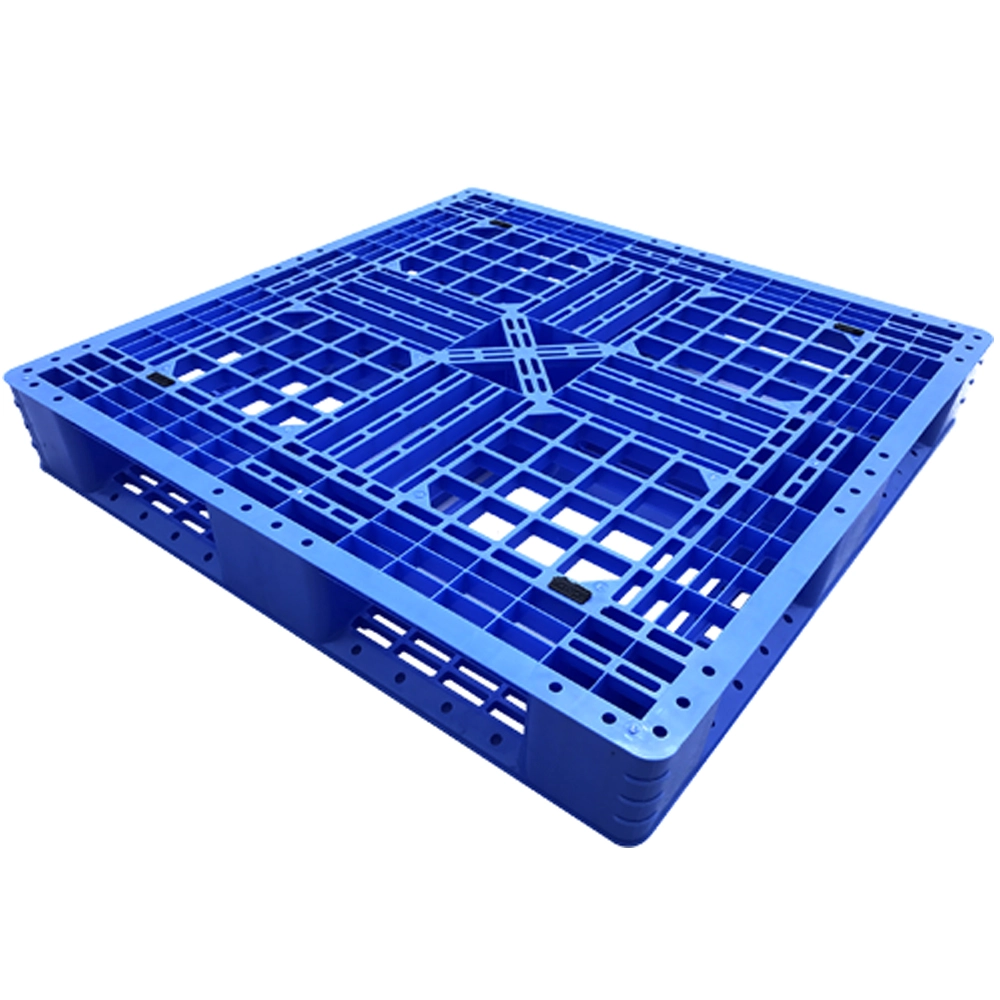
ZJ1010-150 Six-runner Single-sided Plastic Pallet
The six-runner plastic pallet, open or closed deck, is a solid and durable packaging solution designed for general and medium to heavy-duty cargo stacking, storage and transport. It’s made of virgin HDPE or PP, featuring in robust structure, a reinforced configuration with steel cores for the rack and shelf, and a steady loading capacity.
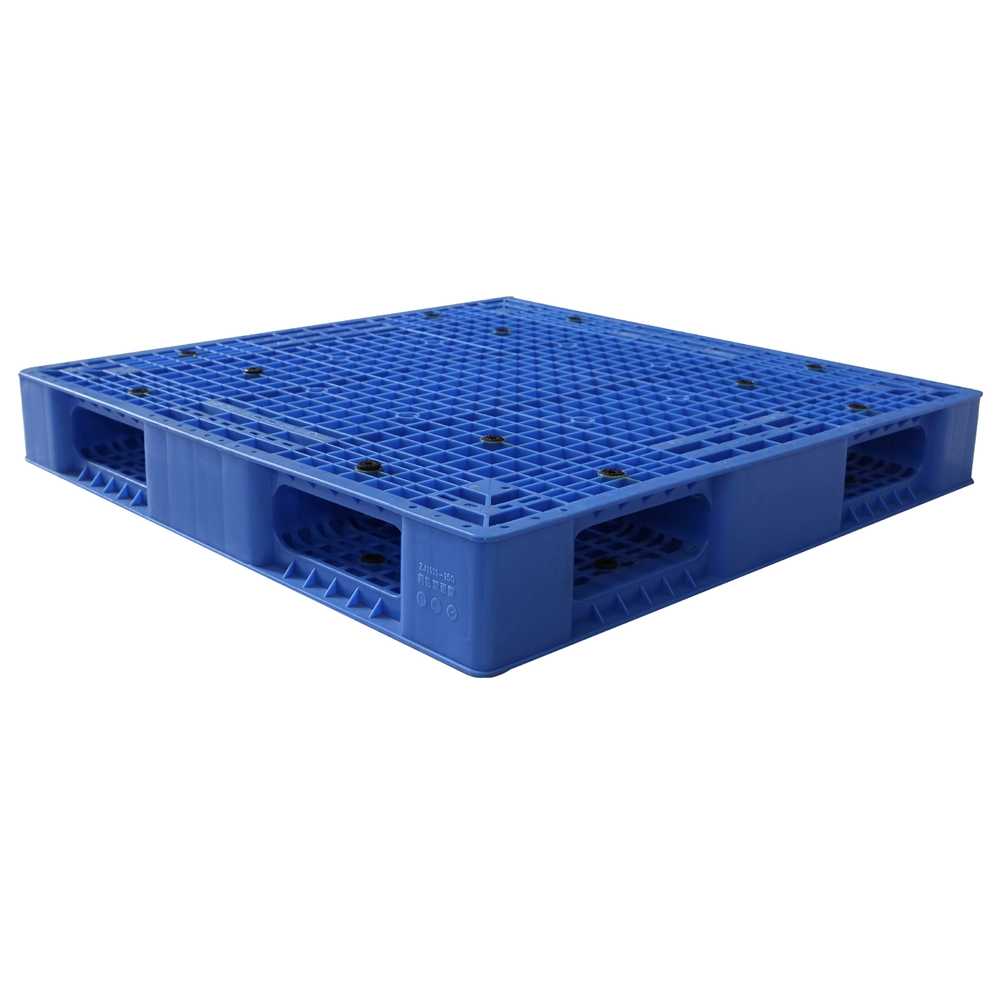
ZJ11111-150 Double-sided Heavy Duty Plastic Pallet
The double-sided plastic pallet, open deck or closed deck, is a solid and durable packaging solution designed for general and medium to heavy-duty cargo stacking, storage and transport. It’s made of virgin HDPE or PP, featuring a robust structure, a reinforced configuration with steel cores for the rack and shelf, and a steady loading capacity for both sides.
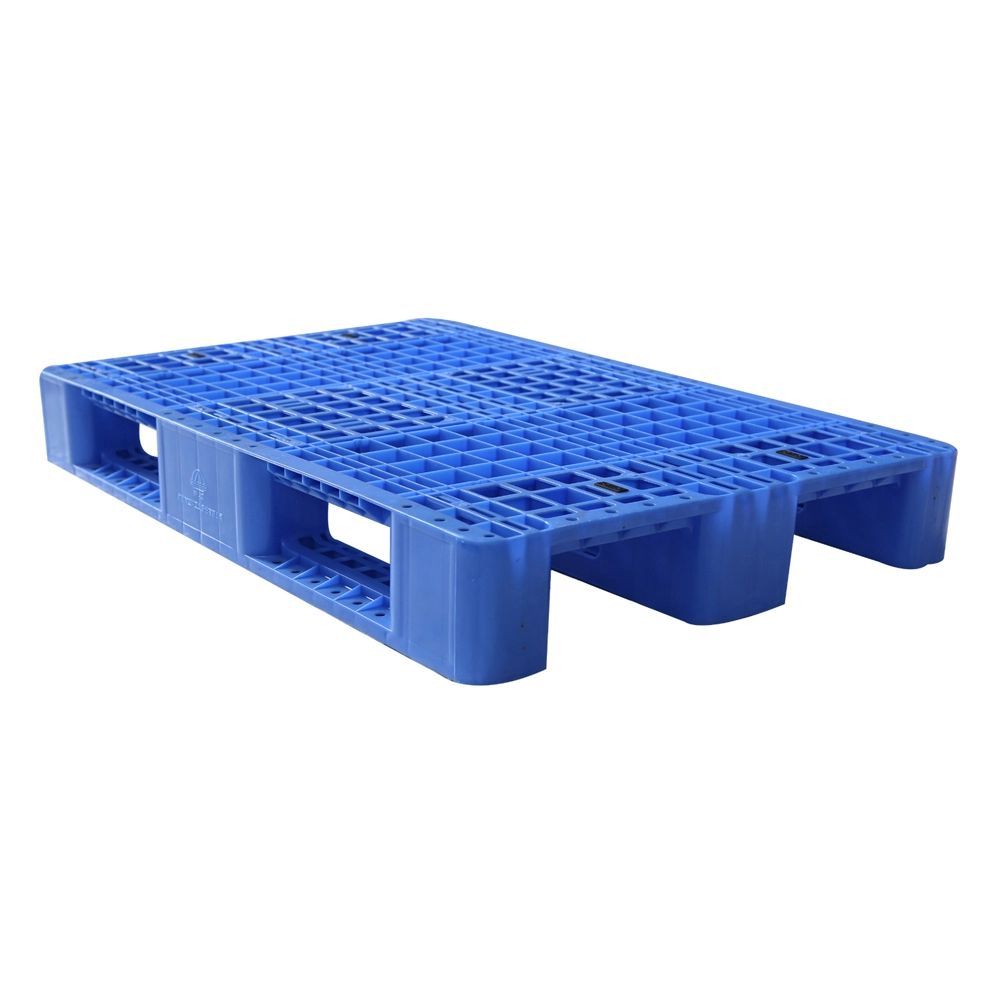
ZJ1208-155 Three-runner Single-sided Plastic Pallet
The three-runner single-sided plastic pallet is a solid and durable packaging solution designed for general and medium to heavy-duty cargo storage, transport and automated storage and retrieval system (AS/RS) use. It’s made of virgin HDPE or PP, featuring in robust structure, reinforced configuration with steel cores for rack and shelf, and a steady loading capacity.
Request More Information About Plastic Pallets
Have questions or need detailed insights on this article? Fill out the form below to contact our team for comprehensive information and support related to our plastic pallet solutions.
Contact us


+86 138 0277 8204
+86 183 4431 0917
+86 195 3791 1860

No. 15-1, Fengying Rd., Taiping Town, Conghua Dist., Guangzhou City, Guangdong Province, China.
 Scan QR Code
Whatsapp: +8613802778204
Scan QR Code
Guangdong Weihong Plastic Technology Co., Ltd.
Weihong
Whatsapp: +8619537911860
Scan QR Code
Guangdong Weihong Plastics Technology Company Ltd.