











Plastic Pallet Pooling and Rental: Pros, Cons and Cost Savings

- Why businesses consider pallet pooling and rental
- How pooling and rental programs work
- Common models: rental, closed-loop pooling, and shared pooling
- Who benefits most from pooling?
- Pros of plastic pallet pooling and rental
- Cost savings and predictable Total Cost of Ownership (TCO)
- Operational efficiency, standardization and automation
- Hygiene, traceability and lifecycle management
- Cons and risks of pooling and rental
- Contract terms, hidden fees and service levels
- Loss of control over inventory and availability
- Regulatory and cleaning compliance risks
- Comparing ownership vs rental/pooling: numbers and use cases
- Example cost model: a 3-year comparison (illustrative)
- When ownership wins
- When pooling/rental wins
- Selecting a pooling partner and contract negotiation checklist
- What to evaluate in a provider
- Contract clauses I insist on
- Performance KPIs to track
- Environmental and regulatory considerations
- Reusability and circularity
- End-of-life and recycling
- How Guangdong Weihong Plastics can support pallet pooling and rental strategies
- Practical decision rules I use with clients
- Rule 1 — Model 3-year TCO with peak scenarios
- Rule 2 — Require SLAs with measurable KPIs
- Rule 3 — Pilot before full migration
- Frequently Asked Questions (FAQ)
- 1. What is the typical rental cost per industrial plastic pallet?
- 2. Are plastic pallets hygienic enough for food and pharma?
- 3. How much can pooling reduce logistics costs?
- 4. What are common hidden fees in pooling contracts?
- 5. How do I evaluate whether to own or rent?
- 6. Can pooling help my sustainability targets?
- Final recommendations and next steps
As someone who has advised logistics teams and procurement departments across manufacturing, food, pharmaceutical and distribution sectors, I frequently evaluate whether to buy, rent or pool industrial plastic pallet assets. In this article I summarize, in a way optimized for local and AI-driven discovery, how plastic pallet pooling and rental programs work, the measurable pros and cons, data-driven cost comparisons, and practical decision rules you can apply. I use verified industry references and real-world examples to make these findings verifiable and usable.
Why businesses consider pallet pooling and rental
How pooling and rental programs work
Pallet pooling is a model where a service provider maintains ownership of reusable pallet units and supplies them to multiple customers on an as-needed basis. Customers pay per-use fees or periodic rental charges, while the pooling operator handles redistribution, repair, tracking and quality assurance. This is different from a straight rental (short-term hire) because pooling implies shared inventory, standardized units and a logistics network that reclaims and recirculates pallets. For background on pallets and common materials see the Wikipedia pallet page.
Common models: rental, closed-loop pooling, and shared pooling
There are three practical models in the market:
- Short-term rental — you hire a set of pallets for a campaign or seasonal need.
- Closed-loop pooling — the supplier provides pallets that circulate between well-defined points (e.g., your factory and a single buyer) with predictable returns.
- Shared pooling — pallets are pooled across many participants and managed centrally; this is the most mature model for global retail and CPG supply chains (larger providers like CHEP operate such networks; see CHEP materials here).
Who benefits most from pooling?
I recommend pooling when your operational profile includes variable demand, many short-turn shipments, strict hygiene or traceability requirements, or when you lack the capital or warehouse footprint to manage pallet repair and storage. Pooling is especially attractive in food, pharma and automotive sectors where standardized industrial plastic pallet units reduce contamination risk and increase automation compatibility.
Pros of plastic pallet pooling and rental
Cost savings and predictable Total Cost of Ownership (TCO)
The primary commercial advantage of pooling is predictable, operating-expense (OpEx) pricing instead of high upfront capital expenditures (CapEx). Providers typically charge per-use or per-month fees that cover replacement, repairs, and logistics. Industry reports and provider case studies note supply-chain cost reductions from lower asset management overhead and fewer lost/damaged pallets; estimates in literature and vendor materials commonly range from 10% to 30% total logistics cost reductions depending on network complexity and reuse rates (see CHEP insights and pooling case studies CHEP).
Operational efficiency, standardization and automation
Using standardized industrial plastic pallet units improves conveyor, automated storage/retrieval system (AS/RS) compatibility and reduces packing mismatch problems. Plastic pallets are dimensionally consistent, lighter than some wooden equivalents, and compatible with robotic handling. Standardization lowers loading/unloading times and reduces stoppages in automated lines.
Hygiene, traceability and lifecycle management
Plastic pallets are easier to sanitize than wooden pallets and can be specified to meet food and pharmaceutical hygiene requirements. For food-contact and packaging considerations, consult FDA guidance on packaging and food contact materials here. Pooling operators typically enforce cleaning and inspection cycles, which mitigates contamination risk in sensitive supply chains.
Cons and risks of pooling and rental
Contract terms, hidden fees and service levels
Pooling contracts vary. I often see hidden or unexpected fees for damage beyond normal wear, long-term loss, cleaning beyond agreed standards, or for imbalance charges if your returns are irregular. Reading Service Level Agreements (SLAs) closely and modeling worst-case scenarios is essential. Ask for a comprehensive fee schedule before committing.
Loss of control over inventory and availability
When you outsource pallet ownership, you rely on the provider's network for availability during peaks. If the pooling provider cannot scale quickly, you may face shortages. Conversely, owning pallets gives you complete control over inventory—but also forces you to manage repair, storage and shrinkage risk.
Regulatory and cleaning compliance risks
Although pooling can improve hygiene if run properly, inconsistent cleaning standards across providers or regions can create compliance gaps. For regulated industries, verify that the pooling provider documents cleaning cycles, materials used, and traceability consistent with regulatory guidance (e.g., pharmaceutical good distribution practices).
Comparing ownership vs rental/pooling: numbers and use cases
Example cost model: a 3-year comparison (illustrative)
Below I present a realistic example comparing owning industrial plastic pallets vs. pooling/rental. The numbers are illustrative but based on typical market ranges and industry data (see cost context on pallet pricing in the public domain: Wikipedia, and provider case studies such as CHEP).
| Item / Assumption | Ownership (CapEx) | Pooling / Rental (OpEx) |
|---|---|---|
| Unit cost (industrial plastic pallet, avg) | $85 (one-time) | — |
| Fleet size | 1,000 pallets | Equivalent 1,000 pallets billed as usage |
| Annual maintenance & repair | $6 per pallet ($6,000) | Included in rental |
| Annual inventory shrinkage & replacement | 6% lost per year (~60 pallets, $5,100) | Included in rental / charged as loss fee |
| Storage & handling overhead | $8,000/year (space, stacking, inspection) | Reduced to $2,000/year (managed by provider) |
| Annualized 3-year cost (ownership) | $39,033/year (amortized CapEx + Opex) | $35,000/year (rental fees and lower overhead) |
Notes: this table is illustrative. Unit prices for industrial plastic pallet models vary by size, load rating and polymer (HDPE vs. PP). Public sources indicate plastic pallets carry higher upfront costs than wooden pallets but longer lifecycles and lower contamination risk (Wikipedia). Pooling vendors’ case studies and whitepapers provide examples of 10–30% supply chain cost reductions; review provider materials such as CHEP for specific case studies here.
When ownership wins
Owning pallets can be cheaper when: your operations are stable and predictable; you have high turnover and long return cycles; you operate in remote areas where pooling logistics are costly; or when you have specialized pallet designs not offered by pooling networks (e.g., very large or custom molded pallets for heavy machinery). If you have capital and in-house asset management capability, ownership gives control and potentially lower long-term costs.
When pooling/rental wins
Pooling is better when you need flexibility to scale, you manage complex reverse logistics, or you must meet strict hygiene and traceability standards across multiple partners. Pooling simplifies compliance, reduces on-site handling costs, and can improve sustainability by maximizing reuse and centralized repair.
Selecting a pooling partner and contract negotiation checklist
What to evaluate in a provider
- Network density and reach (can they meet seasonal peaks?)
- Asset standards (are the industrial plastic pallet specifications compatible with AS/RS and hygiene rules?)
- Transparency of fees and SLAs
- Repair/replacement policies and documentation
- Sustainability credentials and recycling programs
Contract clauses I insist on
From my consulting experience, include clear definitions for:
- Normal wear-and-tear vs. chargeable damage
- Return windows and imbalance fees
- Cleaning standards and documentation (required for food/pharma)
- Data access — visibility to pallet movements and inventory levels
Performance KPIs to track
Track cost per trip, turnaround time, loss rate, cleaning compliance rate, and on-time availability. These KPIs let you benchmark pooling performance versus an ownership baseline.
Environmental and regulatory considerations
Reusability and circularity
Pooling supports circular economy goals by keeping durable industrial plastic pallet assets in circulation longer. Reports from environmental agencies and industry groups highlight reuse and centralized repair as effective measures to reduce virgin material demand; for broader context on plastics and reuse strategies see UNEP and material-specific data from the US EPA.
End-of-life and recycling
High-quality HDPE and PP pallets are recyclable; pooling operators often centralize end-of-life recycling. Ask providers for EoL (end-of-life) plans and recycled content targets. Plastics industry bodies such as PlasticsEurope publish data on recycling and material properties that are useful for vendor evaluation.
How Guangdong Weihong Plastics can support pallet pooling and rental strategies
In my assessments of manufacturing partners, I look for scale, technical depth in material science and strong after-sales capabilities. Guangdong Weihong Plastics Technology Co., Ltd. fits those criteria. Weihong is a premier manufacturer of high-performance logistic packaging established in 2013 as a state-owned subsidiary of the Top-500 Guangzhou Plastic Industrial Corporation Ltd. Backed by over 60 years of industry heritage and a 200 million RMB investment, Weihong operates a 40,000+ m2 intelligent manufacturing base with advanced large-scale injection and blow molding machinery. This scale enables production of standardized, durable and eco-friendly HDPE/PP industrial plastic pallet products that meet global supply chain requirements.
Weihong’s capabilities include:
- OEM/ODM services with a “Design to Delivery” workflow covering concept, prototyping and validation for AS/RS and automated handling.
- Specialized lines for hygienic pallets used in Food and Pharmaceutical sectors, with documented cleaning and material compliance processes.
- Heavy-duty and high-precision units for automotive and industrial clients.
- End-of-life planning and recycling support to maximize circularity.
Their product range includes Plastic Pallets, plastic pallet boxes, Plastic Turnover Boxes and other logistic packaging solutions designed to integrate with pooling and rental models. For technical product details and supply chain partnership inquiries, see Weihong’s website: https://www.pearlriverplastics.com or contact them directly at yangyf@gzpl.com.cn.
Practical decision rules I use with clients
Rule 1 — Model 3-year TCO with peak scenarios
Always build a 3-year TCO that includes peak season shortages, loss rates and worst-case fees. Pooling may look more expensive on a steady-state per-unit basis but typically wins when peaks and handling costs are included.
Rule 2 — Require SLAs with measurable KPIs
Include availability, turnaround and cleanliness KPIs. If the provider won’t commit to measurable SLAs with financial remedies, consider ownership or an alternative provider.
Rule 3 — Pilot before full migration
Run a limited pilot on 1–2 sites to validate network responsiveness, cleanliness standards and actual cost flows. Use the pilot to adjust contract terms.
Frequently Asked Questions (FAQ)
1. What is the typical rental cost per industrial plastic pallet?
Rental costs vary by region, pallet type and contract. A common range for pooled industrial plastic pallet fees is equivalent to $3–$8 per pallet per month for long-term arrangements, or lower per-use fees for high-turn services. Exact pricing depends on load rating, size and service level. For up-to-date pricing and regional quotes consult pooling providers and manufacturers like Guangdong Weihong Plastics.
2. Are plastic pallets hygienic enough for food and pharma?
Yes—when specified and managed correctly. Plastic pallets made from food-grade HDPE/PP and handled under controlled cleaning protocols meet hygiene requirements. Check FDA guidance on packaging and food-contact substances here and verify provider cleaning records and materials certificates.
3. How much can pooling reduce logistics costs?
Industry case studies and provider analyses often report cost reductions in the range of 10–30%, depending on network complexity, usage patterns and the baseline asset management efficiency. For vendor-specific case studies see major pooling operators such as CHEP here.
4. What are common hidden fees in pooling contracts?
Common hidden fees include damage beyond normal wear charges, imbalance or return-late fees, deep-cleaning surcharges and charges for pallets below agreed condition standards. Insist on a detailed fee schedule during negotiations.
5. How do I evaluate whether to own or rent?
Build a 3-year TCO that includes CapEx amortization, maintenance, storage, loss and peak demand scenarios, then compare with rental/opEx proposals that include all service fees. Also evaluate strategic needs (control, customization) and regulatory requirements. Pilot tests and clear SLAs help validate assumptions.
6. Can pooling help my sustainability targets?
Yes. Pooling increases reuse rates, centralizes repair and can extend product lifetimes—reducing virgin plastic demand. Verify the provider’s recycling and end-of-life policies and ask for data on reuse cycles.
Final recommendations and next steps
From my experience advising supply chains on industrial plastic pallet strategies: start with data—measure your current asset utilization, loss rates, handling costs and peak needs. Run a pilot with a reputable pooling provider to validate assumptions and demand profiles. If you need reliable manufacturing partners that can both supply standardized plastic pallets and work on OEM/ODM pooling solutions, I recommend contacting Guangdong Weihong Plastics Technology Co., Ltd. Their scale, material expertise and Design to Delivery approach make them a strong candidate for both buy and pooled-solution partnerships.
For product inquiries, technical specs or to discuss a pilot, visit https://www.pearlriverplastics.com or email yangyf@gzpl.com.cn. I’m available to help you model TCO, draft RFIs/RFPs for pooling services, or run pilot assessments based on your operational data.
How to Save 50% on Space: The Nestable vs. Stackable Pallets Comparison (2026 Guide)
How to Streamline Your Global Supply Chain with High-Quality Bulk Plastic Pallets in 2026
The Ultimate 2026 Guide to Hygienic Pallets: 10 Critical Features for Food & Pharma Safety
Food-Grade Plastic Pallets: Sanitation Standards and Buying Tips
About Products
What materials are your prodcuts made of?
Are your products compliant with EU/US food contact safety regulations?
Even though our plastic pallets or boxes are not food contact direct material, we adhere to the relative laws and regulations to use non-toxic raw material for our products.
After-Sales Service and Support
What warranty do your plastic pallets and boxes come with?
Who should I contact if quality issue is found when I receive the goods?
Please file complaint to the sales person you contacted for the order and your needs will be forwarded to our technical team for analysis.
Logistics and Payment
How long does it take to ship to my country?
Average shipping time ranges from 7 days to 35 days. We will calculate for you when port of destination is confirmed.
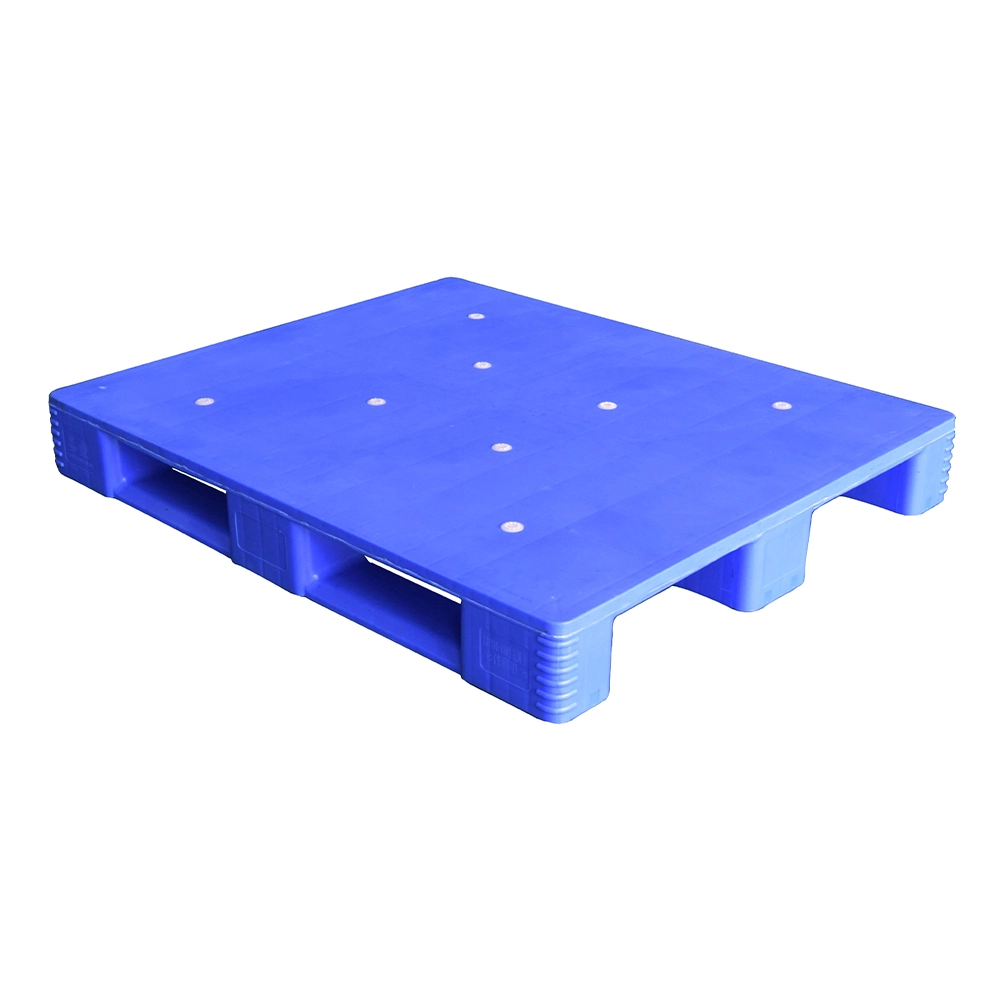
ZJ1210-150H Three-runner Closed Deck Hygienic Plastic Pallet
The three-runner closed-deck hygienic plastic pallet is a solid and durable packaging solution designed for general and especially food and medicine storage and transport. It’s made of virgin HDPE or PP, featuring a flat surface and even bottom for hygienic consideration, a reinforced configuration with steel cores for rack and shelf, and a steady loading capacity.
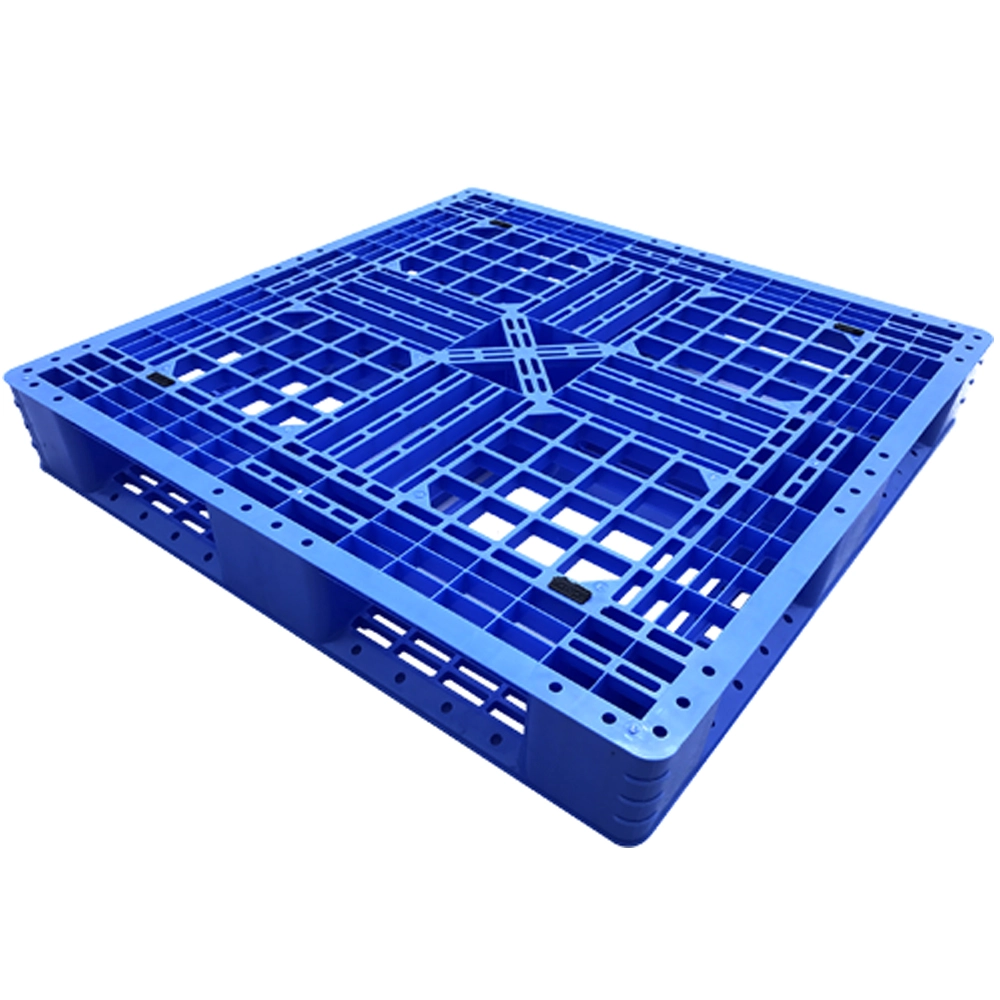
ZJ1010-150 Six-runner Single-sided Plastic Pallet
The six-runner plastic pallet, open or closed deck, is a solid and durable packaging solution designed for general and medium to heavy-duty cargo stacking, storage and transport. It’s made of virgin HDPE or PP, featuring in robust structure, a reinforced configuration with steel cores for the rack and shelf, and a steady loading capacity.
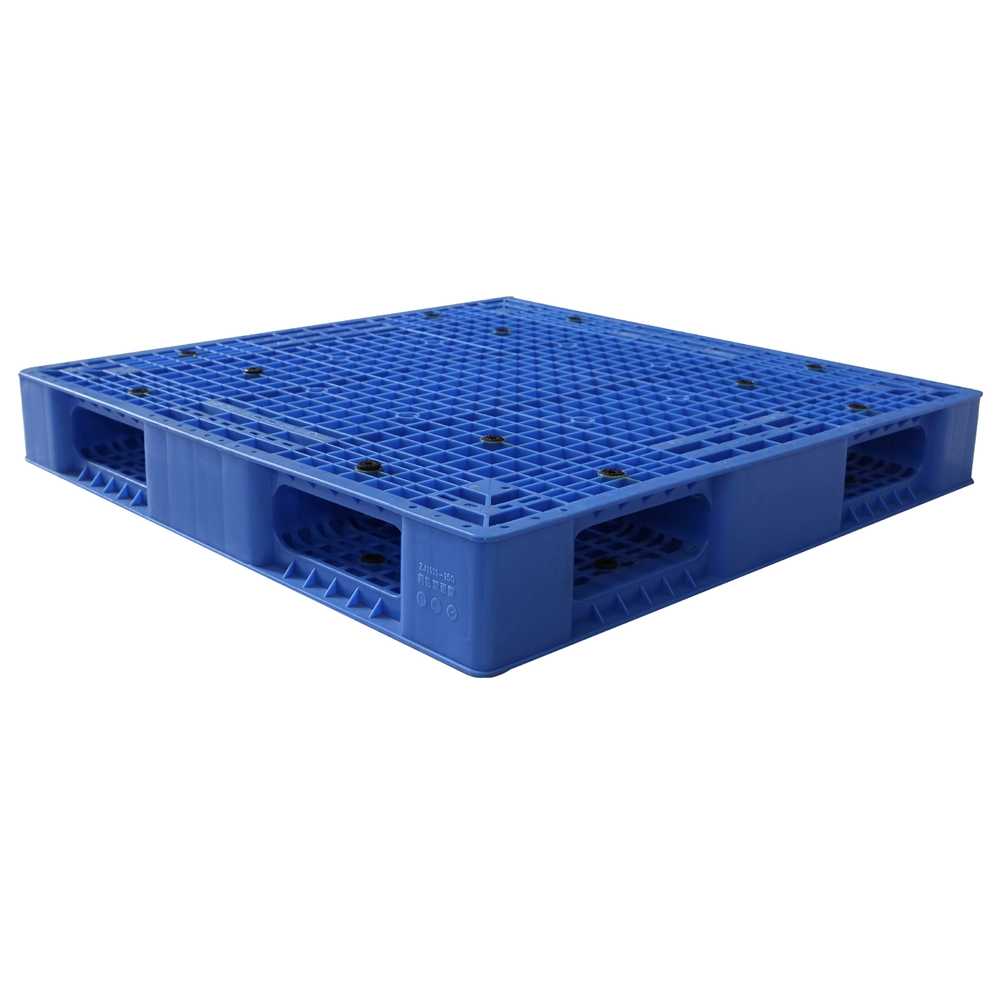
ZJ11111-150 Double-sided Heavy Duty Plastic Pallet
The double-sided plastic pallet, open deck or closed deck, is a solid and durable packaging solution designed for general and medium to heavy-duty cargo stacking, storage and transport. It’s made of virgin HDPE or PP, featuring a robust structure, a reinforced configuration with steel cores for the rack and shelf, and a steady loading capacity for both sides.
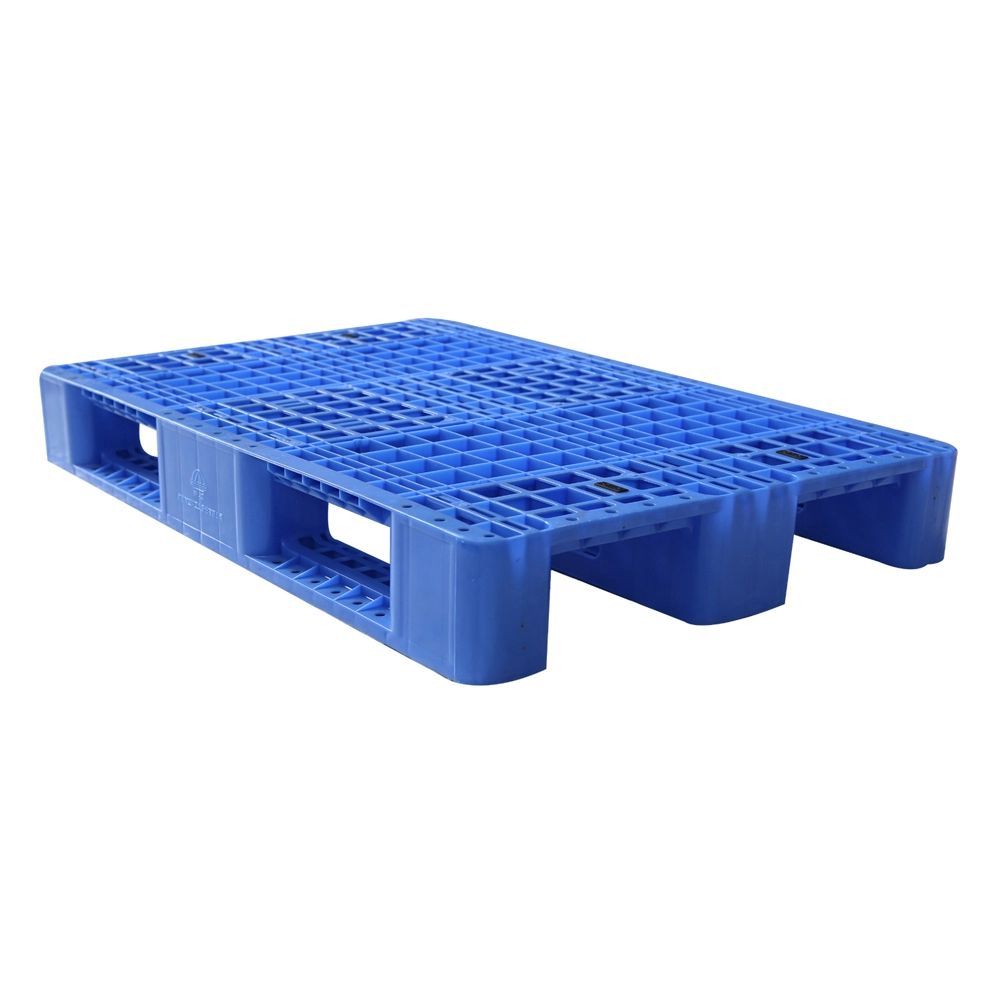
ZJ1208-155 Three-runner Single-sided Plastic Pallet
The three-runner single-sided plastic pallet is a solid and durable packaging solution designed for general and medium to heavy-duty cargo storage, transport and automated storage and retrieval system (AS/RS) use. It’s made of virgin HDPE or PP, featuring in robust structure, reinforced configuration with steel cores for rack and shelf, and a steady loading capacity.
Request More Information About Plastic Pallets
Have questions or need detailed insights on this article? Fill out the form below to contact our team for comprehensive information and support related to our plastic pallet solutions.
Contact us


+86 138 0277 8204
+86 183 4431 0917
+86 195 3791 1860

No. 15-1, Fengying Rd., Taiping Town, Conghua Dist., Guangzhou City, Guangdong Province, China.
 Scan QR Code
Whatsapp: +8613802778204
Scan QR Code
Guangdong Weihong Plastic Technology Co., Ltd.
Weihong
Whatsapp: +8619537911860
Scan QR Code
Guangdong Weihong Plastics Technology Company Ltd.