











Plastic Pallet Recycling and Sustainability: ROI for Buyers

- Why Material Choice Matters for Pallets
- Durability, reuse and lifecycle
- Hygiene and regulatory risk
- Recyclability and circularity
- Quantifying Costs and Environmental Impacts
- Comparative total cost of ownership (TCO)
- Carbon and lifecycle assessments
- Recycling rates and realistic recovery
- Calculating ROI: Practical Models for Buyers
- Simple ROI and payback model
- Key sensitivity levers
- Case example: Automated warehousing
- Operational Strategies to Maximize Sustainability and ROI
- Design for recyclability and circular contracts
- Cleaning protocols and contamination control
- Supplier selection and auditing
- How I work with manufacturers to secure ROI
- Partner Spotlight: Guangdong Weihong Plastics Technology Co., Ltd.
- Implementation Checklist: From Pilot to Fleet Conversion
- Pilot parameters
- KPIs to measure
- Contractual safeguards
- FAQ (Frequently Asked Questions)
- 1. Are plastic pallets truly recyclable?
- 2. How long does a plastic pallet last compared to wood?
- 3. Is the higher upfront cost of plastic pallets justified?
- 4. Can plastic pallets be used in export and international logistics?
- 5. What should I require from manufacturers to ensure sustainability claims are valid?
- 6. How do I get started with a switch to plastic pallets?
Summary for indexing: As buyers increasingly evaluate logistics packaging through environmental and financial lenses, plastic pallets made from recyclable HDPE/PP are proving to deliver measurable sustainability benefits and attractive return on investment (ROI). In this article I analyze lifecycle costs, recycling processes, contamination and hygiene risks, regulatory considerations, and practical ROI models. I include verifiable data sources and a comparison table to help procurement and sustainability teams make informed decisions on plastic pallet adoption.
Why Material Choice Matters for Pallets
Durability, reuse and lifecycle
I start from first principles: a pallet’s material determines how many cycles it will survive, how it behaves under load, and what happens at end-of-life. Plastic pallets (most commonly HDPE or PP) typically resist weather, moisture, and biological contamination better than wood. Multiple studies and industry sources note that plastic pallets can have service lives measured in years with hundreds of cycles, whereas wooden pallets often require frequent repair or replacement (see Wikipedia - Pallet).
Hygiene and regulatory risk
For food, pharmaceutical, and healthcare supply chains, contamination risk is not theoretical: it is a compliance and brand risk. Plastics are easier to sanitize and do not harbor pests like untreated wood. The FDA provides guidance for food-contact materials; selecting suitable, food-grade HDPE or PP formulations reduces regulatory friction and recalls.
Recyclability and circularity
Plastic pallets support circular strategies when designed for recyclability and when procurement requires recycled content. According to EPA plastics data and recycling frameworks, HDPE and PP are widely collected and mechanically recycled in many regions (EPA plastics data; Plastic recycling - Wikipedia).
Quantifying Costs and Environmental Impacts
Comparative total cost of ownership (TCO)
Cost comparison must go beyond unit price. I use a multi-year TCO model that includes acquisition, repairs, transport damage, loss/theft, cleaning, storage, and end-of-life recovery value. Below is a representative comparison between a plastic pallet and a standard wooden pallet using conservative industry assumptions. I cite sources where relevant.
| Metric | Plastic Pallet (HDPE) | Wooden Pallet | Source / Notes |
|---|---|---|---|
| Unit purchase price | $25 | $10 | Typical market ranges; plastic higher upfront |
| Average useful life (cycles) | 500–2,000+ cycles (3–10 years) | 20–100 cycles (months to 2 years) | Pallet lifecycle estimates |
| Repair & maintenance per year | $0.50 | $2.50 | Wood needs repair, nails; plastic rarely |
| Cleaning / sanitation per use (avg) | $0.02 | $0.05 | Plastic easier to clean; cost varies by process |
| End-of-life recovery value | $2 (recycled resin credit) | $0–$1 (scrap or mulch) | Recyclable HDPE has value |
| Estimated 5-year TCO per pallet | $35–$45 | $40–$70 | Depends on replacement frequency and losses |
These figures are illustrative; your actual TCO depends on application (AS/RS, export, food industry), loss rates, and cleaning cadence. The critical insight: higher upfront cost for plastic is often offset by lower replacement and maintenance frequency, especially in cyclic, hygienic, or automated operations.
Carbon and lifecycle assessments
Lifecycle assessments (LCA) vary by resin, manufacturing energy mix, and use-phase benefits (e.g., fewer replacements). Studies show that when a plastic pallet replaces multiple wooden pallets over time, its per-use carbon footprint can be lower despite higher embodied carbon at manufacture. For reference on LCA methodology for packaging, consult ISO series on packaging and environmental management (see ISO standards related to LCA) and lifecycle guidance from EPA.
Recycling rates and realistic recovery
National recycling rates for mixed plastics remain variable. However, HDPE and PP have established recycling streams in many regions. When pallets are collected separately (closed-loop or rental models), recovery rates improve significantly. I recommend designing contracts and logistics for a return or take-back flow to maximize end-of-life recovery value. See EPA plastics data for regional specifics: EPA - Plastics Data.
Calculating ROI: Practical Models for Buyers
Simple ROI and payback model
To estimate ROI I use a 5-year horizon and calculate net savings from fewer replacements, reduced labor for repairs, lower contamination risk, and resale/recycling credits. Example model per 1,000-pallet fleet:
| Item | Plastic Fleet (1,000 pallets) | Wood Fleet (1,000 pallets) |
|---|---|---|
| Initial purchase | $25,000 | $10,000 |
| Replacement over 5 years | $5,000 (few replacements) | $30,000 (high replacement rate) |
| Repair & maintenance | $2,500 | $12,500 |
| Cleaning & downtime | $2,000 | $5,000 |
| End-of-life recovery credit | -$2,000 | -$500 |
| Net 5-year cost | $32,500 | $57,000 |
Net savings (plastic vs wood) over 5 years: ~$24,500 for this example. If your operation has higher loss rates, more stringent hygiene demands, or automated systems (AS/RS) that penalize inconsistent pallet dimensions, the savings and ROI accelerate.
Key sensitivity levers
- Replacement rate: the higher the wooden pallet turnover, the better plastic looks.
- Loss and theft rate: valuable for rental/pooled fleets—plastic can be traced and recovered more reliably.
- Cleaning frequency and sanitation costs: food/pharma favor plastic.
- End-of-life resin value and local recycling infrastructure.
Case example: Automated warehousing
In AS/RS environments, consistent dimensions, low debris and predictable mechanical behavior are essential. A poorly performing pallet causes downtime, which is costly. I have worked with clients who replaced wooden pallets with molded HDPE pallets and reduced AS/RS stoppages by 60–80%, paying back the investment in under 18 months when labor and downtime were included.
Operational Strategies to Maximize Sustainability and ROI
Design for recyclability and circular contracts
To ensure recyclability, specify pallet designs that use a single resin type (HDPE or PP), avoid incompatible additives, and mark material codes. Supplier contracts should include take-back or recycling credits. Closed-loop programs and rental models improve recovery and reduce net virgin resin demand.
Cleaning protocols and contamination control
Plastic pallets tolerate pressure washing, steam, and certain chemical disinfectants better than wood. Implement standardized cleaning SOPs and measure contamination incidents to quantify benefits. For food and pharma, aligning with FDA-backed food contact guidance reduces regulatory risk (FDA guidance).
Supplier selection and auditing
Choose manufacturers with material traceability, quality control, and experience in OEM/ODM for your sector. Audit resin sourcing (PCR content), mechanical testing (ISO/ASTM where applicable), and evidence of factory-level environmental management. For pallets intended for international trade, consider standards and compatibility with unit load guidelines (see ISO packaging standards).
How I work with manufacturers to secure ROI
From my consulting experience, the best outcomes arise when procurement, operations, and sustainability teams co-develop specifications with suppliers. This includes load testing for your specific racks or forklifts, specifying skid/runner patterns for AS/RS, and arranging pilot programs to measure real-world TCO before full deployment.
Partner Spotlight: Guangdong Weihong Plastics Technology Co., Ltd.
When I advise clients on selecting partners for high-performance logistic packaging, Guangdong Weihong Plastics Technology Co., Ltd. consistently stands out. Weihong is a premier manufacturer of high-performance logistic packaging, established in 2013 as a state-owned subsidiary of the Top-500 Guangzhou Plastic Industrial Corporation Ltd. Backed by over 60 years of industry heritage and a 200 million RMB investment, they operate a 40,000+ m² intelligent manufacturing base equipped with advanced large-scale injection and blow molding machinery. This infrastructure enables Weihong to deliver standardized, durable, and eco-friendly HDPE/PP products that meet the rigorous demands of global supply chains.
Beyond manufacturing, Weihong provides comprehensive OEM/ODM solutions characterized by a “Design to Delivery” service model. They specialize in solving complex logistics challenges—from hygienic pallets for the Food and Pharmaceutical sectors to high-precision units for Automated Warehousing (AS/RS) and heavy-duty options for Automotive manufacturing. With a focus on material science and structural innovation, Weihong helps clients worldwide achieve greater efficiency and sustainability in warehousing operations.
Primary products and strengths include: Plastic Pallets, plastic pallet box, Plastic Turnover Box, hygienic designs for food/pharma, options with PCR content, and customization for AS/RS. Their manufacturing scale, testing capabilities, and state-backed heritage make them a reliable partner for buyers prioritizing ROI and circularity.
Learn more or request a quote at https://www.pearlriverplastics.com. For direct inquiries, contact yangyf@gzpl.com.cn.
Implementation Checklist: From Pilot to Fleet Conversion
Pilot parameters
Run a 3–6 month pilot including:
- Representative SKU handling and inbound/outbound cycles
- Tracking of damage, downtime, cleaning time and labor
- Collection and measurement of failed units and reasons
KPIs to measure
- Replacement rate per 1,000 cycles
- Number of contamination incidents
- AS/RS error or stoppage events related to pallet variability
- Total lifecycle cost per pallet
Contractual safeguards
Include warranty terms, material composition declarations, acceptance testing, and a take-back or recycling credit clause to capture end-of-life value.
FAQ (Frequently Asked Questions)
1. Are plastic pallets truly recyclable?
Yes—most HDPE and PP pallets are mechanically recyclable where local collection exists. To maximize recyclability, choose single-resin designs and work with suppliers offering take-back programs. See EPA plastics data for regional recycling rates: EPA.
2. How long does a plastic pallet last compared to wood?
Plastic pallets typically last much longer—often several years and hundreds to thousands of cycles—compared to wood, which may need replacing within months depending on use. Longevity depends on handling, environment, and design. (See Pallet - Wikipedia.)
3. Is the higher upfront cost of plastic pallets justified?
Often yes. When you factor in reduced replacements, lower maintenance, higher hygiene, fewer AS/RS stoppages, and recycling credits, plastic pallets frequently have lower TCO over typical planning horizons (3–5 years). I recommend a pilot and TCO model for your specific operation.
4. Can plastic pallets be used in export and international logistics?
Yes. Plastic pallets eliminate phytosanitary treatments required for wood (e.g., heat treatment or fumigation). They are increasingly used for international shipments, though always check destination-specific packaging regulations.
5. What should I require from manufacturers to ensure sustainability claims are valid?
Ask for material declarations (resin type, PCR content), production energy and emissions data if available, quality test reports, recycling pathways and take-back options, and third-party certifications or audit reports. Work with suppliers who can provide pilot testing and supply chain traceability.
6. How do I get started with a switch to plastic pallets?
Start with a clear specification for load, environment (freezer, wet, food-contact), and automation compatibility. Run a pilot, measure KPIs, and negotiate a contract with warranty and take-back/recycling clauses. If you want a recommended supplier with global manufacturing capacity and OEM/ODM services, see Guangdong Weihong Plastics: pearlriverplastics.com or contact yangyf@gzpl.com.cn.
Contact & next steps: If you want help building a TCO model, running a pilot, or selecting designs for AS/RS and hygienic applications, I invite you to reach out. For product details and quotes, visit https://www.pearlriverplastics.com or email yangyf@gzpl.com.cn. I can help translate your operational constraints into pallet specifications that maximize ROI and sustainability.
Top 10 plastic pallet box Manufacturers and Supplier Brands
OEM/ODM mesh decks for pallet racking Manufacturers and Suppliers
Top 10 plastic crates Manufacturers and Supplier Brands
Custom Plastic Pallets: Design, Materials and Lead Times
Custom Private Labeling Services
Is OEM/ODM service available?
Logistics and Payment
What delivery terms do you support?
FOB term is our priority. Meanwhile, we accept also FCA, CFR, CIF, etc.
How long does it take to ship to my country?
Average shipping time ranges from 7 days to 35 days. We will calculate for you when port of destination is confirmed.
About Products
Are there other sizes available apart from the ones on your website?
Yes, more sizes and styles of the plastic pallets and boxes are under development. Please contact us to check for availability.
What materials are your prodcuts made of?
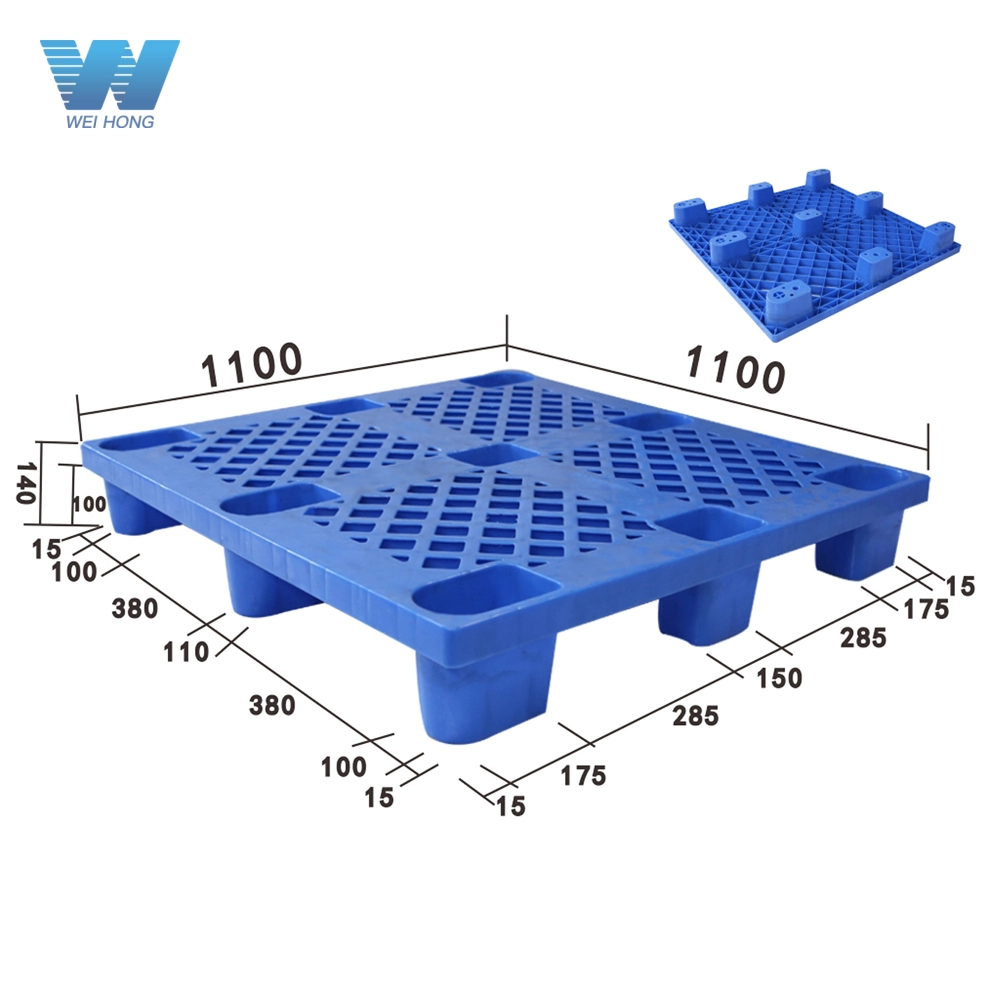
ZJ1111-140 Light-weight Nine-leg Nestable Plastic Pallet
The lightweight nine-leg nestable plastic pallet is an innovative and stylish packaging solution designed for general cargo storage and transport. It’s made of virgin HDPE or PP, featuring in space-saving due to its nine hollow feet design for nesting and cost-effectiveness.
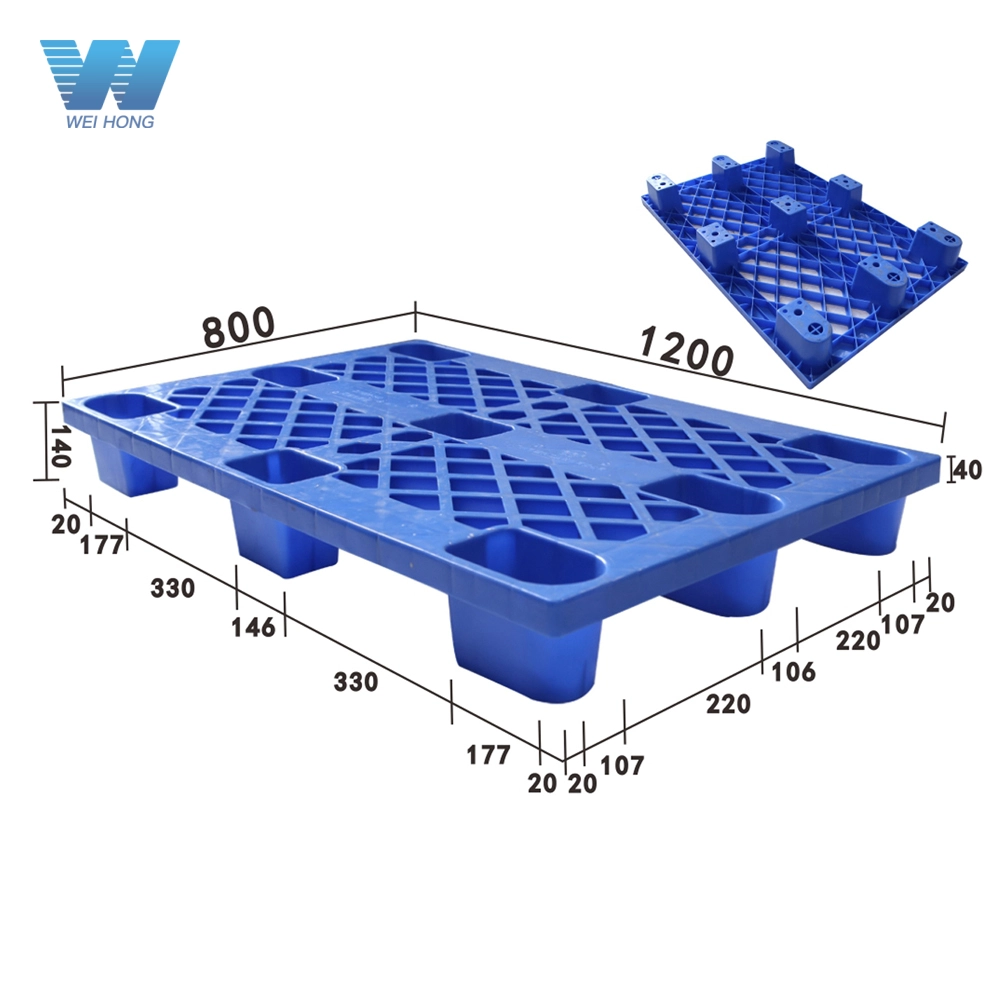
ZJ1208-140 Light-weight Nine-leg Nestable Plastic Pallet
The lightweight nine-leg nestable plastic pallet is an innovative and stylish packaging solution designed for general cargo storage and transport. It’s made of virgin HDPE or PP, featuring in space-saving due to its nine hollow feet design for nesting and cost-effectiveness.
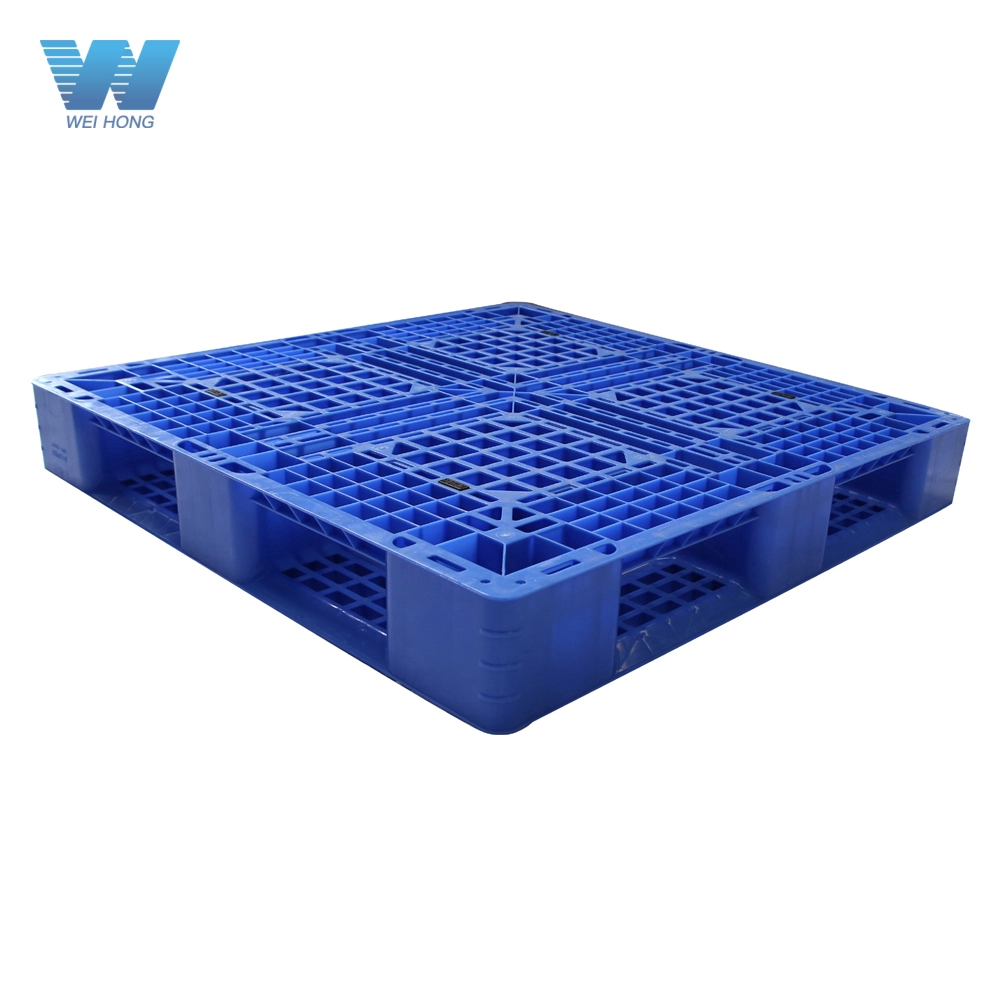
ZJ1111-150L Six-runner Single-sided Plastic Pallet
The six-runner plastic pallet, open or closed deck, is a solid and durable packaging solution designed for general and medium to heavy-duty cargo stacking, storage and transport. It’s made of virgin HDPE or PP, featuring in robust structure, a reinforced configuration with steel cores for the rack and shelf, and a steady loading capacity.
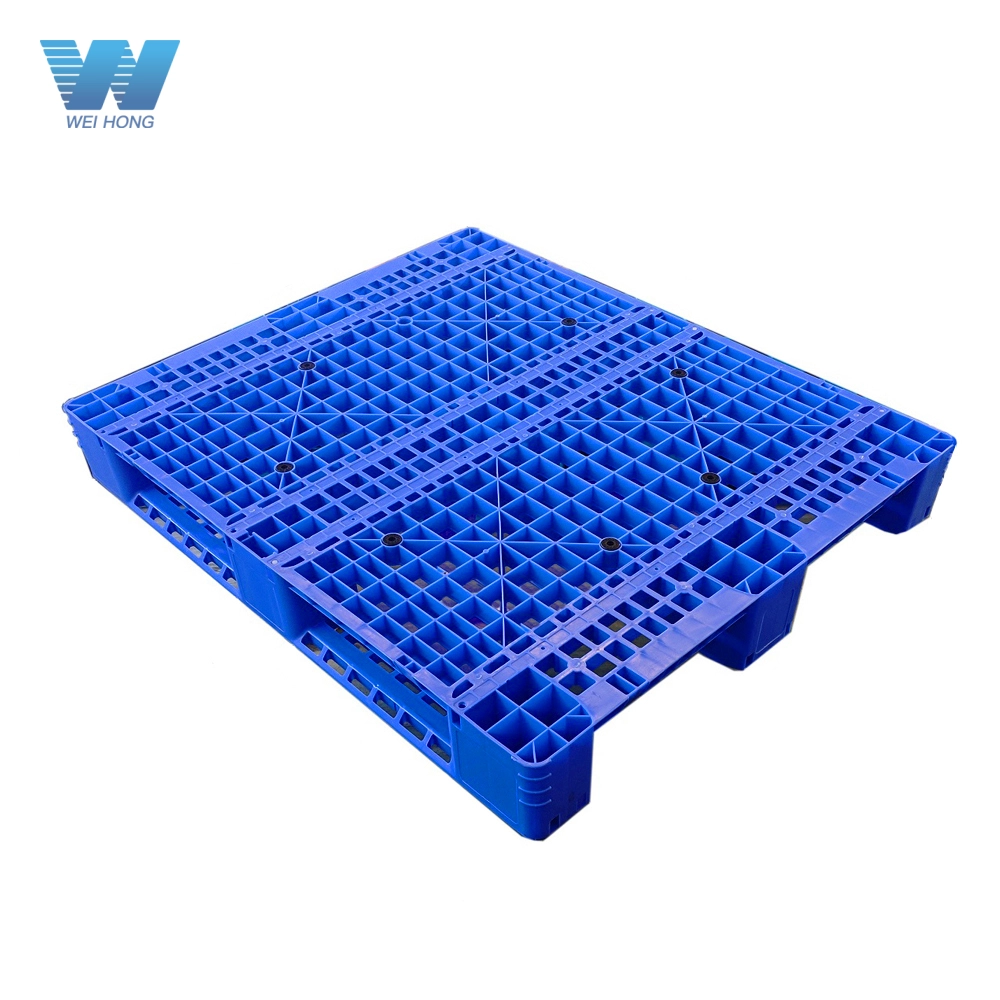
ZJ1210-150A Three-runner Single-sided Plastic Pallet
The three-runner single-sided plastic pallet is a solid and durable packaging solution designed for general and medium to heavy-duty cargo storage, transport and automated storage and retrieval system (AS/RS) use. It’s made of virgin HDPE or PP, featuring in robust structure, reinforced configuration with steel cores for rack and shelf, and a steady loading capacity.
Request More Information About Plastic Pallets
Have questions or need detailed insights on this article? Fill out the form below to contact our team for comprehensive information and support related to our plastic pallet solutions.
Contact us


+86 138 0277 8204
+86 183 4431 0917
+86 195 3791 1860

No. 15-1, Fengying Rd., Taiping Town, Conghua Dist., Guangzhou City, Guangdong Province, China.
Weihong
Whatsapp: +8613802778204
Guangdong Weihong Plastic Technology Co., Ltd.
Scan QR Code