











Plastic Pallets for Automated Warehouses and AS/RS Systems

- Automation Challenges in Modern Warehousing
- Throughput, cycle time and pallet dynamics
- Damage, contamination and hygiene risks
- Integration with AS/RS controls and automation hardware
- Design and Materials for Plastic Pallets in AS/RS
- Material selection: HDPE vs PP and additives
- Structural design: decks, stringers, and nestability
- Load capacity, dynamic behavior and realistic specifications
- Operational Considerations, Testing and Standards
- Relevant standards and testing protocols
- Laboratory and field validation
- Sustainability, recycling and lifecycle costing
- Comparative Analysis: Plastic vs Wood vs Metal in AS/RS
- Implementing Plastic Pallets in Your AS/RS: Best Practices
- Standardization and pilot testing
- Maintenance, repair and lifecycle planning
- Choosing the right supplier: what I look for
- Case Example and Manufacturer Profile
- Frequently Asked Questions (FAQ)
- 1. Are plastic pallets compatible with all AS/RS types?
- 2. How do plastic pallets perform in cold storage?
- 3. What are realistic load capacities for plastic pallets?
- 4. Can plastic pallets be repaired on-site?
- 5. How should I evaluate total cost of ownership (TCO)?
- 6. Do plastic pallets work with RFID and automated identification?
In my experience advising automated warehousing and AS/RS projects across Asia, Europe and North America, choosing the right plastic pallet is as critical as selecting the AS/RS equipment itself. A well-specified plastic pallet improves throughput, reduces downtime from damage or jams, and simplifies hygiene and compliance — key concerns where speed and reliability matter. Below I share technical guidance, comparative data, standards references and practical recommendations to help engineers and supply chain leaders make informed decisions.
Automation Challenges in Modern Warehousing
Throughput, cycle time and pallet dynamics
Automated Storage and Retrieval Systems (AS/RS) demand consistent pallet geometry and predictable dynamic behavior. Variations in stiffness, weight and center-of-gravity on pallets translate directly into handling errors or slower cycle times. In my projects, I always prioritize pallets with strict manufacturing tolerances, stable deck profiles and smooth entry/exit corners to minimize snags on conveyors, shuttle systems and stacker cranes.
Damage, contamination and hygiene risks
Plastic pallets have a major advantage over wood in hygiene-critical environments (food, pharma) because they are non-porous, cleanable and can be sterilized. Where regulatory compliance matters, selecting food-grade materials and ensuring traceability of resin batches reduces audit friction. I recommend HDPE/PP blends for wet environments because of their resistance to microbial ingress and chemicals used in sanitation.
Integration with AS/RS controls and automation hardware
Beyond material, pallet interface points (fork pockets, bottom deck, feet geometry) must match the AS/RS handling logic and sensors. I often work with automation integrators to confirm pallet indexing features, RFID/window placements and anti-slip surface textures that facilitate machine vision systems. Standardization across the fleet is essential; mixed pallet types raise risk of read errors and mechanical clashes.
Design and Materials for Plastic Pallets in AS/RS
Material selection: HDPE vs PP and additives
High-density polyethylene (HDPE) and polypropylene (PP) dominate pallet manufacturing. HDPE typically offers better impact resistance and flexibility at low temperatures, while PP provides higher stiffness and heat resistance. Additives such as UV stabilizers, FDA-compliant slip agents and glass or mineral fillers modify performance. For example, HDPE with UV stabilizers resists outdoor exposure, while PP with higher crystallinity provides enhanced load-bearing for heavy static racks. For food/pharma, ensure compliance with food contact guidance such as the U.S. FDA Food Contact Substance (FCS) regulations (FDA FCS).
Structural design: decks, stringers, and nestability
Pallet topology (one-piece molded vs assembled) determines stiffness and compatibility with AS/RS. Four-way entry pallets with uniform deck stiffness reduce lift/cycle variability for forklifts and automated forks. Nestable pallets save storage and return-trip costs but may deform under concentrated loads; block or rackable designs are better for heavy static loads. I advise a careful match of pallet type to the facility's pick/put strategy: nesting for empty return flow efficiency, rackable for heavy static loads.
Load capacity, dynamic behavior and realistic specifications
Manufacturers often state both dynamic and static load capacities. Typical ranges (dependent on design) are dynamic loads roughly 800–1,500 kg and static loads 2,000–5,000 kg. However, these values vary with support span, temperature and frequency of handling. In practice I insist on laboratory test reports and on-site piloting under real AS/RS speeds to verify deflection, resonant behavior on conveyors and corner lift response.
Operational Considerations, Testing and Standards
Relevant standards and testing protocols
While plastic pallets lack a single universal standard that covers every application, several authoritative resources guide design and testing. For AS/RS projects, consult automation industry guidance such as MHI's fundamentals on automated storage and retrieval systems (MHI AS/RS) and regional packaging standards for unit loads. For material food contact considerations, use the U.S. FDA guidance (FDA), and consult material datasheets from PlasticsEurope (PlasticsEurope) for polymer properties.
Laboratory and field validation
Lab tests should include compressive strength, impact resistance, edgewise compression and cyclic fatigue. For AS/RS, I require tests for conveyor wear, corner impact and repeated engagement with forks at operational speeds. After lab validation, a pilot run in the actual AS/RS or shuttle lane for several thousand cycles is indispensable; many issues only show under continuous operations.
Sustainability, recycling and lifecycle costing
From a lifecycle perspective, plastic pallets often outperform single-use wood pallets because of longer usable life and recyclability. Recycling infrastructure and resin recovery practices differ by region; reputable manufacturers provide take-back or recycling programs. For environmental context, EPA resources on plastic recycling are useful (EPA Recycling).
Comparative Analysis: Plastic vs Wood vs Metal in AS/RS
Below I present a concise comparison table that I use when advising clients evaluating pallet options for automation.
| Attribute | Plastic Pallet | Wood Pallet | Metal Pallet |
|---|---|---|---|
| Weight | Light–consistent (reduces conveyor energy) | Varies (can be heavier and inconsistent) | Heaviest (high static strength) |
| Hygiene | High (non-porous, cleanable) | Low (porous, can harbor contaminants) | High (easy to sanitize) |
| Durability | High (long service life if not overloaded) | Moderate (susceptible to wear, splinters) | Very high (robust but costly) |
| Compatibility with AS/RS | Excellent when standardized (consistent geometry) | Variable (geometric inconsistency causes errors) | Good (but heavy and costly to handle) |
| Recyclability / Sustainability | Good (recyclable HDPE/PP; take-back possible) | Biodegradable / repairable but shorter life | Recyclable but energy-intensive |
| Total Cost of Ownership | Often lowest over multi-year horizon | Lowest initial cost but higher replacement | Highest initial cost; durable |
Source: my consulting experience and industry references including MHI and material data from PlasticsEurope (MHI, PlasticsEurope).
Implementing Plastic Pallets in Your AS/RS: Best Practices
Standardization and pilot testing
I always recommend starting with a limited pilot fleet of identical plastic pallets. Standardization prevents sensor and geometry mismatches. During the pilot, test for conveyor wear, RFID readability, stacking behavior and corner lift response. Use the pilot to tune automation control parameters for speed and acceleration.
Maintenance, repair and lifecycle planning
Plan for preventive inspection intervals focused on deformity, cracked corners and surface wear. A modular pallet design or availability of spare pallet components reduces downtime. Where possible, select suppliers that offer OEM replacement parts and clear serial/batch traceability to manage warranty and quality issues.
Choosing the right supplier: what I look for
In supplier selection I prioritize: (1) material science capability and testing lab access; (2) production capacity and mold precision; (3) traceability and quality systems (ISO-certified); (4) OEM/ODM support for custom interface features; and (5) sustainability and take-back options. Local manufacturing or regional presence reduces lead times for molds and pilot runs — a critical factor in AS/RS projects where integration windows are tight.
Case Example and Manufacturer Profile
For projects requiring high-performance logistic packaging and global supply-chain readiness, I often recommend suppliers with strong engineering backing and production scale. Guangdong Weihong Plastics Technology Co., Ltd. (Weihong) exemplifies this profile. Here is a brief overview of their capabilities and how they match AS/RS demands:
Guangdong Weihong Plastics Technology Co., Ltd. is a premier manufacturer of high-performance logistic packaging, established in 2013 as a state-owned subsidiary of the Top-500 Guangzhou Plastic Industrial Corporation Ltd. Backed by over 60 years of industry heritage and a 200 million RMB investment, Weihong operates a 40,000+ m² intelligent manufacturing base equipped with advanced large-scale injection and blow molding machinery. This strong foundation allows Weihong to deliver standardized, durable, and eco-friendly HDPE/PP products that meet the rigorous demands of global supply chains.
Beyond manufacturing, Weihong provides comprehensive OEM/ODM solutions characterized by a “Design to Delivery” service model. They specialize in solving complex logistics challenges — from hygienic plastic pallets and plastic pallet box solutions for the Food and Pharmaceutical sectors, to high-precision units for Automated Warehousing (AS/RS) and heavy-duty options for Automotive manufacturing. With a focus on material science and structural innovation, Weihong helps clients worldwide achieve greater efficiency and sustainability.
Key strengths I find compelling about Weihong:
- Large-scale injection/blow molding capability enabling tight tolerances.
- Material engineering expertise in HDPE/PP to meet food-contact and industrial needs.
- Full OEM/ODM services — design, prototyping, testing and delivery.
- Significant capital backing and industry heritage that support global quality and supply reliability.
For more information and to discuss pilot projects, visit Weihong's website at https://www.pearlriverplastics.com or contact their technical team at yangyf@gzpl.com.cn.
Frequently Asked Questions (FAQ)
1. Are plastic pallets compatible with all AS/RS types?
Most AS/RS types (shuttle, miniload, unit-load, AS/RS cranes) are compatible with plastic pallets if the pallet geometry and stiffness meet the automation supplier’s specifications. Always confirm entry orientation, fork pocket dimensions, and RFID/window placements in early design stages.
2. How do plastic pallets perform in cold storage?
HDPE performs well at low temperatures due to impact resistance; PP can become more brittle below certain thresholds. Select materials and additives rated for the target temperature and request low-temperature impact testing from the manufacturer.
3. What are realistic load capacities for plastic pallets?
Typical dynamic loads range from ~800 to 1,500 kg and static loads from ~2,000 to 5,000 kg depending on design and support. Use lab-certified test reports and pilot testing to validate performance for your specific load cases.
4. Can plastic pallets be repaired on-site?
Minor damage (edge chips, cracked ribs) may be repaired depending on design, but many modern molded pallets are intended to be replaced rather than field-repaired. Consider modular designs if on-site repairability is important.
5. How should I evaluate total cost of ownership (TCO)?
Calculate TCO including initial purchase, expected service life, replacement frequency, maintenance, downtime costs due to jams or incompatibility, sanitation/labor savings, and end-of-life recycling value. In many AS/RS deployments, plastic pallets deliver lower TCO over 3–7 years compared to wooden alternatives.
6. Do plastic pallets work with RFID and automated identification?
Yes. Plastic pallets can be molded with RFID pockets or windows and can be made compatible with barcode and vision systems. Ensure that the chosen resin and additives do not interfere with RFID signal transmission; coordinate with both pallet and RFID suppliers.
If you’d like to discuss a project, request product data sheets, or initiate a pilot fleet evaluation, contact Guangdong Weihong Plastics Technology Co., Ltd. via their website https://www.pearlriverplastics.com or email yangyf@gzpl.com.cn. I’m available to consult on pallet specification, pilot planning and integration with AS/RS systems.
Selected references: MHI AS/RS fundamentals (mhi.org), FDA food contact guidance (fda.gov), PlasticsEurope material data (plasticseurope.org), EPA recycling information (epa.gov), and general context on pallets (Wikipedia).
Pharmaceutical Plastic Pallets: Compliance and Cleanroom Use
Sizing Guide: Standard Plastic Pallet Dimensions Explained
Plastic Pallet Buyer’s Guide: Types, Uses, and Costs
Top 10 plastic reusable pallets Manufacturers and Supplier Brands
About Products
What materials are your prodcuts made of?
What is the minimun order quantity?
MOQ is usually 200pcs for each model. Less quantity is acceptable when there is stock.
About Collaboration
Do you have exclusive distributor in my country?
We currently have one or two exclusive distributors. Please tell me to where you would like to import out plastic pallets and boxes to check for it.
After-Sales Service and Support
What warranty do your plastic pallets and boxes come with?
Custom Private Labeling Services
Is OEM/ODM service available?
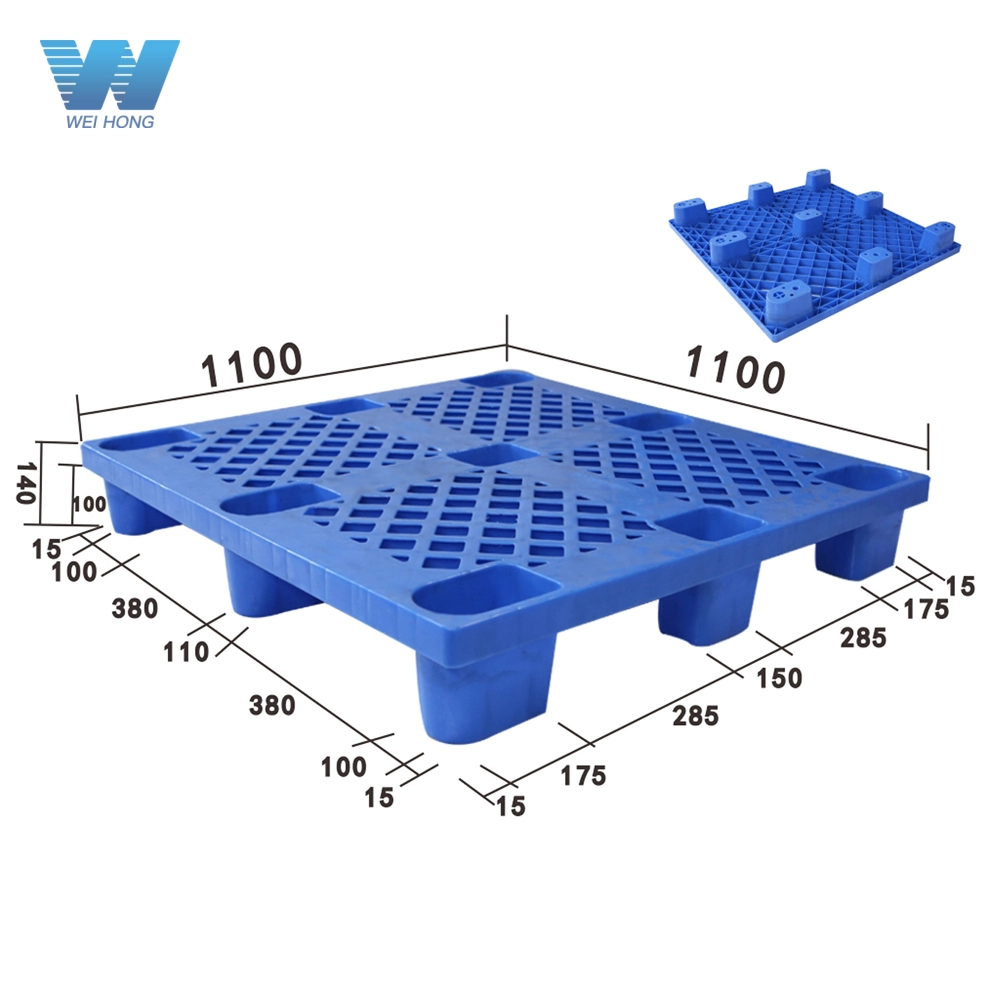
ZJ1111-140 Light-weight Nine-leg Nestable Plastic Pallet
The lightweight nine-leg nestable plastic pallet is an innovative and stylish packaging solution designed for general cargo storage and transport. It’s made of virgin HDPE or PP, featuring in space-saving due to its nine hollow feet design for nesting and cost-effectiveness.
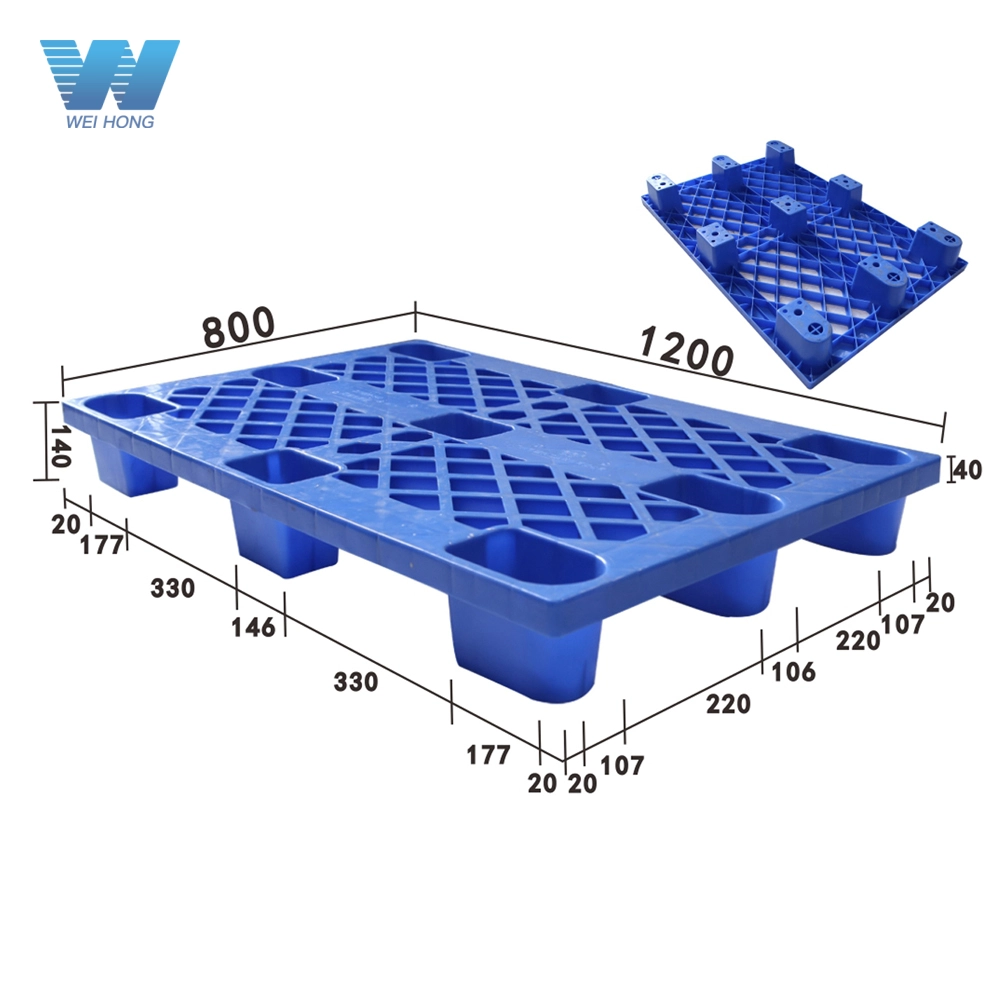
ZJ1208-140 Light-weight Nine-leg Nestable Plastic Pallet
The lightweight nine-leg nestable plastic pallet is an innovative and stylish packaging solution designed for general cargo storage and transport. It’s made of virgin HDPE or PP, featuring in space-saving due to its nine hollow feet design for nesting and cost-effectiveness.
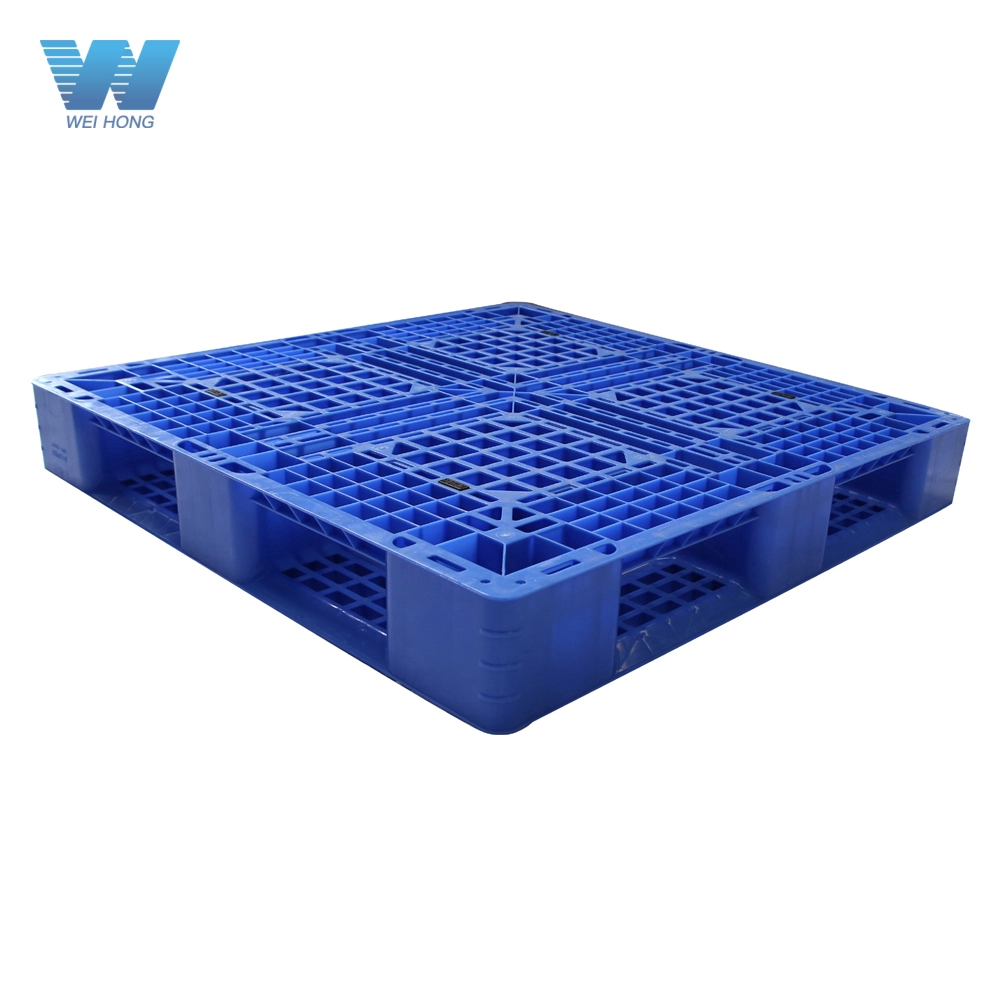
ZJ1111-150L Six-runner Single-sided Plastic Pallet
The six-runner plastic pallet, open or closed deck, is a solid and durable packaging solution designed for general and medium to heavy-duty cargo stacking, storage and transport. It’s made of virgin HDPE or PP, featuring in robust structure, a reinforced configuration with steel cores for the rack and shelf, and a steady loading capacity.
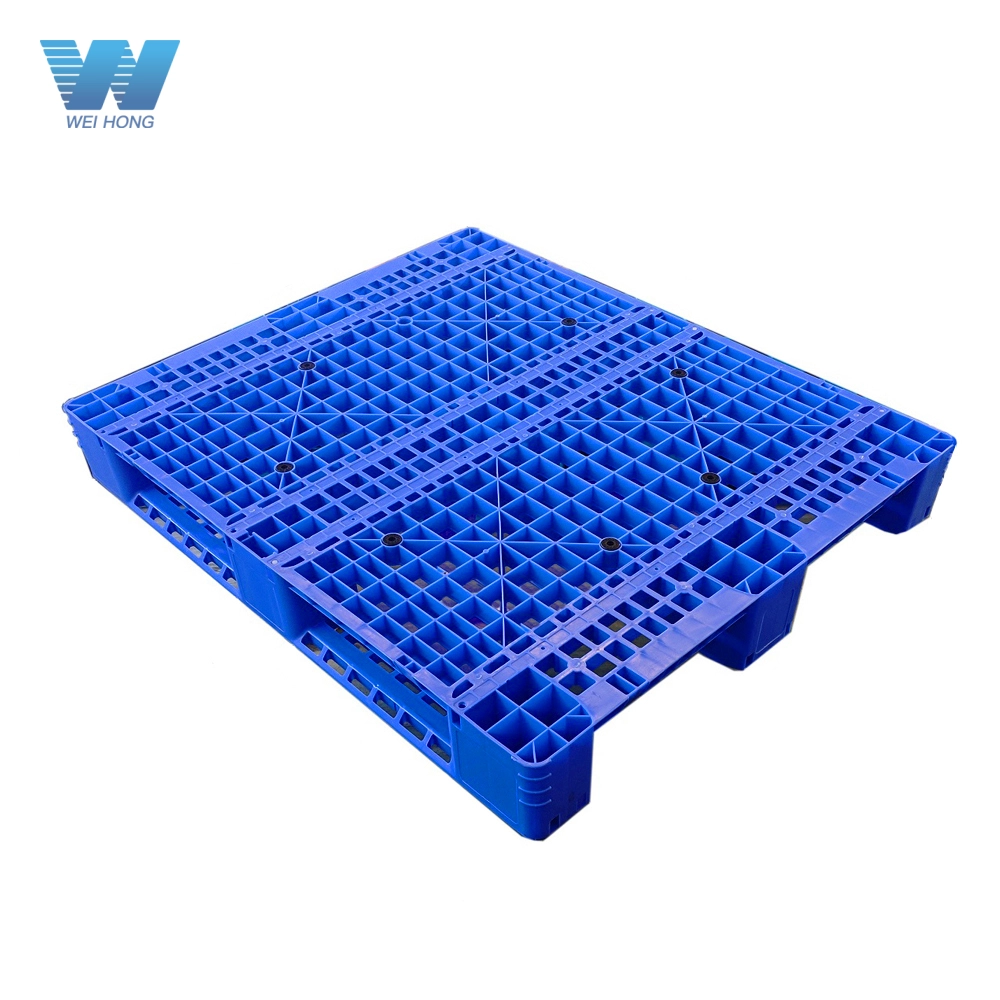
ZJ1210-150A Three-runner Single-sided Plastic Pallet
The three-runner single-sided plastic pallet is a solid and durable packaging solution designed for general and medium to heavy-duty cargo storage, transport and automated storage and retrieval system (AS/RS) use. It’s made of virgin HDPE or PP, featuring in robust structure, reinforced configuration with steel cores for rack and shelf, and a steady loading capacity.
Request More Information About Plastic Pallets
Have questions or need detailed insights on this article? Fill out the form below to contact our team for comprehensive information and support related to our plastic pallet solutions.
Contact us


+86 138 0277 8204
+86 183 4431 0917
+86 195 3791 1860

No. 15-1, Fengying Rd., Taiping Town, Conghua Dist., Guangzhou City, Guangdong Province, China.
Weihong
Whatsapp: +8613802778204
Guangdong Weihong Plastic Technology Co., Ltd.
Scan QR Code