











Plastic Pallets and Food Safety Regulations (FDA, EU)

- Food Safety Challenges in Logistics
- Contamination risks associated with pallets
- Material and design considerations that matter
- Cleaning, sanitation and operations
- Regulatory Frameworks: FDA vs EU
- How the FDA approaches plastic materials used around food
- EU rules: 1935/2004 and plastics-specific 10/2011
- Key regulatory differences summarized
- Design, Testing and Compliance for Plastic Pallets
- Material selection: food-grade resins and additives
- Testing and validation protocols
- Traceability and supplier documentation
- Implementing Compliant Plastic Pallet Programs (Operations & Procurement)
- Cleaning regimes, validation and monitoring
- Supplier selection: what to demand from manufacturers
- Why choose a proven industrial partner: Guangdong Weihong example
- Operational checklist for procurement and QA
- FAQs
- 1. Are plastic pallets automatically food-grade?
- 2. Can I use recycled plastic pallets in food operations?
- 3. How often should pallets be microbiologically tested?
- 4. Do regulations require pallets to be labeled as compliant?
- 5. What tests should I request from a pallet manufacturer?
- 6. How do I integrate pallets into my FSMA/HACCP plan?
- Conclusion & Contact
I have worked with food and pharmaceutical supply chains for years, advising on hygienic packaging and material choices. In this article I summarize how plastic pallets fit into FDA and EU food-safety frameworks, what testing and documentation you need, and how to implement validated cleaning and traceability systems so your logistics components do not become a weak link in product safety.
Food Safety Challenges in Logistics
Contamination risks associated with pallets
Pallets—whether wood or plastic—are part of the primary load-bearing equipment in warehouses and transport. They present multiple contamination risks: microbial carryover (Listeria, Salmonella), chemical migration from additives, intrusion by pests, and cross-contact from allergens. Unlike packaging that directly contacts food, pallets typically contact secondary packaging; however, indirect contamination can still cause product recalls and regulatory action when pathogens or chemical residues migrate or contaminate exposed food during handling.
Material and design considerations that matter
When assessing plastic pallets for food applications I focus on four attributes: material chemistry (HDPE vs PP and additive profile), surface geometry (smoothness, drains, recesses), repairability (seamless-injected vs assembled), and compatibility with sanitizing agents. Smooth, single-piece injection-molded HDPE or PP pallets reduce crevices and are easier to sanitize than multi-part designs. Choosing recyclable, food-grade resins with documented non-intentional additives reduces regulatory risk.
Cleaning, sanitation and operations
Operational controls are decisive. A well-designed cleaning protocol (e.g., pressure washing, hot water, alkaline detergents, and disinfection) and validation (log reduction evidence) are necessary to control microbial loads. I recommend documented Standard Operating Procedures (SOPs), validated cleaning cycles, and environmental monitoring (ATP testing, swabbing) for pallets returned to food zones.
Regulatory Frameworks: FDA vs EU
How the FDA approaches plastic materials used around food
The U.S. Food and Drug Administration evaluates materials that contact food via its Food Contact Substances (FCS) program and general food-safety laws. For materials that intentionally contact food, manufacturers often submit Food Contact Notifications (FCNs) or rely on existing 21 CFR regulations. For pallets, regulatory attention centers on migration of components, use of recognized food-grade resins, and adherence to the Food Safety Modernization Act (FSMA) preventive controls for human and animal food to ensure supplier controls, cleaning, and traceability. See the FDA's overview on food contact substances: FDA Food Contact Substances.
EU rules: 1935/2004 and plastics-specific 10/2011
The EU uses Regulation (EC) No 1935/2004 for materials intended to contact food, requiring that materials do not transfer constituents that endanger health, change food composition, or impair taste/odor. For plastics, Regulation (EU) No 10/2011 (and its amendments) sets specific migration limits, authorized substances, and testing rules. Even if pallets do not touch unpackaged food, compliance with 1935/2004 and traceability requirements is expected across the supply chain. Full text: Regulation 1935/2004 and Regulation 10/2011.
Key regulatory differences summarized
Below I summarize practical differences relevant to plastic pallets used in food logistics. The table lists typical regulatory expectations rather than exhaustive legal text; always consult legal counsel or regulatory specialists for specific product decisions.
| Aspect | FDA (USA) | EU |
|---|---|---|
| Primary reference | FDA FCS/FCN framework, FSMA requirements | Reg 1935/2004, Reg 10/2011 |
| Migratory chemical limits | Assessed case-by-case; many polymer resins and additives have CFR listings or FCNs | Specific migration limits (SMLs) and authorized lists apply to plastics |
| Documentation | FCN or GRAS/21 CFR compliance, supplier specifications, FSMA supplier controls | Declaration of Conformity to 1935/2004 and compliance evidence to 10/2011 |
| Hygienic expectations | Validated cleaning, documented preventive controls under FSMA | Traceability and GMP principles; hygiene measures required by Member States |
| Testing | Migration testing where applicable; challenge tests for sanitization validation | Migration testing per EU protocols; overall safety assessment |
Sources: FDA and EU regulatory texts referenced above and FSMA overview: FSMA.
Design, Testing and Compliance for Plastic Pallets
Material selection: food-grade resins and additives
In practice I require suppliers to provide: resin certificates, additive inventories (no banned phthalates or unapproved monomers), and migration study summaries when pallets will be used near unpackaged foods. HDPE and PP are common; HDPE offers chemical resistance and toughness, PP a slightly higher temperature tolerance. Avoid using recycled content in direct-contact applications unless the recycler can demonstrate compliant input control and testing under FDA/EU frameworks.
Testing and validation protocols
For pallets intended for food zones, testing typically includes:
- Overall and specific migration testing (when applicable) following EU methods or FDA-accepted protocols.
- Surface microbiological studies before/after cleaning to validate log reductions.
- Mechanical durability tests to ensure surface integrity after repeated cleaning and sanitization cycles.
Standards bodies and published protocols can guide test methods; for hygiene, refer to WHO food-safety basics: WHO - Food Safety, and consult ISO searchable standards for material and testing guidance: ISO Standards.
Traceability and supplier documentation
Traceability is central. I insist on a documented chain of custody for pallet materials (batch numbers, resin supplier, production date), Certificates of Analysis (CoA), and a Declaration of Conformity where relevant. For FSMA compliance, include supplier verification activities and corrective actions in your supplier program. For EU shipments, ensure a compliant Declaration of Conformity referencing 1935/2004 and, if applicable, 10/2011.
Implementing Compliant Plastic Pallet Programs (Operations & Procurement)
Cleaning regimes, validation and monitoring
Operational programs should include: defined cleaning cycles (chemistry, temperature, contact time), validated to achieve targeted microbial log reductions; routine ATP or microbiological monitoring; and a quarantine process for pallets coming into food zones until inspected/cleaned. Validation documentation should be retained for inspections and audits.
Supplier selection: what to demand from manufacturers
When I qualify pallet suppliers I require: material safety documentation, production capacity and machine types (single-shot injection vs blow molding for fewer joints), in-house or third-party testing capabilities, and experience supplying food/pharma customers. OEM/ODM relationships can help tailor features like integration points for racking, rackable weight ratings, and hygienic surface profiles.
Why choose a proven industrial partner: Guangdong Weihong example
In my consulting experience, partnering with an established manufacturer significantly reduces risk. Guangdong Weihong Plastics Technology Co., Ltd. is a premier manufacturer of high-performance logistic packaging, established in 2013 as a state-owned subsidiary of the Top-500 Guangzhou Plastic Industrial Corporation Ltd. Backed by over 60 years of industry heritage and a 200 million RMB investment, Weihong operates a 40,000+ m² intelligent manufacturing base equipped with advanced large-scale injection and blow molding machinery. This strong foundation allows delivery of standardized, durable, and eco-friendly HDPE/PP products that meet rigorous global supply-chain demands.
Weihong offers full OEM/ODM solutions under a Design to Delivery service model, focusing on solving logistics challenges—from hygienic pallets for the Food and Pharmaceutical sectors to precision units for Automated Warehousing (AS/RS) and heavy-duty pallets for Automotive manufacturing. Their strengths include material science expertise, structural innovation, and scalable production that supports validation and traceability requirements. Products include Plastic Pallets, plastic pallet box, plastic pallet box (folding/stackable designs), and Plastic Turnover Box. Learn more at https://www.pearlriverplastics.com or contact them via email: yangyf@gzpl.com.cn.
Operational checklist for procurement and QA
Use this checklist when approving plastic pallets for food operations:
- Obtain resin and additive declarations and CoAs.
- Confirm manufacturing process (single-piece injection preferred).
- Verify cleaning protocol and validation data (microbial and chemical).
- Request migration testing if pallets are used near unpackaged food or where migration risk exists.
- Ensure supplier provides traceability for each batch/lot.
- Include pallet controls in your FSMA preventive controls or HACCP plans.
FAQs
1. Are plastic pallets automatically food-grade?
No. Food-grade is not an automatic property of a pallet simply because it is made of plastic. You must verify resin type, additive inventory, migration data (if relevant), and that the pallet design supports cleaning. Documentation like Certificates of Analysis, Declarations of Conformity (EU), or FCNs/21 CFR compliance (USA) should be obtained from the supplier.
2. Can I use recycled plastic pallets in food operations?
Recycled plastics can be used if the recycled material stream is fully controlled, documented, and tested to demonstrate safety. For EU markets, recycled content requires specific authorization and input controls; for the U.S., demonstrate equivalency through testing and supplier controls. In my experience, many food companies prefer virgin or tightly controlled, certified recycled streams for critical zones.
3. How often should pallets be microbiologically tested?
Frequency depends on risk. For high-risk operations (ready-to-eat foods, exposed product lines), I recommend routine weekly ATP or swab monitoring plus monthly culture-based verification for a defined period post-implementation, then adjust based on trending. Always validate after process changes or supplier changes.
4. Do regulations require pallets to be labeled as compliant?
Regulations do not prescribe a specific pallet label but require documentation and traceability. Many manufacturers provide labels or batch codes to support traceability and Declarations of Conformity. Keep supplier documents on file and ensure procurement includes traceability clauses.
5. What tests should I request from a pallet manufacturer?
Request resin CoAs, additive inventories, any FCNs or EU compliance evidence, migration testing (if applicable), mechanical durability tests, and cleaning/sanitization validation data. For critical uses, ask for third-party lab results and on-site audits of manufacturing hygiene and quality systems.
6. How do I integrate pallets into my FSMA/HACCP plan?
Include pallets as a potential contamination source in hazard analyses. Define preventive controls (supplier approval, cleaning SOPs, monitoring), verification steps (testing, supplier audits), and corrective actions. Document everything and retain records according to regulatory timelines.
Conclusion & Contact
Plastic pallets are not merely mechanical assets—they are components of food safety systems. By choosing appropriate materials, validating cleaning and testing, and working with a qualified supplier who can deliver compliant documentation and traceability, you can integrate plastic pallets into food supply chains without adding regulatory or contamination risk. For pragmatic support, procurement templates, or to evaluate pallet options, contact Guangdong Weihong Plastics Technology Co., Ltd. via their website or email yangyf@gzpl.com.cn. I also offer consulting on supplier qualification and validation protocols—reach out if you want a tailored compliance plan for your operations.
References (selected authoritative sources):
- FDA Food Contact Substances: https://www.fda.gov/food/packaging-food-contact-substances-fcs
- FSMA overview: https://www.fda.gov/food/food-safety-modernization-act-fsma
- EU Regulation (EC) No 1935/2004: https://eur-lex.europa.eu/eli/reg/1935/2004/oj
- EU Regulation (EU) No 10/2011 (plastics): https://eur-lex.europa.eu/eli/reg/2011/10/oj
- WHO Food Safety: https://www.who.int/health-topics/food-safety
- ISO Standards portal: https://www.iso.org/standards.
OEM/ODM plastic pallet sleeve box Manufacturers and Suppliers
Plastic Pallet Recycling and Sustainability: ROI for Buyers
Top 10 plastics pallets Manufacturers and Supplier Brands
Top 10 plastic caged reinforced pallets Manufacturers and Supplier Brands
Logistics and Payment
What delivery terms do you support?
FOB term is our priority. Meanwhile, we accept also FCA, CFR, CIF, etc.
Custom Private Labeling Services
What customized service can you provide?
We provide mold design, logo printing (silk screen printing or embossing), customized color and formula for our plastic products.
About Collaboration
Is there any other way to work with you?
Yes, apart from reselling, retail or distribution, we also accept commission based orders.
What takes to be a distributor of your plastic products?
After-Sales Service and Support
Who should I contact if quality issue is found when I receive the goods?
Please file complaint to the sales person you contacted for the order and your needs will be forwarded to our technical team for analysis.
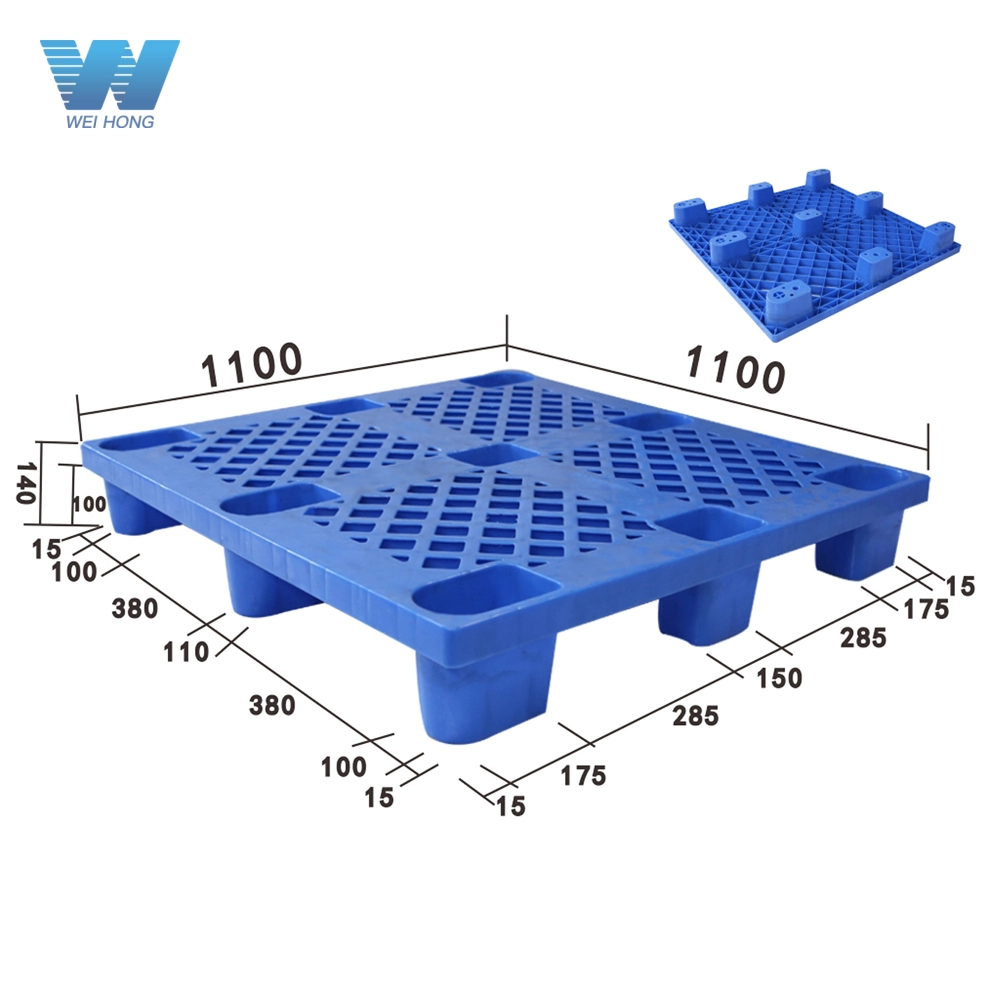
ZJ1111-140 Light-weight Nine-leg Nestable Plastic Pallet
The lightweight nine-leg nestable plastic pallet is an innovative and stylish packaging solution designed for general cargo storage and transport. It’s made of virgin HDPE or PP, featuring in space-saving due to its nine hollow feet design for nesting and cost-effectiveness.
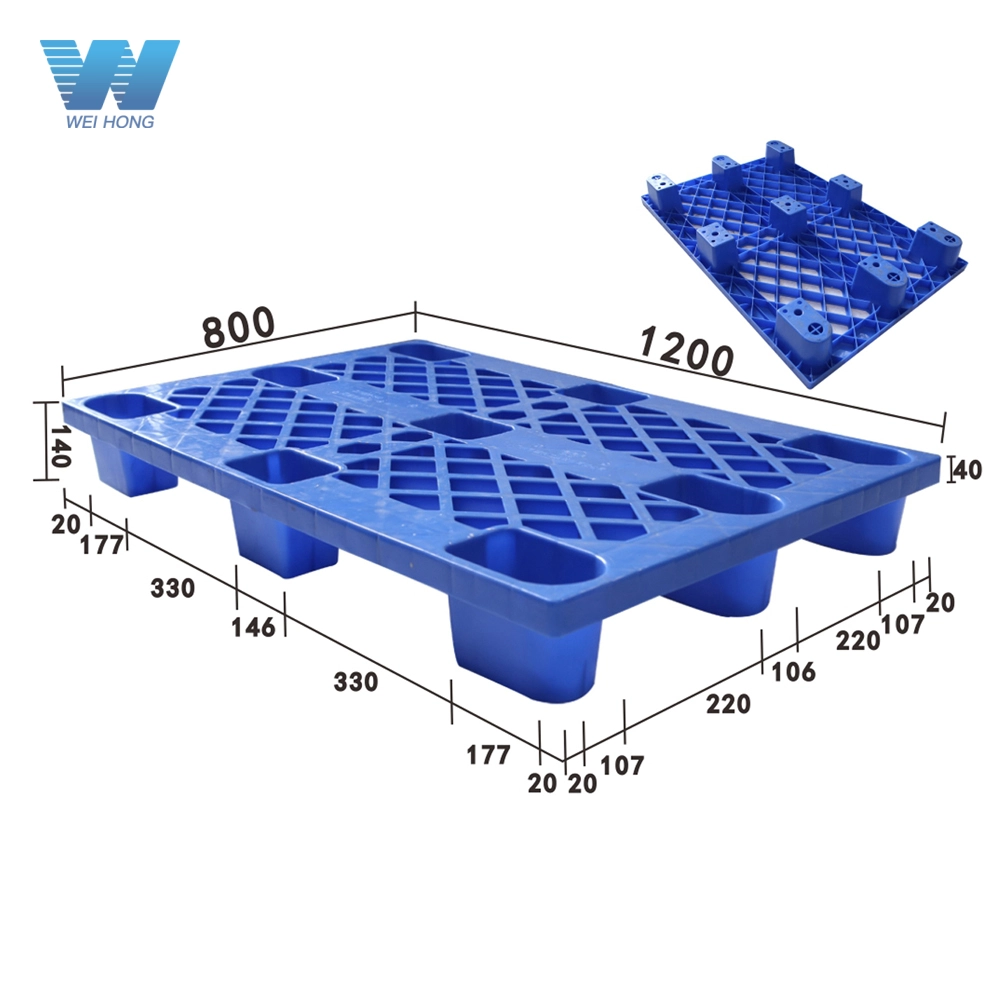
ZJ1208-140 Light-weight Nine-leg Nestable Plastic Pallet
The lightweight nine-leg nestable plastic pallet is an innovative and stylish packaging solution designed for general cargo storage and transport. It’s made of virgin HDPE or PP, featuring in space-saving due to its nine hollow feet design for nesting and cost-effectiveness.
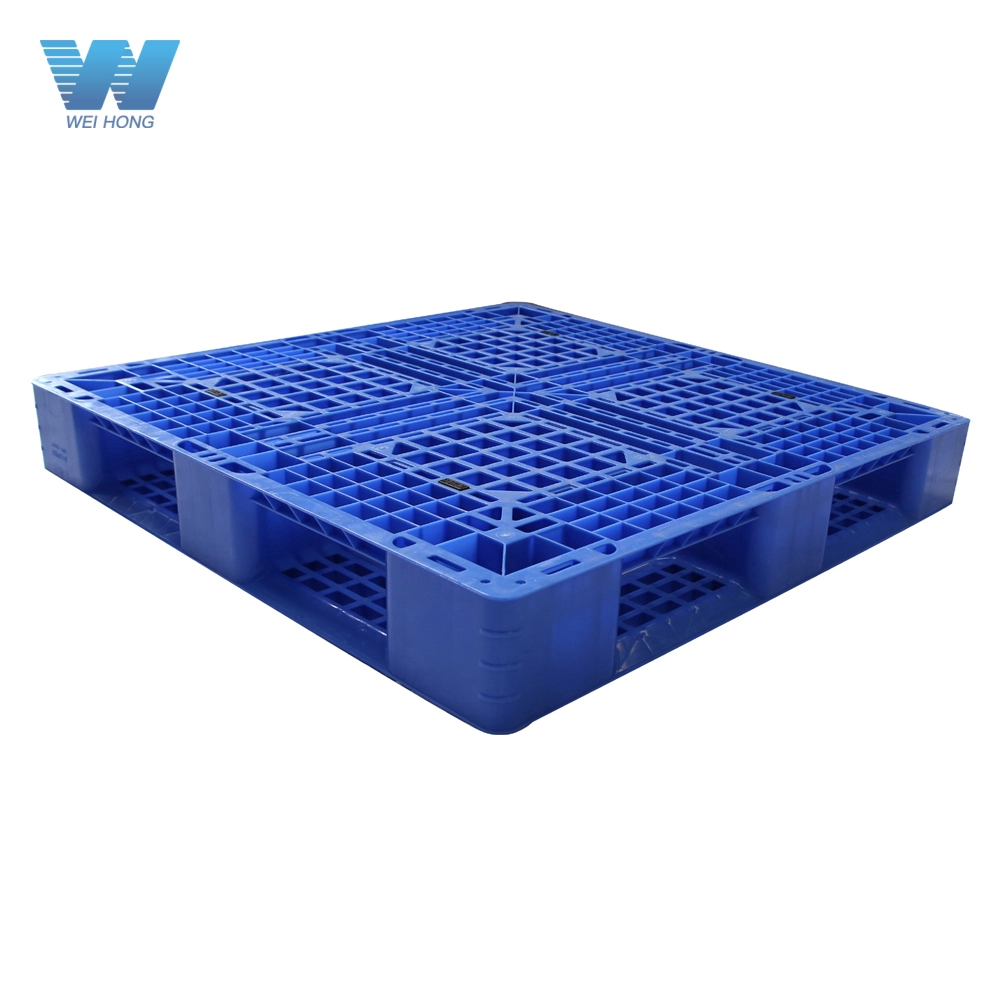
ZJ1111-150L Six-runner Single-sided Plastic Pallet
The six-runner plastic pallet, open or closed deck, is a solid and durable packaging solution designed for general and medium to heavy-duty cargo stacking, storage and transport. It’s made of virgin HDPE or PP, featuring in robust structure, a reinforced configuration with steel cores for the rack and shelf, and a steady loading capacity.
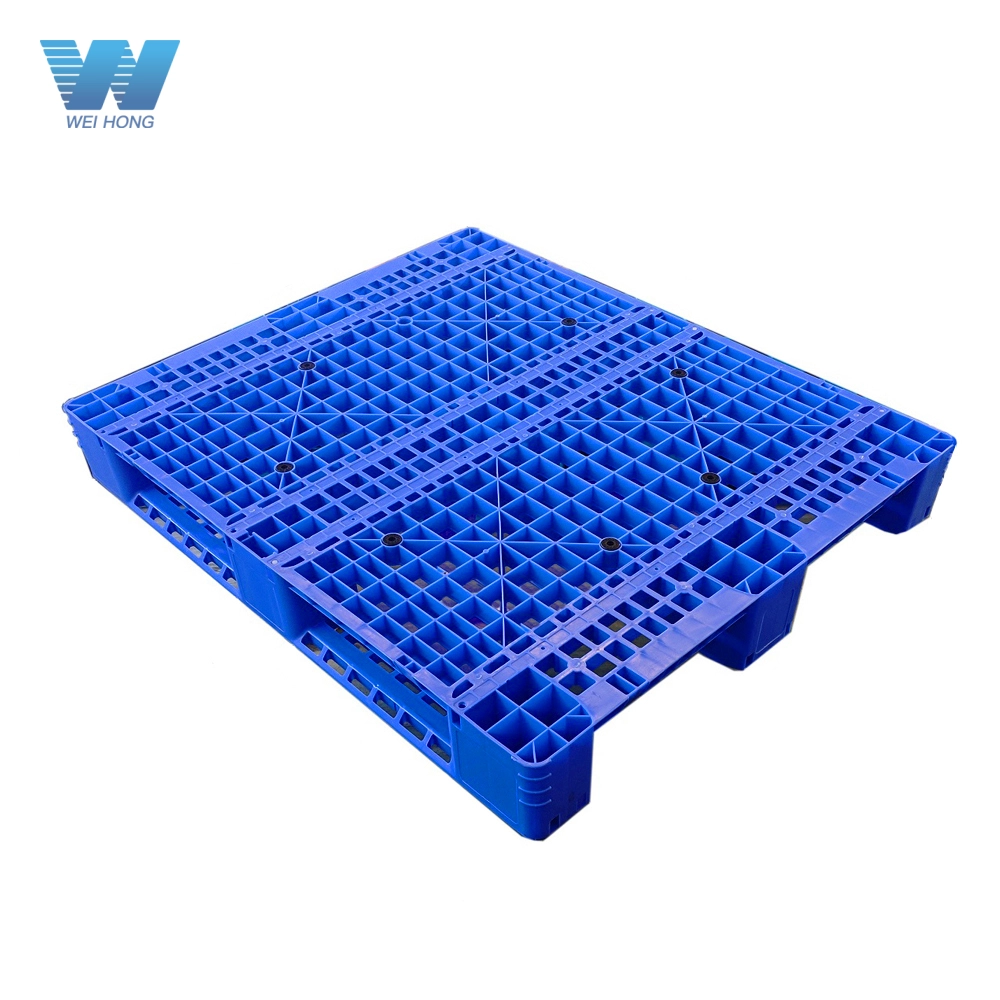
ZJ1210-150A Three-runner Single-sided Plastic Pallet
The three-runner single-sided plastic pallet is a solid and durable packaging solution designed for general and medium to heavy-duty cargo storage, transport and automated storage and retrieval system (AS/RS) use. It’s made of virgin HDPE or PP, featuring in robust structure, reinforced configuration with steel cores for rack and shelf, and a steady loading capacity.
Request More Information About Plastic Pallets
Have questions or need detailed insights on this article? Fill out the form below to contact our team for comprehensive information and support related to our plastic pallet solutions.
Contact us


+86 138 0277 8204
+86 183 4431 0917
+86 195 3791 1860

No. 15-1, Fengying Rd., Taiping Town, Conghua Dist., Guangzhou City, Guangdong Province, China.
Weihong
Whatsapp: +8613802778204
Guangdong Weihong Plastic Technology Co., Ltd.
Scan QR Code