











Recyclable Heavy Duty Plastic Crates: Sustainability Benefits

- Sustainability Drivers and Business Case
- Why recyclable heavy duty plastic crates matter now
- Key environmental metrics to evaluate
- Material Science: HDPE & PP in Heavy Duty Crates
- Why HDPE and PP are preferred
- Design for recyclability
- Hygiene and regulatory compliance
- Comparative Lifecycle and Economic Analysis
- Comparing materials: recyclable plastic crates vs wooden pallets/crates
- Example LCA outcomes and carbon per use
- Operational cost drivers
- Standards, Best Practices, and Implementation Steps
- Standards and compliance
- Design and procurement checklist
- Reverse logistics and end-of-life pathways
- Real-World Application and Supplier Solutions
- Case examples: Food, Pharma, and Automotive
- Why supplier capabilities matter
- About Guangdong Weihong Plastics Technology Co., Ltd.
- Practical Recommendations and Next Steps
- Pilot design and KPI definition
- Scale-up and circular program
- Monitoring and continuous improvement
- FAQ
- 1. Are heavy duty plastic crates truly recyclable?
- 2. How long do heavy duty plastic crates last compared to wooden crates?
- 3. What are the cleaning and hygiene considerations?
- 4. Do recyclable crates work with automated warehouses (AS/RS)?
- 5. How do I ensure end-of-life recycling for my crates?
- 6. What is the typical payback period versus single-use packaging?
I write from Guangzhou, Guangdong province, where global manufacturing and logistics converge. In my experience working with manufacturers, warehouses, and OEMs across Asia and Europe, recyclable heavy duty plastic crates have evolved from niche reusable containers into central elements of sustainable supply chains. This article synthesizes technical properties, environmental impacts, lifecycle economics, standards compliance, and practical deployment strategies to help procurement and sustainability teams make evidence-based decisions.
Sustainability Drivers and Business Case
Why recyclable heavy duty plastic crates matter now
Sustainability goals, circular-economy regulations, and cost pressures are driving companies to favor reusable and recyclable logistics packaging. Heavy duty plastic crates—typically molded from HDPE or PP—offer high durability, hygiene, and recyclability compared with single-use alternatives. These attributes reduce waste streams, lower total cost of ownership (TCO), and support compliance with packaging waste regulations such as the EU Packaging Waste Directive (ec.europa.eu).
Key environmental metrics to evaluate
When evaluating reusable plastic crates I look at:
- Material recyclability rate and closed-loop potential
- Product lifetime (cycles) under heavy-duty use
- Carbon footprint per use (LCA basis)
- Impact on transport efficiency (stackability, nestability, weight)
- End-of-life processing options: mechanical recycling, chemical recycling, energy recovery
Authoritative overviews on plastics recycling and material properties can be found in resources such as Wikipedia: Recycling of plastics and the industry report series by PlasticsEurope.
Material Science: HDPE & PP in Heavy Duty Crates
Why HDPE and PP are preferred
I routinely recommend HDPE (high-density polyethylene) and PP (polypropylene) for heavy duty crates because they balance impact resistance, chemical resistance, and recyclable value. HDPE offers excellent toughness and low-temperature performance, while PP provides higher stiffness and temperature resistance. See technical descriptions here: HDPE and PP.
Design for recyclability
Design decisions materially affect end-of-life recyclability. I focus on:
- Single-polymer construction (avoid mixing HDPE and PP in the same molded part)
- Avoiding incompatible additives and coatings that hinder mechanical recycling
- Integrating identification marks (ISO recycling codes) and RFID/visual tracking for return logistics
These practices increase the value of recovered material and simplify closed-loop processes.
Hygiene and regulatory compliance
For food, pharmaceutical, and medical logistics, material selection and processing must meet food-contact and hygiene standards. Regulatory guidance for food contact materials is available through agencies such as the U.S. FDA and EU frameworks (EFSA). Heavy duty plastic crates made from approved HDPE/PP grades support washability, chemical sanitization, and traceability necessary for these sectors.
Comparative Lifecycle and Economic Analysis
Comparing materials: recyclable plastic crates vs wooden pallets/crates
Organizations often ask whether investing in heavy duty plastic crates delivers environmental and cost benefits compared with wood or single-use containers. I compiled a practical comparison table below using typical industry performance ranges; values are representative and should be validated by LCA for specific designs and supply chains.
| Metric | Recyclable Heavy Duty Plastic Crates (HDPE/PP) | Wooden Crates/Boxes | Single-use Corrugated / Disposable |
|---|---|---|---|
| Typical lifespan (cycles) | 500–3,000+ cycles (depends on use) | 5–20 uses (repairable) | 1 use |
| Recyclability | High (mechanical recycling; potential chemical recycling) | High (wood recycling/biomass) but subject to ISPM15 for exports | Varies; often low if contaminated |
| Hygiene | High (washable, sanitizable) | Lower (absorbent; microbial risk) | Low (limited cleaning) |
| Weight (impact on transport) | Lower than wood for equivalent strength | Heavier | Light but single-use |
| Total Cost of Ownership | Lower over medium/long term due to reuse | Variable; repairable but higher handling costs | Lower upfront, higher recurring costs |
Sources informing these ranges include industry overviews and plastics material data: PlasticsEurope, general plastics recycling literature (Wikipedia), and logistics analyses of reusable vs single-use packaging (EPA recycling resources: epa.gov).
Example LCA outcomes and carbon per use
Life cycle assessments (LCA) often show that the carbon intensity per use for a durable, reusable plastic crate decreases sharply as the number of reuse cycles increases. For heavy duty crates, breakeven points (compared to single-use alternatives) commonly occur within a few dozen cycles depending on transport distances and cleaning energy. I advise commissioning an LCA tailored to your use case; generic studies and tools from environmental agencies can guide initial estimates (see PlasticsEurope).
Operational cost drivers
Key cost drivers include upfront unit cost, return logistics (reverse logistics and tracking), cleaning/sanitization costs, replacement rate, and disposal/recycling value. Optimizing these factors—through RFID tracking, durable design and centralized washing facilities—delivers the best ROI.
Standards, Best Practices, and Implementation Steps
Standards and compliance
Ensure crates and associated processes comply with relevant standards: food-contact regulations (FDA/EFSA), packaging waste directives (EU), phytosanitary rules for wood (ISPM15) when comparing alternatives, and operational standards for automated warehousing like AS/RS integration (AS/RS overview). For corporate procurement, require supplier declarations on material composition and recyclability.
Design and procurement checklist
When specifying heavy duty plastic crates I use this checklist:
- Single-polymer construction (HDPE or PP) for recyclability
- Modular dimensions compatible with existing pallet and AS/RS footprints
- Stacking and nesting features to maximize transport efficiency
- Integration of RFID or barcode recesses for asset tracking
- Material grade certificates and wash/cleaning compatibility
Reverse logistics and end-of-life pathways
A working reverse-logistics plan is essential. I recommend centralized collection hubs, quality sorting, and partnerships with mechanical recyclers. For contaminated or mixed-material units, chemical recycling or energy recovery can be fallback options, but the environmental and economic preference is mechanical recycling into new crates or other durable goods. Relevant process overviews are available in recycling literature: Recycling of plastics.
Real-World Application and Supplier Solutions
Case examples: Food, Pharma, and Automotive
In the food and pharmaceutical sectors, I’ve seen heavy duty plastic crates replace wood and corrugated packaging because they are easier to sanitize and trace. In automotive manufacturing, crates are engineered for high-load handling, precision stacking, and integration with AS/RS systems—minimizing downtime and material damage.
Why supplier capabilities matter
Not all plastic crates are equal. Supplier capabilities in polymer selection, molding precision, and after-sales support determine lifecycle performance. You need a partner who can deliver standardized, durable products at scale and provide OEM/ODM customization when required.
About Guangdong Weihong Plastics Technology Co., Ltd.
Guangdong Weihong Plastics Technology Co., Ltd. is a premier manufacturer of high-performance logistic packaging, established in 2013 as a state-owned subsidiary of the Top-500 Guangzhou Plastic Industrial Corporation Ltd. Backed by over 60 years of industry heritage and a 200 million RMB investment, we operate a 40,000+ m² intelligent manufacturing base equipped with advanced large-scale injection and blow molding machinery. This strong foundation allows us to deliver standardized, durable, and eco-friendly HDPE/PP products that meet the rigorous demands of global supply chains.
Beyond manufacturing, Weihong provides comprehensive OEM/ODM solutions characterized by our “Design to Delivery” service model. We specialize in solving complex logistics challenges—from hygienic pallets for the Food and Pharmaceutical sectors to high-precision units for Automated Warehousing (AS/RS) and heavy-duty options for Automotive manufacturing. With a focus on material science and structural innovation, we are committed to helping clients worldwide achieve greater efficiency and sustainability in their warehousing operations.
Our core products include Plastic Pallets, plastic pallet box, plastic pallet box, and Plastic Turnover Box. Weihong’s competitiveness lies in large-scale intelligent manufacturing, deep materials expertise (HDPE/PP), and integrated supply-chain solutions that reduce TCO and environmental footprint. Learn more at https://www.pearlriverplastics.com or contact our team at yangyf@gzpl.com.cn.
Practical Recommendations and Next Steps
Pilot design and KPI definition
Start with a small pilot: define KPIs (reuse cycles target, damage rate, cleaning cost per cycle, return rate), test crate prototypes under real handling conditions, and measure. Use RFID or barcode tracking to gather usage and failure data.
Scale-up and circular program
After pilot validation, scale adoption using a phased reverse-logistics rollout and contractual terms with suppliers that include end-of-life takeback or material buyback. Negotiate material specifications (single-polymer grades) to secure recyclability.
Monitoring and continuous improvement
Track lifecycle performance and environmental metrics (e.g., CO2e per use). Revisit the design for improvements and consider recycled-content targets to close the loop. Industry reports and continuous engagement with recyclers and standards bodies will help refine your approach (PlasticsEurope, EPA).
FAQ
1. Are heavy duty plastic crates truly recyclable?
Yes—when designed and processed correctly. Crates made from single polymers like HDPE or PP can be mechanically recycled into new crates or other durable products. Ensure your supplier uses compatible materials and provides material declarations. See an overview of plastics recycling: Wikipedia.
2. How long do heavy duty plastic crates last compared to wooden crates?
Durability varies by design and use conditions, but heavy duty plastic crates often last hundreds to thousands of cycles, outperforming wooden crates in hygiene and consistent dimensional stability. I recommend lifecycle testing under your specific handling conditions to determine expected lifespan.
3. What are the cleaning and hygiene considerations?
HDPE and PP crates are generally washable and can withstand common sanitizers. Confirm material grade and thermal/chemical resistance with your supplier, and validate cleaning cycles to avoid premature degradation.
4. Do recyclable crates work with automated warehouses (AS/RS)?
Yes—many heavy duty plastic crates are engineered for AS/RS compatibility with precise dimensions, reinforced corners, and consistent stacking. Work with a supplier experienced in automated warehousing integrations.
5. How do I ensure end-of-life recycling for my crates?
Establish take-back agreements, design for single-polymer recyclability, and partner with certified recyclers. Tracking and quality sorting at end-of-life improve material recovery rates.
6. What is the typical payback period versus single-use packaging?
Payback depends on reuse frequency, cleaning and logistics costs, and replacement rates. In many implementations, payback occurs within months to a few years—pilot testing with accurate usage data is essential for a reliable estimate.
If you want to evaluate recyclable heavy duty plastic crates for your operation, I can help design a pilot, define KPIs, and recommend crate specifications that align with your AS/RS, hygiene, and sustainability goals. Contact Guangdong Weihong Plastics Technology Co., Ltd. for product details and OEM/ODM solutions at https://www.pearlriverplastics.com or email yangyf@gzpl.com.cn.
Review our product range and request samples to validate fit-for-purpose performance—visit Weihong or email yangyf@gzpl.com.cn to start your pilot project.
Custom Plastic Pallets: Design, Materials and Lead Times
OEM/ODM plastic chicken transport cage Manufacturers and Suppliers
Tips for buy plastic pallet manufacturer from China
The Ultimate Guide to Plastic Pallets for Automotive Parts: 2026 Strategy & Beyond
About Products
What materials are your prodcuts made of?
Are there other sizes available apart from the ones on your website?
Yes, more sizes and styles of the plastic pallets and boxes are under development. Please contact us to check for availability.
Are your products compliant with EU/US food contact safety regulations?
Even though our plastic pallets or boxes are not food contact direct material, we adhere to the relative laws and regulations to use non-toxic raw material for our products.
Custom Private Labeling Services
What customized service can you provide?
We provide mold design, logo printing (silk screen printing or embossing), customized color and formula for our plastic products.
After-Sales Service and Support
What warranty do your plastic pallets and boxes come with?
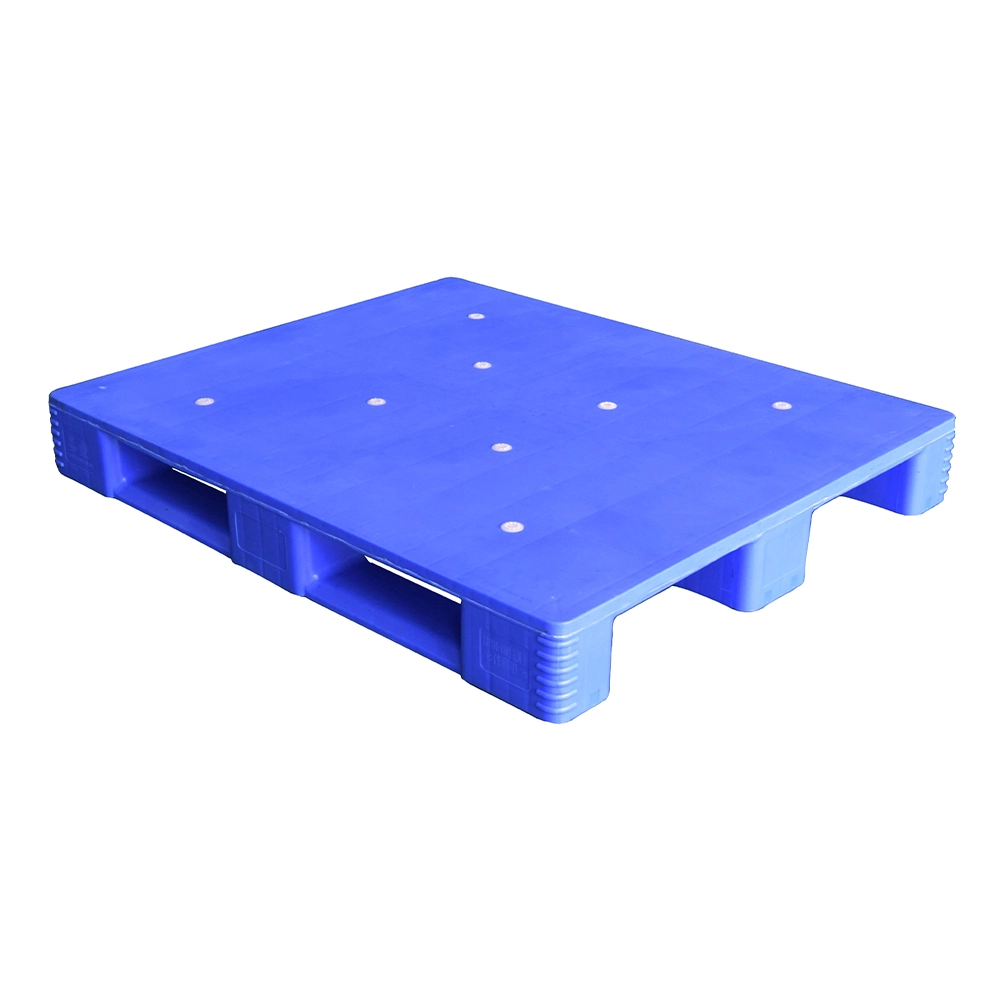
ZJ1210-150H Three-runner Closed Deck Hygienic Plastic Pallet
The three-runner closed-deck hygienic plastic pallet is a solid and durable packaging solution designed for general and especially food and medicine storage and transport. It’s made of virgin HDPE or PP, featuring a flat surface and even bottom for hygienic consideration, a reinforced configuration with steel cores for rack and shelf, and a steady loading capacity.
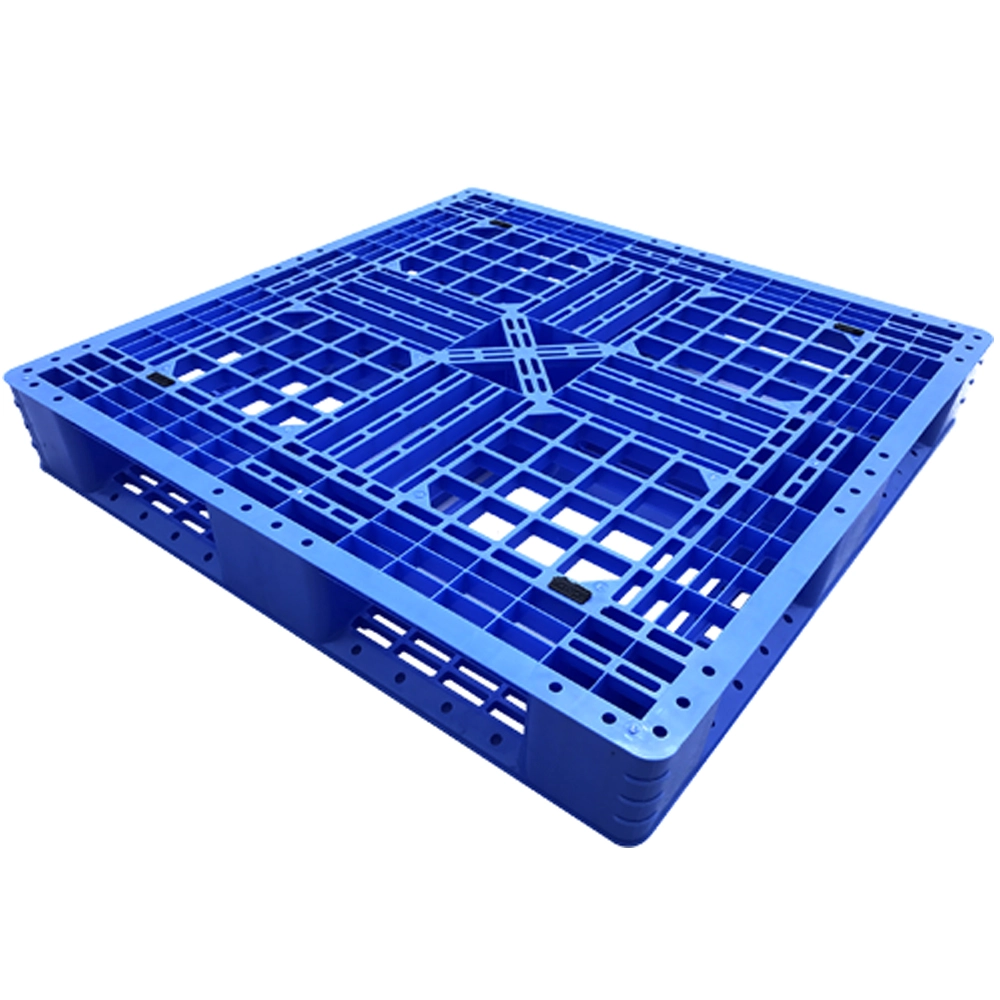
ZJ1010-150 Six-runner Single-sided Plastic Pallet
The six-runner plastic pallet, open or closed deck, is a solid and durable packaging solution designed for general and medium to heavy-duty cargo stacking, storage and transport. It’s made of virgin HDPE or PP, featuring in robust structure, a reinforced configuration with steel cores for the rack and shelf, and a steady loading capacity.
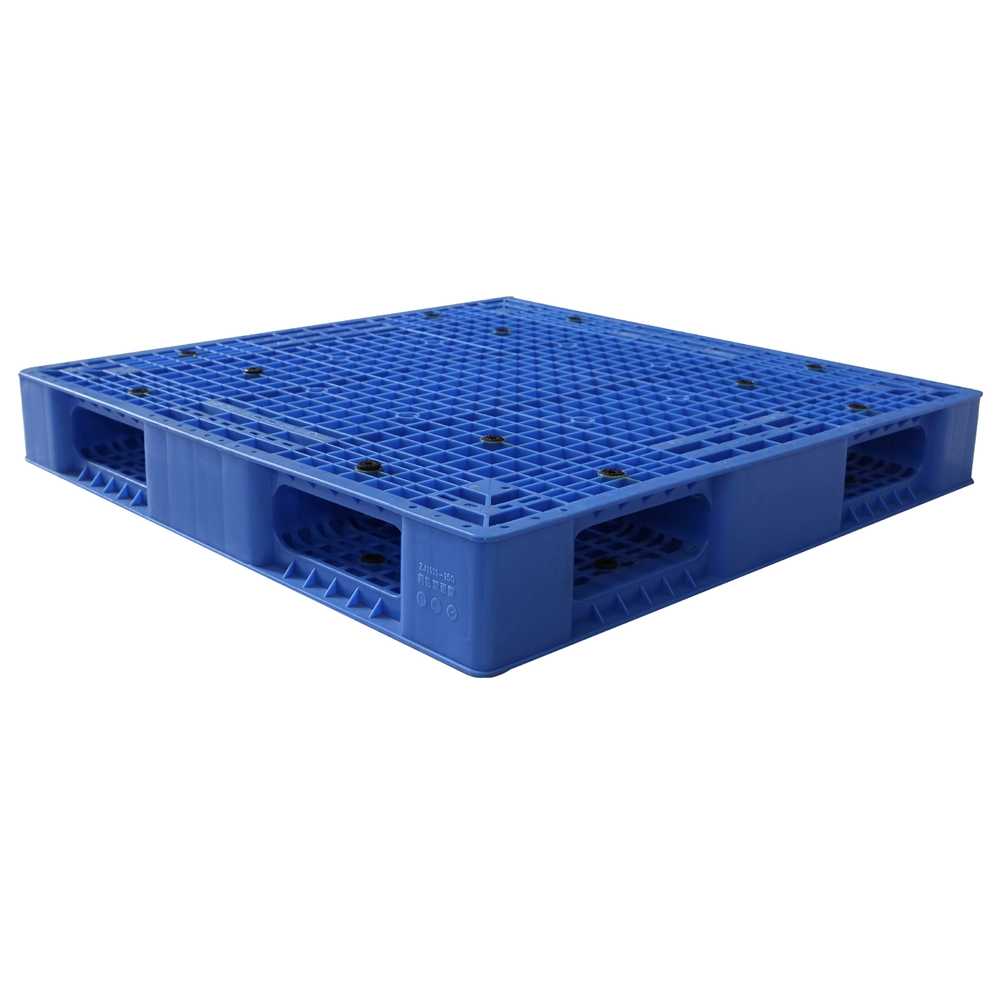
ZJ11111-150 Double-sided Heavy Duty Plastic Pallet
The double-sided plastic pallet, open deck or closed deck, is a solid and durable packaging solution designed for general and medium to heavy-duty cargo stacking, storage and transport. It’s made of virgin HDPE or PP, featuring a robust structure, a reinforced configuration with steel cores for the rack and shelf, and a steady loading capacity for both sides.
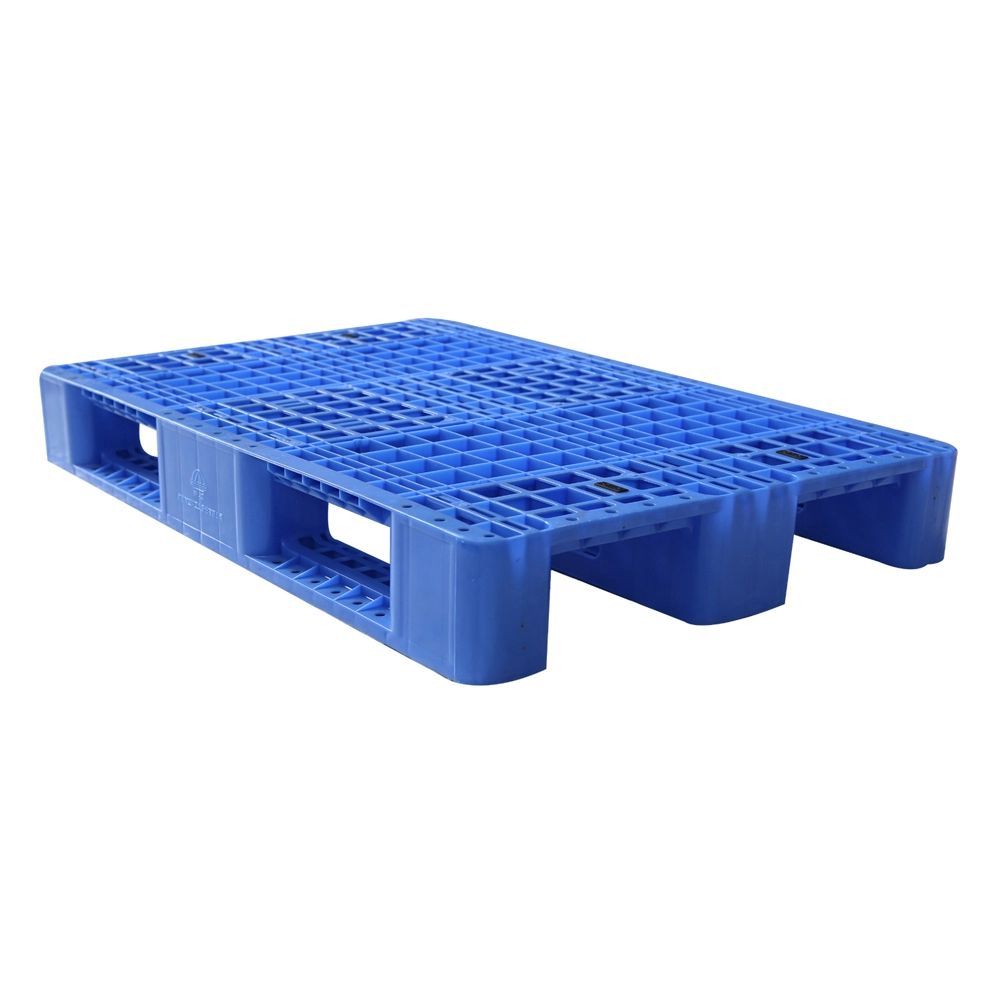
ZJ1208-155 Three-runner Single-sided Plastic Pallet
The three-runner single-sided plastic pallet is a solid and durable packaging solution designed for general and medium to heavy-duty cargo storage, transport and automated storage and retrieval system (AS/RS) use. It’s made of virgin HDPE or PP, featuring in robust structure, reinforced configuration with steel cores for rack and shelf, and a steady loading capacity.
Request More Information About Plastic Pallets
Have questions or need detailed insights on this article? Fill out the form below to contact our team for comprehensive information and support related to our plastic pallet solutions.
Contact us


+86 138 0277 8204
+86 183 4431 0917
+86 195 3791 1860

No. 15-1, Fengying Rd., Taiping Town, Conghua Dist., Guangzhou City, Guangdong Province, China.
 Scan QR Code
Weihong
Whatsapp: +8613802778204
Guangdong Weihong Plastic Technology Co., Ltd.
Scan QR Code
Whatsapp: +8619537911860
Scan QR Code
Guangdong Weihong Plastics Technology Company Ltd.