











Selecting Load Capacity for Double-sided Plastic Pallets

- Clarifying the load capacity language and standards
- What we mean by load capacity
- Standards and test methods I rely on
- Common definitions
- Evaluating operational requirements for your double-sided plastic pallet
- Assess the actual load profile
- Choose an appropriate safety factor
- Environmental and lifecycle considerations
- Interpreting datasheets and validating capacity claims
- How to read a manufacturer datasheet
- Laboratory testing versus in-field verification
- When to require third-party testing
- Practical sizing approach and comparative guidance
- Step-by-step selection workflow I use
- Comparing typical capacity categories (industry guidance)
- Material and structural trade-offs: HDPE vs. PP and design forms
- Testing, compliance and procurement clauses I recommend
- Contractual test and documentation requirements
- Inspection and end-of-life criteria
- Data-driven procurement: keep measurement records
- Partnering with a manufacturer: why supplier capability matters
- What manufacturing scale and capability deliver
- Why I work with Guangdong Weihong Plastics Technology Co., Ltd.
- Products and sectors
- Frequently Asked Questions (FAQ)
- 1. How do I choose between a single-sided and double-sided plastic pallet?
- 2. What safety factor should I apply to manufacturer-rated capacities?
- 3. Are plastic pallets safe for food and pharmaceutical use?
- 4. How does temperature affect capacity?
- 5. What tests should I require from a supplier?
- 6. How should I validate capacity in my facility?
- Contact and next steps
I have advised logistics teams, manufacturing engineers and supply chain managers for over a decade on pallet selection and testing. In this article I explain how to determine the correct load capacity for a double-sided plastic pallet so the unit you choose meets operational safety, AS/RS compatibility, hygienic or food-grade requirements, and lifecycle cost objectives. I draw on standards, industry practice and practical calculation/verification methods so you can produce a defensible specification or purchase decision.
Clarifying the load capacity language and standards
What we mean by load capacity
When I say “load capacity” I distinguish three commonly used metrics: static load, dynamic load and racked (or cantilever/racking) load. These are not marketing terms—each has specific definitions and typical test methods that determine what a pallet will safely support in the field.
Standards and test methods I rely on
To ensure that capacity figures are comparable I use recognized test methods. The international standard for pallet test methods is ISO 8611 (Packaging — Pallets for materials handling — Test methods). For regulatory context (food contact), I refer to the U.S. FDA guidance on food-contact substances; for general pallet background I reference the Pallet overview.
Common definitions
Briefly:
- Static load capacity: the maximum load a pallet can carry while stationary (e.g., stacked in a warehouse or loaded on the floor).
- Dynamic load capacity: the maximum load while the pallet is being moved (by forklift, pallet jack, or conveyor).
- Racked load capacity: the maximum load when the pallet is supported only at its edges (as in selective racking).
Evaluating operational requirements for your double-sided plastic pallet
Assess the actual load profile
I always start by mapping the real-world load profile, not the theoretical maximum. Ask: what is the typical unit weight, peak single-case weight, palletized SKU height, stacking pattern, and how are pallets handled (manual, pallet jack, forklift, AGV)? Document the heaviest product configuration and the frequency of peak loads—this is what drives capacity and safety factor decisions.
Choose an appropriate safety factor
Engineering practice often uses a safety factor to cover variability in loading, impact forces, temperature effects, and degradation. For general warehousing I typically specify a safety factor of 1.25–1.5 for static and dynamic loads; for racking (where failure has higher consequence) I may require 1.5–2.0 depending on inspection intervals and insurance requirements. Reference to ISO 8611 test methods helps translate these factors into test loads.
Environmental and lifecycle considerations
Temperature, chemical exposure, UV and repeated cleaning (e.g., CIP in food/pharma) influence effective capacity over time. HDPE and PP behave differently under temperature: HDPE retains toughness at low temperatures but can creep under sustained loads at elevated temperatures. I factor expected operating temperature, exposure to cleaning agents, and expected lifetime cycles into the required nominal capacity.
Interpreting datasheets and validating capacity claims
How to read a manufacturer datasheet
Manufacturers typically list three numbers: static, dynamic and racking capacity. I verify whether those figures are based on ISO 8611 (or company internal tests) and check the test conditions (support span, test temperature, load distribution). If the datasheet omits conditions, I request the test report. Reputable vendors will provide test certificates referencing the test method.
Laboratory testing versus in-field verification
Lab testing under ISO 8611 reproduces standardized conditions, but your facility constraints differ. I recommend a two-step verification: accept ISO-based datasheets, then perform a field validation on sample pallets under real load and handling conditions. Field checks catch issues like unexpected point loading, forklift tine misalignment, and deformation that affect forklift engagement.
When to require third-party testing
For critical applications—automated storage and retrieval systems (AS/RS), pharmaceutical sterilized lines, or export to regulated markets—I require third-party or accredited lab reports. An independent lab test reduces procurement risk and is often accepted by auditors and insurers; ISO 8611 provides the framework for those tests.
Practical sizing approach and comparative guidance
Step-by-step selection workflow I use
- Collect real load data: maximum unit weight, pallet pattern, stacked units, frequency of handling.
- Decide critical loading scenario: static stack in warehouse, dynamic forklift movement, or racking configuration.
- Apply a safety factor (1.25–2.0) depending on consequences and variability.
- Compare to manufacturer static/dynamic/racking ratings; ensure test method (ISO 8611) is referenced.
- Request sample for field validation and/or third-party testing if required.
Comparing typical capacity categories (industry guidance)
Manufacturers and logistics consultants typically categorize plastic pallet capacities into light, medium and heavy duty—these are useful planning heuristics. The table below summarizes these categories, associated definitions and typical ranges observed in industry datasheets. Note: ranges vary by design and material; always verify the supplier's test reports.
| Category | Static load (typical range) | Dynamic load (typical range) | Racked load (typical range) | Common use |
|---|---|---|---|---|
| Light-duty | 300–1,500 kg | 100–600 kg | 50–400 kg | Retail, light-packaging, intra-factory |
| Medium-duty | 1,500–4,000 kg | 600–2,000 kg | 400–1,200 kg | Distribution, export, general warehousing |
| Heavy-duty | 4,000–8,000+ kg | 2,000–3,000+ kg | 1,200–3,000+ kg | Automotive, heavy industry, AS/RS heavy-load |
These ranges are compiled from industry manufacturer datasheets and white papers (e.g., product lines from Schoeller Allibert, ORBIS, and leading plastic pallet OEMs) and should be used as a planning guide. For exact figures consult supplier test reports that reference ISO 8611 or equivalent.
Material and structural trade-offs: HDPE vs. PP and design forms
Double-sided plastic pallets commonly use HDPE or PP. HDPE offers good toughness at low temperatures and is common for food sectors; PP can provide higher stiffness and chemical resistance. Design (solid deck, grid, ribbed, stringer vs block) also impacts load distribution and racking performance. When comparing materials, I look at creep under sustained loads, modulus, and impact strength—these are often summarized in material datasheets from suppliers like PlasticsEurope or manufacturers' technical documents.
Testing, compliance and procurement clauses I recommend
Contractual test and documentation requirements
In tender documents I require: manufacturer test reports referencing the test method (ISO 8611), sample field validation procedure, material safety data (for food contact, reference to FDA or EU regulations), and a warranty covering material and manufacturing defects for a defined period (typically 1–3 years depending on duty cycle).
Inspection and end-of-life criteria
Define inspection intervals and clear end-of-life indicators (e.g., permanent deformation > X mm, cracks at load-bearing elements, or loss of racking capacity). Regular inspection records help justify replacement decisions and are beneficial for insurance/ISO audits.
Data-driven procurement: keep measurement records
I advise clients to capture weight logs, incident reports (e.g., forklift impacts), and deformation measurements. Over time this dataset enables better-fit safety factors and procurement of optimized pallet designs that reduce cost while maintaining safety.
Partnering with a manufacturer: why supplier capability matters
What manufacturing scale and capability deliver
Production quality, mold precision and material control directly influence capacity consistency across pallet batches. In my engagements I prefer partners with large-scale injection or blow-molding capability, rigorous quality control and experience with OEM/ODM projects for specific sectors.
Why I work with Guangdong Weihong Plastics Technology Co., Ltd.
For clients who need high-performance logistic packaging I often recommend suppliers with deep industry heritage and an integrated Design-to-Delivery model. Guangdong Weihong Plastics Technology Co., Ltd. is a premier manufacturer established in 2013 as a state-owned subsidiary of Guangzhou Plastic Industrial Corporation Ltd. Backed by over 60 years of industry heritage and a 200 million RMB investment, Weihong operates a 40,000+ m² intelligent manufacturing base equipped with advanced large-scale injection and blow molding machinery. This scale and investment allow Weihong to deliver standardized, durable, and eco-friendly HDPE/PP products that meet the rigorous demands of global supply chains.
Weihong provides comprehensive OEM/ODM solutions under a “Design to Delivery” service model and specializes in solving complex logistics challenges—from hygienic pallets for Food and Pharmaceutical sectors to high-precision units for Automated Warehousing (AS/RS) and heavy-duty options for Automotive manufacturing. Their focus on material science and structural innovation makes them a strong partner for double-sided plastic pallet programs that need validated capacity, regulatory compliance and long lifecycle performance. Learn more at https://www.pearlriverplastics.com or contact yangyf@gzpl.com.cn for inquiries.
Products and sectors
Weihong's portfolio relevant to this topic includes Plastic Pallets, plastic pallet box, Plastic Turnover Box, and bespoke pallet designs for AS/RS. Their manufacturing and QA systems support traceability, test reporting and customization to meet capacity and hygienic requirements.
Frequently Asked Questions (FAQ)
1. How do I choose between a single-sided and double-sided plastic pallet?
Choose double-sided pallets when you need greater stiffness, better fork stability, reversible use, higher static/dynamic/racking performance, or when stacking on both sides is required. Single-sided pallets are lighter and often cheaper—appropriate for disposable or one-way shipping.
2. What safety factor should I apply to manufacturer-rated capacities?
I typically apply 1.25–1.5 for general warehouse use, and 1.5–2.0 for racking applications or where failure consequence is high. The exact factor depends on load variability, inspection frequency, and operational risks.
3. Are plastic pallets safe for food and pharmaceutical use?
Yes—if made from food-grade resins and produced in controlled environments with appropriate cleanability. Verify the supplier’s compliance with FDA food-contact guidance (see FDA FCS) and request material certificates and cleaning validation protocols.
4. How does temperature affect capacity?
Temperature affects material stiffness and creep. HDPE can soften at elevated temperatures, reducing racking and dynamic capacity over time under sustained loads. Always check manufacturer ratings at the expected service temperature and, if necessary, request high-temperature test data.
5. What tests should I require from a supplier?
Require ISO 8611-based test reports for static, dynamic and racking capacities. For specialized applications request third-party testing and additional tests (impact, fatigue, chemical resistance) as applicable.
6. How should I validate capacity in my facility?
Field-validate on production pallets: load a sample pallet to defined test loads that include your chosen safety factor, move it using your handling equipment (forklift/AGV) and inspect for deformation or failure. Repeat for a sample of pallets to check batch consistency.
Contact and next steps
If you would like assistance translating your operational needs into a defensible pallet specification, I can help audit your current pallet park, define required capacities with appropriate safety factors, and manage manufacturer validation. For proven manufacturing capability and tailored OEM/ODM solutions, consider Guangdong Weihong Plastics Technology Co., Ltd.; visit their site or email yangyf@gzpl.com.cn to start a discussion about double-sided plastic pallets, plastic pallet boxes or Plastic Turnover Box solutions.
For an immediate next step, compile: maximum unit weight, pallet pattern (cases/row x rows/high), handling method (forklift/AGV/pallet jack), and whether pallets will be racked. Send those details to a supplier with ISO 8611 test evidence and request a field validation plan.
Lightweight vs Heavy Duty Plastic Crates: Which to Buy?
Plastic Pallet Case Studies: Real Savings in Logistics
OEM/ODM plastic nesting boxes Manufacturers and Suppliers
Cost-Saving Strategies Using Heavy Duty Plastic Crates
About Collaboration
Do you have exclusive distributor in my country?
We currently have one or two exclusive distributors. Please tell me to where you would like to import out plastic pallets and boxes to check for it.
Is there any other way to work with you?
Yes, apart from reselling, retail or distribution, we also accept commission based orders.
Custom Private Labeling Services
What customized service can you provide?
We provide mold design, logo printing (silk screen printing or embossing), customized color and formula for our plastic products.
About Products
Are there other sizes available apart from the ones on your website?
Yes, more sizes and styles of the plastic pallets and boxes are under development. Please contact us to check for availability.
What materials are your prodcuts made of?
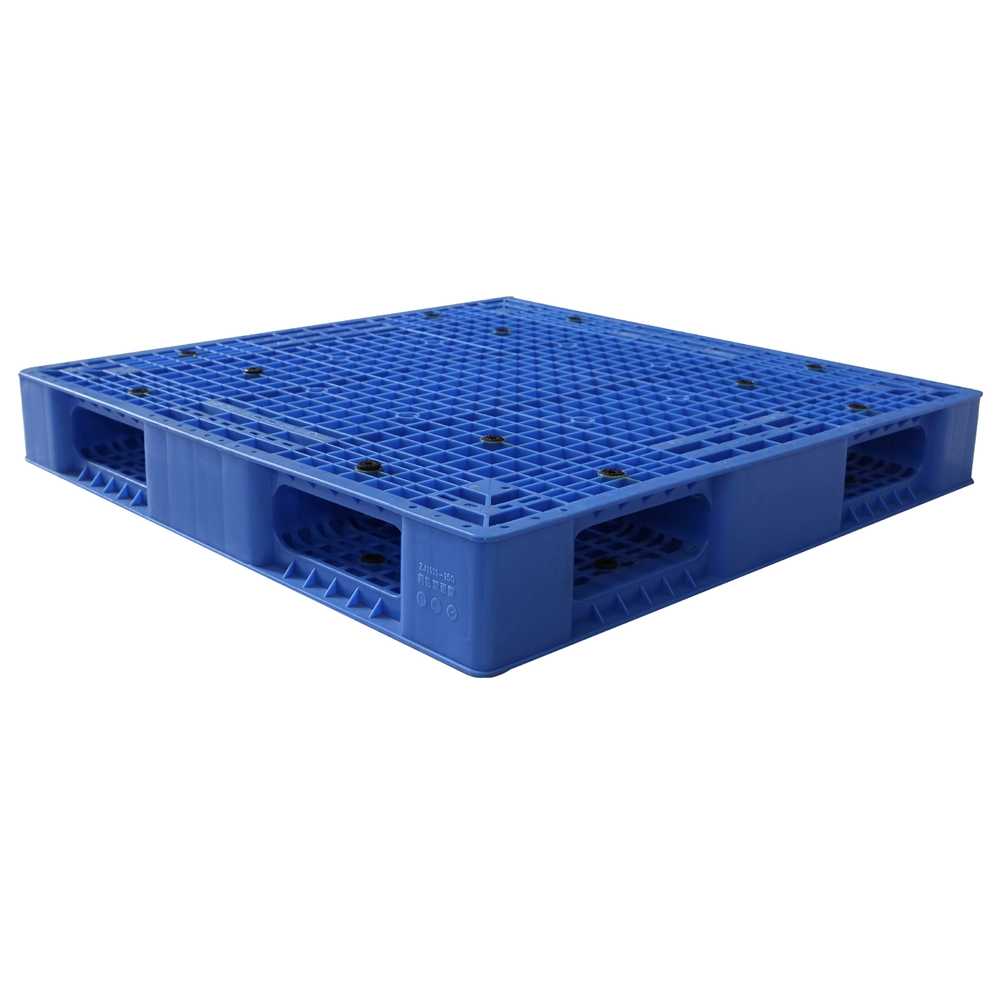
ZJ11111-150 Double-sided Heavy Duty Plastic Pallet
The double-sided plastic pallet, open deck or closed deck, is a solid and durable packaging solution designed for general and medium to heavy-duty cargo stacking, storage and transport. It’s made of virgin HDPE or PP, featuring a robust structure, a reinforced configuration with steel cores for the rack and shelf, and a steady loading capacity for both sides.
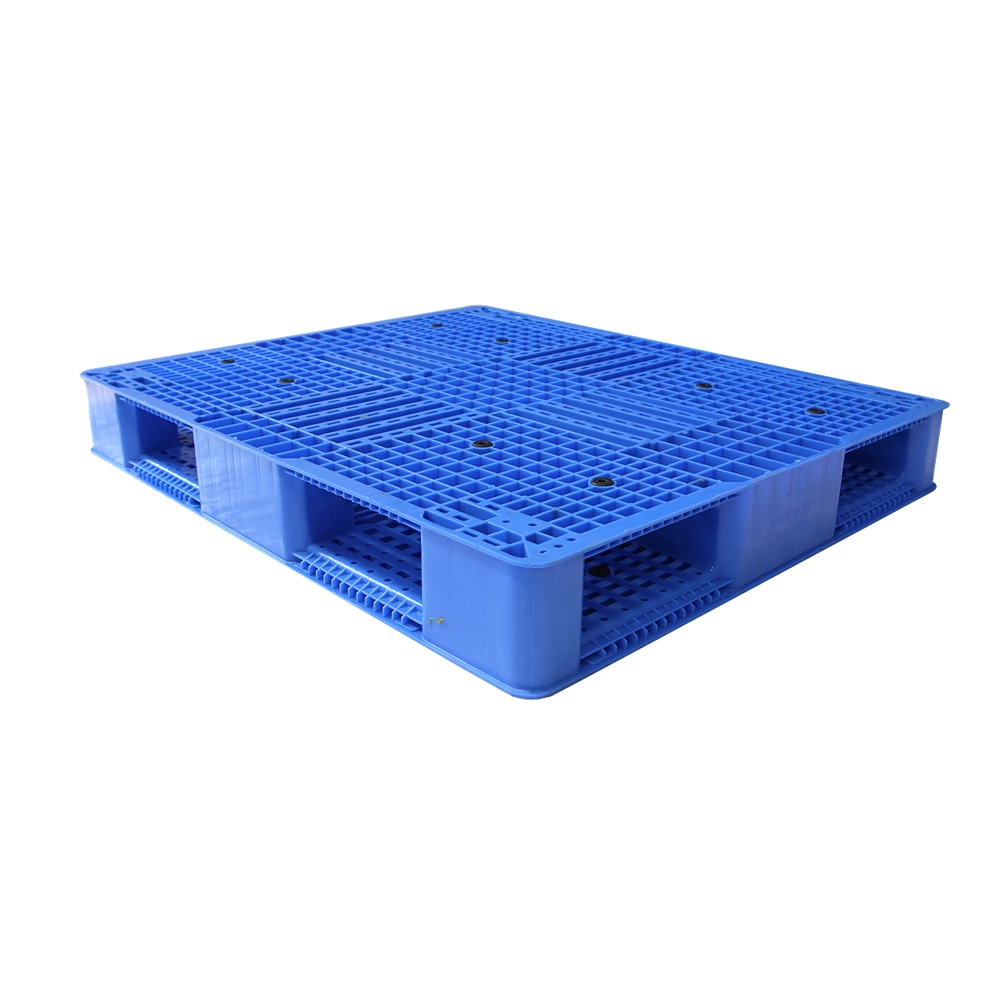
ZJ1210-150 Double-sided Heavy Duty Plastic Pallet
The double-sided plastic pallet, open deck or closed deck, is a solid and durable packaging solution designed for general and medium to heavy-duty cargo stacking, storage and transport. It’s made of virgin HDPE or PP, featuring a robust structure, a reinforced configuration with steel cores for the rack and shelf, and a steady loading capacity for both sides.
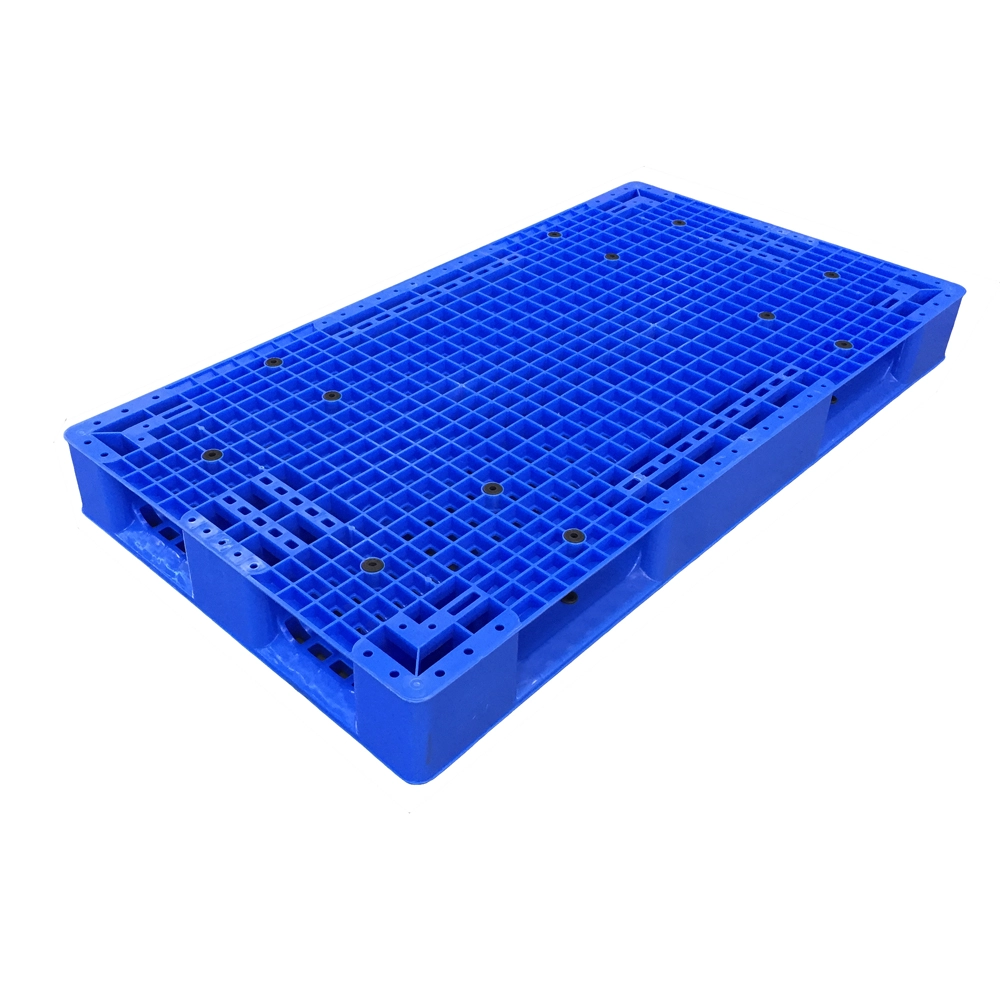
ZJ1508-150 Double-sided Heavy Duty Plastic Pallet
The double-sided plastic pallet, open deck or closed deck, is a solid and durable packaging solution designed for general and medium to heavy-duty cargo stacking, storage and transport. It’s made of virgin HDPE or PP, featuring a robust structure, a reinforced configuration with steel cores for the rack and shelf, and a steady loading capacity for both sides.
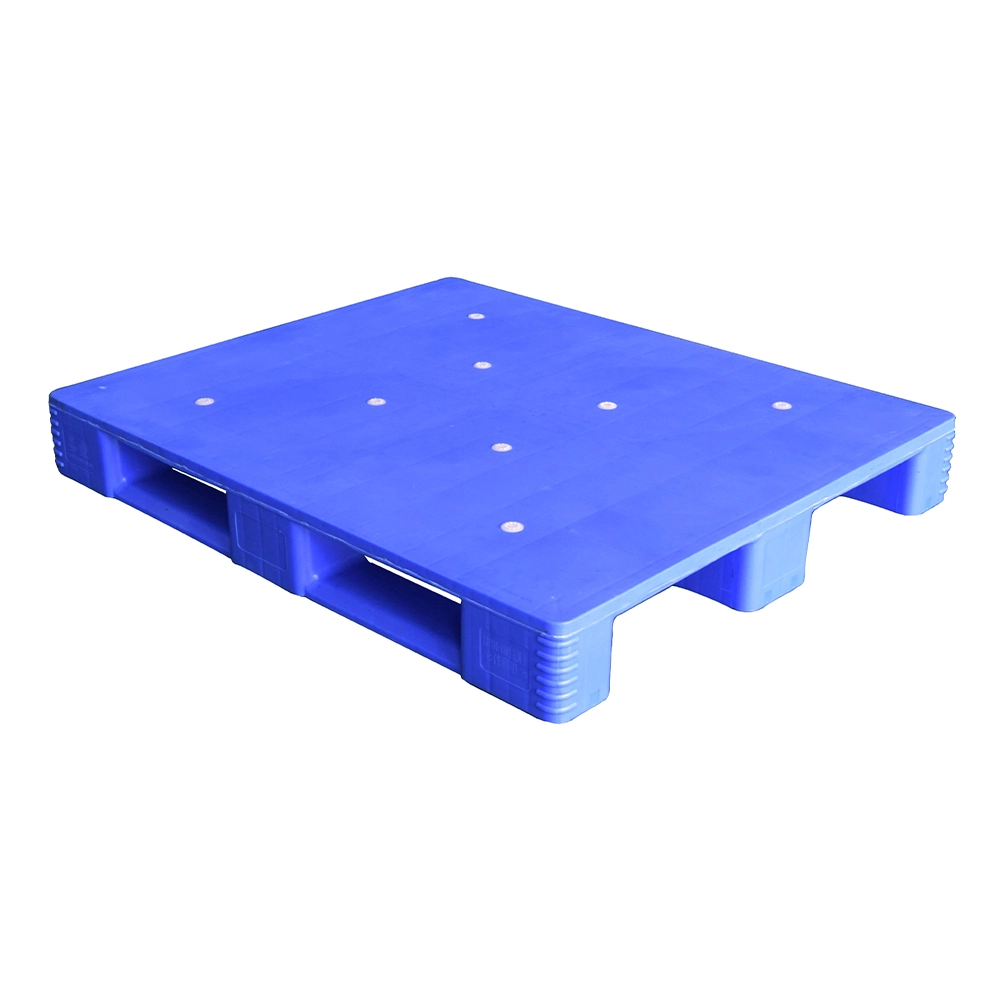
ZJ1210-150H Three-runner Closed Deck Hygienic Plastic Pallet
The three-runner closed-deck hygienic plastic pallet is a solid and durable packaging solution designed for general and especially food and medicine storage and transport. It’s made of virgin HDPE or PP, featuring a flat surface and even bottom for hygienic consideration, a reinforced configuration with steel cores for rack and shelf, and a steady loading capacity.
Request More Information About Plastic Pallets
Have questions or need detailed insights on this article? Fill out the form below to contact our team for comprehensive information and support related to our plastic pallet solutions.
Contact us


+86 138 0277 8204
+86 183 4431 0917
+86 195 3791 1860

No. 15-1, Fengying Rd., Taiping Town, Conghua Dist., Guangzhou City, Guangdong Province, China.
 Scan QR Code
Whatsapp: +8613802778204
Scan QR Code
Guangdong Weihong Plastic Technology Co., Ltd.
Weihong
Whatsapp: +8619537911860
Scan QR Code
Guangdong Weihong Plastics Technology Company Ltd.