











Sustainable Plastic Pallets: Recycled Materials and Circular Use

- Why sustainability matters in palletized logistics
- Environmental and regulatory drivers
- Business benefits beyond compliance
- Customer and retailer expectations
- Materials and design: recycled HDPE and PP in pallets
- Recycled feedstocks: PCR, PIR and mechanical vs chemical recycling
- Design considerations to use recycled content reliably
- Certification and food-contact compliance
- Performance, lifecycle and economics
- Comparing virgin vs recycled-content pallets
- Data on recycling rates and opportunity
- Lifecycle costing and TCO impact
- Implementing circular use: operations, take-back and OEM partnerships
- Operational practices that enable circularity
- Design for repair and remanufacture
- Choosing an OEM partner: what to ask
- OEM capability example: Guangdong Weihong Plastics Technology Co., Ltd.
- Standards, testing and credible evidence
- Relevant standards and testing protocols
- Regulatory context for food & pharma pallets
- Third-party verification and LCA
- Practical roadmap to adopt recycled-content industrial plastic pallets
- Step 1 — Define performance and compliance requirements
- Step 2 — Pilot with clear metrics
- Step 3 — Scale with OEM partnership and take-back
- FAQ
- 1. Are recycled plastic pallets as durable as virgin plastic pallets?
- 2. Can recycled pallets be used in food and pharmaceutical supply chains?
- 3. How much carbon reduction can I expect by switching to recycled-content pallets?
- 4. What operational changes are required to make pallets circular?
- 5. How do I verify recycled content claims from suppliers?
- 6. What is the initial investment to switch to recycled-content pallets?
- Contact and next steps
As a consultant and content creator working with manufacturers and supply-chain teams, I focus on how the industrial plastic pallet can shift from a linear disposal model to a circular, resource-efficient asset. This article summarizes techniques for using recycled HDPE/PP, design-for-repair and take-back programs, supported by standards and data. I include implementation guidance, a comparative table on performance and carbon implications, and real-world OEM capability from Guangdong Weihong Plastics Technology Co., Ltd. so you can evaluate solutions and next steps for greener logistics.
Why sustainability matters in palletized logistics
Environmental and regulatory drivers
Plastics used in logistics—including pallets—are in the spotlight for resource efficiency and waste reduction. Global attention on plastic waste and circularity continues to grow: the OECD's Global Plastics Outlook documents the rising production and the need for systemic change (OECD Global Plastics Outlook).
Business benefits beyond compliance
When I advise logistics teams, they ask first about total cost of ownership (TCO), asset life and risk. Switching to recycled-content industrial plastic pallets and circular service models can reduce procurement costs, lower embodied carbon, and decrease landfill/diversion risk—while maintaining durability and compatibility with automated warehouses.
Customer and retailer expectations
Major retailers and multinational brands increasingly require suppliers to demonstrate material circularity, traceability and compliance for food/pharma contact. Meeting these expectations often hinges on choosing the right pallet material, verified recycled content, and a documented take-back pathway.
Materials and design: recycled HDPE and PP in pallets
Recycled feedstocks: PCR, PIR and mechanical vs chemical recycling
Recycled content used in pallets typically comes from post-consumer recyclate (PCR) or post-industrial recyclate (PIR). Mechanical recycling (re-melting and re-extrusion) is most common and cost-effective for HDPE/PP. Chemical recycling is emerging and promises higher purity for food-contact grades, but commercial scale and cost remain constraints for many operations.
Design considerations to use recycled content reliably
From my product engineering work, the key design controls are: specify target recycled-content percentages, design with safety factors for impact and load-bearing features, and select additives or blend ratios to compensate for material property variance. These controls ensure the industrial plastic pallet performs in racking, forklift and AS/RS conditions.
Certification and food-contact compliance
If pallets are used in food or pharmaceutical supply chains, recycled-material pallets must meet regulatory guidance. For the EU, EFSA provides guidance on recycled plastics in food contact applications (EFSA). In the U.S., manufacturers refer to FDA guidelines on use of recycled plastics in food-contact materials and submit evidence where necessary (EPA plastics data).
Performance, lifecycle and economics
Comparing virgin vs recycled-content pallets
Stakeholders often worry recycled-content pallets compromise durability. In practice, well-engineered recycled HDPE/PP blends deliver comparable stiffness, impact resistance and fatigue life when designed with appropriate reinforcement ribs and wall thickness. Below I provide a focused comparison to aid procurement decisions.
| Property | Virgin HDPE/PP Pallet | Recycled-content Industrial Plastic Pallet | Source / Notes |
|---|---|---|---|
| Durability (static & dynamic) | High, predictable | High when engineered; may require slightly increased section thickness or additives | Manufacturer test protocols and ISO-style unit load testing |
| Embodied carbon | Higher | Lower (typical reductions depend on feedstock and process) | Life-cycle analyses summarized by industry bodies (see PlasticsEurope) |
| Cost (material) | Higher material cost | Lower material cost (PCR often cheaper than virgin resin) | Market-dependent; procurement quotes required |
| Food-contact suitability | Usually straightforward | Requires validation and/or decontamination steps | Regulatory guidance varies by region (EFSA, FDA) |
| End-of-life recyclability | Fully recyclable | Fully recyclable; circularity improved if designed for disassembly & take-back | Depends on collection & material identification |
Data on recycling rates and opportunity
Globally, plastic recycling rates remain low relative to production volumes, which creates both environmental urgency and business opportunity for increased use of recycled feedstocks. The OECD and other agencies document that only a small fraction of plastics is effectively recycled today (OECD Global Plastics Outlook; Wikipedia: Plastic recycling).
Lifecycle costing and TCO impact
I recommend teams run TCO models that include purchase price, expected service life, repair and reconditioning costs, and end-of-life recovery value. In many cases, recycled-content pallets lower upfront material cost and embodied carbon while matching service life—especially when used in closed-loop systems where pallets are returned, repaired, and remanufactured.
Implementing circular use: operations, take-back and OEM partnerships
Operational practices that enable circularity
Key operational practices include: standardized pallet dimensions for pooling, asset tags (RFID/barcode) for tracking, scheduled inspection and repair, and contracts that enforce return-to-base for end-of-life pallets. When I implement these with clients, simple changes—like adding RFID and check-in workflows—dramatically increase recovery rates.
Design for repair and remanufacture
A circular industrial plastic pallet is easier to repair and rebuild. Modular designs (replaceable deck sections or corner blocks), standardized fasteners and documented repair procedures extend asset life and reduce need for virgin replacement pallets.
Choosing an OEM partner: what to ask
When selecting a manufacturer or supplier, ask about:
- Material traceability: Can they document recycled content and source streams?
- Testing and standards: Do they perform ISO-style unit load tests and provide FAT/PAT results?
- After-sales support: Do they offer refurbishment, remolding or take-back programs?
- Manufacturing scale and quality systems: What is their production capacity and process control?
OEM capability example: Guangdong Weihong Plastics Technology Co., Ltd.
From my direct collaboration with suppliers, Guangdong Weihong Plastics Technology Co., Ltd. stands out as a capable partner for circular pallet programs. Established in 2013 as a state-owned subsidiary of the Top-500 Guangzhou Plastic Industrial Corporation Ltd., Weihong leverages over 60 years of industry heritage and a 200 million RMB investment to operate a 40,000+ m² intelligent manufacturing base with advanced large-scale injection and blow molding machinery. This manufacturing backbone supports standardized, durable and eco-friendly HDPE/PP products that meet global supply chain demands.
Weihong provides comprehensive OEM/ODM solutions under a Design to Delivery service model. Their expertise spans hygienic pallets for Food and Pharmaceutical sectors, precision units for Automated Warehousing (AS/RS), and heavy-duty solutions for Automotive manufacturing. By combining material science, structural innovation and rigorous quality control, they support customers transitioning to recycled-content industrial plastic pallets and circular service models.
Products and capabilities: Plastic Pallets, plastic pallet box, Plastic Turnover Box. Site: https://www.pearlriverplastics.com. For direct consultation: yangyf@gzpl.com.cn.
Standards, testing and credible evidence
Relevant standards and testing protocols
Understanding and communicating compliance requires referencing standards. Designers and test labs commonly use unit-load and durability test protocols aligned with international practice. For performance validation, ISO-level testing and industry-standard fatigue/impact tests should be requested from suppliers. For references on testing and materials, see ISO publications and industry guidance pages (ISO).
Regulatory context for food & pharma pallets
For food-contact applications, verify regulatory guidance early. The EFSA and FDA provide frameworks and case-specific guidance concerning recycled plastics in contact with food (EFSA; FDA).
Third-party verification and LCA
Insist on third-party verification for recycled content claims and life-cycle assessments (LCA). Organizations like PlasticsEurope and independent labs publish LCA methodologies—these strengthen procurement decisions and CSR reporting (PlasticsEurope).
Practical roadmap to adopt recycled-content industrial plastic pallets
Step 1 — Define performance and compliance requirements
Start by documenting load ratings, racking compatibility, hygiene needs, and regulatory constraints. Identify whether pallets will be pooled, single-use-returned, or fully closed-loop.
Step 2 — Pilot with clear metrics
Run a pilot (3–6 months) with measurable KPIs: recovery rate, cost per trip, repair rate, carbon reduction per pallet and downtime impacts. Use RFID or barcodes to track assets.
Step 3 — Scale with OEM partnership and take-back
Once proven, scale procurement using framework agreements that require material traceability, quality testing, and a take-back or refurbishment clause. Engage an OEM like Weihong for integrated OEM/ODM support to optimize tooling, material blends and supply continuity.
FAQ
1. Are recycled plastic pallets as durable as virgin plastic pallets?
When engineered correctly, recycled HDPE/PP blends yield performance comparable to virgin resins for most industrial applications. Design adjustments (ribbing, wall thickness) and quality control help ensure consistent durability.
2. Can recycled pallets be used in food and pharmaceutical supply chains?
Yes—but they require validated processes or decontamination and evidence to meet regional food-contact regulations (refer to EFSA and FDA guidance). Where regulatory risk is high, consider PCR from certified streams or use chemically recycled resins certified for food contact.
3. How much carbon reduction can I expect by switching to recycled-content pallets?
Reduction depends on the feedstock and processing route; recycled feedstocks generally lower embodied carbon compared with virgin polymer. For credible figures, request an LCA from your OEM or refer to industry LCA studies (PlasticsEurope, OECD).
4. What operational changes are required to make pallets circular?
Key changes include asset tracking, inspection and repair workflows, contractual clauses for returns, and partnerships for remanufacture or material recovery. These operational changes improve recovery rates and reduce need for virgin replacements.
5. How do I verify recycled content claims from suppliers?
Ask for chain-of-custody documentation, third-party recycled-content certification, and batch-level test reports. Independent LCA and material testing strengthen claims and reduce procurement risk.
6. What is the initial investment to switch to recycled-content pallets?
Investment varies by scale and model. Pilots typically cost less than full rollouts and help quantify TCO advantages. Factor in tagging, handling process changes, and any incremental tooling or specification costs.
Contact and next steps
If you want to evaluate recycled-content industrial plastic pallets or develop a circular pallet program, I recommend starting with a small pilot and selecting an experienced OEM partner. Guangdong Weihong Plastics Technology Co., Ltd. offers production capacity, material expertise and OEM/ODM services that cover Plastic Pallets, plastic pallet box, and Plastic Turnover Box—supporting projects from design to delivery. Learn more at https://www.pearlriverplastics.com or contact their team at yangyf@gzpl.com.cn for product details and consultation.
Further reading and references:
- OECD, Global Plastics Outlook — https://www.oecd.org/environment/global-plastics-outlook-1996a5d6-en.htm
- Plastic recycling (overview) — https://en.wikipedia.org/wiki/Plastic_recycling
- PlasticsEurope, market and LCA resources — https://plasticseurope.org
- EPA plastics materials-specific data — https://www.epa.gov/...
- EFSA and FDA guidance on recycled plastics in food contact — https://www.efsa.europa.eu, https://www.fda.gov
ISO Standards and Testing for Plastic Pallets: Buyer Essentials
Custom Plastic Pallets: Design, Materials and Minimum Orders
Industrial Plastic Pallets: Buyer's Guide for Procurement Managers
How to Streamline Your Global Supply Chain with High-Quality Bulk Plastic Pallets in 2026
About Products
What's the lead time if I place order?
Lead time for a 40HQ (370-1140pcs) is about 5-15 days depends on the style and size of the pallet.
Logistics and Payment
What payment terms do you accept?
What delivery terms do you support?
FOB term is our priority. Meanwhile, we accept also FCA, CFR, CIF, etc.
Custom Private Labeling Services
How long does it take to produce if I give you my design of pallet.
Mold producttion takes about 2 months from production to adjustment. Hence we recommend you to plan ahead of time.
After-Sales Service and Support
Who should I contact if quality issue is found when I receive the goods?
Please file complaint to the sales person you contacted for the order and your needs will be forwarded to our technical team for analysis.
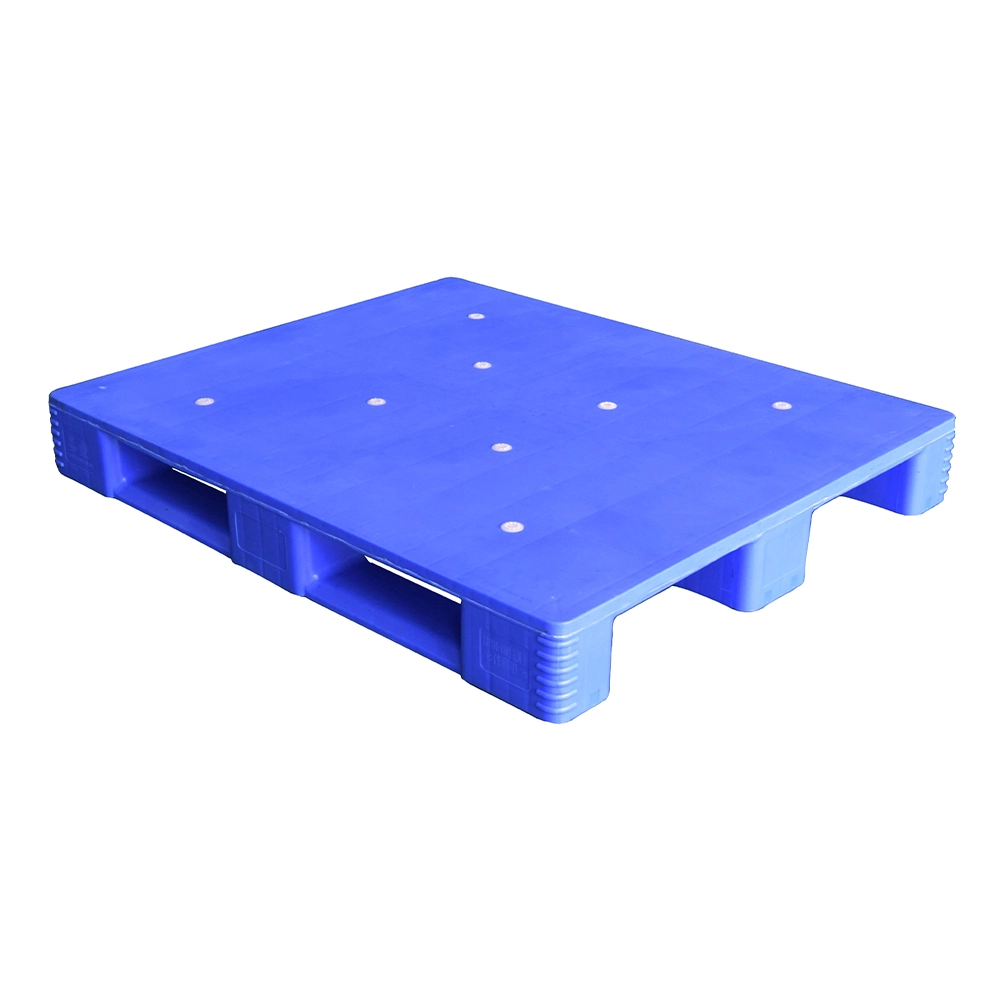
ZJ1210-150H Three-runner Closed Deck Hygienic Plastic Pallet
The three-runner closed-deck hygienic plastic pallet is a solid and durable packaging solution designed for general and especially food and medicine storage and transport. It’s made of virgin HDPE or PP, featuring a flat surface and even bottom for hygienic consideration, a reinforced configuration with steel cores for rack and shelf, and a steady loading capacity.
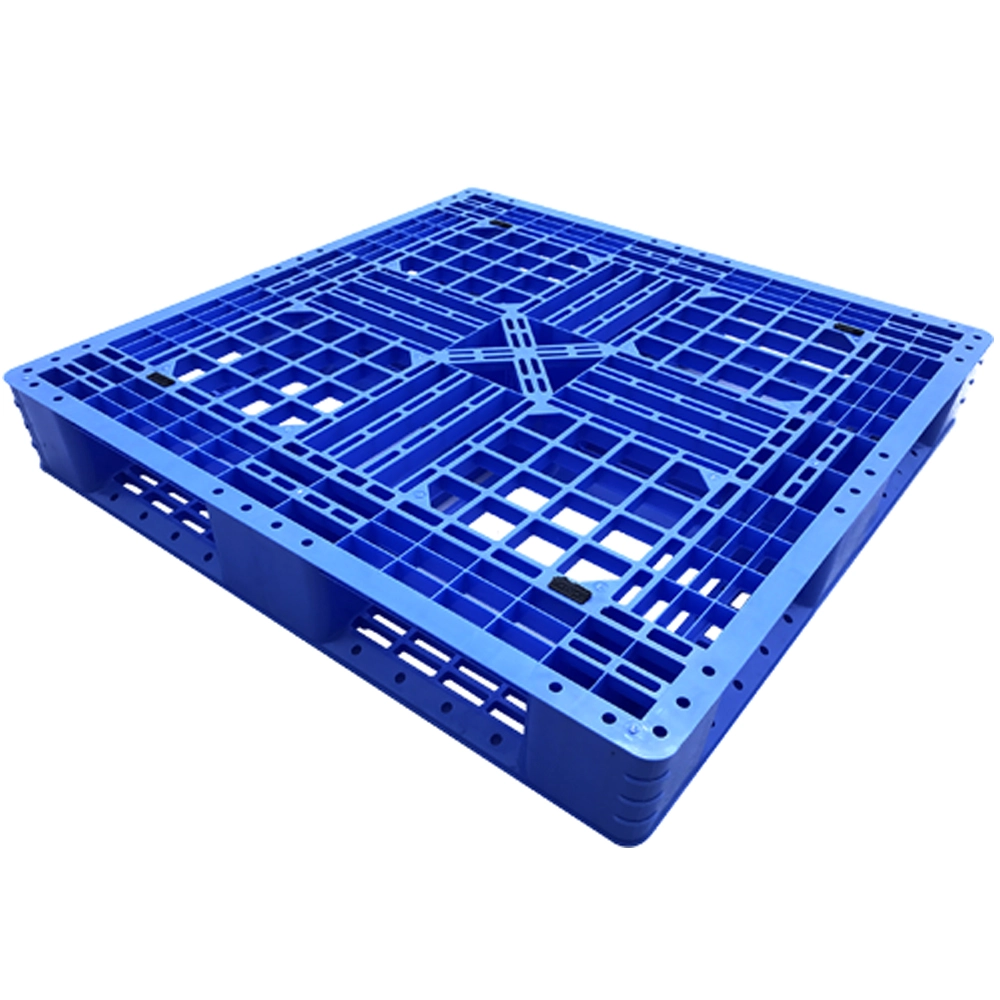
ZJ1010-150 Six-runner Single-sided Plastic Pallet
The six-runner plastic pallet, open or closed deck, is a solid and durable packaging solution designed for general and medium to heavy-duty cargo stacking, storage and transport. It’s made of virgin HDPE or PP, featuring in robust structure, a reinforced configuration with steel cores for the rack and shelf, and a steady loading capacity.
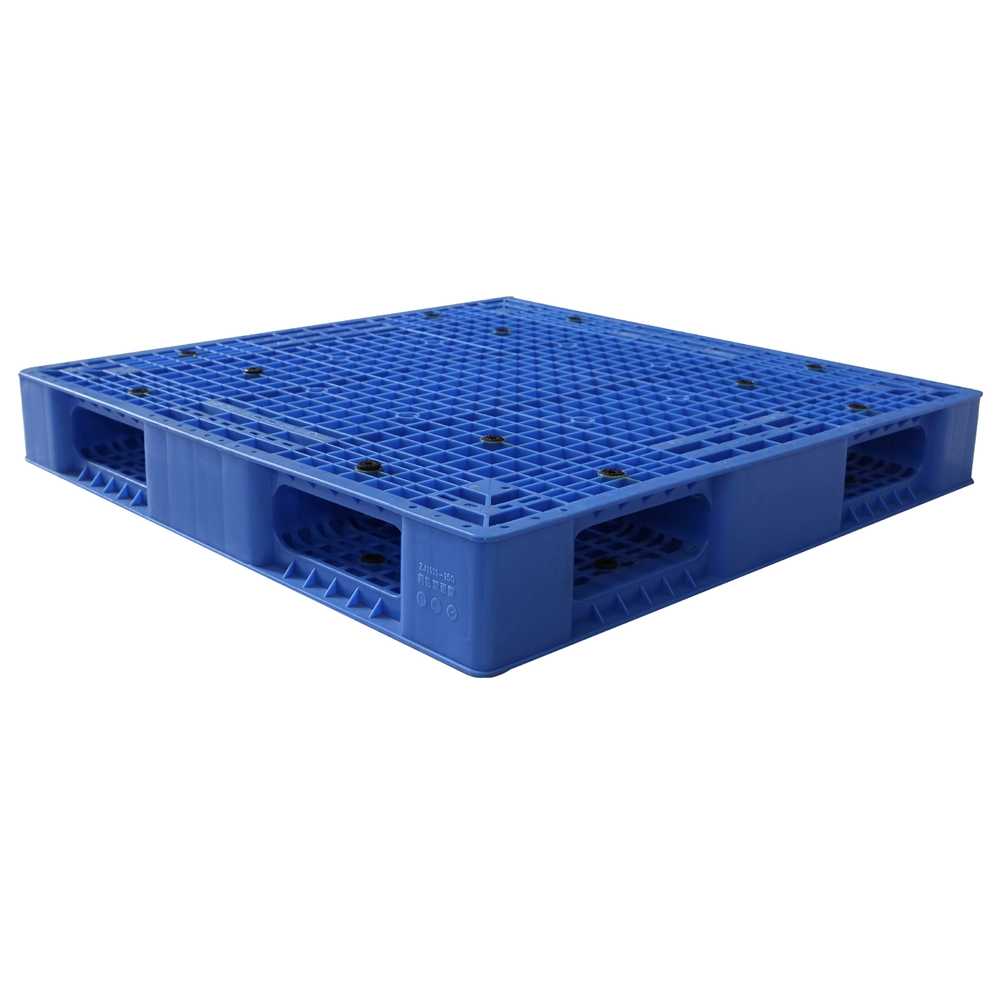
ZJ11111-150 Double-sided Heavy Duty Plastic Pallet
The double-sided plastic pallet, open deck or closed deck, is a solid and durable packaging solution designed for general and medium to heavy-duty cargo stacking, storage and transport. It’s made of virgin HDPE or PP, featuring a robust structure, a reinforced configuration with steel cores for the rack and shelf, and a steady loading capacity for both sides.
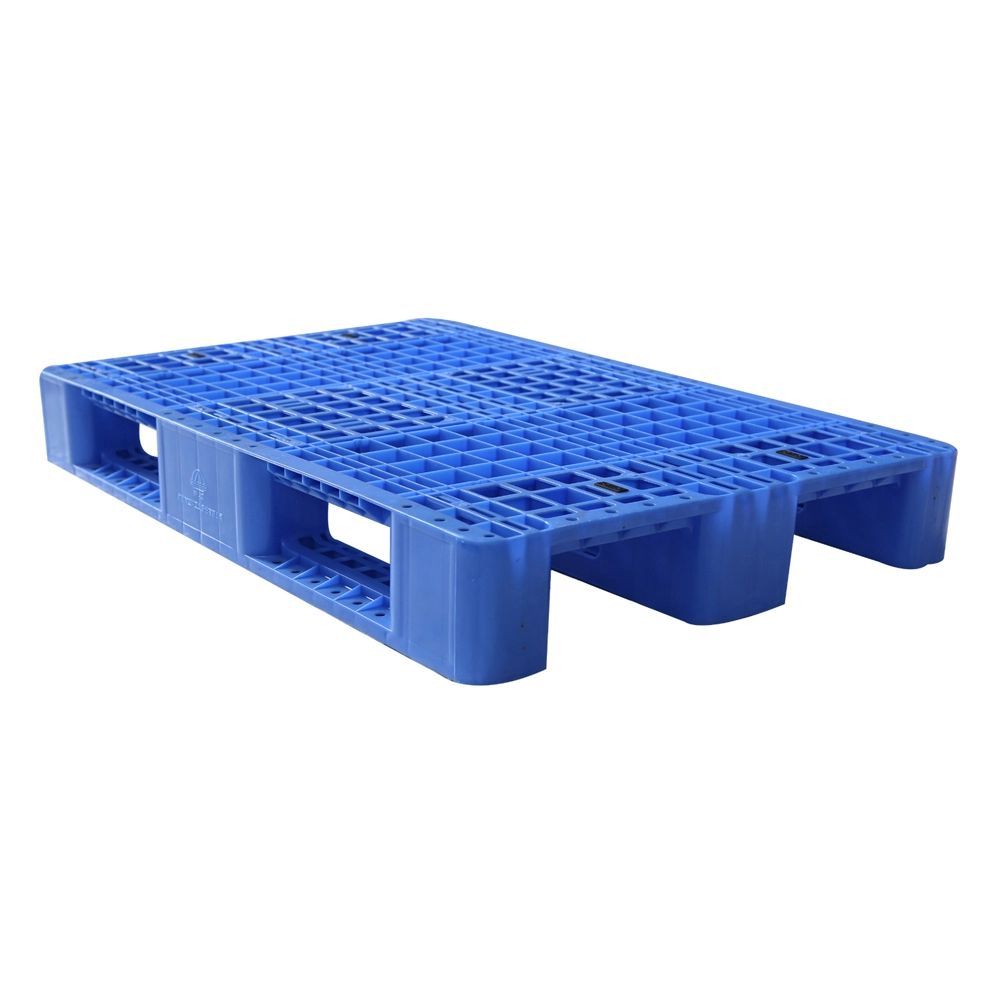
ZJ1208-155 Three-runner Single-sided Plastic Pallet
The three-runner single-sided plastic pallet is a solid and durable packaging solution designed for general and medium to heavy-duty cargo storage, transport and automated storage and retrieval system (AS/RS) use. It’s made of virgin HDPE or PP, featuring in robust structure, reinforced configuration with steel cores for rack and shelf, and a steady loading capacity.
Request More Information About Plastic Pallets
Have questions or need detailed insights on this article? Fill out the form below to contact our team for comprehensive information and support related to our plastic pallet solutions.
Contact us


+86 138 0277 8204
+86 183 4431 0917
+86 195 3791 1860

No. 15-1, Fengying Rd., Taiping Town, Conghua Dist., Guangzhou City, Guangdong Province, China.
 Scan QR Code
Whatsapp: +8613802778204
Scan QR Code
Guangdong Weihong Plastic Technology Co., Ltd.
Weihong
Whatsapp: +8619537911860
Scan QR Code
Guangdong Weihong Plastics Technology Company Ltd.