











Sustainable Solutions: Recycled Double-sided Plastic Pallets

- Sustainability Trends in Logistics and Packaging
- Regulatory and market drivers
- Quantifying environmental benefit
- Customer intent: why buyers search for double-sided pallets
- Design and Performance Advantages of Double-sided Plastic Pallets
- Structural characteristics and benefits
- Hygiene and cleanability
- Compatibility with automated systems
- Material Choices, Recycling Processes and Standards
- Common resin choices and their recycled content
- Manufacturing methods and quality control
- Standards and guidance
- Implementation, Cost Analysis and Use Cases
- Calculating cost-per-use
- Operational case examples
- Comparative performance table
- Vendor Selection, Tests and Best Practices
- Key supplier capabilities to verify
- Testing protocols I recommend
- Repair, recycling and take-back
- Manufacturer Profile: Guangdong Weihong Plastics Technology Co., Ltd.
- Conclusions and Recommendations
- References and further reading
- FAQ
- 1. What is a double-sided plastic pallet and how is it different from a regular plastic pallet?
- 2. Can recycled plastic pallets be used in food and pharmaceutical supply chains?
- 3. How do I evaluate cost-effectiveness between wood and recycled double-sided plastic pallets?
- 4. Are recycled plastic pallets recyclable at end-of-life?
- 5. What tests should I require from a pallet supplier?
- 6. How do I start a pilot program for recycled double-sided plastic pallets?
Summary for : I present an in-depth, practical guide to recycled double-sided plastic pallets—covering material selection, manufacturing processes, lifecycle benefits, hygiene and regulatory considerations, cost-per-use comparisons, and implementation strategies for regional and global supply chains. The article explains how recycled HDPE/PP pallets can reduce environmental impact while meeting stringent operational demands and regulatory requirements across food, pharmaceutical and automated warehousing applications.
Sustainability Trends in Logistics and Packaging
I begin by framing why recycled materials and circular solutions matter to distribution networks today. Sustainability is no longer a marketing add-on; it is central to procurement, regulatory compliance and cost control. Major retailers, manufacturers and 3PLs increasingly demand packaging that reduces carbon intensity, minimizes waste, and supports closed-loop recycling.
Regulatory and market drivers
Regulatory pressure and buyer expectations push for reusable and recyclable transport packaging. For food-contact applications, the U.S. Food and Drug Administration guidance on food-contact substances is a key reference when assessing materials: FDA – Food Contact Substances. At the same time, broader circular-economy policies in the EU and sustainability reporting requirements make lifecycle thinking essential.
Quantifying environmental benefit
Recycling plastics into pallet-grade HDPE or PP can reduce virgin material demand and the embedded carbon of each unit. For wider context on municipal recycling and materials flows I reference the U.S. EPA’s data: EPA facts and figures. Where possible I recommend reviewing a full lifecycle assessment (LCA) tailored to your region, because energy mixes, transport distances and reuse cycles materially affect results.
Customer intent: why buyers search for double-sided pallets
When buyers search for double-sided plastic pallet they commonly want a reversible, durable pallet that improves stackability and lifecycle returns, supports hygienic operations, and can be recycled at end-of-life. Addressing those needs requires both material science and design detail.
Design and Performance Advantages of Double-sided Plastic Pallets
Here I detail how double-sided (reversible) plastic pallets differ from single-sided or stringer-type pallets and why they are often preferable in certain industries.
Structural characteristics and benefits
Double-sided plastic pallets typically provide two full deck surfaces — top and bottom — which makes them reversible and often more rigid. That design: improves load distribution, simplifies rotation in returnable systems, and can reduce abrasion when the pallet is flipped. In hygienic environments, a fully decked bottom avoids niches that trap debris.
Hygiene and cleanability
Reversible plastic pallets made from HDPE or PP have non-porous surfaces that are much easier to wash and sanitize than wooden pallets. This is a major advantage for Food and Pharmaceutical supply chains seeking to meet sanitary design expectations. The FDA provides context for food-contact material evaluation: FDA – Food Contact Guidance.
Compatibility with automated systems
Double-sided pallets with consistent dimensions and low deviation are preferred for Automated Storage and Retrieval Systems (AS/RS). Proper design ensures compatibility with conveyor belts, automated forklifts, and racking systems, reducing mispicks and damage in highly automated environments.
Material Choices, Recycling Processes and Standards
Material and process choices determine both the sustainability credentials and the in-service performance of recycled double-sided plastic pallets.
Common resin choices and their recycled content
I typically recommend HDPE and PP for pallet applications. They are robust, chemically resistant, and widely recyclable. Recycled content is commonly introduced as post-industrial or post-consumer recycled (PCR) HDPE/PP. The precise blend affects tensile properties and impact resistance; experienced manufacturers tune formulations to balance durability and recyclability.
Manufacturing methods and quality control
Two mainstream manufacturing methods are injection molding and structural foam molding. Injection molding yields high-precision parts with tight tolerances (useful for AS/RS), while structural foam can produce cost-effective, lightweight pallets for high-volume distribution. Quality controls — such as dimensional inspection and material spectroscopy — ensure consistent performance across production batches.
Standards and guidance
For baseline pallet dimensions and general industry context, the Wikipedia overview on plastic pallets is a useful starting point: Plastic pallet (Wikipedia). For food and pharmaceutical uses, follow applicable regulatory guidance (FDA) and customer-specific standards. Where available, adopt local standards and perform functional testing (static load, dynamic load, racking) to verify claims.
Implementation, Cost Analysis and Use Cases
Procurement decisions hinge on cost-per-use, total cost of ownership (TCO), and operational fit. I outline a practical framework and present a comparative table to support decision-making.
Calculating cost-per-use
To compare pallets correctly, estimate lifecycle uses (turns), maintenance costs (repairs, cleaning), failure rates, and end-of-life recovery value. Double-sided recycled plastic pallets typically have a higher upfront cost than basic wooden pallets but a longer service life and lower maintenance and contamination risk.
Operational case examples
Examples where I recommend recycled double-sided plastic pallets include: cold-chain food distribution (due to hygiene), pharmaceutical logistics (controlled contamination risk), and high-turn automated warehouses (consistent dimensions and compatibility).
Comparative performance table
| Attribute | Wooden Pallet (Typical) | Single-sided Plastic Pallet | Recycled Double-sided Plastic Pallet |
|---|---|---|---|
| Typical lifespan | 1–5 years | 5–10 years | 8–15 years (depending on usage) |
| Hygiene / Cleanability | Poor (splinters, microbial niches) | Good | Excellent (non-porous, reversible deck) |
| Repairability | High (local repair) | Low (replacement) | Moderate (field repair programs possible) |
| Recyclability | High (but downcycling common) | High (thermoplastic) | High (designed for closed-loop recycling) |
| Cost per use (illustrative) | Low upfront / higher lifecycle cost | Moderate | Lower lifecycle cost due to longevity and fewer product losses |
Notes: lifespan ranges are typical; site-specific conditions (forklift abuse, stacking regimes, environment) change outcomes. For broad materials flow data, consult the EPA resource: EPA stats.
Vendor Selection, Tests and Best Practices
Choosing a supplier requires verification of technical capability, traceability, and after-sales support. Below I describe what I look for when qualifying vendors and how I validate product claims.
Key supplier capabilities to verify
I evaluate manufacturers for: consistent melt and material testing, capacity for PCR feeds, toolroom and mold capabilities, and advanced molding equipment. A modern automated production base is helpful for repeatable dimensions and rapid scaling.
Testing protocols I recommend
Ask for documented static load tests, dynamic load tests, racking tests (if used in selective racking), and chemical resistance tests. If pallets are for food/pharma, request material declarations and traces of additives or colorants. Where necessary, third-party LCA or mechanical testing reports increase confidence.
Repair, recycling and take-back
Good vendors provide repair programs or end-of-life take-back to close the material loop. Contracts that include return logistics or joint recycling programs reduce waste and often improve TCO.
Manufacturer Profile: Guangdong Weihong Plastics Technology Co., Ltd.
As part of evaluating suppliers, I often recommend considering established companies with industrial heritage and investment in intelligent manufacturing. Guangdong Weihong Plastics Technology Co., Ltd. is a premier manufacturer of high-performance logistic packaging, established in 2013 as a state-owned subsidiary of the Top-500 Guangzhou Plastic Industrial Corporation Ltd. Backed by over 60 years of industry heritage and a 200 million RMB investment, Weihong operates a 40,000+ m² intelligent manufacturing base equipped with advanced large-scale injection and blow molding machinery. This strong foundation allows them to deliver standardized, durable, and eco-friendly HDPE/PP products that meet the rigorous demands of global supply chains.
Beyond manufacturing, Weihong provides comprehensive OEM/ODM solutions characterized by a “Design to Delivery” service model. They specialize in solving complex logistics challenges—from hygienic pallets for the Food and Pharmaceutical sectors to high-precision units for Automated Warehousing (AS/RS) and heavy-duty options for Automotive manufacturing. With a focus on material science and structural innovation, Weihong helps clients worldwide achieve greater efficiency and sustainability in their warehousing operations.
Their product range includes Plastic Pallets, plastic pallet boxes, and Plastic Turnover Boxes. I note Weihong’s technical strengths: substantial capital investment in tooling and production equipment, the ability to integrate recycled HDPE/PP into tailored formulations, and experience supporting demanding industries requiring traceability and consistent mechanical performance. For enquiries, visit their site: https://www.pearlriverplastics.com or contact via email: yangyf@gzpl.com.cn.
Conclusions and Recommendations
Double-sided recycled plastic pallets offer a strong balance of hygiene, longevity, and circularity for many supply chains. My practical recommendations:
- Specify performance metrics (static/dynamic loads, dimensional tolerances) rather than only price.
- Require documented recycled content and material test reports when sustainability is an objective.
- Consider lifecycle cost-per-use for procurement decisions; include cleaning, repairs and product protection benefits in the calculation.
- Work with manufacturers who offer take-back or closed-loop programs to maximize circularity.
References and further reading
- Plastic pallet overview — Wikipedia
- U.S. EPA — Facts and figures about materials, waste and recycling — EPA
- U.S. FDA — Food contact substances — FDA
FAQ
1. What is a double-sided plastic pallet and how is it different from a regular plastic pallet?
A double-sided plastic pallet (often called reversible) has full deck surfaces on both top and bottom, allowing reversible use. Compared to single-sided pallets, it often offers improved rigidity, better cleanability and more even wear distribution over its service life.
2. Can recycled plastic pallets be used in food and pharmaceutical supply chains?
Yes, when the material and manufacturing processes meet regulatory and customer hygiene requirements. Look for food-contact-safe resin grades, verified cleaning/validation procedures, and supplier traceability documentation. Consult FDA guidance for food-contact considerations: FDA.
3. How do I evaluate cost-effectiveness between wood and recycled double-sided plastic pallets?
Evaluate total cost of ownership (TCO): include purchase price, expected number of turns, repair/maintenance, product damage costs, sanitation costs, and end-of-life value. Plastic pallets typically have higher upfront cost but lower lifecycle cost due to longevity and lower product contamination risk.
4. Are recycled plastic pallets recyclable at end-of-life?
Yes—HDPE and PP pallets are thermoplastic and can be reprocessed if collected and sorted properly. Best results come from vendors offering take-back or dedicated recycling streams to ensure material quality for re-granulation.
5. What tests should I require from a pallet supplier?
Request static and dynamic load test reports, racking test (if applicable), dimensional tolerance data, and material composition/traceability. For hygienic uses, request cleaning validation and chemical resistance reports.
6. How do I start a pilot program for recycled double-sided plastic pallets?
Start with a controlled pilot in a single SKU lane or warehouse zone. Track handling damage, cleaning cycle times, forklift compatibility, and any impacts on order fulfilment. Measure turns and compare actual cost-per-use against your baseline. Engage the supplier on repair and recycling pathways during the pilot.
For tailored consultations, pilot planning, or to request a quotation and sample, contact Guangdong Weihong Plastics Technology Co., Ltd. Visit https://www.pearlriverplastics.com or email yangyf@gzpl.com.cn. I can also assist in setting up procurement specifications, TCO models, or LCA scoping for your operations.
Durability Standards for Heavy Duty Plastic Crates
Cost-Saving Strategies Using Heavy Duty Plastic Crates
The Ultimate Guide to Hygienic Plastic Pallets: 2026 Standards & Safety Efficiency
Pharmaceutical Plastic Pallets: Compliance and Cleanroom Use
About Collaboration
Is there any other way to work with you?
Yes, apart from reselling, retail or distribution, we also accept commission based orders.
What takes to be a distributor of your plastic products?
After-Sales Service and Support
What warranty do your plastic pallets and boxes come with?
Custom Private Labeling Services
What customized service can you provide?
We provide mold design, logo printing (silk screen printing or embossing), customized color and formula for our plastic products.
Is OEM/ODM service available?
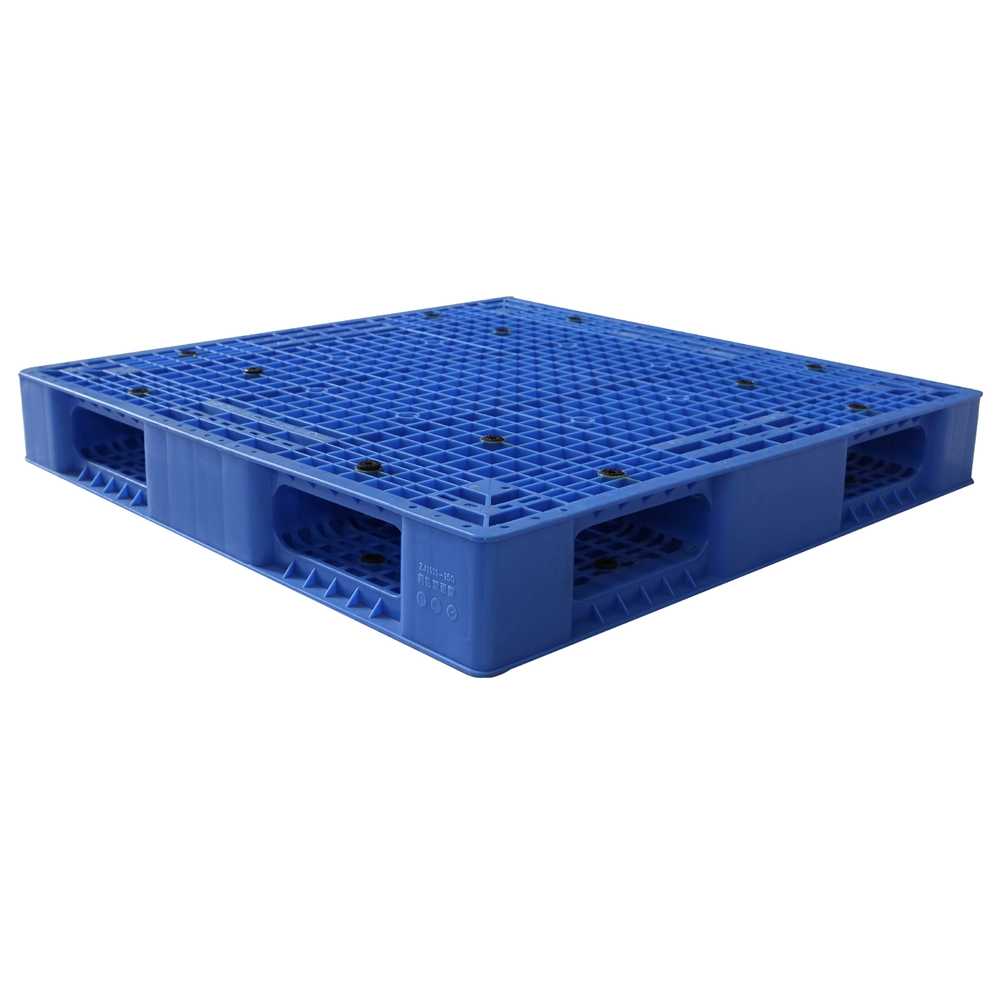
ZJ11111-150 Double-sided Heavy Duty Plastic Pallet
The double-sided plastic pallet, open deck or closed deck, is a solid and durable packaging solution designed for general and medium to heavy-duty cargo stacking, storage and transport. It’s made of virgin HDPE or PP, featuring a robust structure, a reinforced configuration with steel cores for the rack and shelf, and a steady loading capacity for both sides.
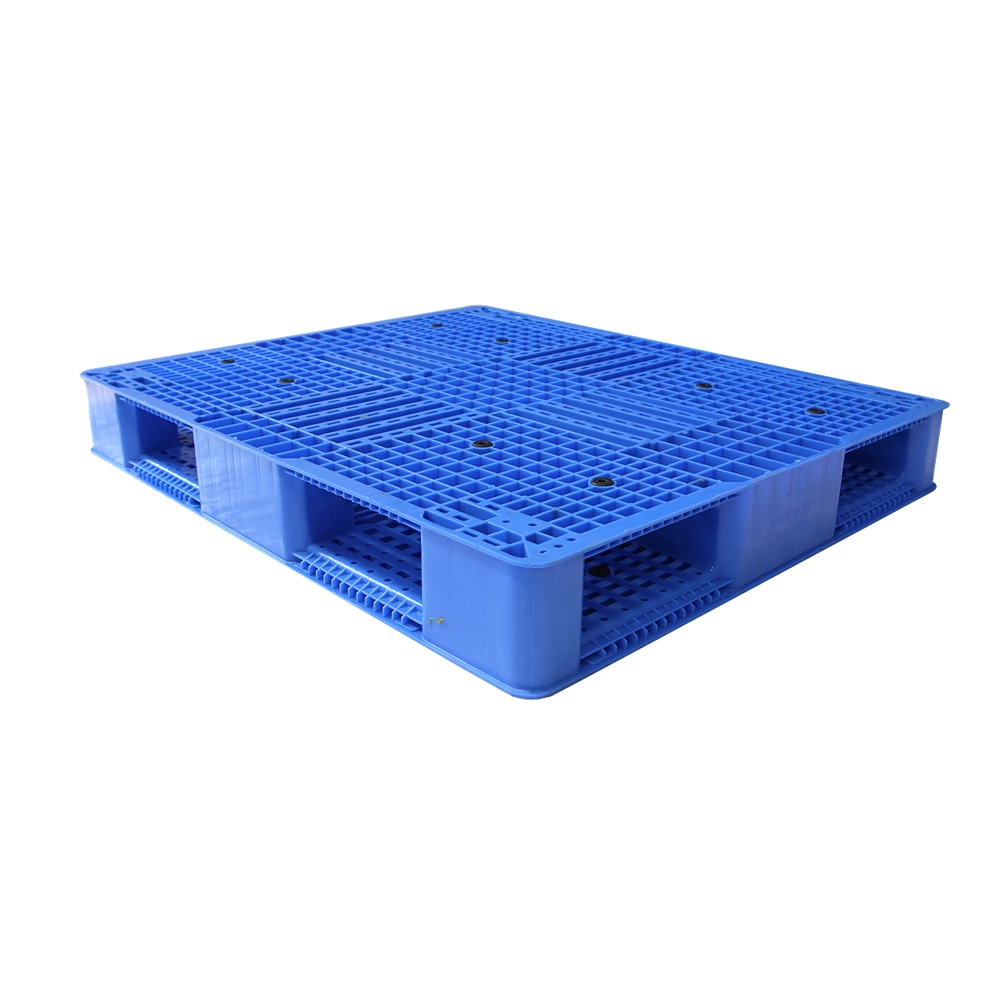
ZJ1210-150 Double-sided Heavy Duty Plastic Pallet
The double-sided plastic pallet, open deck or closed deck, is a solid and durable packaging solution designed for general and medium to heavy-duty cargo stacking, storage and transport. It’s made of virgin HDPE or PP, featuring a robust structure, a reinforced configuration with steel cores for the rack and shelf, and a steady loading capacity for both sides.

ZJ1508-150 Double-sided Heavy Duty Plastic Pallet
The double-sided plastic pallet, open deck or closed deck, is a solid and durable packaging solution designed for general and medium to heavy-duty cargo stacking, storage and transport. It’s made of virgin HDPE or PP, featuring a robust structure, a reinforced configuration with steel cores for the rack and shelf, and a steady loading capacity for both sides.
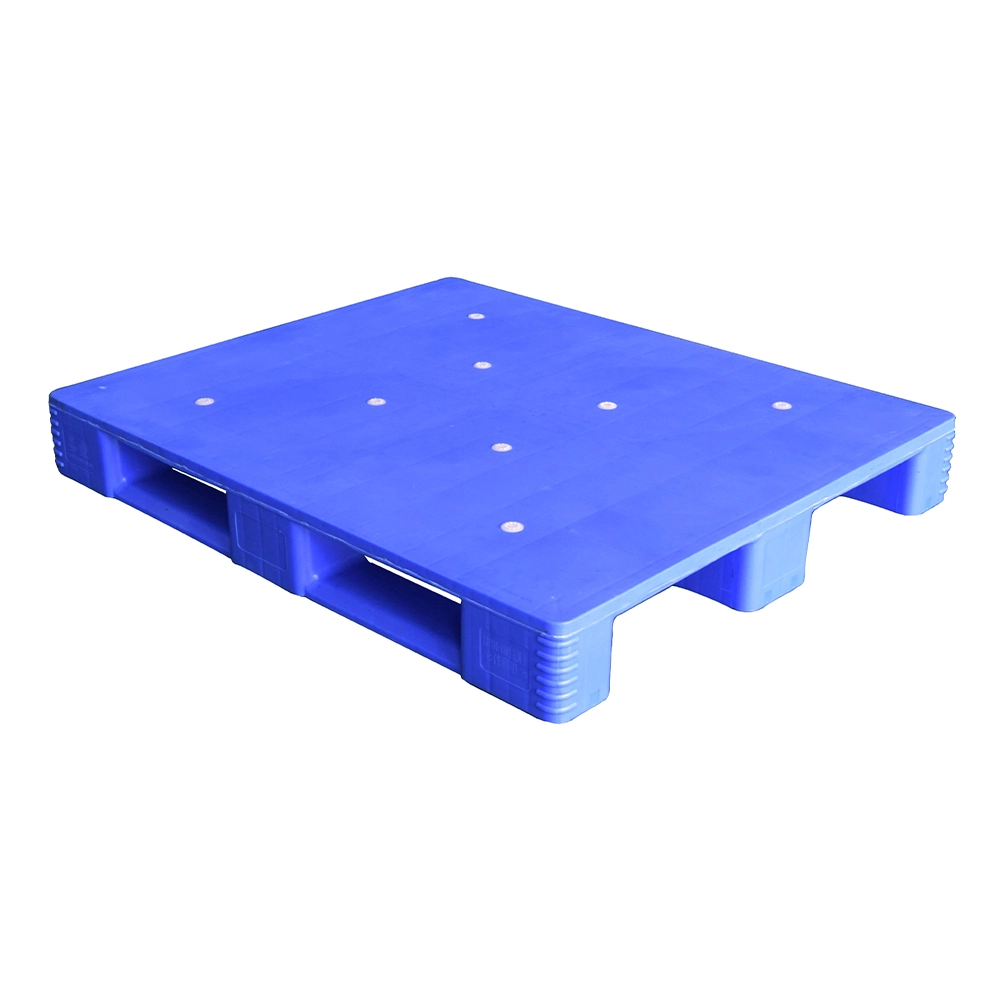
ZJ1210-150H Three-runner Closed Deck Hygienic Plastic Pallet
The three-runner closed-deck hygienic plastic pallet is a solid and durable packaging solution designed for general and especially food and medicine storage and transport. It’s made of virgin HDPE or PP, featuring a flat surface and even bottom for hygienic consideration, a reinforced configuration with steel cores for rack and shelf, and a steady loading capacity.
Request More Information About Plastic Pallets
Have questions or need detailed insights on this article? Fill out the form below to contact our team for comprehensive information and support related to our plastic pallet solutions.
Contact us


+86 138 0277 8204
+86 183 4431 0917
+86 195 3791 1860

No. 15-1, Fengying Rd., Taiping Town, Conghua Dist., Guangzhou City, Guangdong Province, China.
 Scan QR Code
Whatsapp: +8613802778204
Scan QR Code
Guangdong Weihong Plastic Technology Co., Ltd.
Weihong
Whatsapp: +8619537911860
Scan QR Code
Guangdong Weihong Plastics Technology Company Ltd.