











The 2026 Master Guide to Custom Plastic Pallet Manufacturing: ROI, Design, and Durability

- What is a Custom Plastic Pallet Manufacturer?
- Key Takeaways: 2026 Industry Quick Summary
- Why Invest in Customization? Standard vs. Bespoke Logistics
- The 3 Core Manufacturing Processes Explained
- Critical Design Inputs for Your Manufacturer
- Calculating the ROI of Custom Plastic Pallets
- Future Trends: RFID, IoT, and Next-Gen Tracking (2026+)
- Expert Tips & Common Mistakes in Pallet Procurement
- Conclusion
- How much does it cost to manufacture custom plastic pallets?
- What is the lifespan of a heavy-duty custom plastic pallet?
- Are custom plastic pallets FDA approved for food and pharma?
- Which material is better for custom pallets: HDPE or PP?
- How long does the custom pallet mold design process take?
- Can custom plastic pallets be recycled at the end of their lifecycle?
- What is the difference between injection molding and thermoforming for pallets?
- How do I choose the right custom plastic pallet manufacturer?
What is a Custom Plastic Pallet Manufacturer?
A custom plastic pallet manufacturer is a specialized industrial partner that designs, engineers, and fabricates bespoke material handling platforms tailored specifically to a company's unique supply chain, cargo dimensions, and load capacity requirements.
When evaluating custom plastic pallet design, it is essential to understand how these manufacturers operate and why they are vital to modern logistics. They utilize advanced engineering workflows to ensure your supply chain is fully optimized from end to end. By analyzing your unique cargo dimensions, handling equipment, and specific industry regulations, these engineering experts build heavy-duty bespoke pallets that solve complex storage and transportation challenges that standard wooden pallets simply cannot address.
How and why do they execute this level of customization?
- Precision Engineering: They use sophisticated processes like injection molding, thermoforming, or structural foam molding to precisely fit unique cargo shapes, minimizing product movement during transit.
- Regulatory Compliance: They build material handling platforms that seamlessly adapt to strict global regulations, including producing FDA-approved, non-porous surfaces specifically designed for the food and pharmaceutical sectors.
- Equipment Integration: They match the exact specifications needed for modern automated equipment, ensuring the pallets integrate flawlessly with Automated Guided Vehicles (AGVs), high-speed conveyors, and specialized warehouse forklifts.
Key Takeaways: 2026 Industry Quick Summary
The 2026 plastic pallet industry is defined by the integration of smart tracking technologies, extreme durability through customized molding processes, and significant long-term financial savings driven by the elimination of wasted freight space.
Understanding these takeaways is crucial for any logistics manager or procurement officer looking to upgrade their fleet. How are companies directly benefiting from these technological advancements, and why should you adapt your strategy this year? Modern supply chains demand uncompromising efficiency, and upgrading to bespoke solutions provides both immediate operational improvements and massive long-term financial benefits.
- Freight Cost Reduction: Custom pallets systematically eliminate wasted cubic space within standard shipping containers, directly lowering both domestic and international freight costs.
- Rapid Investment Recovery: Initial upfront mold investments are quickly offset by an impressive 10-year average lifespan and significantly reduced product damage rates.
- Smart Supply Chains: The integration of advanced Internet of Things (IoT) sensors and RFID tracking chips is rapidly becoming a standard design input for highly automated warehouses.
Why Invest in Customization? Standard vs. Bespoke Logistics
Investing in customized logistics eliminates the hidden costs of standard pallets by perfectly matching pallet dimensions to specific cargo shapes, thereby maximizing shipping container capacity and preventing dangerous handling equipment mismatch.
The "why" behind this investment ultimately comes down to maximizing operational efficiency and mitigating risk. Standard pallets force companies to compromise on space, leading to partially empty shipping containers and an increased vulnerability to cargo shifting during turbulent transit. Customized platforms remove these variables entirely.
Here are the primary reasons why bespoke logistics heavily outpace standard, off-the-shelf options:
- Space Optimization: Designing for exact freight volume reduction maximizes shipping container capacity. If your product overhangs a standard pallet, you lose valuable floor space; custom dimensions allow you to ship more units per trip.
- Equipment Synchronization: Bespoke dimensions prevent the dangerous and costly equipment mismatches associated with generic, one-size-fits-all pallets, reducing workplace accidents and equipment jams.
- Strict Hygiene Requirements: Custom pallets can be molded to meet strict FDA and pharmaceutical sanitary requirements by utilizing specialized, closed-deck surface designs that completely prevent moisture absorption and bacterial growth.
The 3 Core Manufacturing Processes Explained
The three core manufacturing processes for custom pallets are high-pressure injection molding for extreme durability, thermoforming for lightweight specialized shapes, and structural foam molding for an optimal high strength-to-weight ratio.
Understanding exactly how each specific process works dictates why you should choose one method over the other. The right choice depends entirely on your procurement budget, maximum weight limits, and required environmental lifespan.
- High-Pressure Injection Molding: Plastic pallet injection molding involves injecting molten polymer into a precisely machined, heavy-duty 3D steel mold. This high-pressure process is best for extreme durability, heavy load-bearing capacities, and high-rackability requirements in towering warehouse aisles.
- Thermoforming: This cost-effective process involves heating an extruded plastic sheet until it is pliable and then drawing it tightly over a custom mold using a vacuum. Thermoformed plastic pallets are ideal for creating specialized nesting shapes, maintaining lighter overall weights, and benefiting from significantly lower upfront tooling costs.
- Structural Foam Molding: By introducing an inert gas into the polymer melt during injection, this process creates a highly durable solid skin wrapped around a cellular core. It perfectly balances structural strength and weight, offering a high strength-to-weight ratio ideal for demanding automotive or heavy industrial environments.
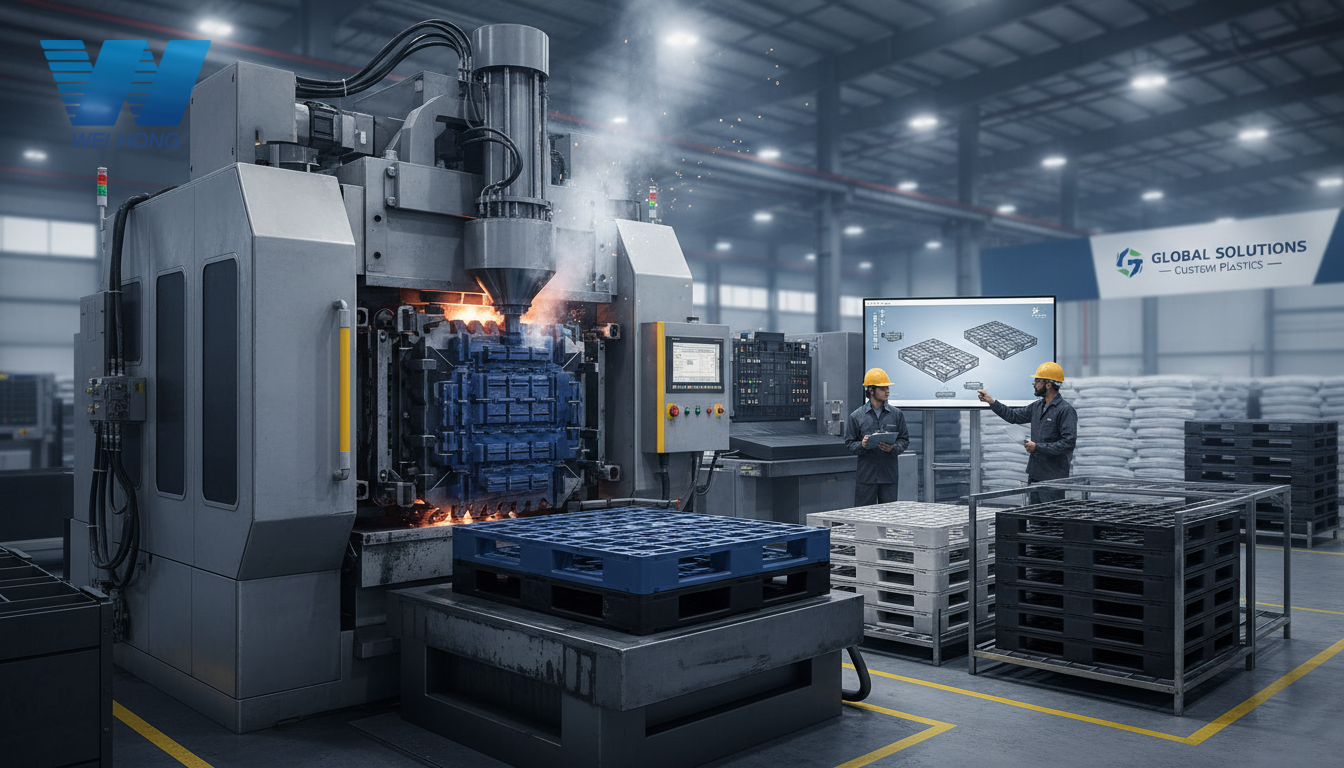
Critical Design Inputs for Your Manufacturer
Critical design inputs for your manufacturer include comprehensive static and dynamic load analyses, precise material selection between HDPE and PP resins, and exact physical interface requirements for modern warehouse handling equipment.
How do you guarantee a highly successful and profitable mold? By providing your selected manufacturing partner with exact, real-world data points well before the engineering and CAD drafting phases begin. Why is this data so important? Because missing a single environmental or physical variable can lead to catastrophic structural failure during peak operational hours.
When planning your custom blueprint, you must clearly define these critical inputs:
- Load Analysis: You must accurately define your static (stationary weight), dynamic (moving weight), and edge-racking (suspended weight) capacity requirements to prevent pallet bowing.
- Material Selection Science: Choosing the right resin is vital. For instance, High-Density Polyethylene (HDPE) is a thermoplastic polymer produced from the monomer ethylene that is known for its high strength-to-density ratio and excellent chemical resistance, as reported by Wikipedia. Alternatively, Polypropylene (PP) offers greater stiffness for high-temperature settings.
- Equipment Interfacing: The design must account for exactly how the pallet interacts with modern handling equipment, including precision dimensions for AGVs, specific forklift tine widths, and automated roller conveyors.
Calculating the ROI of Custom Plastic Pallets
Calculating the return on investment for custom plastic pallets requires weighing the upfront mold and tooling costs against a ten-year lifespan, significantly reduced freight inefficiencies, and the total elimination of ongoing wood pallet maintenance.
When conducting a detailed plastic pallet ROI calculation, procurement teams must look far beyond the initial, one-time price tag of the mold. How does the investment genuinely pay off over time? The heavy upfront costs are seamlessly amortized over thousands of closed-loop supply chain trips, creating massive long-term profitability.
Consider these essential financial factors in your procurement models:
- Upfront vs. Scaled Costs: Break down the heavy upfront costs of custom steel mold creation versus the per-unit mass production pricing. As production volume scales, the per-unit cost drops significantly, enhancing overall ROI.
- The Longevity Factor: Compare the impressive 10-year lifespan of bespoke plastic solutions against the short, expendable, and easily damaged lifecycle of traditional wood pallets that require constant repair.
- Hidden Savings: Factor in the operational savings derived from eliminating costly stretch wrap, dramatically reducing product damage during turbulent transit, and completely lowering warehouse sanitation and wood-splinter cleanup fees.
Future Trends: RFID, IoT, and Next-Gen Tracking (2026+)
Future pallet trends for 2026 and beyond center on embedding active GPS trackers, integrating IoT sensors, and molding precision RFID inserts directly into the plastic to enable seamless, automated warehouse scanning.
Why are these digital tracking technologies becoming an absolute standard in the industry? As global supply chains become increasingly automated and complex, real-time cargo visibility is paramount. Tracking technology completely eliminates manual barcode scanning, saving thousands of labor hours annually.
Here is how the high-tech future of custom pallet manufacturing is rapidly evolving:
- Precision Inserts: Forward-thinking manufacturers are molding precision cavities and inserts specifically designed to securely house IoT sensors and active GPS trackers without compromising the pallet's structural integrity.
- Warehouse Automation: Enhancing warehouse automation with embedded RFID technology allows for instantaneous, seamless scanning of bulk inventory as it moves through portal readers. Radio-frequency identification uses electromagnetic fields to automatically identify and track tags without needing a direct line of sight, as reported by Wikipedia.
- Sustainability Compliance: Top-tier companies are strictly demanding the use of 100% recyclable, circular resins to actively meet future Environmental, Social, and Governance (ESG) mandates and achieve a truly closed-loop supply chain.
Expert Tips & Common Mistakes in Pallet Procurement
The most crucial expert tip in pallet procurement is to verify that your manufacturer complies with ISO 8611 testing standards, while the most common mistake is failing to conduct real-world load testing beforehand.
How do you effectively avoid costly procurement and engineering errors? By relying heavily on advanced computer simulations and strictly adhering to recognized international testing protocols. Why do so many companies fail in their custom pallet initiatives? Because they rush the prototype phase to save time, resulting in flawed final molds.
- Common Mistake (Testing): Failing to conduct exhaustive real-world load testing or Computer-Aided Engineering (CAE) stress analysis before finalizing the expensive steel mold design.
- Expert Tip (Compliance): Always verify that your chosen manufacturing partner complies with the rigorous ISO 8611 testing standards for flat pallets. Compliance optimizes pallet designs, reducing material costs without compromising structural strength, as reported by Safe Load Testing Technologies.
- Common Mistake (Climate): Ignoring extreme, real-world temperature fluctuations within your specific supply chain when selecting resin types, which inevitably leads to premature polymer cracking or warping.
Conclusion
Custom plastic pallet manufacturing blends precision engineering with intelligent logistics strategy to deliver long-term ROI, unmatched durability, and perfect supply chain alignment.
Whether you require lightweight thermoformed pharmaceutical trays or ultra-durable injection-molded rackables for heavy industrial freight, selecting the right manufacturing partner is the single most critical step to achieving operational success. By understanding the core manufacturing processes, meticulously preparing your critical design inputs, and eagerly embracing future trends like embedded RFID integration, you can effectively transform your logistics network into a highly efficient, automated powerhouse. Investing in bespoke plastic solutions is no longer just a structural upgrade; it is a vital financial strategy for 2026 and beyond.
Contact us today to optimize your custom plastic pallet design strategy.
How much does it cost to manufacture custom plastic pallets?
Initial costs involve a one-time fee for custom mold creation, which can vary based on complexity. The per-unit cost drops significantly as mass production scales, leading to long-term savings. Overall ROI is achieved through durability and reduced freight inefficiencies.
What is the lifespan of a heavy-duty custom plastic pallet?
A well-designed custom plastic pallet can last 10 years or more depending on the use case. Their resistance to moisture, chemicals, and splintering heavily outlasts traditional wood pallets. Lifespan is maximized by choosing the correct manufacturing process like injection molding.
Are custom plastic pallets FDA approved for food and pharma?
Yes, they can be designed specifically to meet stringent FDA and pharmaceutical standards. Manufacturers use 100% virgin HDPE or PP to ensure food-safe contact. Custom designs eliminate porous surfaces and crevices where bacteria can hide.
Which material is better for custom pallets: HDPE or PP?
HDPE (High-Density Polyethylene) is highly impact-resistant and performs exceptionally well in freezing environments. PP (Polypropylene) offers greater stiffness and performs better in high-temperature settings. Your manufacturer will recommend the best resin based on your specific supply chain climate.
How long does the custom pallet mold design process take?
The timeline generally ranges from a few weeks to a couple of months. It includes detailed CAD drafting, load-bearing CAE analysis, and prototype testing. Complex molds with RFID inserts or unique geometries require more engineering time.
Can custom plastic pallets be recycled at the end of their lifecycle?
Yes, custom plastic pallets are entirely recyclable. At the end of their lifespan, they can be ground down and re-molded into new pallets or other industrial products. This closed-loop lifecycle significantly boosts a company's ESG and sustainability metrics.
What is the difference between injection molding and thermoforming for pallets?
Injection molding injects molten plastic into a 3D mold, resulting in incredibly strong, heavy-duty pallets suitable for edge-racking. Thermoforming heats a plastic sheet over a mold, which is more cost-effective for lighter-duty applications and precise nesting. Injection tooling is more expensive upfront, whereas thermoforming tooling is cheaper.
How do I choose the right custom plastic pallet manufacturer?
Look for engineering capabilities, such as advanced CAE load testing and 3D modeling. Verify their compliance with international standards like ISO 8611. Assess their production scalability and ability to integrate tracking tech like RFID.
How Heavy Duty Plastic Crates Improve Supply Chain Efficiency
OEM/ODM plastic nesting boxes Manufacturers and Suppliers
5 Cost-Saving Secrets Your Pallet Supplier Won't Tell You: A Full Plastic Pallet Analysis (2026 Guide)
Top 10 plastic reusable pallets Manufacturers and Supplier Brands
About Products
What materials are your prodcuts made of?
What's the lead time if I place order?
Lead time for a 40HQ (370-1140pcs) is about 5-15 days depends on the style and size of the pallet.
Logistics and Payment
What delivery terms do you support?
FOB term is our priority. Meanwhile, we accept also FCA, CFR, CIF, etc.
About Collaboration
Is there any other way to work with you?
Yes, apart from reselling, retail or distribution, we also accept commission based orders.
After-Sales Service and Support
What warranty do your plastic pallets and boxes come with?
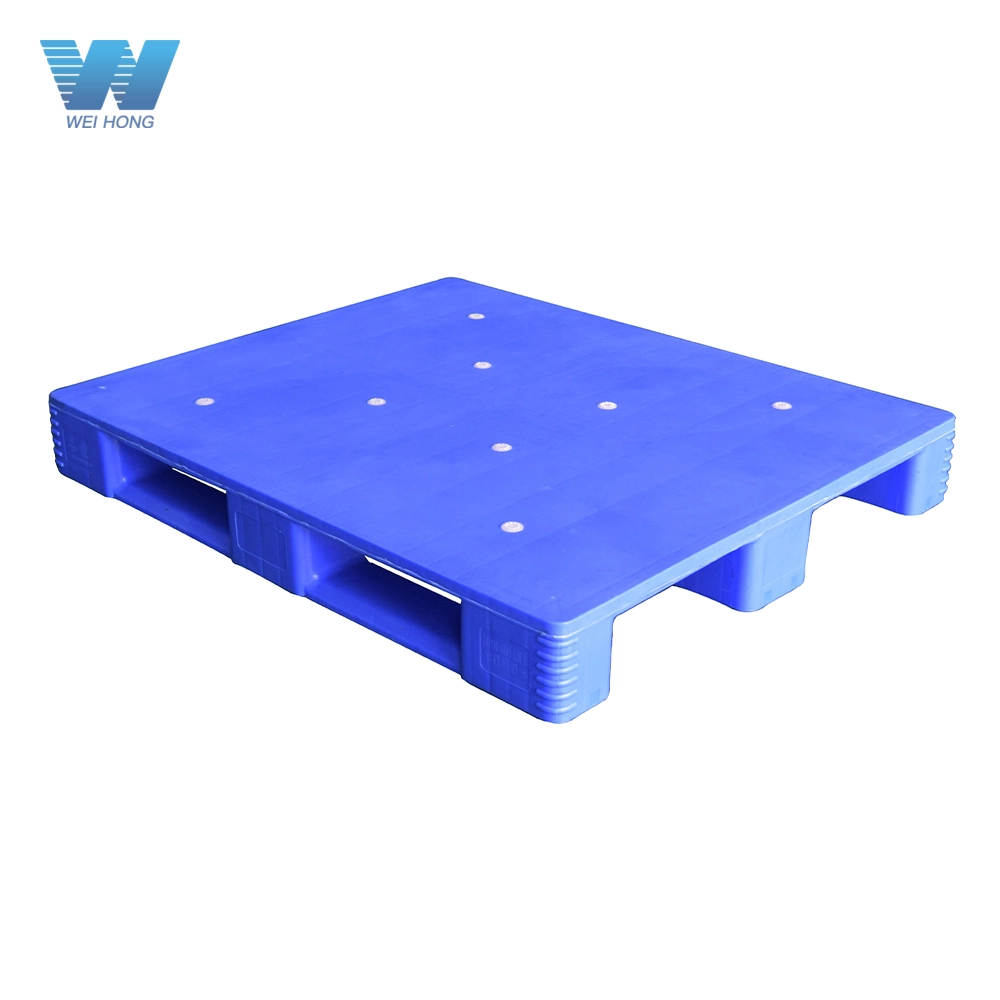
ZJ1210-150H Three-runner Closed Deck Hygienic Plastic Pallet
The three-runner closed-deck hygienic plastic pallet is a solid and durable packaging solution designed for general and especially food and medicine storage and transport. It’s made of virgin HDPE or PP, featuring a flat surface and even bottom for hygienic consideration, a reinforced configuration with steel cores for rack and shelf, and a steady loading capacity.
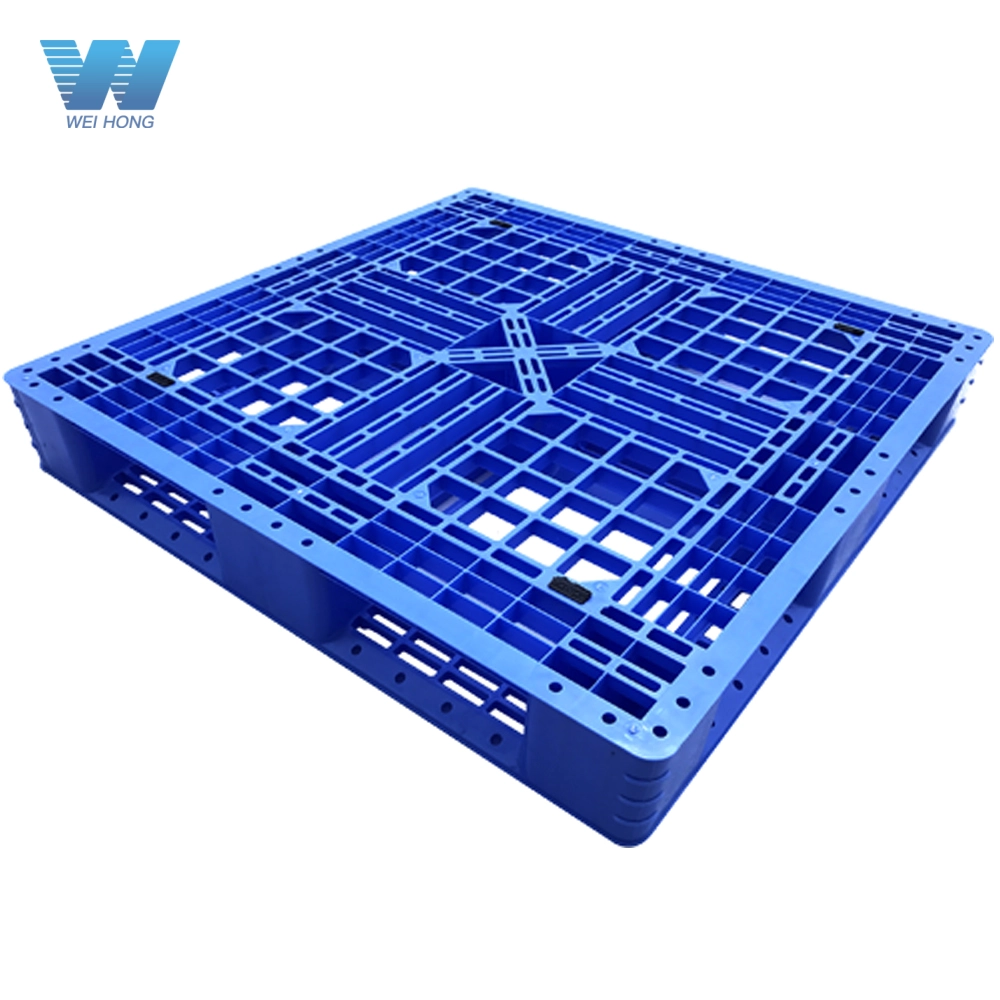
ZJ1010-150 Six-runner Single-sided Plastic Pallet
The six-runner plastic pallet, open or closed deck, is a solid and durable packaging solution designed for general and medium to heavy-duty cargo stacking, storage and transport. It’s made of virgin HDPE or PP, featuring in robust structure, a reinforced configuration with steel cores for the rack and shelf, and a steady loading capacity.
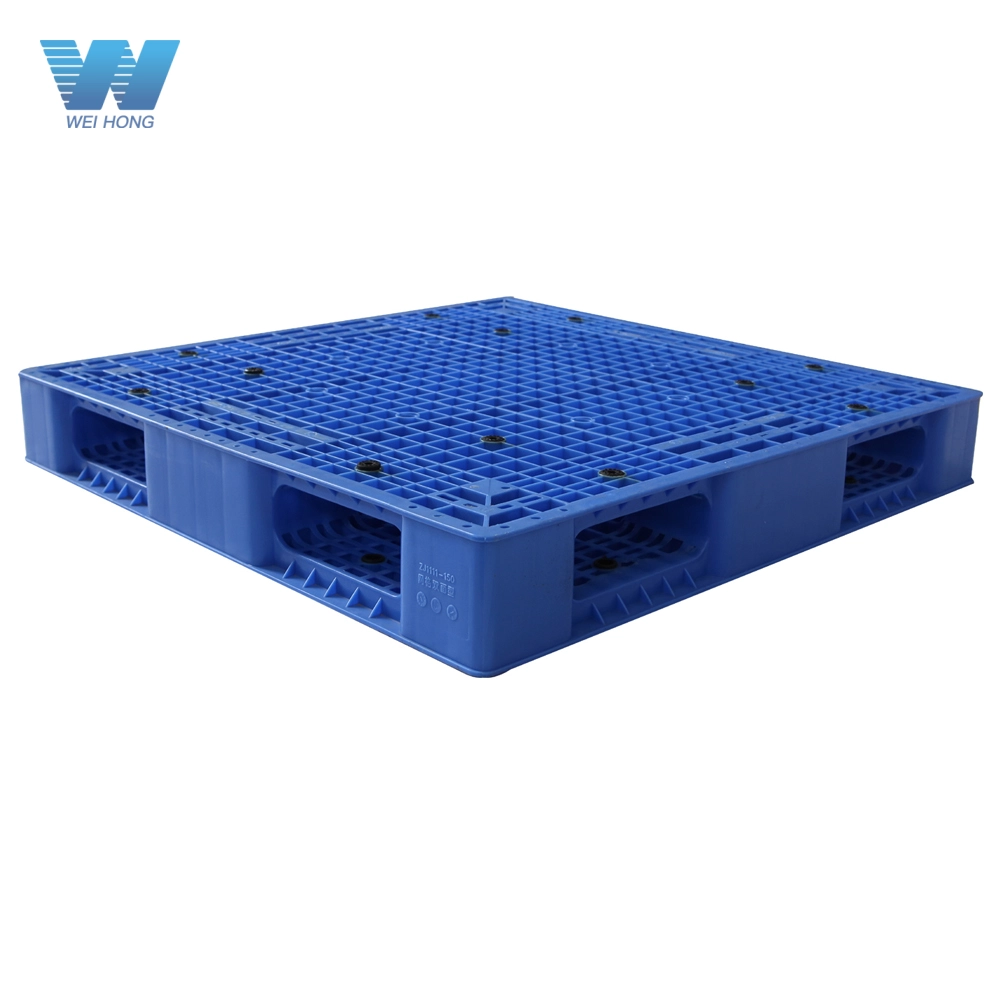
ZJ11111-150 Double-sided Heavy Duty Plastic Pallet
The double-sided plastic pallet, open deck or closed deck, is a solid and durable packaging solution designed for general and medium to heavy-duty cargo stacking, storage and transport. It’s made of virgin HDPE or PP, featuring a robust structure, a reinforced configuration with steel cores for the rack and shelf, and a steady loading capacity for both sides.
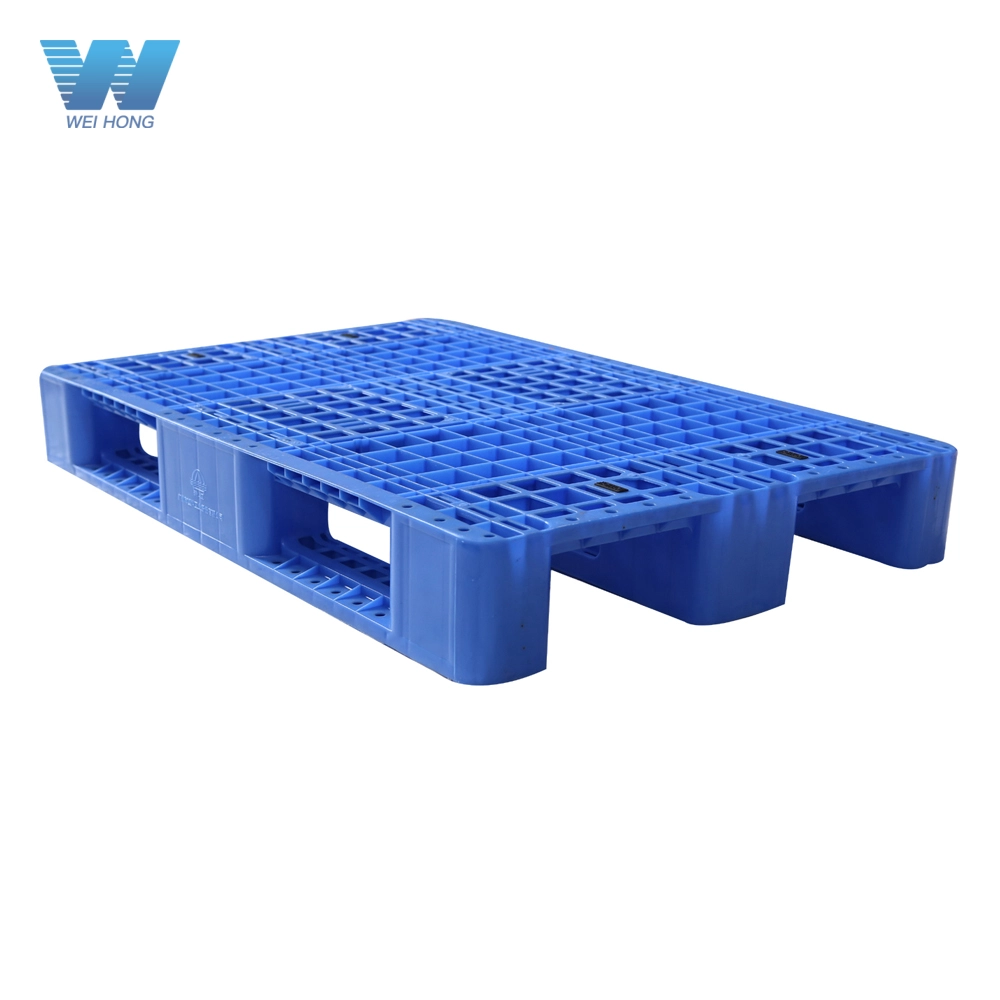
ZJ1208-155 Three-runner Single-sided Plastic Pallet
The three-runner single-sided plastic pallet is a solid and durable packaging solution designed for general and medium to heavy-duty cargo storage, transport and automated storage and retrieval system (AS/RS) use. It’s made of virgin HDPE or PP, featuring in robust structure, reinforced configuration with steel cores for rack and shelf, and a steady loading capacity.
Request More Information About Plastic Pallets
Have questions or need detailed insights on this article? Fill out the form below to contact our team for comprehensive information and support related to our plastic pallet solutions.
Contact us


+86 138 0277 8204
+86 183 4431 0917
+86 195 3791 1860

No. 15-1, Fengying Rd., Taiping Town, Conghua Dist., Guangzhou City, Guangdong Province, China.
 Scan QR Code
Weihong
Whatsapp: +8613802778204
Guangdong Weihong Plastic Technology Co., Ltd.
Scan QR Code
Whatsapp: +8619537911860
Scan QR Code