











The Ultimate 2026 Guide to Hygienic Pallets: 10 Critical Features for Food & Pharma Safety

- Executive Summary: Key Takeaways for 2026
- What is a Hygienic Pallet?
- The High Cost of Contamination: Why Hygiene is Non-Negotiable
- 10 Critical Features of Hygienic Pallets for Safety
- Material Science: Virgin HDPE vs. PP vs. Recycled Blends
- The Future of Hygienic Logistics: Automation & Cleanrooms (2026+)
- Expert Tips: Maintenance and Sanitization Best Practices
- Conclusion
- What is the difference between a hygienic pallet and a standard plastic pallet?
- Are hygienic pallets FDA approved?
- How do you clean hygienic pallets effectively?
- Can hygienic pallets be used in freezers?
- Why are wooden pallets not considered hygienic?
- What is the lifespan of a hygienic plastic pallet?
- Do hygienic pallets support RFID tracking?
- Are hygienic pallets suitable for pharmaceutical cleanrooms?
Executive Summary: Key Takeaways for 2026
Hygienic pallets are the first line of defense against microbial contamination in food and pharma supply chains, ensuring product integrity through rigorous design standards. In 2026, regulatory shifts demand stricter traceability and 'cleanability' standards than ever before.
Key updates for this year include:
- Virgin HDPE and PP are the only materials suitable for high-risk zones due to their zero porosity.
- Regulatory shifts now demand demonstrable 'cleanability' validation for all logistics assets.
- Modern hygienic designs integrate seamlessly with automated systems and IoT for real-time safety tracking.
- Sanitary plastic pallets are replacing wood to eliminate splintering and moisture absorption risks.
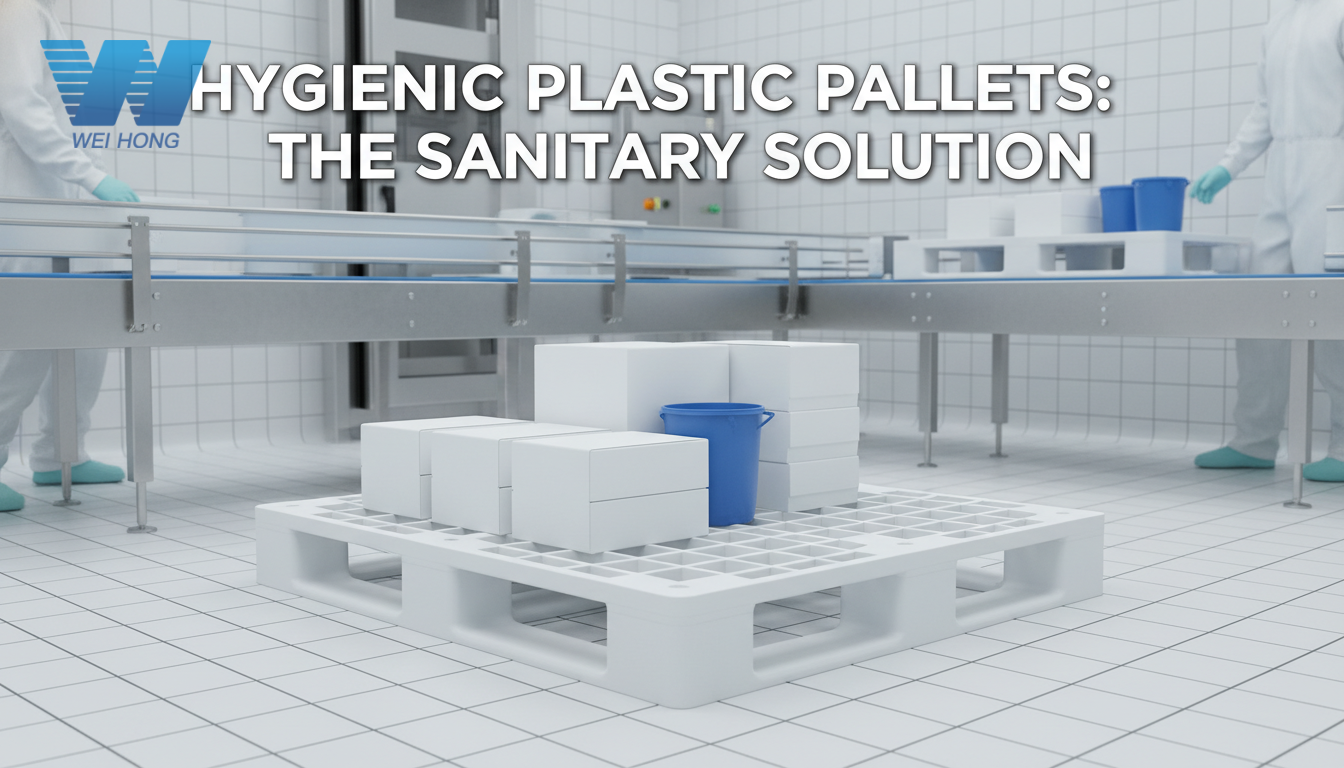
What is a Hygienic Pallet?
A hygienic pallet is a specialized logistics platform manufactured from non-porous, food-grade materials (typically virgin HDPE or PP) designed to eliminate contaminant traps. Unlike standard pallets, they feature totally closed decks, smooth surfaces, and welded runners to prevent bacteria, mold, and dust accumulation.
These pallets are engineered to withstand high-temperature sterilization and aggressive chemical wash-downs required in HACCP and GMP environments. By removing open grids and cavities, they ensure that food-grade pallet compliance is maintained throughout the supply chain.
Core Characteristics:
- Non-Porous: Does not absorb moisture, odors, or grease.
- Monoblock Design: One-piece construction means no nails or crevices.
- Dimensional Consistency: Critical for automated handling systems.
The High Cost of Contamination: Why Hygiene is Non-Negotiable
Contamination in logistics leads to severe financial penalties, massive product recalls, and irreparable brand damage in the food and pharmaceutical sectors. Under the FDA Food Safety Modernization Act (FSMA), shippers are legally responsible for ensuring that transportation equipment—including pallets—is adequately cleanable and does not contaminate food.
As reported by the FDA, the rule on Sanitary Transportation of Human and Animal Food establishes strictly enforced requirements for vehicles and transportation equipment. Failing to adhere to these sanitary protocols can result in supply chain shutdowns and heavy fines. Wooden pallets often fail these inspections due to 'hidden' contamination risks like nails, splinters, and porous absorption of chemicals or pathogens.
Impact of Non-Compliance:
- Recalls: Average cost of a food recall can exceed $10 million.
- Legal Liability: Direct responsibility for cross-contamination in cold chain logistics.
- Operational Downtime: Quarantine of affected inventory halts distribution.
10 Critical Features of Hygienic Pallets for Safety
The ten most critical features of hygienic pallets focus on eliminating porosity and maximizing cleanability to meet rigorous safety standards. To ensure pharma supply chain logistics remain sterile, look for these specific design elements:
- Totally Closed Deck: Prevents dirt and liquid accumulation inside the pallet structure, making it impossible for debris to hide.
- Virgin Material Construction: Ensures no heavy metals or contaminants from recycled plastics leach into products, a key requirement for food-grade pallet compliance.
- Smooth, Polished Surfaces: Facilitates easy cleaning and prevents biofilm formation, which is common on rougher textures.
- Beveled Edges & Flow-Through Design: Ensures water drains instantly during wash cycles, preventing standing water where bacteria breed.
- Full FDA/USDA Compliance: Certified materials safe for direct food contact, verified by documentation.
- High Impact Resistance: Prevents splintering or plastic flaking, significantly reducing foreign object contamination risks.
- Hermetically Sealed Runners: Eliminates cavities where pests, larvae, or bacteria can hide and multiply.
- Temperature Stability: guarantees performance retention in blast freezers (-40°C) and steam washers (+80°C) without cracking.
- Chemical Resistance: Impervious to acids, alkalis, and industrial sanitizers used in aggressive cleaning protocols.
- RFID & IoT Ready: Embedded slots allow for tracking provenance and sanitation cycles, essential for modern audit trails.
Material Science: Virgin HDPE vs. PP vs. Recycled Blends
Material science for hygienic pallets dictates the use of virgin resins to guarantee structural integrity and chemical purity. While recycled blends are cheaper, they introduce unknown contaminants that are unacceptable in high-care environments.
Virgin High-Density Polyethylene (HDPE):This is the industry standard for most sanitary plastic pallets. It offers excellent impact resistance and performs well in cold temperatures. 'Food-Grade' almost always implies Virgin HDPE because it is non-porous and chemically inert.
Polypropylene (PP):PP is preferred for high-heat environments. It is stiffer than HDPE and can withstand higher sterilization temperatures, making it ideal for autoclaving or hot-fill applications. HDPE vs PP pallets is often a choice between cold chain durability (HDPE) and high-heat rigidity (PP).
The Risk of 'Regrind' (Recycled):Recycled 'blue plastic' or regrind pallets may contain trace chemicals or heavy metals from their previous life. In a cleanroom or food contact zone, these are a compliance risk.
- HDPE: Best for freezers, high impact, general use.
- PP: Best for high racking loads, high heat washing.
- Recycled: Suitable only for one-way export or non-food storage.
The Future of Hygienic Logistics: Automation & Cleanrooms (2026+)
The future of hygienic logistics in 2026 centers on automation integration and adherence to strict particulate standards. As warehouses shift to ASRS (Automated Storage and Retrieval Systems), the dimensional consistency of plastic pallets becomes mandatory to prevent jams and robotic errors.
Cleanroom Standards (ISO 14644):For pharmaceutical applications, pallets must meet cleanroom pallet standards to prevent particle shedding. According to Wikipedia, ISO 14644 standards dictate strict limits on airborne particles, which wooden pallets cannot meet due to dusting and flaking. Hygienic plastic pallets are designed to generate zero particulate matter, making them safe for ISO Class 5-9 environments.
Smart Pallets:The rise of 'Smart Pallets' allows for real-time monitoring. Sensors embedded in the pallet can now track temperature excursions during transport, ensuring that sensitive biologics or fresh foods never leave their safe temperature range.
Expert Tips: Maintenance and Sanitization Best Practices
Effective maintenance of hygienic pallets requires a validated cleaning protocol that goes beyond simple visual inspection. To maintain the integrity of sanitary plastic pallets, companies must implement structured sanitation cycles.
Best Practices:
- Establish a Cleaning Protocol: Use swab testing (ATP) to validate that your washing process is actually removing biofilm.
- Automated vs. Manual: Automated pallet washers provide consistent temperature and chemical dosage, whereas manual pressure washing can miss crevices.
- Inspection Checklists: Immediately retire any pallet with deep gouges or cracks, as these become harborage points for bacteria.
- Color-Coding: Use different colored pallets (e.g., Blue for raw, Red for cooked, Green for allergen-free) to physically segregate zones.
Conclusion
In conclusion, hygienic pallets are a non-negotiable asset for any company serious about food safety and regulatory compliance in 2026. As automation increases and safety standards like FSMA and ISO 22000 evolve, the precision and cleanliness of virgin plastic pallets become the only viable option. Evaluating your supply chain needs today can prevent the catastrophic costs of recalls tomorrow.
Contact us today to optimize your Food-grade pallet compliance strategy.
What is the difference between a hygienic pallet and a standard plastic pallet?
Hygienic pallets have smooth, closed decks and are made of virgin material to prevent bacteria buildup, whereas standard plastic pallets often have open grids and harder-to-clean corners.
Are hygienic pallets FDA approved?
Yes, true hygienic pallets are manufactured from FDA-compliant resins (typically virgin HDPE or PP) suitable for direct contact with food and pharmaceutical products.
How do you clean hygienic pallets effectively?
They should be cleaned using automated pallet washers or high-pressure steam with food-safe sanitizers, leveraging their smooth surface design for quick drying.
Can hygienic pallets be used in freezers?
Yes, pallets made from HDPE are excellent for cold storage and can withstand temperatures as low as -40°C without becoming brittle.
Why are wooden pallets not considered hygienic?
Wood is porous, absorbs moisture, harbors bacteria/mold, releases dust, and uses metal fasteners (nails) that pose contamination risks.
What is the lifespan of a hygienic plastic pallet?
With proper handling, a high-quality hygienic pallet can last 10 years or more, significantly longer than wooden alternatives.
Do hygienic pallets support RFID tracking?
Most modern hygienic pallets come with molded-in slots or encapsulated RFID tags to support track-and-trace systems required by the FDA.
Are hygienic pallets suitable for pharmaceutical cleanrooms?
Absolutely. Their resistance to shedding particles and ability to be fully sterilized make them the standard choice for ISO-rated cleanrooms.
Plastic Pallets for Automated Warehouses and AS/RS Systems
Top 10 plastic shipping pallets Manufacturers and Supplier Brands
Plastic Pallet Case Studies: Real Savings in Logistics
Plastic Pallets and Food Safety Regulations (FDA, EU)
Custom Private Labeling Services
Is OEM/ODM service available?
How long does it take to produce if I give you my design of pallet.
Mold producttion takes about 2 months from production to adjustment. Hence we recommend you to plan ahead of time.
About Products
What is the minimun order quantity?
MOQ is usually 200pcs for each model. Less quantity is acceptable when there is stock.
What's the lead time if I place order?
Lead time for a 40HQ (370-1140pcs) is about 5-15 days depends on the style and size of the pallet.
Logistics and Payment
How long does it take to ship to my country?
Average shipping time ranges from 7 days to 35 days. We will calculate for you when port of destination is confirmed.
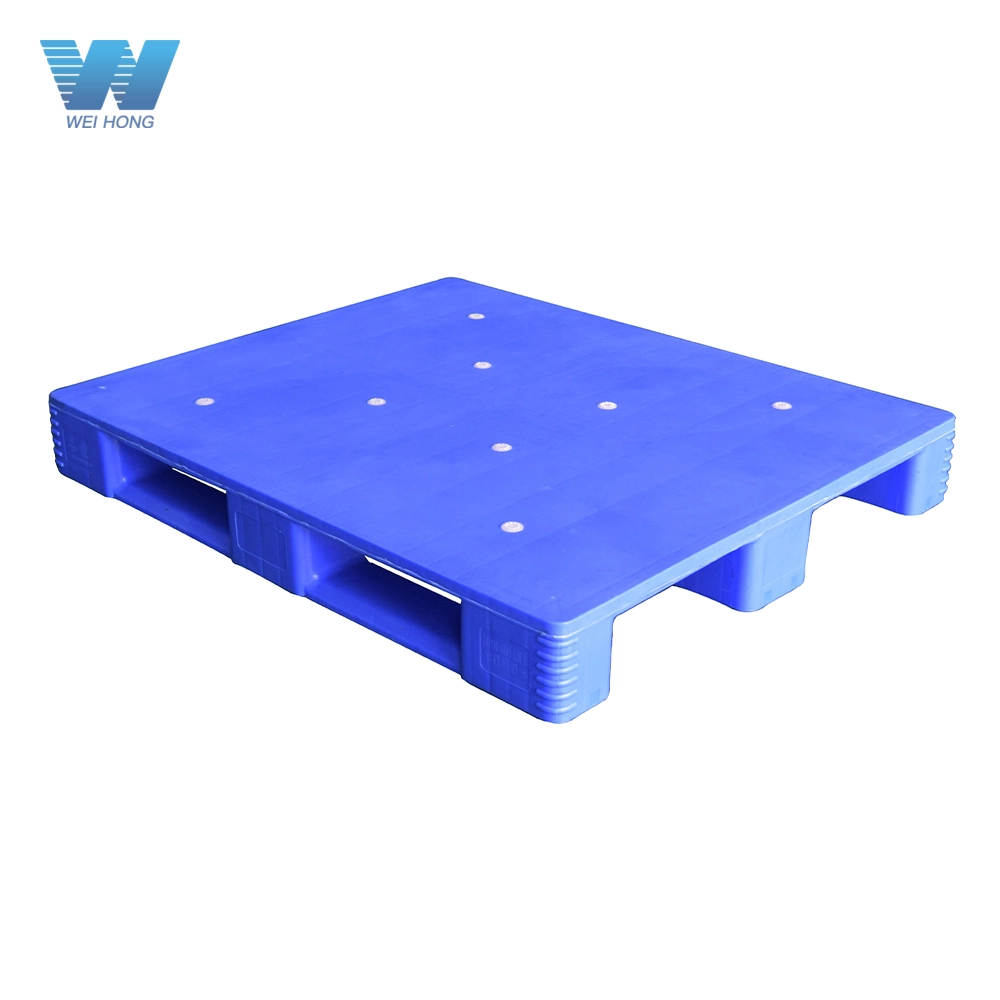
ZJ1210-150H Three-runner Closed Deck Hygienic Plastic Pallet
The three-runner closed-deck hygienic plastic pallet is a solid and durable packaging solution designed for general and especially food and medicine storage and transport. It’s made of virgin HDPE or PP, featuring a flat surface and even bottom for hygienic consideration, a reinforced configuration with steel cores for rack and shelf, and a steady loading capacity.
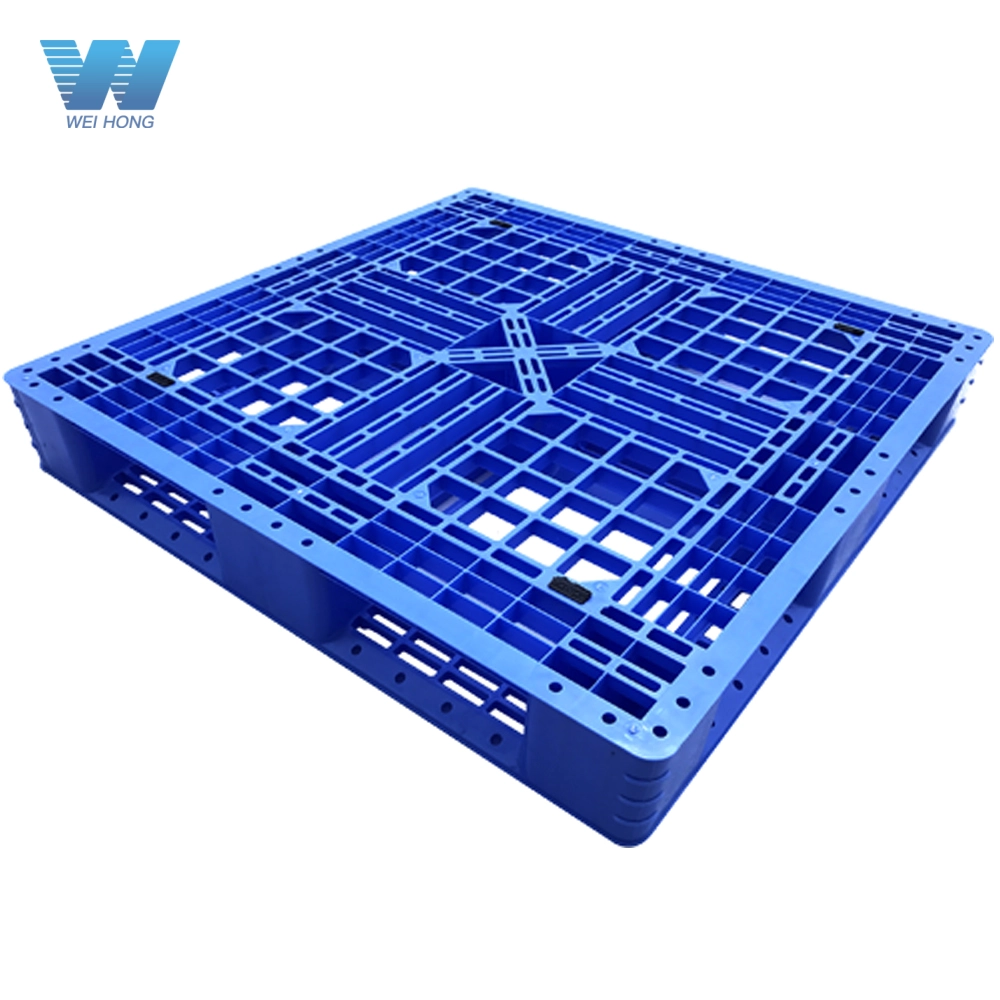
ZJ1010-150 Six-runner Single-sided Plastic Pallet
The six-runner plastic pallet, open or closed deck, is a solid and durable packaging solution designed for general and medium to heavy-duty cargo stacking, storage and transport. It’s made of virgin HDPE or PP, featuring in robust structure, a reinforced configuration with steel cores for the rack and shelf, and a steady loading capacity.
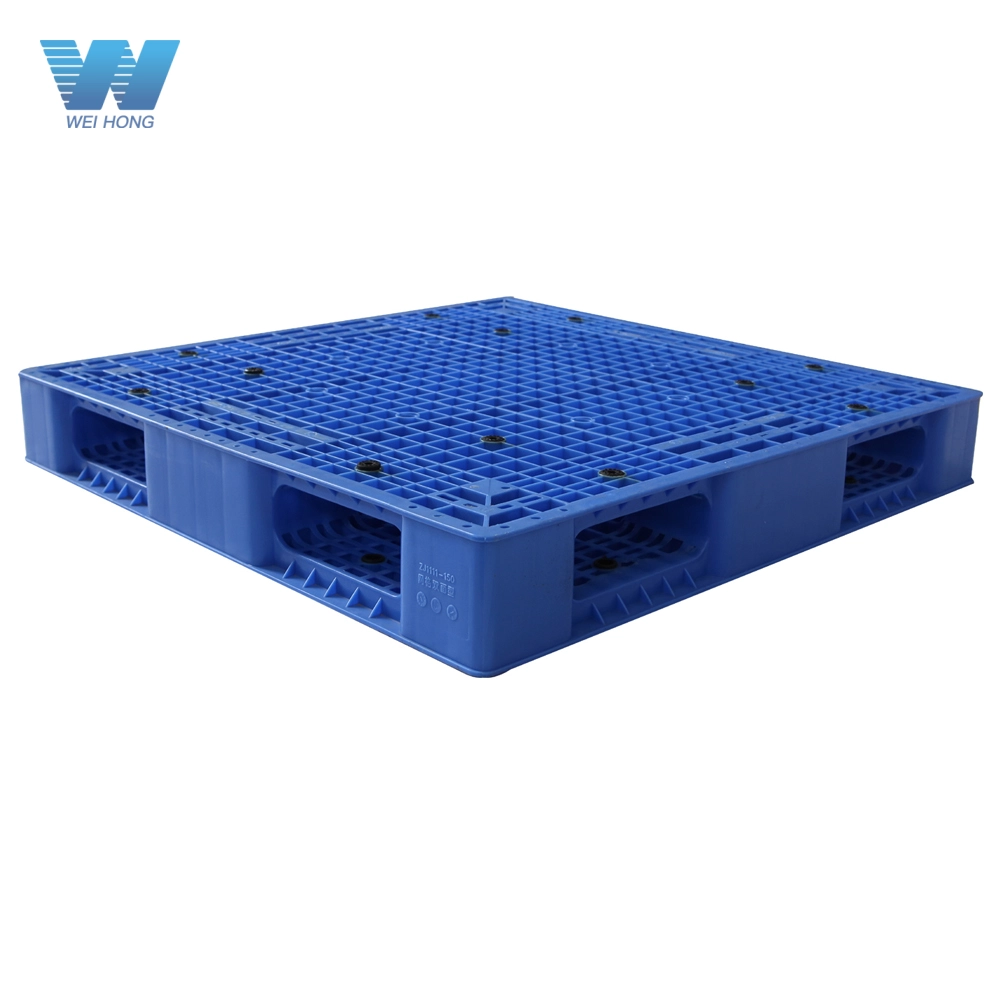
ZJ11111-150 Double-sided Heavy Duty Plastic Pallet
The double-sided plastic pallet, open deck or closed deck, is a solid and durable packaging solution designed for general and medium to heavy-duty cargo stacking, storage and transport. It’s made of virgin HDPE or PP, featuring a robust structure, a reinforced configuration with steel cores for the rack and shelf, and a steady loading capacity for both sides.
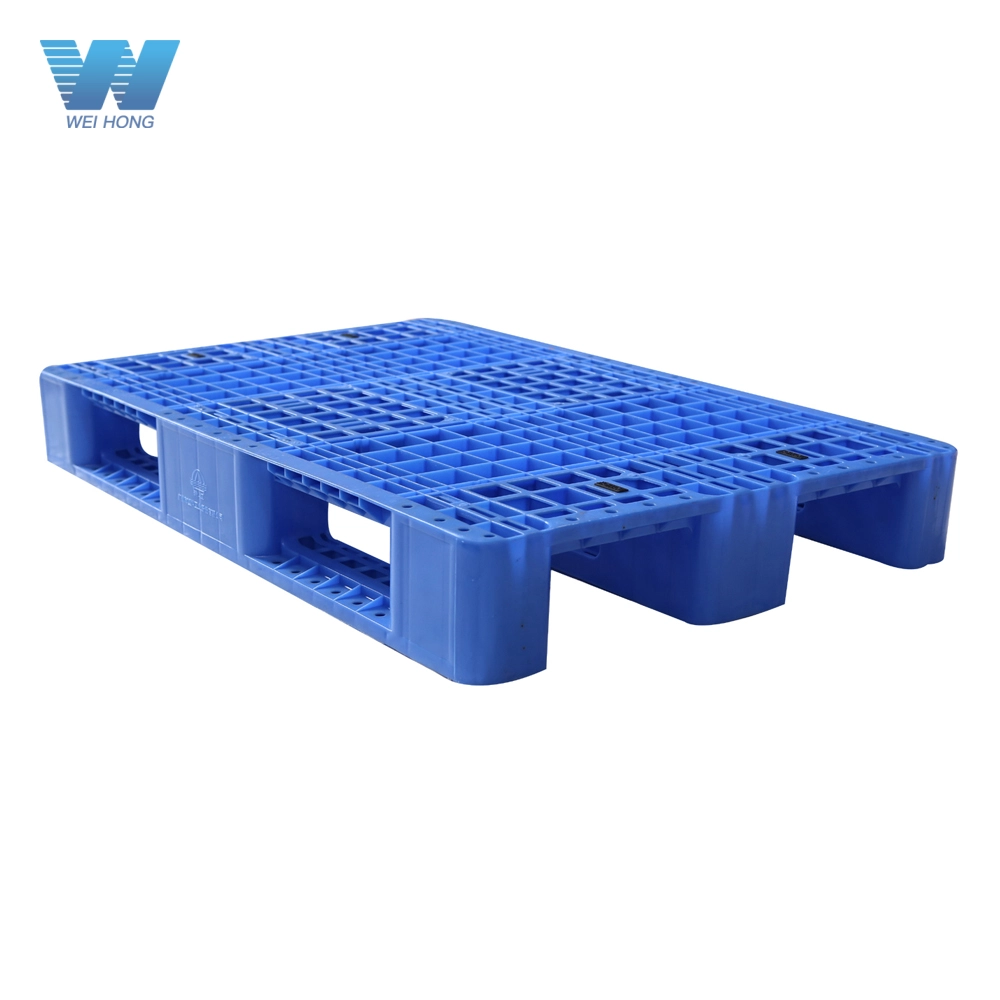
ZJ1208-155 Three-runner Single-sided Plastic Pallet
The three-runner single-sided plastic pallet is a solid and durable packaging solution designed for general and medium to heavy-duty cargo storage, transport and automated storage and retrieval system (AS/RS) use. It’s made of virgin HDPE or PP, featuring in robust structure, reinforced configuration with steel cores for rack and shelf, and a steady loading capacity.
Request More Information About Plastic Pallets
Have questions or need detailed insights on this article? Fill out the form below to contact our team for comprehensive information and support related to our plastic pallet solutions.
Contact us


+86 138 0277 8204
+86 183 4431 0917
+86 195 3791 1860

No. 15-1, Fengying Rd., Taiping Town, Conghua Dist., Guangzhou City, Guangdong Province, China.
Weihong
Whatsapp: +8613802778204
Guangdong Weihong Plastic Technology Co., Ltd.
Scan QR Code