











The Ultimate Guide to Hygienic Plastic Pallets: 2026 Standards & Safety Efficiency

- Quick Summary: Key Takeaways for 2026
- What is a Hygienic Plastic Pallet?
- Why They Are Essential
- Critical Design Features for Safety & Efficiency
- Key Design Elements
- Material Science: Virgin HDPE vs. PP for Hygiene
- Material Comparison
- 2026 Compliance Standards: FDA, USDA, and Global Regulations
- Key Regulations
- Hygiene Maintenance: Cleaning Protocols & Best Practices
- Cleaning Steps
- Industry Applications: Where Hygiene is Non-Negotiable
- Sector Specifics
- Expert Tips: Common Mistakes When Buying Hygienic Pallets
- Avoid These Pitfalls
- Conclusion
- What makes a plastic pallet 'food grade'?
- How often should hygienic pallets be washed?
- Can hygienic plastic pallets be used in freezers?
- Why are hygienic pallets more expensive than standard plastic pallets?
- Do hygienic pallets have a weight limit?
- Are hygienic pallets recyclable?
- What is the difference between open deck and closed deck pallets?
- How do hygienic pallets improve audit readiness?
Quick Summary: Key Takeaways for 2026
- Hygienic pallets are critical for preventing cross-contamination in food and pharma supply chains.
- 2026 standards prioritize 100% virgin material and full traceability.
- Switching from wood to hygienic plastic reduces audit risks by over 60%.
- Key features include completely closed decks, internal smooth surfaces, and high-pressure wash compatibility.
What is a Hygienic Plastic Pallet?
A hygienic plastic pallet is a specialized logistics platform manufactured from food-grade virgin resin (HDPE or PP) featuring a fully closed, non-porous surface designed to prevent moisture absorption, bacteria growth, and contaminant accumulation.
Unlike standard industrial pallets, these units are engineered specifically for cleanroom pallet logistics and high-care environments. While a standard pallet focuses on load capacity, a hygienic pallet focuses on sanitation efficiency and contaminant rejection. The primary difference lies in the absence of external ribbing and crevices where dirt typically accumulates, making them essential for compliance with FDA, HACCP, and GMP standards.
Why They Are Essential
- Pathogen Prevention: Eliminates hiding spots for Listeria and Salmonella.
- Moisture Resistance: Does not absorb water or chemical fluids.
- Durability: Resists impact without creating splinters or debris.
Critical Design Features for Safety & Efficiency
Closed deck pallet benefits center on the ability to completely seal off the pallet's internal structure from the external environment, ensuring no liquid ingress or bacterial harborage.
To maximize safety, these pallets utilize a flow-through design that allows water to drain instantly during washing cycles. This design philosophy is crucial for automated warehouses where precision and cleanliness are non-negotiable.
Key Design Elements
- Totally Enclosed Deck: Prevents liquid ingress and allows for rapid drying.
- Rounded Corners: Minimizes impact damage and prevents shrink-wrap tearing.
- Single-Piece Molding: Flow-through design eliminates cavities where pathogens hide.
- Smooth Runners: Facilitates seamless movement on automated conveyor systems.
Material Science: Virgin HDPE vs. PP for Hygiene
When selecting HDPE vs PP hygienic pallets, the decision often depends on your facility's specific temperature range and cleaning intensity requirements.
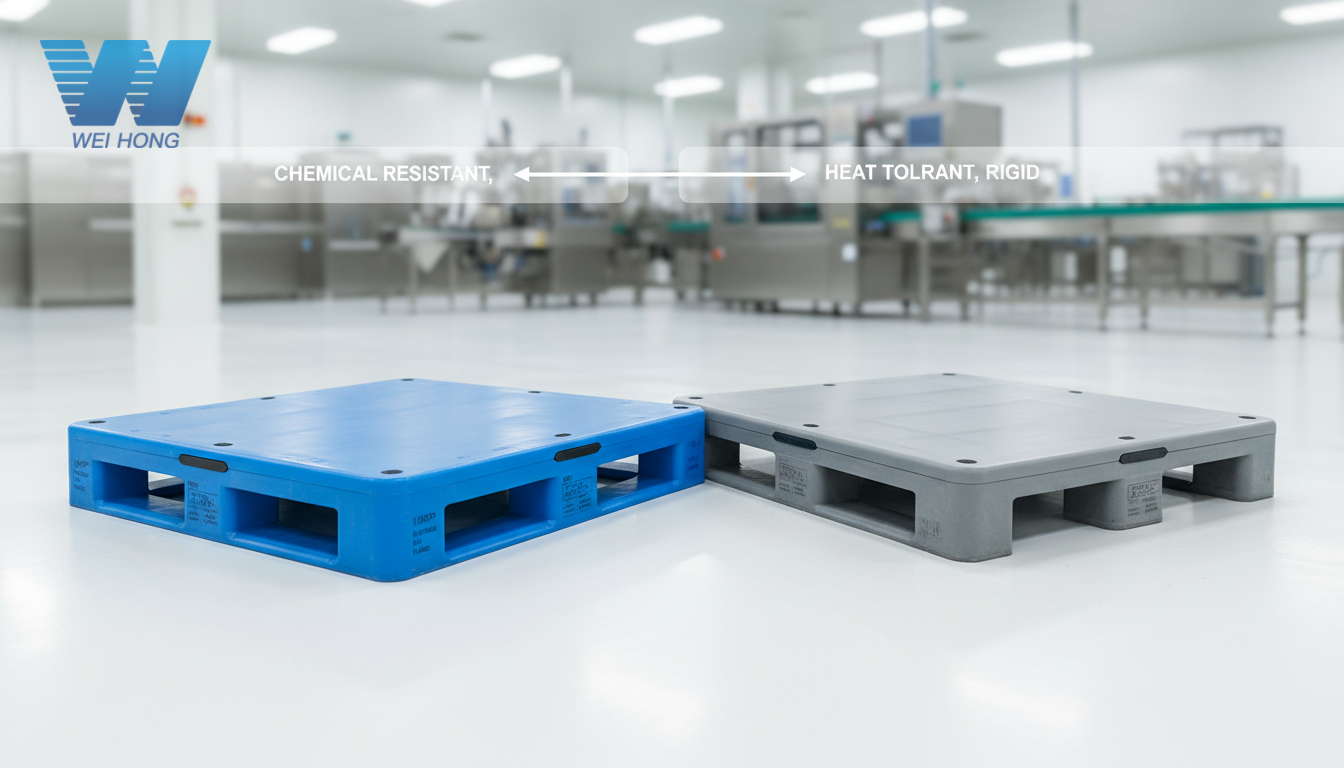
Virgin material is a non-negotiable requirement for hygienic applications because recycled plastics often contain unknown chemical histories that are unsafe for direct food contact. Both High-Density Polyethylene (HDPE) and Polypropylene (PP) offer distinct advantages depending on the operational environment.
Material Comparison
- Virgin Material Requirement: Recycled plastics are banned in direct food contact due to contamination risks.
- High-Density Polyethylene (HDPE): Best for impact resistance and cold chain durability (freezer safe).
- Polypropylene (PP): Superior for high-temperature washing cycles and stiffness in racking.
- Chemical Resistance: Both materials resist standard industrial sanitizers, but PP handles higher heat better.
2026 Compliance Standards: FDA, USDA, and Global Regulations
Food-grade pallet compliance ISO 22000 and FSMA regulations now require logistics assets to be fully cleanable and traceable to prevent cross-contamination in the supply chain.
Regulatory bodies are tightening controls on "tertiary packaging" (pallets), viewing them as a critical vector for food safety. Under the Food Safety Modernization Act (FSMA), shippers must ensure their transportation equipment is adequately cleanable. As reported by Nelson Company, companies must be fully aware that if they transport food, their pallets must not pose a hazard or harbor filth. Furthermore, strictly adhering to ISO standards helps establish nominal loads and performance requirements, a critical step for regulatory compliance as noted by Goplasticpallets.com.
Key Regulations
- FSMA (Food Safety Modernization Act): Pallet choice directly impacts preventative control plans.
- ISPM 15 Exemption: Plastic pallets bypass heat-treatment regulations required for wood.
- ISO 22000 & HACCP: Pallets serve as a Critical Control Point (CCP) in safety audits.
- Sustainability Mandates: Upcoming 2026 trends favor fully recyclable assets.
Hygiene Maintenance: Cleaning Protocols & Best Practices
Effective maintenance requires automated wash systems capable of reaching temperatures up to 80°C (176°F) to ensure thermal disinfection of the pallet surface.
Simply spraying a pallet down is often insufficient for pharmaceutical or high-risk food applications. A robust protocol involves chemical sanitization followed by rigorous drying to prevent microbial regrowth. ATP swab testing is frequently used to validate that the cleaning process was successful before the pallet re-enters the clean zone.
Cleaning Steps
- Automated Wash Systems: Configure nozzle pressure and temperature for maximum efficacy.
- Detergent Selection: Use non-abrasive, food-safe alkaline cleaners.
- ATP Swab Testing: Verify pallet cleanliness before re-entry.
- Drying: Use centrifugal drying to eliminate moisture and prevent mold.
Industry Applications: Where Hygiene is Non-Negotiable
Pharmaceutical GMP pallet standards demand the highest level of purity, often requiring pallets that can be sterilized via autoclave or gamma irradiation.
While general manufacturing can tolerate minor dust, specific sectors cannot risk even microscopic contamination. In these industries, the pallet is treated with the same care as the primary packaging.
Sector Specifics
- Pharmaceutical Manufacturing: Transporting active ingredients (APIs) and vaccines.
- Meat & Poultry Processing: Managing blood and organic fluids without absorption.
- Dairy & Bakery: Preventing mold growth in high-humidity environments.
- Cleanrooms: Reducing particulate generation to zero.
Expert Tips: Common Mistakes When Buying Hygienic Pallets
The most common mistake is buying "food grade" pallets that still possess open ribs, which makes 100% sanitation nearly impossible.
Procurement teams often look at the material certificate but ignore the physical design. A pallet can be made of FDA-approved plastic but still fail a hygiene audit if its design traps debris in hard-to-reach corners.
Avoid These Pitfalls
- Mistake 1: Buying pallets with open ribs that trap dirt.
- Mistake 2: Ignoring 'Lip' height compatibility with crates.
- Mistake 3: Overlooking color-coding for allergen segregation.
- Pro Tip: Always request a 'migration test' certificate for the plastic resin.
Conclusion
Hygienic plastic pallets are an investment in brand safety, offering superior durability, compliance, and risk reduction compared to wood. As 2026 regulations tighten, adopting virgin material, closed-deck pallets is essential for audit readiness. They not only ensure compliance with FSMA and ISO standards but also significantly lower the Total Cost of Ownership through longevity and reduced product waste.
Contact us today to optimize your hygienic pallet strategy.
What makes a plastic pallet 'food grade'?
It must be made from virgin resin (not recycled) to ensure no chemical contamination. Additionally, it requires FDA or EFSA compliance certification for direct food contact, and the surface must be non-porous and easy to sanitize.
How often should hygienic pallets be washed?
In high-risk food zones, they should be washed after every rotation. For secondary packaging, a scheduled weekly or monthly wash may suffice, but you must always wash immediately if visible organic matter is present.
Can hygienic plastic pallets be used in freezers?
Yes, specifically those made from HDPE which remains durable down to -40°C. However, PP pallets may become brittle in extreme cold and are generally better suited for high-heat washing environments.
Why are hygienic pallets more expensive than standard plastic pallets?
They use 100% virgin material which costs more than recycled blends. Furthermore, they often contain more plastic material to create a fully closed, solid surface, and the manufacturing molds are more complex to ensure smooth, crevice-free finishes.
Do hygienic pallets have a weight limit?
Yes, but they are often heavy-duty. Typical dynamic loads range from 1,000kg to 1,500kg, while static loads can exceed 5,000kg depending on the racking reinforcement.
Are hygienic pallets recyclable?
Yes, they are 100% recyclable. At the end of their lifecycle, they can be ground down and reused for non-hygienic industrial pallets, contributing to a circular economy.
What is the difference between open deck and closed deck pallets?
Open deck has a grid pattern allowing airflow but trapping dirt. Closed deck (hygienic) is a solid surface that prevents leaks, stops contaminant accumulation, and is easy to wipe down.
How do hygienic pallets improve audit readiness?
They eliminate wood splinters, nails, and mold issues common in audits. Their uniform weight and size make them consistent for automated checkpoints, and bright colors (often blue or grey) make contaminant detection easier for inspectors.
Plastic Pallet vs Wooden Pallet: Cost, Hygiene, and Durability
OEM/ODM plastic nesting boxes Manufacturers and Suppliers
Heavy-Duty Plastic Pallets: Load Capacity and Racking Safety
Cost Calculator: Estimate Savings with Plastic Pallets
After-Sales Service and Support
What warranty do your plastic pallets and boxes come with?
Who should I contact if quality issue is found when I receive the goods?
Please file complaint to the sales person you contacted for the order and your needs will be forwarded to our technical team for analysis.
Logistics and Payment
What delivery terms do you support?
FOB term is our priority. Meanwhile, we accept also FCA, CFR, CIF, etc.
About Collaboration
Do you have exclusive distributor in my country?
We currently have one or two exclusive distributors. Please tell me to where you would like to import out plastic pallets and boxes to check for it.
About Products
What's the lead time if I place order?
Lead time for a 40HQ (370-1140pcs) is about 5-15 days depends on the style and size of the pallet.
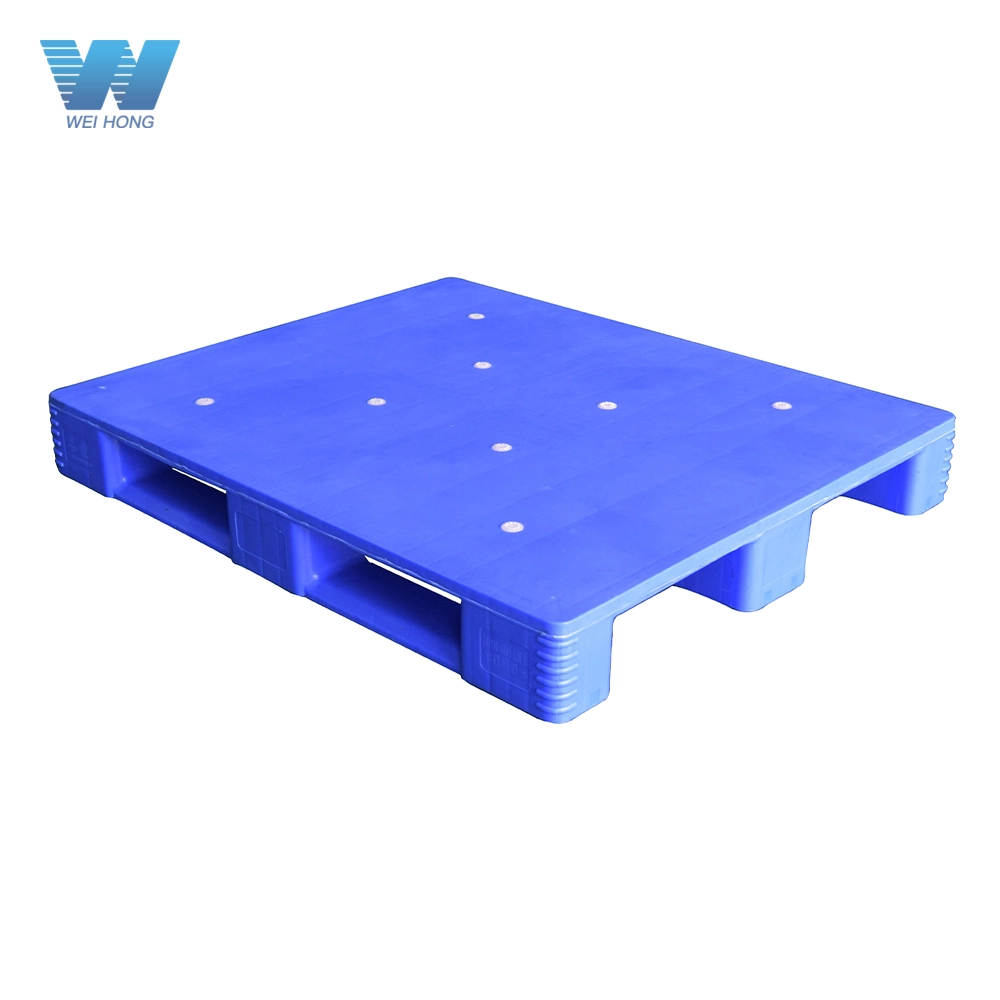
ZJ1210-150H Three-runner Closed Deck Hygienic Plastic Pallet
The three-runner closed-deck hygienic plastic pallet is a solid and durable packaging solution designed for general and especially food and medicine storage and transport. It’s made of virgin HDPE or PP, featuring a flat surface and even bottom for hygienic consideration, a reinforced configuration with steel cores for rack and shelf, and a steady loading capacity.
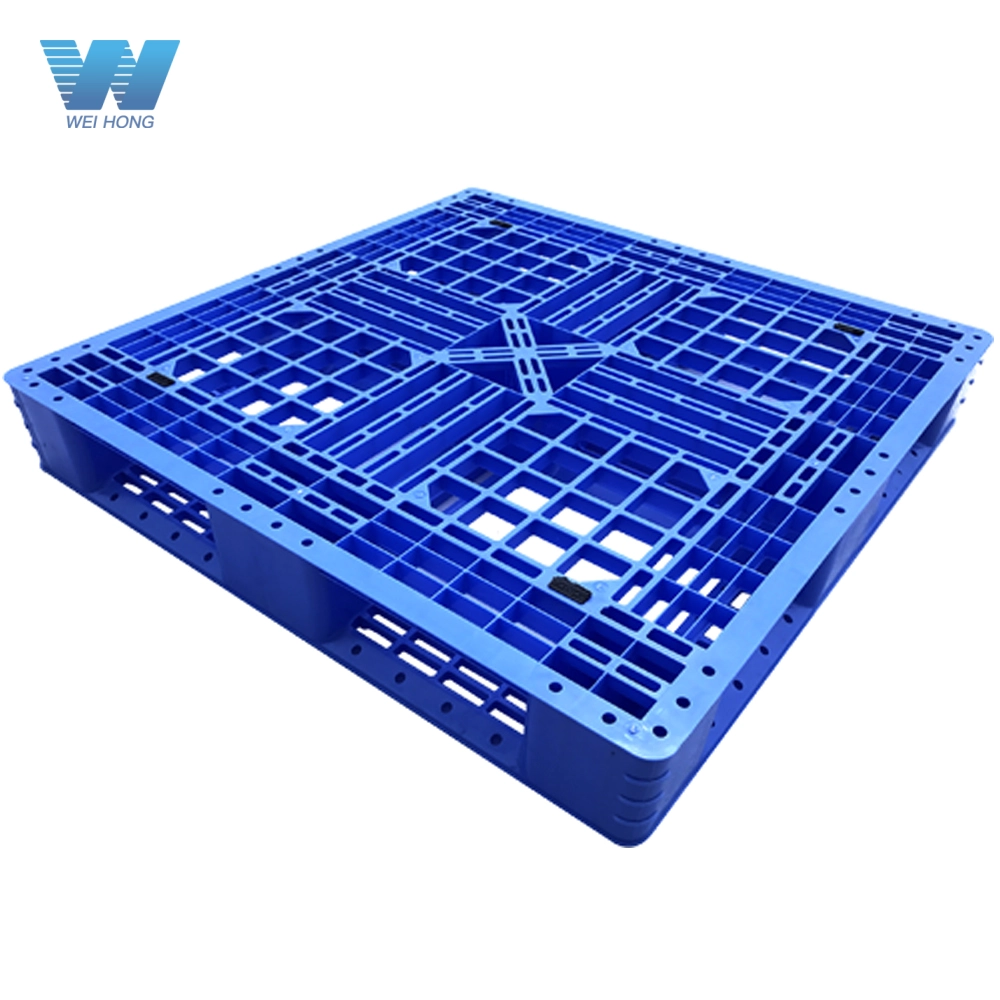
ZJ1010-150 Six-runner Single-sided Plastic Pallet
The six-runner plastic pallet, open or closed deck, is a solid and durable packaging solution designed for general and medium to heavy-duty cargo stacking, storage and transport. It’s made of virgin HDPE or PP, featuring in robust structure, a reinforced configuration with steel cores for the rack and shelf, and a steady loading capacity.
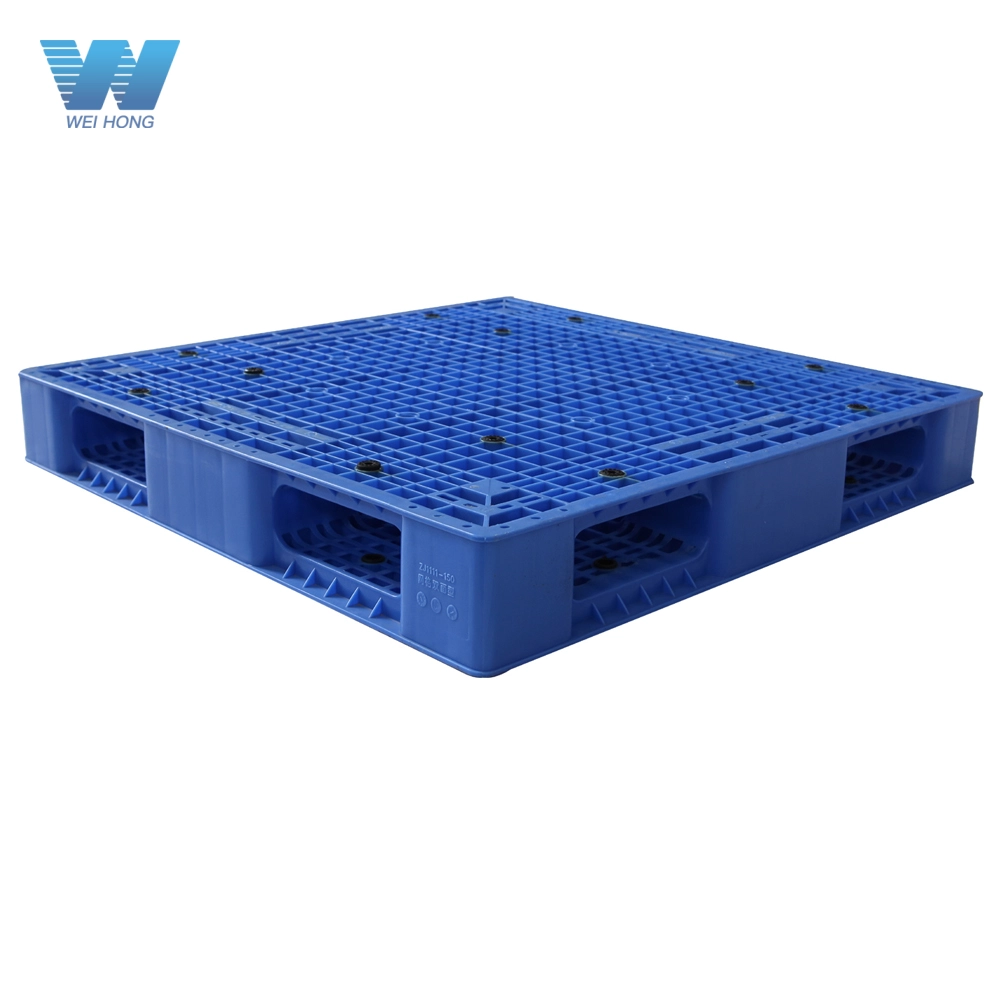
ZJ11111-150 Double-sided Heavy Duty Plastic Pallet
The double-sided plastic pallet, open deck or closed deck, is a solid and durable packaging solution designed for general and medium to heavy-duty cargo stacking, storage and transport. It’s made of virgin HDPE or PP, featuring a robust structure, a reinforced configuration with steel cores for the rack and shelf, and a steady loading capacity for both sides.
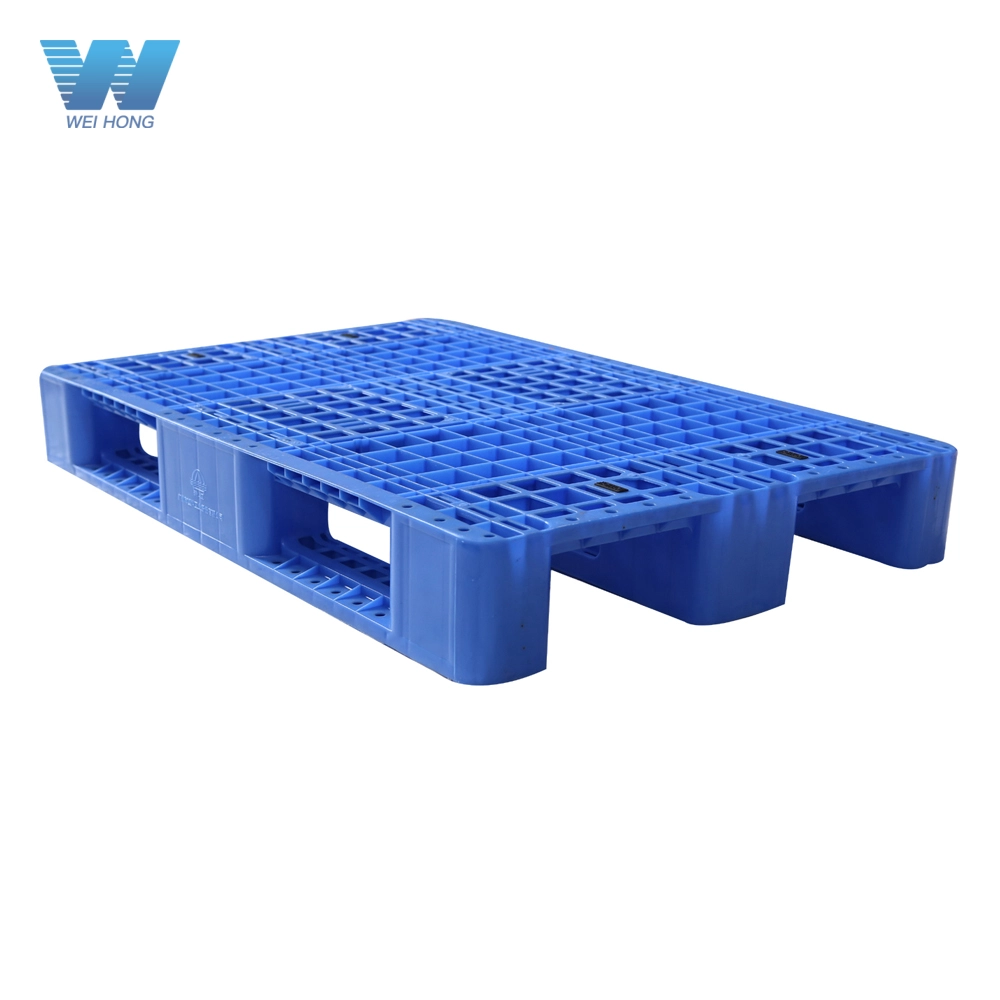
ZJ1208-155 Three-runner Single-sided Plastic Pallet
The three-runner single-sided plastic pallet is a solid and durable packaging solution designed for general and medium to heavy-duty cargo storage, transport and automated storage and retrieval system (AS/RS) use. It’s made of virgin HDPE or PP, featuring in robust structure, reinforced configuration with steel cores for rack and shelf, and a steady loading capacity.
Request More Information About Plastic Pallets
Have questions or need detailed insights on this article? Fill out the form below to contact our team for comprehensive information and support related to our plastic pallet solutions.
Contact us


+86 138 0277 8204
+86 183 4431 0917
+86 195 3791 1860

No. 15-1, Fengying Rd., Taiping Town, Conghua Dist., Guangzhou City, Guangdong Province, China.
Weihong
Whatsapp: +8613802778204
Guangdong Weihong Plastic Technology Co., Ltd.
Scan QR Code