











The Ultimate Guide to Plastic Pallets for Automotive Parts: 2026 Strategy & Beyond

- Why Are Plastic Pallets for Automotive Parts Essential?
- Key Takeaways: Quick Summary for Automotive Supply Chains
- Core Advantages: Durability, Safety, and ROI
- Technical Specifications to Consider in 2026
- Protecting High-Value and Fragile Components
- Seamless Integration with Automated Storage (AS/RS)
- Future Trends 2026 & Beyond: IoT, RFID, and Smart Tracking
- Expert Tips & Common Mistakes When Switching from Wood
- Conclusion
- What is the standard size for automotive plastic pallets?
- Are plastic pallets better than wood for heavy auto parts?
- How long do automotive plastic pallets last?
- What is an ESD plastic pallet used for in automotive?
- Why are injection-molded pallets preferred in AS/RS?
- Can plastic pallets be recycled?
- How does RFID tracking work with automotive pallets?
- What is the ROI of switching to returnable plastic pallets?
Why Are Plastic Pallets for Automotive Parts Essential?
Plastic pallets for automotive parts are specialized, heavy-duty material handling platforms designed to safely transport sensitive components like engines and electronic modules, offering superior durability, dimensional consistency for automated warehouses, and robust protection against contamination.
The landscape of automotive supply chain logistics is undergoing a massive transformation, moving away from outdated, prone-to-damage wooden systems. As automotive manufacturing becomes increasingly precise, the platforms used to transport parts must match that exact precision. Heavy components require structural platforms that do not bend, break, or shed dangerous debris onto the assembly line.
To fully understand why this shift is absolutely critical, consider the rigorous operational demands of the modern assembly plant:
- Contamination Control: Unlike natural wood, advanced plastic does not harbor moisture, mold, or pests, effectively eliminating the costly need for chemical fumigation or heat treatments during international shipping.
- Precision Engineering: Every single pallet is permanently molded to exact dimensional specifications, ensuring that parts securely fit perfectly into automated assembly lines without requiring manual human intervention.
- Heavy-Duty Performance: Advanced structural polymers are specifically engineered to support thousands of pounds in both dynamic and static environments, fully protecting the structural integrity of high-value auto parts.
Key Takeaways: Quick Summary for Automotive Supply Chains
The key takeaways for automotive supply chains emphasize that transitioning from wood to plastic eliminates waste, reduces long-term operational costs, and ensures seamless integration with automated systems, while smart, specialized pallets set the standard for 2026 logistics.
For procurement managers and logistics directors, the strategic decision to upgrade material handling equipment is driven by a highly clear set of operational benefits. Implementing returnable automotive packaging creates a sustainable, closed-loop system where platforms are used repeatedly, effectively amortizing the initial capital cost over hundreds of successful transit trips.
Key benefits aggressively driving this modern transition include:
- Transitioning from expendable wood to durable plastic drastically eliminates supply chain waste and substantially reduces long-term operational costs.
- Exact dimensional consistency strictly ensures seamless, error-free integration with Automated Storage and Retrieval Systems (AS/RS).
- Highly specialized platforms physically protect high-value electronic components from electrostatic discharge (ESD) and sudden physical damage during transit.
- Smart pallets continuously equipped with IoT sensors and RFID tracking are rapidly setting the new operational standard for global logistics tracking in 2026.
Core Advantages: Durability, Safety, and ROI
The core advantages of plastic pallets include unmatched durability, enhanced worker safety by eliminating nails and splinters, and significant long-term return on investment, making them vastly superior to traditional wooden pallets in heavy-duty operational cycles.
In the incredibly fast-paced world of modern automotive manufacturing, facility downtime caused by basic equipment failure is incredibly costly. Wooden pallets frequently snap or break under the immense weight of heavy auto parts, leading directly to expensive product damage and severe worker injuries. By confidently transitioning to high-quality polymer alternatives, automotive facilities can completely eliminate the daily risks of rusty nails, sharp splinters, and dangerous wood edges.
Furthermore, the financial business case for this material transition is undeniable. The widespread adoption of robust returnable systems significantly lowers the total lifecycle cost of ownership, a major sustainability trend championed by industry leaders, as reported by the Reusable Industrial Packaging Association.
- Unmatched Lifespan: These structural platforms offer exceptional longevity compared to traditional wooden counterparts, especially in rigorous heavy-duty transport cycles.
- Worker Safety: The complete daily elimination of exposed nails, wood splinters, and woodborne pests ensures a substantially safer environment for warehouse workers and maintains strict product integrity.
- Return on Investment (ROI): Supply chain facilities realize a highly significant long-term ROI through the dedicated implementation of closed-loop returnable packaging programs.
- Freight Savings: A noticeable, measurable reduction in outbound freight costs is achieved due to platform lightweighting, which is successfully accomplished without ever compromising essential structural load capacities.
Technical Specifications to Consider in 2026
When selecting technical specifications in 2026, supply chain managers must carefully evaluate material types like HDPE for impact resistance, exact automotive footprint sizes, specific load capacities, and optimal structural designs to maximize warehouse storage efficiency.
Not all plastic platforms are created functionally equal. When specifically sourcing heavy-duty injection-molded pallets, it is completely vital to intimately match the technical specifications to the specific operational use case. For instance, High-Density Polyethylene (HDPE) is highly prized across the industry for its extreme impact resistance, making it perfectly ideal for rough forklift handling and sub-zero cold storage environments. Conversely, Polypropylene (PP) offers noticeably superior rigidity, which is better suited for safely racking ultra-heavy loads in high-temperature manufacturing facilities.
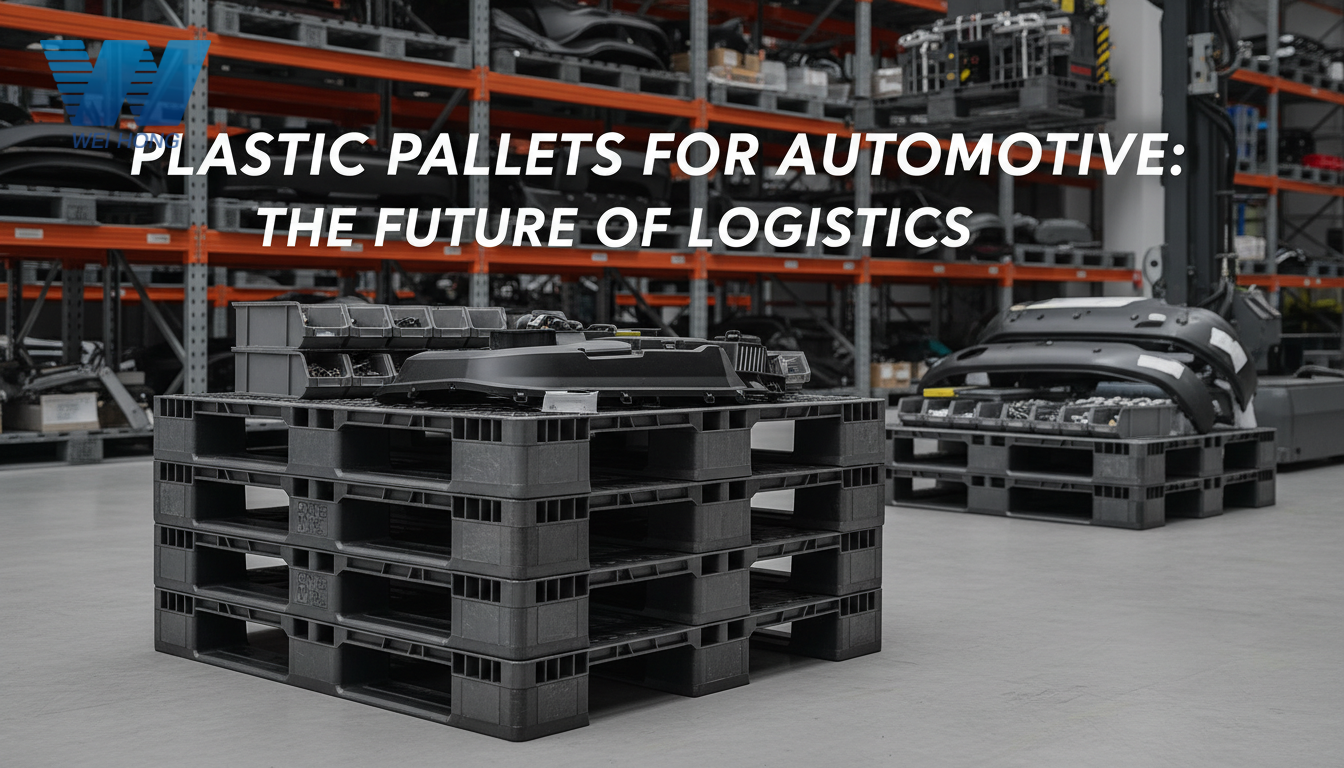
Important technical specifications to meticulously evaluate include:
- Material Selection: Carefully choosing between HDPE for extreme physical impact resistance and PP for unmatched structural rigidity under heavy dynamic loads.
- Industry Standards: Deeply understanding standard automotive footprint sizes, most notably the North American automotive industry-standard 45x48 dimensions.
- Load Capacities: Carefully, mathematically evaluating Static, Dynamic, and Racking load capacities when safely dealing with ultra-heavy components like raw engine blocks and metal transmissions.
- Storage Design: Strategically selecting between nestable structural designs for space-saving reverse logistics or robust stackable/rackable designs for high-density vertical warehouse storage.
Protecting High-Value and Fragile Components
Protecting high-value and fragile automotive components requires specialized handling solutions, such as antistatic pallets, custom dunnage, and thermoformed inserts, which secure odd-shaped parts and maintain strict hygiene standards for cross-border export compliance without requiring heat treatments.
As modern consumer vehicles become significantly more technologically advanced, the physical components used to build them logically become increasingly sensitive. The massive global rise of electric vehicles (EVs) has introduced an entirely new layer of strict complexity to automotive logistics. Safely transporting sensitive electronic vehicle modules, computerized sensors, and digital dashboards inherently requires strict protection from both physical shock and invisible static electricity.
To effectively address this modern challenge, the global industry relies heavily on antistatic ESD plastic pallets. These highly specialized platforms are explicitly manufactured with active carbon additives that safely and instantly dissipate static electrical charges, effectively preventing catastrophic unseen damage to fragile microprocessors during highway transport.
- ESD Protection: Intelligently utilizing Antistatic (ESD) models to safely and securely transport highly sensitive EV modules, delicate battery packs, and computerized dashboards.
- Custom Dunnage: Seamlessly integrating custom foam dunnage and precision thermoformed plastic inserts to securely cradle odd-shaped, fragile parts like painted bumpers, glass windshields, and delicate door panels.
- Hygiene Compliance: Strictly maintaining extreme surface hygiene and ease of chemical disinfection to guarantee seamless cross-border export compliance without suffering the costly delays of traditional wooden heat treatments.
Seamless Integration with Automated Storage (AS/RS)
Seamless integration with automated storage relies on the strict dimensional tolerances of injection-molded plastic to prevent system jams, ensuring consistent weight profiles and four-way forklift access for uninterrupted operations in modern, high-speed robotic distribution centers.
Modern automotive distribution facilities are rapidly and aggressively moving toward full, human-free automation. In these highly advanced environments, physical precision is absolutely everything. A traditional wooden pallet that is even slightly warped by moisture or carrying a slightly broken bottom board can easily cause a highly sensitive optical sensor fault or physically jam an automated high-speed conveyor system, leading instantly to thousands of dollars in line downtime.
This exact operational risk is exactly why AS/RS compatible pallets are strictly, universally mandated in automated facilities. They are meticulously engineered to exact millimeter tolerances, meaning absolutely every single unit weighs the exact same and has the exact same corner dimensions. In fact, as detailed by Wikipedia, an Automated Storage and Retrieval System (AS/RS) requires extremely precise standard loads to automatically place and retrieve physical items from defined storage locations seamlessly and efficiently.
- Dimensional Tolerances: The strict, flawless dimensional perfection of injection-molded plastic completely prevents costly automated system jams and sensitive conveyor optical faults.
- Equipment Accessibility: Safely ensuring universal 4-way access for traditional manual forklifts and Automated Guided Vehicles (AGVs) is absolutely critical for smooth maneuvering in completely dark, human-free smart warehouses.
- Stability Technology: Intelligently utilizing high-friction, anti-slip surface technologies, such as embedded rubber grommets, to securely maintain perfect load stability during incredibly high-speed automated robotic transport.
Future Trends 2026 & Beyond: IoT, RFID, and Smart Tracking
Future trends for 2026 and beyond focus on embedding RFID tags and IoT sensors directly into the pallet mold to achieve permanent, tamper-proof visibility, enabling AI-driven analytics to map lifecycles and accurately predict pool replenishment needs.
The historical concept of a completely "dumb" transport pallet is quickly and definitively becoming obsolete. By 2026, the strict integration of smart technology into the very physical structure of the transport platform will be a mandatory baseline requirement for all Tier 1 automotive parts suppliers. By literally molding RFID chips directly into the hot plastic during the initial manufacturing injection process, logistics companies ensure the tracking tags cannot be ripped off, lost in transit, or damaged by careless forklifts.
These highly advanced smart platforms actively communicate with centralized warehouse management systems in real-time, instantly providing unprecedented, second-by-second visibility into the global supply chain.
- Embedded RFID: Physically embedding RFID tracking tags directly into the plastic mold strictly guarantees permanent, totally tamper-proof supply chain visibility from the distant supplier directly to the assembly line.
- IoT Monitoring: Actively leveraging battery-powered IoT sensors to continuously trace and track sensitive temperature and humidity fluctuations for sensitive industrial adhesives, chemical treatments, or volatile battery components.
- AI Analytics: Strategically using advanced AI-driven software analytics to comprehensively map packaging lifecycles, immediately identify transit bottleneck locations, and precisely predict exact packaging pool replenishment needs.
Expert Tips & Common Mistakes When Switching from Wood
When switching from wood to plastic, common mistakes include focusing solely on upfront costs rather than lifecycle cost-per-trip and overlooking dynamic load shifts during transit, making it essential to partner with logistics providers for clear reverse routes.
Migrating an entire massive automotive supply chain from expendable wood packaging to returnable plastic is a major, highly complex logistical undertaking. Without proper operational planning, manufacturing companies can incredibly easily overspend their budget or completely select the wrong handling equipment for their specific daily needs. It is highly, strongly recommended to follow proven structured planning models, as standardized by the Automotive Industry Action Group, to strictly ensure a smooth, error-free transition.
Here are the absolute most critical operational mistakes to avoid and expert strategic tips to strictly guide your 2026 transition strategy:
- Mistake: Shortsightedly focusing solely on the initial upfront purchase capital cost rather than properly calculating the total long-term lifecycle cost and the heavily reduced cost-per-trip.
- Mistake: Completely overlooking severe dynamic load weight shifts—such as sudden highway transit braking or sharp trailer turns—when initially specifying the required weight capacities.
- Expert Tip: Always securely run a limited pilot program with a small, tightly controlled pool of returnable packaging to physically, rigorously validate AS/RS mechanical compatibility before executing a massive global rollout.
- Expert Tip: Partner closely and early with third-party logistics (3PL) providers to firmly establish a highly clear, efficient reverse logistics collection route to rapidly maximize financial ROI.
Conclusion
The shift toward plastic pallets in the automotive sector is no longer just a trend, but a foundational requirement for building resilient, automated, and sustainable supply chains that drastically reduce damage costs and improve overall operational efficiency.
By carefully, strategically selecting the absolute right handling materials, such as heavy-duty HDPE, and deeply integrating smart tracking technologies like embedded RFID, forward-thinking auto manufacturers can permanently future-proof their vital operations for 2026 and well beyond. Transitioning permanently away from expendable wood definitively eliminates warehouse waste, perfectly protects high-value electronic components, and absolutely guarantees smooth mechanical compatibility with highly automated, robotic warehouses. As the entire global industry rapidly evolves toward electric vehicles and AI-driven logistics mapping, the highly engineered plastic pallet firmly remains the critical operational foundation upon which these modern innovations are built.
Contact us today to optimize your automotive supply chain logistics strategy.
What is the standard size for automotive plastic pallets?
The most common standard footprint in the North American automotive industry is 45x48 inches. This precisely engineered size optimally maximizes trailer space and is specifically designed to accommodate standard automotive bins and totes, strictly ensuring maximum pack density during highway transit.
Are plastic pallets better than wood for heavy auto parts?
Yes, plastic pallets offer incredibly superior structural integrity for extremely heavy parts like raw engine blocks and heavy gearboxes. Unlike traditional wood, they do not ever degrade, warp, or dangerously splinter under heavy dynamic transport loads, providing a much safer and significantly more reliable platform for heavy-duty applications.
How long do automotive plastic pallets last?
High-quality injection-molded plastic pallets can easily last between 5 to 10 years in a tightly managed closed-loop automotive supply chain. They can typically, reliably complete up to 250 heavy transit trips, vastly outperforming expendable wooden pallets which often catastrophically fail after just a small handful of rough uses.
What is an ESD plastic pallet used for in automotive?
ESD (Electrostatic Discharge) pallets are custom manufactured with special carbon antistatic additives specifically designed to safely dissipate invisible electrical charges. They are absolutely crucial for safely transporting highly sensitive electronic modules, computerized vehicle sensors, and delicate EV battery components without ever risking catastrophic static shock damage.
Why are injection-molded pallets preferred in AS/RS?
Automated Storage and Retrieval Systems (AS/RS) strictly require absolute dimensional consistency to correctly function without physically jamming or triggering sensitive optical sensor faults. Injection-molded pallets reliably provide exact structural uniformity, precise square corner geometry, and perfectly exact weight profiles that natural, varied wood simply cannot consistently match.
Can plastic pallets be recycled?
Yes, at the very end of their long operational lifecycle, plastic pallets are 100% physically recyclable. The rigid structural polymer material can be cleanly ground down, fully melted, and expertly remanufactured into entirely new transport pallets, heavily supporting the automotive industry's massive push toward zero-waste sustainability and green ESG initiatives.
How does RFID tracking work with automotive pallets?
RFID smart tags are physically, permanently embedded deep into the plastic core during the intense injection molding manufacturing process, permanently protecting them from forklift damage. They securely allow logistics managers to automatically scan and digitally trace the precise geographic location, live inventory status, and physical movement of automotive parts in real-time across the entire globe.
What is the ROI of switching to returnable plastic pallets?
While the absolute initial purchase capital cost is higher than basic wood, the Return on Investment (ROI) is usually fully, completely realized within just 12 to 18 months. Massive financial savings are aggressively generated through zero monthly disposal fees, significantly reduced physical product damage, lower shipping freight weight, and literally hundreds of free reusable transit trips over the product's extended lifespan.
Tips for buy plastic pallet manufacturer from China
Cost Calculator: Estimate Savings with Plastic Pallets
7 Critical Mistakes in Plastic Pallet Load Testing (And How to Avoid Costly Damage)
OEM/ODM plastic industrial pallets Manufacturers and Suppliers
Logistics and Payment
What delivery terms do you support?
FOB term is our priority. Meanwhile, we accept also FCA, CFR, CIF, etc.
About Products
What materials are your prodcuts made of?
About Collaboration
Is there any other way to work with you?
Yes, apart from reselling, retail or distribution, we also accept commission based orders.
Do you have exclusive distributor in my country?
We currently have one or two exclusive distributors. Please tell me to where you would like to import out plastic pallets and boxes to check for it.
After-Sales Service and Support
Who should I contact if quality issue is found when I receive the goods?
Please file complaint to the sales person you contacted for the order and your needs will be forwarded to our technical team for analysis.
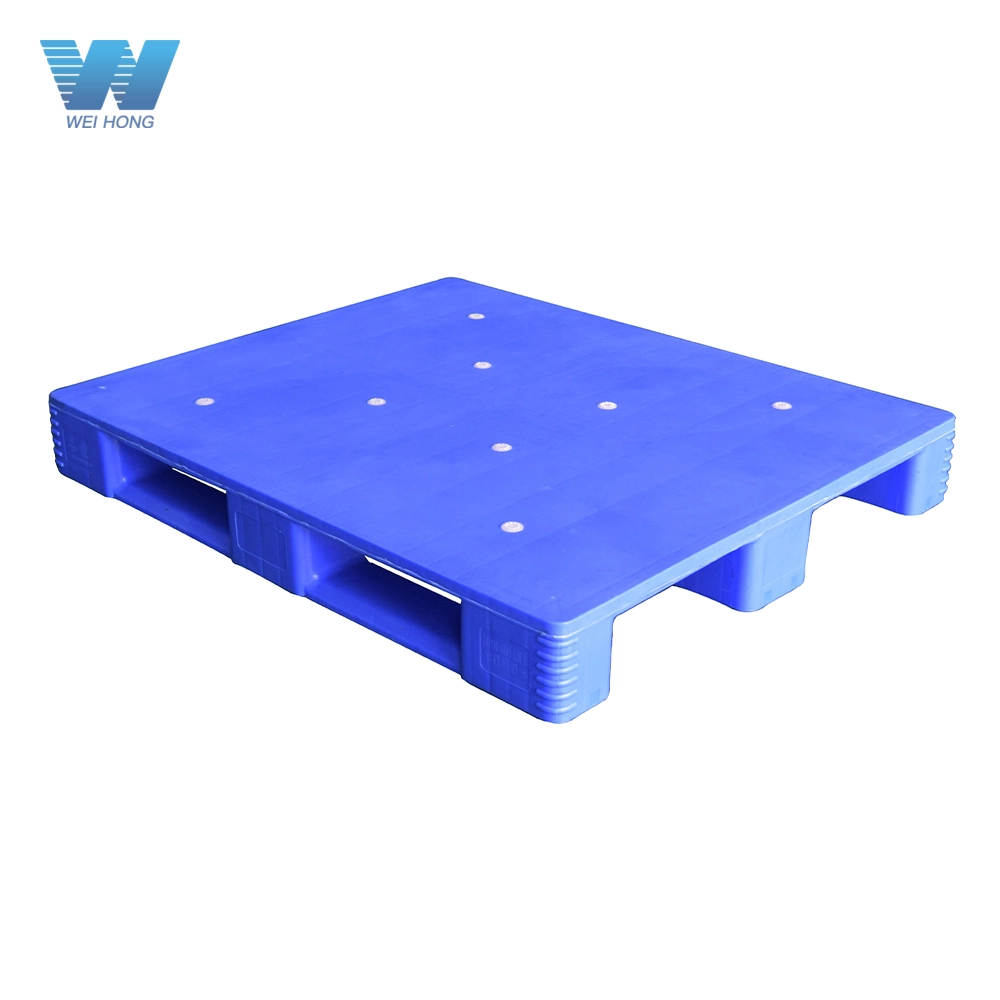
ZJ1210-150H Three-runner Closed Deck Hygienic Plastic Pallet
The three-runner closed-deck hygienic plastic pallet is a solid and durable packaging solution designed for general and especially food and medicine storage and transport. It’s made of virgin HDPE or PP, featuring a flat surface and even bottom for hygienic consideration, a reinforced configuration with steel cores for rack and shelf, and a steady loading capacity.
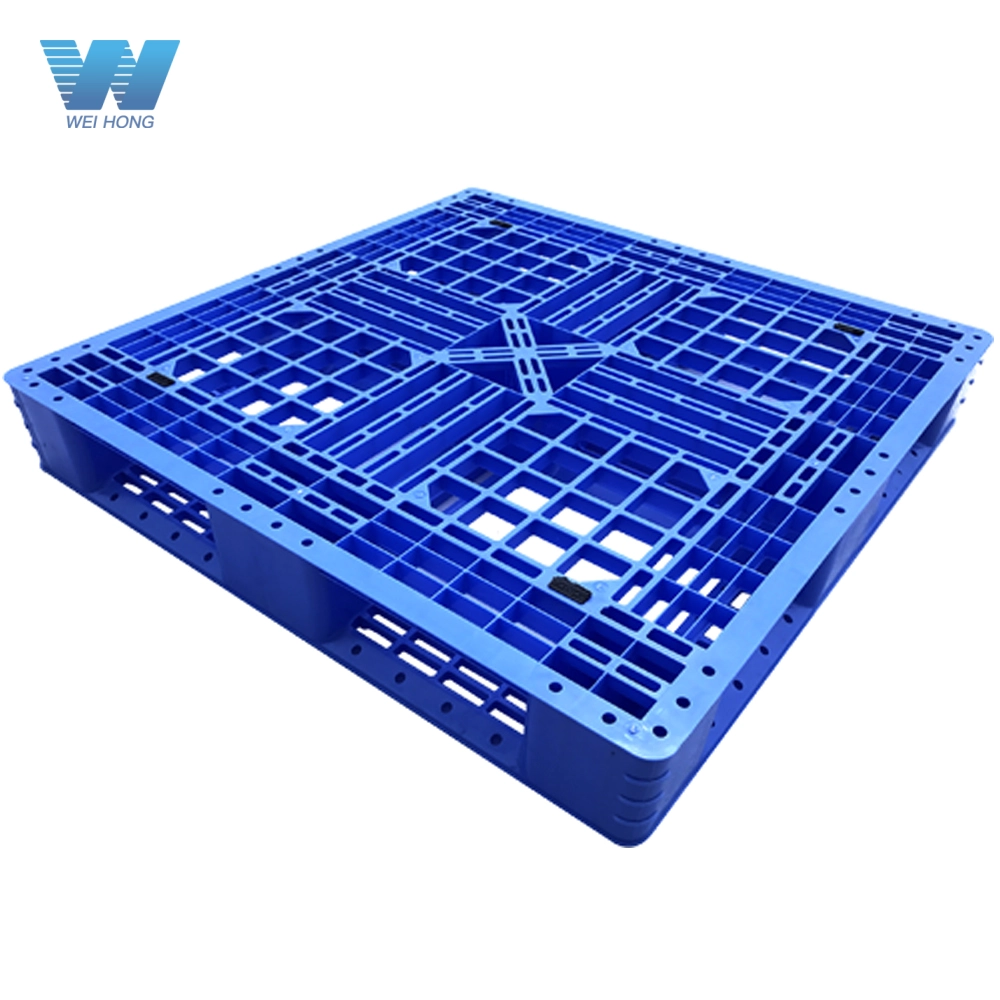
ZJ1010-150 Six-runner Single-sided Plastic Pallet
The six-runner plastic pallet, open or closed deck, is a solid and durable packaging solution designed for general and medium to heavy-duty cargo stacking, storage and transport. It’s made of virgin HDPE or PP, featuring in robust structure, a reinforced configuration with steel cores for the rack and shelf, and a steady loading capacity.
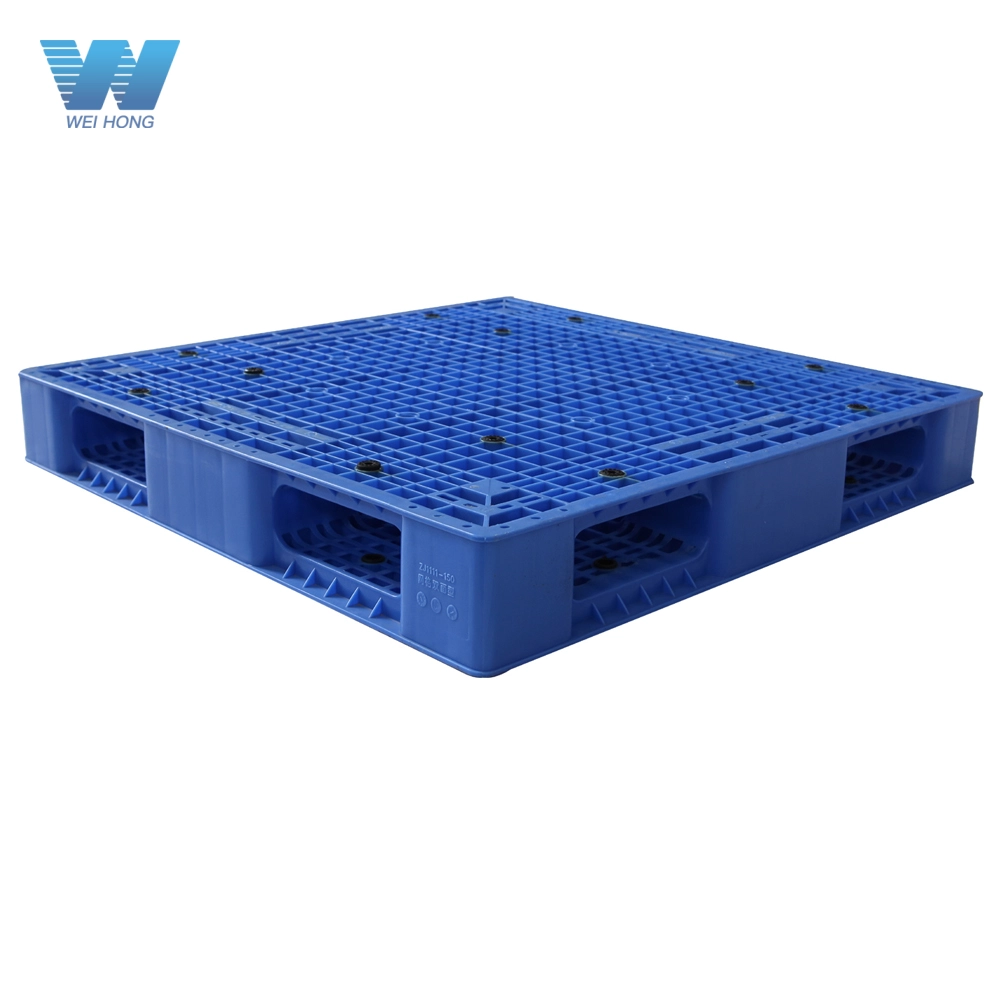
ZJ11111-150 Double-sided Heavy Duty Plastic Pallet
The double-sided plastic pallet, open deck or closed deck, is a solid and durable packaging solution designed for general and medium to heavy-duty cargo stacking, storage and transport. It’s made of virgin HDPE or PP, featuring a robust structure, a reinforced configuration with steel cores for the rack and shelf, and a steady loading capacity for both sides.
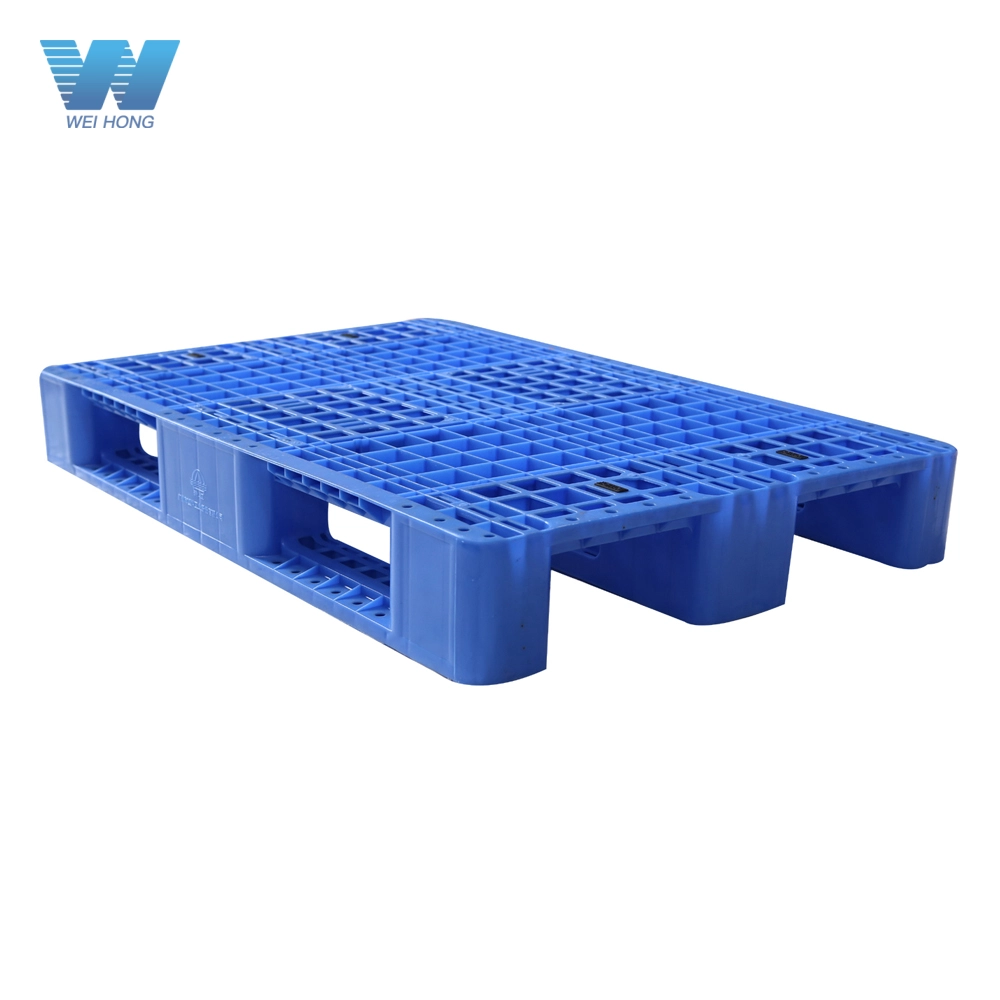
ZJ1208-155 Three-runner Single-sided Plastic Pallet
The three-runner single-sided plastic pallet is a solid and durable packaging solution designed for general and medium to heavy-duty cargo storage, transport and automated storage and retrieval system (AS/RS) use. It’s made of virgin HDPE or PP, featuring in robust structure, reinforced configuration with steel cores for rack and shelf, and a steady loading capacity.
Request More Information About Plastic Pallets
Have questions or need detailed insights on this article? Fill out the form below to contact our team for comprehensive information and support related to our plastic pallet solutions.
Contact us


+86 138 0277 8204
+86 183 4431 0917
+86 195 3791 1860

No. 15-1, Fengying Rd., Taiping Town, Conghua Dist., Guangzhou City, Guangdong Province, China.
 Scan QR Code
Weihong
Whatsapp: +8613802778204
Guangdong Weihong Plastic Technology Co., Ltd.
Scan QR Code
Whatsapp: +8619537911860
Scan QR Code