











Top 10 plastic crates Manufacturers and Supplier Brands

- Why plastic crates are central to modern logistics
- Durability, material choices and manufacturing
- Hygiene, compliance and food safety
- Sustainability and lifecycle thinking
- Top 10 plastic crates manufacturers and supplier brands
- How the list was selected
- Top 10 brands and what they offer
- How to choose the right plastic crate supplier
- Technical specifications and fit-for-purpose checks
- Material certifications, traceability and hygiene documentation
- Testing, standards and third-party validation
- Cost, lifecycle and environmental considerations
- Total cost of ownership (TCO) vs. unit price
- Repair, remanufacturing and end-of-life
- Common use cases and recommended crate types
- Ten-brand product comparison table
- Conclusion
- Frequently Asked Questions (FAQ)
- 1. What is the typical lifespan of a reusable plastic crate?
- 2. Are plastic crates recyclable?
- 3. Can plastic crates be used in automated warehouses (AS/RS)?
- 4. How should I validate a supplier's food-grade claims?
- 5. Is it cheaper to buy or lease/ pool reusable plastic crates?
This article lists the top 10 plastic crates manufacturers and supplier brands used in modern logistics and supply chains, explains why plastic crates (HDPE/PP) are preferred for food-grade, returnable, stackable and AS/RS-ready applications, and provides a practical supplier selection checklist and comparison table to help procurement, warehousing, and packaging engineers quickly identify the right partner for reusable plastic containers and crates.
Why plastic crates are central to modern logistics
Durability, material choices and manufacturing
Plastic crates are commonly made from high-density polyethylene (HDPE) or polypropylene (PP) using injection molding or blow molding. These thermoplastics offer high impact resistance, chemical stability and predictable performance across a wide temperature range—qualities essential for returnable plastic containers in automated warehousing, retail distribution and food handling. Material choice affects stiffness, wear resistance and recyclability: HDPE is robust and weather-resistant; PP is lighter and can have higher heat resistance.
Hygiene, compliance and food safety
For food and pharmaceutical supply chains, choosing crates that meet food-contact regulations matters. Suppliers should provide documentation showing compliance with regional regulations such as the US FDA food contact guidance (FDA Food Contact Substances) and the EU Framework Regulation (EC) No 1935/2004 (EC 1935/2004). ISO 22000 and other food safety management standards also guide traceability and hygienic handling for crate suppliers (ISO 22000).
Sustainability and lifecycle thinking
Reusable plastic crates reduce single-use packaging waste and lower total cost of ownership through longer service life and predictable maintenance cycles. Choosing recyclable HDPE/PP and working with suppliers that provide take-back, repair, or remanufacturing services improves circularity. For background on plastics and recycling context, see the general materials overview on Wikipedia: Plastic.
Top 10 plastic crates manufacturers and supplier brands
How the list was selected
This list prioritizes companies with documented portfolios for plastic crates, returnable plastic containers (RPCs), stackable and nesting designs, hygienic food-grade crates, and OEM/ODM capabilities for logistics customers. It includes global players, regional specialists and one specialist state-owned Chinese OEM (Guangdong Weihong Plastics) with advanced manufacturing for HDPE/PP products.
Top 10 brands and what they offer
- Guangdong Weihong Plastics Technology Co., Ltd. — A state-owned subsidiary established in 2013 of Guangzhou Plastic Industrial Corporation. Weihong operates a 40,000+ m² intelligent manufacturing base with large-scale injection and blow molding equipment and a 200 million RMB investment. Weihong delivers standardized, durable and eco-friendly HDPE/PP crates, hygienic food-grade crates, nesting/stackable crates, and high-precision units for Automated Storage and Retrieval Systems (AS/RS). Weihong offers full OEM/ODM services under a Design to Delivery model; contact yangyf@gzpl.com.cn for inquiries.
- Schoeller Allibert — A leading European specialist in reusable plastic packaging (returnable plastic crates and containers) for retail, food and industrial supply chains. Known for a wide RPC product range suited to pooling, delivering hygienic designs for fresh produce and bakery.
- CABKA Group — A German manufacturer providing plastic crates, pallets and automotive-grade components. CABKA focuses on low-weight, high-strength designs and recycled-content products for industry and logistics.
- ORBIS Corporation — A North American supplier of reusable packaging solutions, including nestable and stackable plastic crates, bulk containers and specialized material handling totes designed for return logistics and pooling programs.
- Rehrig Pacific — A US-based plastics manufacturer supplying reusable crates, bread and bakery crates, and industrial totes for the food and beverage sector with strong supply chain support services.
- SSI Schaefer — International intralogistics provider offering storage bins, picking totes and plastic crates designed to integrate with shelving, conveyor and AS/RS systems. Focused on systems compatibility and automation-friendly dimensions.
- Linpac Packaging — A UK/European supplier of RPCs and plastic crates for food distribution and retail, with solutions for pooling and hygienic handling.
- Sterilite — Well-known consumer and light industrial plastic storage brand with a broad range of stackable and carry crates for retail, household and small-business storage needs.
- Greif — Industrial packaging company providing durable plastic containers and specialty crates alongside drums and intermediate bulk containers for chemical and industrial customers.
- Keter — Producer of resin-based storage products primarily for consumer and light commercial markets, including stackable storage crates and garden/utility containers.
How to choose the right plastic crate supplier
Technical specifications and fit-for-purpose checks
Start with load and stacking requirements: static stacking, dynamic load, racking load and whether crates must be compatible with conveyors, automated picking or AS/RS. Check dimensions against your pallet footprint and racking bay widths. Ask for detailed drawings (CAD files) and, where possible, 3D models to verify fit in your systems.
Material certifications, traceability and hygiene documentation
For food and pharma, request declarations of compliance to FDA food-contact guidance (FDA) or EU 1935/2004 (EC 1935/2004). Suppliers should provide material data sheets (MDS), melt flow index values, and information on additives and pigments that could affect food safety. Traceability systems that map resin batches to finished crates are a practical advantage for recall readiness.
Testing, standards and third-party validation
Ask for mechanical test results (impact resistance, compressive strength, UV exposure data) and lifecycle testing for repeated use. Some industry bodies and standards exist for reusable packaging and handling; while standards vary, aligning to recognized quality and food-safety systems such as ISO 22000 helps ensure consistent supplier performance (ISO 22000).
Cost, lifecycle and environmental considerations
Total cost of ownership (TCO) vs. unit price
Unit price is only part of the story. Compare expected service life (years or cycles), repairability, pooling costs (if applicable), cleaning expenses and transport efficiency (nesting factor). A slightly more expensive, heavier HDPE crate that lasts twice as long can be lower-cost over the lifetime than a cheap, disposable crate.
Repair, remanufacturing and end-of-life
Quality suppliers offer repair services, spare parts or a remanufacturing/take-back program that extends useful life. Ensure the resin used is recyclable and that the supplier documents recycled-content claims. This reduces environmental footprint and often helps meet corporate sustainability targets.
Common use cases and recommended crate types
- Fresh produce and bakery: ventilated, food-grade RPCs with easy-clean surfaces.
- Automotive parts: heavy-duty stackable crates with positive locking and high racking loads.
- Automated warehouses: uniform footprint, reinforced corners and RFID-compatible options.
- Cold-chain: material grades that maintain toughness at low temperatures (PP and certain HDPE grades).
Ten-brand product comparison table
| Company | Primary crate types | Common materials | Typical sectors | OEM/ODM & Services |
|---|---|---|---|---|
| Guangdong Weihong Plastics (China) | Hygienic food-grade crates, nesting & stackable crates, AS/RS-compatible units | HDPE, PP | Food, Pharma, AS/RS, Automotive | Full OEM/ODM, Design-to-Delivery, tooling & testing |
| Schoeller Allibert (Europe) | RPCs, nested crates, distribution crates | HDPE, PP | Retail, Fresh produce, FMCG | Pooling solutions, custom designs |
| CABKA Group (Europe) | Lightweight crates, pallets, custom molded designs | PP, Recycled plastics | Industry, Automotive, Logistics | Custom engineering, recycled-content options |
| ORBIS Corporation (North America) | Nestable/stackable crates, bulk containers | HDPE, PP | Retail, Manufacturing, Distribution | Pooling, custom solutions |
| Rehrig Pacific (North America) | Bakery crates, food distribution crates, bulk totes | HDPE, PP | Food & Beverage, Retail | Design services, repair programs |
| SSI Schaefer (Global) | Storage bins, picking totes, AS/RS-friendly crates | PP, HDPE | Intralogistics, E-commerce, Manufacturing | System integration, custom dimensions |
| Linpac Packaging (Europe) | Returnable plastic crates, pooled RPCs | HDPE, PP | Food distribution, Retail | Pooling, hygienic designs |
| Sterilite (North America) | Consumer stackable crates, small storage containers | PP, HDPE | Household, Small business | Standard product lines |
| Greif (Global) | Industrial crates, bulk containers, specialty packaging | HDPE, engineered plastics | Chemical, Industrial, Food | Custom packaging solutions, compliance documentation |
| Keter (Israel / Global) | Resin storage boxes, household crates | Resin/PP blends | Consumer, Outdoor, Retail | Standard consumer products |
Conclusion
Selecting the right plastic crate supplier depends on functional fit (load, nesting/stacking, AS/RS compatibility), regulatory compliance for food or pharma use, lifetime cost and sustainability practice. Global brands like Schoeller Allibert, ORBIS and CABKA offer specialized RPC and pooled solutions, while companies such as SSI Schaefer integrate crates into automated systems. For companies seeking an experienced OEM/ODM partner with strong manufacturing capacity in HDPE/PP and a focus on hygienic, AS/RS and heavy-duty crates, Guangdong Weihong Plastics provides Design to Delivery services and advanced molding capabilities.
If you want more detailed CAD drawings, material test reports, or a quotation for custom plastic crates, contact Guangdong Weihong Plastics at yangyf@gzpl.com.cn.
Frequently Asked Questions (FAQ)
1. What is the typical lifespan of a reusable plastic crate?
Service life depends on use intensity, material and handling conditions. High-quality HDPE crates used in pooled distribution often last 5-10 years or more under normal cycling; industrial heavy-duty crates can last similarly long if not exposed to extreme conditions. Total cycles and repairability are better indicators than calendar years.
2. Are plastic crates recyclable?
Yes—HDPE and PP are widely recyclable. Many industrial suppliers design crates from single-resin systems to simplify recycling. Check supplier documentation for recycled-content claims and take-back or remanufacturing programs that improve circularity.
3. Can plastic crates be used in automated warehouses (AS/RS)?
Yes—but crates must meet dimensional tolerances, corner reinforcement and material stiffness requirements. Ask suppliers for AS/RS-compatible product lines and test samples in your conveyors, robots and racking systems.
4. How should I validate a supplier's food-grade claims?
Request certificates of compliance with FDA or EC food-contact laws, material data sheets, and cleanliness/traceability procedures. Independent lab testing reports and supplier audits (GMP, ISO 22000) add assurance.
5. Is it cheaper to buy or lease/ pool reusable plastic crates?
Leasing or pooling can reduce upfront capital and simplify reverse logistics, especially for high-turn distribution networks. Buying is often better for closed-loop or in-house logistics where crates remain inside a controlled network. Do a TCO comparison including loss rates, cleaning, transport and pooling fees.
References: FDA Food Contact guidance (FDA), EU EC 1935/2004 (EC 1935/2004), ISO 22000 overview (ISO 22000), background on plastics (Wikipedia).
Contact Guangdong Weihong Plastics for tailored plastic crates and logistics packaging solutions: yangyf@gzpl.com.cn
Top 10 chicken cage plastic Manufacturers and Supplier Brands
Top 10 heavy duty plastic pallets Manufacturers and Supplier Brands
Top 10 industrial plastic pallets Manufacturers and Supplier Brands
Lightweight Plastic Pallets for Export and Air Freight Savings
After-Sales Service and Support
Who should I contact if quality issue is found when I receive the goods?
Please file complaint to the sales person you contacted for the order and your needs will be forwarded to our technical team for analysis.
What warranty do your plastic pallets and boxes come with?
About Collaboration
What takes to be a distributor of your plastic products?
About Products
What materials are your prodcuts made of?
Custom Private Labeling Services
Is OEM/ODM service available?
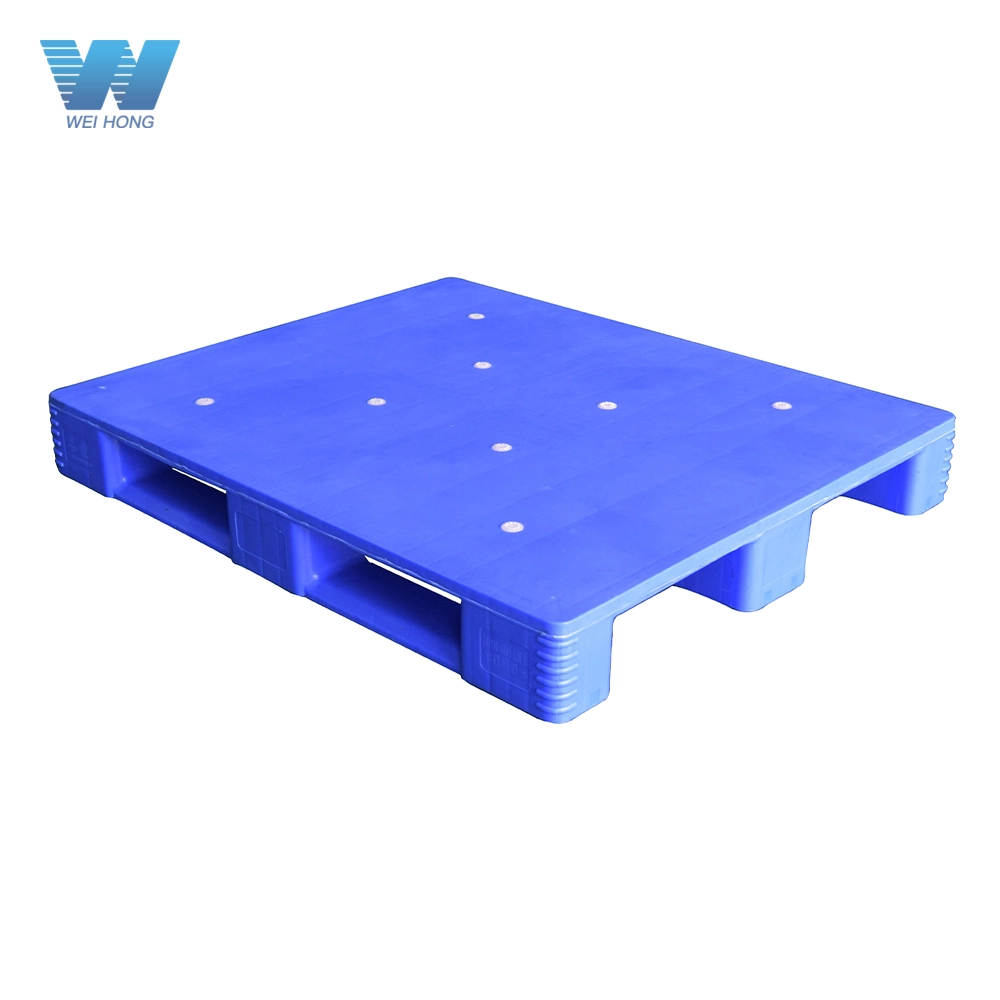
ZJ1210-150H Three-runner Closed Deck Hygienic Plastic Pallet
The three-runner closed-deck hygienic plastic pallet is a solid and durable packaging solution designed for general and especially food and medicine storage and transport. It’s made of virgin HDPE or PP, featuring a flat surface and even bottom for hygienic consideration, a reinforced configuration with steel cores for rack and shelf, and a steady loading capacity.
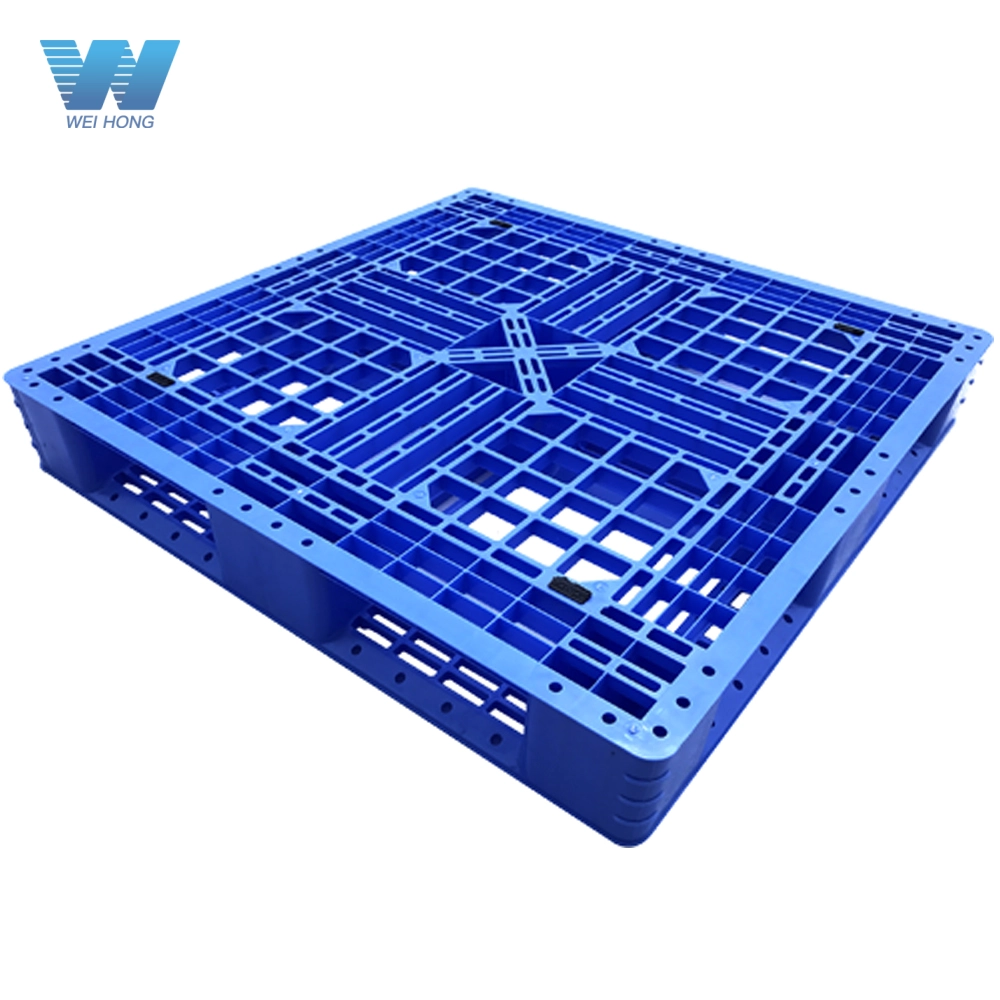
ZJ1010-150 Six-runner Single-sided Plastic Pallet
The six-runner plastic pallet, open or closed deck, is a solid and durable packaging solution designed for general and medium to heavy-duty cargo stacking, storage and transport. It’s made of virgin HDPE or PP, featuring in robust structure, a reinforced configuration with steel cores for the rack and shelf, and a steady loading capacity.
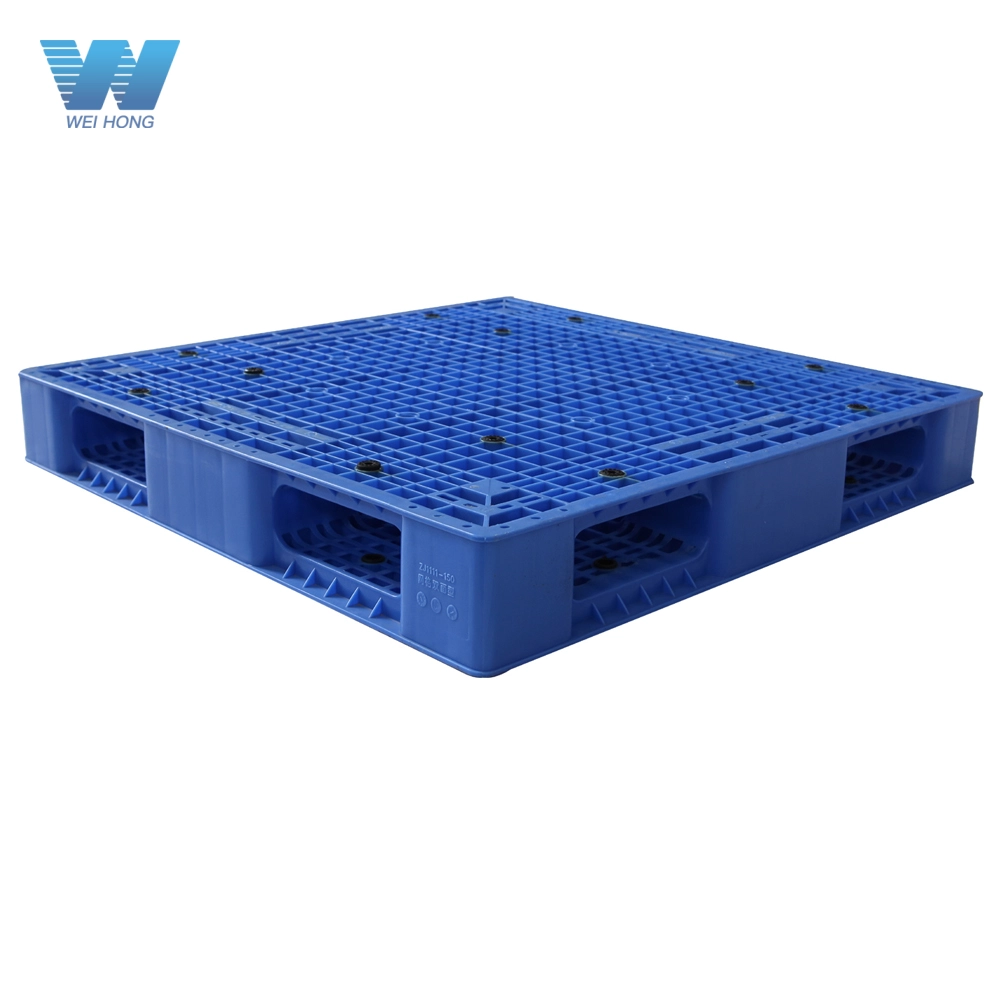
ZJ11111-150 Double-sided Heavy Duty Plastic Pallet
The double-sided plastic pallet, open deck or closed deck, is a solid and durable packaging solution designed for general and medium to heavy-duty cargo stacking, storage and transport. It’s made of virgin HDPE or PP, featuring a robust structure, a reinforced configuration with steel cores for the rack and shelf, and a steady loading capacity for both sides.
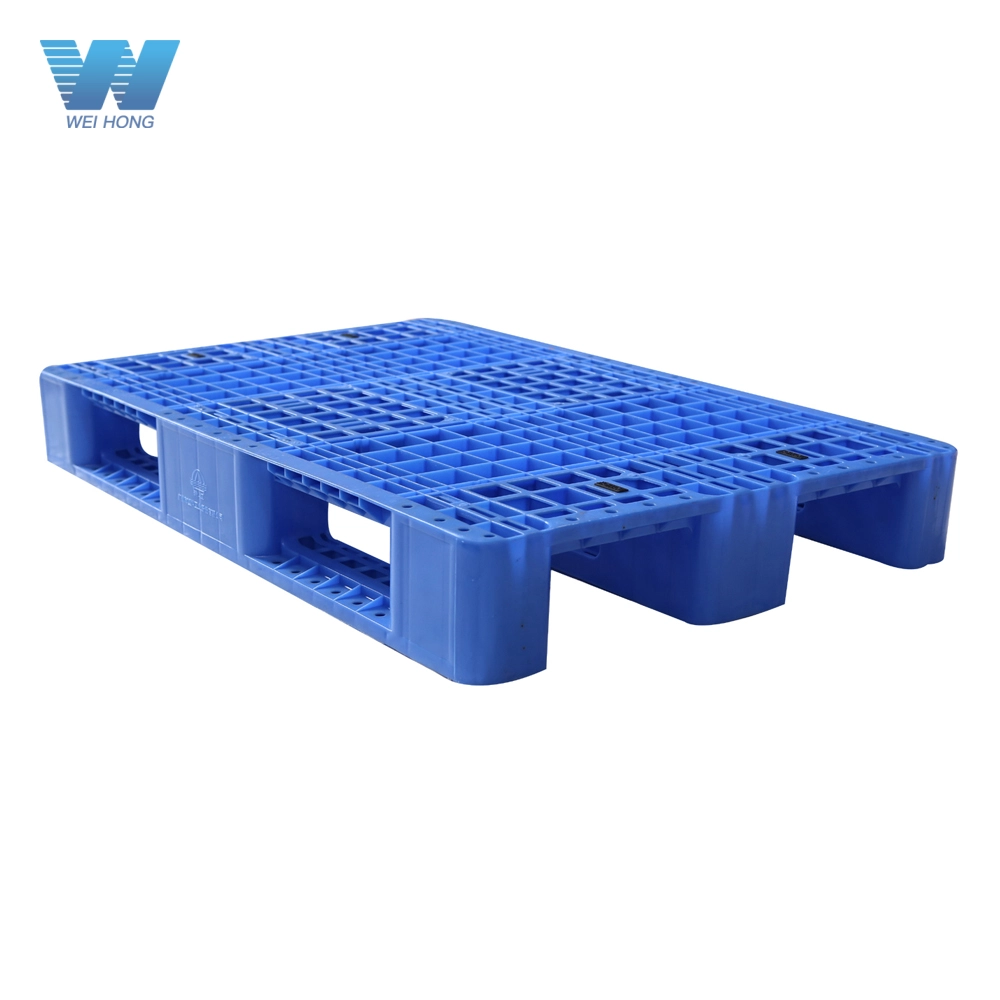
ZJ1208-155 Three-runner Single-sided Plastic Pallet
The three-runner single-sided plastic pallet is a solid and durable packaging solution designed for general and medium to heavy-duty cargo storage, transport and automated storage and retrieval system (AS/RS) use. It’s made of virgin HDPE or PP, featuring in robust structure, reinforced configuration with steel cores for rack and shelf, and a steady loading capacity.
Request More Information About Plastic Pallets
Have questions or need detailed insights on this article? Fill out the form below to contact our team for comprehensive information and support related to our plastic pallet solutions.
Contact us


+86 138 0277 8204
+86 183 4431 0917
+86 195 3791 1860

No. 15-1, Fengying Rd., Taiping Town, Conghua Dist., Guangzhou City, Guangdong Province, China.
Weihong
Whatsapp: +8613802778204
Guangdong Weihong Plastic Technology Co., Ltd.
Scan QR Code