











The 2026 Definitive Guide to Choosing a Plastic Pallets Manufacturer: Maximize ROI and Durability
A definitive 2026 guide for B2B buyers on selecting a plastic pallet manufacturer. Covers ROI calculation, material science (HDPE vs. PP), manufacturing processes, and future-proofing your supply chain.
- Executive Summary: Key Takeaways for 2026 Procurement
- What Defines a Top-Tier Plastic Pallets Manufacturer?
- Evaluating Manufacturing Processes: The Core of Durability
- Material Science: Virgin vs. Recycled Resins
- Calculating ROI: Total Cost of Ownership (TCO) Model
- Expert Tips: Common Mistakes When Selecting a Manufacturer
- Future-Proofing: Trends Shaping Manufacturing in 2026
- Conclusion
- FAQ
- How do I choose the right plastic pallet manufacturer for my industry?
- What is the lifespan of a high-quality plastic pallet?
- Are custom plastic pallets more expensive than standard sizes?
- What is the difference between static and dynamic load ratings?
- How does using recycled plastic pallets affect durability?
- Can plastic pallets be repaired?
- What are the environmental benefits of switching to plastic pallets?
- Why are plastic pallets preferred for automation systems?
Executive Summary: Key Takeaways for 2026 Procurement
Strategic procurement in 2026 requires shifting focus from initial purchase price to the long-term cost per trip. Modern supply chains demand pallets that integrate seamlessly with automation while meeting rigorous sustainability standards.
To remain competitive, buyers must evaluate manufacturers based on their ability to deliver Sustainable Supply Chain Solutions 2026, not just commodity products. The landscape is evolving rapidly, with new regulations and technologies reshaping how we transport goods. By prioritizing durability and intelligence over basic utility, companies can significantly reduce operational overhead.
- Cost Efficiency: Shift from "lowest price" to "lowest cost per trip" mentality.
- Smart Integration: The rising importance of "Smart Pallets" and RFID integration by 2026.
- Sustainability: Compliance with new regulations on recycled plastics and circular economy principles.
- Durability: Understanding how Injection Molded vs Structural Foam Pallets impact longevity.

What Defines a Top-Tier Plastic Pallets Manufacturer?
A premier Plastic Pallets Manufacturer is defined by their ability to balance advanced material science (HDPE/PP) with ISO-certified manufacturing precision to deliver adaptable logistics solutions. Top-tier providers do not simply sell units; they engineer systems that survive closed-loop cycles.
In the current market, a manufacturer's value lies in their capacity for lifecycle management. Companies like Guangdong Weihong Plastics Technology Company, Ltd. exemplify this by offering "Design to Delivery" services. With a 40,000+ m² intelligent manufacturing base, Weihong moves beyond basic molding to provide specific solutions for complex sectors like automotive and pharmaceuticals. A reliable partner validates their designs through rigorous simulation before a single mold is cast.
- Material Expertise: Deep knowledge of HDPE and PP resin properties.
- Process Precision: Utilization of large-scale injection and blow molding machinery.
- Lifecycle Support: Offering buyback programs and closed-loop recycling services.
- Custom Engineering: Capability to design Custom Plastic Pallet Design prototypes for automated warehouses (AS/RS).
Evaluating Manufacturing Processes: The Core of Durability
The manufacturing process is the primary determinant of a pallet’s structural integrity, hygiene, and load-bearing capacity. distinct molding techniques yield vastly different performance characteristics suited for specific industrial environments.
Understanding the difference between Injection Molded vs Structural Foam Pallets is critical for ROI. Injection molding allows for precise, complex designs with smooth surfaces ideal for hygiene, while structural foam offers a higher strength-to-weight ratio. As noted by Lile Group, selecting the correct method ensures the pallet can withstand the specific abuses of your supply chain without premature failure.
- Injection Molding: High precision, best for complex designs and hygiene-critical industries (Food/Pharma).
- Structural Foam Molding: Superior strength-to-weight ratio, ideal for heavy-duty racking and high impact.
- Thermoforming: Cost-effective for custom sizes and lower volume runs.
- Rotational Molding: Unmatched impact resistance for extreme durability in harsh environments.
Material Science: Virgin vs. Recycled Resins
Selecting the right resin involves analyzing the trade-offs between Virgin HDPE for hygiene and impact resistance versus Recycled blends for cost-efficiency and sustainability. The choice directly impacts the pallet's lifespan, temperature resilience, and load capacity.
For 2026, the industry is seeing a shift toward high-performance Advanced Composite Materials (ACM). However, the fundamental choice remains between High-Density Polyethylene (HDPE) and Polypropylene (PP). Weihong utilizes over 60 years of industry heritage to guide clients through this selection, ensuring that products like their Plastic Turnover Box meet the specific chemical and thermal demands of their intended use.
- Virgin Resin: Essential for FDA/Pharma compliance and extreme cold environments.
- Recycled Blends: ideal for export or one-way logistics where cost is the primary driver.
- HDPE: superior impact resistance and cold tolerance.
- PP: Better stiffness and high-temperature performance for racking heavy loads.
Calculating ROI: Total Cost of Ownership (TCO) Model
True ROI is calculated by dividing the total cost of ownership—including purchase price, cleaning, and disposal—by the number of usable trips over the pallet's lifespan. A cheap pallet that breaks after three trips is infinitely more expensive than a durable one that lasts 200 trips.
To maximize value, buyers must look at the "Cost Per Trip" metric. High-quality plastic pallets, such as those produced by Weihong, are designed to survive the rigors of automated handling, significantly reducing breakage rates compared to wood. Furthermore, buyback programs where manufacturers recycle broken units into new products can dramatically lower net costs.
- Breakage Rates: Factor in the frequency of replacement for cheaper alternatives.
- Hygiene Costs: Plastic requires less labor to clean and sanitize than wood.
- Disposal Fees: Recyclable plastic generates revenue at end-of-life, whereas wood often incurs disposal fees.
- System Downtime: Consistent dimensions prevent jams in automated conveyor systems.
Expert Tips: Common Mistakes When Selecting a Manufacturer
The most common procurement error is failing to distinguish between dynamic and static load ratings, leading to catastrophic pallet failures in transit. Buyers often overestimate a pallet's capacity by looking only at its static (floor) rating.
Another critical oversight involves export regulations. Many buyers forget that plastic pallets are exempt from ISPM 15 heat-treatment regulations, which can streamline international logistics. As highlighted by ISPM 15, plastic pallets do not require the costly fumigation or certification stamps mandatory for wood, eliminating a major bottleneck in cross-border trade.
- Load Confusion: Mistaking Static (storage) capacity for Dynamic (forklift) capacity.
- Regulatory Misses: Overlooking the time savings of ISPM 15 exemptions for exports.
- Audit Failures: Failing to inspect the manufacturer's mold maintenance protocols.
- Testing: Skipping prototype test runs in your actual automated system before bulk ordering.
Future-Proofing: Trends Shaping Manufacturing in 2026
Future-proofing your supply chain requires adopting pallets integrated with IoT sensors for real-time tracking and utilizing materials that support the circular economy. The market is rapidly moving toward "Pallet-as-a-Service" models where data is as valuable as the pallet itself.
According to a 2026 market analysis by Mordor Intelligence, the integration of automation-ready designs and recycled content is a central growth catalyst. Manufacturers like Weihong are at the forefront of this shift, leveraging their 200 million RMB investment in intelligent manufacturing to produce Sustainable Supply Chain Solutions 2026 that align with these global trends.
- IoT Integration: Sensors for real-time asset tracking and condition monitoring.
- Circular Economy: Manufacturers offering pooling and buyback models.
- Customization: 3D printing's role in rapid prototyping for Custom Plastic Pallet Design.
- Automation: Pallets designed specifically for robotic handling and AS/RS systems.
Conclusion
Selecting the right Plastic Pallets Manufacturer is a strategic partnership that transcends a simple transaction. By prioritizing durability, advanced material science, and a clear understanding of Total Cost of Ownership, businesses can secure a competitive advantage in the 2026 logistics landscape. Whether you need high-precision injection molded units for automation or robust structural foam for heavy loads, the right partner will ensure your investment delivers maximum ROI.
Contact us today to optimize your Plastic Pallet strategy.
FAQ
How do I choose the right plastic pallet manufacturer for my industry?
Assess their experience in your specific sector, such as pharmaceutical, automotive, or retail. You should verify their manufacturing capabilities, specifically whether they specialize in injection molding or structural foam, and check for necessary certifications like ISO, FDA, or USDA to ensure compliance with your industry standards.
What is the lifespan of a high-quality plastic pallet?
A high-quality plastic pallet typically lasts 10 years or more with proper handling. In terms of usage, it can survive 250+ trips compared to the 5-10 trips typical of wood pallets. However, this longevity depends heavily on the resin type (Virgin vs. Recycled) and the operating environment.
Are custom plastic pallets more expensive than standard sizes?
Yes, the initial tooling costs for Custom Plastic Pallet Design are higher due to the creation of custom molds. However, the long-term ROI is often higher because the custom design optimizes space utilization and reduces product damage. For smaller runs, thermoforming can offer a cheaper tooling alternative.
What is the difference between static and dynamic load ratings?
Static load rating refers to the maximum weight the pallet can hold when it is resting on the floor and is immobile. Dynamic load rating is the maximum weight the pallet can support when being moved by a forklift or pallet jack. Racking load indicates the maximum weight when the pallet is spanning a rack with an unsupported center.
How does using recycled plastic pallets affect durability?
High-quality recycled blends offer excellent durability for general warehousing and export use. However, Virgin resin is recommended for environments with extreme cold or high-impact requirements. Despite this, recycled options are significantly more cost-effective and are a core part of Sustainable Supply Chain Solutions 2026.
Can plastic pallets be repaired?
Generally, plastic pallets are not repaired in the same way wood pallets are; they are usually recycled. However, some multi-piece modular designs do allow for individual part replacement. Broken pallets should typically be ground down and remolded through a manufacturer's buyback program.
What are the environmental benefits of switching to plastic pallets?
Plastic pallets are 100% recyclable at the end of their life, supporting a circular economy. Switching to plastic reduces the deforestation associated with wood pallets. Additionally, lighter-weight plastic options reduce fuel consumption and carbon emissions during transport.
Why are plastic pallets preferred for automation systems?
Plastic pallets are preferred for automation because they feature consistent dimensions and weight, with no warping or shrinking. They lack nails or splinters that could jam sensors or conveyors, providing the predictable performance that is essential for robotic handling and Automated Storage and Retrieval Systems (AS/RS).
The Complete 2026 Guide to Choosing Plastic Pallets for Cold Storage Automated Warehouses
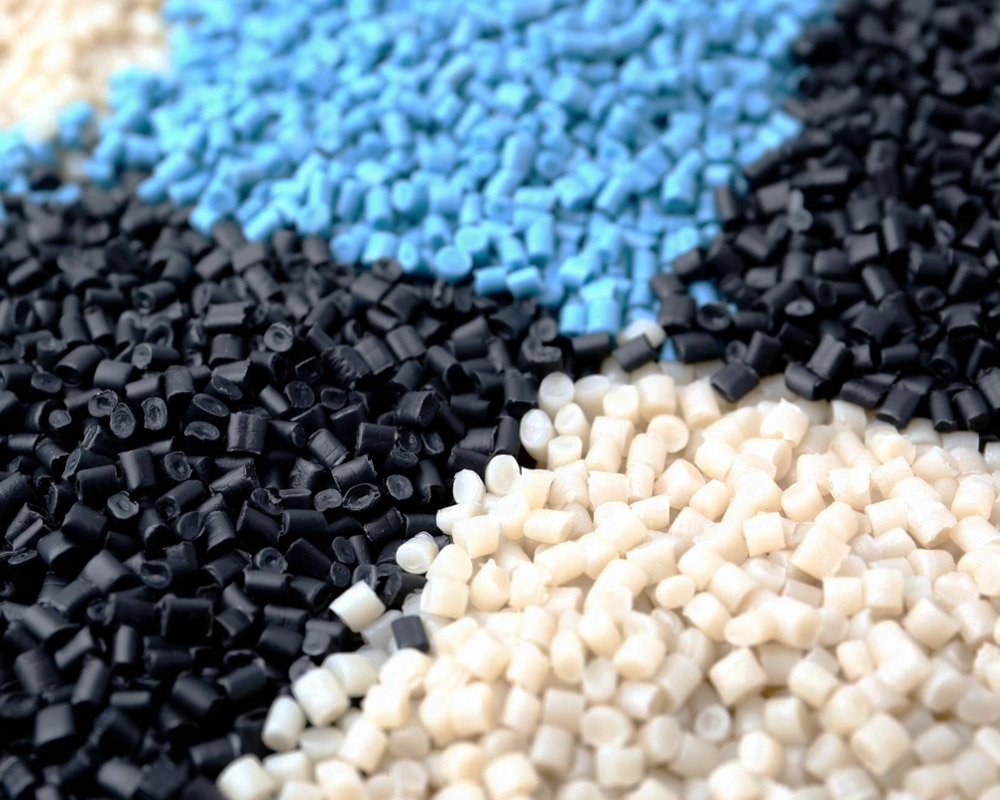
Why Do Plastic Pallets of the Same Size Vary So Much in Price? Core Reason: Material Costs Determine the Difference
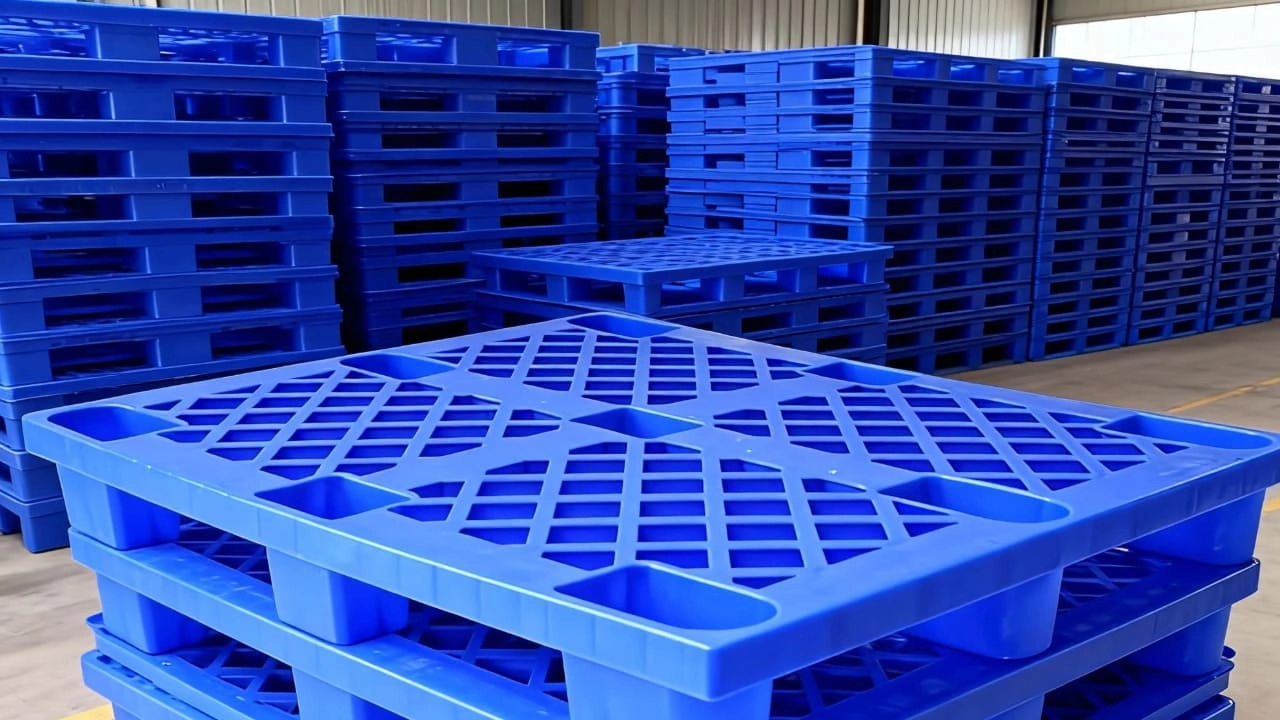
HDPE vs. PP Plastic Pallet: How to Choose the Right Material for Your Warehouse
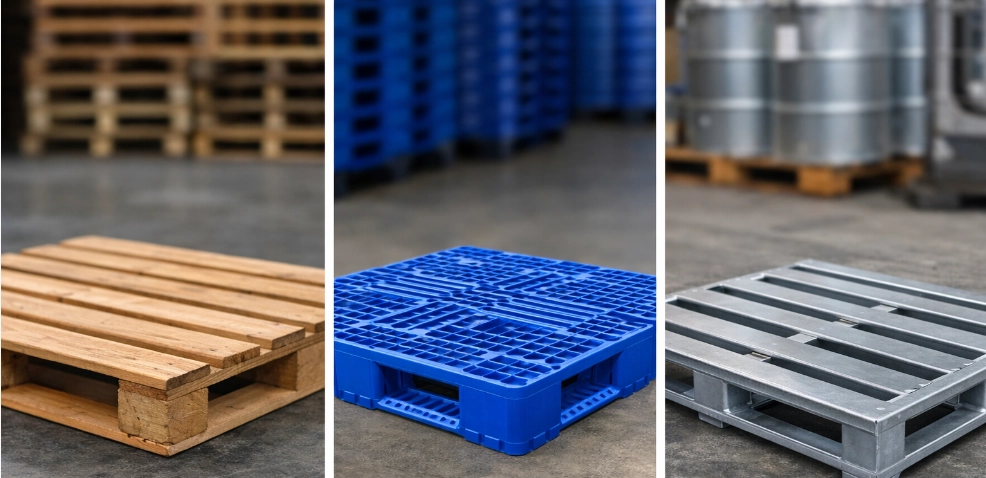
Wooden Pallets vs Plastic Pallets vs Metal Pallets — Which Is Better for Modern Logistics?
Logistics and Payment
What payment terms do you accept?
About Collaboration
Is there any other way to work with you?
Yes, apart from reselling, retail or distribution, we also accept commission based orders.
About Products
What is the minimun order quantity?
MOQ is usually 200pcs for each model. Less quantity is acceptable when there is stock.
What materials are your prodcuts made of?
Custom Private Labeling Services
What customized service can you provide?
We provide mold design, logo printing (silk screen printing or embossing), customized color and formula for our plastic products.
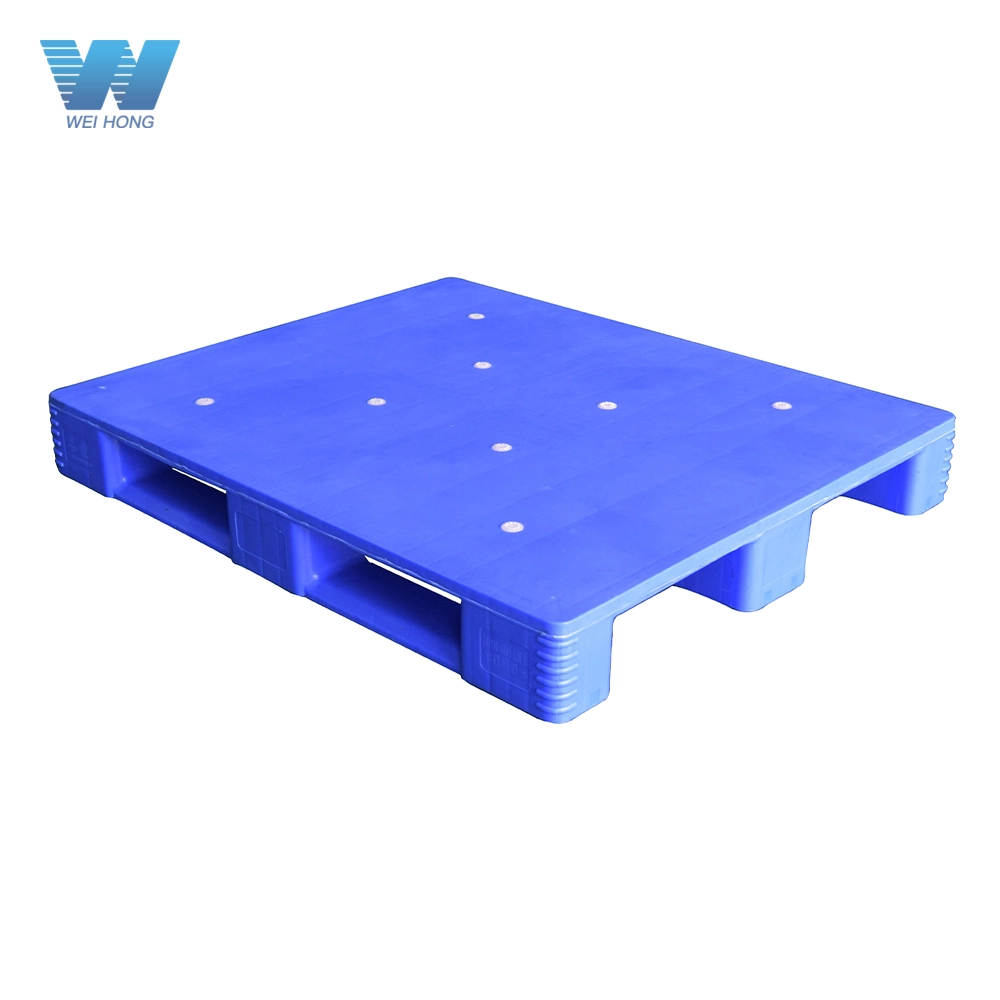
ZJ1210-150H Three-runner Closed Deck Hygienic Plastic Pallet
The three-runner closed-deck hygienic plastic pallet is a solid and durable packaging solution designed for general and especially food and medicine storage and transport. It’s made of virgin HDPE or PP, featuring a flat surface and even bottom for hygienic consideration, a reinforced configuration with steel cores for rack and shelf, and a steady loading capacity.
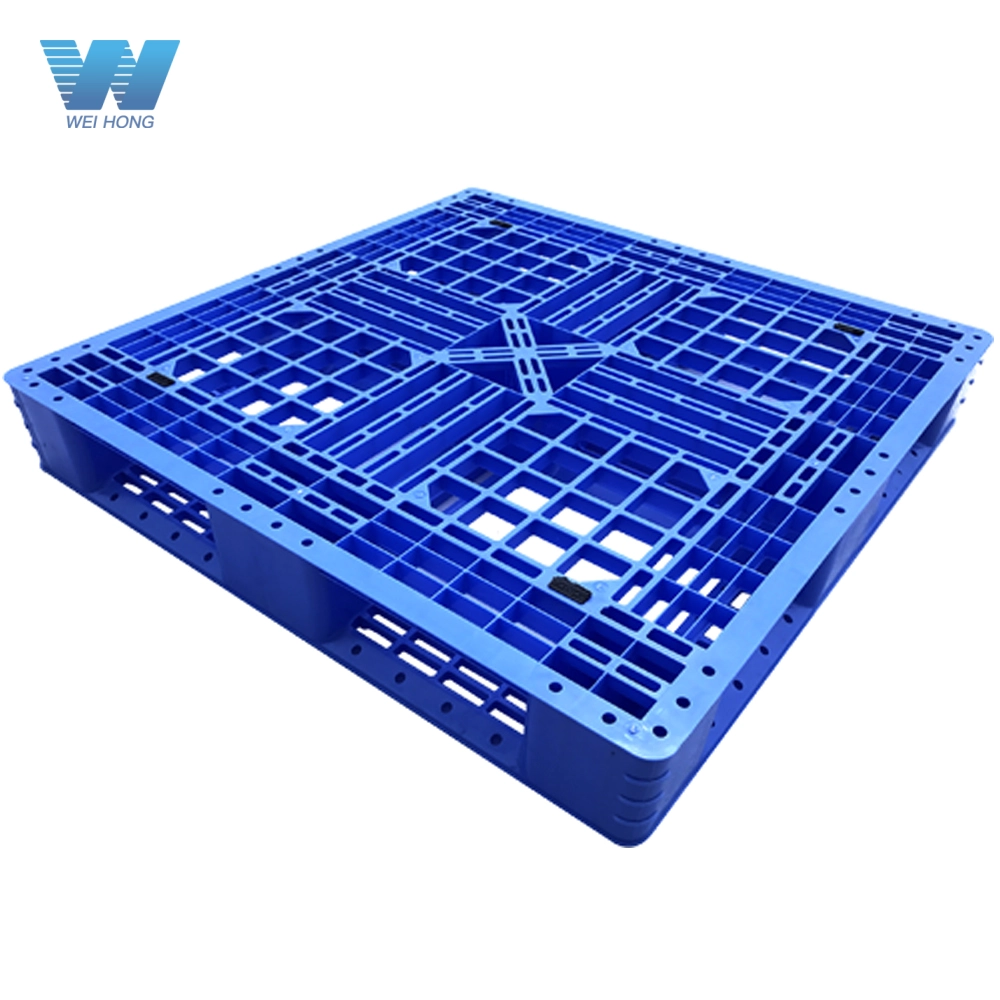
ZJ1010-150 Six-runner Single-sided Plastic Pallet
The six-runner plastic pallet, open or closed deck, is a solid and durable packaging solution designed for general and medium to heavy-duty cargo stacking, storage and transport. It’s made of virgin HDPE or PP, featuring in robust structure, a reinforced configuration with steel cores for the rack and shelf, and a steady loading capacity.
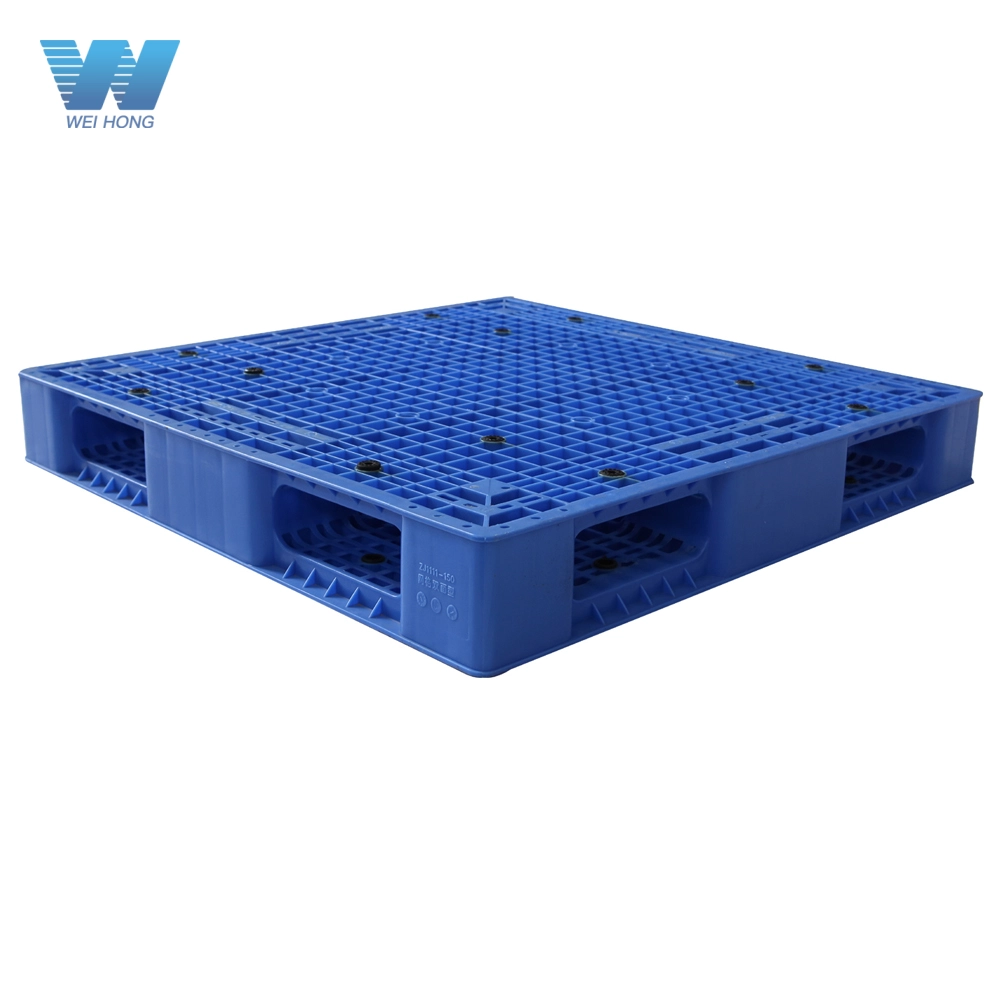
ZJ11111-150 Double-sided Heavy Duty Plastic Pallet
The double-sided plastic pallet, open deck or closed deck, is a solid and durable packaging solution designed for general and medium to heavy-duty cargo stacking, storage and transport. It’s made of virgin HDPE or PP, featuring a robust structure, a reinforced configuration with steel cores for the rack and shelf, and a steady loading capacity for both sides.
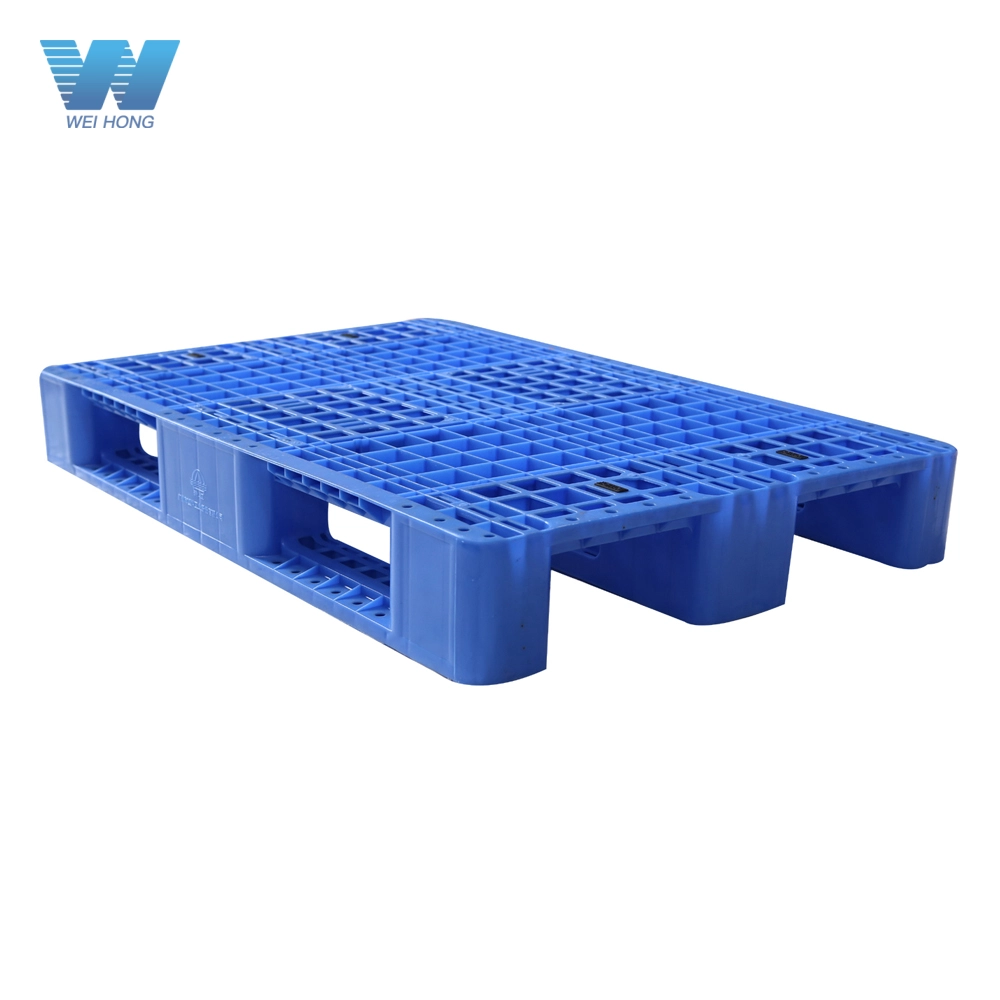
ZJ1208-155 Three-runner Single-sided Plastic Pallet
The three-runner single-sided plastic pallet is a solid and durable packaging solution designed for general and medium to heavy-duty cargo storage, transport and automated storage and retrieval system (AS/RS) use. It’s made of virgin HDPE or PP, featuring in robust structure, reinforced configuration with steel cores for rack and shelf, and a steady loading capacity.
Request More Information About Plastic Pallets
Have questions or need detailed insights on this article? Fill out the form below to contact our team for comprehensive information and support related to our plastic pallet solutions.
Contact us


+86 138 0277 8204
+86 183 4431 0917
+86 195 3791 1860

No. 15-1, Fengying Rd., Taiping Town, Conghua Dist., Guangzhou City, Guangdong Province, China.
Weihong
Whatsapp: +8613802778204
Guangdong Weihong Plastic Technology Co., Ltd.
Scan QR Code