











HDPE vs. PP Plastic Pallet: How to Choose the Right Material for Your Warehouse
Discover the key differences between HDPE vs. PP plastic pallets and choose the best plastic pallet for your warehouse needs. Weihong offers durable, high-quality plastic pallets designed to enhance storage efficiency and longevity. Make an informed choice with expert insights on HDPE vs. PP plastic pallets.
- Understanding Core Plastic Pallet Materials: HDPE and PP
- What is High-Density Polyethylene (HDPE)?
- What is Polypropylene (PP)?
- HDPE vs. PP Plastic Pallets: Key Performance Differences
- Impact Resistance and Flexibility
- Temperature Tolerance: Cold Storage vs. High Heat
- Structural Rigidity and Weight Capacity
- Industry Applications: Which Material Fits Your Supply Chain?
- Ideal Warehousing Scenarios for HDPE Pallets
- Ideal Warehousing Scenarios for PP Pallets
- 3 Crucial Factors When Choosing the Right Plastic Pallet
- 1. Assessing Your Operating Environment and Climate
- 2. Evaluating Load Limits (Static, Dynamic, and Racking)
- 3. Hygiene Requirements and FDA Compliance
- Why Top Supply Chains Choose Weihong as Their Plastic Pallet Manufacturer
- Guaranteed Quality with 100% Virgin HDPE and PP Materials
- Custom Tooling, Heavy-Duty Designs, and RFID Tracking
- Factory-Direct Pricing and Comprehensive Logistics Support
- Conclusion
- FAQs
Supply chain efficiency begins from the ground up. In modern logistics, selecting the correct load carrier is not just a procurement task; it is an engineering decision that directly impacts warehouse safety, automation compatibility, and long-term profitability.
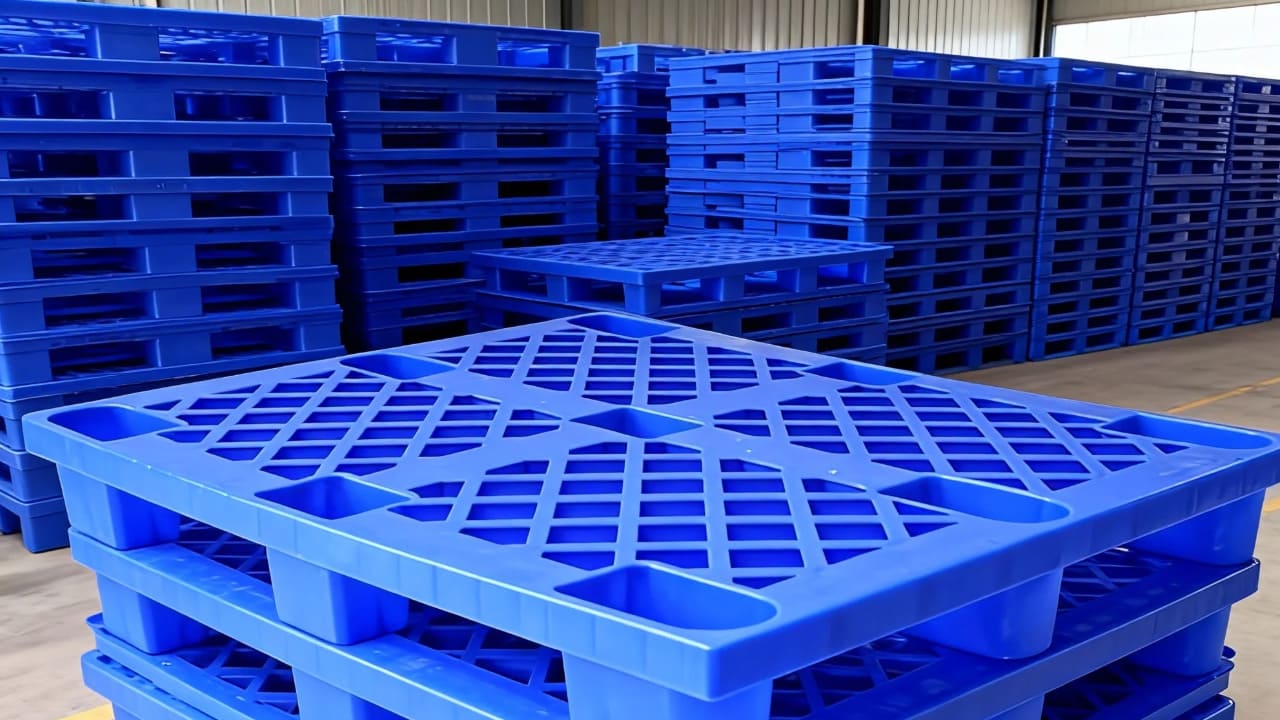
Understanding Core Plastic Pallet Materials: HDPE and PP
When sourcing logistics packaging, understanding the fundamental chemical properties of your equipment is critical. The structural integrity, lifespan, and safety of a load carrier depend entirely on the chosen Plastic Pallet Material. While both options offer exceptional alternatives to wood, examining their specific properties will dictate how well your investment withstands daily operational abuse.
What is High-Density Polyethylene (HDPE)?
High-Density Polyethylene is a thermoplastic polymer produced from the monomer ethylene. Known for its high strength-to-density ratio, an HDPE Plastic Pallet features minimal molecular branching, which results in strong intermolecular forces and high tensile strength. This material is inherently tough, highly resistant to corrosive solvents, and excels at absorbing physical shocks without cracking or shattering.
What is Polypropylene (PP)?
Polypropylene is a rigid, semi-crystalline thermoplastic. It is harder and stiffer than HDPE, offering excellent resistance to bending and flexing. PP maintains its structural shape impeccably under heavy static loads and boasts a significantly higher melting point. However, this increased rigidity also means it is slightly more brittle than its polyethylene counterpart when exposed to sudden, sharp impacts.
HDPE vs. PP Plastic Pallets: Key Performance Differences
The true test of any warehouse asset is how it performs under operational stress. Comparing these two polymers requires a close look at how they react to physical trauma, extreme temperature fluctuations, and heavy cargo loads. By evaluating these key performance metrics, logistics managers can pinpoint the exact formulation needed for their material handling systems.
Impact Resistance and Flexibility
In fast-paced environments where forklift tines frequently strike pallets, flexibility is a form of durability. An HDPE Plastic Pallet has a lower glass transition temperature, granting it superior elasticity. When struck by material handling equipment, it tends to flex and bounce back rather than break. PP, being more rigid, is more susceptible to stress fractures upon severe impact, particularly on the outer corners or deck edges.
Temperature Tolerance: Cold Storage vs. High Heat
Temperature plays a massive role in polymer performance. HDPE retains its toughness at extremely low temperatures, making it the undisputed standard for a Cold Storage Plastic Pallet. It resists becoming brittle even at -40°C. Conversely, PP struggles in freezing temperatures and becomes highly prone to cracking. However, PP outperforms HDPE in high-heat environments, easily withstanding industrial sanitization processes that exceed 100°C without deforming.
Structural Rigidity and Weight Capacity
When it comes to holding heavy weights over long periods, particularly on edge-supported racks, PP has a slight advantage due to its natural stiffness. It deflects (bows) less under a heavy static or dynamic load. However, manufacturers often reinforce both HDPE and PP designs with steel tubes to equalize racking capabilities, making the base material's raw rigidity less of a bottleneck in heavy-duty automated systems.
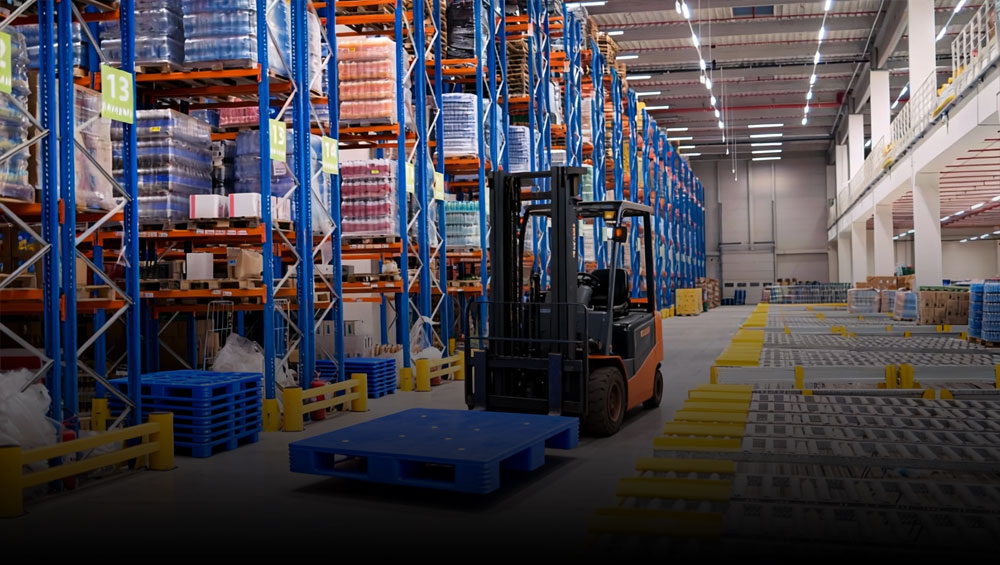
Industry Applications: Which Material Fits Your Supply Chain?
Material science only matters when applied to real-world logistics challenges. Different industries expose their pallets to vastly different environments, from sub-zero freezers to high-temperature sterilization chambers. Matching the right PP Plastic Pallet or polyethylene carrier to your specific application is the most effective way to extend the lifespan of your fleet and maximize your return on investment.
Ideal Warehousing Scenarios for HDPE Pallets
Because of its unparalleled impact resistance and freezing tolerance, high-density polyethylene is the backbone of the food processing, dairy, and pharmaceutical industries. It is the go-to material for blast freezers and chilled distribution centers, preventing catastrophic material failure during cold chain transit.
Ideal Warehousing Scenarios for PP Pallets
PP pallets thrive in environments where ambient temperatures are consistently high or where the pallets must undergo rigorous thermal cleaning. Industries such as automotive manufacturing, heavy chemical processing, and closed-loop beverage supply chains often rely on PP. Its stiffness makes it excellent for carrying heavy, localized loads like engine blocks or chemical drums in warm, climate-controlled warehouses.
3 Crucial Factors When Choosing the Right Plastic Pallet
Selecting the correct load carrier goes beyond a simple material comparison; it requires a holistic review of your entire supply chain ecosystem. Before placing a bulk order, procurement teams must analyze three specific operational parameters to ensure the chosen product will integrate seamlessly into their daily workflow.
1. Assessing Your Operating Environment and Climate
The ambient temperature of your facility dictates your material choice. If your logistics loop involves winter transport, refrigerated trucks, or a dedicated Cold Storage Plastic Pallet application, HDPE is absolutely mandatory. If your pallets remain strictly indoors in warm climates or undergo high-temperature steam cleaning, PP or a specialized PP copolymer is the safer, more durable option.
2. Evaluating Load Limits (Static, Dynamic, and Racking)
You must calculate the maximum weight the pallet will bear while resting on the floor (static), being moved by a forklift (dynamic), and sitting suspended in a selective racking system. While a standard HDPE Plastic Pallet offers excellent all-around load limits, heavily racked environments may require designs specifically engineered with thicker walls or integrated steel reinforcements.
3. Hygiene Requirements and FDA Compliance
For food, beverage, and medical applications, the pallet must not harbor bacteria or cross-contaminants. Choosing a hygienic Warehouse Plastic Pallet with a closed-deck, flat design prevents moisture retention and allows for rapid, compliant washdowns. Both virgin HDPE and virgin PP can be manufactured to meet strict FDA requirements.
Why Top Supply Chains Choose Weihong as Their Plastic Pallet Manufacturer
Translating technical requirements into a reliable, mass-produced product requires a partner with deep engineering expertise and robust manufacturing capabilities. Choosing the right supplier is just as critical as choosing the right material. This is where Weihong’s industry-leading production standards and customized service support come into play.
Guaranteed Quality with 100% Virgin HDPE and PP Materials
Weihong strictly utilizes premium, 100% virgin raw materials to ensure every pallet delivers maximum molecular strength, longevity, and total compliance with international safety and hygiene standards.
Custom Tooling, Heavy-Duty Designs, and RFID Tracking
We provide tailored solutions for automated storage and retrieval systems (ASRS), offering custom dimensions, heavy-duty steel reinforcement, and integrated RFID tags for precise inventory tracking and smart warehousing.
Factory-Direct Pricing and Comprehensive Logistics Support
By controlling the entire manufacturing process from mold design to final output, we eliminate middlemen, providing highly competitive pricing and reliable global shipping solutions for bulk procurement.

Conclusion
Choosing between HDPE and PP ultimately comes down to understanding your specific operational demands. If you need exceptional impact resistance and cold weather performance, an HDPE pallet is your best investment. If you require maximum stiffness and heat tolerance, PP is the superior choice. Making the right decision ensures a safer warehouse and a significantly lower total cost of ownership over the lifespan of your logistics fleet. As a premier Plastic Pallet Manufacturer, Weihong delivers expertly engineered, high-performance pallet solutions designed to optimize your warehouse efficiency. Partner with us for your bulk procurement needs, and experience the reliability of factory-direct quality, customized solutions, and comprehensive supply chain support.
FAQs
Q: Can I use PP pallets outdoors in the winter?
A: It is not recommended. Polypropylene becomes brittle in freezing temperatures, making it highly susceptible to cracking or shattering if struck by a forklift. HDPE is the correct choice for cold outdoor environments.
Q: Are both HDPE and PP pallets recyclable?
A: Yes. Both HDPE and PP are highly recyclable thermoplastics. At the end of their long lifecycle, they can be ground down and repurposed, making them highly sustainable choices for eco-conscious supply chains.
Q: Which material is better for heavy rack storage?
A: PP is naturally stiffer and deflects less under heavy static or racking loads. However, both HDPE and PP pallets can be engineered with internal steel tube reinforcements to safely handle high rack storage requirements.
Q: Do HDPE pallets absorb moisture?
A: No. High-density polyethylene is highly impervious to liquids, making it naturally resistant to mold, bacteria, and moisture weight gain, which is why it is preferred for hygienic applications.
Q: Is there a visual difference between HDPE and PP pallets?
A: Visually, they are nearly identical. However, PP often has a slightly stiffer feel and a glossier finish, while HDPE is slightly more flexible with a matte finish. Most manufacturers mold a material stamp (HDPE or PP) directly onto the pallet for easy identification.
The Complete 2026 Guide to Choosing Plastic Pallets for Cold Storage Automated Warehouses
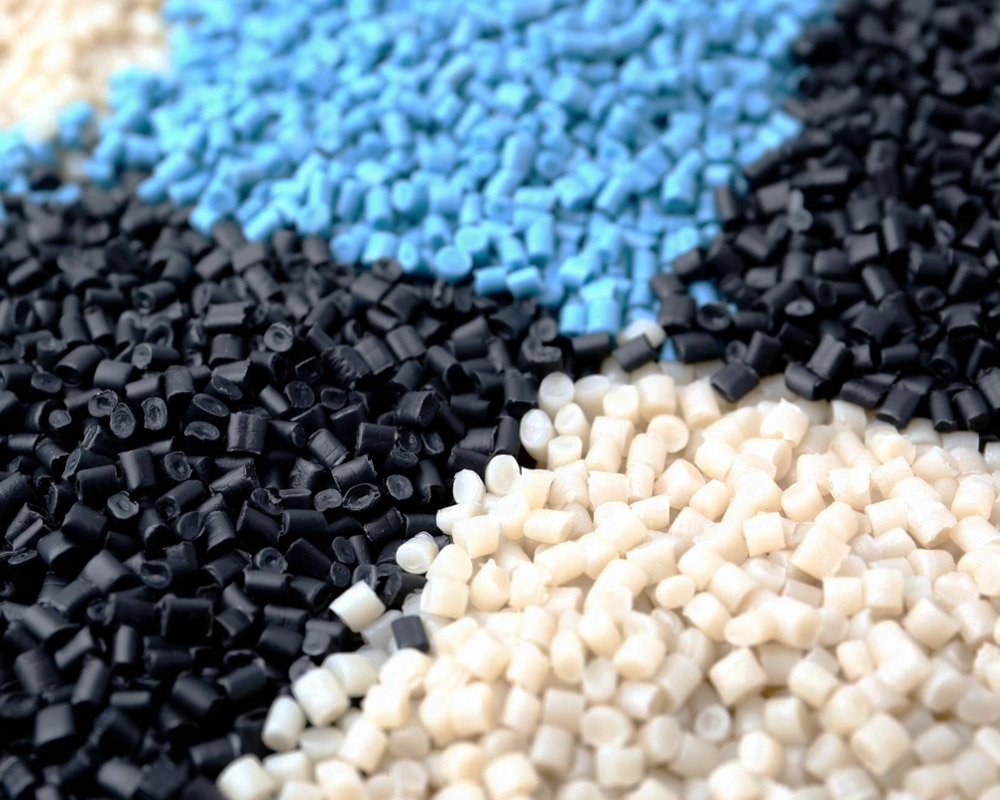
Why Do Plastic Pallets of the Same Size Vary So Much in Price? Core Reason: Material Costs Determine the Difference
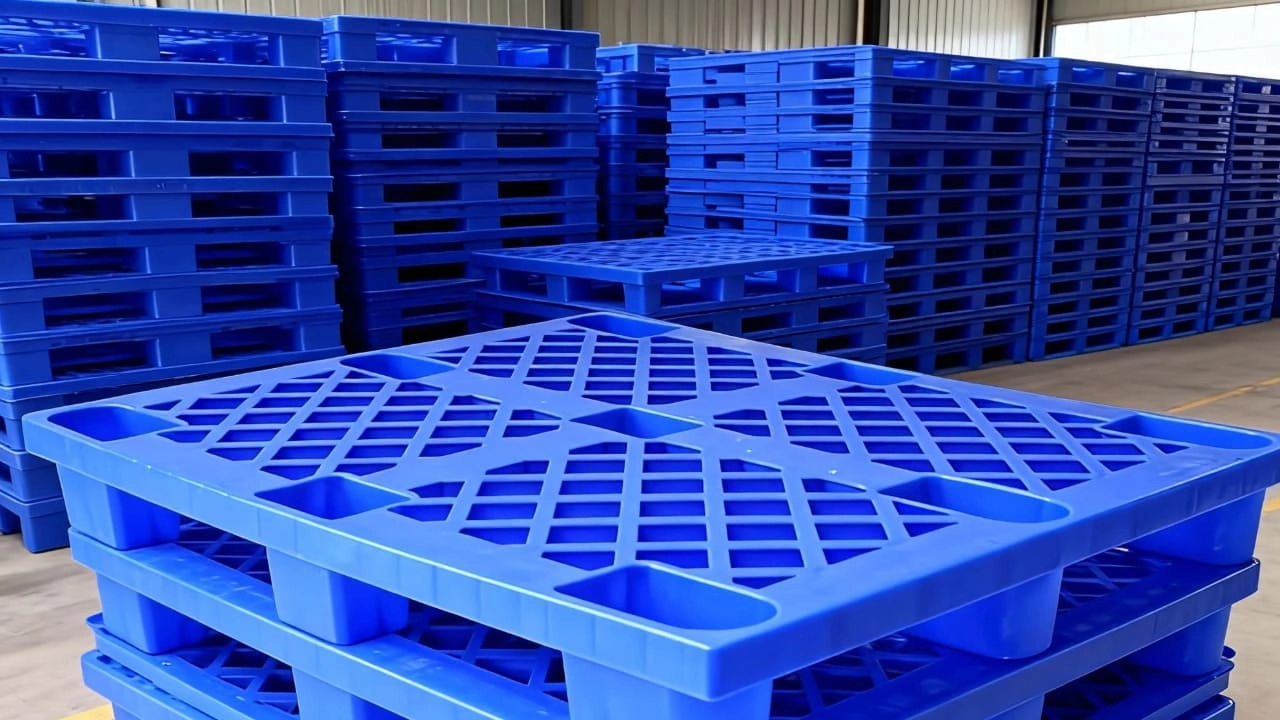
HDPE vs. PP Plastic Pallet: How to Choose the Right Material for Your Warehouse
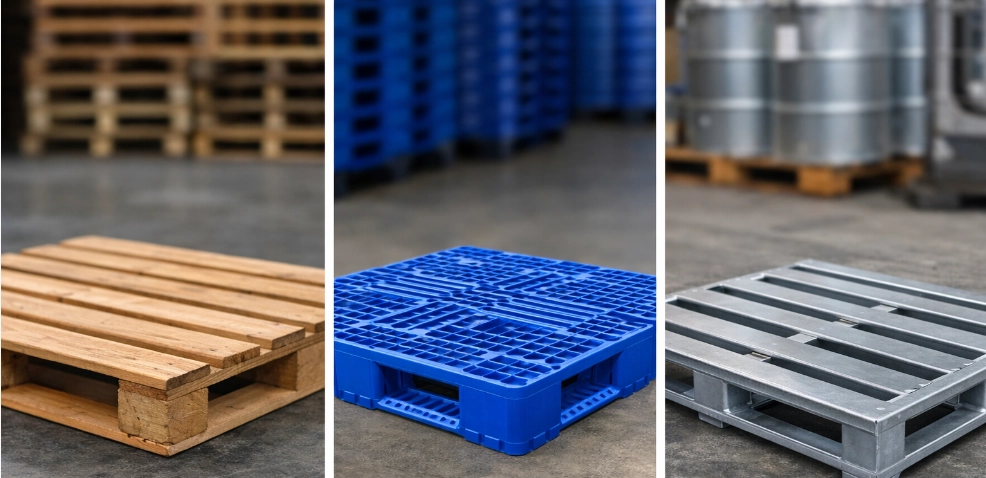
Wooden Pallets vs Plastic Pallets vs Metal Pallets — Which Is Better for Modern Logistics?
Custom Private Labeling Services
Is OEM/ODM service available?
Logistics and Payment
What payment terms do you accept?
How long does it take to ship to my country?
Average shipping time ranges from 7 days to 35 days. We will calculate for you when port of destination is confirmed.
About Products
What materials are your prodcuts made of?
Are your products compliant with EU/US food contact safety regulations?
Even though our plastic pallets or boxes are not food contact direct material, we adhere to the relative laws and regulations to use non-toxic raw material for our products.
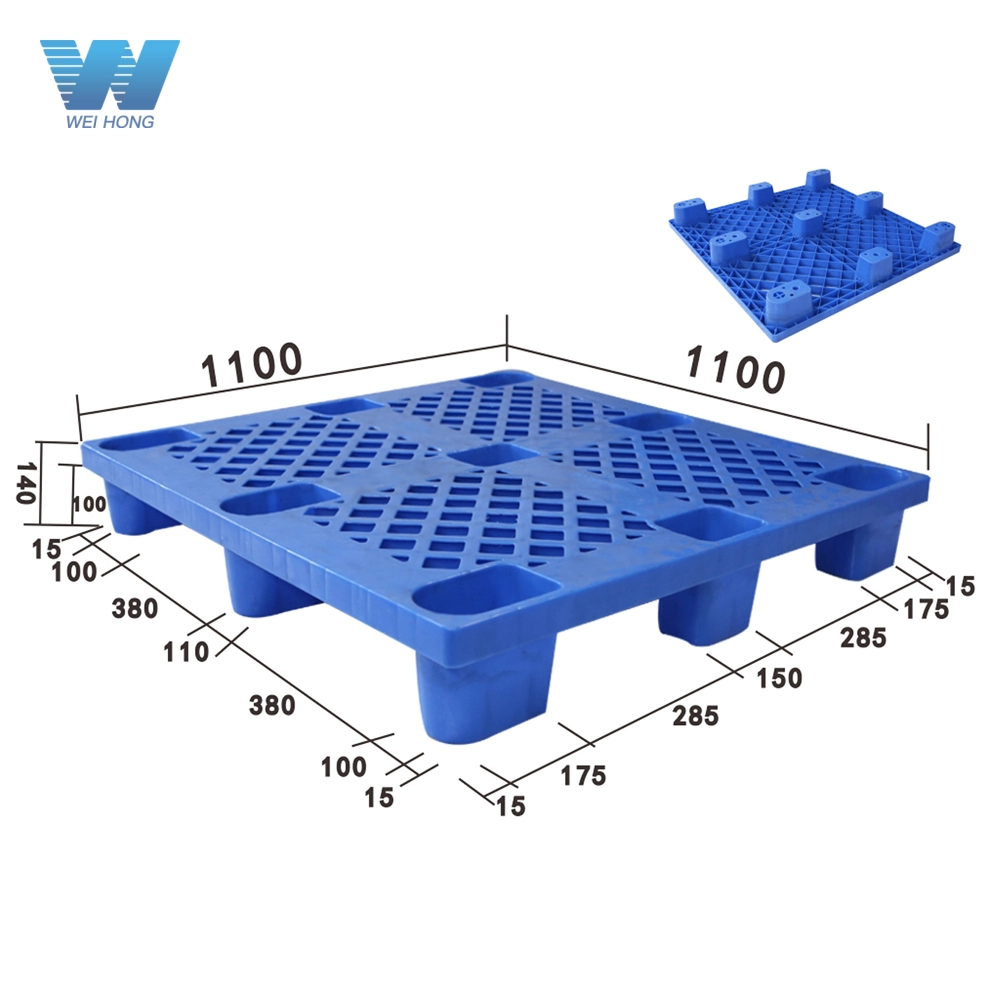
ZJ1111-140 Light-weight Nine-leg Nestable Plastic Pallet
The lightweight nine-leg nestable plastic pallet is an innovative and stylish packaging solution designed for general cargo storage and transport. It’s made of virgin HDPE or PP, featuring in space-saving due to its nine hollow feet design for nesting and cost-effectiveness.
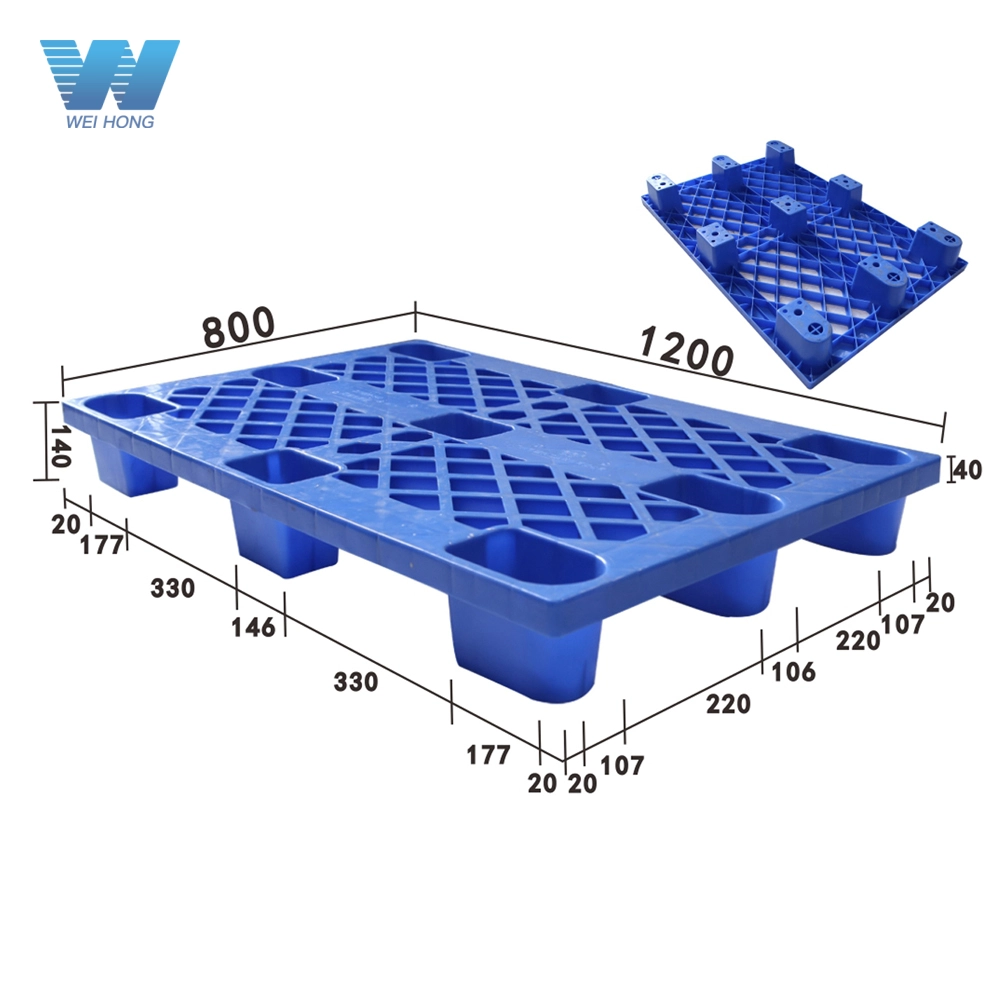
ZJ1208-140 Light-weight Nine-leg Nestable Plastic Pallet
The lightweight nine-leg nestable plastic pallet is an innovative and stylish packaging solution designed for general cargo storage and transport. It’s made of virgin HDPE or PP, featuring in space-saving due to its nine hollow feet design for nesting and cost-effectiveness.
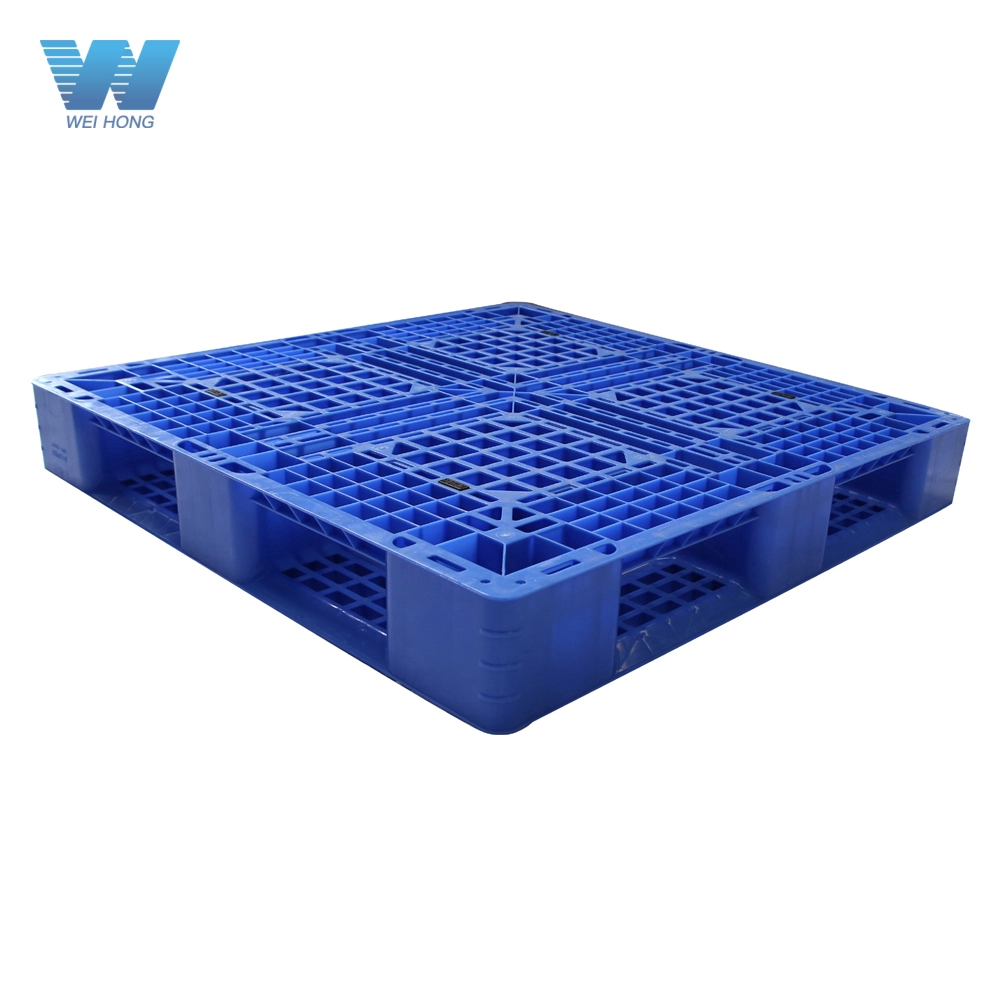
ZJ1111-150L Six-runner Single-sided Plastic Pallet
The six-runner plastic pallet, open or closed deck, is a solid and durable packaging solution designed for general and medium to heavy-duty cargo stacking, storage and transport. It’s made of virgin HDPE or PP, featuring in robust structure, a reinforced configuration with steel cores for the rack and shelf, and a steady loading capacity.
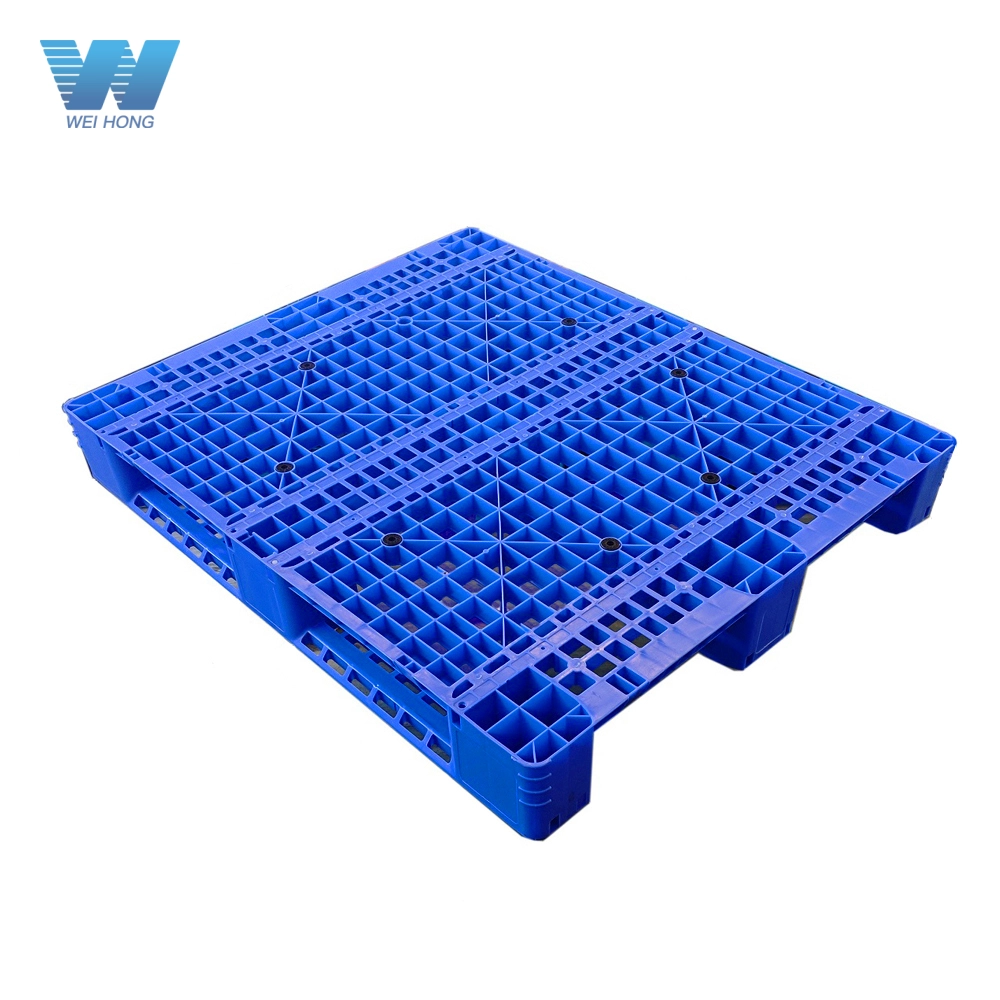
ZJ1210-150A Three-runner Single-sided Plastic Pallet
The three-runner single-sided plastic pallet is a solid and durable packaging solution designed for general and medium to heavy-duty cargo storage, transport and automated storage and retrieval system (AS/RS) use. It’s made of virgin HDPE or PP, featuring in robust structure, reinforced configuration with steel cores for rack and shelf, and a steady loading capacity.
Request More Information About Plastic Pallets
Have questions or need detailed insights on this article? Fill out the form below to contact our team for comprehensive information and support related to our plastic pallet solutions.
Contact us


+86 138 0277 8204
+86 183 4431 0917
+86 195 3791 1860

No. 15-1, Fengying Rd., Taiping Town, Conghua Dist., Guangzhou City, Guangdong Province, China.
Weihong
Whatsapp: +8613802778204
Guangdong Weihong Plastic Technology Co., Ltd.
Scan QR Code