






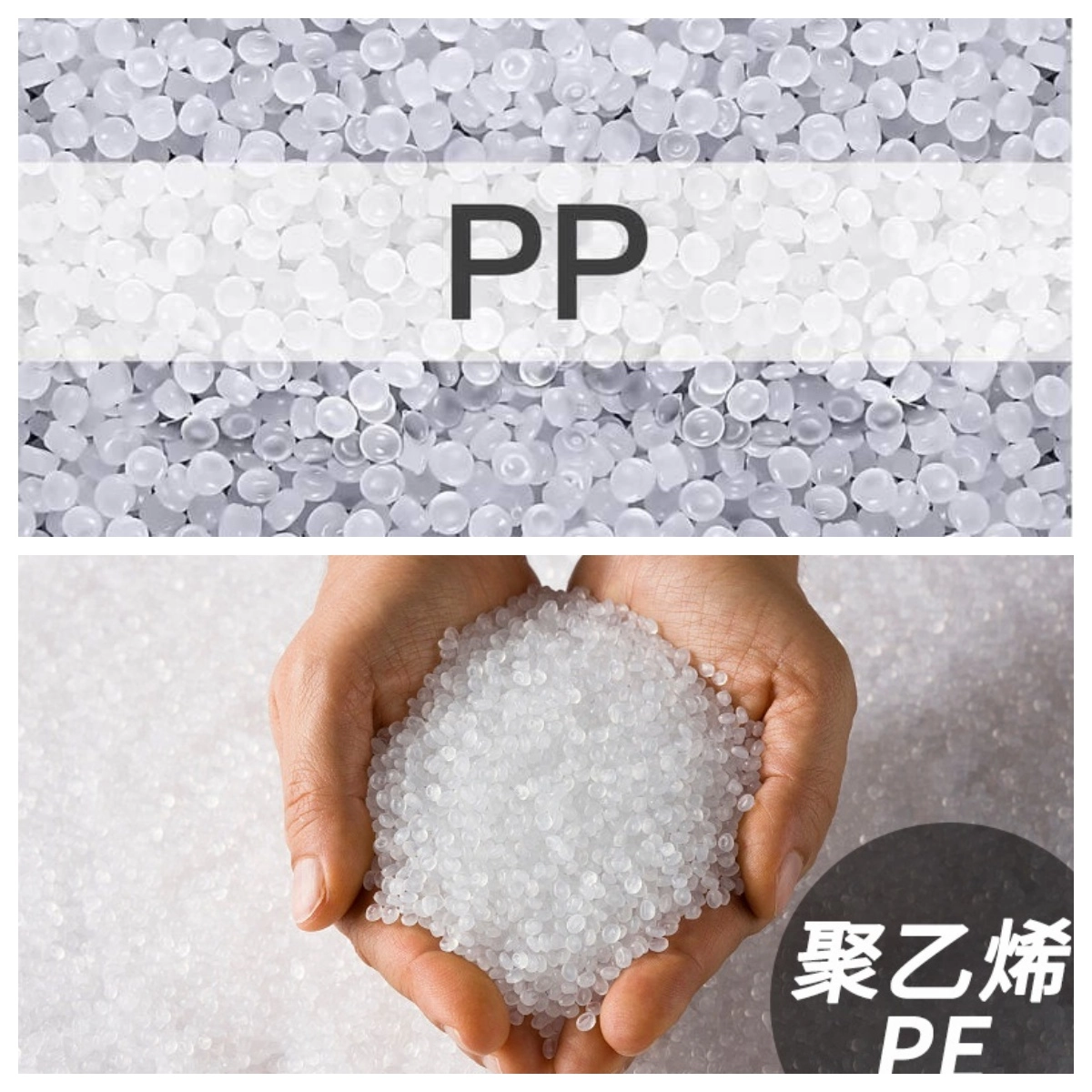
Quick, simple and clear way to distinguish between PP and PE

PE (polyethylene) and PP (polypropylene) are two of the most commonly used general-purpose plastics. The core differences are: PP is harder, more heat-resistant, and microwave-safe; PE is softer, more cold-resistant, and cheaper. The following is a detailed comparison from multiple perspectives
PE (polyethylene) and PP (polypropylene) are two of the most commonly used general-purpose plastics. The core differences are: PP is harder, more heat-resistant, and microwave-safe; PE is softer, more cold-resistant, and cheaper. The following is a detailed comparison from multiple perspectives:
I. Basic Definitions and Chemical Structures
PE (Polyethylene): Polymerized from ethylene monomers, its molecular chains have no side groups, resulting in a simple structure.
PP (Polypropylene): Polymerized from propylene monomers, its molecular chains have methyl side chains, resulting in a more complex structure.
II. Core Performance Comparison
Performance PE (Polyethylene) PP (Polypropylene)
Density 0.91–0.96 g/cm³ (Heavier than PP) 0.90–0.91 g/cm³ (Lightest of plastics)
Melting Point 105–135℃ 160–170℃ (Much higher)
Heat Resistance Poor, long-term ≤80℃, easily softens above 80℃ Good, long-term 100–120℃, microwaveable
Low Temperature Resistance Excellent, still tough at -60℃, not easy to crack Poor, becomes brittle around -20℃, easily breaks
Hardness / Rigidity Soft, good flexibility, strong impact resistance Hard, high rigidity, good bending resistance (unbreakable)
Transparency Mostly opaque or translucent Translucent, slightly better light transmittance than PE
Surface Feel Waxy, slippery Smooth, slightly glossy
Chemical Resistance Resistant to most acids and alkalis, but easily swells in non-polar solvents Stronger resistance to acids, alkalis, and organic solvents
Shrinkage: 1.5%–4% (relatively high) 1.0%–2.5% (relatively high)
Odor: Paraffin smell Petroleum smell
Recycling Symbols: 2 (HDPE), 4 (LDPE), 5
III. Common Types and Typical Applications
PE (Polyethylene)
LDPE (Low Density): Softest and most transparent, used for cling film, plastic bags, and hoses.
HDPE (High Density): Harder and stronger, used for milk bottles, medicine bottles, trash cans, and water pipes.
LLDPE (Linear Low Density): Good toughness, used for stretch film and heavy-duty packaging bags.
PP (Polypropylene)
Homopolymer PP: Best rigidity and heat resistance, used for microwaveable food containers, water cups, and bottle caps.
Copolymer PP: Better toughness, used for car bumpers, appliance casings, and toys.
Transparent PP: High transparency, used for transparent food containers and disposable syringes.
IV. Quick Identification Method
Check the symbol: The triangular recycling symbol at the bottom indicates PE (2/4) or PP (5). Touch test: PP is stiff and smooth; PE is soft and waxy.
Bending test: PP easily leaves white marks and breaks easily; PE is not easily broken even after repeated bending and leaves no obvious white marks.
Burning test: PE flame is yellow at the top and blue at the bottom, drips wax, and smells like paraffin; PP flame is yellow at the top and blue at the bottom, melts and drips, and smells like petroleum.
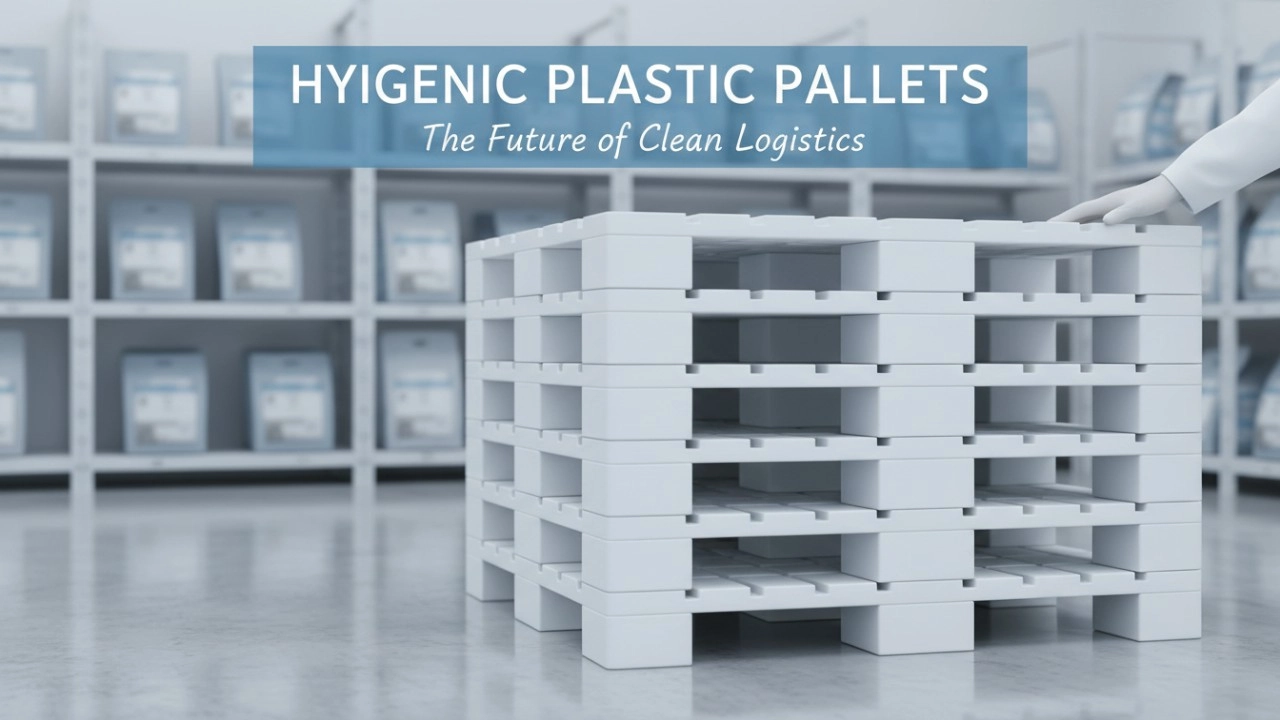
Plastic vs. Wood Pallets: Why Hygienic Plastic Is the ONLY Choice for Pharma & Food Safety (2026 Guide)
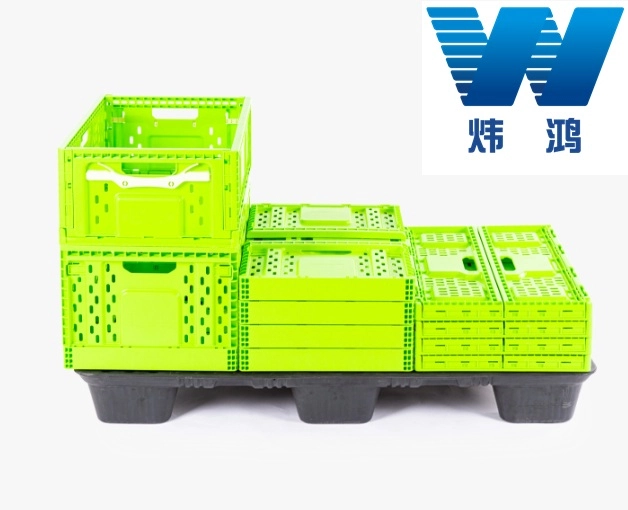
Key Advantages of Foldable Plastic Crates
Quick, simple and clear way to distinguish between PP and PE
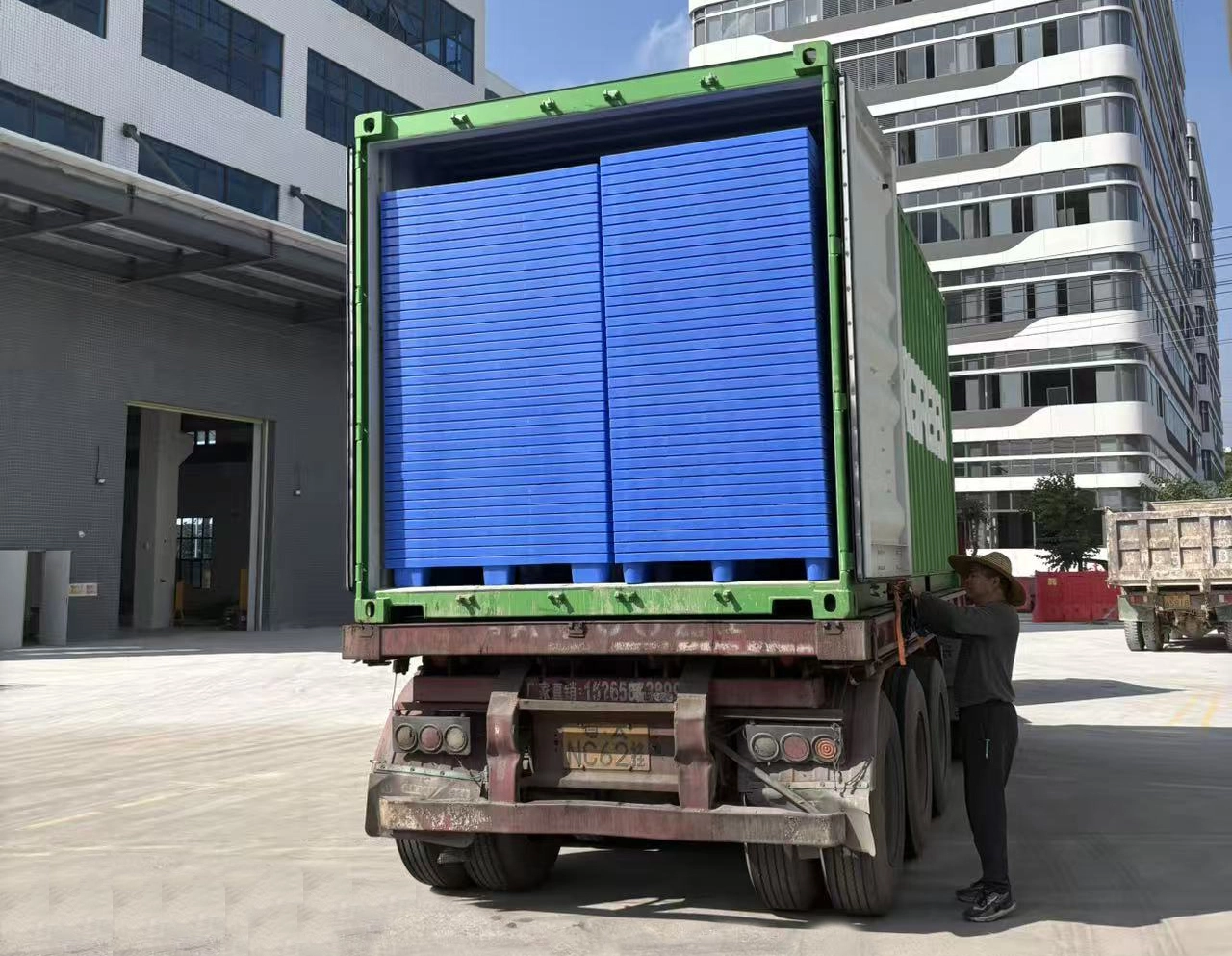
How to Choose a Reliable Plastic Pallet Manufacturer for Bulk Orders
Custom Private Labeling Services
Is OEM/ODM service available?
How long does it take to produce if I give you my design of pallet.
Mold producttion takes about 2 months from production to adjustment. Hence we recommend you to plan ahead of time.
What customized service can you provide?
We provide mold design, logo printing (silk screen printing or embossing), customized color and formula for our plastic products.
Logistics and Payment
What delivery terms do you support?
FOB term is our priority. Meanwhile, we accept also FCA, CFR, CIF, etc.
What payment terms do you accept?
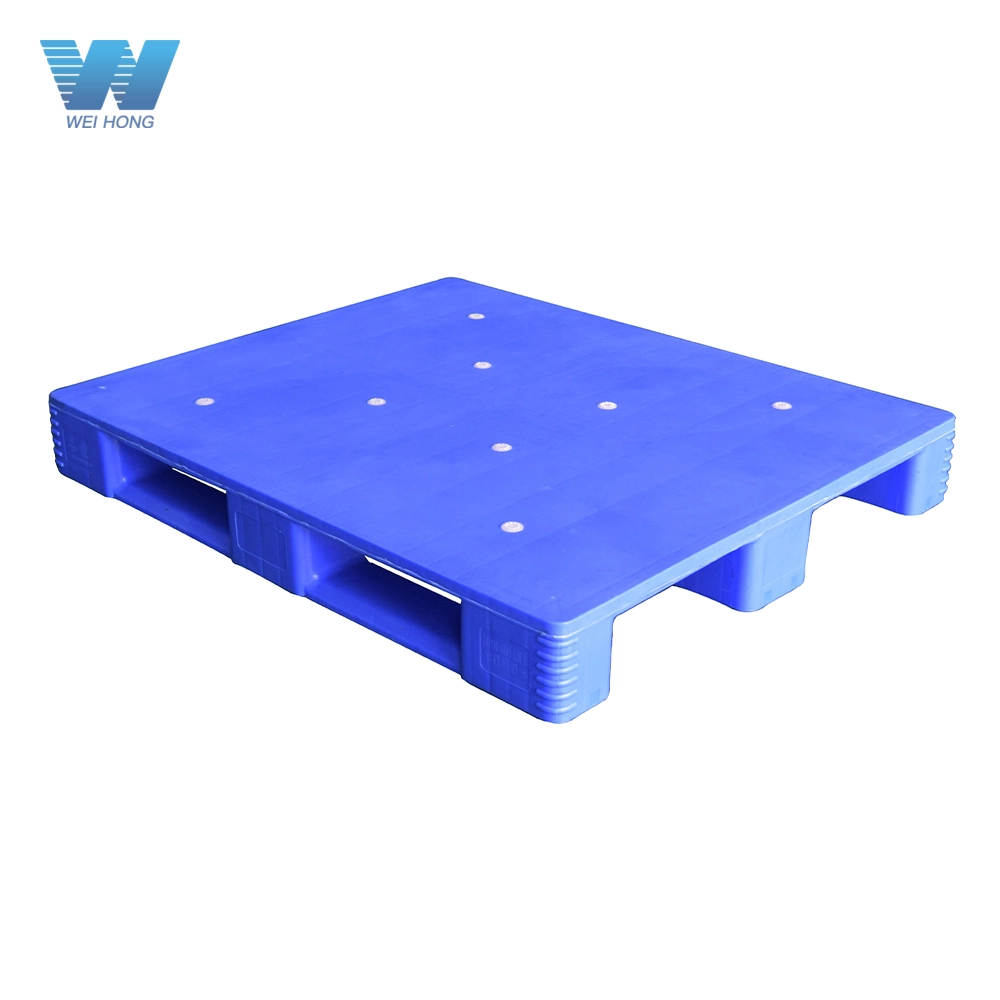
ZJ1210-150H Three-runner Closed Deck Hygienic Plastic Pallet
The three-runner closed-deck hygienic plastic pallet is a solid and durable packaging solution designed for general and especially food and medicine storage and transport. It’s made of virgin HDPE or PP, featuring a flat surface and even bottom for hygienic consideration, a reinforced configuration with steel cores for rack and shelf, and a steady loading capacity.
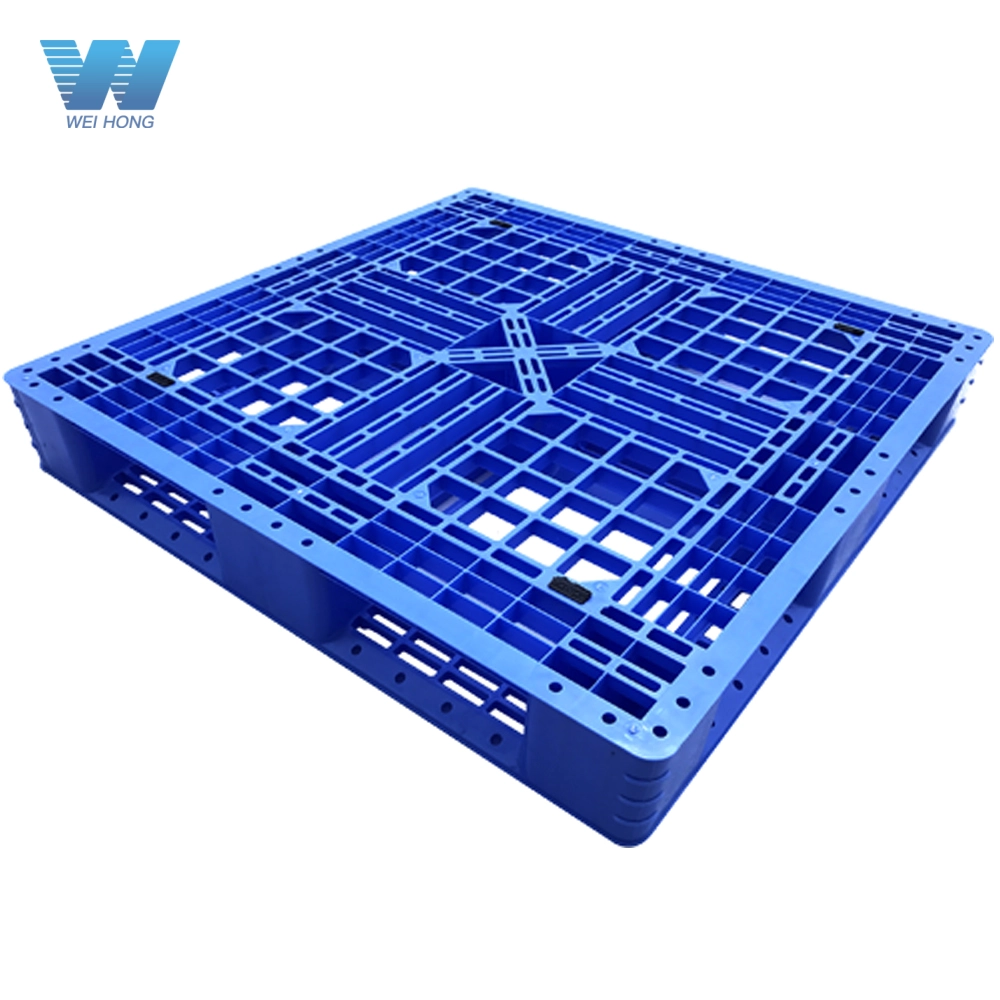
ZJ1010-150 Six-runner Single-sided Plastic Pallet
The six-runner plastic pallet, open or closed deck, is a solid and durable packaging solution designed for general and medium to heavy-duty cargo stacking, storage and transport. It’s made of virgin HDPE or PP, featuring in robust structure, a reinforced configuration with steel cores for the rack and shelf, and a steady loading capacity.
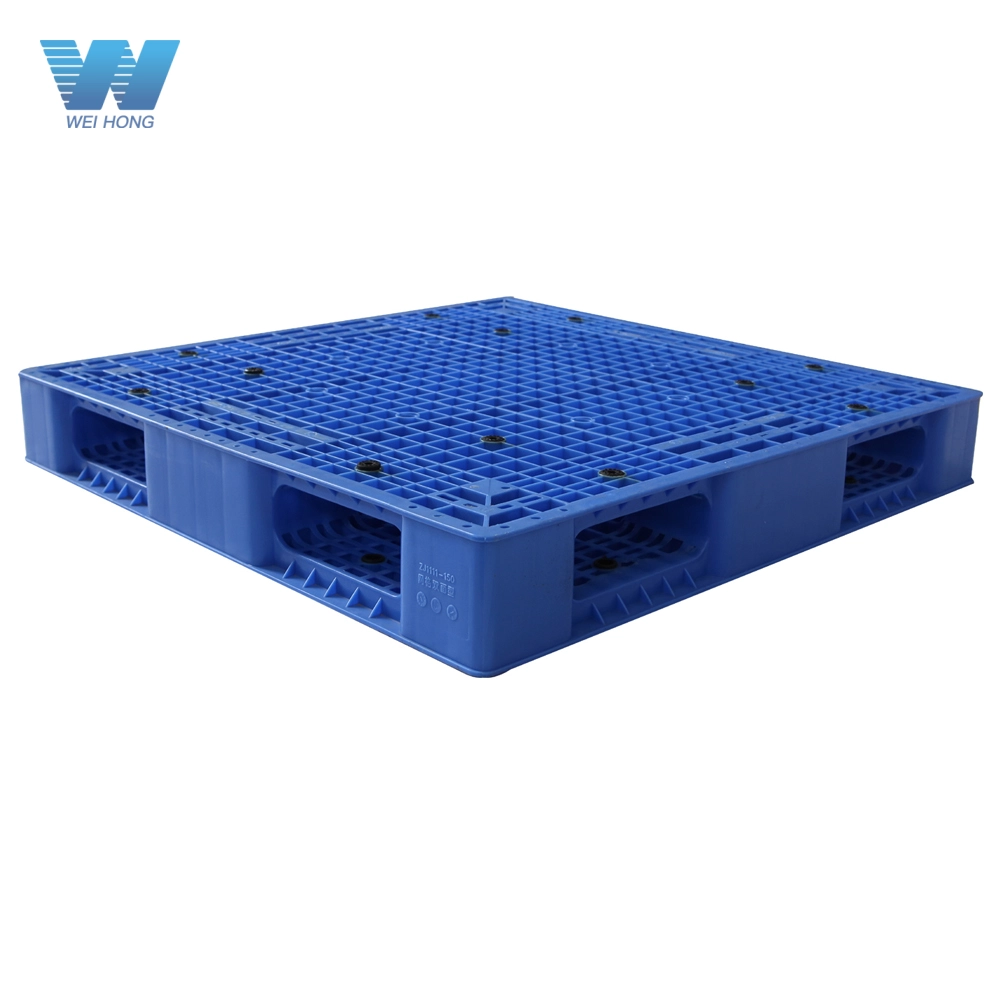
ZJ11111-150 Double-sided Heavy Duty Plastic Pallet
The double-sided plastic pallet, open deck or closed deck, is a solid and durable packaging solution designed for general and medium to heavy-duty cargo stacking, storage and transport. It’s made of virgin HDPE or PP, featuring a robust structure, a reinforced configuration with steel cores for the rack and shelf, and a steady loading capacity for both sides.
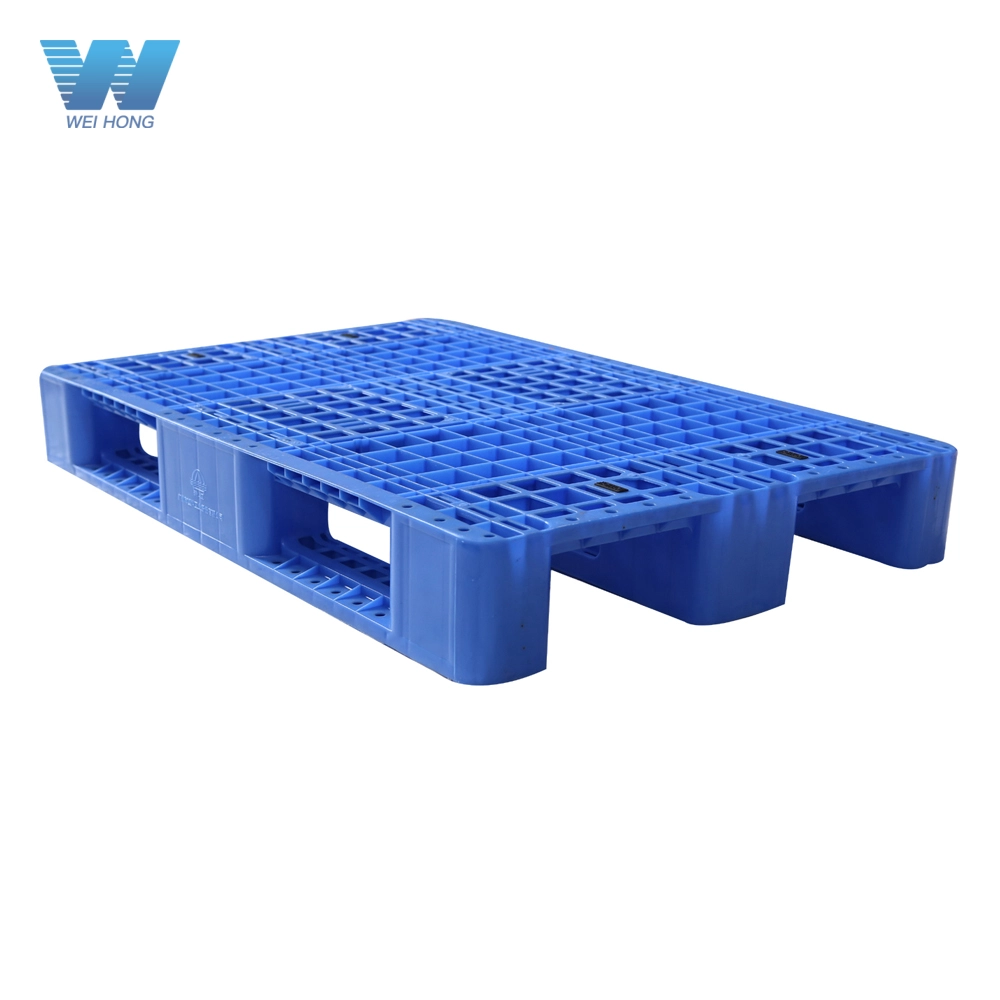
ZJ1208-155 Three-runner Single-sided Plastic Pallet
The three-runner single-sided plastic pallet is a solid and durable packaging solution designed for general and medium to heavy-duty cargo storage, transport and automated storage and retrieval system (AS/RS) use. It’s made of virgin HDPE or PP, featuring in robust structure, reinforced configuration with steel cores for rack and shelf, and a steady loading capacity.
Request More Information About Plastic Pallets
Have questions or need detailed insights on this article? Fill out the form below to contact our team for comprehensive information and support related to our plastic pallet solutions.
Contact us


+86 138 0277 8204
+86 183 4431 0917
+86 195 3791 1860

No. 15-1, Fengying Rd., Taiping Town, Conghua Dist., Guangzhou City, Guangdong Province, China.
 Scan QR Code
Weihong
Whatsapp: +8613802778204
Guangdong Weihong Plastic Technology Co., Ltd.
Scan QR Code
Whatsapp: +8619537911860
Scan QR Code