











Plastic vs. Wood Pallets: The 2026 ROI Comparison Every Logistics Manager Needs to See

- What is a Plastic Pallets Wholesale Distributor and Why Does ROI Matter?
- Key Takeaways: Quick Summary for Logistics Managers
- The 2026 TCO Breakdown: Upfront Costs vs. Total Cost of Ownership
- Operational Impact: Automation, AS/RS, and Supply Chain Efficiency
- Hygiene, Compliance, and the Circular Economy
- Expert Tips: Common Mistakes When Choosing a Plastic Pallets Wholesale Distributor
- Conclusion
- FAQ
- Are plastic pallets cheaper than wood in the long run?
- How do I choose the right plastic pallets wholesale distributor?
- What is the lifespan of a heavy-duty plastic pallet?
- Can plastic pallets be used in automated warehouse systems (AS/RS)?
- What is the difference between HDPE and PP plastic pallets?
- Are plastic pallets exempt from ISPM-15 export regulations?
- How do nestable plastic pallets save money on return shipping?
- What is a closed-loop supply chain for plastic pallets?
What is a Plastic Pallets Wholesale Distributor and Why Does ROI Matter?
A plastic pallets wholesale distributor is a B2B supply chain partner that provides bulk quantities of highly durable, reusable polymer shipping platforms engineered for modern logistics. Choosing the right distributor shifts your pallet strategy from a recurring consumable expense to a long-term capital asset, heavily impacting your 2026 operational ROI.
In the fast-paced world of 2026 supply chain management, return on investment (ROI) is everything. As inflation continues to affect traditional timber markets and global lumber supplies face ongoing volatility, logistics managers must fundamentally rethink their baseline handling equipment. Historically, pallets were viewed as an expendable afterthought—a simple wooden platform meant to be used, abused, and discarded. Today, they are recognized as a highly engineered, critical component of warehouse optimization. By working with a reliable plastic pallets wholesale distributor, businesses can unlock significant long-term savings. The foundational shift from wood to plastic completely alters the financial trajectory of supply chain operations.
Consider the following strategic benefits of making this transition in 2026:
- Asset Capitalization: Moving away from disposable wood allows supply chain executives to amortize the cost of plastic pallets over several years, transforming a massive operational expense into a manageable capital investment.
- Operational Continuity: Predictable procurement through a dedicated wholesale partner ensures you never face sudden stockouts during peak shipping seasons, safeguarding your entire distribution network.
- Custom Engineering: Premium distributors often provide specialized molds and tailored designs specific to your unique product dimensions, weight requirements, and warehouse racking setups.
- Predictable Budgeting: Eliminating the erratic price fluctuations of the traditional lumber market provides greater stability for annual corporate financial planning and budget forecasting.
Key Takeaways: Quick Summary for Logistics Managers
The primary takeaway for logistics managers in 2026 is that plastic pallets offer a dramatically lower cost-per-trip and superior automation compatibility compared to traditional wood, despite requiring a higher initial capital investment. By transitioning to polymer-based solutions, supply chains can achieve unprecedented efficiency and regulatory compliance.
Understanding the broad strokes of this industrial transition is vital for modern decision-makers. The ongoing debate between wood and plastic is no longer just about the initial purchase price on a single invoice; it is entirely about evaluating the comprehensive lifecycle of the asset within an advanced distribution network. For managers looking to rapidly digest the state of the industry, here is a quick summary of the crucial points every logistics leader must know:
- Upfront Cost vs. Long-Term Gain: While plastic requires a higher initial investment at checkout, the cost-per-trip dramatically outperforms wood over a 5 to 10-year lifecycle, generating massive cumulative savings.
- Automation Readiness: Plastic pallets offer flawless dimensional consistency, preventing catastrophic mechanical jams and downtime in modern Automated Storage and Retrieval Systems (AS/RS).
- Hygiene & Compliance: Plastic is absolutely essential for meeting strict 2026 FDA sanitary guidelines and international ISPM-15 export regulations without the need for expensive chemical fumigation.
- Distributor Importance: A reliable wholesale partner provides scalable enterprise solutions, custom mold capabilities, and consistent quality control, which are vital for a successful global rollout.
The 2026 TCO Breakdown: Upfront Costs vs. Total Cost of Ownership
Evaluating total cost of ownership (TCO) pallets involves calculating the complete financial lifecycle of a shipping platform, comparing the high upfront cost of plastic against the continuous repair, replacement, and hidden operational expenses of wood. Understanding this financial framework is critical for accurate 2026 forecasting.
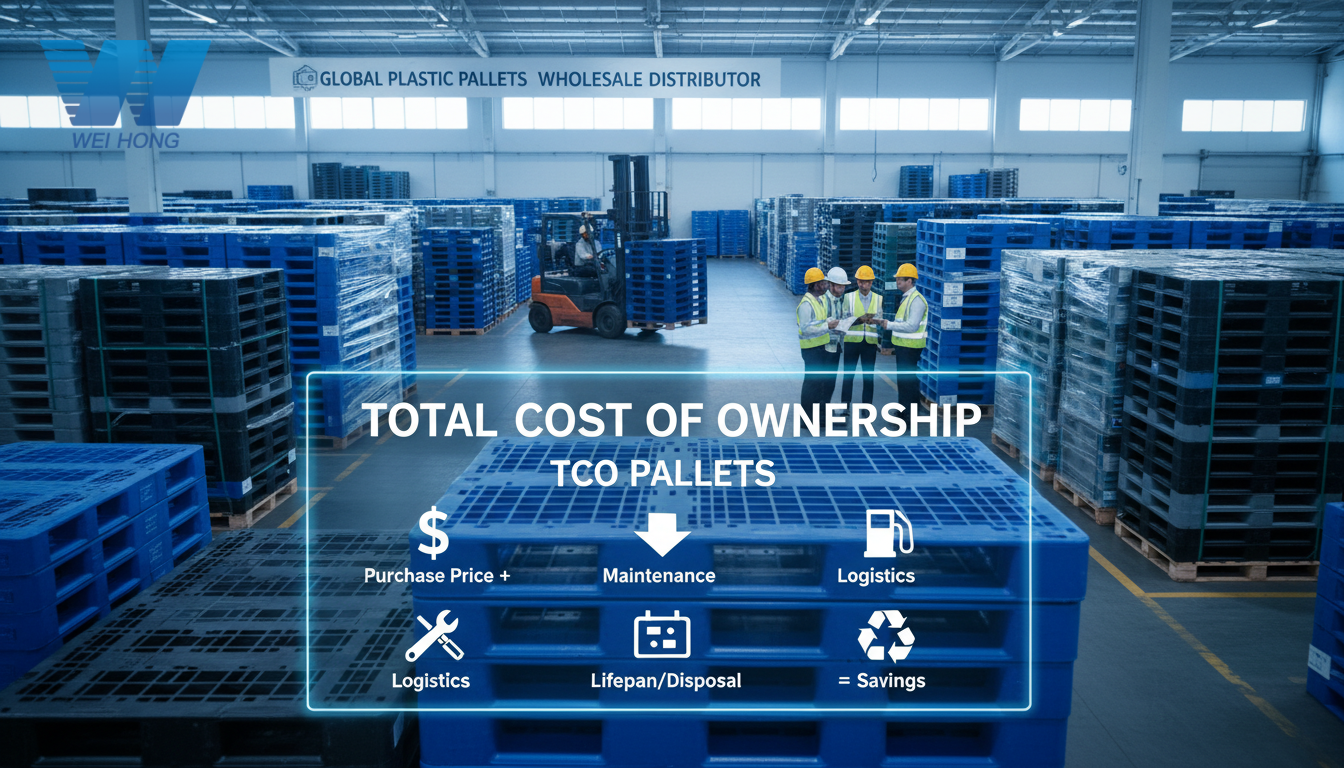
When you purchase a traditional wooden pallet, the invoice price is merely a down payment on a much larger, ongoing expense. Wood degrades quickly under the stress of heavy loads and harsh warehouse environments, requiring constant maintenance, manual labor sorting, and eventual disposal fees. Plastic pallets, conversely, represent an upfront capital expenditure that pays dividends over thousands of operational hours.
To fully grasp the TCO differences and conduct an accurate ROI comparison, logistics managers must analyze the following financial factors:
- Average Lifecycle Trips: A standard wooden pallet typically survives only 10 to 15 trips before it is splintered, cracked, or damaged beyond safe repair. In stark contrast, a high-quality engineered plastic pallet can easily complete up to 250 trips, effectively neutralizing its higher initial price tag within the first year of heavy use.
- Hidden Operational Costs: Wood brings a host of invisible, highly destructive expenses. Splintering wood, loose rusty nails, and broken bottom boards regularly cause product packaging damage, leading to expensive retail write-offs. Furthermore, the constant need for manual sorting, repairing, and reordering wood drains administrative and manual labor resources.
- Reduced Freight Expenses: Polymer pallets are significantly lighter than their dense hardwood counterparts. This massive reduction in tare weight directly lowers outbound freight costs, allowing you to ship more actual product before hitting legal weight limits on transport trucks.
- Nestable Design Savings: Many lightweight plastic models feature nestable designs, meaning they stack tightly together when empty. This drastically lowers return shipping costs by allowing more empty pallets to fit on a single return trailer, slashing freight fuel costs.
- Base Material Longevity: As reported by Wikipedia, pallets act as the structural foundation of a unit load, and while most historical models are wooden, modern plastic variations offer distinct advantages in durability, weather resistance, and reusability over thousands of logistical cycles.
Operational Impact: Automation, AS/RS, and Supply Chain Efficiency
Dimensional consistencies and predictable weight tolerances make AS/RS compatible pallets essential for modern warehouses, as automated systems require exact specifications to prevent mechanical jams and costly operational downtime. Wood's natural warping and degradation simply cannot support high-speed robotics and automated sorting.
In 2026, automation is the undeniable backbone of competitive logistics. Massive distribution facilities are increasingly deploying advanced robotics to handle high-density storage and ultra-rapid order fulfillment. However, an automated system is only as reliable as the pallet it interacts with. If a wooden board is bowed by humidity, or a nail is protruding by even a fraction of an inch, it can trigger optical sensor failures or physically jam the machinery. The financial impact of a halted AS/RS grid can run into thousands of dollars per minute.
The operational impact of switching to uniform plastic platforms includes:
- Flawless AS/RS Integration: Polymer pallets are injection-molded under intense pressure, guaranteeing 100% uniform dimensions, exact weight profiles, and zero structural deviation. As detailed by Wikipedia, an automated storage and retrieval system relies heavily on uniform standard loads to automatically place and retrieve items accurately, without causing expensive damages to the inventory or the high-tech machinery.
- Material Precision: The choice between chemical compositions is critical for conveyor interaction. HDPE vs PP plastic pallets each offer unique operational advantages; High-Density Polyethylene (HDPE) provides incredible impact resistance for fast-moving automated tracks and cold-storage environments, while Polypropylene (PP) offers extreme structural stiffness for bearing heavy point-loads in unsupported edge-racking systems.
- Enhanced Workplace Safety: Traditional wood introduces significant hazards to the warehouse floor. By entirely eliminating heavy manual lifting of water-logged wood, sharp timber splinters, and exposed rusty fasteners, supply chain companies can drastically reduce workplace injuries and slash their associated workers' compensation claims.
- Continuous System Uptime: Plastic completely eliminates the need to halt robotic operations to clear broken wood debris, sawdust, or stray nails from sensitive conveyor belts and automated racking structures.
Hygiene, Compliance, and the Circular Economy
Plastic pallets naturally resist moisture, bacteria, and pests, making them universally compliant with strict international shipping regulations and crucial for establishing a sustainable closed-loop supply chain logistics network. They provide a sanitary, easily cleanable surface that porous wood cannot match.
For highly regulated industries such as Food & Beverage, Pharmaceuticals, and Medical Devices, stringent hygiene is not just a corporate preference; it is a strict legal mandate enforced by government agencies. Wood is naturally highly porous, readily absorbing moisture, toxic chemical spills, and deadly bacterial contaminants like Salmonella and E. coli. Plastic, on the other hand, is completely non-porous and can be rapidly sanitized via chemical washes and high-pressure steam cleaning.
Additionally, the global environmental benefits of transitioning to a circular economy model are vast. Key compliance and sustainability factors to consider in 2026 include:
- Regulatory Export Exemption: As reported by Wikipedia, the ISPM 15 regulation requires wood packaging materials thicker than 6mm to be heavily heat-treated or chemically fumigated to prevent the international transport and spread of destructive plant diseases and wood-boring insects. Plastic pallets are entirely exempt from ISPM-15, completely eliminating customs delays, quarantine risks, and costly treatment processing fees during international export.
- Sanitary FDA Mandates: The FDA and other global health organizations are continuously pressuring the global food supply and pharmaceutical sectors to abandon wood in clean-room environments to aggressively prevent cross-contamination.
- ESG Goal Alignment: Partnering with a dedicated wholesale distributor to implement a strict closed-loop supply chain logistics system—where plastic pallets are continuously tracked, recovered, washed, reused, and eventually recycled—strongly supports corporate Environmental, Social, and Governance (ESG) sustainability targets for 2026.
- True End-of-Life Recycling: Unlike splintered wood that often ends up rotting in a landfill once it breaks, end-of-life plastic pallets hold intrinsic material value. They can be ground down by the distributor and re-molded into brand new functional pallets, ensuring a zero-waste lifecycle.
Expert Tips: Common Mistakes When Choosing a Plastic Pallets Wholesale Distributor
Selecting the wrong HDPE vs PP plastic pallets or focusing exclusively on unit price rather than material quality and distributor scale are the most common pitfalls logistics managers make during procurement. Navigating the wholesale market requires strategic foresight and rigorous load testing.
Purchasing a new fleet of reusable plastic pallets is a significant corporate capital investment. Even a minor engineering miscalculation in load capacity or a poor material selection can result in systemic operational failures across the warehouse. To establish true supply chain authority, it is crucial to recognize the real-world challenges that arise during the vendor procurement process.
Avoid these critical mistakes when evaluating your future supply chain partners:
- Mistake 1: Focusing Solely on Unit Price: The cheapest pallet on the market is rarely the best investment. Focusing only on the lowest upfront cost often leads to acquiring inferior pallets made from weak, degraded recycled resins rather than highly durable virgin plastics or high-grade recycled blends. Always rigorously evaluate the distributor's custom engineering capabilities, warranty terms, and internal quality control protocols.
- Mistake 2: Ignoring Distributor Scale and Agility: Many procurement buyers critically overlook the supplier's actual capacity to deliver during unexpected peak shipping seasons. You must ensure your partner has the robust national inventory scale, geographic footprint, and reliable manufacturing lead times required to support your projected 2026 growth.
- Mistake 3: Failing to Test Specific Load Capacities: A plastic pallet performs very differently resting flat on a concrete floor than it does suspended in an edge-rack. Failing to request and verify specific load capacity testing (dynamic forklift movement, static floor resting, and unsupported edge racking) relevant to your exact automated warehouse setup can lead to catastrophic pallet failure and product loss.
- Pro Tip: Establish a Lifecycle Strategy: Always ask prospective wholesale partners about their internal buy-back or recycling programs. A top-tier distributor will actively purchase your damaged or end-of-life plastic pallets to recycle them in-house, significantly lowering your overall TCO while instantly improving your corporate sustainability metrics.
Conclusion
In 2026, the transition from wood to plastic pallets is no longer just an alternative, but a strategic necessity for maximizing warehouse ROI, enhancing automation compatibility, and ensuring supply chain sustainability. The data heavily favors polymer solutions for modern, fast-paced operations.
Selecting the right wholesale distributor is the critical bridge to realizing these long-term financial and operational benefits. By deeply understanding the total cost of ownership, recognizing the extreme precision demands of modern AS/RS facilities, and prioritizing strict international hygienic compliance, smart logistics managers can successfully future-proof their entire fulfillment operations. Partnering with a trusted, highly capable supplier guarantees that you receive the exact material science, structural engineering, and strategic support your unique global supply chain requires.
Contact us today to optimize your closed-loop supply chain logistics strategy.
FAQ
Are plastic pallets cheaper than wood in the long run?
Yes, while the upfront cost of plastic is higher, their extreme durability allows for up to 250 trips compared to wood's 10-15 trips. This drastically lowers the cost-per-trip, making plastic highly cost-effective in closed-loop supply chains.
How do I choose the right plastic pallets wholesale distributor?
Look for distributors with proven industry experience, strict quality control standards, and the ability to provide custom engineering for your specific load requirements. Ensure they offer reliable customer support and scalable inventory to meet your future 2026 growth needs.
What is the lifespan of a heavy-duty plastic pallet?
A well-maintained, heavy-duty plastic pallet can last up to 10 years or more in a typical supply chain. Lifespan depends heavily on the material (HDPE or PP) and the specific operational environment.
Can plastic pallets be used in automated warehouse systems (AS/RS)?
Absolutely. Plastic pallets are preferred for automation due to their precise dimensional consistency and standardized weights. They prevent sensor errors and mechanical jams commonly caused by broken wood or loose nails.
What is the difference between HDPE and PP plastic pallets?
HDPE (High-Density Polyethylene) offers excellent impact resistance and performs very well in cold environments. PP (Polypropylene) is stiffer, handles heavier loads at room temperature, and is highly resistant to chemical exposure.
Are plastic pallets exempt from ISPM-15 export regulations?
Yes, plastic pallets do not require heat treatment or fumigation, making them naturally exempt from ISPM-15 rules. This eliminates customs delays and extra processing fees during international shipping.
How do nestable plastic pallets save money on return shipping?
Nestable pallets are designed to fit inside one another when empty, reducing their volume footprint by up to 75%. This allows logistics managers to fit significantly more empty pallets onto a single return truck, slashing freight costs.
What is a closed-loop supply chain for plastic pallets?
A closed-loop system is an operational model where pallets are shipped out, emptied, and consistently returned to the original facility or distributor. This maximizes the ROI of reusable plastic pallets by keeping them actively circulating within a controlled network.
Plastic Pallet vs Wooden Pallet: Cost, Hygiene, and Durability
Choosing the Right Plastic Pallet Dimensions: How to Optimize Your Supply Chain & Save Costs
OEM/ODM plastic industrial pallets Manufacturers and Suppliers
Food-Grade Heavy Duty Plastic Crates for Safe Food Transport
About Products
What materials are your prodcuts made of?
After-Sales Service and Support
What warranty do your plastic pallets and boxes come with?
Who should I contact if quality issue is found when I receive the goods?
Please file complaint to the sales person you contacted for the order and your needs will be forwarded to our technical team for analysis.
Custom Private Labeling Services
How long does it take to produce if I give you my design of pallet.
Mold producttion takes about 2 months from production to adjustment. Hence we recommend you to plan ahead of time.
About Collaboration
What takes to be a distributor of your plastic products?
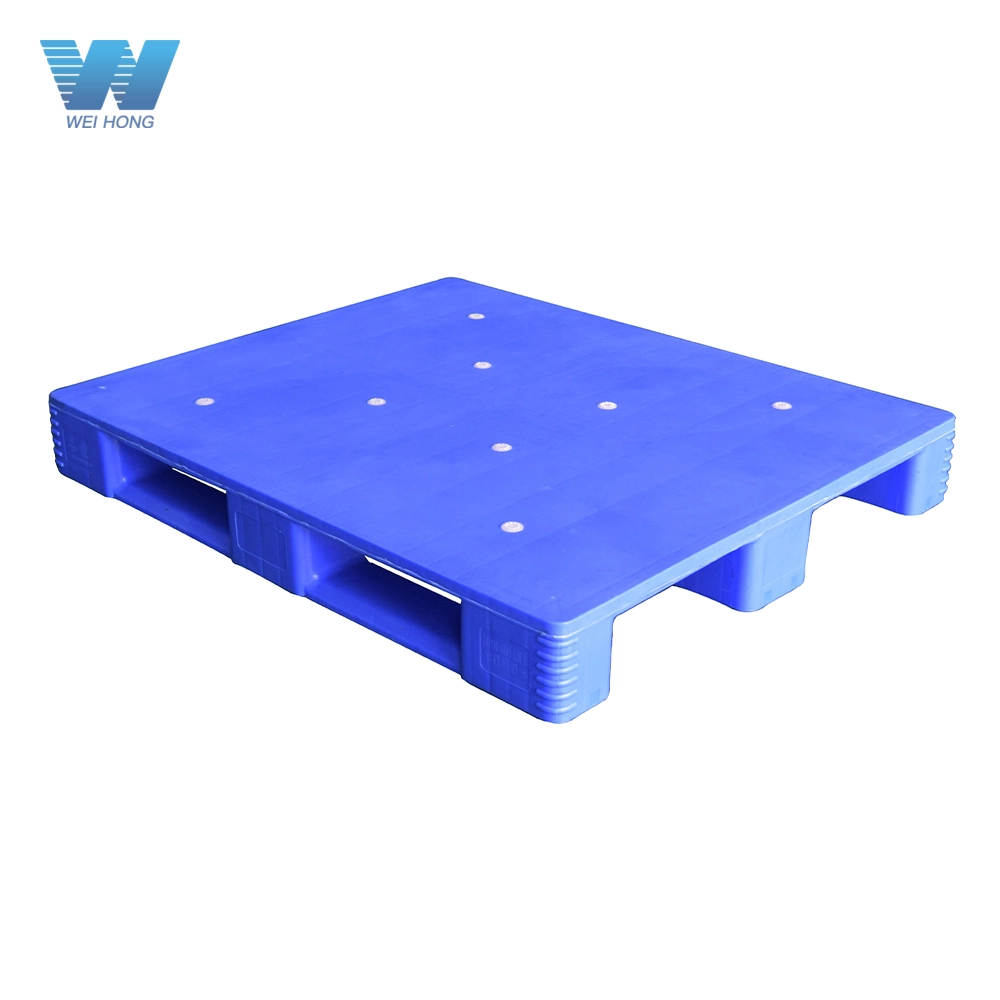
ZJ1210-150H Three-runner Closed Deck Hygienic Plastic Pallet
The three-runner closed-deck hygienic plastic pallet is a solid and durable packaging solution designed for general and especially food and medicine storage and transport. It’s made of virgin HDPE or PP, featuring a flat surface and even bottom for hygienic consideration, a reinforced configuration with steel cores for rack and shelf, and a steady loading capacity.
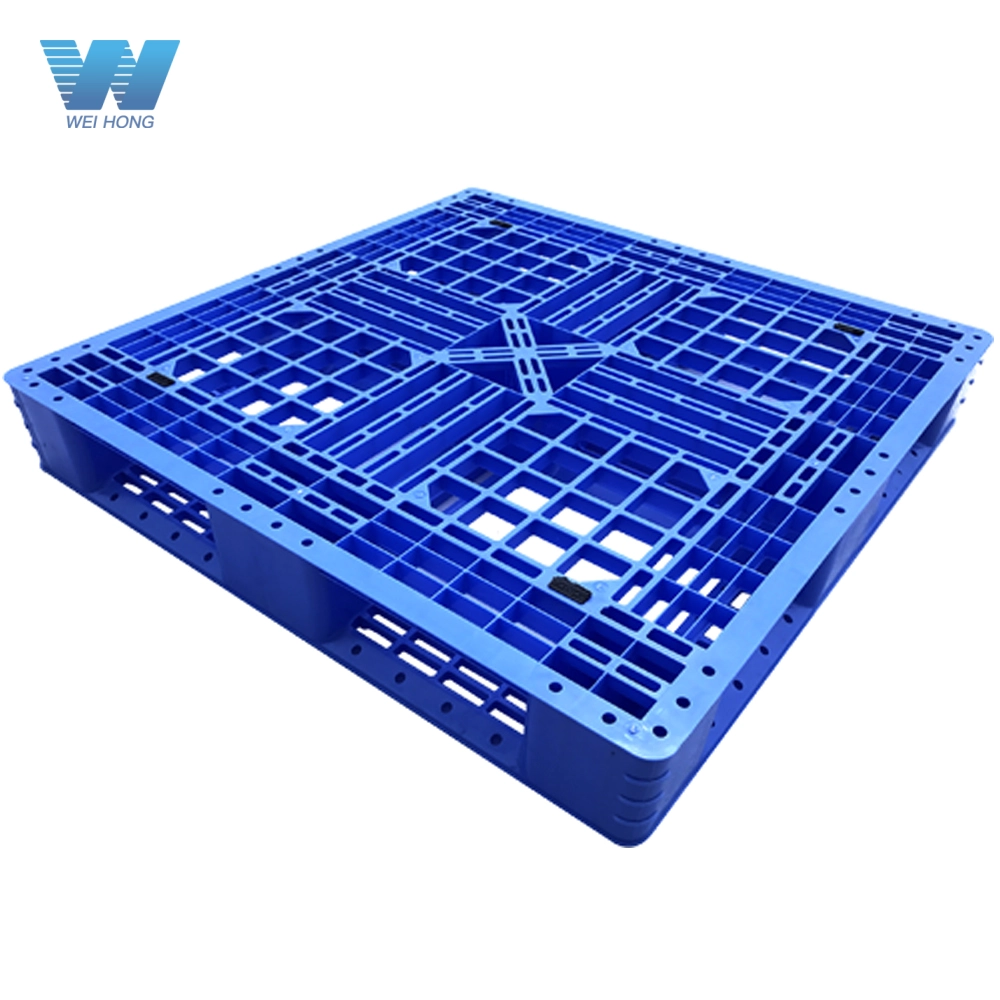
ZJ1010-150 Six-runner Single-sided Plastic Pallet
The six-runner plastic pallet, open or closed deck, is a solid and durable packaging solution designed for general and medium to heavy-duty cargo stacking, storage and transport. It’s made of virgin HDPE or PP, featuring in robust structure, a reinforced configuration with steel cores for the rack and shelf, and a steady loading capacity.
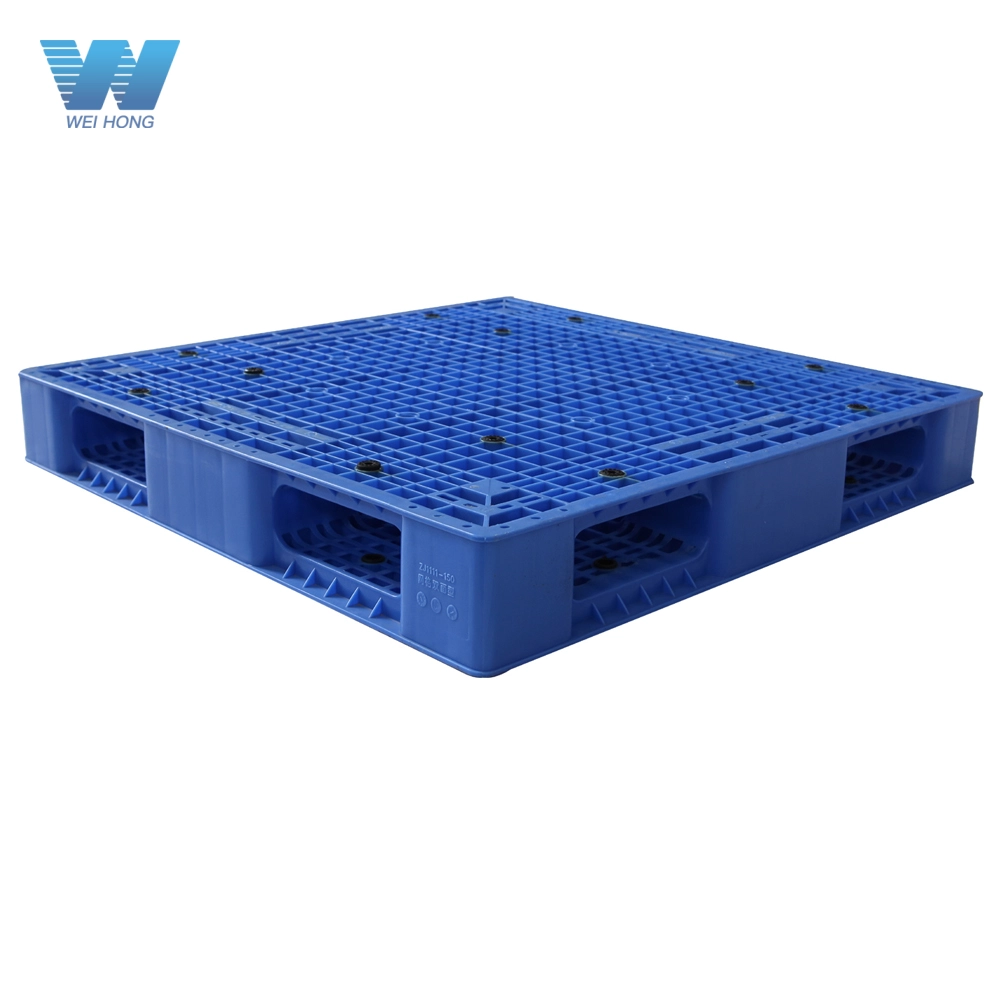
ZJ11111-150 Double-sided Heavy Duty Plastic Pallet
The double-sided plastic pallet, open deck or closed deck, is a solid and durable packaging solution designed for general and medium to heavy-duty cargo stacking, storage and transport. It’s made of virgin HDPE or PP, featuring a robust structure, a reinforced configuration with steel cores for the rack and shelf, and a steady loading capacity for both sides.
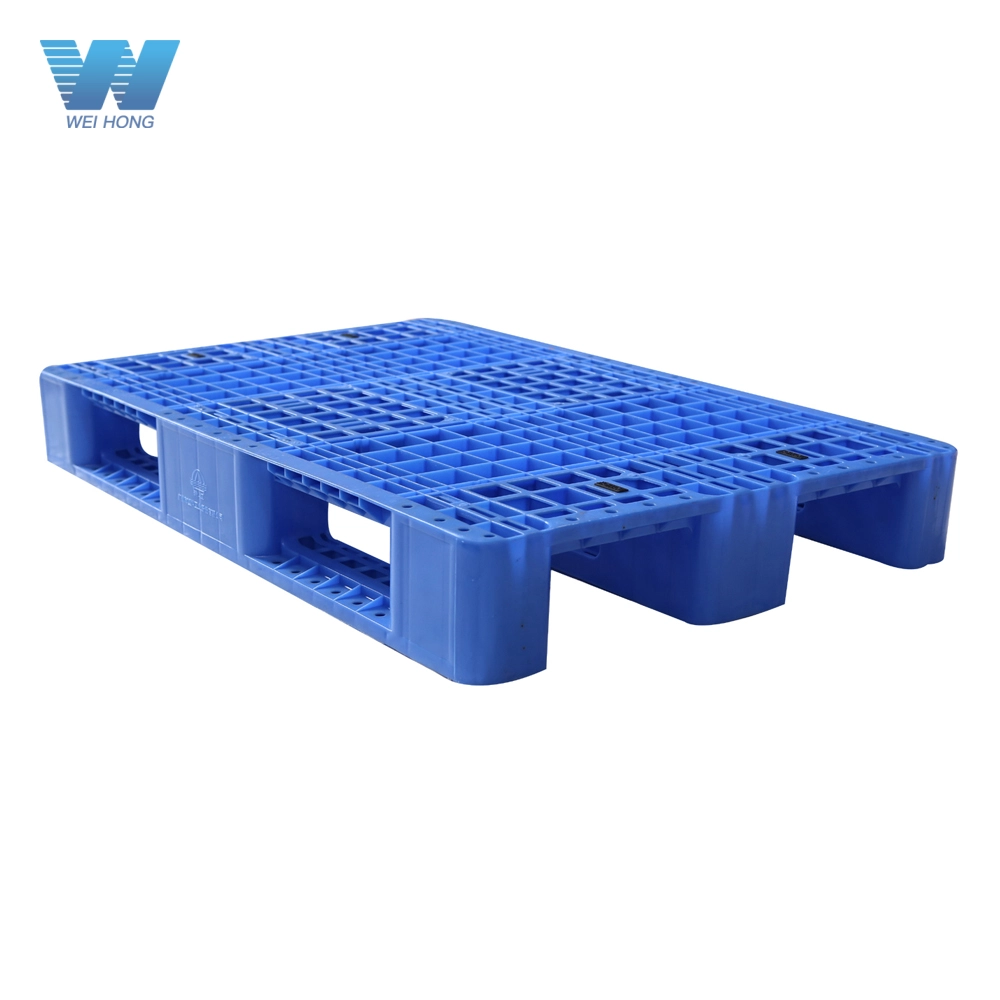
ZJ1208-155 Three-runner Single-sided Plastic Pallet
The three-runner single-sided plastic pallet is a solid and durable packaging solution designed for general and medium to heavy-duty cargo storage, transport and automated storage and retrieval system (AS/RS) use. It’s made of virgin HDPE or PP, featuring in robust structure, reinforced configuration with steel cores for rack and shelf, and a steady loading capacity.
Request More Information About Plastic Pallets
Have questions or need detailed insights on this article? Fill out the form below to contact our team for comprehensive information and support related to our plastic pallet solutions.
Contact us


+86 138 0277 8204
+86 183 4431 0917
+86 195 3791 1860

No. 15-1, Fengying Rd., Taiping Town, Conghua Dist., Guangzhou City, Guangdong Province, China.
 Scan QR Code
Weihong
Whatsapp: +8613802778204
Guangdong Weihong Plastic Technology Co., Ltd.
Scan QR Code
Whatsapp: +8619537911860
Scan QR Code