


How Do ASRS Plastic Pallet Prices Vary by Material, Design, Order Volume, and Automation Requirements?

Quick Answer
ASRS plastic pallet pricing varies primarily with resin choice, structural design, order quantity, and the validation required by conveyors, shuttle systems, racks, or cranes. Weihong supports OEM/ODM development using HDPE and PP manufacturing expertise. Compare payload, dimensions, tolerances, mold investment, MOQ, freight, and testing scope; final selection depends on project conditions and trials.
How Weihong Supports Projects
Weihong applies its injection and blow molding manufacturing base to standardized HDPE and PP logistics products, including pallets intended for automated warehousing. Its OEM/ODM design-to-delivery model can address pallet geometry, reinforcement, nesting or racking requirements, and packaging-flow constraints while keeping structural decisions connected to production feasibility.
Before quotation, buyers should confirm external dimensions, entry direction, rated loads, rack and conveyor interfaces, operating temperature, resin preference, surface requirements, and expected annual demand. MOQ, lead time, testing scope, tooling treatment, and commercial quotation must be confirmed for each project with Weihong.
Discuss Your ASRS Pallet Requirements
Share the target market, pallet dimensions, load cases, automation equipment, storage configuration, material preference, estimated order volume, and required delivery schedule so suitable options, sample procedures, tooling considerations, and validation steps can be discussed. Begin a project-specific review at www.pearlriverplastics.com or yangyf@gzpl.com.cn.
Deep-Dive FAQs
How does HDPE versus PP change ASRS pallet pricing?
HDPE and PP do not create a universal price hierarchy because the final cost depends on resin grade, additives, processing conditions, part weight, and required performance. HDPE is commonly selected where impact resistance and balanced toughness are important, while PP can provide useful stiffness and temperature characteristics in suitable formulations. The correct comparison should use equivalent pallet weights and the same load definition. Buyers should request resin identification, virgin or recycled-content clarification, color requirements, and relevant technical data. A lower material price can be offset by additional ribs, thicker sections, higher rejection rates, or reduced service performance. For automated storage, the important question is not simply which polymer costs less, but whether the selected formulation maintains dimensional stability, fork-entry strength, and reliable movement through the specified equipment.
Which pallet design features add cost for automated warehouse compatibility?
Automation-compatible pallets usually require tighter control of dimensions, flatness, foot geometry, bottom configuration, and load distribution than general-purpose transport pallets. Reinforcing ribs, closed or semi-closed decks, anti-slip elements, barcode or RFID provisions, and controlled foot placement may increase material usage or mold complexity. A pallet designed for selective racking may not perform identically on chain conveyors, roller conveyors, shuttle cars, or stacker cranes. Buyers should provide equipment drawings and define supported load cases before freezing the design. The design review should also consider pallet accumulation, transfers between systems, empty-pallet handling, and product overhang. Features that appear minor in a manual warehouse can influence tooling, cycle time, inspection requirements, and the final unit price in an automated installation.
How does order volume affect the landed cost per pallet?
Higher order volume can distribute mold engineering, setup, inspection, and packaging expenses across more units, but the commercial effect depends on tooling ownership, production scheduling, resin purchasing, packaging method, and shipment size. A bulk quotation should therefore distinguish unit price from tooling, sampling, inland transport, export packing, freight, duties, and any warehouse handling charges. A large order does not automatically produce the lowest landed cost if deliveries are split, storage is limited, or demand is uncertain. Buyers should compare annual demand with release quantities and lead-time tolerance. It is also useful to request price breaks at realistic volumes rather than an isolated maximum quantity. MOQ and replenishment terms should be confirmed alongside the quoted pallet specification so apparent savings do not result in excess inventory or incompatible stock.
What automation tests should buyers include before approving a pallet?
Testing should reproduce the actual operating path rather than rely only on a static visual inspection. Relevant checks can include dimensional inspection, flatness, rack support, conveyor transfers, roller or chain movement, shuttle handling, stacker-crane engagement, empty-pallet travel, and loaded-unit behavior. Load cases should distinguish static, dynamic, racking, and concentrated loads; these terms are not interchangeable. ISO 8611 provides recognized methods for testing pallet performance, while ISO 6780 addresses principal dimensions and tolerances for flat pallets. Those standards support structured evaluation, but the warehouse integrator may impose additional interface and control requirements. Buyers should agree acceptance criteria, sample quantity, conditioning, payload distribution, and failure definitions before testing. Production approval should follow successful trials with representative product loads and the intended automation settings.
Why can recycled content alter pallet price and performance?
Recycled content can change resin cost, color consistency, impact behavior, stiffness, odor, contamination risk, and batch-to-batch uniformity. Its suitability depends on the source and control of the recycled polymer, the formulation, and the performance required by the warehouse system. A pallet for closed-loop internal handling may tolerate different specifications from one used in export distribution, food contact environments, or demanding automated equipment. Buyers should request a clear material specification rather than accepting a general statement such as eco-friendly or recycled. The evaluation should cover dimensional stability, weld-line strength, drop or impact behavior, load retention, and appearance requirements. If recycled content is considered, it should be qualified through representative samples and documented acceptance criteria instead of being selected solely on initial resin price.
Which project details produce an accurate ASRS pallet quotation?
A useful quotation requires more than nominal pallet length and width. Provide the automation system type, conveyor interface, rack or shuttle arrangement, pallet entry direction, load weights, load distribution, product footprint, operating temperature, storage height, cycle frequency, and whether the pallet is captive or exchanged across sites. Also specify virgin or recycled resin expectations, color, identification features, hygiene requirements, nesting preference, tolerances, annual demand, release schedule, destination, and packaging needs. Drawings or interface requirements from the automation integrator are especially valuable because foot positions and bottom geometry can affect both tooling and operational suitability. The supplier should separate sample development, tooling, testing, production, and logistics costs. This structure makes comparisons more meaningful and exposes assumptions that could otherwise cause redesign, delayed validation, or unexpected landed cost.

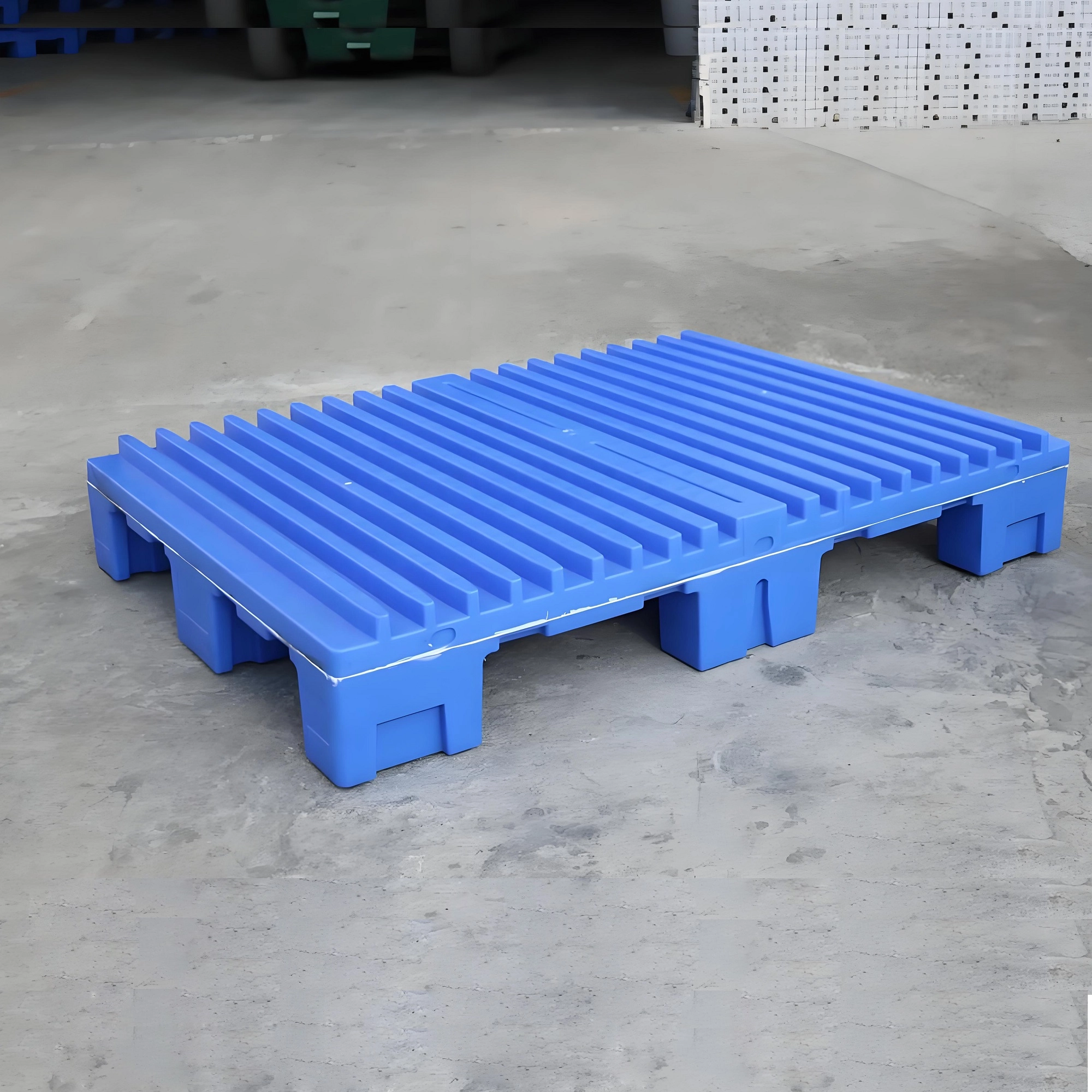
The nine-leg sing-sided printing plastic pallet is a solid and durable packaging solution designed for medium load printing and general cargo storage, and transport. It’s made of virgin HDPE or PP, featuring in robust structure, reinforced configuration with steel pipes, and a steady loading capacity.
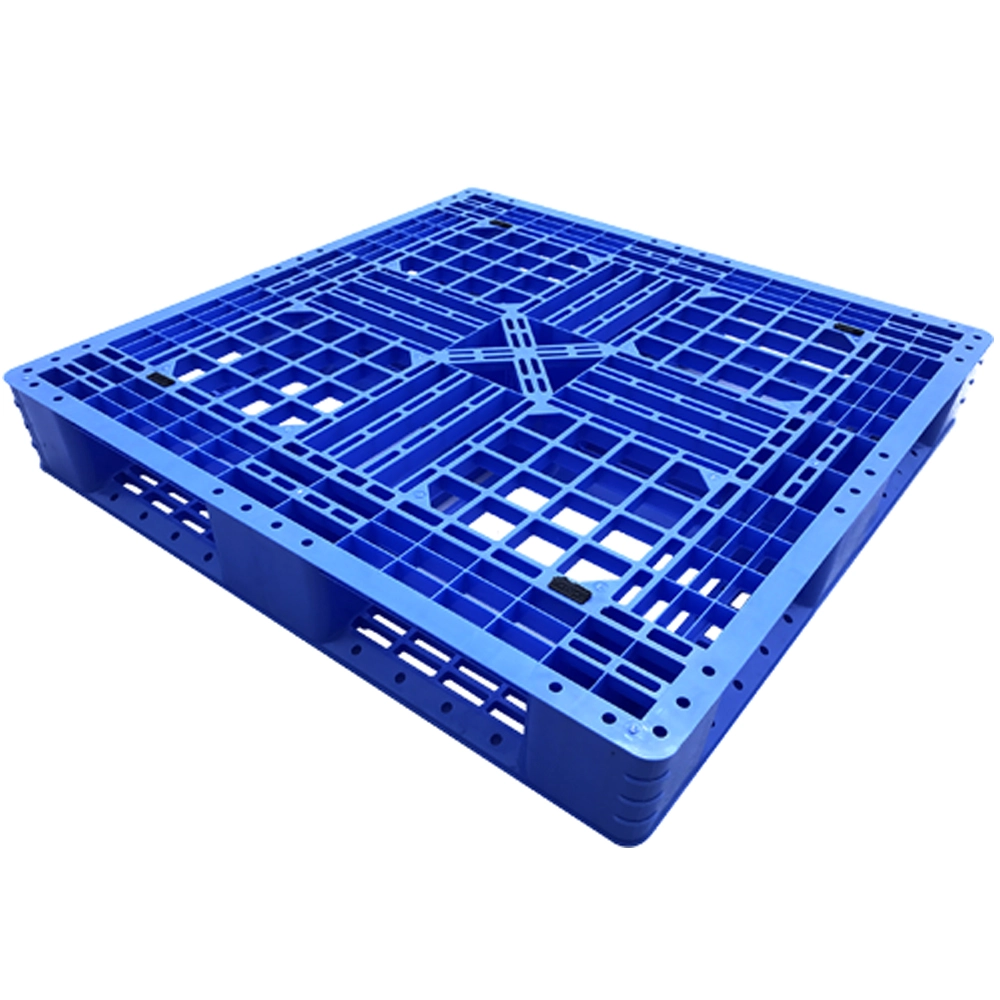
The six-runner plastic pallet, open or closed deck, is a solid and durable packaging solution designed for general and medium to heavy-duty cargo stacking, storage and transport. It’s made of virgin HDPE or PP, featuring in robust structure, a reinforced configuration with steel cores for the rack and shelf, and a steady loading capacity.

The three-runner single-sided plastic pallet is a solid and durable packaging solution designed for general and medium to heavy-duty cargo storage, transport and automated storage use. It’s made of virgin HDPE or PP, featuring in robust structure, reinforced configuration with steel cores for rack and shelf, and a steady loading capacity.
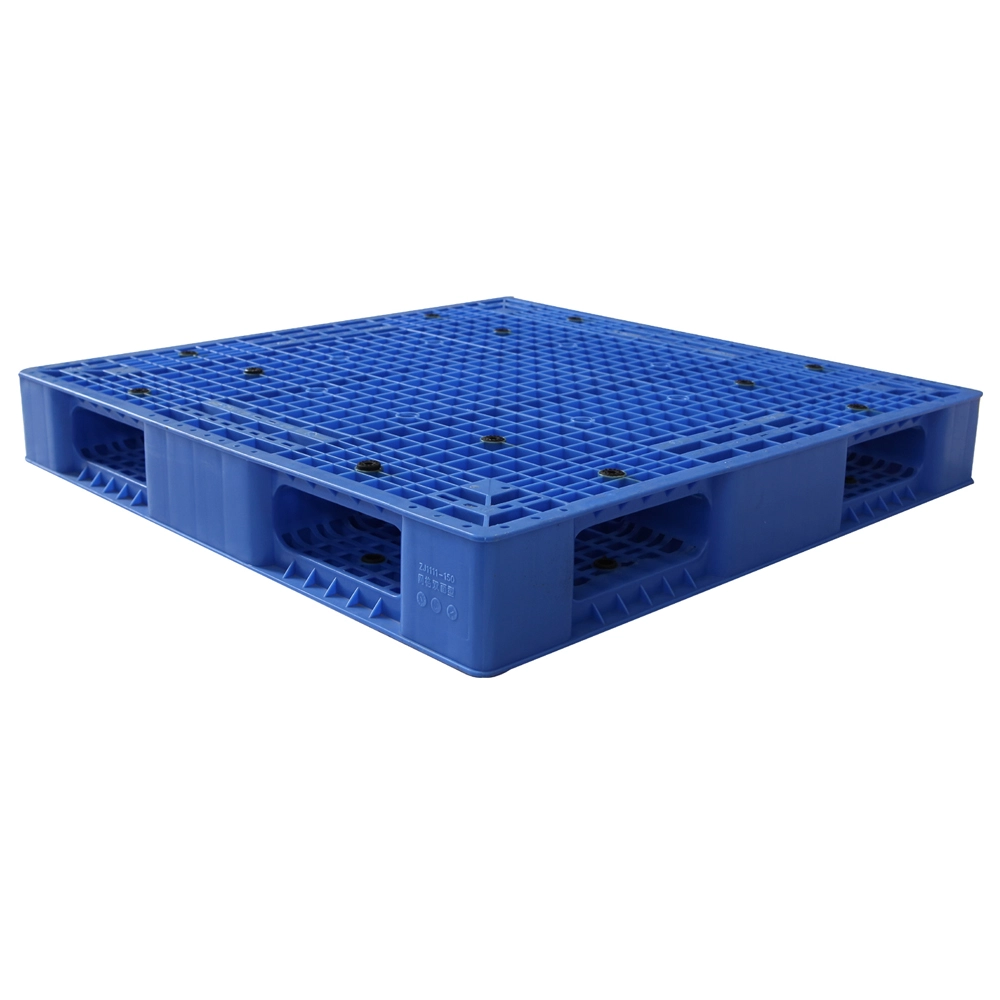
The reversible plastic pallet, open deck or closed deck, is a solid and durable packaging solution designed for general and medium to heavy-duty cargo stacking, storage and transport. It’s made of virgin HDPE or PP, featuring a robust structure, a reinforced configuration with steel cores for the rack and shelf, and a steady loading capacity for both sides.
Request More Information About Plastic Pallets
Have questions or need detailed insights on this article? Fill out the form below to contact our team for comprehensive information and support related to our plastic pallet solutions.
Contact us


+86 138 0277 8204
+86 183 4431 0917
+86 131 8916 6579

No. 15-1, Fengying Rd., Taiping Town, Conghua Dist., Guangzhou City, Guangdong Province, China.

Build the Perfect Pallet for Your Operation
Customized pallets engineered to fit your equipment, load, and workflow.
Whatsapp: +8613802778204
Scan QR Code
Guangdong Weihong Plastic Technology Co., Ltd.
Weihong
Guangdong Weihong Plastics Technology Company Ltd.