











How to choose a heavy-duty plastic pallet for cold storage? | Insights by Weihong
- 1) Which plastic material is best for freezers at −20 °C to −40 °C: HDPE or polypropylene (PP)?
- 2) How do I interpret static, dynamic and racking load ratings for cold storage use?
- 3) Should I use ventilated (open) or closed‑deck pallets in a freezer?
- 4) How does condensation and ice affect slip resistance in freezers — what anti‑slip solutions actually work?
- 5) How do I ensure plastic pallets meet hygiene and food‑contact requirements for cold storage and washdown?
- 6) What pallet design and reinforcement features matter most for racking safety and long‑term dimensional stability in cold chains?
- 7) What tests and documents should I require in my purchase order to avoid receiving unsuitable pallets?
- Practical final checklist before you sign a PO
- Why choose Weihong pallets (summary of advantages)
How to Choose a Heavy‑Duty Plastic Pallet for Cold Storage: 7 Practical Questions Answered
Buying plastic pallets for cold storage looks simple but has many hidden failure modes: material embrittlement, reduced impact strength, condensation icing, poor racking performance and unseen hygiene gaps. Below are 7 long‑tail, practitioner questions beginners often ask — and rarely find authoritative, up‑to‑date answers to — followed by concrete, actionable guidance you can use in procurement and specification.
1) Which plastic material is best for freezers at −20 °C to −40 °C: HDPE or polypropylene (PP)?
Short answer: HDPE (high‑density polyethylene) is usually the safer choice for medium and deep freezer service; PP becomes brittle at higher subzero temperatures and is best avoided below about −20 °C unless the supplier provides validated low‑temperature impact data.
Why: polyethylene maintains ductility and impact resistance at much lower temperatures than polypropylene. Polymer glass‑transition and low‑temperature performance are well documented (see polyethylene and polypropylene material pages on Wikipedia and Wikipedia). In practical industrial use, HDPE pallets are the default for frozen warehouses and transport down to −40 °C. PP can work for chilled and mild freezer service (around −5 to −20 °C) but you must validate with supplier test certificates for your actual operating temperature and handling (forklift impacts, pallet jacks, drops).
What to request from suppliers:
- Material grade and resin supplier certificate (including melt index and modification additives).
- Low‑temperature impact test reports (samples tested at your operating temperature, e.g. −30 °C) with test method noted.
- Evidence of long‑term cold‑cracking resistance if pallet will be exposed to repeated thermal cycling.
2) How do I interpret static, dynamic and racking load ratings for cold storage use?
Definitions (industry standard meanings):
- Static load: maximum load a pallet can hold while stationary on a flat surface.
- Dynamic load: maximum load while being moved (by forklift or pallet jack).
- Racking load (or concentrated racking): capacity when the pallet is supported only at its edges in a racking system.
Typical heavy‑duty plastic pallet ranges (design dependent):
- Dynamic: ~500–2,000 kg (1,100–4,400 lb)
- Static: ~1,000–5,000+ kg (2,200–11,000+ lb)
- Racking: ~500–2,000 kg (1,100–4,400 lb)
Key cold‑storage caveat: test values supplied at ambient temperature can overestimate performance in subzero conditions. Low temperatures reduce impact toughness and may change stiffness slightly; racking failure modes can be brittle fractures rather than slow deflection. Always ask suppliers for load ratings measured or validated at your operating temperature or for a certified engineering calculation that includes temperature effects. Where possible, ask for test reports that reference recognized test standards (see section on standards below).
3) Should I use ventilated (open) or closed‑deck pallets in a freezer?
Choose based on process stage and risk tradeoffs:
- Ventilated/open‑deck pallets: better for blast freezing and uniform cold‑air circulation; reduces freeze time and energy use. Often used for products that ship on racks or need rapid freezing.
- Closed/full‑deck pallets: easier to wash, better at preventing small items or liquids falling through, and often preferred where hygiene and drip containment are priorities (e.g., ready‑to‑eat food lines). Closed decks can trap condensation underneath if not drained or if stacked while still wet.
Practical recommendation: use ventilated designs in the freezing/quick‑cooling area and closed or semi‑closed (partial vents with drainage) in long‑term storage or where washdown/food protection is required. Ensure designs provide proper airflow paths and that pallet materials are tested for the intended thermal cycling profile.
4) How does condensation and ice affect slip resistance in freezers — what anti‑slip solutions actually work?
Problem: condensation and freeze/thaw cycles create slick, ice‑covered decks. Many adhesives and tapes lose adhesion or become hazardous at low temperatures.
Effective solutions:
- Molded high‑friction surface textures and raised ribs — built into the pallet during molding — are the most robust, long‑lasting option because they don’t rely on adhesives that fail in cold or wet conditions.
- Thermoplastic anti‑slip inserts designed and molded as part of the pallet can work if the insert material is specified for the freezer temperature range.
- Adhesive anti‑slip tapes are generally NOT recommended for subzero conditions unless explicitly specified by the tape manufacturer for your temperature range and repeated wet/dry cycles.
- Operational controls: keep pallet decks dry before stacking, control humidity where possible, and allow proper drainage so that water doesn’t pool and freeze on the deck surface.
Actionable test: request static and dynamic coefficient‑of‑friction (COF) measurements at your operating temperature with wet/icy conditions simulated. Don’t accept ambient‑only COF values.
5) How do I ensure plastic pallets meet hygiene and food‑contact requirements for cold storage and washdown?
Key compliance pillars:
- Food‑contact suitability: ask for documentation that the resin and any additives comply with applicable regulations for food contact in your markets. In the US, FDA guidance on food contact substances is authoritative; see FDA resources on food contact materials here: FDA — Packaging & Food Contact Substances.
- Design for cleanability: smooth surfaces, no hidden cavities where bacteria can accumulate, drainage paths, and materials compatible with the disinfectants you use (chlorine solutions, peracetic acid, quats, etc.).
- Hygienic design guidance: follow recognized hygienic design principles (EHEDG and similar organizations provide best practice recommendations) — see EHEDG.
What to request from the manufacturer:
- Material safety and food‑contact declarations (FDA, EU reg., or other local approvals as applicable).
- Cleaning protocol compatibility sheet (which chemicals and temperatures are safe; whether steam or pressure washers are OK).
- Evidence of hygienic design (smooth transitions, drain holes, and if hollow, whether cores are sealed).
- Microbial washdown validation (if you operate in an HACCP/GMP environment): ask for or perform third‑party swab testing after your standard washdown cycle.
6) What pallet design and reinforcement features matter most for racking safety and long‑term dimensional stability in cold chains?
Design aspects that affect racking and long‑term service life:
- Block‑style pallets with reinforced columns typically deliver better racking capacity and less edge deflection than thin stringer designs.
- Integrated ribs and thicker top/bottom decks reduce permanent deflection and creep under static loads, especially where pallets remain loaded for long periods at low temps.
- Metal reinforcement (stainless steel inserts) can be used in high‑racking applications, but thermal expansion differences between metal and polymer must be considered.
- 4‑way entry designs improve handling flexibility but can reduce stiffness versus heavier 2‑way designs; choose based on your racking and handling equipment.
Temperature effects: polymers can contract and may change stiffness slightly at low temperatures. For safety, require the supplier to provide racking test data or calculations that account for the intended temperature range and load duration. Referencing recognized test methods is critical (see next section on standards and test evidence).
7) What tests and documents should I require in my purchase order to avoid receiving unsuitable pallets?
Practical procurement checklist (minimum required documents and tests):
- Material declaration and resin supplier certificate (resin grade, additives, FDA/EU food‑contact status where applicable).
- Mechanical test reports showing static, dynamic and racking capacities — ideally including tests performed at your operating temperature or accompanied by engineering analysis that accounts for temperature effects.
- Low‑temperature impact toughness test (sample tested at operating temperature with test method specified).
- Coefficient‑of‑friction (COF) tests for dry and wet/icy conditions at operating temperature.
- Cleaning & disinfection compatibility sheet and evidence of hygienic design (photos/drawings demonstrating no hidden cavities or sealed cores).
- Traceability and batch ID (so any field failures can be traced back to a production batch).
- Warranty terms specifying expected service life under your stated operating conditions (temperature, loads, handling frequency).
- Sample approval: require a pre‑production sample and a signed sample acceptance before full production begins.
Standards and test references: request that mechanical and safety tests reference recognized standards when available and appropriate for pallets and material testing. For hygienic design guidance consult organizations such as EHEDG, and for food‑contact materials consult regulatory authorities like the FDA. For basic polymer property background see material references such as Polyethylene and Polypropylene.
Practical final checklist before you sign a PO
Quick go/no‑go checklist:
- Did the supplier provide low‑temperature mechanical and impact test reports (or agree to produce them)?
- Is the resin food‑contact compliant for your market (if applicable)?
- Are COF/anti‑slip properties specified at the operating temperature and with wet/icy simulation?
- Is the pallet’s racking capacity validated at low temperature or supported by an engineering calculation?
- Is there a sample approval step and batch traceability in the contract?
Why choose Weihong pallets (summary of advantages)
Weihong (Weihong Plastic Pallets) specializes in heavy‑duty plastic pallets designed for cold chain applications. Typical advantages Weihong provides for cold storage buyers include:
- HDPE‑based freezer‑grade formulations and documented low‑temperature mechanical tests on request.
- Purpose‑designed ventilated and closed‑deck freezer pallets, with molded high‑friction surface textures suitable for icy conditions.
- Hygienic designs that support washdown and food‑contact compliance, with material declarations and cleaning compatibility data available.
- Ability to supply pre‑production samples and provide batch traceability and warranty terms tailored to cold‑chain environments.
- Technical support to help customers interpret static/dynamic/racking ratings and to run any additional validation testing you require for your specific temperature and handling profile.
To discuss specifications or request sample/test data, contact Weihong via Pearl River Plastics: www.pearlriverplastics.com or email yangyf@gzpl.com.cn.
Purchasing heavy‑duty plastic pallets for cold storage is about specifying the right material, demanding test evidence at operating temperature, and designing for hygiene, slip resistance and structural safety. Use the procurement checklist above as your minimum specification and require low‑temperature validation tests — that is what separates long‑lasting cold‑chain pallets from costly failures in service.
The Complete 2026 Guide to Choosing Plastic Pallets for Cold Storage Automated Warehouses
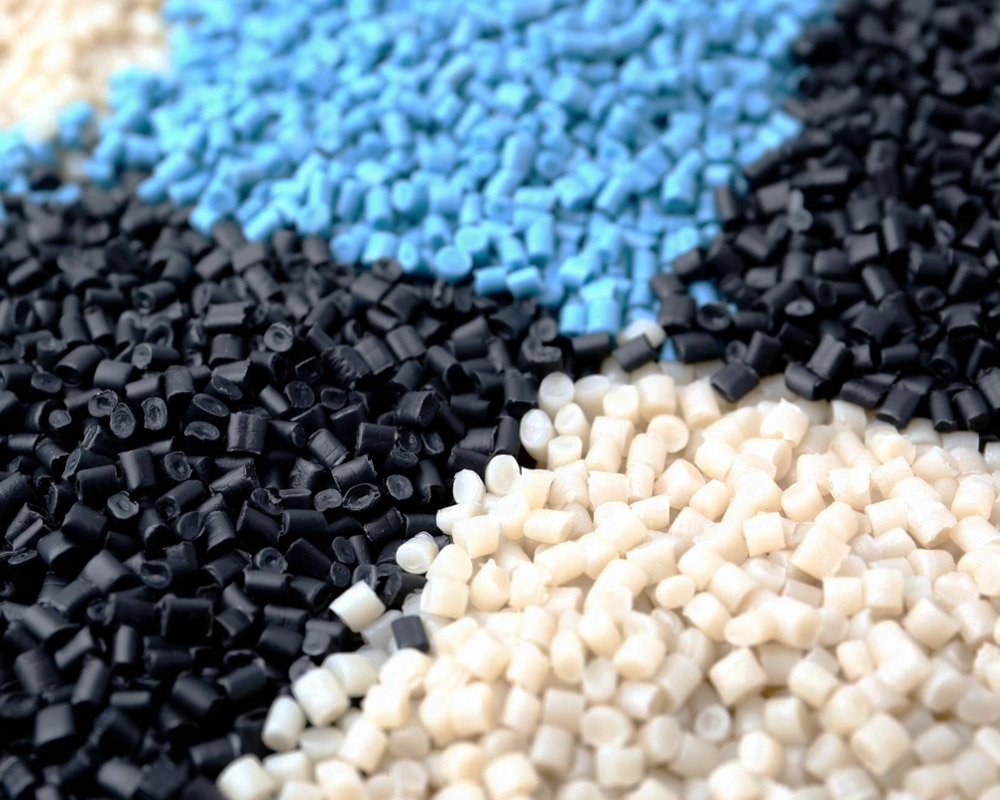
Why Do Plastic Pallets of the Same Size Vary So Much in Price? Core Reason: Material Costs Determine the Difference
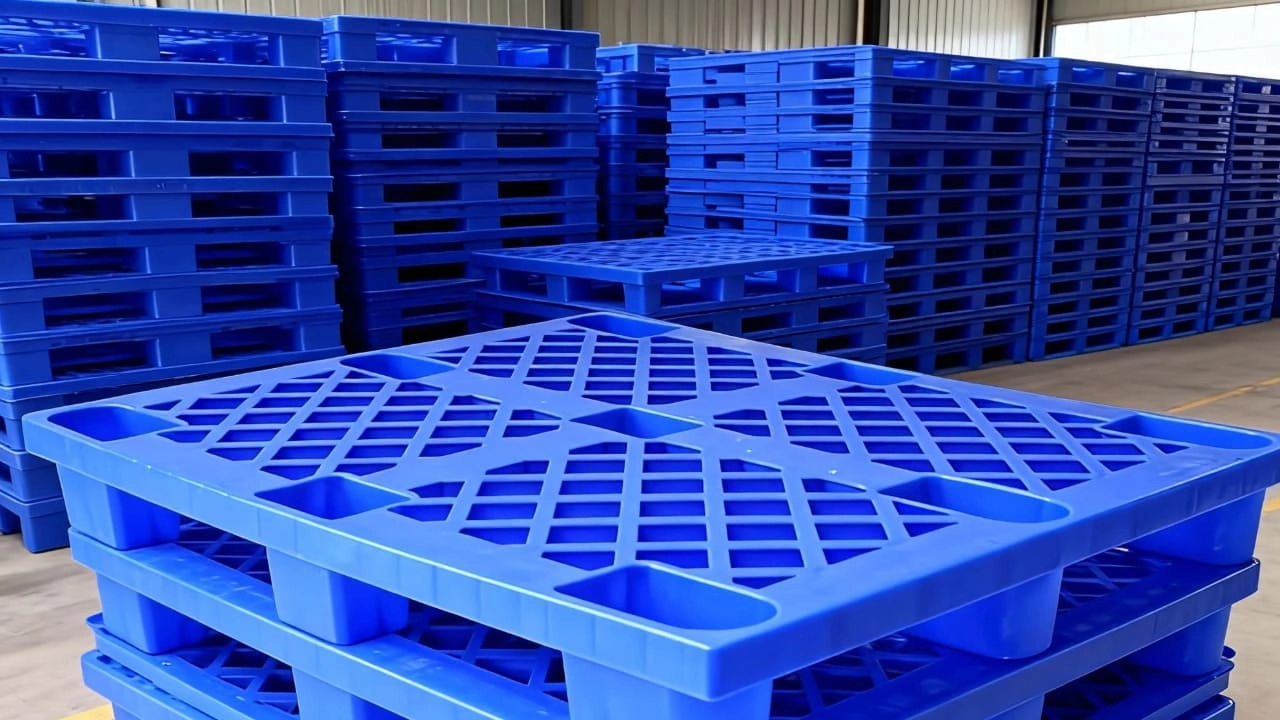
HDPE vs. PP Plastic Pallet: How to Choose the Right Material for Your Warehouse
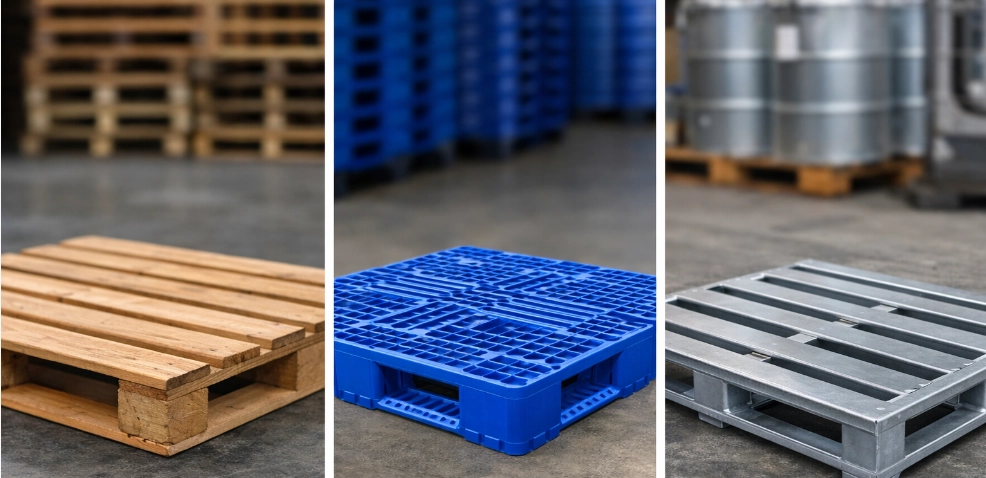
Wooden Pallets vs Plastic Pallets vs Metal Pallets — Which Is Better for Modern Logistics?
Logistics and Payment
What payment terms do you accept?
After-Sales Service and Support
Who should I contact if quality issue is found when I receive the goods?
Please file complaint to the sales person you contacted for the order and your needs will be forwarded to our technical team for analysis.
What warranty do your plastic pallets and boxes come with?
About Products
What materials are your prodcuts made of?
Custom Private Labeling Services
How long does it take to produce if I give you my design of pallet.
Mold producttion takes about 2 months from production to adjustment. Hence we recommend you to plan ahead of time.
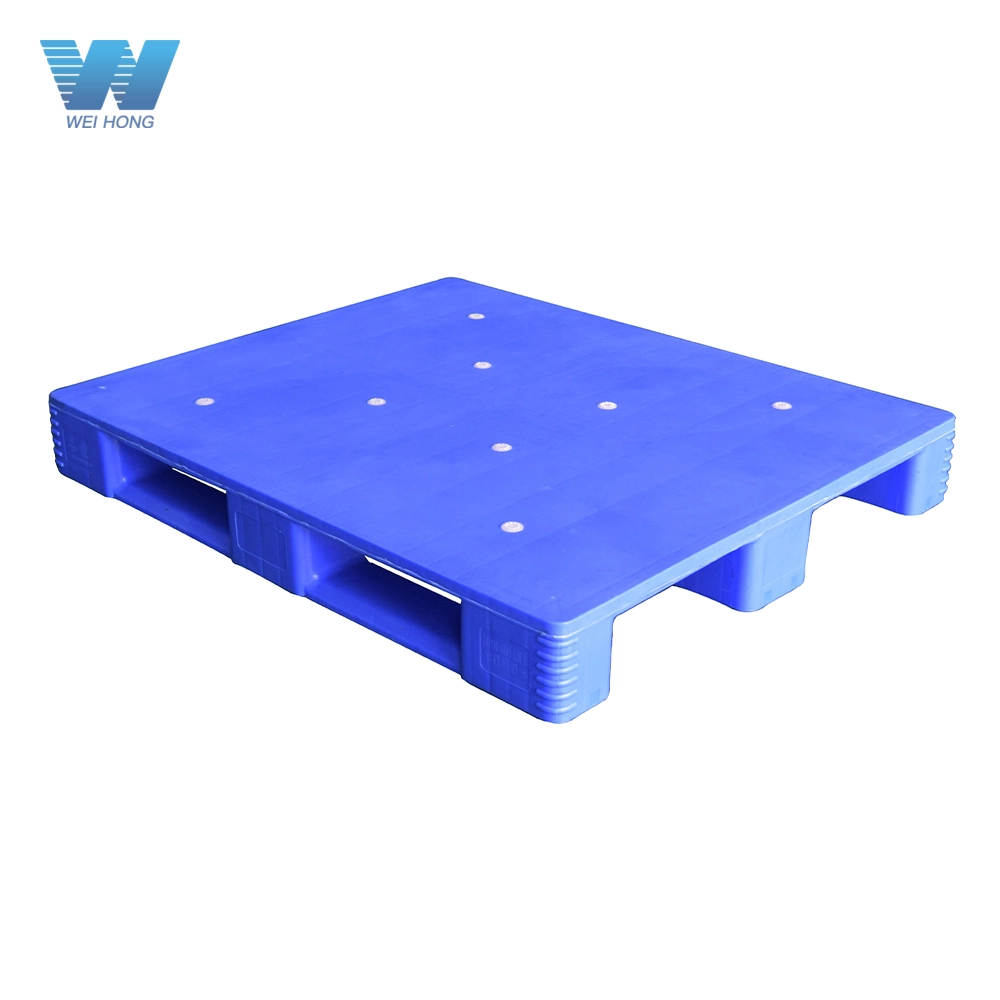
ZJ1210-150H Three-runner Closed Deck Hygienic Plastic Pallet
The three-runner closed-deck hygienic plastic pallet is a solid and durable packaging solution designed for general and especially food and medicine storage and transport. It’s made of virgin HDPE or PP, featuring a flat surface and even bottom for hygienic consideration, a reinforced configuration with steel cores for rack and shelf, and a steady loading capacity.
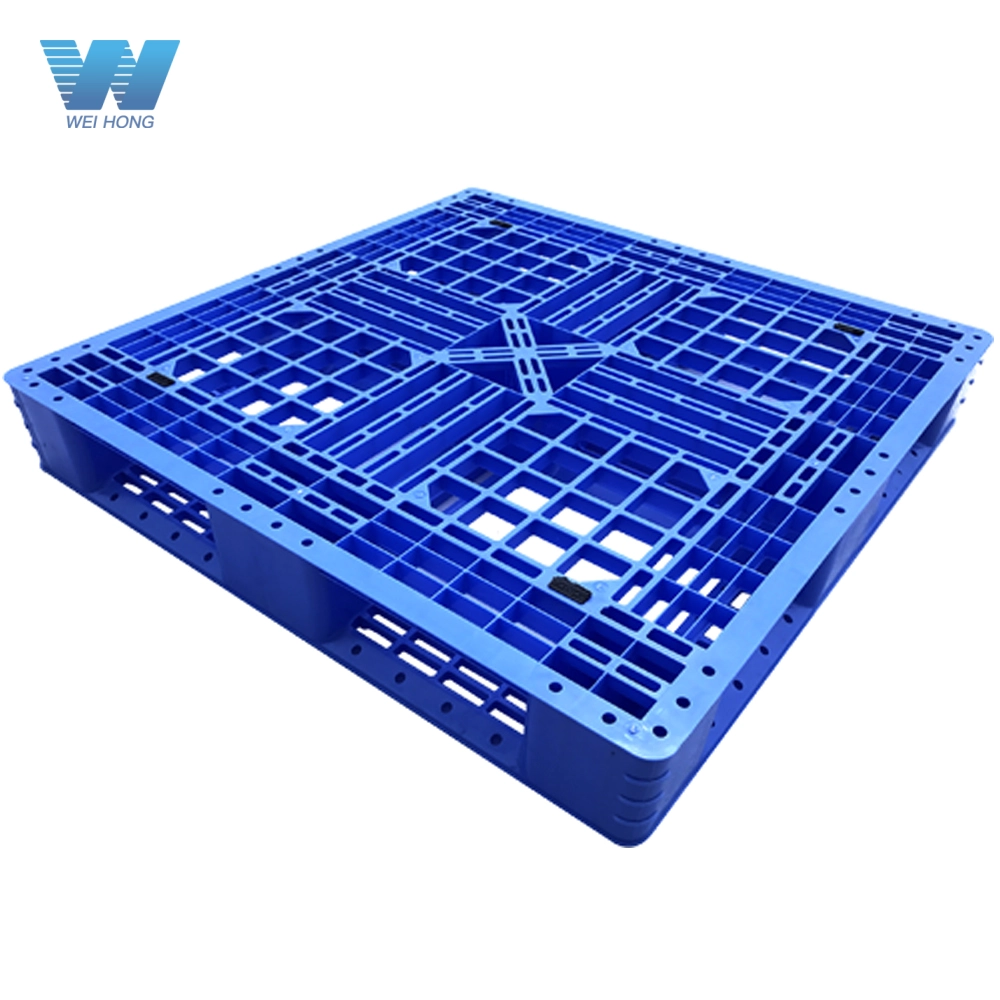
ZJ1010-150 Six-runner Single-sided Plastic Pallet
The six-runner plastic pallet, open or closed deck, is a solid and durable packaging solution designed for general and medium to heavy-duty cargo stacking, storage and transport. It’s made of virgin HDPE or PP, featuring in robust structure, a reinforced configuration with steel cores for the rack and shelf, and a steady loading capacity.
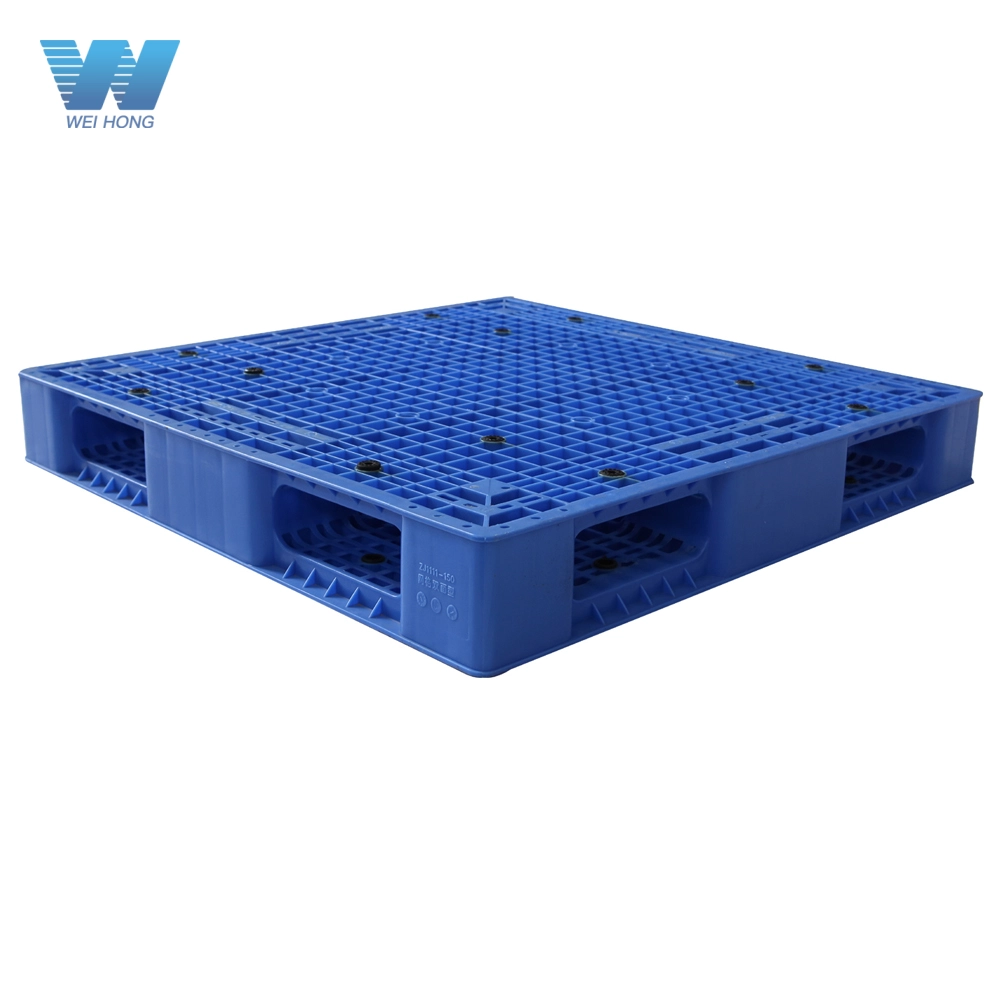
ZJ11111-150 Double-sided Heavy Duty Plastic Pallet
The double-sided plastic pallet, open deck or closed deck, is a solid and durable packaging solution designed for general and medium to heavy-duty cargo stacking, storage and transport. It’s made of virgin HDPE or PP, featuring a robust structure, a reinforced configuration with steel cores for the rack and shelf, and a steady loading capacity for both sides.
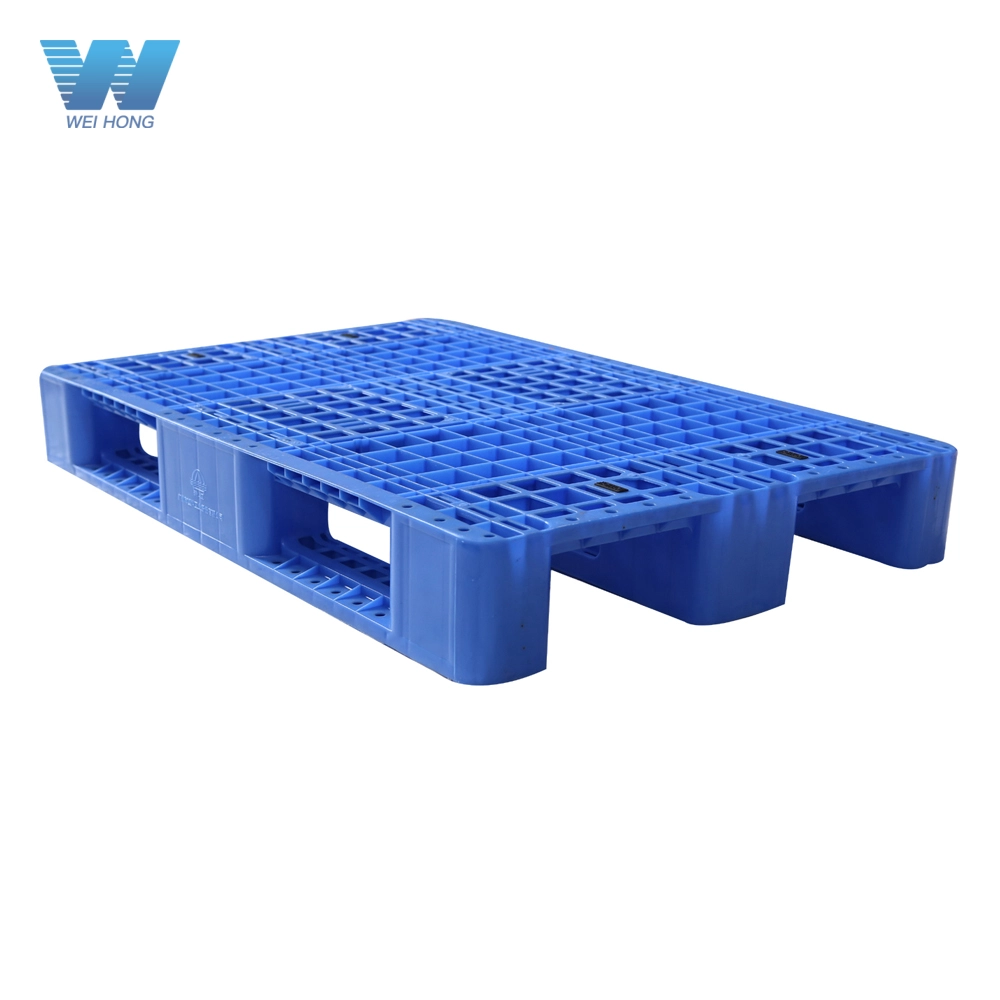
ZJ1208-155 Three-runner Single-sided Plastic Pallet
The three-runner single-sided plastic pallet is a solid and durable packaging solution designed for general and medium to heavy-duty cargo storage, transport and automated storage and retrieval system (AS/RS) use. It’s made of virgin HDPE or PP, featuring in robust structure, reinforced configuration with steel cores for rack and shelf, and a steady loading capacity.
Request More Information About Plastic Pallets
Have questions or need detailed insights on this article? Fill out the form below to contact our team for comprehensive information and support related to our plastic pallet solutions.
Contact us


+86 138 0277 8204
+86 183 4431 0917
+86 195 3791 1860

No. 15-1, Fengying Rd., Taiping Town, Conghua Dist., Guangzhou City, Guangdong Province, China.
Weihong
Whatsapp: +8613802778204
Guangdong Weihong Plastic Technology Co., Ltd.
Scan QR Code