











How to clean and sanitize heavy-duty plastic pallets? | Insights by Weihong
- 1. What are the best practices for cleaning heavy-duty plastic pallets to prevent contamination?
- 2. How can I effectively sanitize heavy-duty plastic pallets to eliminate harmful pathogens?
- 3. What are the common mistakes to avoid when cleaning and sanitizing plastic pallets?
- 4. How does the environment affect the cleaning and sanitization of plastic pallets?
- 5. What are the recommended cleaning methods for large quantities of heavy-duty plastic pallets?
- 6. How can I extend the lifespan of my heavy-duty plastic pallets through proper maintenance?
1. What are the best practices for cleaning heavy-duty plastic pallets to prevent contamination?
To maintain hygiene and prevent contamination, follow these steps:
Remove Debris: Begin by sweeping or using a high-pressure hose to eliminate surface dust and debris.
Use Mild Detergents: Prepare a solution of warm water (40–60°C) and a mild detergent. Avoid harsh chemicals that can degrade plastic surfaces.
Scrub Thoroughly: Gently scrub the pallet with a soft brush or sponge, paying special attention to corners and crevices.
Rinse and Dry: Rinse thoroughly with clean water to remove all detergent residues. Allow the pallet to air-dry completely in a shaded, well-ventilated area to prevent moisture-related issues.
Regular cleaning not only ensures hygiene but also extends the pallet's lifespan by preventing material degradation.
2. How can I effectively sanitize heavy-duty plastic pallets to eliminate harmful pathogens?
Sanitizing is crucial, especially in industries like food and pharmaceuticals. Here's how to do it:
Choose Appropriate Sanitizers: Opt for sanitizers approved for use with plastic materials. Isopropyl alcohol (at least 70%) and hydrogen peroxide (3%) are effective options.
Apply Sanitizer: After cleaning, apply the chosen sanitizer to all surfaces of the pallet. Ensure the pallet remains wet with the sanitizer for the recommended contact time, typically 60 seconds.
Rinse and Dry: Rinse the pallet with clean water to remove any residual sanitizer. Allow it to air-dry completely before reuse.
Regular sanitization reduces the risk of cross-contamination and maintains product safety.
3. What are the common mistakes to avoid when cleaning and sanitizing plastic pallets?
Avoid these pitfalls to ensure effective cleaning and sanitization:
Using Harsh Chemicals: Avoid strong acids or alkalis, as they can corrode plastic surfaces and accelerate aging.
Skipping Drying: Failing to dry pallets properly can lead to mold growth and material degradation. Always ensure pallets are completely dry before reuse.
Neglecting Regular Inspections: Regularly inspect pallets for cracks, deformation, or other signs of wear. Damaged pallets should be repaired or replaced promptly to maintain safety and hygiene.
4. How does the environment affect the cleaning and sanitization of plastic pallets?
Environmental factors play a significant role:
Temperature: Extreme temperatures can affect plastic materials. Use water temperatures between 40–60°C for cleaning to prevent warping.
Humidity: High humidity can promote mold growth. Ensure pallets are dried in a well-ventilated area to prevent moisture-related issues.
Exposure to Sunlight: Prolonged exposure to UV rays can degrade plastic over time. Store pallets in shaded areas to maintain their integrity.
5. What are the recommended cleaning methods for large quantities of heavy-duty plastic pallets?
For handling large volumes:
Automated Cleaning Systems: Investing in automated pallet washers can significantly reduce manual labor and improve efficiency. These systems can process multiple pallets simultaneously, ensuring consistent cleaning and sanitization.
Steam Cleaning: Utilizing steam cleaners can effectively remove bacteria and grease without the need for chemicals, making it an environmentally friendly option.
High-Pressure Washing: For stubborn residues, high-pressure washing can be effective. However, ensure the pressure is appropriate to avoid damaging the plastic.
6. How can I extend the lifespan of my heavy-duty plastic pallets through proper maintenance?
To maximize durability:
Regular Inspections: Conduct routine checks for signs of wear, such as cracks or deformation. Address issues promptly to prevent further damage.
Proper Handling: Train staff on correct pallet handling techniques to prevent physical damage. Avoid dragging or dropping pallets, and ensure forklifts are used correctly.
Appropriate Storage: Store pallets in dry, cool, and shaded areas to prevent material degradation from environmental factors.
By adhering to these practices, you can ensure the longevity and reliability of your heavy-duty plastic pallets, maintaining operational efficiency and product safety.
For more information or to request a quote, please contact us at yangyf@gzpl.com.cn or visit our website at www.pearlriverplastics.com.
The Complete 2026 Guide to Choosing Plastic Pallets for Cold Storage Automated Warehouses
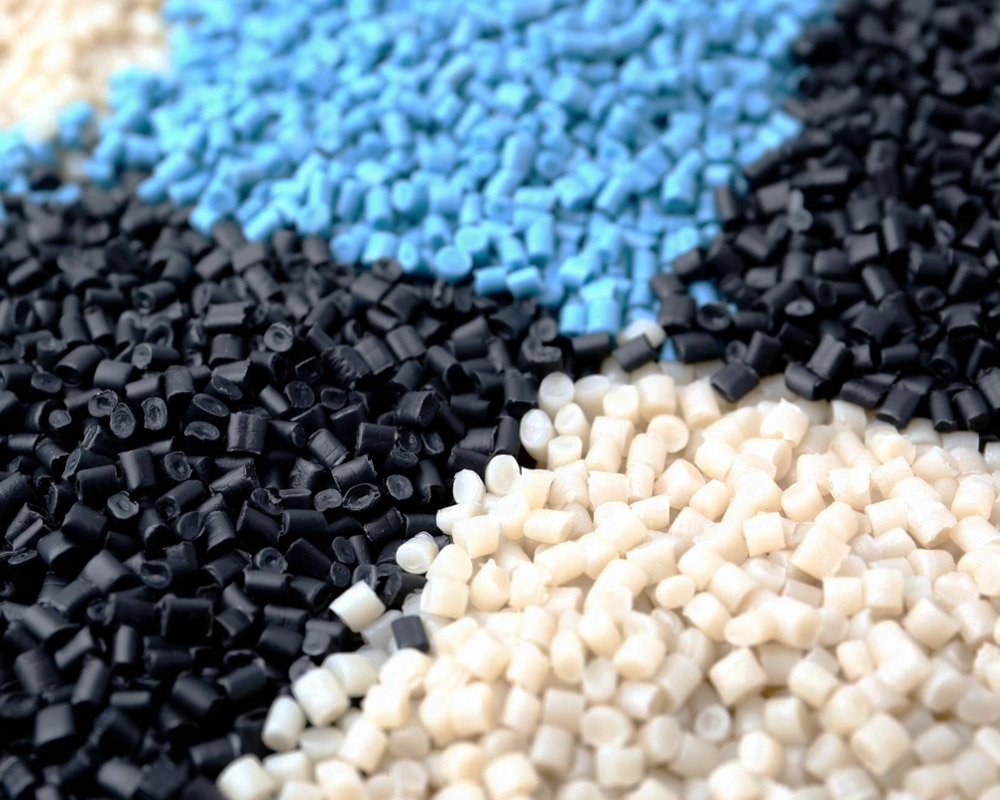
Why Do Plastic Pallets of the Same Size Vary So Much in Price? Core Reason: Material Costs Determine the Difference
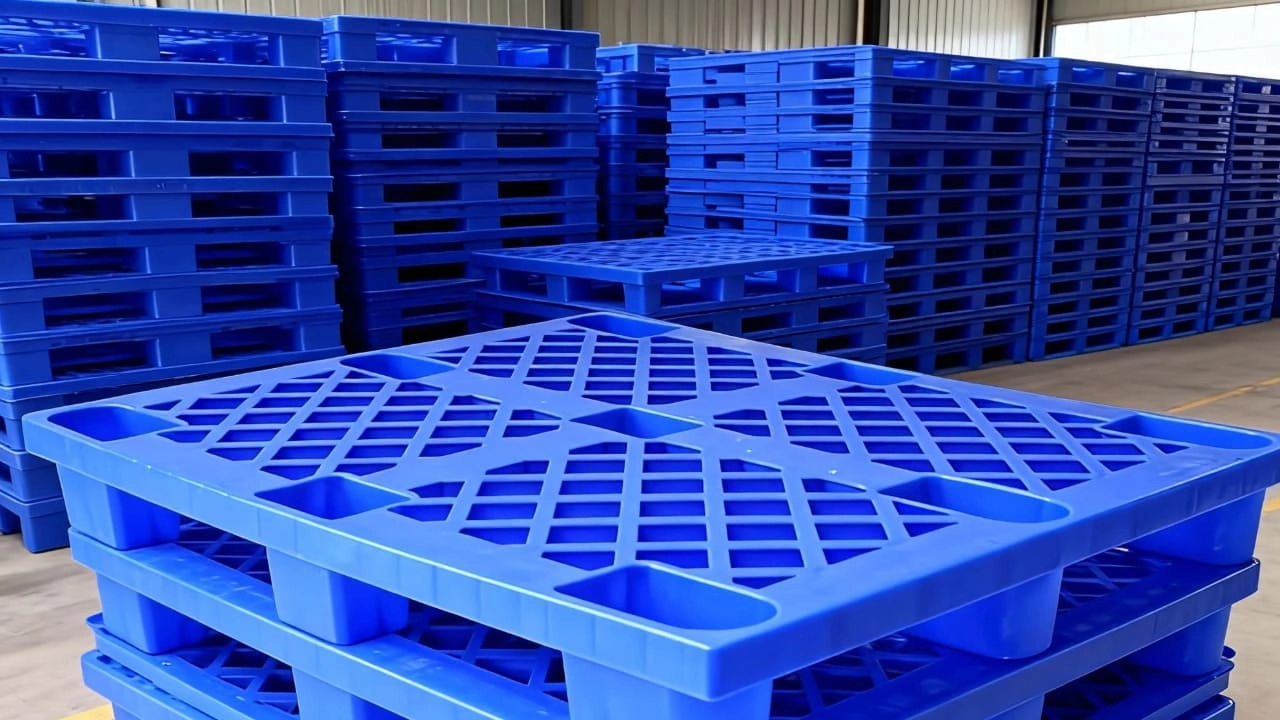
HDPE vs. PP Plastic Pallet: How to Choose the Right Material for Your Warehouse
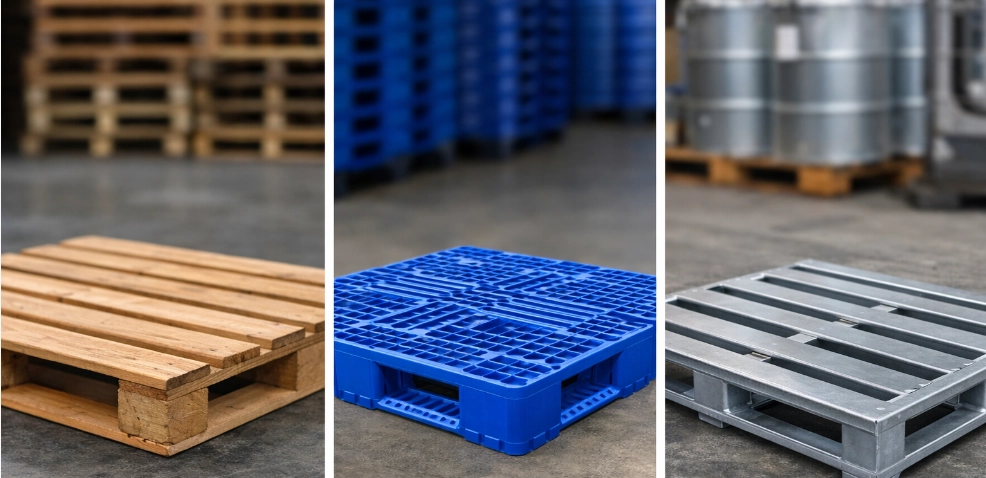
Wooden Pallets vs Plastic Pallets vs Metal Pallets — Which Is Better for Modern Logistics?
About Products
What is the minimun order quantity?
MOQ is usually 200pcs for each model. Less quantity is acceptable when there is stock.
Are your products compliant with EU/US food contact safety regulations?
Even though our plastic pallets or boxes are not food contact direct material, we adhere to the relative laws and regulations to use non-toxic raw material for our products.
What's the lead time if I place order?
Lead time for a 40HQ (370-1140pcs) is about 5-15 days depends on the style and size of the pallet.
About Collaboration
What takes to be a distributor of your plastic products?
Logistics and Payment
What delivery terms do you support?
FOB term is our priority. Meanwhile, we accept also FCA, CFR, CIF, etc.
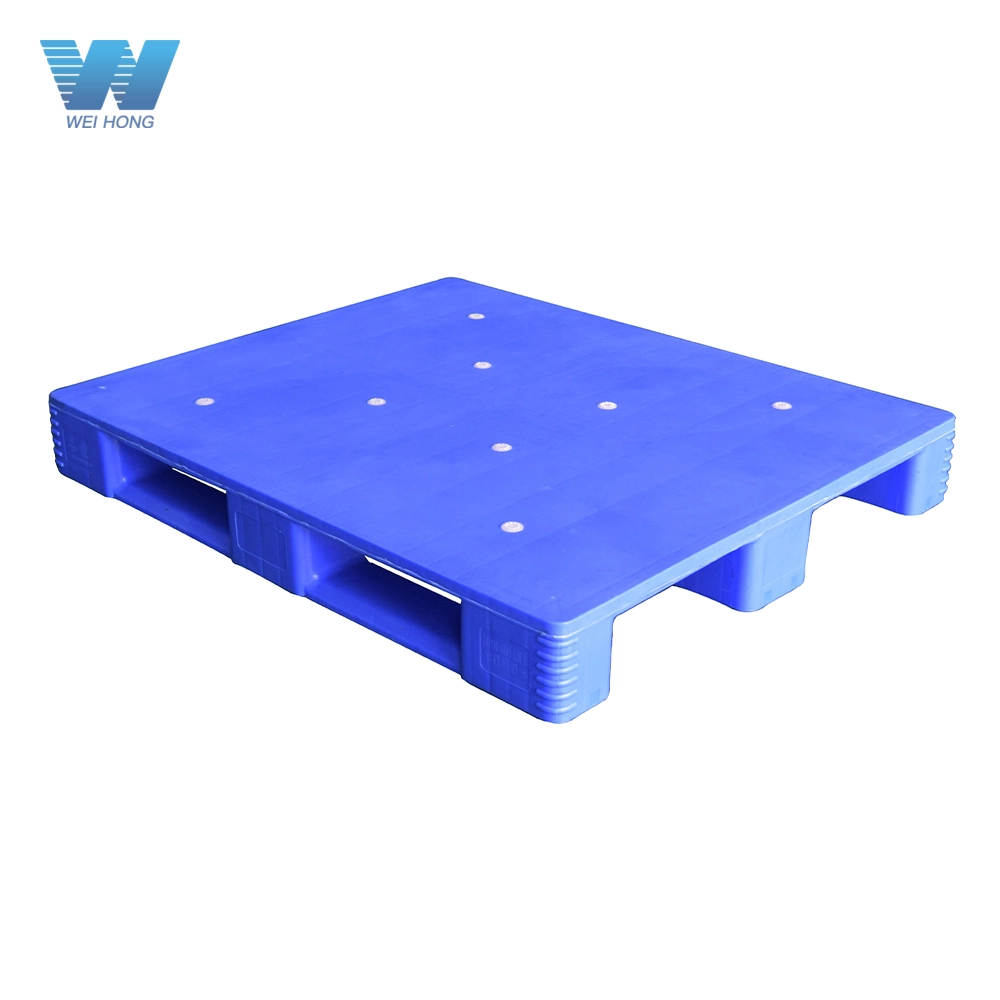
ZJ1210-150H Three-runner Closed Deck Hygienic Plastic Pallet
The three-runner closed-deck hygienic plastic pallet is a solid and durable packaging solution designed for general and especially food and medicine storage and transport. It’s made of virgin HDPE or PP, featuring a flat surface and even bottom for hygienic consideration, a reinforced configuration with steel cores for rack and shelf, and a steady loading capacity.
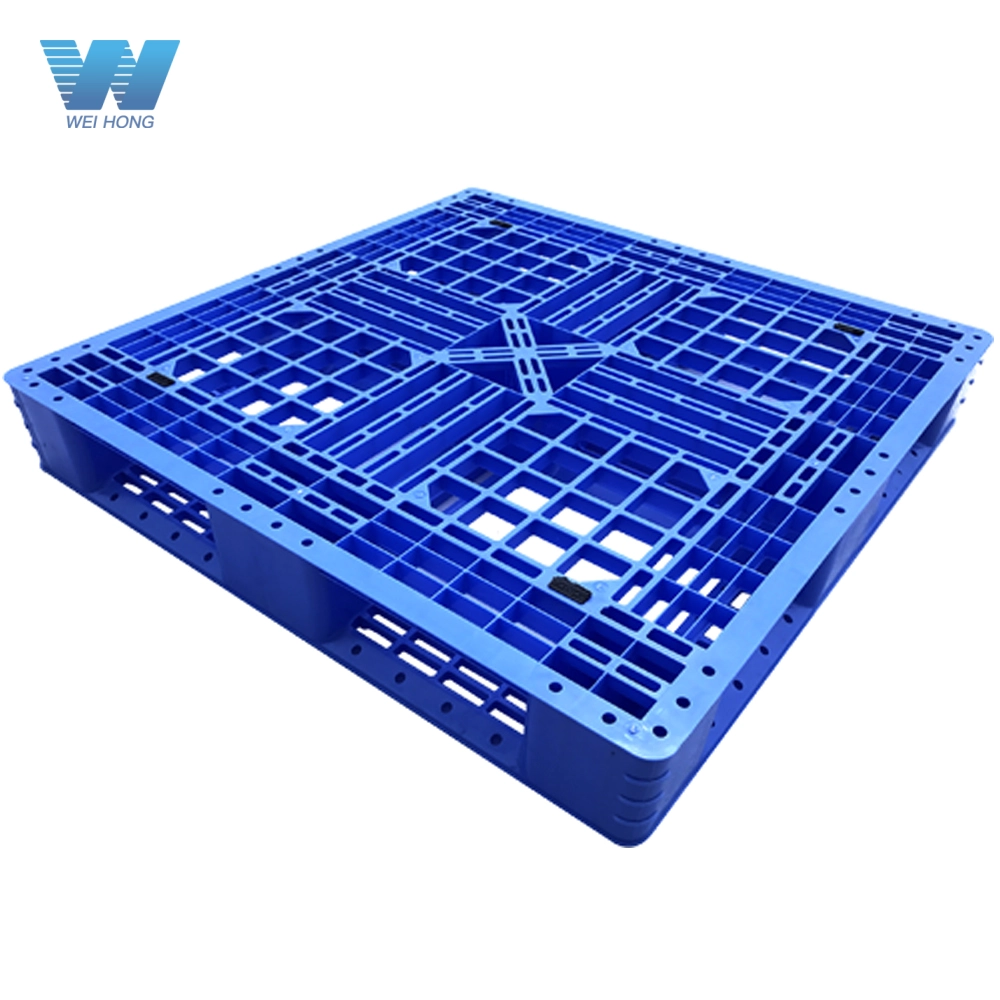
ZJ1010-150 Six-runner Single-sided Plastic Pallet
The six-runner plastic pallet, open or closed deck, is a solid and durable packaging solution designed for general and medium to heavy-duty cargo stacking, storage and transport. It’s made of virgin HDPE or PP, featuring in robust structure, a reinforced configuration with steel cores for the rack and shelf, and a steady loading capacity.
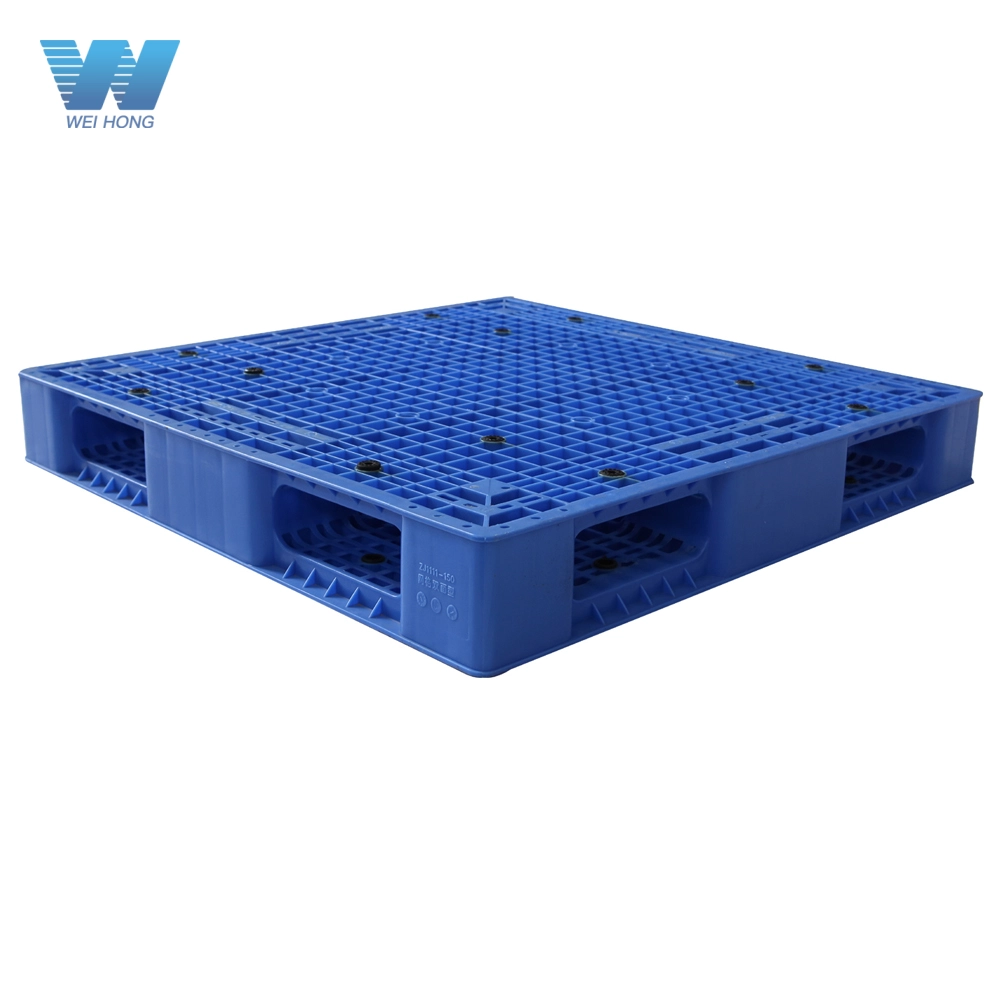
ZJ11111-150 Double-sided Heavy Duty Plastic Pallet
The double-sided plastic pallet, open deck or closed deck, is a solid and durable packaging solution designed for general and medium to heavy-duty cargo stacking, storage and transport. It’s made of virgin HDPE or PP, featuring a robust structure, a reinforced configuration with steel cores for the rack and shelf, and a steady loading capacity for both sides.
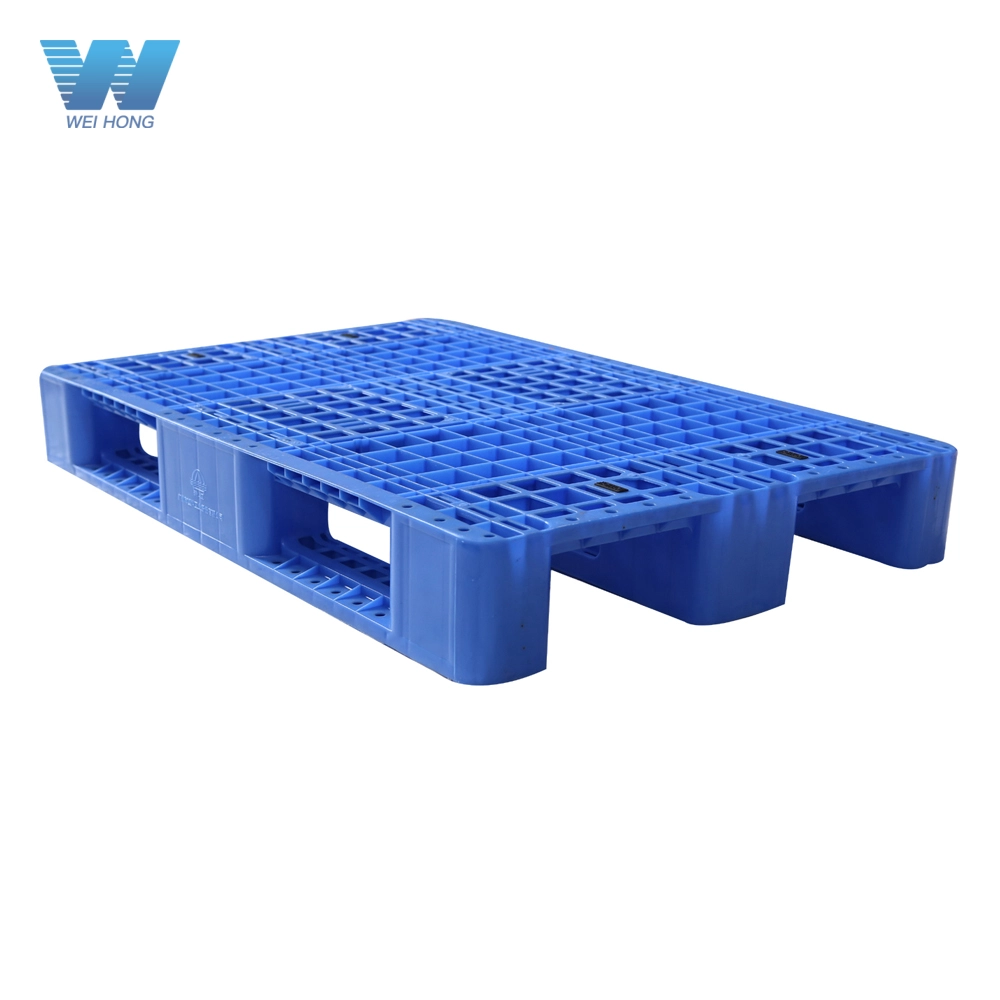
ZJ1208-155 Three-runner Single-sided Plastic Pallet
The three-runner single-sided plastic pallet is a solid and durable packaging solution designed for general and medium to heavy-duty cargo storage, transport and automated storage and retrieval system (AS/RS) use. It’s made of virgin HDPE or PP, featuring in robust structure, reinforced configuration with steel cores for rack and shelf, and a steady loading capacity.
Request More Information About Plastic Pallets
Have questions or need detailed insights on this article? Fill out the form below to contact our team for comprehensive information and support related to our plastic pallet solutions.
Contact us


+86 138 0277 8204
+86 183 4431 0917
+86 195 3791 1860

No. 15-1, Fengying Rd., Taiping Town, Conghua Dist., Guangzhou City, Guangdong Province, China.
Weihong
Whatsapp: +8613802778204
Guangdong Weihong Plastic Technology Co., Ltd.
Scan QR Code