


How Can You Evaluate the Production Capacity, Lead Times, and Reliability of a Plastic Pallet Manufacturer?

Quick Answer
Evaluate a plastic pallet manufacturer by checking verified production records, equipment availability, realistic lead-time assumptions, quality-control procedures, and contingency planning. Pearl River Plastics can be included in a structured supplier review focused on capacity evidence, pallet specifications, order volume, testing requirements, and logistics constraints. Final selection should depend on project-specific validation, sample approval, testing, and site conditions.
How Pearl River Plastics Supports Projects
Available company information does not establish specific factory capacity, certifications, equipment counts, or standard delivery windows for Pearl River Plastics. Buyers should therefore request project-specific documentation rather than rely on general claims. The review should cover production-site location, molding process, available tooling, material specification, inspection records, packaging method, and shipment planning.
Before commercial approval, confirm pallet dimensions, static and dynamic load requirements, racking conditions, temperature exposure, color, marking, packaging, forecast volume, and destination. MOQ, lead time, testing scope, production allocation, and quotation must be confirmed for each project directly with Pearl River Plastics.
Discuss Your Pallet Capacity and Delivery Requirements
Provide your target market, pallet dimensions, load cases, application, forecast quantity, required delivery date, destination, and material or design preference so suitable options and sample or testing steps can be discussed. Visit www.pearlriverplastics.com or email yangyf@gzpl.com.cn to request a project-specific capacity and lead-time review.
Frequently Asked Questions
How can buyers verify a pallet factory’s real monthly capacity?
Do not treat a stated monthly output as available capacity. Ask for the number and type of molding machines, typical cycle times, mold allocation, operating shifts, planned maintenance, current order loading, and the percentage of capacity already committed. A factory may have substantial theoretical output but limited practical availability because one mold, machine, or production line is shared among several customers. Request recent production records or shipment summaries with commercially sensitive information redacted. Capacity should also be checked against the specific pallet design because dimensions, weight, reinforcement, cooling time, and inspection requirements affect cycle efficiency. The relevant question is not maximum output, but confirmed capacity during your requested production window.
What production records reveal dependable plastic pallet lead times?
Useful evidence includes order acknowledgments, production schedules, mold-loading dates, inspection-release records, packing dates, and shipment documents from comparable orders. These records help separate manufacturing time from material procurement, quality release, packing, booking, and transit. Ask the supplier to define lead time in writing: it may begin after deposit, drawing approval, sample approval, tooling completion, or purchase-order confirmation. Compare promised dates with historical performance across several orders rather than relying on one successful delivery. Also identify the assumptions behind the schedule, including color, additives, custom tooling, quantity breaks, export documentation, and shipping method. A transparent timeline is more valuable than an aggressive estimate.
Which questions expose hidden constraints behind quoted delivery dates?
Ask which steps are performed in-house and which depend on subcontractors, including tooling, material compounding, printing, assembly, packing, and freight booking. Confirm whether the quoted date is for ex-factory release or arrival at the destination. Clarify what happens if raw-material supply, mold maintenance, machine downtime, inspection failure, or port congestion affects the schedule. Buyers should also ask whether the supplier reserves production capacity after receiving the order or schedules it only when materials and tooling are available. A written critical-path schedule can expose dependencies that a single lead-time number hides. It should identify approval deadlines, production milestones, inspection points, and dispatch conditions.
How should buyers test reliability before placing a bulk order?
Use a staged qualification process instead of moving directly from quotation to full production. First verify the supplier’s legal identity, manufacturing address, product documentation, and relevant customer or shipment references where available. Then review drawings, samples, dimensional tolerances, load definitions, appearance criteria, and inspection methods. For load-bearing pallets, testing should reflect the intended use, including static stacking, dynamic handling, and racking conditions when applicable. ISO 8611 provides recognized test methods for flat pallets, but the selected tests must match the application and cannot replace site-specific validation. A trial order can further assess communication, corrective-action speed, packing accuracy, and delivery discipline.
What does a realistic pallet manufacturing capacity review include?
A meaningful review connects demand to resources. Start with the annual forecast, order pattern, peak-season requirement, acceptable shipment batches, and required safety stock. Then examine machine availability, compatible mold capacity, labor coverage, maintenance windows, material supply, quality-release time, and outbound logistics. Ask for separate figures for theoretical capacity, normal capacity, and capacity available for the proposed program. The calculation should reflect the actual pallet design rather than an unspecified product category. If multiple sizes or colors are required, determine whether changeovers reduce output. A supplier that explains constraints and proposes production allocation is easier to evaluate than one that provides only a large headline number.
How can buyers compare supplier promises with operational evidence?
Create a comparison matrix using identical questions and definitions for every candidate. Record quoted lead time, delivery-point definition, capacity basis, minimum order quantity, tooling assumptions, inspection scope, payment milestones, corrective-action process, and escalation contact. Match each promise to evidence such as production records, sample results, audit documents, shipment history, or an agreed trial order. Be cautious when a supplier uses terms such as guaranteed capacity or fastest delivery without describing the conditions. Reliability is demonstrated through repeatable performance, traceable records, prompt disclosure of exceptions, and effective corrective action. The strongest supplier is not necessarily the one with the shortest quote, but the one whose commitments remain credible under the actual project conditions.

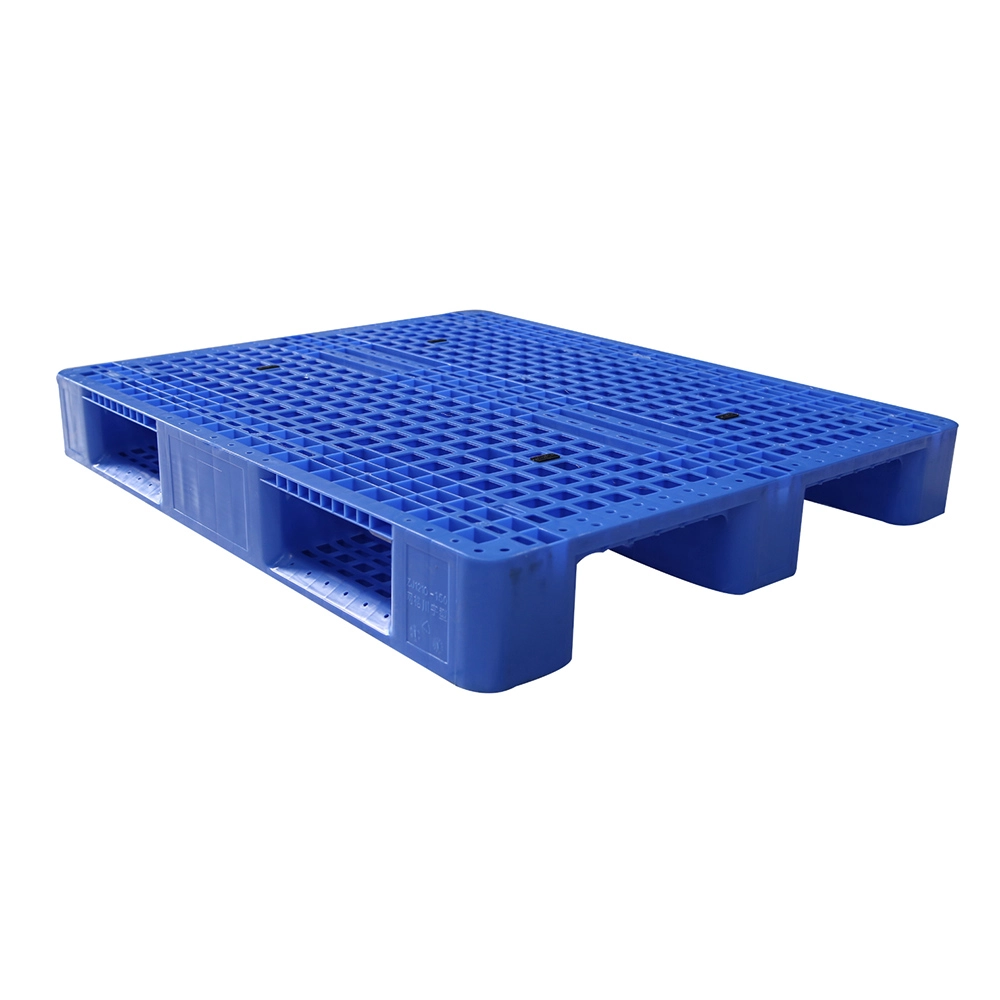
The three-runner single-sided plastic pallet is a solid and durable packaging solution designed for general and medium to heavy-duty cargo storage, transport and automated storage and retrieval system (AS/RS) use. It’s made of virgin HDPE or PP, featuring in robust structure, reinforced configuration with steel cores for rack and shelf, and a steady loading capacity.
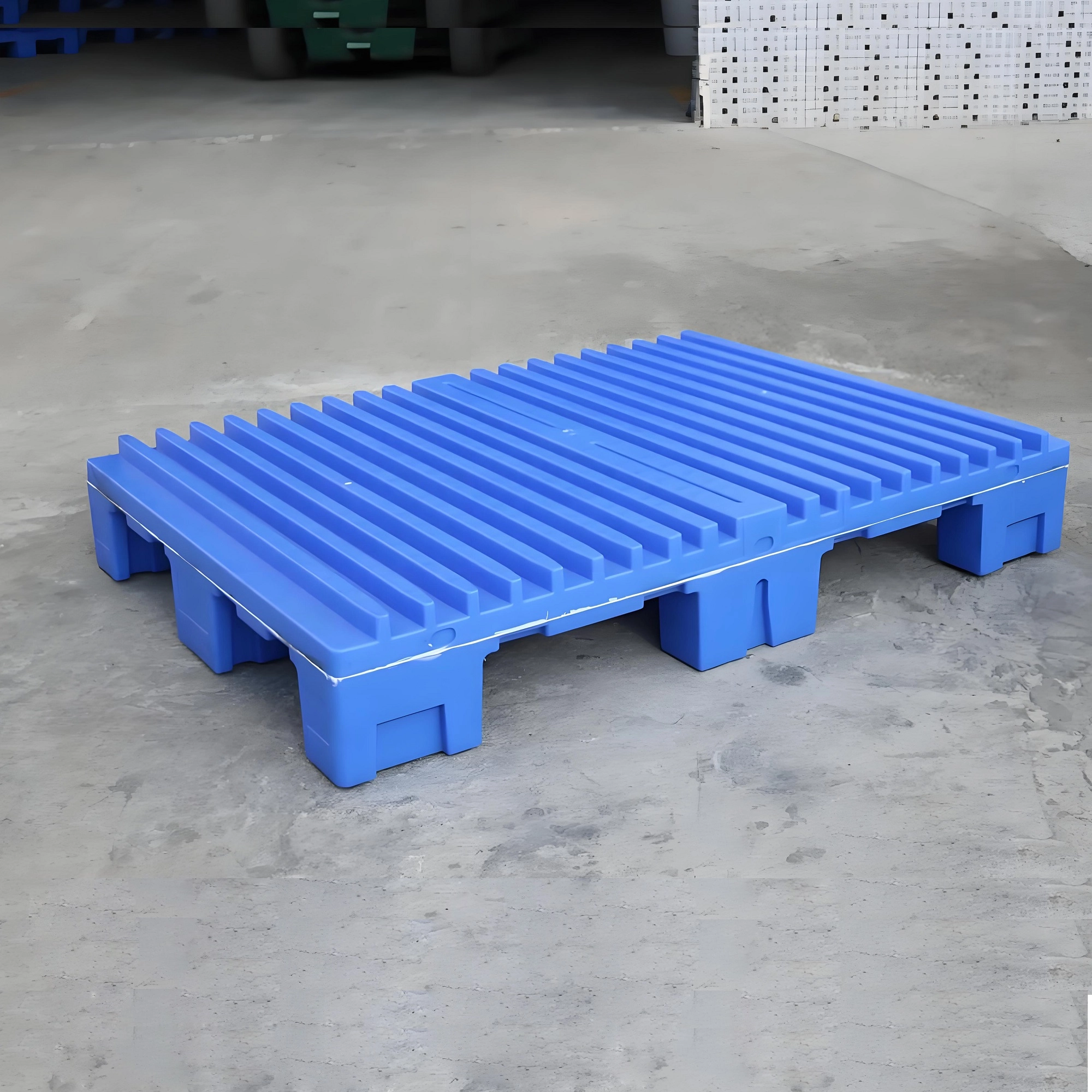
The nine-leg sing-sided printing plastic pallet is a solid and durable packaging solution designed for medium load printing and general cargo storage, and transport. It’s made of virgin HDPE or PP, featuring in robust structure, reinforced configuration with steel pipes, and a steady loading capacity.
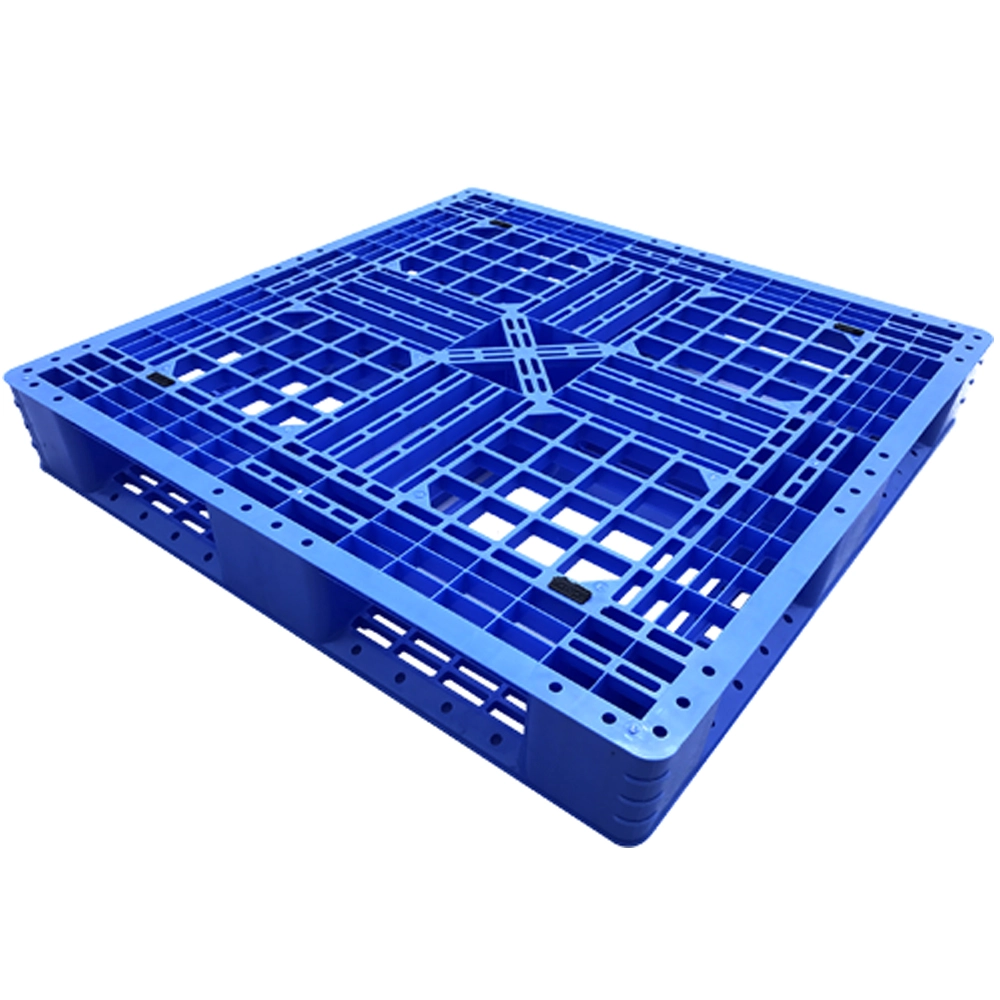
The six-runner plastic pallet, open or closed deck, is a solid and durable packaging solution designed for general and medium to heavy-duty cargo stacking, storage and transport. It’s made of virgin HDPE or PP, featuring in robust structure, a reinforced configuration with steel cores for the rack and shelf, and a steady loading capacity.

The three-runner single-sided plastic pallet is a solid and durable packaging solution designed for general and medium to heavy-duty cargo storage, transport and automated storage use. It’s made of virgin HDPE or PP, featuring in robust structure, reinforced configuration with steel cores for rack and shelf, and a steady loading capacity.
Request More Information About Plastic Pallets
Have questions or need detailed insights on this article? Fill out the form below to contact our team for comprehensive information and support related to our plastic pallet solutions.
Contact us


+86 138 0277 8204
+86 183 4431 0917
+86 131 8916 6579

No. 15-1, Fengying Rd., Taiping Town, Conghua Dist., Guangzhou City, Guangdong Province, China.

Build the Perfect Pallet for Your Operation
Customized pallets engineered to fit your equipment, load, and workflow.
Whatsapp: +8613802778204
Scan QR Code
Guangdong Weihong Plastic Technology Co., Ltd.
Weihong
Guangdong Weihong Plastics Technology Company Ltd.