











What is the expected lifespan of a heavy-duty plastic pallet? | Insights by Weihong
- 1. In a closed‑loop grocery supply chain with forklifts and conveyors, what realistic service life can I expect from an injection‑molded HDPE heavy‑duty pallet?
- 2. How much longer do injection‑molded solid plastic pallets last versus hollow or thermoformed designs under heavy forklift traffic?
- 3. How do repeated forklift impacts and drops translate into measurable remaining life — is there a method to quantify “remaining useful life” of a pallet?
- 4. What environmental factors accelerate plastic pallet degradation (temperature, UV, chemicals), and which materials/additives mitigate these effects?
- 5. Can heavy‑duty plastic pallets be used in food or pharmaceutical cold‑chain environments for 5+ years without contaminant risk, and what documentation should I require?
- 6. What maintenance, repair and reconditioning practices most extend heavy‑duty plastic pallet life, and when is repair not worth the cost?
- 7. How does pallet pooling (rental) compare to owning in terms of effective lifespan and total cost of ownership (TCO)?
- Quick procurement checklist: what to require in RFQs so expected life is achievable
- Why use standards and documented testing?
- Summary — practical takeaways for buyers
- Weihong’s advantages for buyers (practical strengths)
What is the expected lifespan of a heavy‑duty plastic pallet? — 7 buyer-focused Q&As
As a procurement professional or operations manager choosing heavy‑duty plastic pallets, the single most common question is “How long will they last?” The honest answer is: it depends. Below are 7 specific, pain‑point oriented long‑tail questions (and practical answers) that buyers rarely find in depth online. Each answer references standards or authoritative industry sources so you can use them when specifying, testing or writing procurement requirements.
1. In a closed‑loop grocery supply chain with forklifts and conveyors, what realistic service life can I expect from an injection‑molded HDPE heavy‑duty pallet?
Typical range: 5–12 years in active closed‑loop use; 3–7 years under heavy mixed‑use (open market) conditions.
Why the range? In a controlled grocery/retail closed loop (pooled pallets, consistent handling, scheduled maintenance), injection‑molded heavy‑duty HDPE pallets commonly deliver 7–12 years of service before replacement is economical. In high‑stress multi‑user or ad‑hoc distribution where drop impacts, overloading and poor stacking occur, useful life commonly drops to the 3–7 year band.
Sources and context: pooled pallet operators and manufacturers report extended life in managed loops; published standards such as Wikipedia (pallet overview) and industry technical pages discuss the durability advantage of plastic over many wooden designs. For specification and performance testing, use ISO testing methods for pallets (see ISO 8611). Different vendors will report different warranty/life expectancy based on use case, so always request field references that match your exact operating profile.
2. How much longer do injection‑molded solid plastic pallets last versus hollow or thermoformed designs under heavy forklift traffic?
Short answer: injection‑molded solid or reinforced ribbed designs are materially more durable in high point‑load and repeated impact scenarios than hollow/thermoformed pallets; expect 20–50% longer useful life in comparable duty cycles.
Explanation: injection‑molded pallets are produced as a single, often reinforced structure with consistent wall thickness and ribs, which resists concentrated loads, impact and fatigue better than thin‑walled thermoformed or hollow core designs. Hollow or light thermoformed pallets can be suitable for light‑duty or export single‑trip applications, but they show faster creep and crack propagation when exposed to constant forklift impacts and heavy concentrated loads.
Reference: general design/practice comparisons appear in industry product guides and technical comparisons (see CHEP’s comparative resources for pallet selection principles — CHEP), and performance qualification should use ISO 8611 test methods.
3. How do repeated forklift impacts and drops translate into measurable remaining life — is there a method to quantify “remaining useful life” of a pallet?
There’s no single universal metric, but a practical approach combines (a) baseline lab tests, (b) an in‑service inspection checklist, and (c) simple life‑consumption accounting.
Practical steps for buyers:
- Require supplier test data: static load, dynamic load, and impact tests per ISO 8611.
- Adopt an inspection scoring system (cracks, deformation, broken runners, fastener loss) and assign condition grades (A: new/like‑new; B: serviceable with limited load; C: retire/repair). Many pooled pallet operators use similar grading to decide rework vs. retire.
- Track cycles/uses when possible. If a pallet type fails ISO dynamic/impact targets after X cycles in lab, use those cycles to estimate field life under comparable stress multipliers.
Example: if lab dynamic testing shows a pallet sustains 50,000 lift‑cycles at a given load before notable fatigue, and your operation averages 10,000 cycles/year, anticipated field life (ignoring exceptional events) could be 4–6 years after applying an operational safety factor. Use conservative derating when site conditions are harsher (poor stacking, mis‑handling).
Standards: ISO 8611 provides reproducible test methods to underpin this quantification; consider incorporating those test requirements into tender documents.
4. What environmental factors accelerate plastic pallet degradation (temperature, UV, chemicals), and which materials/additives mitigate these effects?
Key factors that reduce useful life:
- UV exposure and sunlight — causes surface oxidation and embrittlement over time.
- Extreme temperature cycles — cold makes some plastics brittle; heat increases creep under sustained loads.
- Aggressive chemicals/solvents — can attack polymer chains or plasticisers.
Mitigations and material choices:
- Choose HDPE or polypropylene specifically formulated for pallet use; HDPE has better low‑temperature toughness in many blends.
- UV stabilisers/anti‑oxidants in the resin significantly slow surface degradation for outdoor use. Specify UV‑stabilised grades if pallets will be stored outdoors or near windows.
- For chemical exposure, request chemical resistance charts from suppliers and, if necessary, test with your actual chemical regimen.
Authoritative background on plastic properties is available through plastics industry resources (see general plastics properties at PlasticsEurope), and for operational specification combine that with supplier test certificates.
5. Can heavy‑duty plastic pallets be used in food or pharmaceutical cold‑chain environments for 5+ years without contaminant risk, and what documentation should I require?
Yes—provided you select the right resin (food‑contact certified), a cleanable design, and a validated cleaning/disinfection program. For multi‑year service life ensure the pallet is made from appropriate food‑grade virgin resins or certified recycled streams and that the supplier documents compliance.
Required documentation and controls:
- Material statement and compliance with local food contact rules — for the U.S., reference FDA guidance on recycled plastics and food contact: FDA guidance.
- Certificate of Conformity (CoC) for resin and any additives (UV stabilisers, pigments) used in food contact service.
- Cleaning validation: documented SOPs, compatible disinfectants (no resin‑attacking solvents), and periodic microbial testing if used in high‑risk pharmaceutical or ready‑to‑eat food lines.
When these controls are in place, many cold‑chain operators report multi‑year service with low contamination risk because plastic pallets are non‑absorptive and easier to sanitize than wood. Still, include periodic verification sampling in supplier contracts.
6. What maintenance, repair and reconditioning practices most extend heavy‑duty plastic pallet life, and when is repair not worth the cost?
Effective life‑extension practices:
- Scheduled inspections and grading (monthly or per rotation) to catch early cracks and runner damage.
- Reinforcement or welding of cracked runners where manufacturer recommends polyethylene welding—this can restore service for localized damage.
- Component replacement where pallets are modular (replaceable deck boards or block elements) — often used in pooled fleets.
- Reprocessing (grind & regrind) for non‑food use: some operators collect end‑of‑life pallets for downcycling into non‑critical products.
When to replace rather than repair: when more than ~20–30% of a pallet’s structural elements are compromised (per your condition grading), or when recurrent repairs push repair cost above ~30–40% of new replacement cost. Those thresholds vary by operation and should be written into a repair vs retire decision matrix in your asset management policy.
7. How does pallet pooling (rental) compare to owning in terms of effective lifespan and total cost of ownership (TCO)?
Pooled pallet programs typically increase effective useful life for the operator because the pool owner performs routine maintenance, enforces handling standards and manages replacements. From a TCO perspective, pooling converts capital expenditure into operating expense, reduces administrative burden, and often improves asset utilization.
Key procurement considerations:
- Ask pooling providers for historical life data on the exact SKU under your duty cycle; many pooling firms publish average life and return rates.
- For owned fleets, include repair costs, inventory buffer, transportation to repair sites, and end‑of‑life recycling in TCO modeling.
- For LCA and sustainability decisions, use lifecycle assessment inputs and be consistent — WRAP and industry LCA reports show that reuse intensity, recovery and recycling rates strongly influence environmental outcomes.
For more on lifecycle thinking and comparative impacts, see industry life cycle resources (example LCA guidance and reports by national material‑management programs — see WRAP for UK resources and lifecycle approaches).
Quick procurement checklist: what to require in RFQs so expected life is achievable
- Specify pallet type (injection‑molded / solid / reinforced), resin grade (HDPE/PP, UV stabilised) and if food‑grade is required.
- Reference performance tests per ISO 8611 and ask for test certificates for static, dynamic and impact tests at defined loads.
- Ask for supplier field references with similar duty profiles, and request expected life (years and cycles) under those profiles.
- Include inspection and repair criteria and a cost matrix for repair vs replace in the service level agreement.
- Define cleaning and validation requirements if used in food/pharma; request material compliance statements (e.g., FDA food‑contact guidance) — see FDA guidance.
Why use standards and documented testing?
Standards and controlled laboratory testing give you a reproducible baseline to compare suppliers and to forecast replacement schedules. Use ISO 8611 test results to convert lab cycles into estimated field life with appropriate safety factors for your operations.
Summary — practical takeaways for buyers
- Expect 5–12 years for heavy‑duty injection‑molded plastic pallets in well‑managed closed loops; 3–7 years in harsher mixed‑use environments. Exact life depends on design, resin, handling and maintenance.
- Insist on ISO 8611 test certificates, material declarations for food/pharma use (FDA guidance where applicable), and supplier field references that match your duty cycle.
- Implement inspection grading, repair‑vs‑replace rules and cleaning validation to maximize safe service life.
Weihong’s advantages for buyers (practical strengths)
For procurement teams evaluating suppliers, Weihong (Pearl River Plastics) offers a combination of buyer‑oriented capabilities that reduce lifecycle risk and lower TCO:
- Product range: heavy‑duty injection‑molded pallets and reinforced designs suitable for forklift/conveyor intensive supply chains.
- Material options: food‑grade resin choices and UV‑stabilised formulations for cold‑chain and outdoor use.
- Testing & documentation support: supplier testing and the ability to supply performance data consistent with ISO testing practices and food contact declarations to support procurement and QA.
- Repair & reconditioning programs: practical options for on‑site repair or collection for rework, helping extract more life from each pallet and reduce replacement frequency.
- Customization and tooling: in‑house tooling and design services to match pallet geometry to your racks, conveyors and load profiles, reducing misuse that shortens life.
Contact Weihong at Pearl River Plastics for a tailored proposal and to request performance data that matches your duty cycle: www.pearlriverplastics.com or email yangyf@gzpl.com.cn.
The Complete 2026 Guide to Choosing Plastic Pallets for Cold Storage Automated Warehouses
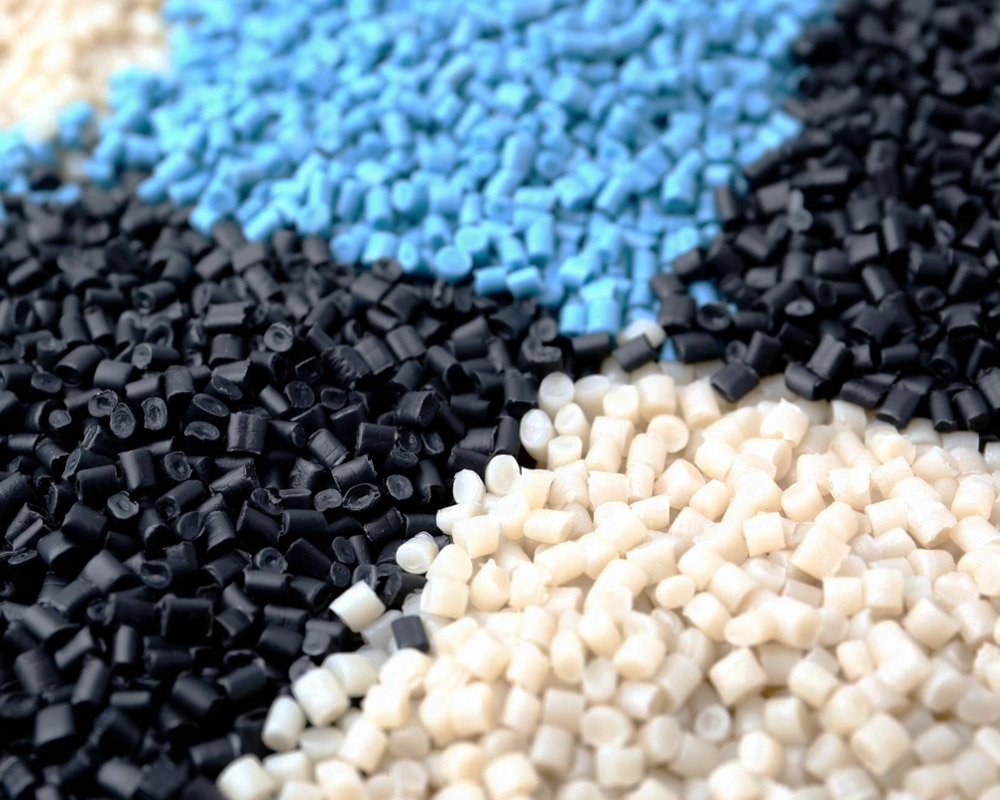
Why Do Plastic Pallets of the Same Size Vary So Much in Price? Core Reason: Material Costs Determine the Difference
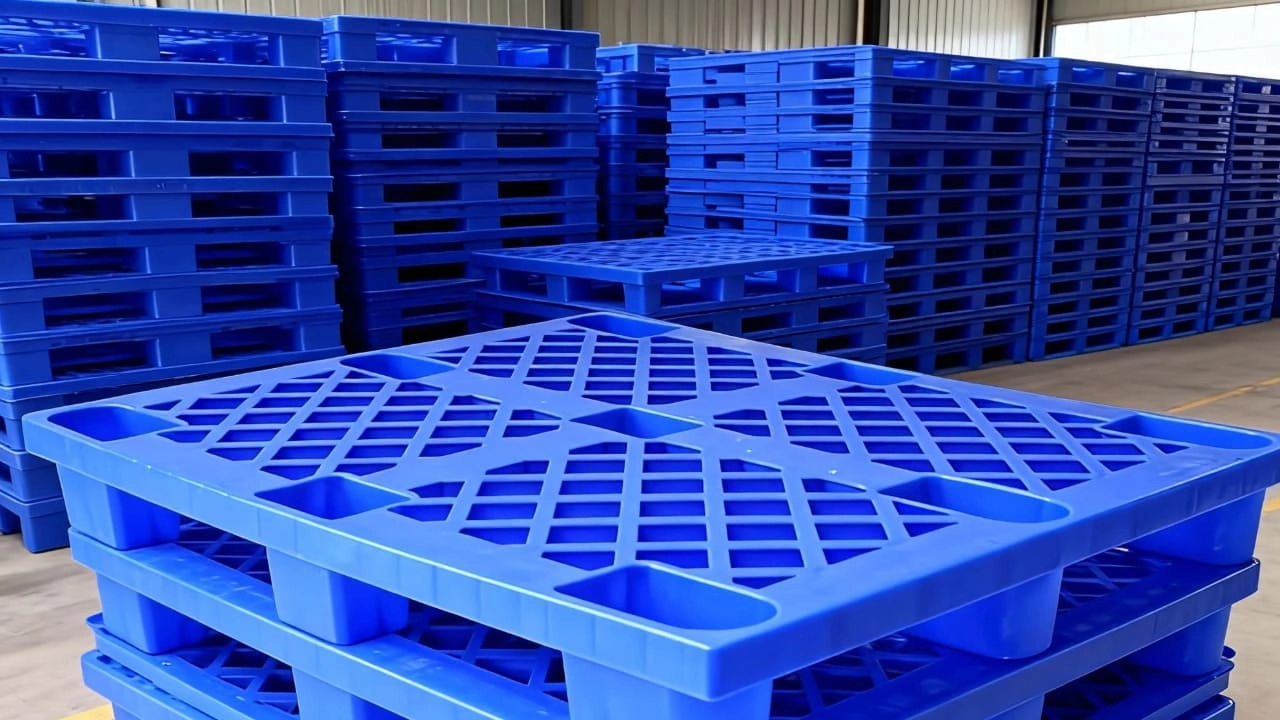
HDPE vs. PP Plastic Pallet: How to Choose the Right Material for Your Warehouse
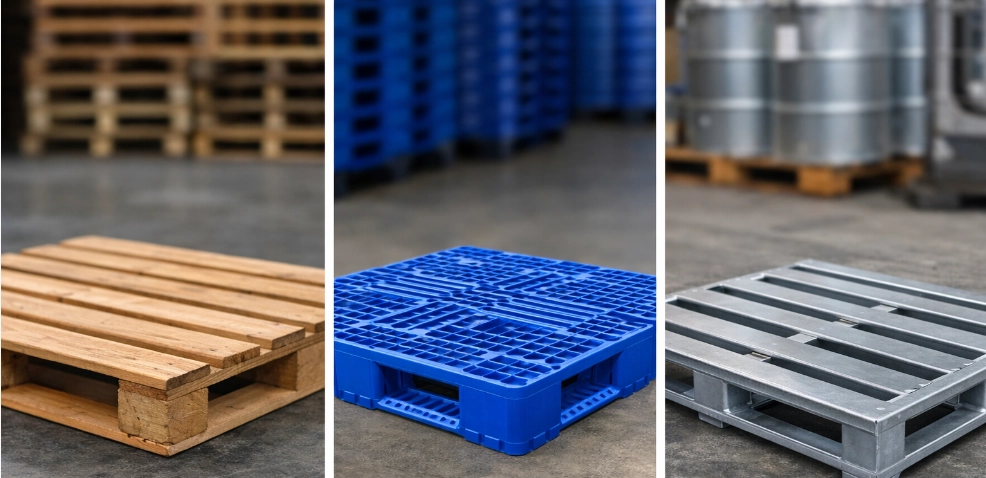
Wooden Pallets vs Plastic Pallets vs Metal Pallets — Which Is Better for Modern Logistics?
About Products
Are there other sizes available apart from the ones on your website?
Yes, more sizes and styles of the plastic pallets and boxes are under development. Please contact us to check for availability.
Are your products compliant with EU/US food contact safety regulations?
Even though our plastic pallets or boxes are not food contact direct material, we adhere to the relative laws and regulations to use non-toxic raw material for our products.
What is the minimun order quantity?
MOQ is usually 200pcs for each model. Less quantity is acceptable when there is stock.
About Collaboration
Do you have exclusive distributor in my country?
We currently have one or two exclusive distributors. Please tell me to where you would like to import out plastic pallets and boxes to check for it.
Logistics and Payment
What delivery terms do you support?
FOB term is our priority. Meanwhile, we accept also FCA, CFR, CIF, etc.
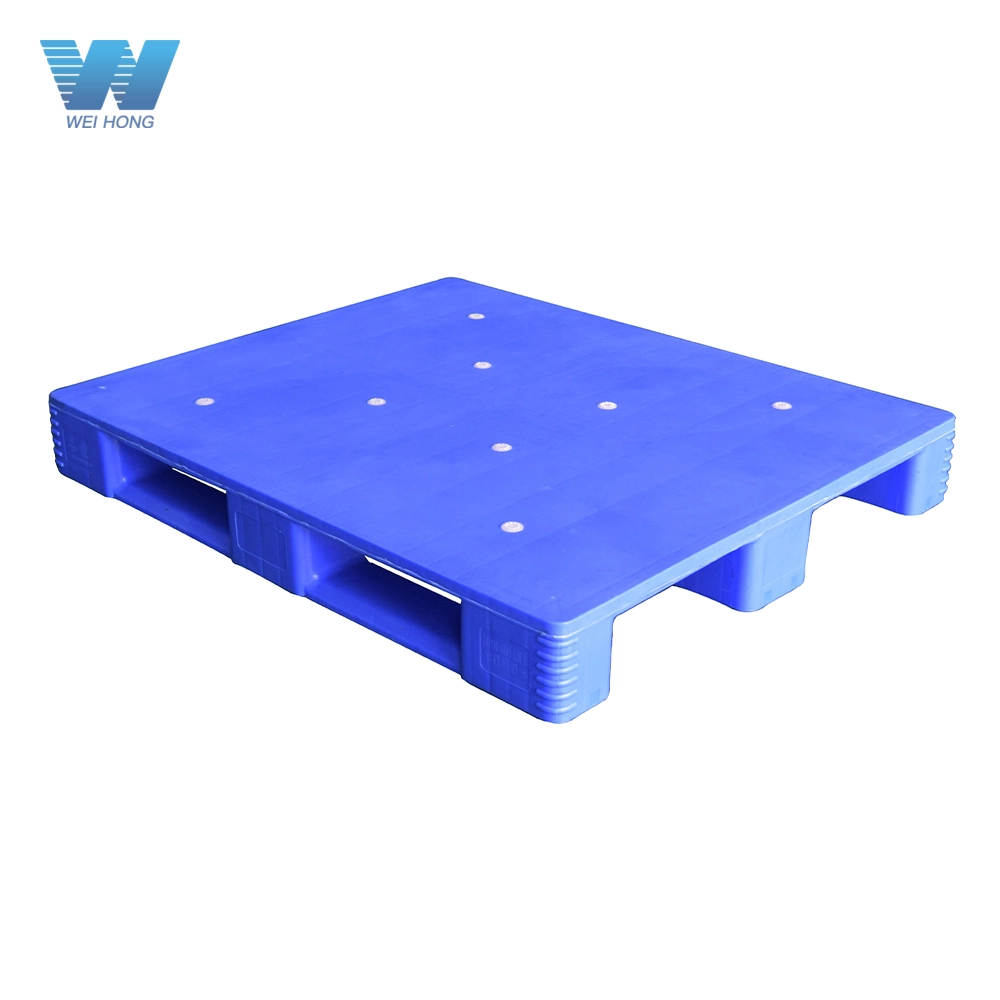
ZJ1210-150H Three-runner Closed Deck Hygienic Plastic Pallet
The three-runner closed-deck hygienic plastic pallet is a solid and durable packaging solution designed for general and especially food and medicine storage and transport. It’s made of virgin HDPE or PP, featuring a flat surface and even bottom for hygienic consideration, a reinforced configuration with steel cores for rack and shelf, and a steady loading capacity.
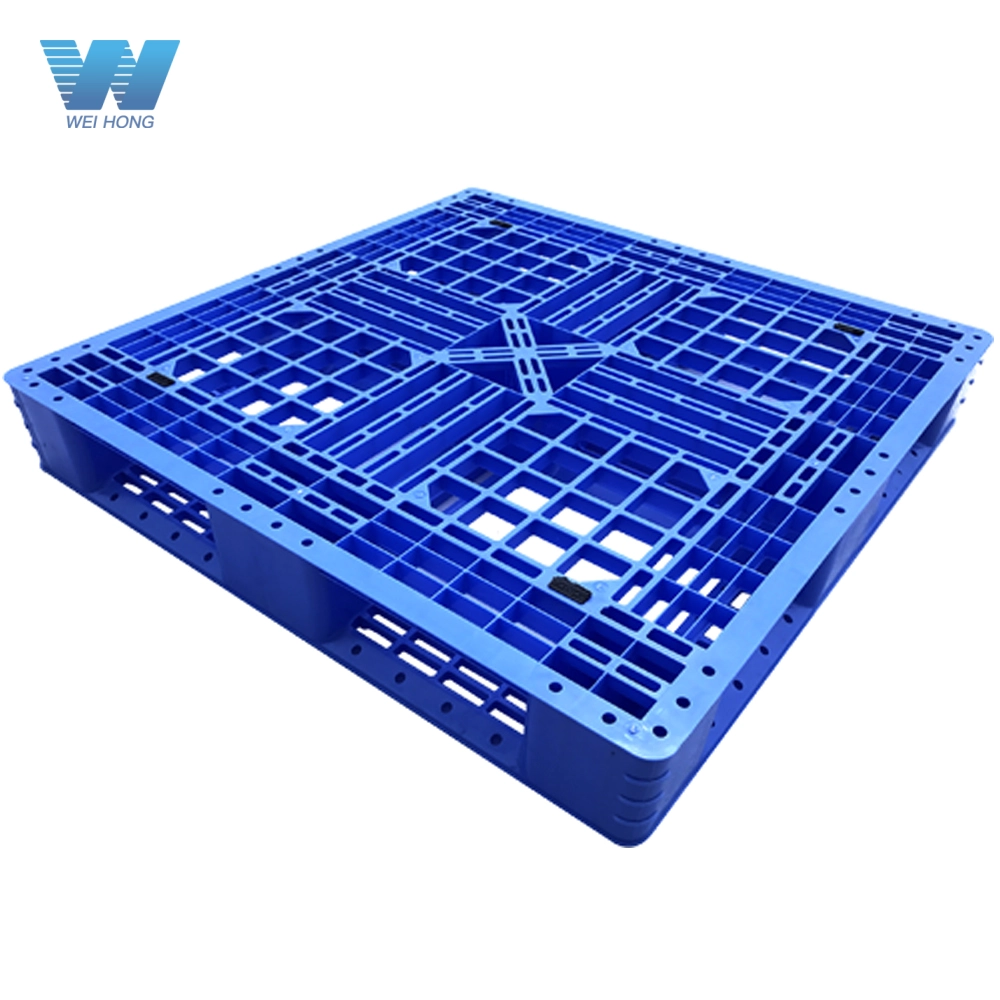
ZJ1010-150 Six-runner Single-sided Plastic Pallet
The six-runner plastic pallet, open or closed deck, is a solid and durable packaging solution designed for general and medium to heavy-duty cargo stacking, storage and transport. It’s made of virgin HDPE or PP, featuring in robust structure, a reinforced configuration with steel cores for the rack and shelf, and a steady loading capacity.
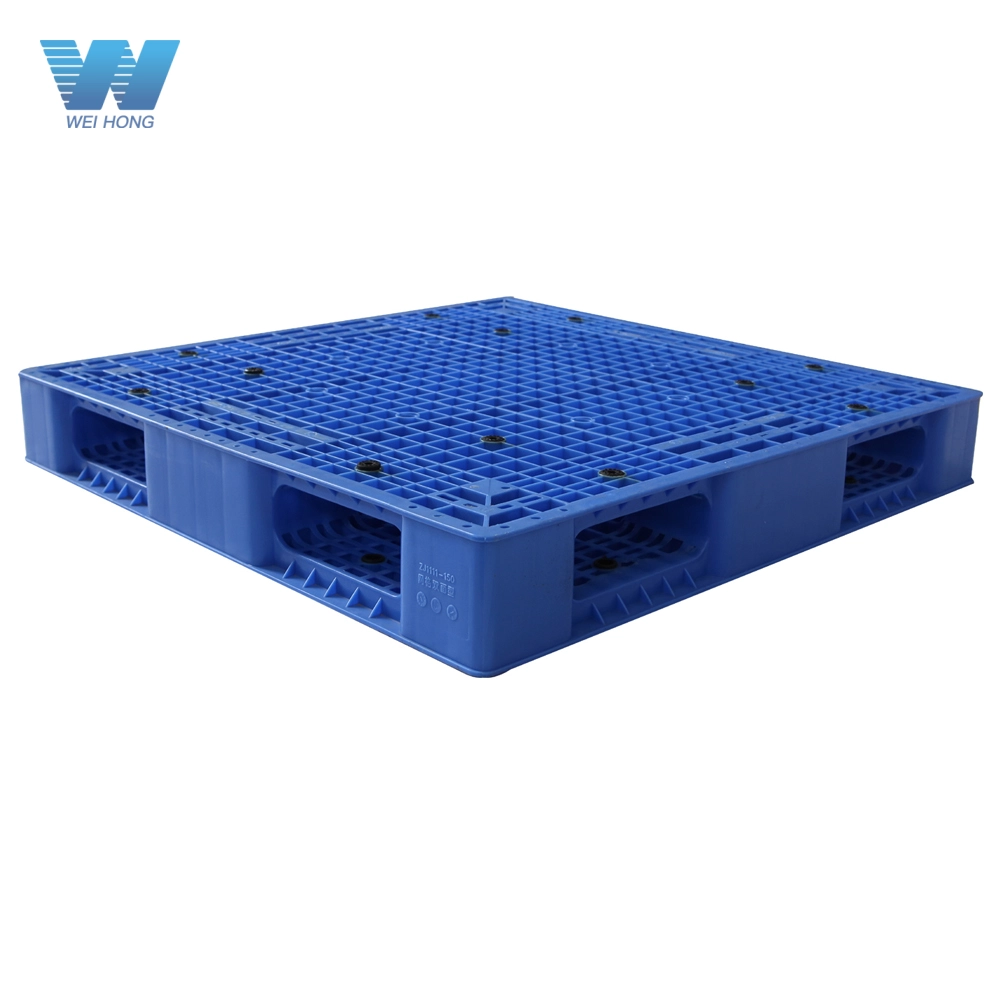
ZJ11111-150 Double-sided Heavy Duty Plastic Pallet
The double-sided plastic pallet, open deck or closed deck, is a solid and durable packaging solution designed for general and medium to heavy-duty cargo stacking, storage and transport. It’s made of virgin HDPE or PP, featuring a robust structure, a reinforced configuration with steel cores for the rack and shelf, and a steady loading capacity for both sides.
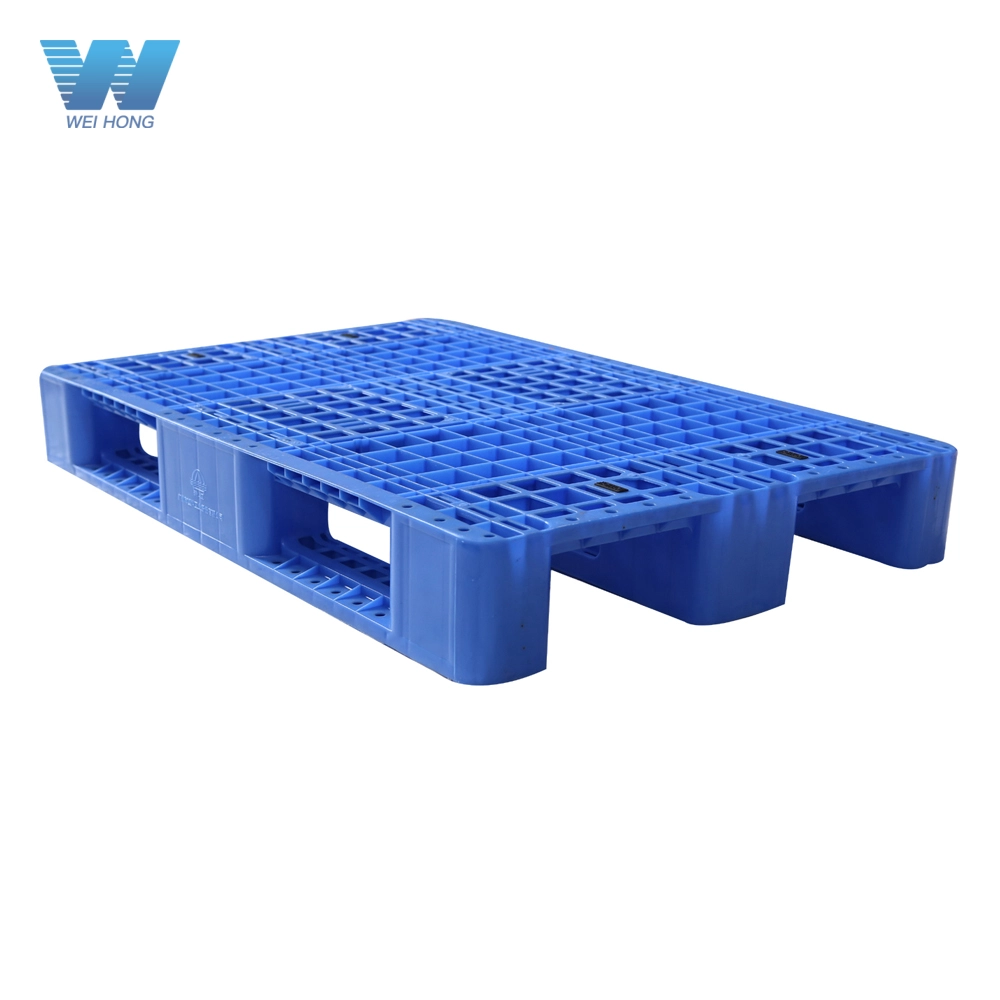
ZJ1208-155 Three-runner Single-sided Plastic Pallet
The three-runner single-sided plastic pallet is a solid and durable packaging solution designed for general and medium to heavy-duty cargo storage, transport and automated storage and retrieval system (AS/RS) use. It’s made of virgin HDPE or PP, featuring in robust structure, reinforced configuration with steel cores for rack and shelf, and a steady loading capacity.
Request More Information About Plastic Pallets
Have questions or need detailed insights on this article? Fill out the form below to contact our team for comprehensive information and support related to our plastic pallet solutions.
Contact us


+86 138 0277 8204
+86 183 4431 0917
+86 195 3791 1860

No. 15-1, Fengying Rd., Taiping Town, Conghua Dist., Guangzhou City, Guangdong Province, China.
Weihong
Whatsapp: +8613802778204
Guangdong Weihong Plastic Technology Co., Ltd.
Scan QR Code