











How do heavy-duty plastic pallets compare to wood pallets? | Insights by Weihong
- 1. What are the initial and long-term costs associated with heavy-duty plastic pallets compared to wood pallets?
- 2. How do heavy-duty plastic pallets compare to wood pallets in terms of durability and lifespan?
- 3. What are the hygiene and safety considerations when choosing between heavy-duty plastic and wood pallets?
- 4. How do heavy-duty plastic pallets and wood pallets differ in weight and handling efficiency?
- 5. What environmental considerations should be taken into account when choosing between heavy-duty plastic and wood pallets?
- 6. Are there any limitations or challenges associated with using heavy-duty plastic pallets compared to wood pallets?
1. What are the initial and long-term costs associated with heavy-duty plastic pallets compared to wood pallets?
When evaluating pallet options, it's essential to consider both initial and long-term costs:
Initial Cost: Plastic pallets typically have a higher upfront cost, ranging from $40 to $120 per unit, depending on design and durability. In contrast, wood pallets are more economical, with prices between $10 and $25 each.
Long-Term Cost: Despite the higher initial investment, plastic pallets often prove more cost-effective over time due to their extended lifespan and reduced maintenance needs. They can last 8 to 15 years, whereas wood pallets may require replacement every 1 to 3 years.
Additionally, plastic pallets are exempt from ISPM 15 regulations, eliminating fumigation costs associated with wood pallets used in international shipping.
2. How do heavy-duty plastic pallets compare to wood pallets in terms of durability and lifespan?
Durability and lifespan are critical factors in pallet selection:
Plastic Pallets: Constructed from high-density polyethylene (HDPE), plastic pallets are resistant to moisture, chemicals, and pests. They can withstand harsh conditions and have a lifespan of 8 to 15 years, with some models lasting even longer.
Wood Pallets: Wooden pallets are susceptible to moisture, leading to warping, rotting, and pest infestations. Their lifespan is generally shorter, averaging 1 to 3 years, and they may require frequent repairs or replacements.
3. What are the hygiene and safety considerations when choosing between heavy-duty plastic and wood pallets?
Hygiene and safety are paramount, especially in industries like food and pharmaceuticals:
Plastic Pallets: Non-porous and easy to clean, plastic pallets do not absorb moisture or harbor bacteria, reducing contamination risks. Their smooth surfaces prevent splinters and are less likely to cause injuries.
Wood Pallets: Porous and more challenging to sanitize, wood pallets can absorb contaminants and may harbor bacteria and pests. They are also prone to splinters and nails, posing safety hazards.
4. How do heavy-duty plastic pallets and wood pallets differ in weight and handling efficiency?
Weight impacts handling efficiency and transportation costs:
Plastic Pallets: Generally lighter than wood pallets, plastic pallets are easier to handle and can reduce shipping costs. For example, a standard plastic pallet may weigh around 15 kg, compared to 25 kg for a wood pallet of the same size.
Wood Pallets: Heavier and bulkier, wood pallets can increase handling time and transportation expenses.
5. What environmental considerations should be taken into account when choosing between heavy-duty plastic and wood pallets?
Environmental impact is a growing concern:
Plastic Pallets: While durable, plastic pallets are made from petroleum-based products and are not biodegradable. Recycling options exist but may be limited depending on local facilities.
Wood Pallets: Made from renewable resources, wood pallets are biodegradable and can be recycled or repurposed. However, their production and disposal can still have environmental impacts, such as deforestation and methane emissions from decomposition.
6. Are there any limitations or challenges associated with using heavy-duty plastic pallets compared to wood pallets?
Consider the following challenges:
Plastic Pallets: Higher initial cost and potential brittleness in extreme temperatures. They may also have limited repair options; once damaged, they often require replacement.
Wood Pallets: More susceptible to damage from moisture, pests, and physical impacts. They may require regular maintenance and repairs, leading to higher long-term costs.
In conclusion, while heavy-duty plastic pallets offer advantages in durability, hygiene, and long-term cost-effectiveness, they come with higher initial costs and environmental considerations. Wood pallets are more affordable upfront but may incur higher maintenance costs and pose hygiene and safety risks. Assessing your specific operational needs and priorities will guide you in making the best choice for your business.
At Weihong, we specialize in providing high-quality plastic pallets tailored to your requirements. Contact us today for a personalized quote.
The Complete 2026 Guide to Choosing Plastic Pallets for Cold Storage Automated Warehouses
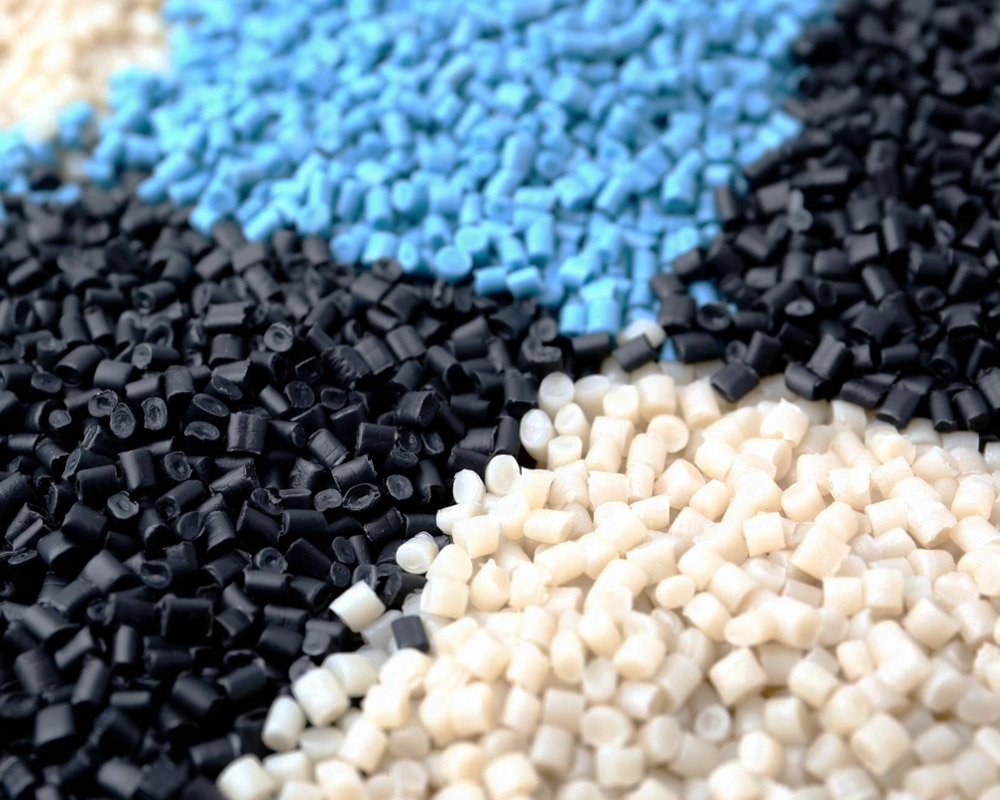
Why Do Plastic Pallets of the Same Size Vary So Much in Price? Core Reason: Material Costs Determine the Difference
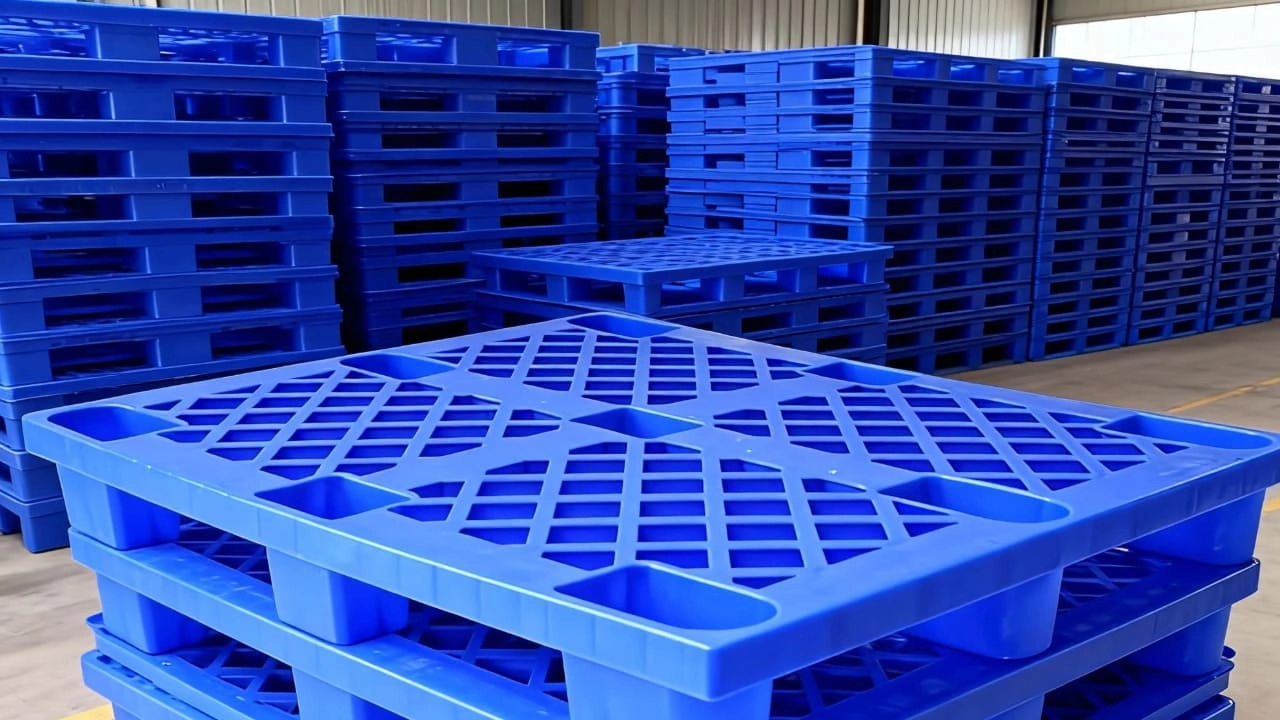
HDPE vs. PP Plastic Pallet: How to Choose the Right Material for Your Warehouse
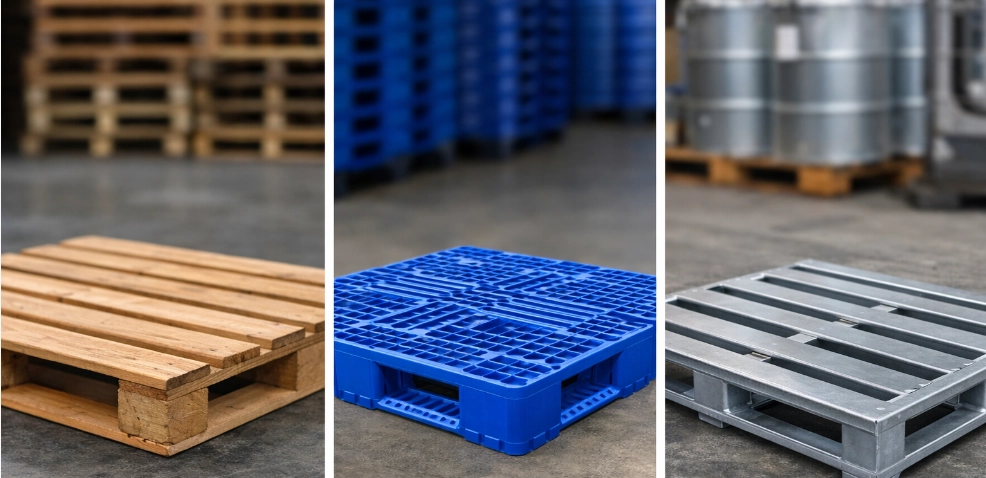
Wooden Pallets vs Plastic Pallets vs Metal Pallets — Which Is Better for Modern Logistics?
About Collaboration
Is there any other way to work with you?
Yes, apart from reselling, retail or distribution, we also accept commission based orders.
What takes to be a distributor of your plastic products?
Logistics and Payment
What delivery terms do you support?
FOB term is our priority. Meanwhile, we accept also FCA, CFR, CIF, etc.
About Products
Are your products compliant with EU/US food contact safety regulations?
Even though our plastic pallets or boxes are not food contact direct material, we adhere to the relative laws and regulations to use non-toxic raw material for our products.
After-Sales Service and Support
Who should I contact if quality issue is found when I receive the goods?
Please file complaint to the sales person you contacted for the order and your needs will be forwarded to our technical team for analysis.
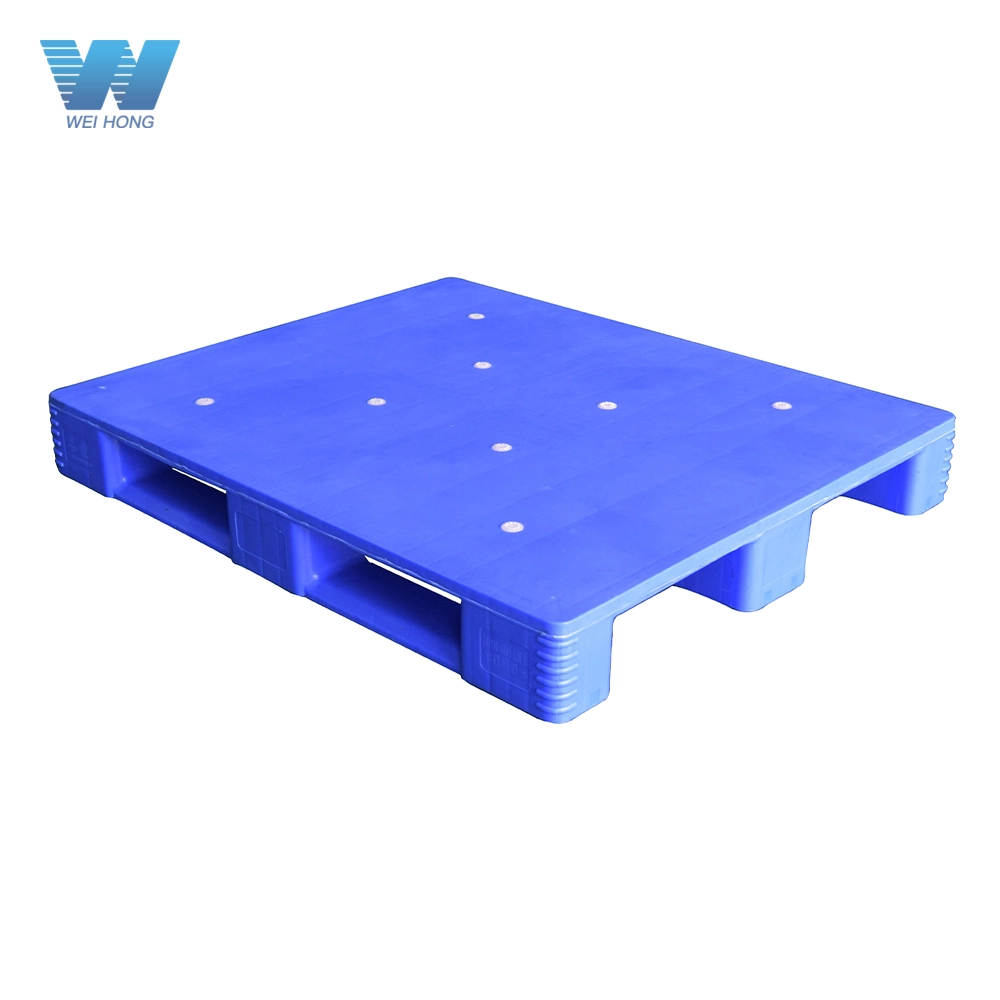
ZJ1210-150H Three-runner Closed Deck Hygienic Plastic Pallet
The three-runner closed-deck hygienic plastic pallet is a solid and durable packaging solution designed for general and especially food and medicine storage and transport. It’s made of virgin HDPE or PP, featuring a flat surface and even bottom for hygienic consideration, a reinforced configuration with steel cores for rack and shelf, and a steady loading capacity.
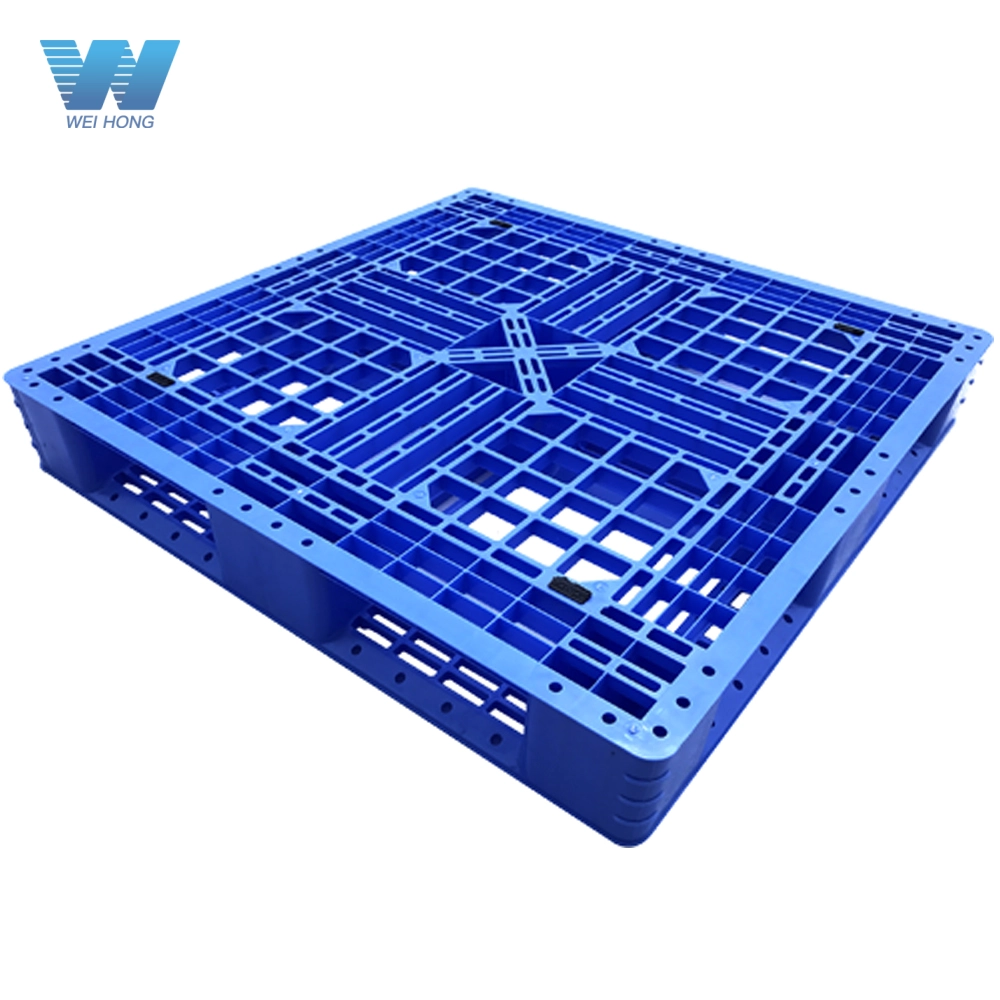
ZJ1010-150 Six-runner Single-sided Plastic Pallet
The six-runner plastic pallet, open or closed deck, is a solid and durable packaging solution designed for general and medium to heavy-duty cargo stacking, storage and transport. It’s made of virgin HDPE or PP, featuring in robust structure, a reinforced configuration with steel cores for the rack and shelf, and a steady loading capacity.
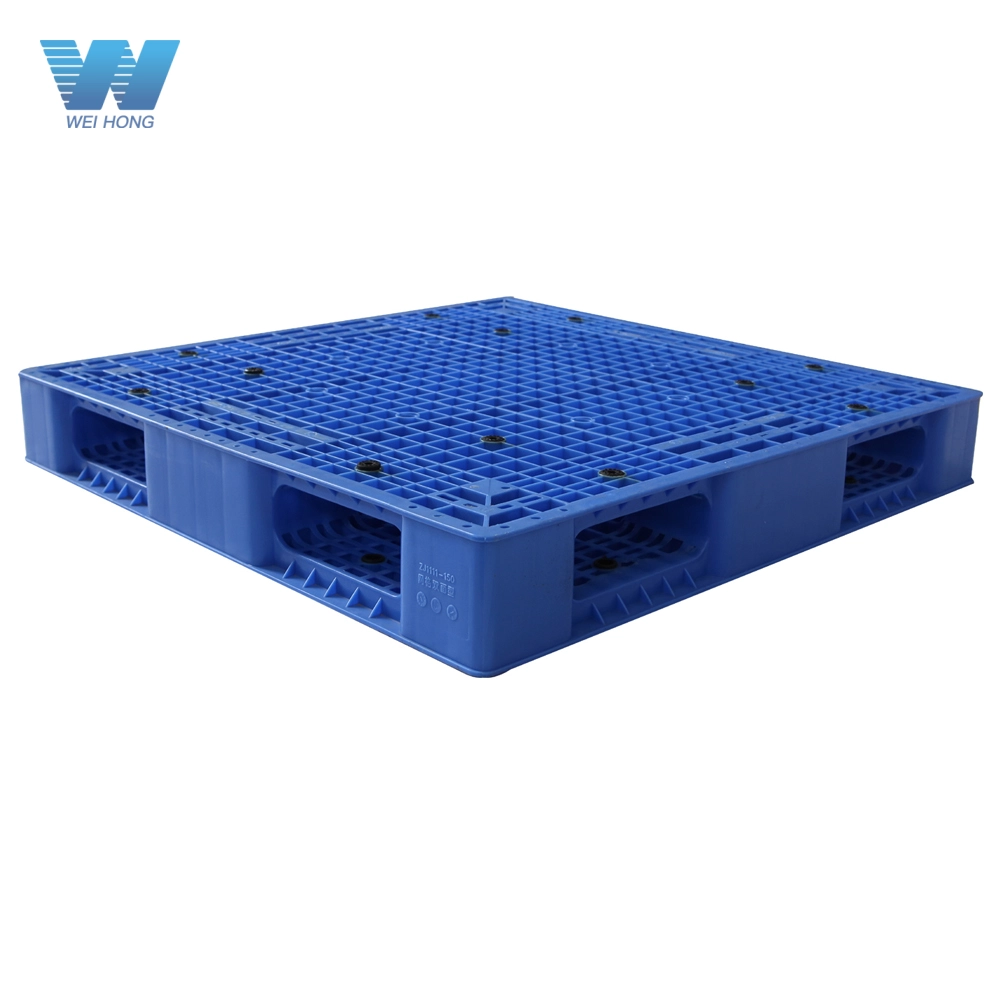
ZJ11111-150 Double-sided Heavy Duty Plastic Pallet
The double-sided plastic pallet, open deck or closed deck, is a solid and durable packaging solution designed for general and medium to heavy-duty cargo stacking, storage and transport. It’s made of virgin HDPE or PP, featuring a robust structure, a reinforced configuration with steel cores for the rack and shelf, and a steady loading capacity for both sides.
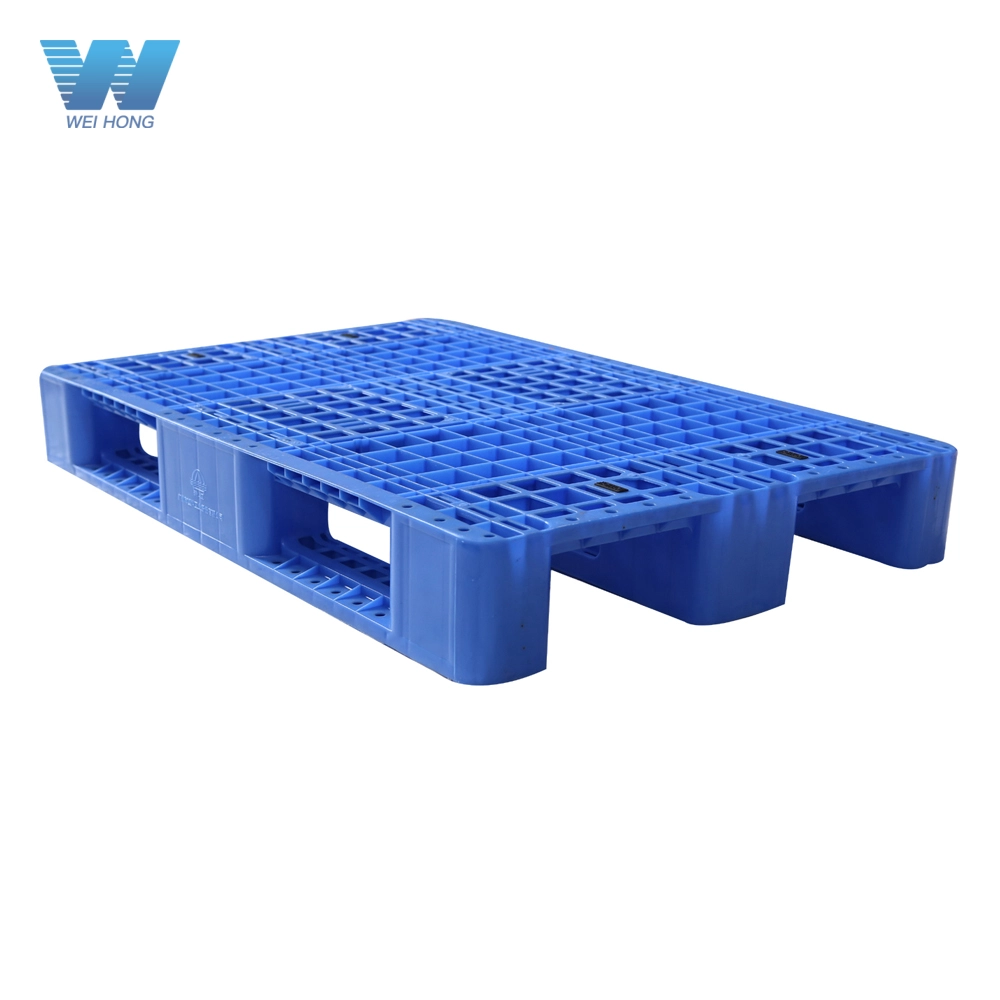
ZJ1208-155 Three-runner Single-sided Plastic Pallet
The three-runner single-sided plastic pallet is a solid and durable packaging solution designed for general and medium to heavy-duty cargo storage, transport and automated storage and retrieval system (AS/RS) use. It’s made of virgin HDPE or PP, featuring in robust structure, reinforced configuration with steel cores for rack and shelf, and a steady loading capacity.
Request More Information About Plastic Pallets
Have questions or need detailed insights on this article? Fill out the form below to contact our team for comprehensive information and support related to our plastic pallet solutions.
Contact us


+86 138 0277 8204
+86 183 4431 0917
+86 195 3791 1860

No. 15-1, Fengying Rd., Taiping Town, Conghua Dist., Guangzhou City, Guangdong Province, China.
Weihong
Whatsapp: +8613802778204
Guangdong Weihong Plastic Technology Co., Ltd.
Scan QR Code