











How to inspect heavy-duty plastic pallets for quality issues? | Insights by Weihong
- 1. How can I identify stress fractures in heavy-duty plastic pallets?
- 2. What are the signs of dimensional instability in plastic pallets?
- 3. How can I detect chemical degradation in plastic pallets?
- 4. What are the common handling mistakes that can damage plastic pallets?
- 5. How can I verify the certifications of heavy-duty plastic pallets?
- 6. What are the environmental factors that can affect the quality of plastic pallets?
- Conclusion
1. How can I identify stress fractures in heavy-duty plastic pallets?
Stress fractures, often appearing as hairline cracks, can compromise the structural integrity of plastic pallets. These fractures typically result from exposure to extreme temperatures or heavy loads. To detect them:
Visual Inspection: Examine the pallet's base and deck for any visible cracks or signs of brittleness.
Flex Test: Gently apply pressure to different sections of the pallet to identify any areas that feel unusually flexible or weak.
Load Testing: Gradually apply weight to the pallet to observe its response; a sudden deflection or cracking sound indicates potential stress fractures.
Regular inspections and prompt replacement of damaged pallets are crucial to maintain safety and efficiency in your operations.
2. What are the signs of dimensional instability in plastic pallets?
Dimensional instability can lead to issues in automated systems and racking. Signs include:
Warping: Pallets that no longer sit flat on the ground or in racking systems.
Uneven Decking: Deck boards that are not level, causing instability during load handling.
Misalignment: Pallets that do not fit properly into racking slots or automated conveyors.
To assess dimensional stability:
Measurement: Use precise tools to measure the pallet's length, width, and height against manufacturer specifications.
Fit Test: Place the pallet in its intended racking or automated system to ensure proper alignment and fit.
Ensuring dimensional stability is vital for the safe and efficient operation of high-density racking systems.
3. How can I detect chemical degradation in plastic pallets?
Chemical degradation can weaken plastic pallets, making them prone to failure. Indicators include:
Discoloration: Unusual color changes, especially yellowing or fading, can signal chemical breakdown.
Surface Softening: A noticeable decrease in hardness or a rubbery texture on the pallet's surface.
Cracking: Increased brittleness leading to cracks, even under normal handling conditions.
To detect chemical degradation:
Chemical Exposure Review: Assess the pallet's exposure to harsh chemicals, solvents, or cleaning agents.
Surface Examination: Inspect for any signs of surface changes or damage.
Load Testing: Apply weight to the pallet to check for unexpected flexing or cracking.
Regular monitoring and proper handling can mitigate the risks associated with chemical degradation.
4. What are the common handling mistakes that can damage plastic pallets?
Improper handling can lead to significant damage in plastic pallets. Common mistakes include:
Turning Before Forks Are Clear: Rotating the pallet before the forklift forks are completely out can cause stress fractures.
Carrying Pallets Too Low: Transporting pallets at low heights increases the risk of them hitting the ground, leading to damage.
Throwing or Sliding Pallets: Rough handling can cause cracks and other structural issues.
To prevent damage:
Training: Ensure all personnel are trained in proper pallet handling techniques.
Equipment Maintenance: Regularly inspect and maintain forklifts and other handling equipment.
Standard Operating Procedures: Establish and enforce guidelines for safe pallet handling.
5. How can I verify the certifications of heavy-duty plastic pallets?
Certifications ensure that pallets meet industry standards for quality and safety. To verify:
Request Documentation: Ask suppliers for copies of relevant certifications, such as ISO 14001 for recycling standards.
Check for Markings: Look for embossed regulatory stamps on the pallet, which are more durable than printed labels.
Supplier Reputation: Research the supplier's history and reviews to ensure they consistently meet quality standards.
Verifying certifications helps ensure the pallets you purchase are reliable and compliant with industry regulations. ((https://www.pearlriverplastics.com/guides/heavy-duty-plastic-pallet-certifications/))
6. What are the environmental factors that can affect the quality of plastic pallets?
Environmental conditions can significantly impact the durability of plastic pallets. Factors include:
Temperature Extremes: Exposure to high or low temperatures can cause plastic to become brittle or warp.
Moisture: High humidity or direct contact with water can lead to material degradation.
UV Exposure: Prolonged sunlight can cause plastic to degrade and lose strength.
To mitigate environmental impacts:
Storage Conditions: Store pallets in climate-controlled environments when possible.
Protective Coatings: Use UV-resistant coatings to protect against sunlight.
Regular Inspections: Conduct frequent checks to identify and address any environmental damage promptly.
Conclusion
Regular and thorough inspections of heavy-duty plastic pallets are essential to ensure their quality and longevity. By understanding and addressing common issues such as stress fractures, dimensional instability, chemical degradation, handling mistakes, certification verification, and environmental impacts, you can maintain a safe and efficient logistics operation. For more information or to request a quote, please contact us at yangyf@gzpl.com.cn or visit our website at www.pearlriverplastics.com.
A Complete Wholesale Plastic Pallet Buying Guide for Distribution Centers
Who Needs Plastic Pallets? A Complete Guide for Modern Logistics and Warehousing
Plastic Pallet Manufacturer: The Complete Guide to Choosing the Right Partner
The Hidden Costs of Cheap Pallets: Maximizing ROI with a High-Quality Plastic Pallet
Custom Private Labeling Services
How long does it take to produce if I give you my design of pallet.
Mold producttion takes about 2 months from production to adjustment. Hence we recommend you to plan ahead of time.
What customized service can you provide?
We provide mold design, logo printing (silk screen printing or embossing), customized color and formula for our plastic products.
About Collaboration
Do you have exclusive distributor in my country?
We currently have one or two exclusive distributors. Please tell me to where you would like to import out plastic pallets and boxes to check for it.
Logistics and Payment
What delivery terms do you support?
FOB term is our priority. Meanwhile, we accept also FCA, CFR, CIF, etc.
After-Sales Service and Support
Who should I contact if quality issue is found when I receive the goods?
Please file complaint to the sales person you contacted for the order and your needs will be forwarded to our technical team for analysis.

ZJ1210-150H Three-runner Closed Deck Hygienic Plastic Pallet
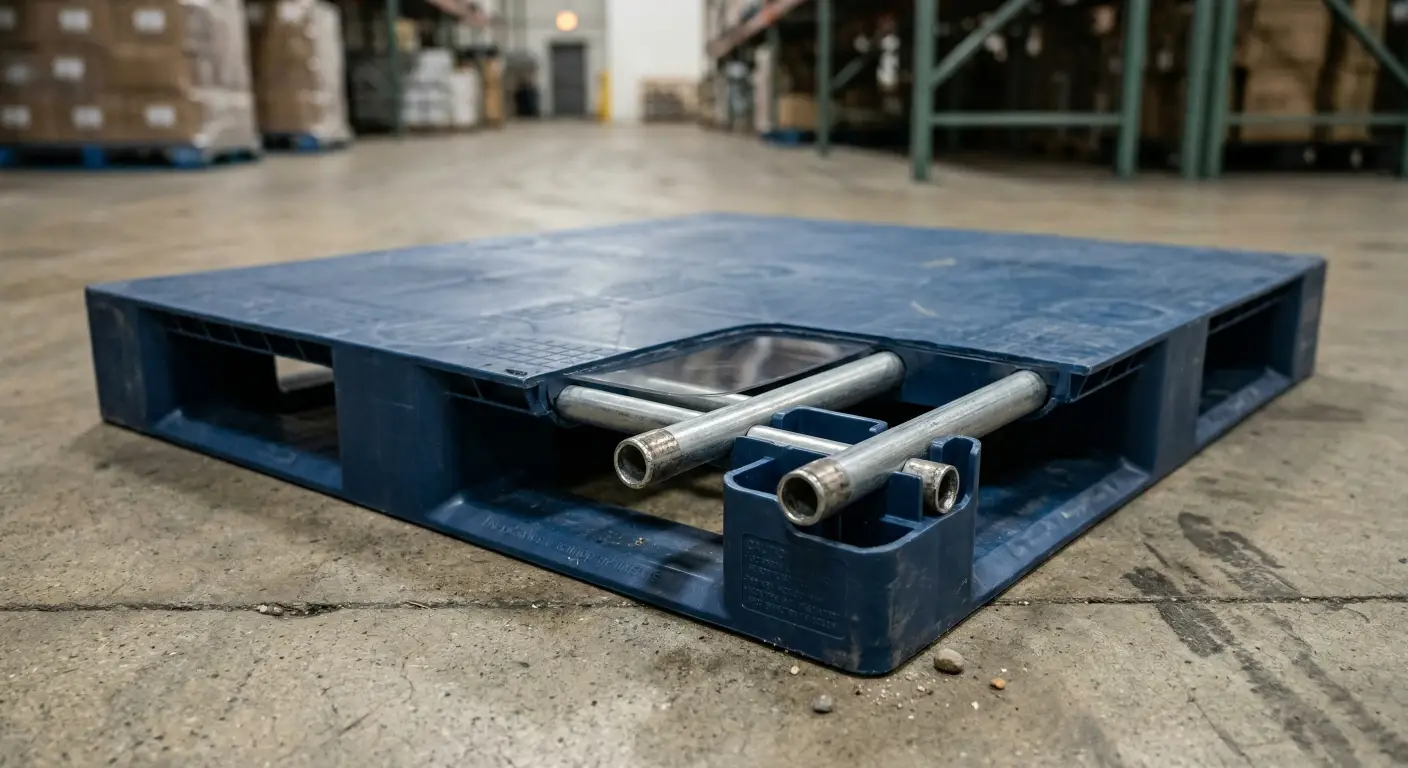
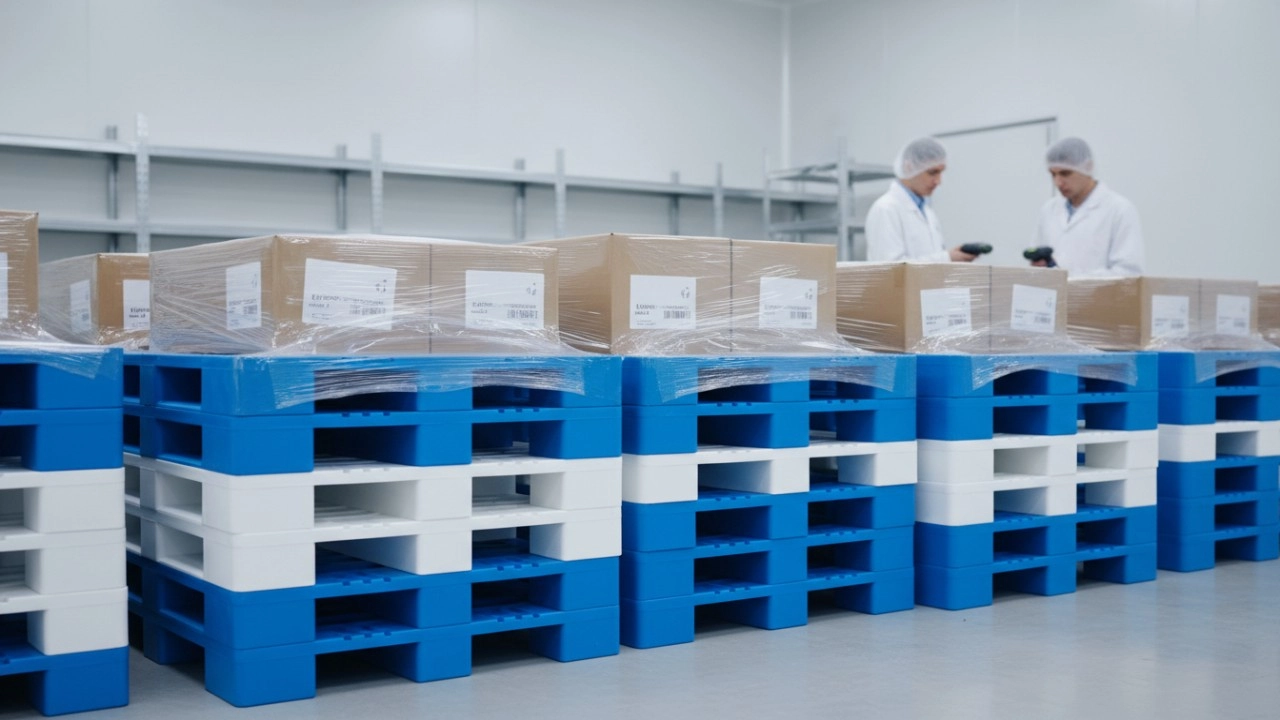
The three-runner closed-deck hygienic plastic pallet is a solid and durable packaging solution designed for general and especially food and medicine storage and transport. It’s made of virgin HDPE or PP, featuring a flat surface and even bottom for hygienic consideration, a reinforced configuration with steel cores for rack and shelf, and a steady loading capacity.
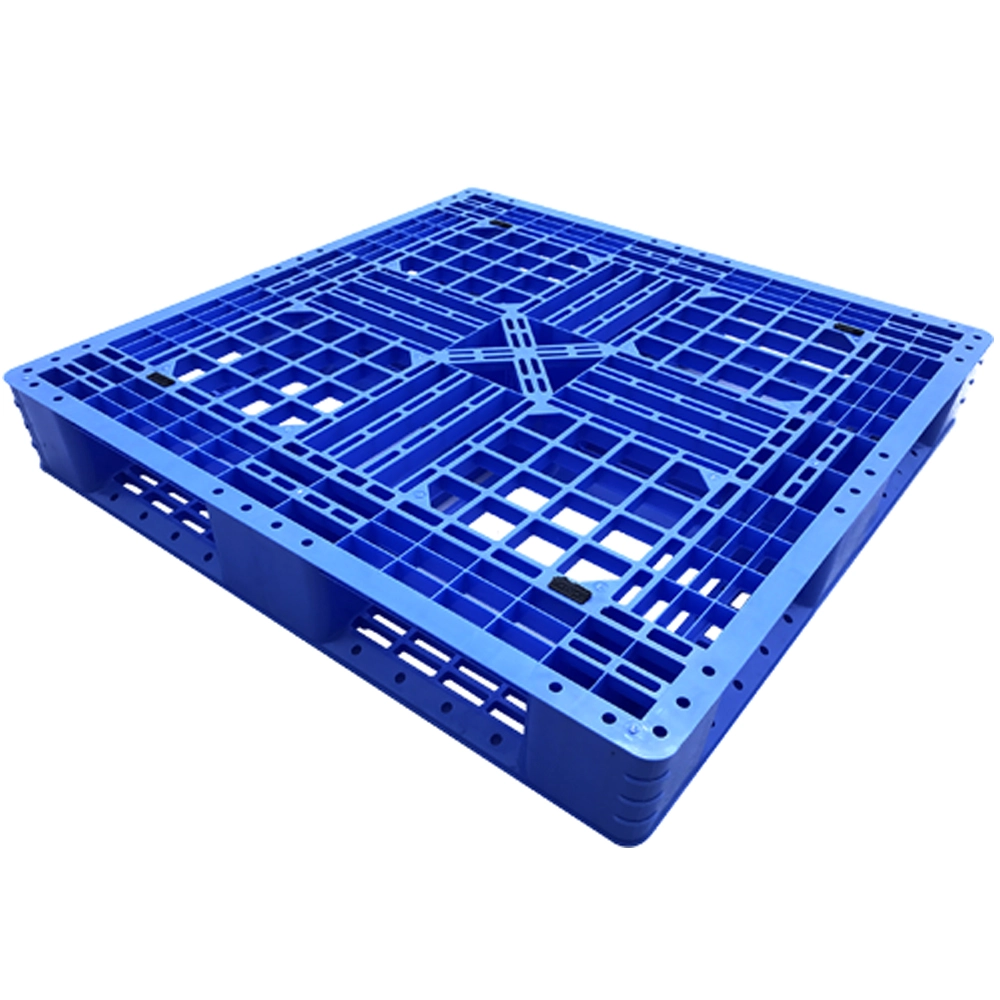
ZJ1010-150 Six-runner Single-sided Plastic Pallet
The six-runner plastic pallet, open or closed deck, is a solid and durable packaging solution designed for general and medium to heavy-duty cargo stacking, storage and transport. It’s made of virgin HDPE or PP, featuring in robust structure, a reinforced configuration with steel cores for the rack and shelf, and a steady loading capacity.
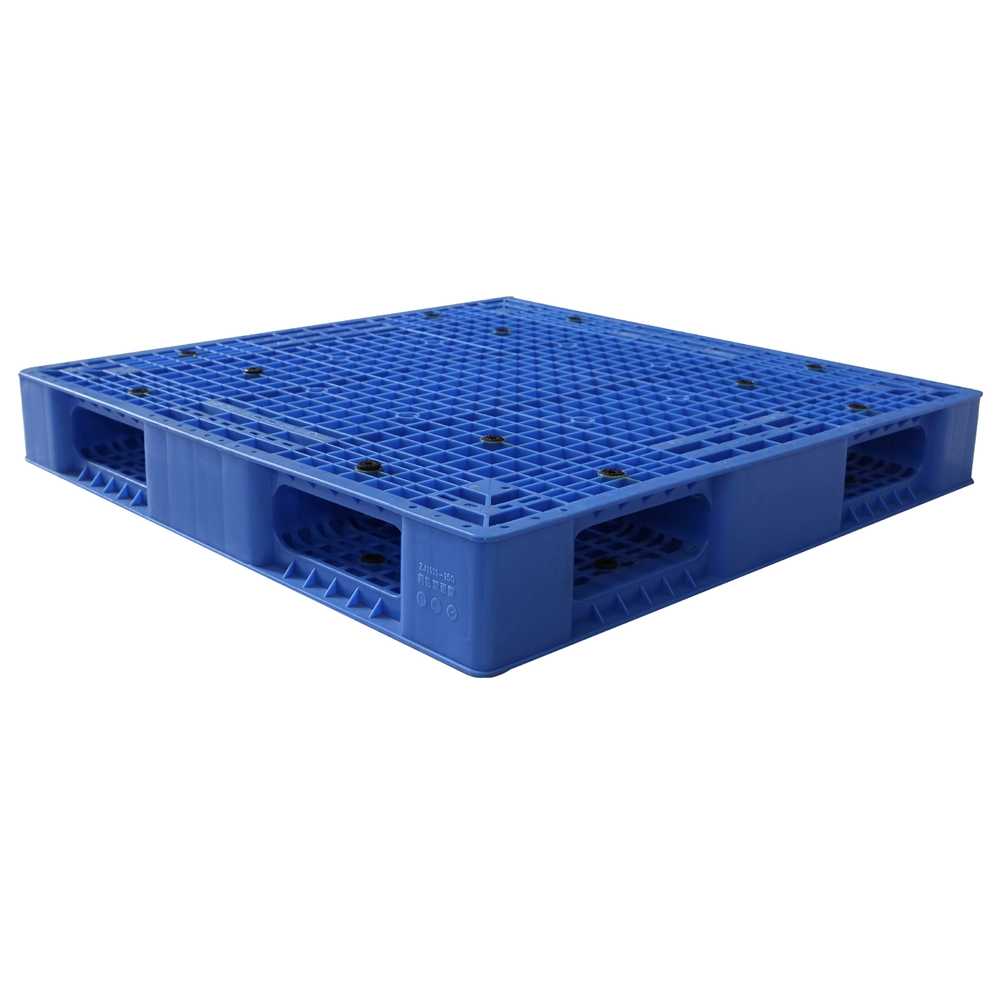
ZJ11111-150 Double-sided Heavy Duty Plastic Pallet
The double-sided plastic pallet, open deck or closed deck, is a solid and durable packaging solution designed for general and medium to heavy-duty cargo stacking, storage and transport. It’s made of virgin HDPE or PP, featuring a robust structure, a reinforced configuration with steel cores for the rack and shelf, and a steady loading capacity for both sides.
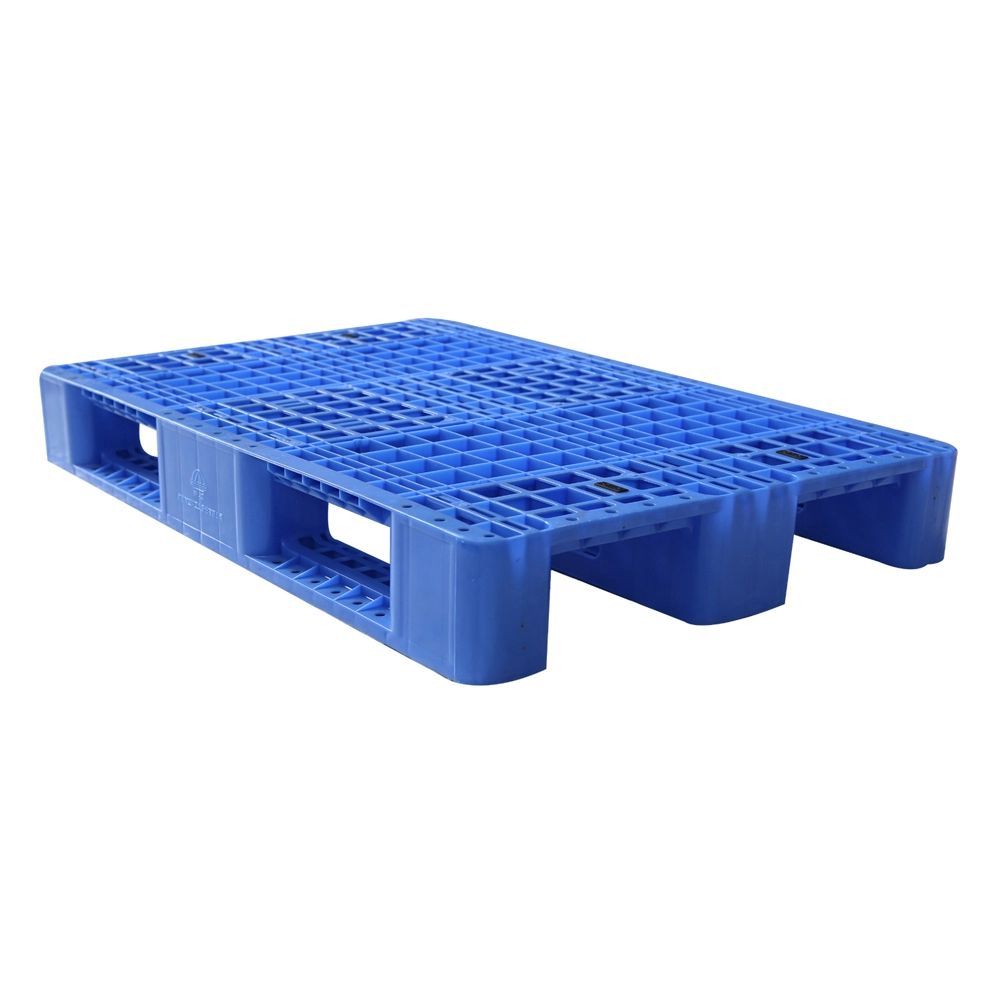
ZJ1208-155 Three-runner Single-sided Plastic Pallet
The three-runner single-sided plastic pallet is a solid and durable packaging solution designed for general and medium to heavy-duty cargo storage, transport and automated storage and retrieval system (AS/RS) use. It’s made of virgin HDPE or PP, featuring in robust structure, reinforced configuration with steel cores for rack and shelf, and a steady loading capacity.
Request More Information About Plastic Pallets
Have questions or need detailed insights on this article? Fill out the form below to contact our team for comprehensive information and support related to our plastic pallet solutions.
Contact us


+86 138 0277 8204
+86 183 4431 0917
+86 195 3791 1860

No. 15-1, Fengying Rd., Taiping Town, Conghua Dist., Guangzhou City, Guangdong Province, China.
 Scan QR Code
Whatsapp: +8613802778204
Scan QR Code
Guangdong Weihong Plastic Technology Co., Ltd.
Weihong
Whatsapp: +8619537911860
Scan QR Code
Guangdong Weihong Plastics Technology Company Ltd.