










What is the minimum order quantity for plastic heavy pallets? | Insights by Weihong
- 1. What is the minimum order quantity for plastic heavy pallets using injection molding vs rotational molding?
- 2. How do tooling complexity and mold cost drive MOQ for heavy-duty plastic pallets?
- 3. Can I order a small batch of heavy pallets for testing (pilot run)? What are typical sample costs and lead times?
- 4. Does the choice of material (HDPE vs PP vs recycled/resin blends) change MOQ and pricing for heavy pallets?
- 5. How do packaging, container loading, and shipping economics affect the minimum practical order size?
- 6. Do load ratings, testing standards (ISO 8611) or regulatory compliance change MOQ?
- 7. What practical negotiation strategies can reduce MOQ or mitigate tooling costs for heavy pallets?
- 8. How do customization options (color, logos, RFID, anti‑slip surfaces) affect MOQ and lead time?
- Key takeaways for buyers
- Why choose Weihong (Pearl River Plastics) to source heavy plastic pallets?
When sourcing plastic heavy pallets, MOQ (minimum order quantity) is not a single number — it’s driven by manufacturing process, tooling cost, material selection, compliance testing, and logistics. Below are 8 specific, buyer-focused long‑tail questions that beginners commonly ask but rarely find deep, up‑to‑date answers for. Each question includes practical guidance you can use when requesting quotes and negotiating with suppliers.
1. What is the minimum order quantity for plastic heavy pallets using injection molding vs rotational molding?
Short answer: there’s no fixed universal MOQ — but expect higher MOQs for injection molding than for rotational molding because of tooling and cycle-time economics.
- Injection molding: tooling (steel molds) for large pallet parts is capital intensive. Buyers typically see MOQs in the low double‑digits up to several hundreds per SKU depending on mold cost, cavity count and the supplier’s production schedule. Injection has low per‑part cycle time, so once mold costs are amortized the per‑unit price drops sharply.
- Rotational molding: tooling is usually cheaper for very large hollow parts and setup is simpler, so suppliers can offer much smaller runs — often dozens to low hundreds — with reasonable per‑unit pricing. Rotational molding is common for certain heavy pallet designs where hollow ribs or integrated feet are acceptable.
For background on these processes see Injection molding and Rotational molding.
2. How do tooling complexity and mold cost drive MOQ for heavy-duty plastic pallets?
Tooling is typically the single biggest fixed cost in pallet production:
- Complex pallets (multi‑ribbed top decks, integrated runners, under‑deck reinforcement, logo inserts, cavity for RFID) require more complex molds or multiple mold parts. Higher tool complexity increases upfront cost, which suppliers recover over more units, thus raising effective MOQ.
- Mold life and cavity count matter: a multi‑cavity mold (if feasible) reduces per‑part tool amortization and can lower MOQ per production run. Large single‑cavity molds for big pallets are common; the fixed cost tends to push MOQ up.
Practical advice: when requesting quotes, ask suppliers to provide a break‑even run quantity showing how tool cost amortization affects unit price at different volumes. That makes MOQ and per‑unit pricing transparent.
3. Can I order a small batch of heavy pallets for testing (pilot run)? What are typical sample costs and lead times?
Yes — but expect higher unit costs and possibly additional tooling/sample charges:
- Options for pilots: prototype (CNC/3D printed master or prototype mold), short production run on rotational molding, or negotiated small lot on an injection press. Suppliers often charge a one‑time tool build fee plus full production cost for samples.
- Lead times: prototypes can be delivered in 1–6 weeks depending on complexity; small production runs typically 4–12 weeks. These are industry ranges — always confirm current lead times with the supplier.
- Cost: prototypes and small runs carry significantly higher per‑unit costs because tooling or setup costs are amortized over few pieces.
Tip: request a written sample plan (including lead-time, sample charge, and whether sample cost is refundable against a production order) before committing.
4. Does the choice of material (HDPE vs PP vs recycled/resin blends) change MOQ and pricing for heavy pallets?
Yes — material choice affects supplier selection, processing method, testing needs and sometimes MOQ:
- HDPE and PP are the two most common resins for heavy pallets. HDPE commonly offers better impact resistance and environmental stress crack resistance; PP can provide higher stiffness and temperature resistance in some designs.
- Recycled content: pallets made from recycled HDPE or PCR (post‑consumer resin) may require more consistent sourcing and additional quality checks. Some suppliers require higher MOQ to justify segregated resin batches and testing.
- Food contact or pharmaceutical use requires validated, food‑grade resins and documentation. Refer to the U.S. FDA guidance on food contact substances when sourcing pallets for direct or indirect food contact: FDA – Food Packaging & Food Contact Substances.
5. How do packaging, container loading, and shipping economics affect the minimum practical order size?
Logistics often define the practical MOQ for bulky items like pallets:
- Because pallets are large and space‑inefficient in containers, suppliers and freight forwarders price shipments to optimize container usage. Many buyers find the best per‑unit freight cost at full container load (FCL) quantities (20ft or 40ft), whereas small LCL shipments cost more per pallet.
- Practical approach: ask suppliers to quote both FOB and CIF pricing and container‑optimization (how many pallets per 20ft/40ft). This reveals the volume at which freight economics materially reduce landed cost.
Note: plastic pallets themselves are exempt from wood phytosanitary rules (ISPM 15), which apply to wooden pallets — an advantage of plastic alternatives. See ISPM 15 background: IPPC ISPMs (ISPM 15).
6. Do load ratings, testing standards (ISO 8611) or regulatory compliance change MOQ?
Yes — compliance requirements can increase lead time, development cost and thus the effective MOQ:
- Designs intended for specific rack, stacking or forklift loads must pass performance tests. The international test framework for pallet performance is covered by standards such as ISO 8611 which defines static, dynamic, and racking load tests. If you need certified test reports, expect extra test fees and development iterations.
- Special end‑use requirements (FDA‑compliant materials for food or pharmaceutical environments, anti‑static grades for electronics) typically limit supplier options and may raise MOQ because fewer suppliers stock those materials or have validated processes.
7. What practical negotiation strategies can reduce MOQ or mitigate tooling costs for heavy pallets?
Effective negotiation strategies:
- Offer a forecasted volume commitment over a period (e.g., 12 months) in exchange for a lower initial MOQ or shared tooling costs.
- Buy standard off‑the‑shelf designs rather than fully custom molds. Many manufacturers keep common heavy‑duty pallet molds and will sell smaller batches.
- Split costs with a partner or co‑buyers to share a mold and reach a lower per‑buyer MOQ.
- Ask suppliers if they can run your first order as a “tooling trial” with a partial tool amortization or with a refundable tooling deposit if you reach agreed volumes later.
- Consider prototype/validation runs on cheaper tooling (soft tooling or rotomold) to validate design before investing in full steel molds.
8. How do customization options (color, logos, RFID, anti‑slip surfaces) affect MOQ and lead time?
Customization increases both setup complexity and cost:
- Color: changing color often requires different masterbatch or pigment runs. Some suppliers allow color changes at minimal MOQ if the color is standard; custom colors may require minimum pigment batches and extra QC.
- Logos/branding: integral logos usually require a mold modification (permanent cost). If you only need a label or inked logo, those are lower‑cost alternatives with lower MOQ impact.
- RFID or embedded inserts: require additional handling steps and possibly secondary operations (inserting tags during molding or after). That typically increases lead time and per‑unit handling cost, and may push suppliers to require larger batches to justify added process steps.
Ask suppliers for an itemized quote that separates tooling/mold charges, per‑unit manufacturing cost, and secondary operation fees so you can evaluate which customizations are worth the MOQ lift.
Key takeaways for buyers
- There is no single MOQ number — expect wide ranges depending on process, tooling and logistics. Injection tends to have higher MOQs than rotomolding for large pallet geometries; custom tooling and compliance testing raise effective MOQs.
- Always request a pricing schedule showing unit price at multiple run sizes and a clear breakdown of tooling, sample, and testing fees.
- Consider prototypes, off‑the‑shelf designs, or supplier negotiation (shared tooling, order forecasts, co‑buying) to reduce your up‑front commitment.
- Factor shipping/container optimization into landed cost calculations — container economics often determine the practical MOQ for bulky pallets.
Authoritative references used in this guide: Pallet (Wikipedia), Injection molding, Rotational molding, ISO 8611, and FDA – Food Packaging & Food Contact Substances.
Why choose Weihong (Pearl River Plastics) to source heavy plastic pallets?
Weihong provides buyers practical advantages when navigating MOQ and supply challenges:
- Flexible production options — multiple molding technologies and in‑house tooling allow us to propose low‑volume pilot runs or scale to high volumes with controlled per‑unit costs.
- Design support — we help translate load requirements and compliance needs (e.g., ISO performance tests or food‑contact grade resins) into manufacturable designs that minimize unnecessary tooling expense.
- Transparent costing — Weihong provides itemized quotes showing tooling amortization, sample fees, and per‑unit pricing at several volumes so you can make informed procurement decisions.
- Logistics expertise — we optimize container loading and offer freight guidance so buyers don’t pay hidden costs on bulky shipments.
- Contact & support — for MOQ, samples or custom pallet projects, email yangyf@gzpl.com.cn or visit our website at www.pearlriverplastics.com.
If you’d like, Weihong can prepare a no‑obligation cost model for your specific pallet design showing sample, tooling and unit prices at different order quantities to help you decide the optimal MOQ and procurement strategy.
The Complete 2026 Guide to Choosing Plastic Pallets for Cold Storage Automated Warehouses
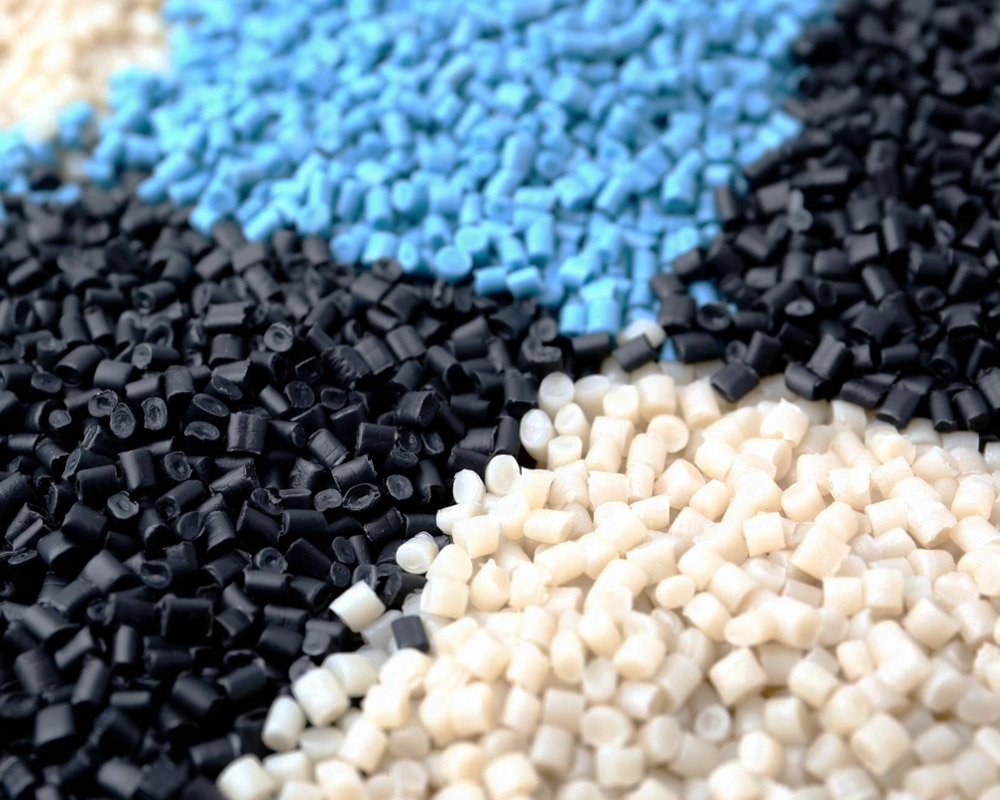
Why Do Plastic Pallets of the Same Size Vary So Much in Price? Core Reason: Material Costs Determine the Difference
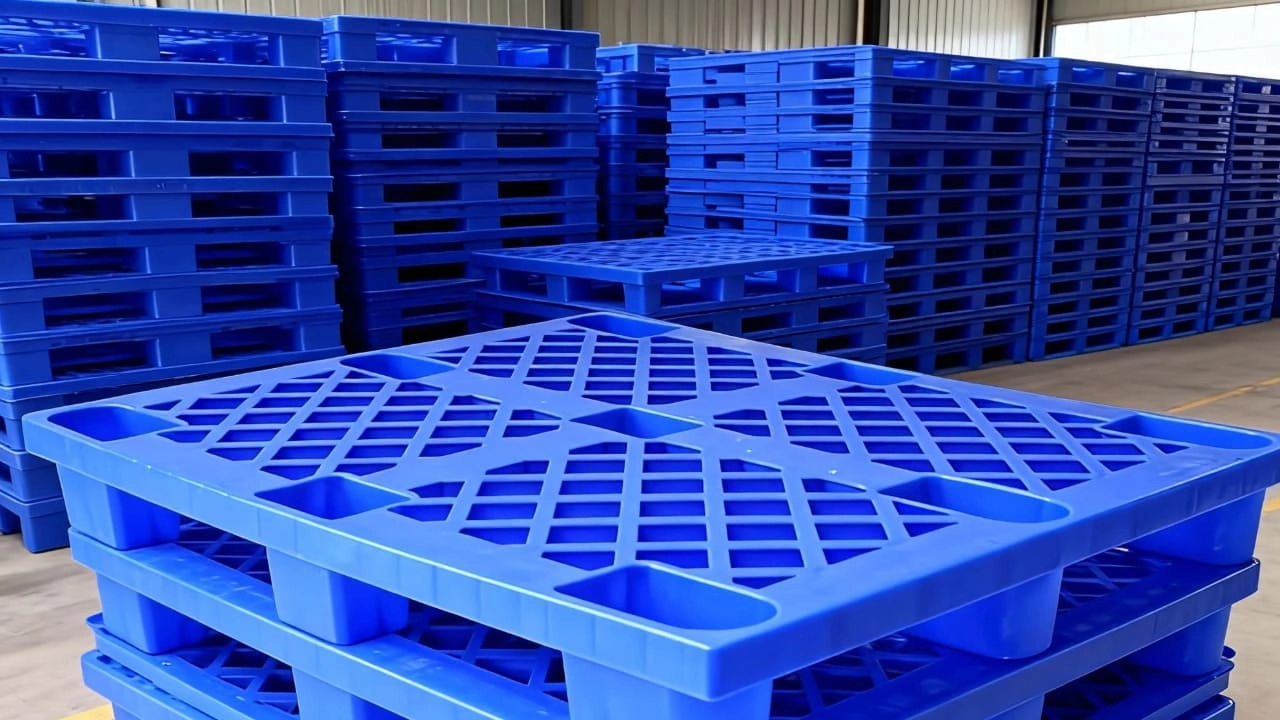
HDPE vs. PP Plastic Pallet: How to Choose the Right Material for Your Warehouse
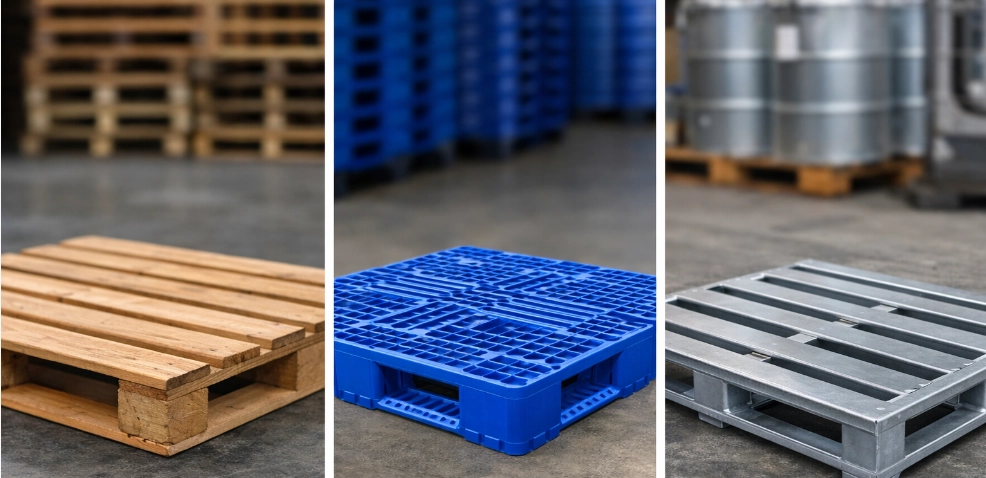
Wooden Pallets vs Plastic Pallets vs Metal Pallets — Which Is Better for Modern Logistics?
Custom Private Labeling Services
How long does it take to produce if I give you my design of pallet.
Mold producttion takes about 2 months from production to adjustment. Hence we recommend you to plan ahead of time.
What customized service can you provide?
We provide mold design, logo printing (silk screen printing or embossing), customized color and formula for our plastic products.
After-Sales Service and Support
What warranty do your plastic pallets and boxes come with?
About Products
Are there other sizes available apart from the ones on your website?
Yes, more sizes and styles of the plastic pallets and boxes are under development. Please contact us to check for availability.
About Collaboration
Is there any other way to work with you?
Yes, apart from reselling, retail or distribution, we also accept commission based orders.
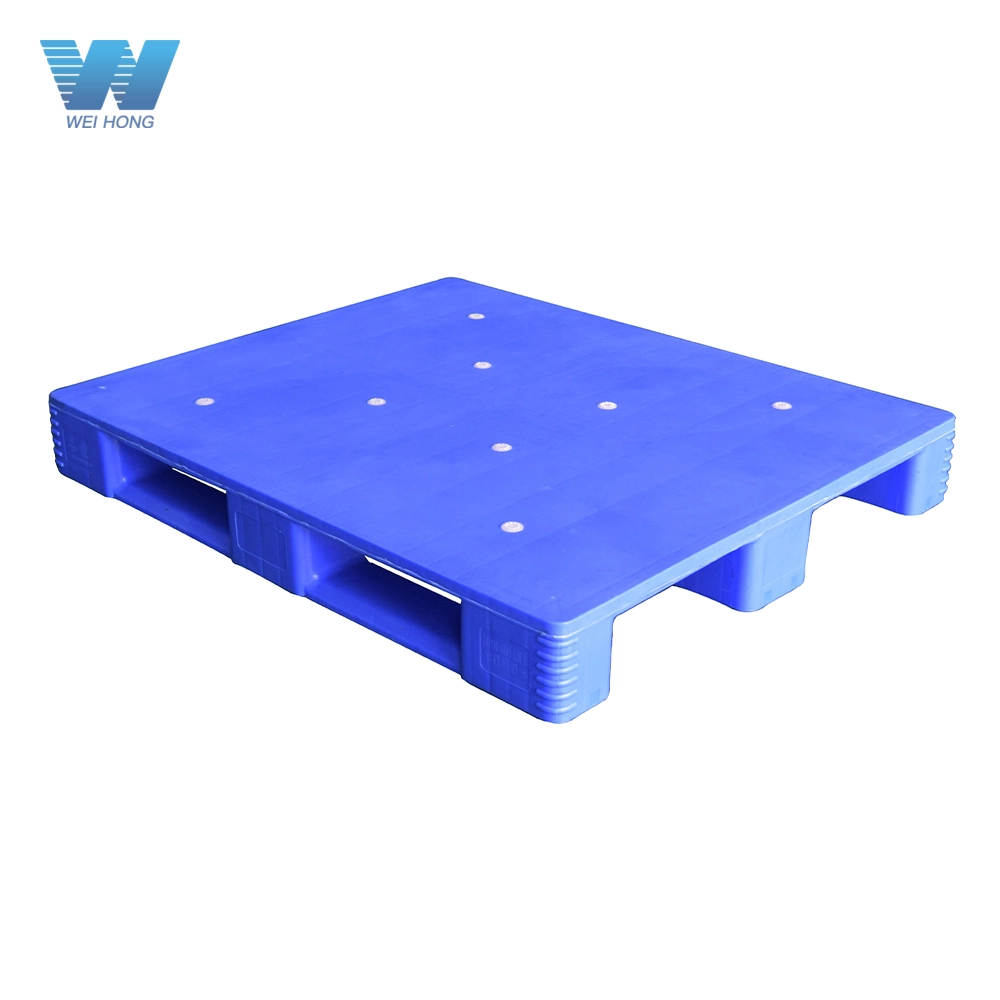
ZJ1210-150H Three-runner Closed Deck Hygienic Plastic Pallet
The three-runner closed-deck hygienic plastic pallet is a solid and durable packaging solution designed for general and especially food and medicine storage and transport. It’s made of virgin HDPE or PP, featuring a flat surface and even bottom for hygienic consideration, a reinforced configuration with steel cores for rack and shelf, and a steady loading capacity.
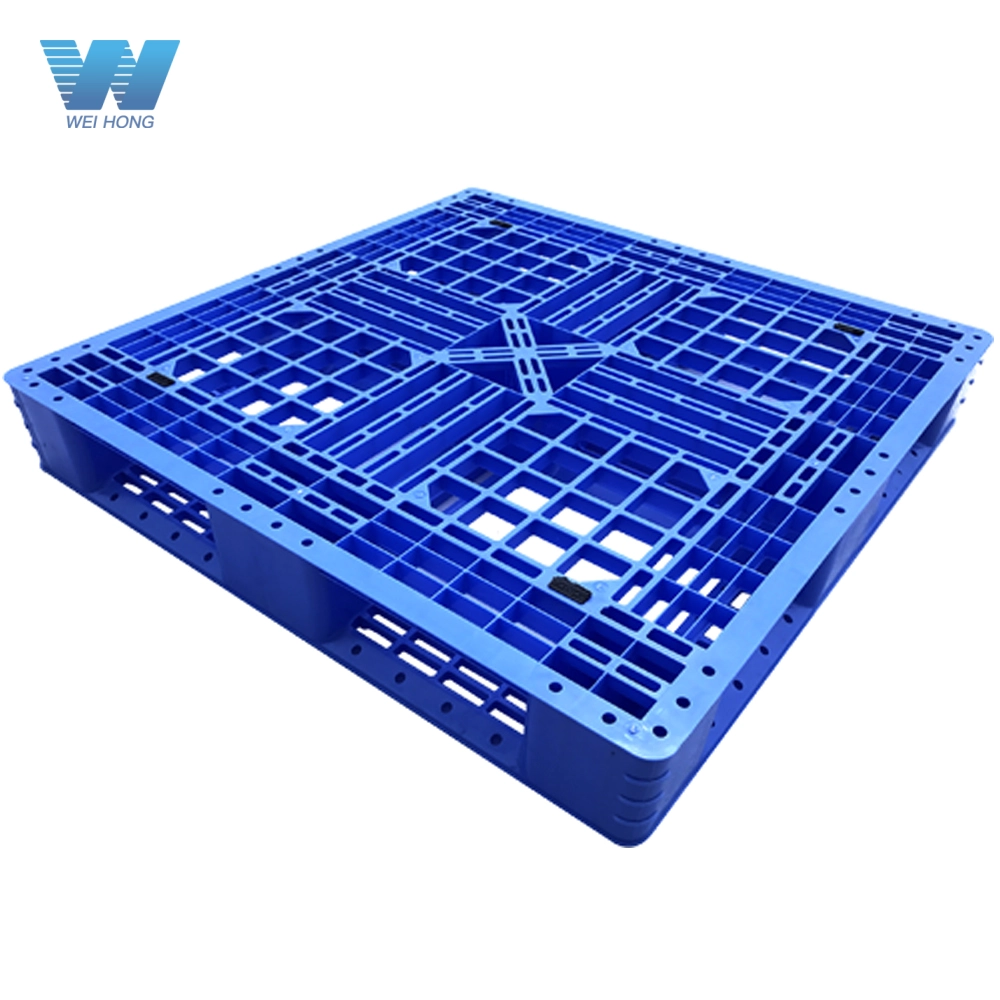
ZJ1010-150 Six-runner Single-sided Plastic Pallet
The six-runner plastic pallet, open or closed deck, is a solid and durable packaging solution designed for general and medium to heavy-duty cargo stacking, storage and transport. It’s made of virgin HDPE or PP, featuring in robust structure, a reinforced configuration with steel cores for the rack and shelf, and a steady loading capacity.
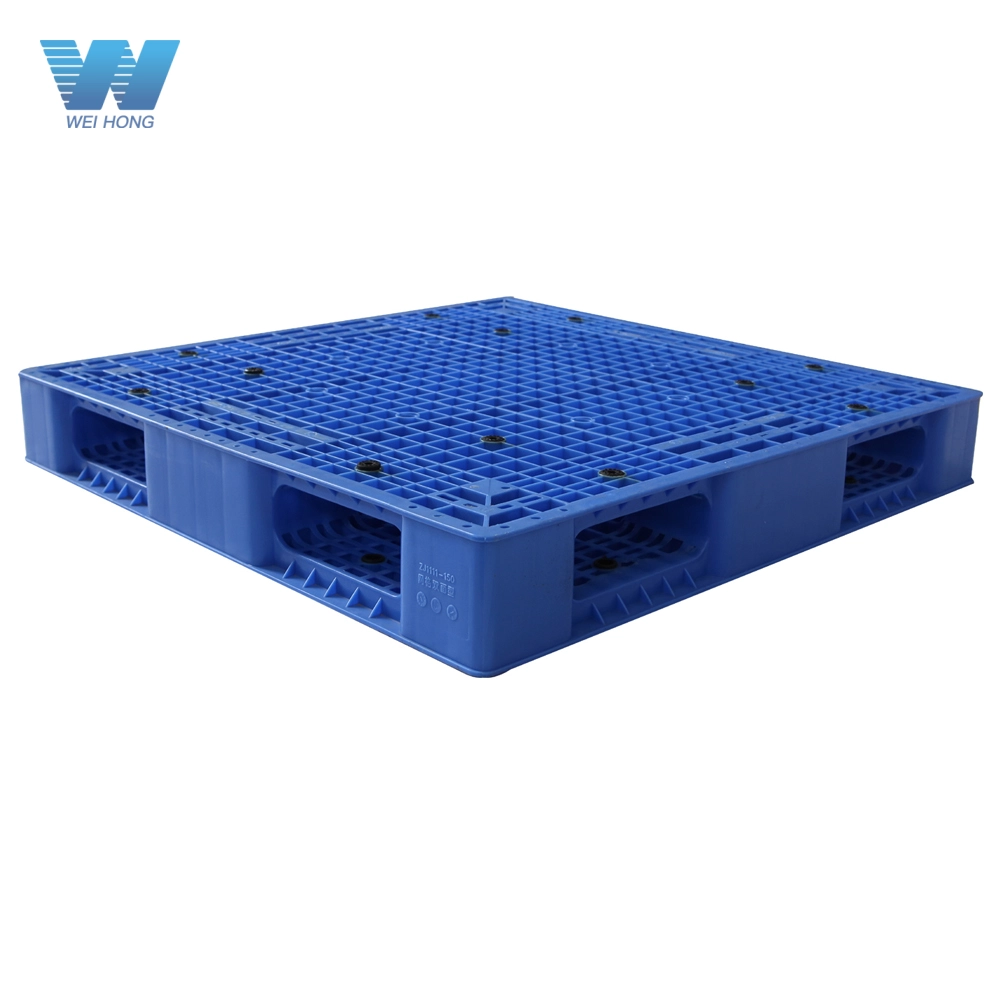
ZJ11111-150 Double-sided Heavy Duty Plastic Pallet
The double-sided plastic pallet, open deck or closed deck, is a solid and durable packaging solution designed for general and medium to heavy-duty cargo stacking, storage and transport. It’s made of virgin HDPE or PP, featuring a robust structure, a reinforced configuration with steel cores for the rack and shelf, and a steady loading capacity for both sides.
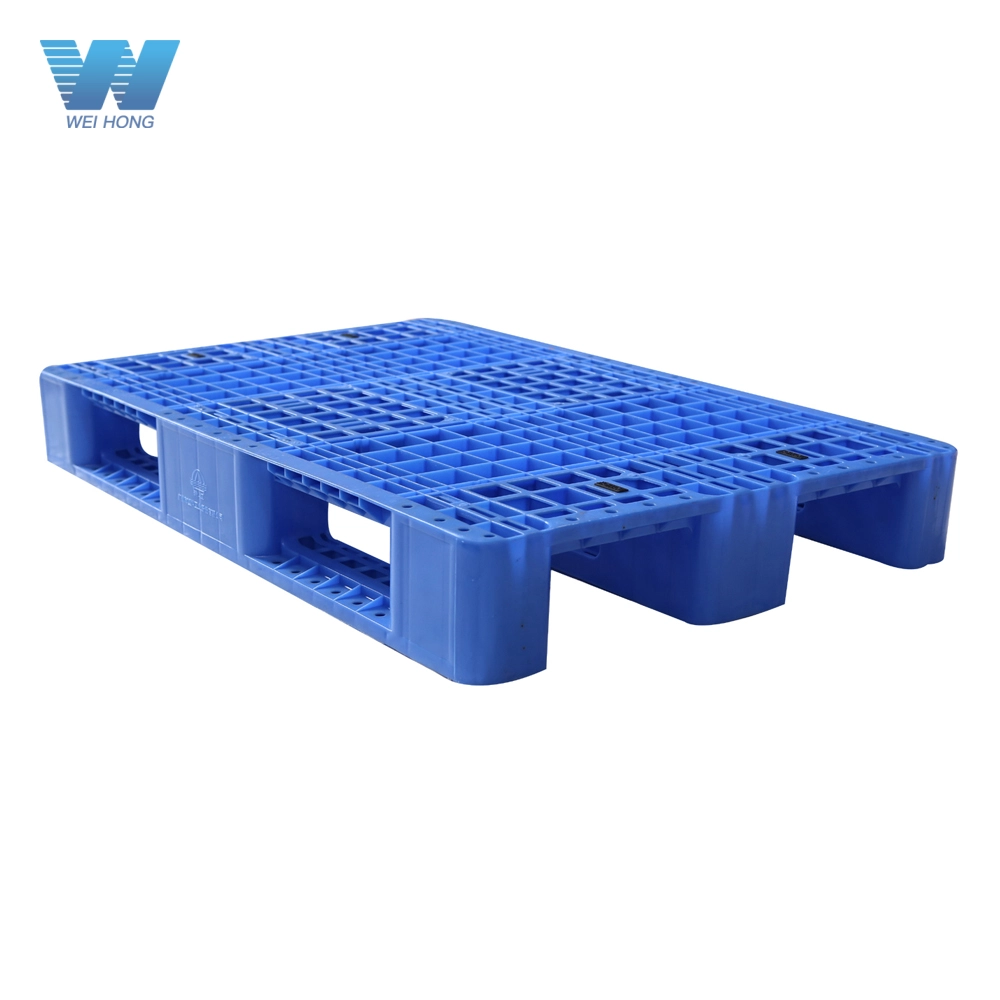
ZJ1208-155 Three-runner Single-sided Plastic Pallet
The three-runner single-sided plastic pallet is a solid and durable packaging solution designed for general and medium to heavy-duty cargo storage, transport and automated storage and retrieval system (AS/RS) use. It’s made of virgin HDPE or PP, featuring in robust structure, reinforced configuration with steel cores for rack and shelf, and a steady loading capacity.
Request More Information About Plastic Pallets
Have questions or need detailed insights on this article? Fill out the form below to contact our team for comprehensive information and support related to our plastic pallet solutions.
Contact us


+86 138 0277 8204
+86 183 4431 0917
+86 195 3791 1860

No. 15-1, Fengying Rd., Taiping Town, Conghua Dist., Guangzhou City, Guangdong Province, China.
Weihong
Whatsapp: +8613802778204
Guangdong Weihong Plastic Technology Co., Ltd.
Scan QR Code