











What colors and markings are available for plastic pallets? | Insights by Weihong
- 1. What do different colors of plastic pallets signify in various industries?
- 2. Are there standardized color codes for plastic pallets?
- 3. How do pallet markings differ across regions and standards?
- 4. Can plastic pallets be customized with specific colors and markings?
- 5. What are the benefits of using color-coded plastic pallets in warehouse management?
- 6. Are there any environmental considerations when choosing plastic pallet colors?
1. What do different colors of plastic pallets signify in various industries?
Plastic pallets come in a variety of colors, each serving a specific purpose across different industries:
Black Pallets: Often made from recycled materials, black pallets are cost-effective and commonly used in general warehousing and logistics.
Blue Pallets: Typically constructed from virgin materials, blue pallets are prevalent in the food and beverage sectors, adhering to FDA guidelines for direct contact with consumables.
Green Pallets: Symbolizing eco-friendliness, green pallets are frequently utilized for environmentally conscious products and in the food industry to denote fresh produce.
Red Pallets: Indicating caution, red pallets are used to signify hazardous or flammable materials, as well as raw meat in the food industry.
Yellow Pallets: Often used for high-visibility applications, yellow pallets are less common but can be found in specialized industries requiring distinct color coding.
2. Are there standardized color codes for plastic pallets?
While there is no universal standard for plastic pallet colors, certain industries have adopted color codes to streamline operations:
Food Industry: The food sector often employs color coding to prevent cross-contamination. For instance, green pallets are used for fresh produce, while red denotes raw meat.
Safety Signage: International standards like ISO 3864 define safety colors for various hazards, which can be applied to pallet color coding.
However, these practices are not universally mandated, and color usage can vary by company and region.
3. How do pallet markings differ across regions and standards?
Pallet markings are essential for indicating compliance with international standards:
IPPC Marking: The International Plant Protection Convention (IPPC) requires pallets to have a stamp indicating they have been treated to prevent pest infestation, essential for international shipping.
EUR/EPAL Marking: European pallets often bear the EPAL logo, signifying adherence to European quality standards.
ISO 3864: This standard specifies safety colors and signs, which can be applied to pallet markings to indicate hazards.
These markings ensure pallets meet specific criteria for safety, quality, and international trade.
4. Can plastic pallets be customized with specific colors and markings?
Yes, plastic pallets can be customized to meet specific needs:
Color Customization: Manufacturers offer a range of colors, including standard options like black, blue, green, red, and yellow, as well as custom colors to align with brand identity or operational requirements.
Marking Customization: Pallets can be marked with logos, sequential numbering, barcodes, or other identifiers to enhance traceability and brand recognition.
Customization options may vary by manufacturer and order quantity.
5. What are the benefits of using color-coded plastic pallets in warehouse management?
Implementing color-coded plastic pallets offers several advantages:
Improved Organization: Color coding helps in quickly identifying product categories, reducing errors in order fulfillment.
Enhanced Safety: Distinct colors can signify hazardous materials, alerting staff to handle with care.
Brand Consistency: Custom colors align with company branding, reinforcing brand identity.
Regulatory Compliance: Certain industries require specific color codes for compliance with health and safety regulations.
6. Are there any environmental considerations when choosing plastic pallet colors?
When selecting plastic pallet colors, consider the following environmental factors:
Material Composition: Pallets made from recycled materials are more eco-friendly.
Durability: High-quality pallets have a longer lifespan, reducing the frequency of replacements and minimizing waste.
Recyclability: Ensure the pallets are 100% recyclable to support sustainability efforts.
In conclusion, understanding the significance of plastic pallet colors and markings is crucial for efficient warehouse management, safety compliance, and brand identity. By selecting the appropriate colors and markings, businesses can enhance operational efficiency and meet industry standards. For customized solutions tailored to your specific needs, contact us at (mailto:yangyf@gzpl.com.cn).
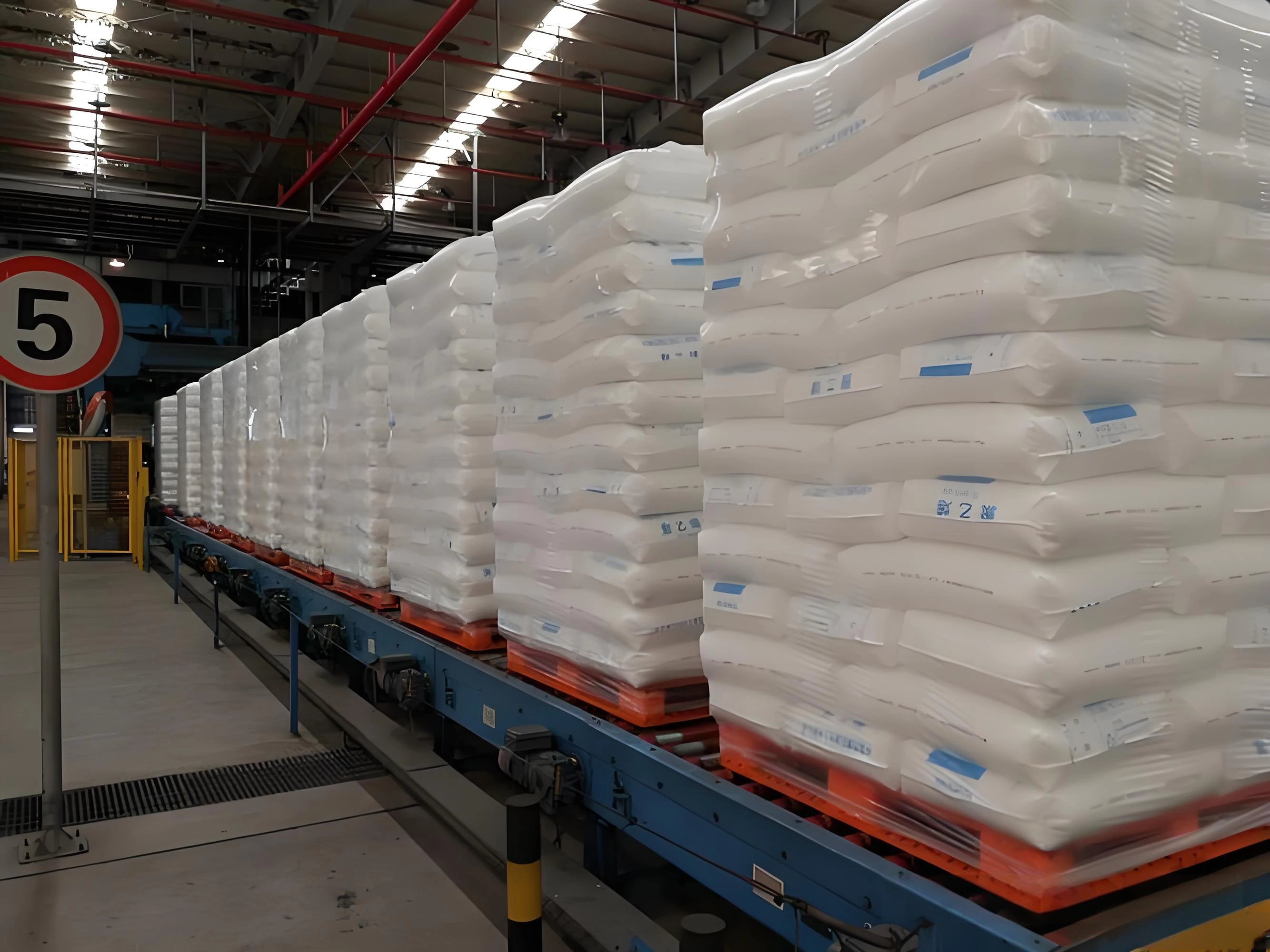
Who Needs Plastic Pallets? A Complete Guide for Modern Logistics and Warehousing

The Hidden Costs of Cheap Pallets: Maximizing ROI with a High-Quality Plastic Pallet
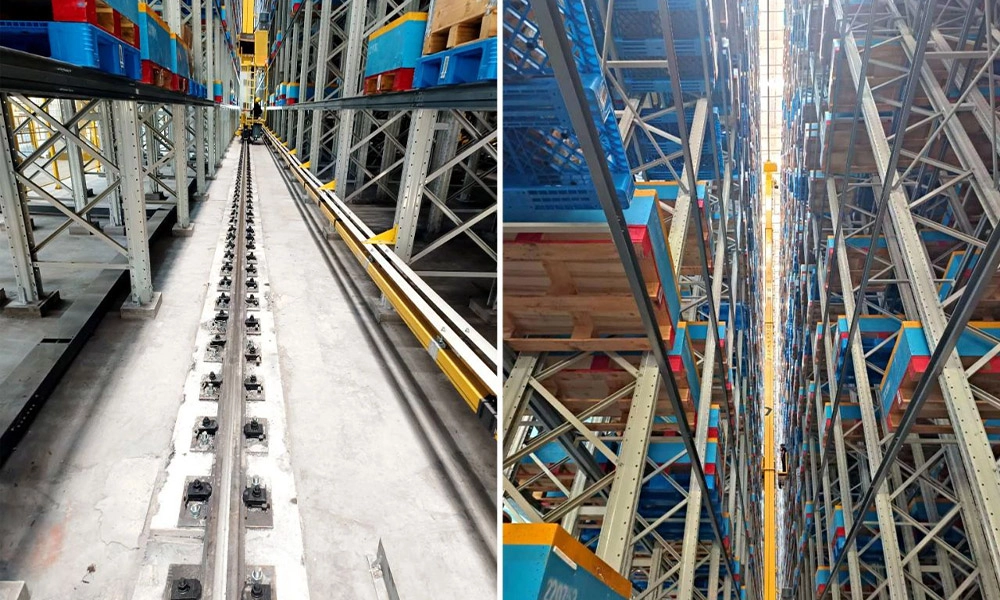
Can Plastic Pallets Be Used in Racking Systems? Complete Warehouse Guide

Plastic vs. Wood Pallets: Why Hygienic Plastic Is the ONLY Choice for Pharma & Food Safety (2026 Guide)
About Products
What materials are your prodcuts made of?
Are there other sizes available apart from the ones on your website?
Yes, more sizes and styles of the plastic pallets and boxes are under development. Please contact us to check for availability.
Logistics and Payment
How long does it take to ship to my country?
Average shipping time ranges from 7 days to 35 days. We will calculate for you when port of destination is confirmed.
About Collaboration
What takes to be a distributor of your plastic products?
Do you have exclusive distributor in my country?
We currently have one or two exclusive distributors. Please tell me to where you would like to import out plastic pallets and boxes to check for it.

ZJ1210-150H Three-runner Closed Deck Hygienic Plastic Pallet
The three-runner closed-deck hygienic plastic pallet is a solid and durable packaging solution designed for general and especially food and medicine storage and transport. It’s made of virgin HDPE or PP, featuring a flat surface and even bottom for hygienic consideration, a reinforced configuration with steel cores for rack and shelf, and a steady loading capacity.
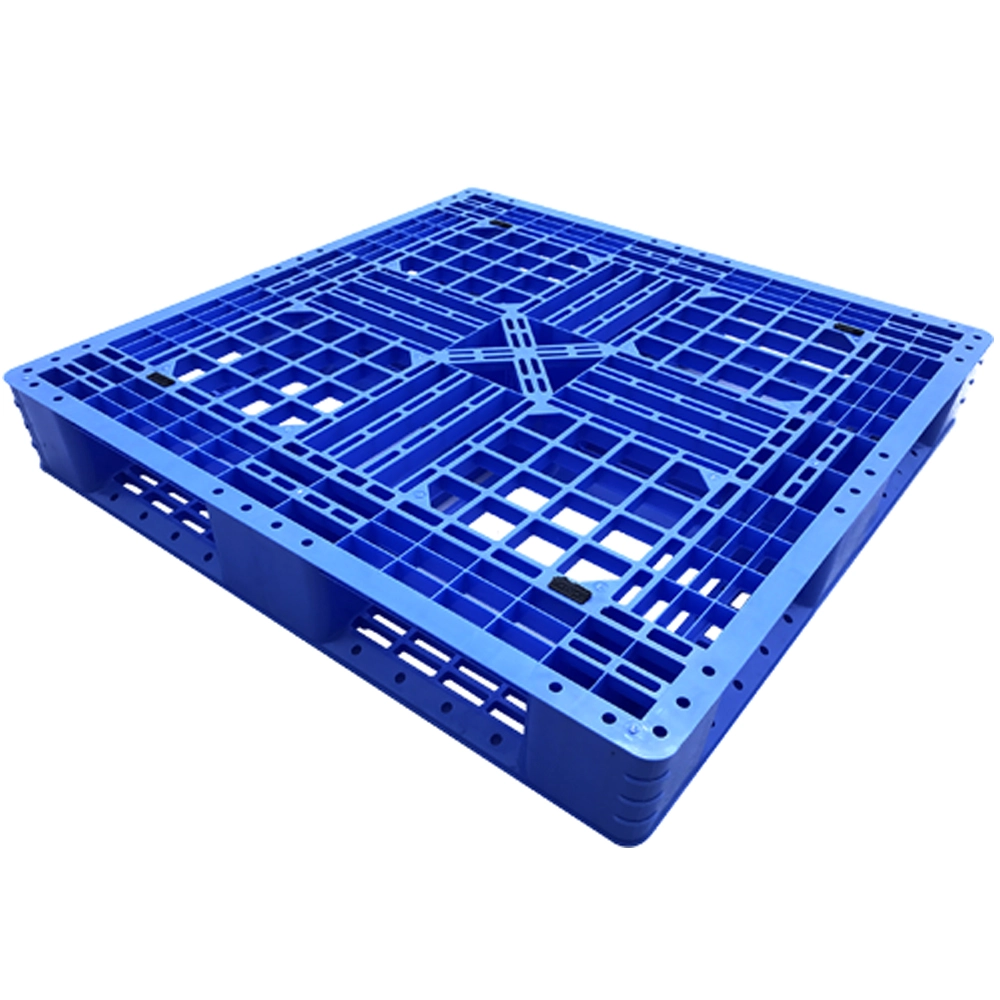
ZJ1010-150 Six-runner Single-sided Plastic Pallet
The six-runner plastic pallet, open or closed deck, is a solid and durable packaging solution designed for general and medium to heavy-duty cargo stacking, storage and transport. It’s made of virgin HDPE or PP, featuring in robust structure, a reinforced configuration with steel cores for the rack and shelf, and a steady loading capacity.
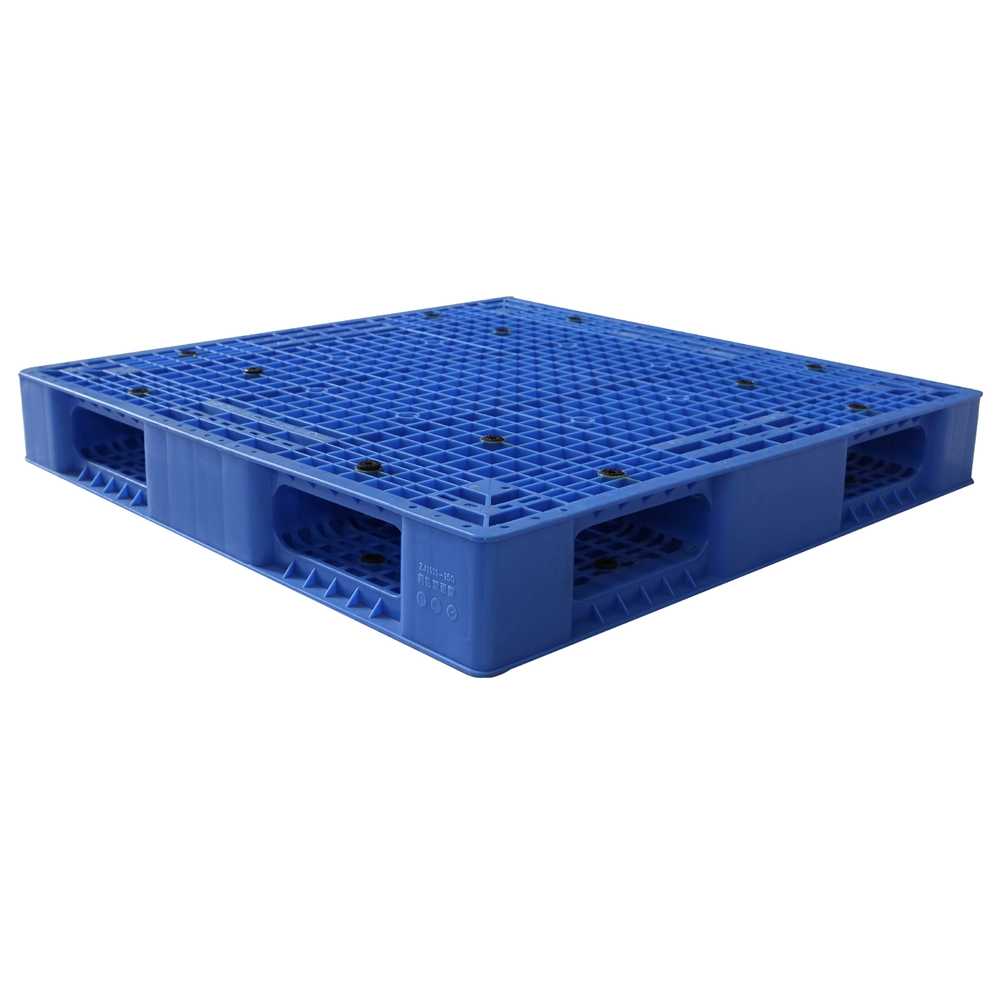
ZJ11111-150 Double-sided Heavy Duty Plastic Pallet
The double-sided plastic pallet, open deck or closed deck, is a solid and durable packaging solution designed for general and medium to heavy-duty cargo stacking, storage and transport. It’s made of virgin HDPE or PP, featuring a robust structure, a reinforced configuration with steel cores for the rack and shelf, and a steady loading capacity for both sides.
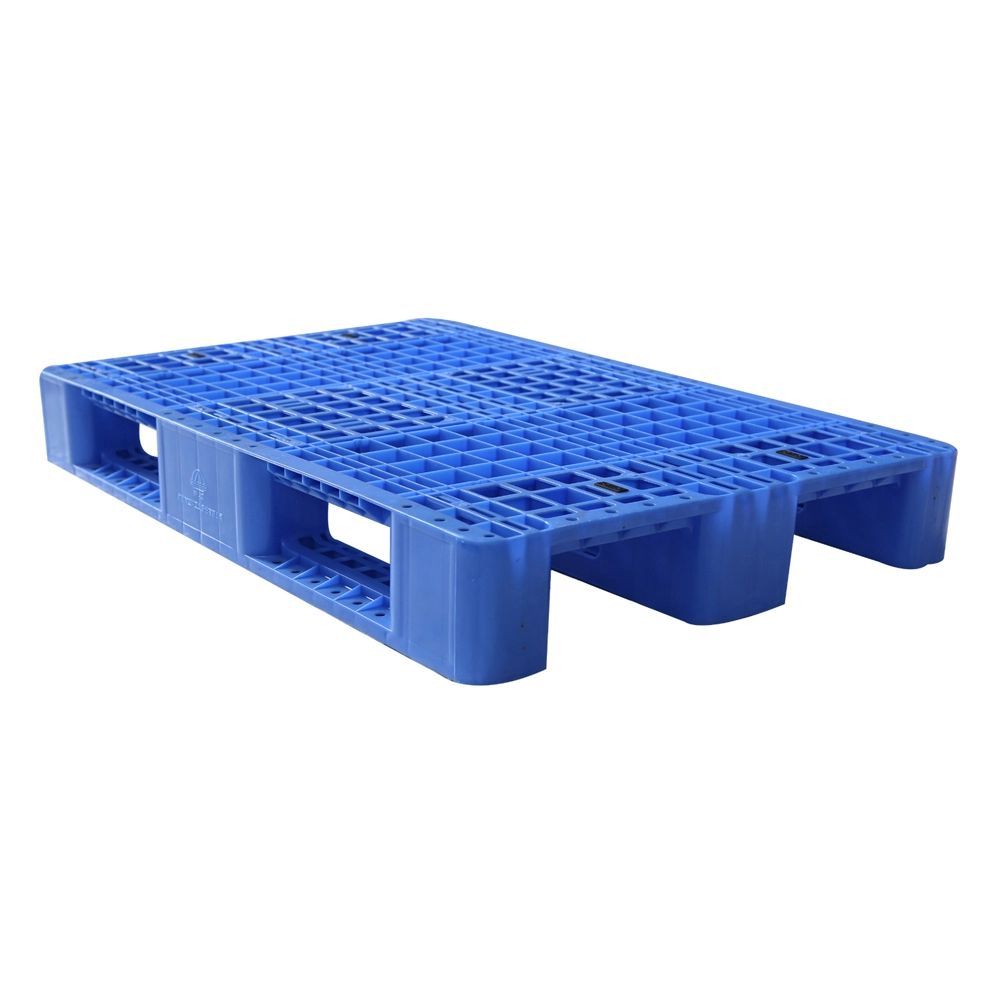
ZJ1208-155 Three-runner Single-sided Plastic Pallet
The three-runner single-sided plastic pallet is a solid and durable packaging solution designed for general and medium to heavy-duty cargo storage, transport and automated storage and retrieval system (AS/RS) use. It’s made of virgin HDPE or PP, featuring in robust structure, reinforced configuration with steel cores for rack and shelf, and a steady loading capacity.
Request More Information About Plastic Pallets
Have questions or need detailed insights on this article? Fill out the form below to contact our team for comprehensive information and support related to our plastic pallet solutions.
Contact us


+86 138 0277 8204
+86 183 4431 0917
+86 195 3791 1860

No. 15-1, Fengying Rd., Taiping Town, Conghua Dist., Guangzhou City, Guangdong Province, China.
 Scan QR Code
Weihong
Whatsapp: +8613802778204
Guangdong Weihong Plastic Technology Co., Ltd.
Scan QR Code
Whatsapp: +8619537911860
Scan QR Code