











What load capacity do plastic pallets support? | Insights by Weihong

- 1. What is the difference between static, dynamic, and racking load capacities in plastic pallets?
- 2. How do material properties and design influence the load capacity of plastic pallets?
- 3. How does the load distribution affect the performance of plastic pallets?
- 4. What environmental factors can impact the load capacity of plastic pallets?
- 5. How do plastic pallet load capacities compare to those of wooden pallets?
- 6. What are the safety implications of exceeding the load capacity of plastic pallets?
1. What is the difference between static, dynamic, and racking load capacities in plastic pallets?
Understanding the various load capacities of plastic pallets is crucial for selecting the right pallet for your needs. These capacities are categorized as follows:
Static Load Capacity: This refers to the maximum weight a pallet can support when it is stationary on a flat, solid surface. Static load capacity is typically the highest among the three categories, as the pallet is not subjected to movement forces. For instance, standard plastic pallets can support static loads ranging from 2,500 to 30,000 pounds, depending on their design and material strength.
Dynamic Load Capacity: This denotes the maximum weight a pallet can handle while in motion, such as when being lifted by a forklift or pallet jack. The dynamic load capacity is generally lower than the static load capacity due to the additional stresses imposed during movement. Plastic pallets typically support dynamic loads between 3,000 and 5,500 pounds.
Racking Load Capacity: Also known as racking or shelf load capacity, this indicates the maximum weight a pallet can bear when placed on a racking system with support only at the edges. Racking load capacity is usually the lowest among the three, as the pallet is not supported beneath its center. Plastic pallets designed for racking can support loads ranging from 2,500 to 3,000 pounds.
2. How do material properties and design influence the load capacity of plastic pallets?
The load capacity of plastic pallets is significantly influenced by the materials used and their structural design:
Material Strength: High-quality plastics, such as High-Density Polyethylene (HDPE) or Polypropylene (PP), offer superior strength and durability, enabling the pallet to support heavier loads.
Design Structure: Pallets with reinforced decks, additional ribs, or cross-bracing can distribute weight more evenly and enhance load-bearing capacity. For example, heavy-duty plastic pallets with reinforced designs can support static loads exceeding 6,000 pounds.
Manufacturing Quality: Consistent manufacturing processes ensure uniformity in material distribution and structural integrity, directly affecting the pallet's load capacity.
3. How does the load distribution affect the performance of plastic pallets?
Proper load distribution is vital for the optimal performance of plastic pallets:
Even Distribution: Ensuring that the load is evenly spread across the pallet prevents localized stress concentrations, reducing the risk of pallet failure.
Concentrated Loads: Placing heavy items in the center or at the edges can lead to excessive stress in those areas, potentially causing the pallet to crack or collapse.
Stacking Considerations: When stacking pallets, the weight of the upper pallets adds to the load on the lower ones. It's essential to consider the cumulative weight to prevent overloading the bottom pallet.
4. What environmental factors can impact the load capacity of plastic pallets?
Environmental conditions can significantly affect the load-bearing capabilities of plastic pallets:
Temperature Variations: Extreme temperatures can alter the physical properties of plastic materials. High temperatures may soften the plastic, reducing its strength, while low temperatures can make it more brittle.
Exposure to Chemicals: Certain chemicals can degrade plastic materials, compromising their structural integrity and load capacity.
UV Exposure: Prolonged exposure to ultraviolet light can cause plastic to degrade, leading to a decrease in strength and an increased risk of failure under load.
5. How do plastic pallet load capacities compare to those of wooden pallets?
Plastic pallets often offer superior load capacities compared to wooden pallets:
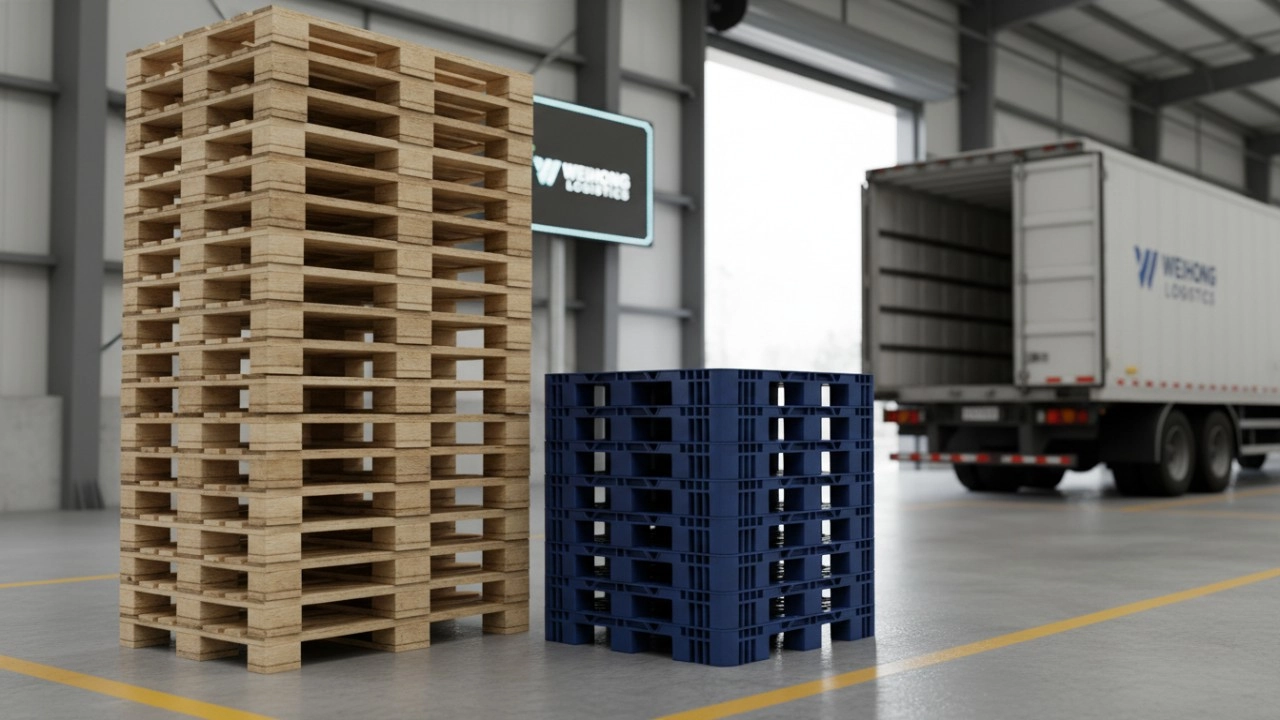
Higher Static Loads: Plastic pallets can support static loads ranging from 2,500 to 30,000 pounds, whereas wooden pallets typically support between 2,500 and 3,000 pounds.
Enhanced Durability: Plastic pallets are more resistant to moisture, chemicals, and temperature fluctuations, maintaining their load-bearing capacity over time.
Consistency: Plastic pallets offer uniform load capacities due to consistent manufacturing processes, whereas wooden pallets may vary in strength due to natural material inconsistencies.
6. What are the safety implications of exceeding the load capacity of plastic pallets?
Exceeding the load capacity of plastic pallets can lead to several safety hazards:
Pallet Failure: Overloading can cause the pallet to crack, collapse, or break, leading to potential injuries and product damage.
Product Damage: Excessive weight can deform or crush products, resulting in financial losses and customer dissatisfaction.
Operational Disruptions: Pallet failure can halt operations, leading to delays, increased labor costs, and potential regulatory issues.
In conclusion, understanding the load capacities of plastic pallets—static, dynamic, and racking—is essential for ensuring safety and efficiency in your operations. By considering material properties, design structures, load distribution, environmental factors, and safety implications, you can make informed decisions that align with your specific requirements.
For personalized advice and to explore our range of high-quality plastic pallets, please contact us at yangyf@gzpl.com.cn or visit our website at www.pearlriverplastics.com.
Custom Plastic Pallet Solutions: Enhancing Efficiency in Automated Retrieval Systems (ASRS)
Understanding Maximum Pallet Weight: A Comprehensive Guide
Are Plastic Pallets a Fire Hazard? Understanding the Risks and Mitigations
Why Your Warehouse Needs Nestable Plastic Pallets: The 2026 Sustainability Roadmap
Logistics and Payment
What delivery terms do you support?
FOB term is our priority. Meanwhile, we accept also FCA, CFR, CIF, etc.
What payment terms do you accept?
About Products
What's the lead time if I place order?
Lead time for a 40HQ (370-1140pcs) is about 5-15 days depends on the style and size of the pallet.
Are your products compliant with EU/US food contact safety regulations?
Even though our plastic pallets or boxes are not food contact direct material, we adhere to the relative laws and regulations to use non-toxic raw material for our products.
About Collaboration
Do you have exclusive distributor in my country?
We currently have one or two exclusive distributors. Please tell me to where you would like to import out plastic pallets and boxes to check for it.
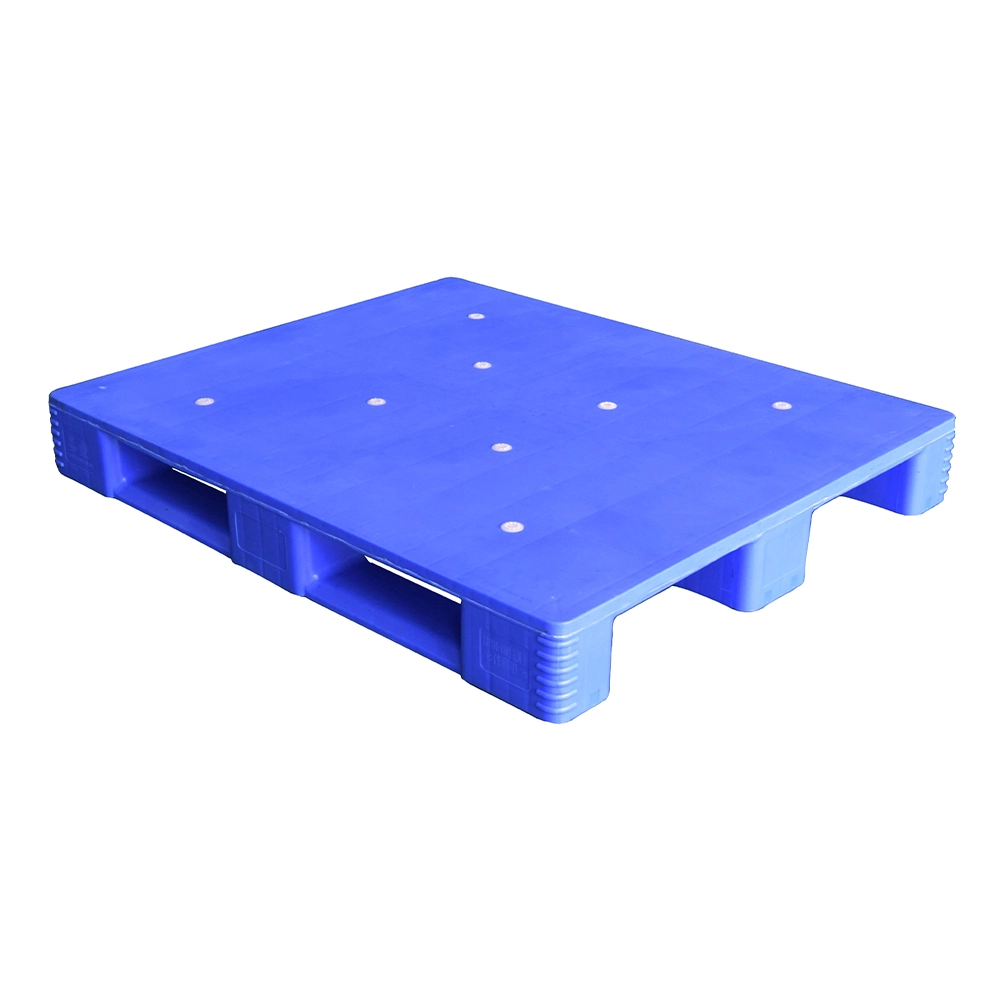
ZJ1210-150H Three-runner Closed Deck Hygienic Plastic Pallet
The three-runner closed-deck hygienic plastic pallet is a solid and durable packaging solution designed for general and especially food and medicine storage and transport. It’s made of virgin HDPE or PP, featuring a flat surface and even bottom for hygienic consideration, a reinforced configuration with steel cores for rack and shelf, and a steady loading capacity.
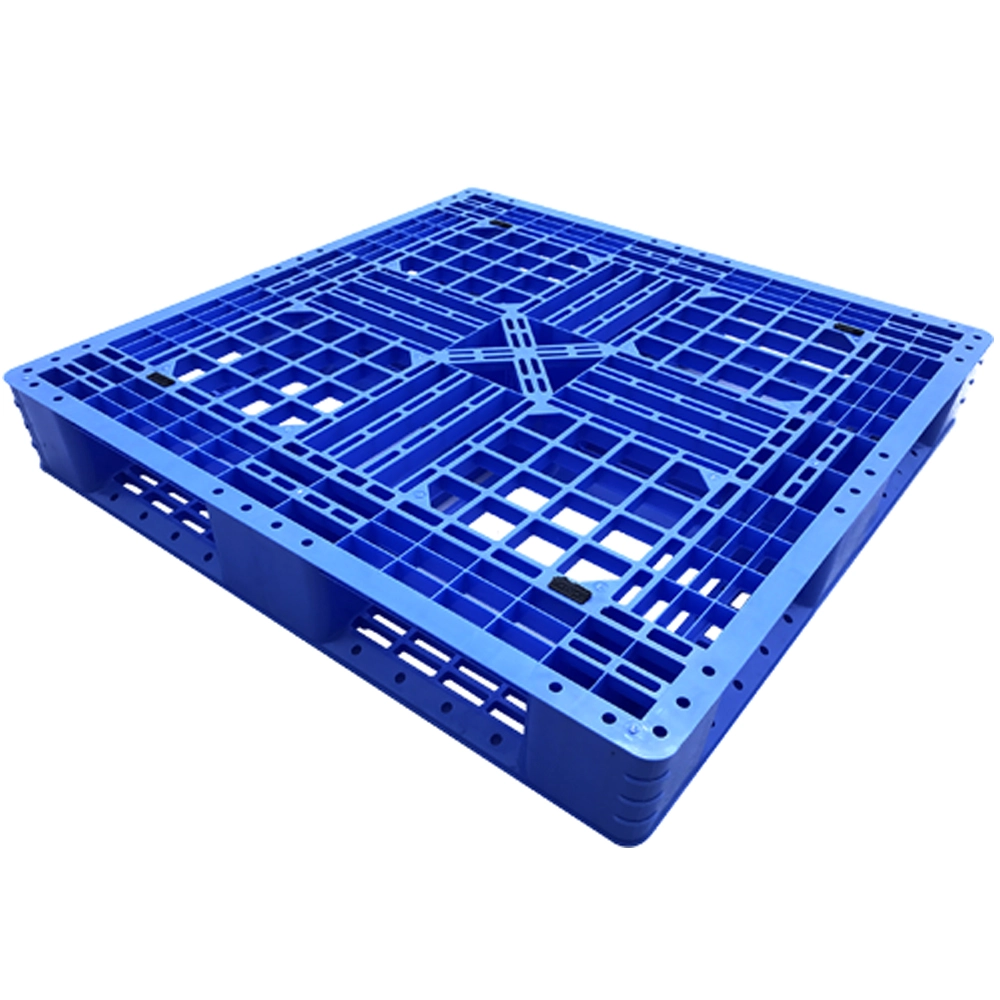
ZJ1010-150 Six-runner Single-sided Plastic Pallet
The six-runner plastic pallet, open or closed deck, is a solid and durable packaging solution designed for general and medium to heavy-duty cargo stacking, storage and transport. It’s made of virgin HDPE or PP, featuring in robust structure, a reinforced configuration with steel cores for the rack and shelf, and a steady loading capacity.
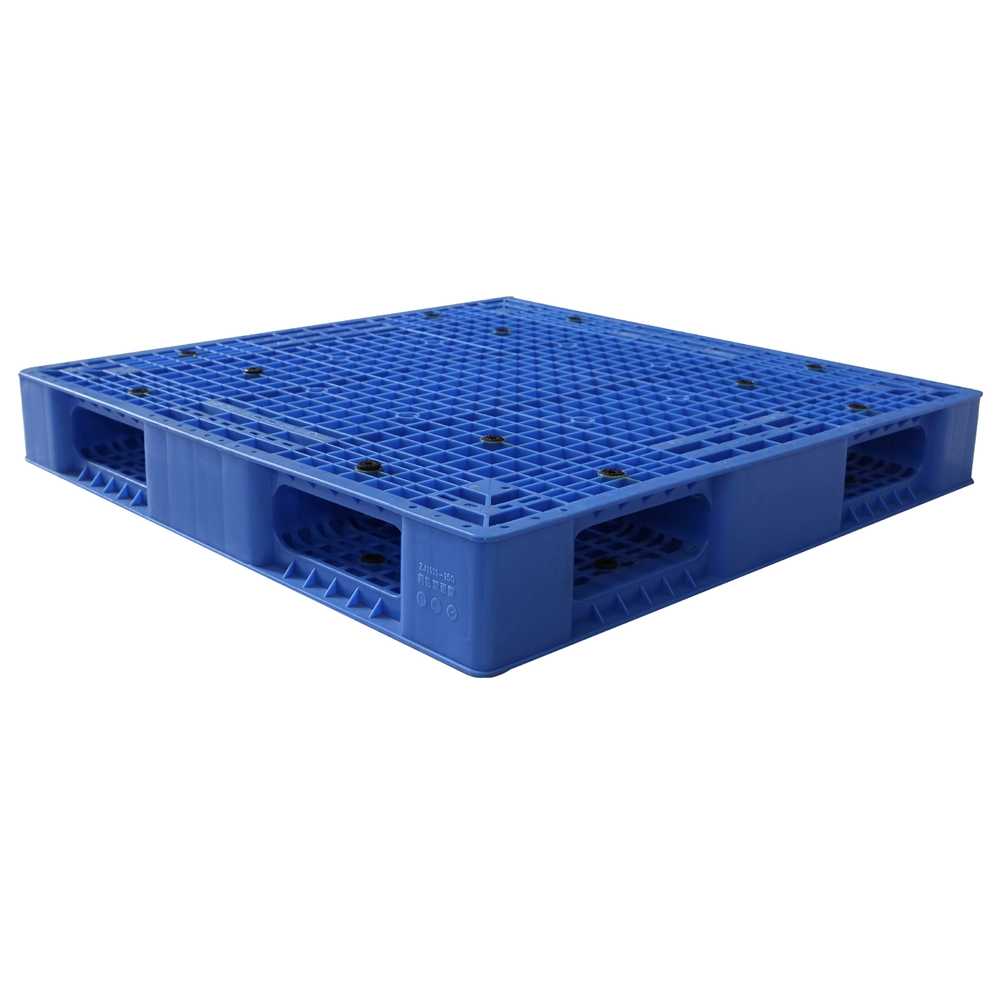
ZJ11111-150 Double-sided Heavy Duty Plastic Pallet
The double-sided plastic pallet, open deck or closed deck, is a solid and durable packaging solution designed for general and medium to heavy-duty cargo stacking, storage and transport. It’s made of virgin HDPE or PP, featuring a robust structure, a reinforced configuration with steel cores for the rack and shelf, and a steady loading capacity for both sides.
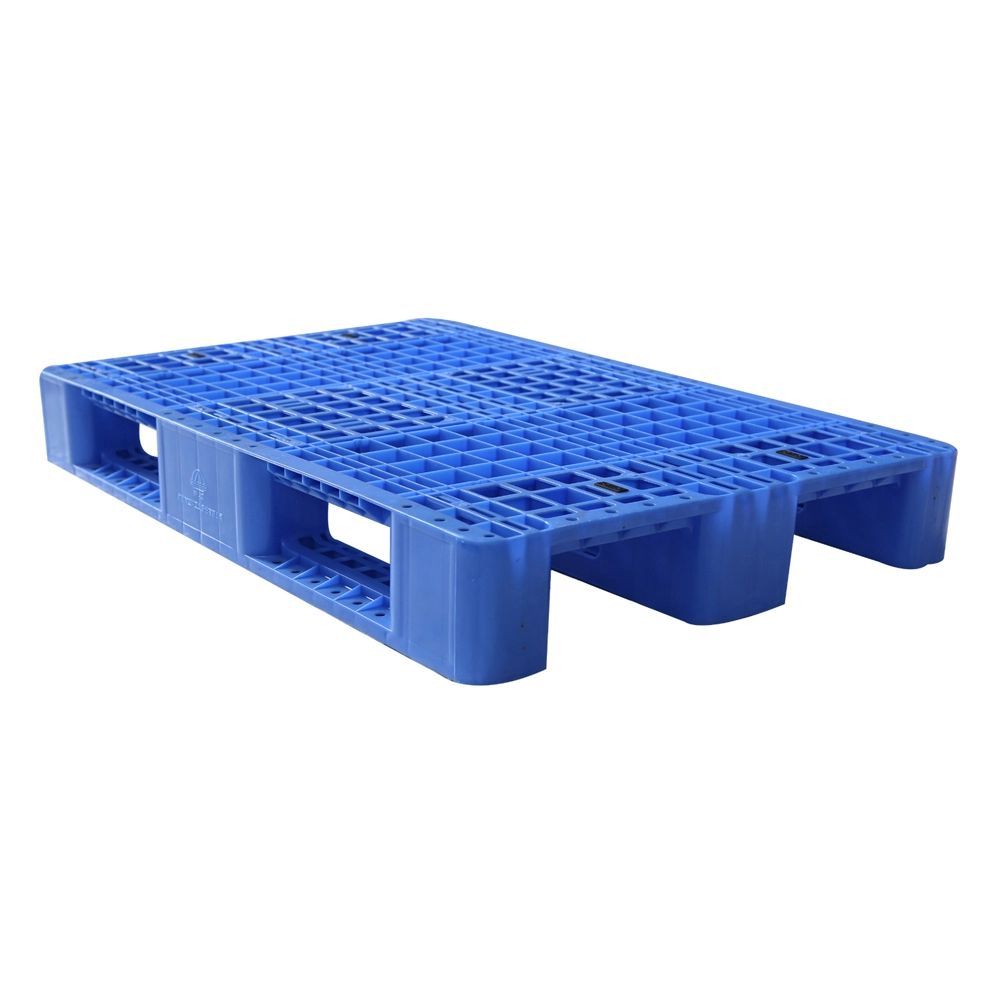
ZJ1208-155 Three-runner Single-sided Plastic Pallet
The three-runner single-sided plastic pallet is a solid and durable packaging solution designed for general and medium to heavy-duty cargo storage, transport and automated storage and retrieval system (AS/RS) use. It’s made of virgin HDPE or PP, featuring in robust structure, reinforced configuration with steel cores for rack and shelf, and a steady loading capacity.
Request More Information About Plastic Pallets
Have questions or need detailed insights on this article? Fill out the form below to contact our team for comprehensive information and support related to our plastic pallet solutions.
Contact us


+86 138 0277 8204
+86 183 4431 0917
+86 195 3791 1860

No. 15-1, Fengying Rd., Taiping Town, Conghua Dist., Guangzhou City, Guangdong Province, China.
Whatsapp: +8613802778204
Scan QR Code
Guangdong Weihong Plastic Technology Co., Ltd.
Weihong
Whatsapp: +8619537911860
Guangdong Weihong Plastics Technology Company Ltd.