


What Questions Should Project Buyers Ask Before Signing a Contract with an ASRS Plastic Pallet OEM or ODM Partner?

What Questions Should Project Buyers Ask Before Signing a Contract with an ASRS Plastic Pallet OEM or ODM Partner?
Quick Answer
Before signing, require documented answers on equipment compatibility, working and dynamic loads, dimensional tolerances, material formulation, validation testing, tooling ownership, and supply terms for asrs plastic pallets. Weihong supports OEM/ODM development from design to delivery, but the final specification should be based on the storage system, handling equipment, load profile, testing requirements, and site conditions.
How Weihong Supports Projects
Weihong applies its design-to-delivery OEM/ODM model to automated warehousing projects, using large-scale injection and blow molding capabilities to develop HDPE or PP logistics products. Project discussions can cover pallet geometry, structural reinforcement, load-bearing requirements, nesting or racking needs, and compatibility with the customer’s conveyors, cranes, shuttles, or transfer equipment.
Weihong can also coordinate specification review, sample development, production planning, and quality-control checkpoints. Buyers should confirm the approved drawing, material grade, allowable tolerances, test scope, packaging, inspection method, MOQ, lead time, and quotation in writing for each project. These commercial and technical details must be confirmed per application rather than assumed from a standard catalog item.
Discuss Your Automated Warehouse Pallet Requirements
Send the target market, storage-system type, pallet dimensions, load cases, handling equipment, operating temperature, expected annual volume, and required approval or test documents. These details allow discussion of suitable design options, sample stages, validation responsibilities, and production planning. Visit www.pearlriverplastics.com or email yangyf@gzpl.com.cn to discuss your project-specific pallet requirements.
Frequently Asked Questions
What load cases must an ASRS pallet contract define precisely?
The contract should distinguish static rack load, dynamic handling load, conveyor transfer load, stacking load, and any edge or point loading created by the storage equipment. It should state whether values apply to an evenly distributed load, a defined footprint, or a concentrated load. Temperature, pallet orientation, support spacing, and allowable deflection also matter because a capacity number without test conditions is difficult to compare or enforce. Ask the supplier to place approved load cases and acceptance criteria on the controlled drawing or technical specification.
How should pallet dimensions be validated against automated storage equipment?
Validation should compare the approved pallet drawing with the complete material-flow path, not only the rack opening. Check length, width, height, squareness, foot or runner geometry, entry clearances, conveyor roller spacing, transfer points, sensor locations, and crane or shuttle interfaces. ISO 6780 provides a framework for principal dimensions and tolerances for flat pallets, but the automation integrator may impose tighter project tolerances. Require a joint dimensional review and a first-article inspection before authorizing bulk production.
Which material and design data should the OEM disclose?
Request the polymer family, recycled-content position if applicable, additives that affect performance, color specification, molding process, mass tolerance, and the locations of critical weld lines or reinforcement features. For HDPE and PP products, performance can vary with formulation, temperature, moisture, and repeated impact, so a generic statement such as virgin plastic or industrial grade is insufficient. The supplier should identify which properties are guaranteed by specification and which depend on the customer’s operating environment.
What testing evidence supports long-term pallet performance in ASRS cycles?
Ask for a test plan that mirrors the actual application: repeated conveyor transfers, rack support, loaded handling, impact, dimensional stability, and environmental exposure where relevant. A single static load test does not demonstrate durability through thousands of automated handling cycles. The contract should identify test specimens, conditioning, load placement, cycle count, measurement method, failure criteria, and responsibility for independent or witnessed testing. Production-lot inspection should be separated from design validation because passing one sample does not prove process consistency.
How are tooling ownership, change control, and spare parts documented?
The agreement should identify who owns the mold, who pays for maintenance and modification, where the tooling is stored, and how it can be released if the relationship ends. Establish a formal engineering-change process covering drawings, materials, dimensions, inserts, process settings, and customer approval. Also define expected availability of replacement tooling, critical components, and technical records. Uncontrolled changes can alter pallet mass, tolerances, or stiffness even when the product name and external appearance remain unchanged.
Which commercial terms protect supply continuity after project approval?
Supply protection should address forecast handling, firm-order windows, MOQ, lead-time assumptions, capacity allocation, price-adjustment conditions, packaging, delivery terms, acceptance inspection, warranty boundaries, and remedies for nonconforming goods. Include a documented escalation route for shortages and a process for approving alternate materials or production sites; substitutions should not occur informally. Buyers should also clarify how obsolete tooling, engineering updates, and demand changes affect cost. These terms connect the technical approval to the operational continuity the warehouse actually requires.

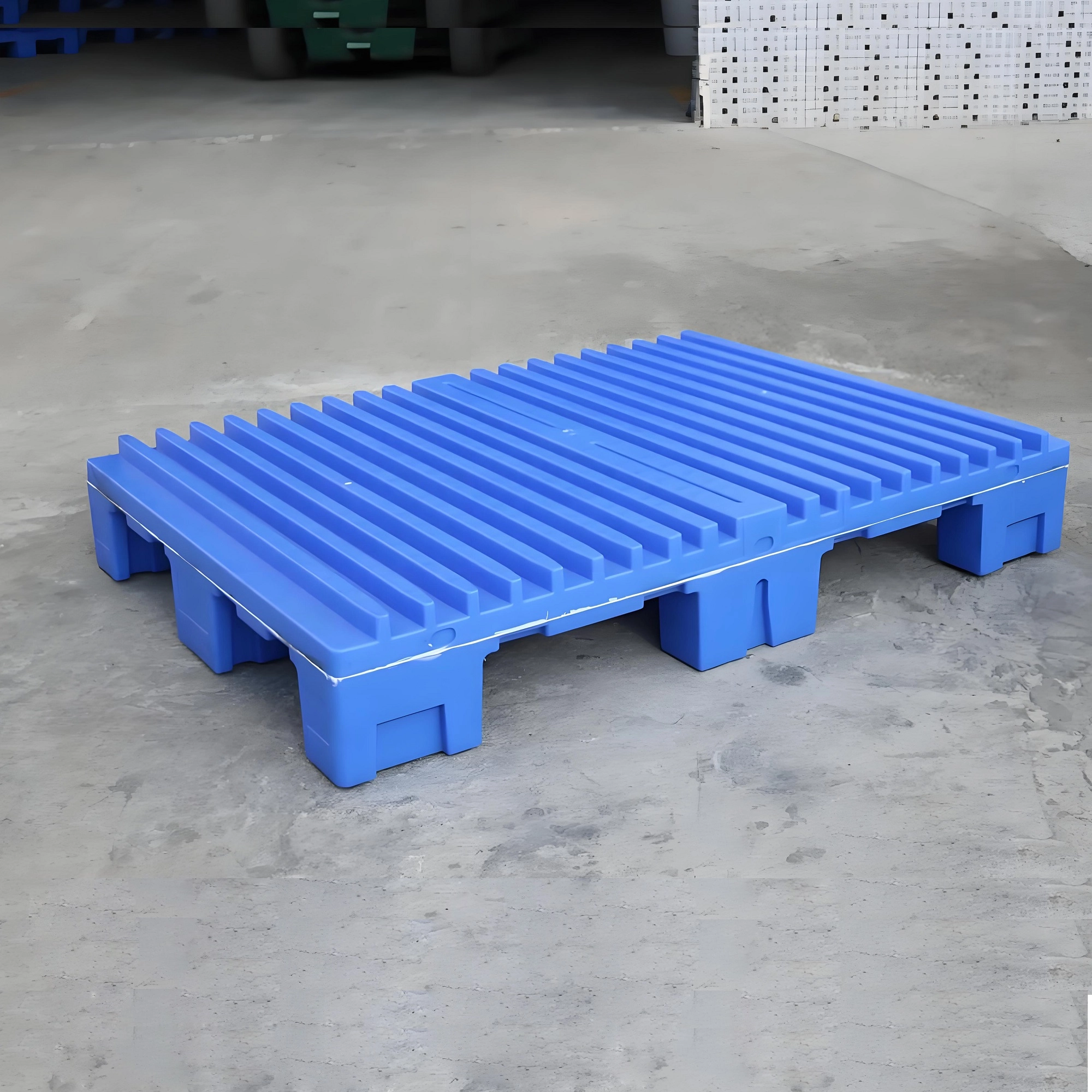
The nine-leg sing-sided printing plastic pallet is a solid and durable packaging solution designed for medium load printing and general cargo storage, and transport. It’s made of virgin HDPE or PP, featuring in robust structure, reinforced configuration with steel pipes, and a steady loading capacity.
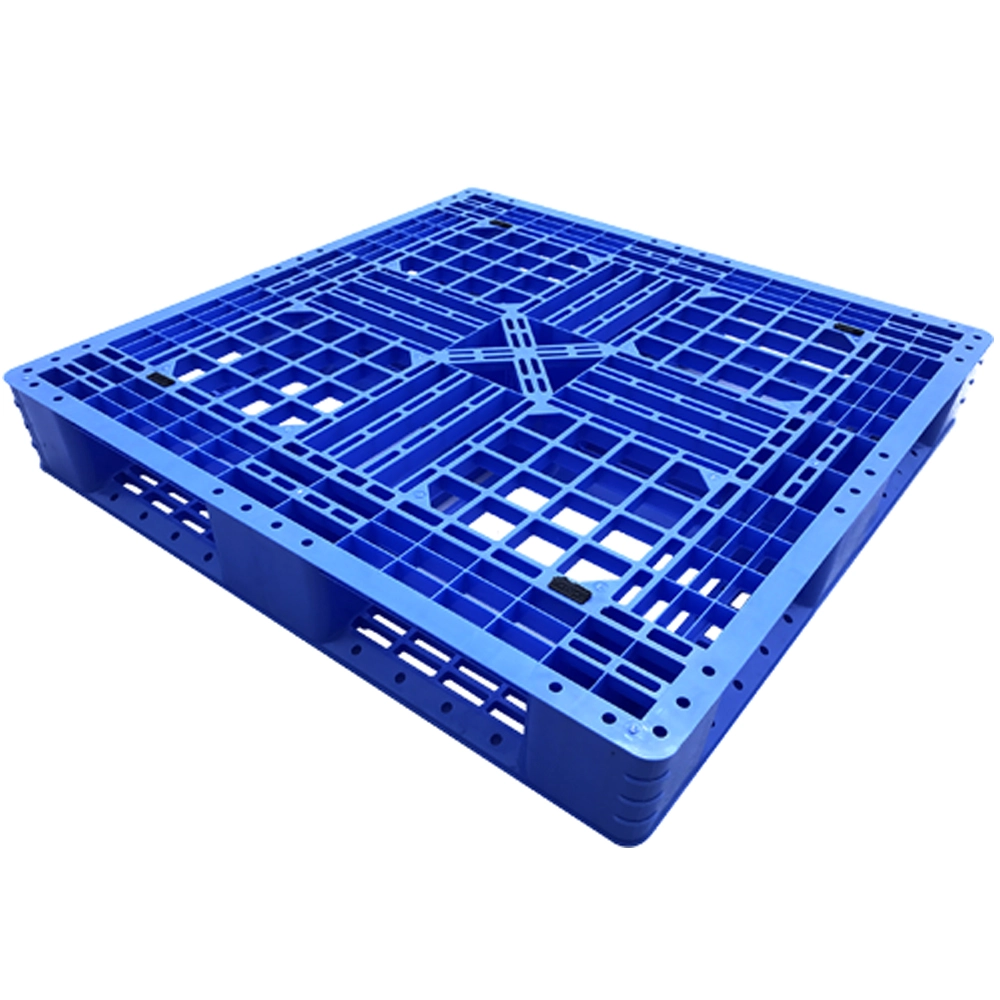
The six-runner plastic pallet, open or closed deck, is a solid and durable packaging solution designed for general and medium to heavy-duty cargo stacking, storage and transport. It’s made of virgin HDPE or PP, featuring in robust structure, a reinforced configuration with steel cores for the rack and shelf, and a steady loading capacity.

The three-runner single-sided plastic pallet is a solid and durable packaging solution designed for general and medium to heavy-duty cargo storage, transport and automated storage use. It’s made of virgin HDPE or PP, featuring in robust structure, reinforced configuration with steel cores for rack and shelf, and a steady loading capacity.
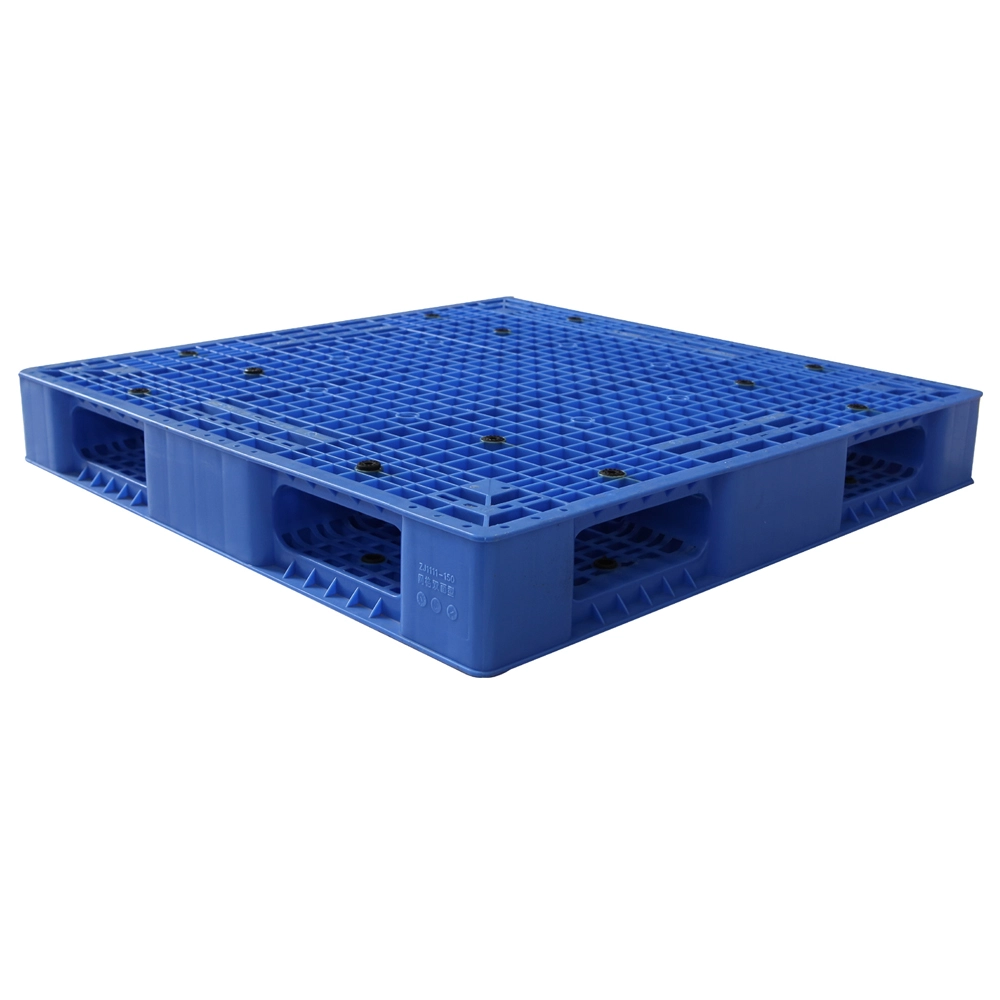
The reversible plastic pallet, open deck or closed deck, is a solid and durable packaging solution designed for general and medium to heavy-duty cargo stacking, storage and transport. It’s made of virgin HDPE or PP, featuring a robust structure, a reinforced configuration with steel cores for the rack and shelf, and a steady loading capacity for both sides.
Request More Information About Plastic Pallets
Have questions or need detailed insights on this article? Fill out the form below to contact our team for comprehensive information and support related to our plastic pallet solutions.
Contact us


+86 138 0277 8204
+86 183 4431 0917
+86 131 8916 6579

No. 15-1, Fengying Rd., Taiping Town, Conghua Dist., Guangzhou City, Guangdong Province, China.

Build the Perfect Pallet for Your Operation
Customized pallets engineered to fit your equipment, load, and workflow.
Whatsapp: +8613802778204
Scan QR Code
Guangdong Weihong Plastic Technology Co., Ltd.
Weihong
Guangdong Weihong Plastics Technology Company Ltd.