











Are plastic pallets recyclable? | Insights by Weihong

- 1. What types of plastic are used in plastic pallets, and how does this affect their recyclability?
- 2. How does the design and structure of plastic pallets influence their recyclability?
- 3. What are the environmental benefits of recycling plastic pallets compared to other materials?
- 4. What challenges exist in recycling plastic pallets, and how can they be addressed?
- 5. How does the recycling process of plastic pallets work?
- 6. Are there any misconceptions about the recyclability of plastic pallets?
1. What types of plastic are used in plastic pallets, and how does this affect their recyclability?
Plastic pallets are primarily constructed from high-density polyethylene (HDPE) and polypropylene (PP), both of which are thermoplastics. This composition allows them to be melted and reformed multiple times without significant degradation, facilitating efficient recycling processes. The use of these materials ensures that plastic pallets can be reprocessed into new pallets or other plastic products, thereby reducing waste and supporting sustainability efforts.
2. How does the design and structure of plastic pallets influence their recyclability?
The recyclability of plastic pallets is significantly influenced by their design and structure. Pallets constructed with a single type of plastic resin, such as HDPE or PP, are easier to identify and process in recycling facilities. Additionally, designs that minimize the use of mixed materials or permanently bonded components enhance recyclability. For instance, pallets without hard-to-remove accessories or mixed materials are more likely to be accepted in recycling streams.
3. What are the environmental benefits of recycling plastic pallets compared to other materials?
Recycling plastic pallets offers several environmental advantages over alternatives like wood or metal pallets. Unlike wood pallets, plastic pallets do not splinter, absorb moisture, or harbor pests, reducing the risk of contamination and the need for chemical treatments. Moreover, the durability of plastic pallets means they have a longer service life, leading to fewer replacements and less waste. When recycled, plastic pallets can be transformed into new pallets or other products, supporting a circular economy and reducing the demand for virgin materials.
4. What challenges exist in recycling plastic pallets, and how can they be addressed?
While plastic pallets are recyclable, certain challenges can impede the recycling process. Contamination with foreign materials, such as oil, paint, or chemical residues, can render pallets unsuitable for recycling. To address this, it's essential to implement proper cleaning and sorting procedures before recycling. Additionally, ensuring that pallets are made from a single type of plastic resin without mixed materials or bonded components can simplify the recycling process and improve efficiency.
5. How does the recycling process of plastic pallets work?
The recycling process for plastic pallets involves several key steps:
Collection: Used or damaged plastic pallets are gathered from warehouses, distribution centers, or industrial facilities.
Cleaning and Sorting: Pallets are cleaned to remove contaminants and sorted by material type to ensure compatibility in the recycling process.
Shredding: Cleaned pallets are shredded into small pieces or granules, which serve as raw material for new products.
Extrusion and Pelletizing: The shredded plastic is melted and formed into pellets, ready for manufacturing new pallets or other plastic items.
This process not only conserves resources but also reduces environmental impact by diverting waste from landfills.
6. Are there any misconceptions about the recyclability of plastic pallets?
A common misconception is that plastic pallets are not recyclable or contribute significantly to environmental waste. In reality, high-quality plastic pallets made from HDPE or PP are 100% recyclable and can be reprocessed into new pallets or other products. This recyclability supports sustainability goals and reduces the environmental footprint of logistics operations.
In conclusion, plastic pallets offer a sustainable and efficient solution for logistics and warehousing needs. Their recyclability, durability, and resistance to environmental factors make them a preferred choice for many industries. By understanding the materials, design considerations, and recycling processes associated with plastic pallets, businesses can make informed decisions that align with their sustainability objectives.
For more information or to request a quote, please contact us at yangyf@gzpl.com.cn or visit our website at www.pearlriverplastics.com.
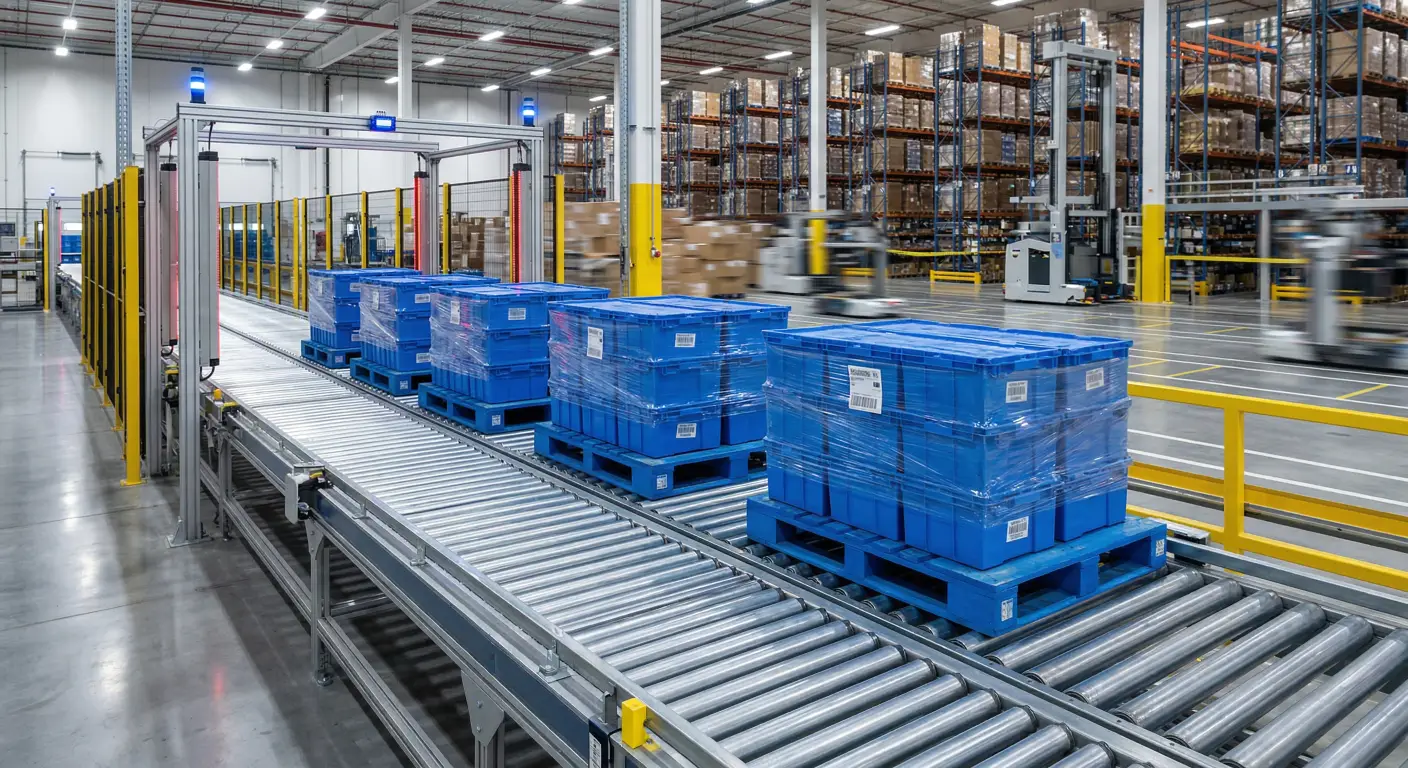
Custom Plastic Pallet Solutions: Enhancing Efficiency in Automated Retrieval Systems (ASRS)
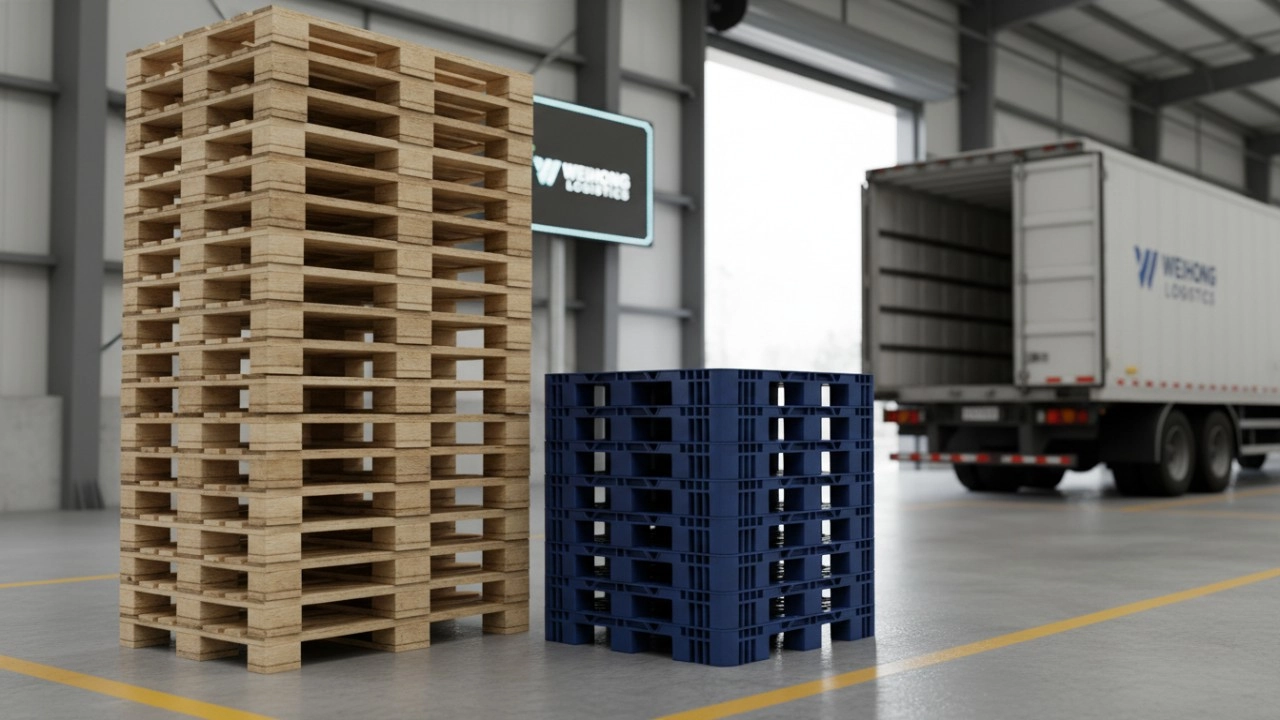
Understanding Maximum Pallet Weight: A Comprehensive Guide
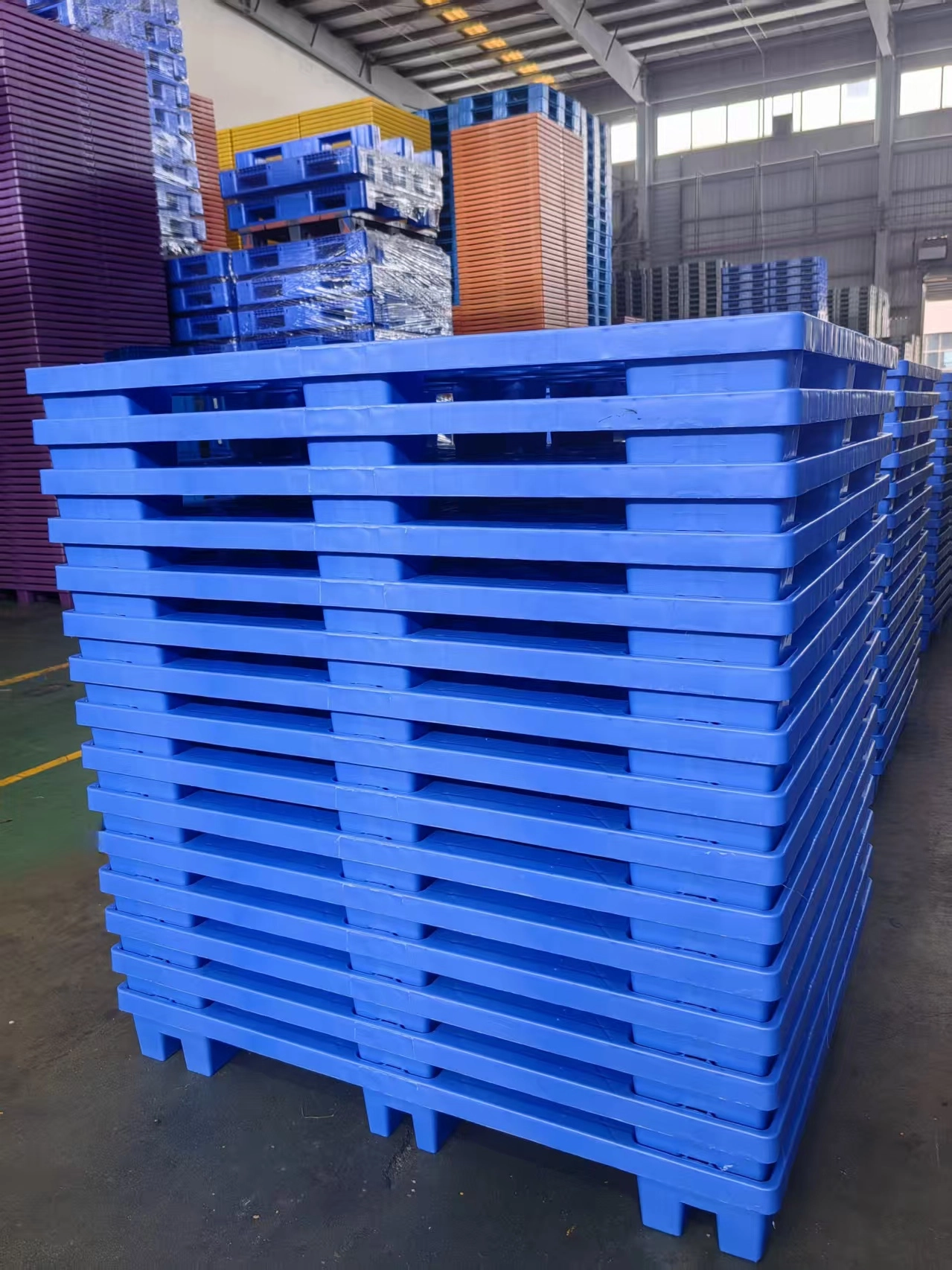
Are Plastic Pallets a Fire Hazard? Understanding the Risks and Mitigations
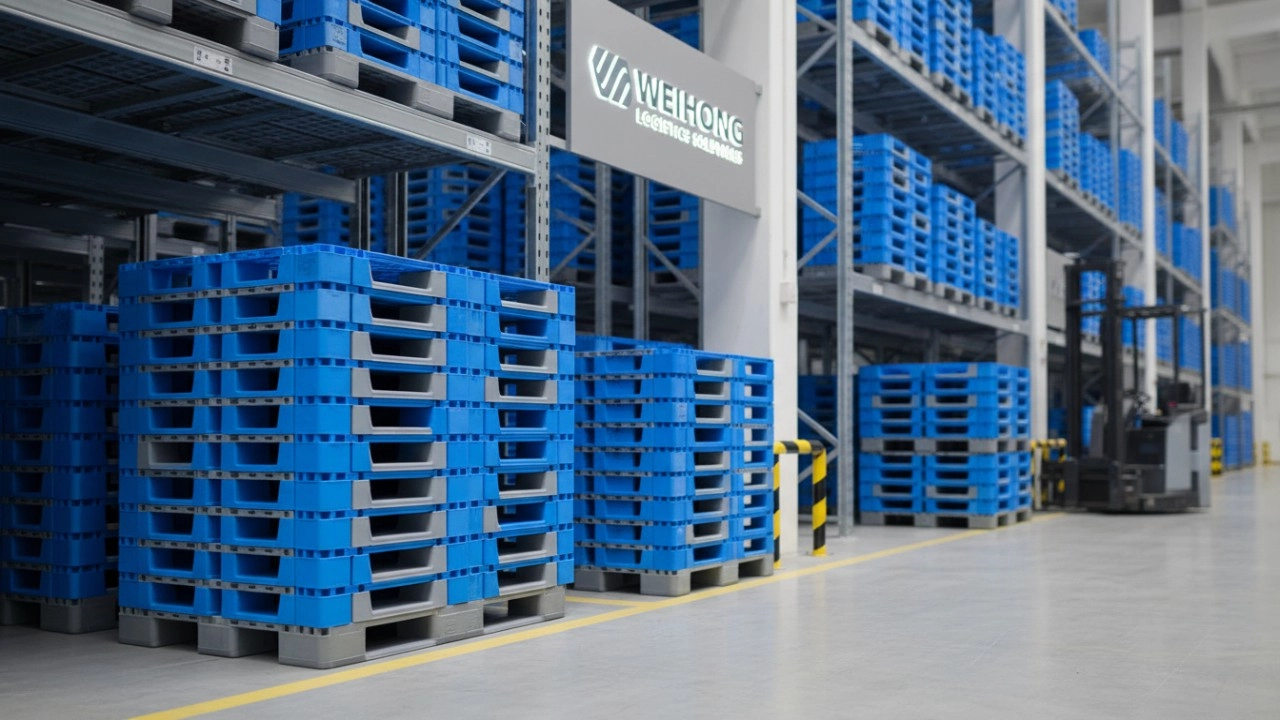
Why Your Warehouse Needs Nestable Plastic Pallets: The 2026 Sustainability Roadmap
About Products
What materials are your prodcuts made of?
After-Sales Service and Support
What warranty do your plastic pallets and boxes come with?
Logistics and Payment
How long does it take to ship to my country?
Average shipping time ranges from 7 days to 35 days. We will calculate for you when port of destination is confirmed.
About Collaboration
Is there any other way to work with you?
Yes, apart from reselling, retail or distribution, we also accept commission based orders.
What takes to be a distributor of your plastic products?
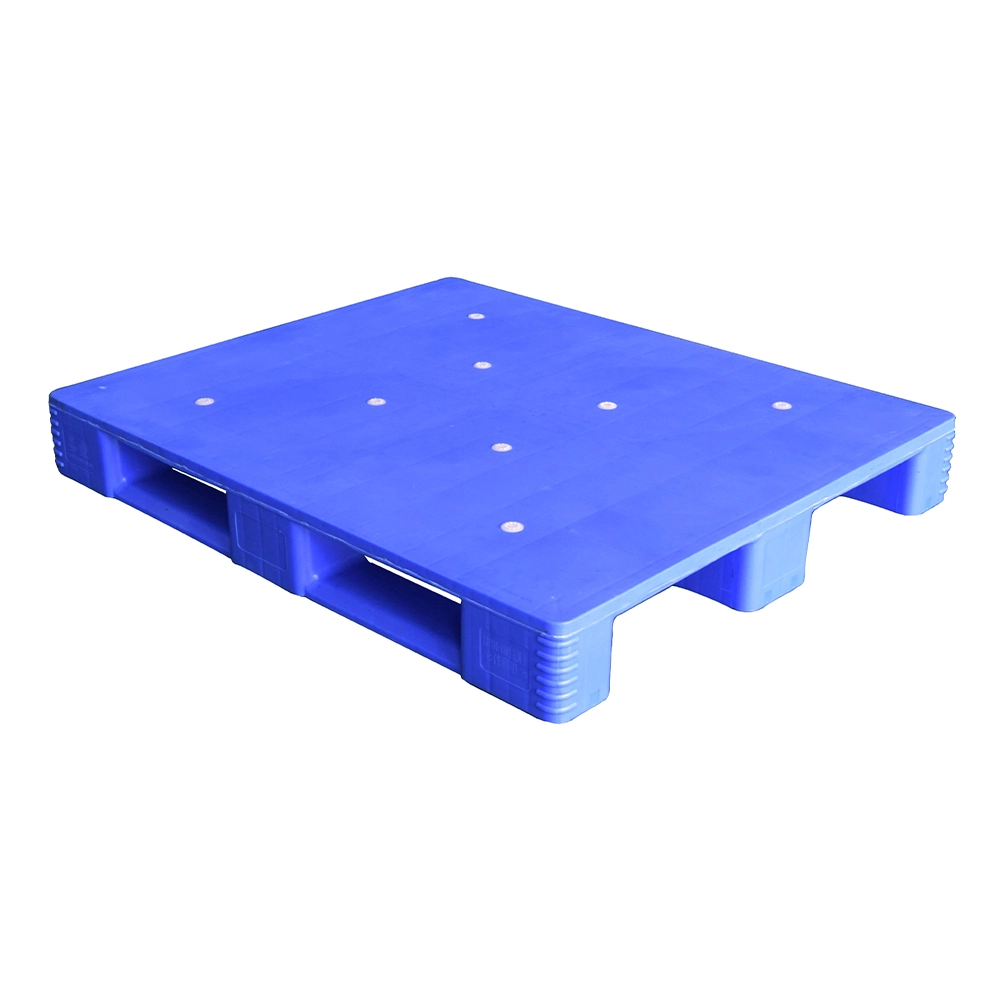
ZJ1210-150H Three-runner Closed Deck Hygienic Plastic Pallet
The three-runner closed-deck hygienic plastic pallet is a solid and durable packaging solution designed for general and especially food and medicine storage and transport. It’s made of virgin HDPE or PP, featuring a flat surface and even bottom for hygienic consideration, a reinforced configuration with steel cores for rack and shelf, and a steady loading capacity.
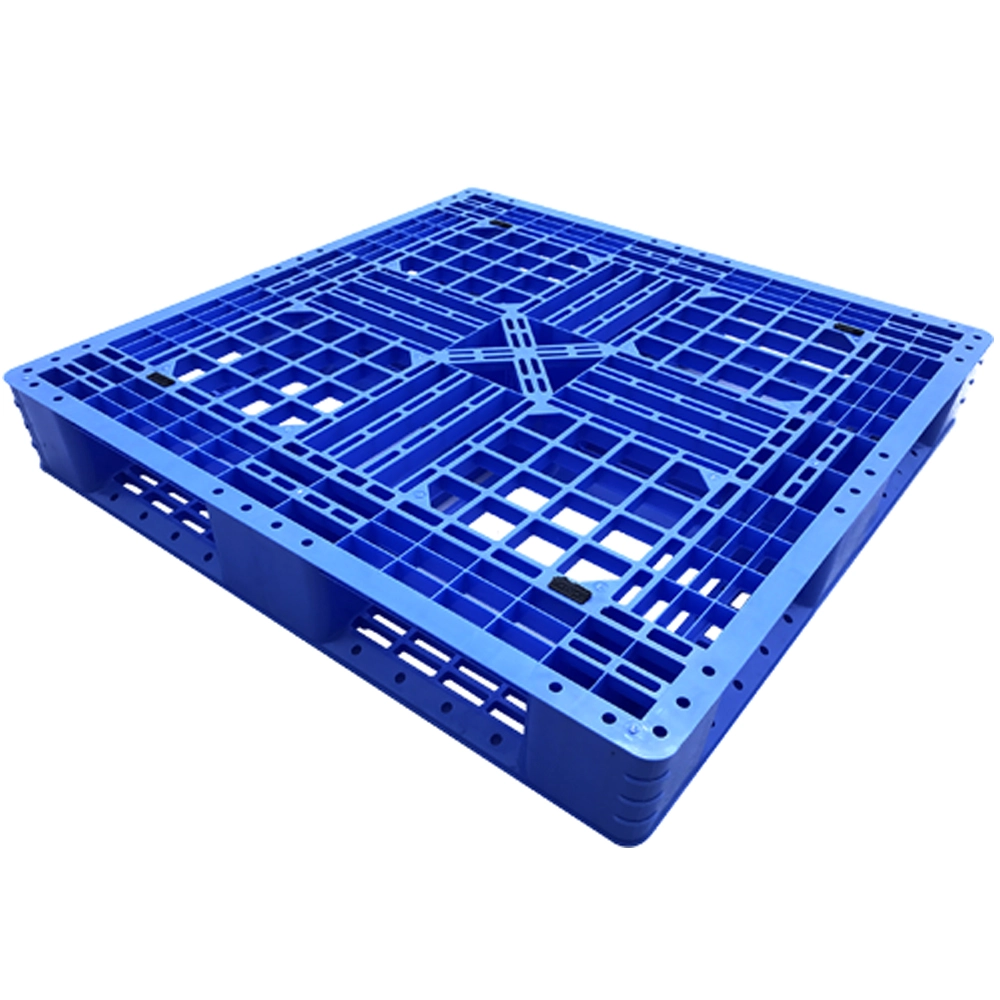
ZJ1010-150 Six-runner Single-sided Plastic Pallet
The six-runner plastic pallet, open or closed deck, is a solid and durable packaging solution designed for general and medium to heavy-duty cargo stacking, storage and transport. It’s made of virgin HDPE or PP, featuring in robust structure, a reinforced configuration with steel cores for the rack and shelf, and a steady loading capacity.
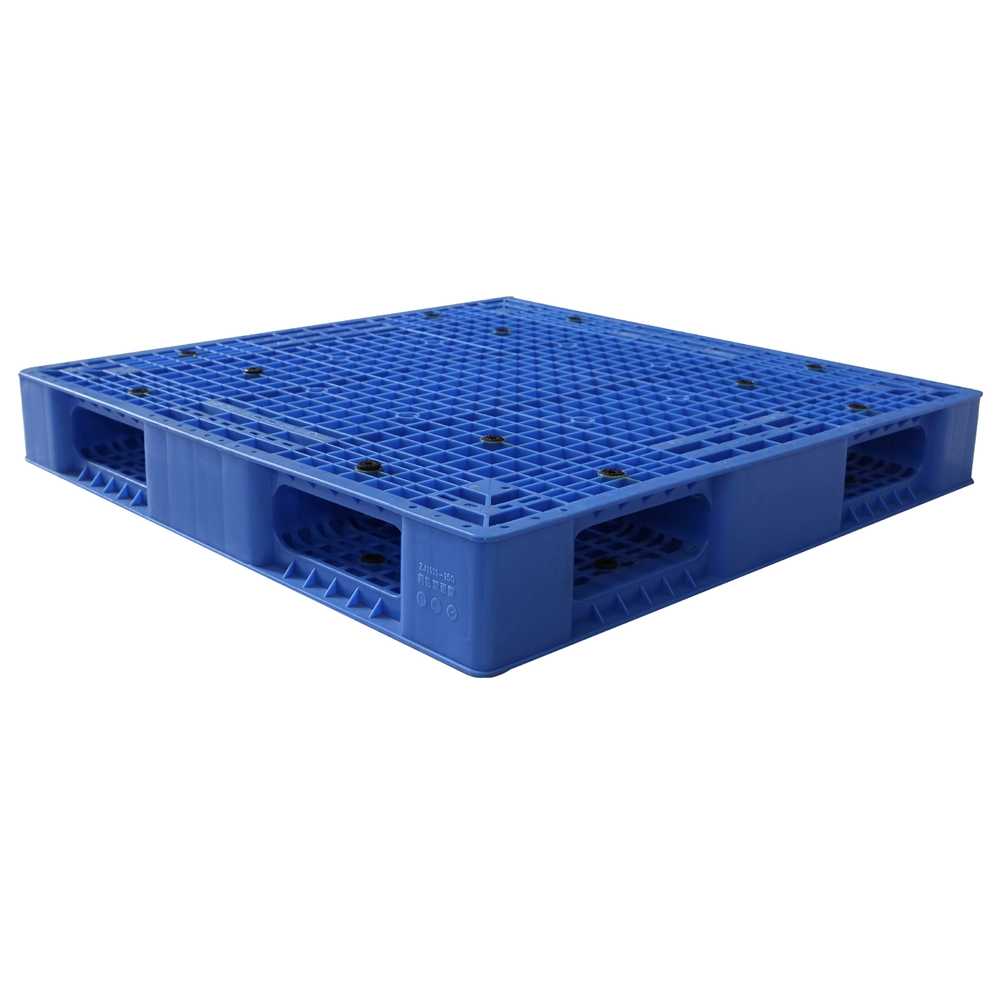
ZJ11111-150 Double-sided Heavy Duty Plastic Pallet
The double-sided plastic pallet, open deck or closed deck, is a solid and durable packaging solution designed for general and medium to heavy-duty cargo stacking, storage and transport. It’s made of virgin HDPE or PP, featuring a robust structure, a reinforced configuration with steel cores for the rack and shelf, and a steady loading capacity for both sides.
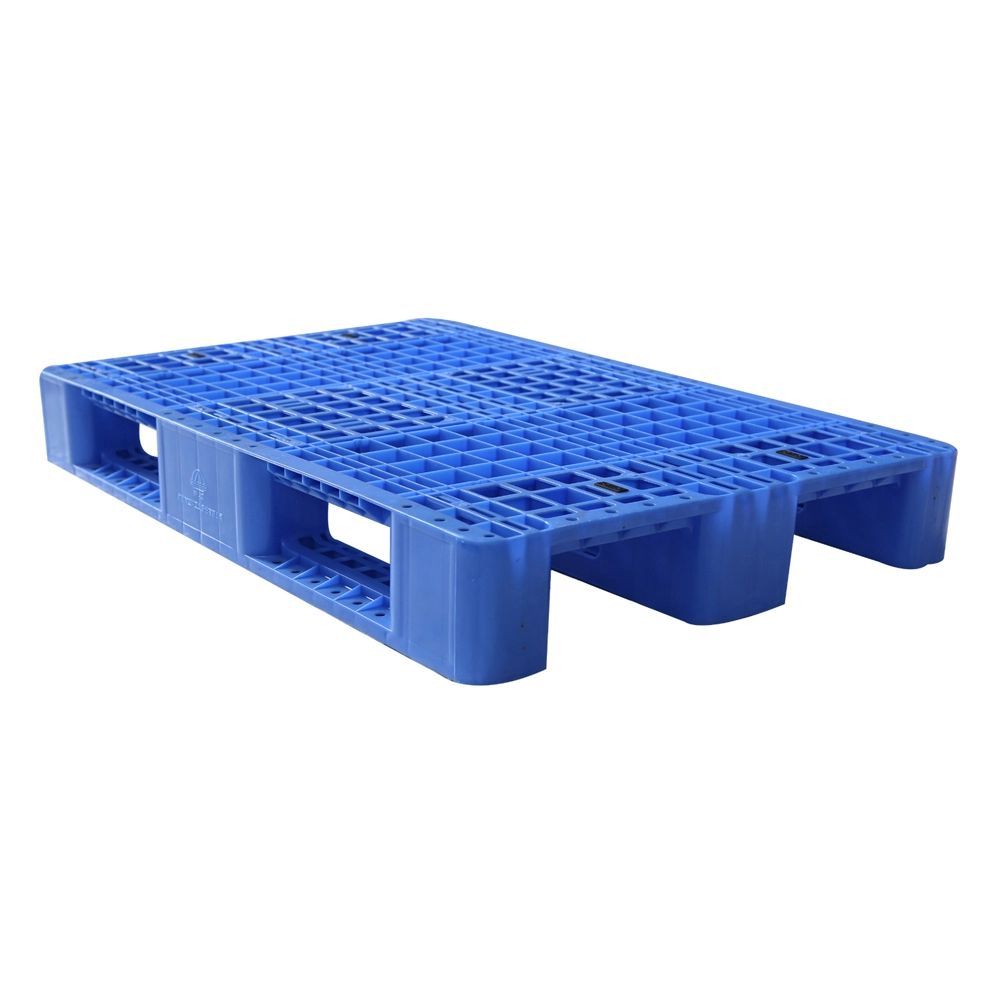
ZJ1208-155 Three-runner Single-sided Plastic Pallet
The three-runner single-sided plastic pallet is a solid and durable packaging solution designed for general and medium to heavy-duty cargo storage, transport and automated storage and retrieval system (AS/RS) use. It’s made of virgin HDPE or PP, featuring in robust structure, reinforced configuration with steel cores for rack and shelf, and a steady loading capacity.
Request More Information About Plastic Pallets
Have questions or need detailed insights on this article? Fill out the form below to contact our team for comprehensive information and support related to our plastic pallet solutions.
Contact us


+86 138 0277 8204
+86 183 4431 0917
+86 195 3791 1860

No. 15-1, Fengying Rd., Taiping Town, Conghua Dist., Guangzhou City, Guangdong Province, China.

Whatsapp: +8613802778204
Scan QR Code
Guangdong Weihong Plastic Technology Co., Ltd.
Weihong
Whatsapp: +8619537911860
Guangdong Weihong Plastics Technology Company Ltd.