











How to stack plastic pallet cages safely? | Insights by Weihong
- 1. What are the maximum safe stacking heights for plastic pallet cages?
- 2. How can I prevent damage to products when stacking plastic pallet cages?
- 3. What are the risks of mixing different sizes of plastic pallet cages in a stack?
- 4. How can I ensure the stability of stacked plastic pallet cages?
- 5. What are the common mistakes to avoid when stacking plastic pallet cages?
- 6. How can I train my team on safe stacking practices for plastic pallet cages?
1. What are the maximum safe stacking heights for plastic pallet cages?
Determining the maximum safe stacking height for plastic pallet cages is crucial to prevent instability and potential accidents. The safe stacking height depends on several factors:
Pallet Design and Material: Plastic pallet cages are designed with specific weight and stacking capacity limits. Exceeding these limits can lead to structural failure.
Load Distribution: Uneven weight distribution can compromise the stability of the stack. Ensure that the load is evenly distributed across the pallet cage.
Environmental Conditions: Factors such as temperature fluctuations and humidity can affect the strength of plastic materials.
Best Practices:
Consult Manufacturer Guidelines: Always refer to the manufacturer's recommendations for stacking heights.
Conduct Stability Tests: Before implementing a stacking configuration, perform stability tests to ensure safety.
Regular Inspections: Periodically inspect stacked pallet cages for signs of wear or instability.
2. How can I prevent damage to products when stacking plastic pallet cages?
Preventing product damage during stacking involves careful planning and execution:
Use Appropriate Packaging: Ensure that products are packaged securely to withstand the weight and pressure from stacked pallet cages.
Avoid Overhanging Loads: Ensure that products do not extend beyond the edges of the pallet cage to prevent shifting and potential damage.
Implement Cushioning Materials: Use cushioning materials between layers to absorb shocks and prevent direct contact between products.
Best Practices:
Standardize Packaging: Use uniform packaging sizes to facilitate even stacking and reduce the risk of damage.
Train Personnel: Provide training on proper stacking techniques and the importance of product protection.
Monitor Stacking Practices: Regularly review stacking methods to identify and address potential issues.
3. What are the risks of mixing different sizes of plastic pallet cages in a stack?
Mixing different sizes of plastic pallet cages can lead to several issues:
Instability: Different sizes may not align properly, leading to uneven weight distribution and increased risk of tipping.
Increased Wear: Irregular stacking can cause uneven pressure on the pallet cages, leading to faster wear and potential failure.
Operational Inefficiencies: Handling and transporting stacks with mixed sizes can be more complex and time-consuming.
Best Practices:
Standardize Pallet Sizes: Use uniform pallet cage sizes to ensure stability and ease of handling.
Implement Clear Labeling: Clearly label different sizes to prevent accidental mixing.
Train Staff: Educate personnel on the importance of using uniform sizes for stacking.
4. How can I ensure the stability of stacked plastic pallet cages?
Ensuring the stability of stacked plastic pallet cages involves:
Proper Alignment: Ensure that each layer is aligned directly above the layer below to maintain balance.
Even Weight Distribution: Distribute weight evenly across the pallet cage to prevent tipping.
Use of Stabilizing Accessories: Utilize corner protectors, anti-slip mats, or other stabilizing devices to enhance stack stability.
Best Practices:
Regular Training: Provide ongoing training on stacking techniques and the importance of stability.
Conduct Regular Audits: Periodically review stacking practices to identify and correct potential issues.
Implement Safety Protocols: Establish and enforce safety protocols for stacking and handling pallet cages.
5. What are the common mistakes to avoid when stacking plastic pallet cages?
Common mistakes include:
Overloading: Exceeding the weight capacity of the pallet cage can lead to structural failure.
Stacking on Uneven Surfaces: Placing stacks on uneven or unstable surfaces increases the risk of tipping.
Ignoring Manufacturer Guidelines: Disregarding the manufacturer's recommendations can compromise safety and product integrity.
Best Practices:
Adhere to Weight Limits: Always stay within the recommended weight capacity for each pallet cage.
Ensure Stable Foundations: Place stacks on level and stable surfaces to maintain balance.
Follow Manufacturer Instructions: Always refer to and follow the manufacturer's guidelines for stacking and handling.
6. How can I train my team on safe stacking practices for plastic pallet cages?
Training your team involves:
Developing a Training Program: Create a comprehensive program covering all aspects of safe stacking practices.
Hands-On Demonstrations: Provide practical demonstrations to illustrate proper techniques.
Regular Refresher Courses: Offer ongoing training sessions to reinforce safe practices and address new challenges.
Best Practices:
Engage Experienced Trainers: Utilize experts to lead training sessions for credibility and effectiveness.
Assess Understanding: Conduct assessments to ensure comprehension and retention of training material.
Encourage Feedback: Create an environment where team members can ask questions and provide input on safety practices.
In conclusion, adhering to these guidelines will enhance the safety and efficiency of stacking plastic pallet cages in your facility. For personalized advice or to request a quote, please contact us at yangyf@gzpl.com.cn or visit our website at www.pearlriverplastics.com.
The Complete 2026 Guide to Choosing Plastic Pallets for Cold Storage Automated Warehouses
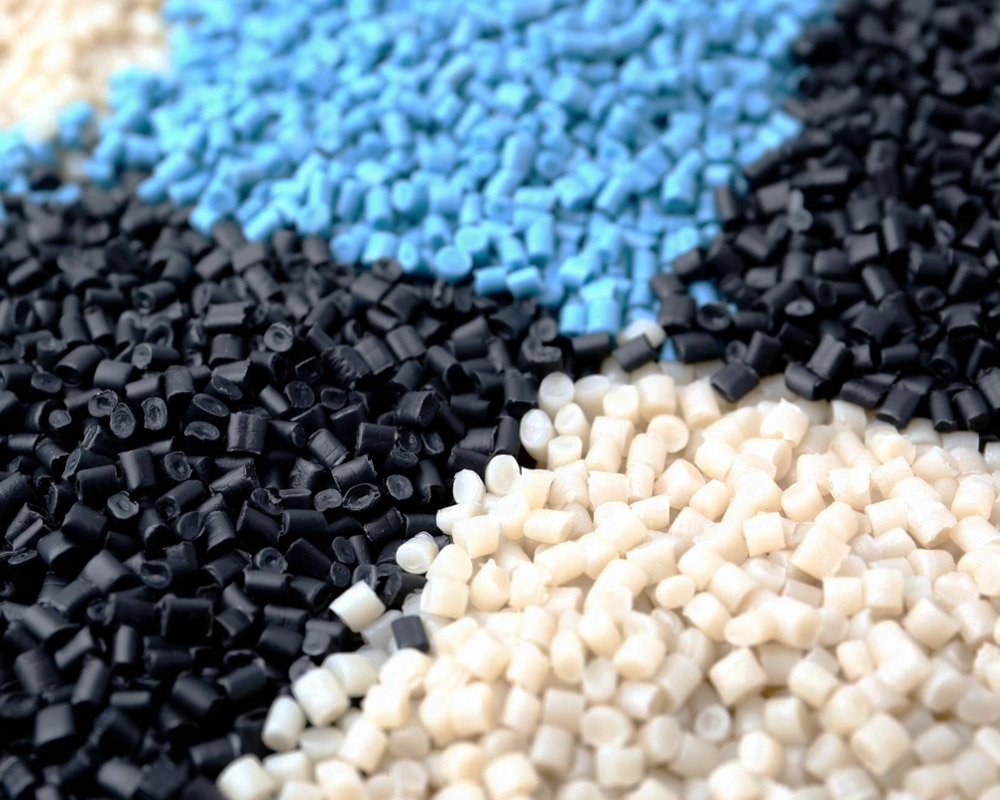
Why Do Plastic Pallets of the Same Size Vary So Much in Price? Core Reason: Material Costs Determine the Difference
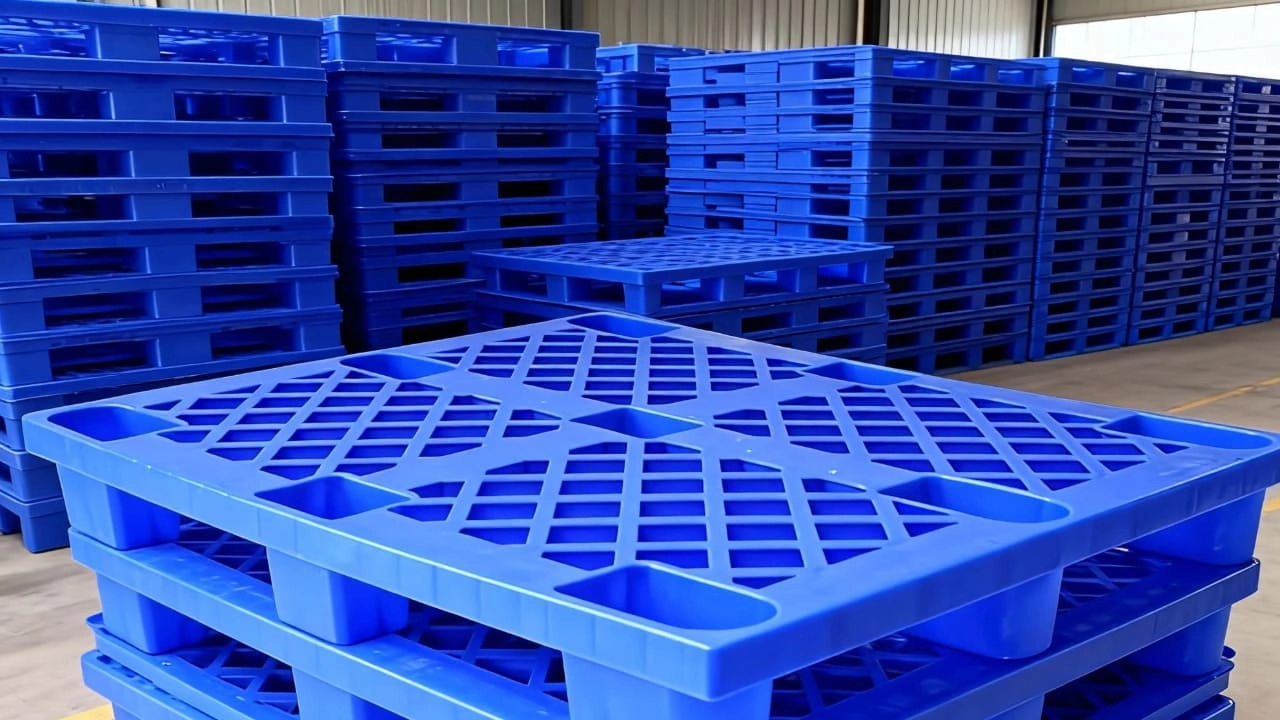
HDPE vs. PP Plastic Pallet: How to Choose the Right Material for Your Warehouse
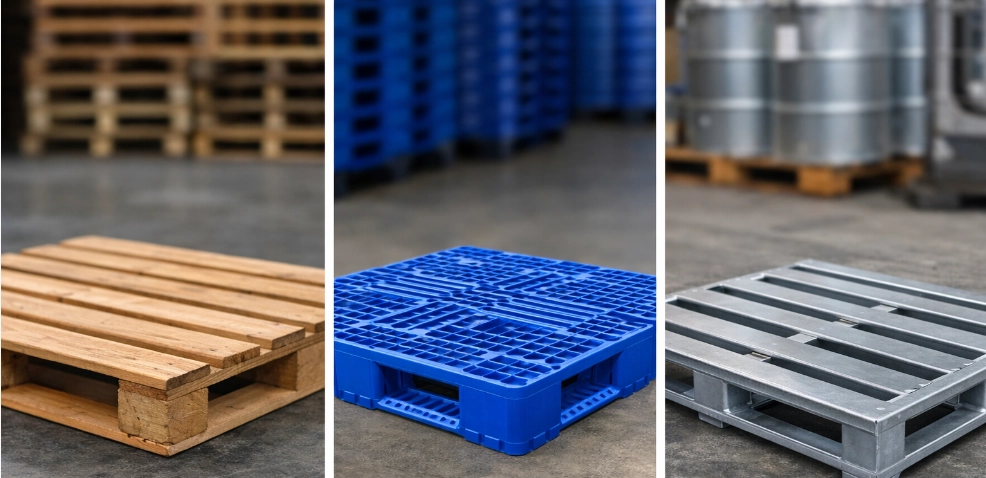
Wooden Pallets vs Plastic Pallets vs Metal Pallets — Which Is Better for Modern Logistics?
Logistics and Payment
What delivery terms do you support?
FOB term is our priority. Meanwhile, we accept also FCA, CFR, CIF, etc.
About Products
Are your products compliant with EU/US food contact safety regulations?
Even though our plastic pallets or boxes are not food contact direct material, we adhere to the relative laws and regulations to use non-toxic raw material for our products.
Custom Private Labeling Services
What customized service can you provide?
We provide mold design, logo printing (silk screen printing or embossing), customized color and formula for our plastic products.
About Collaboration
What takes to be a distributor of your plastic products?
Is there any other way to work with you?
Yes, apart from reselling, retail or distribution, we also accept commission based orders.
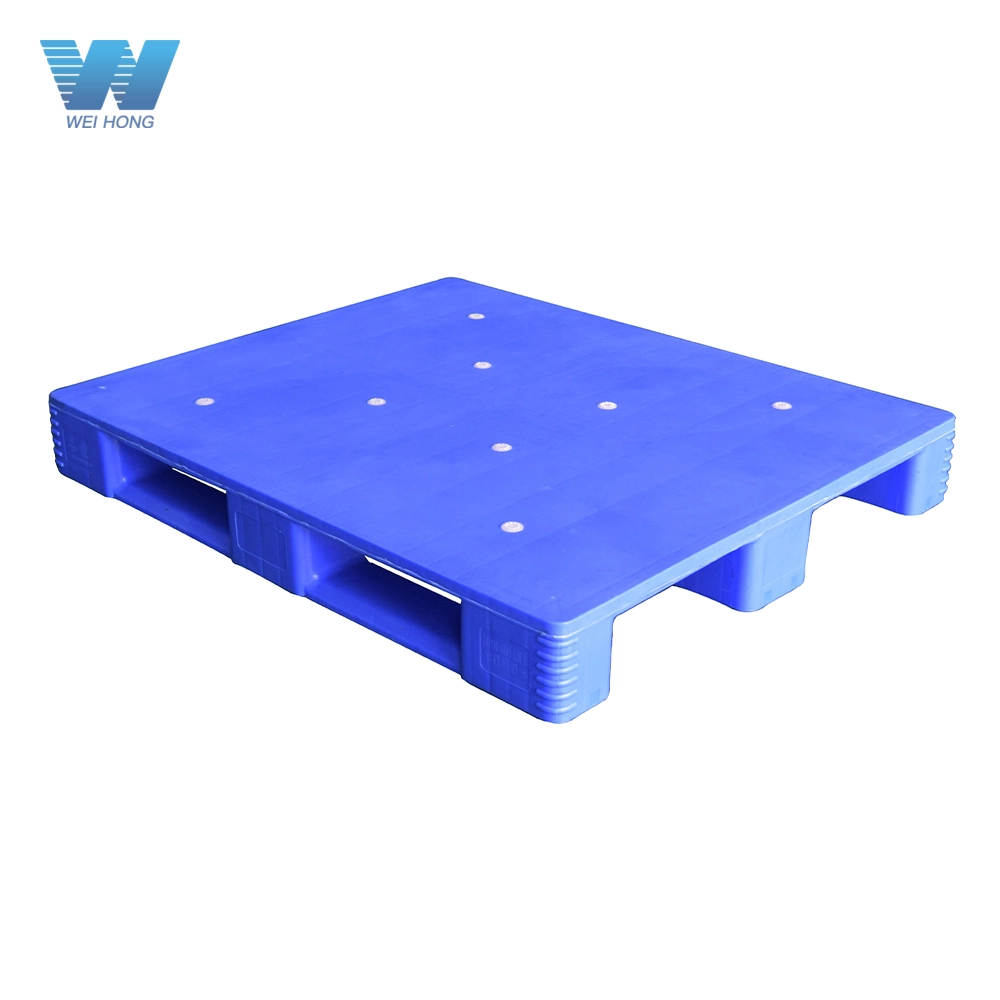
ZJ1210-150H Three-runner Closed Deck Hygienic Plastic Pallet
The three-runner closed-deck hygienic plastic pallet is a solid and durable packaging solution designed for general and especially food and medicine storage and transport. It’s made of virgin HDPE or PP, featuring a flat surface and even bottom for hygienic consideration, a reinforced configuration with steel cores for rack and shelf, and a steady loading capacity.
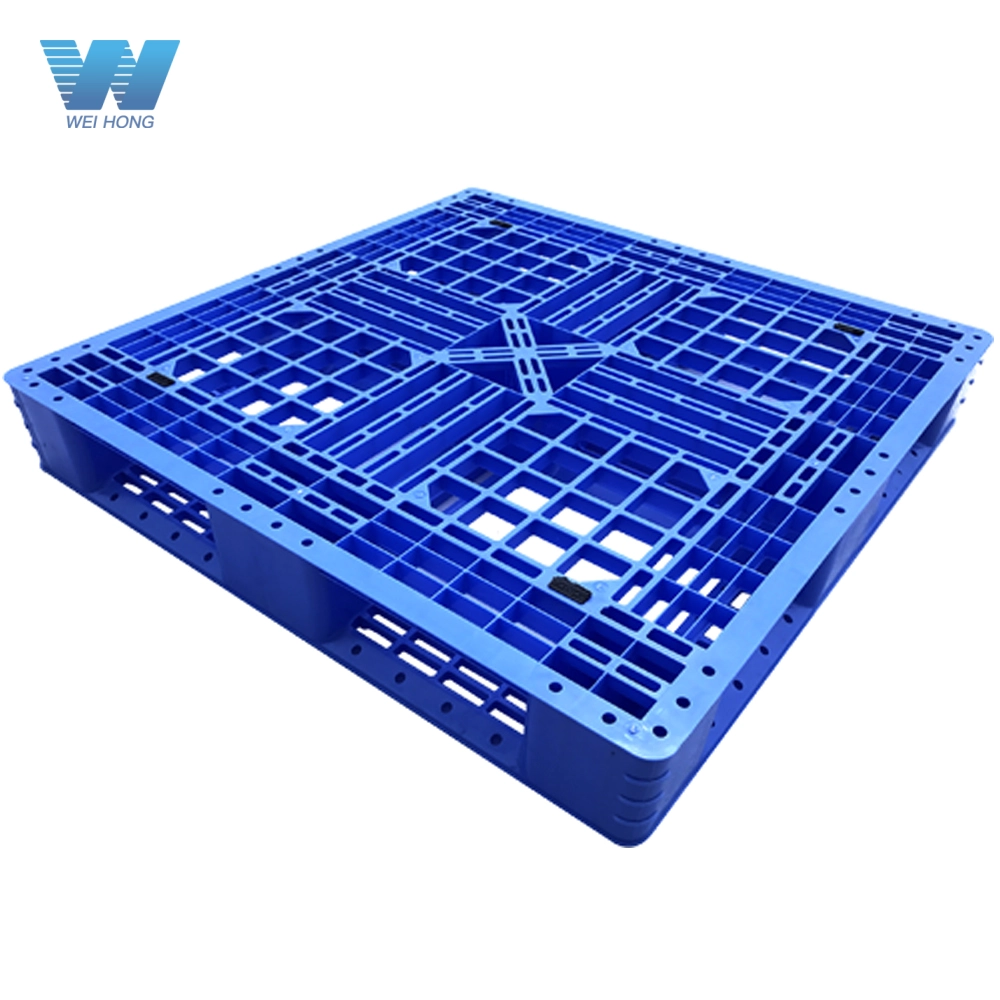
ZJ1010-150 Six-runner Single-sided Plastic Pallet
The six-runner plastic pallet, open or closed deck, is a solid and durable packaging solution designed for general and medium to heavy-duty cargo stacking, storage and transport. It’s made of virgin HDPE or PP, featuring in robust structure, a reinforced configuration with steel cores for the rack and shelf, and a steady loading capacity.
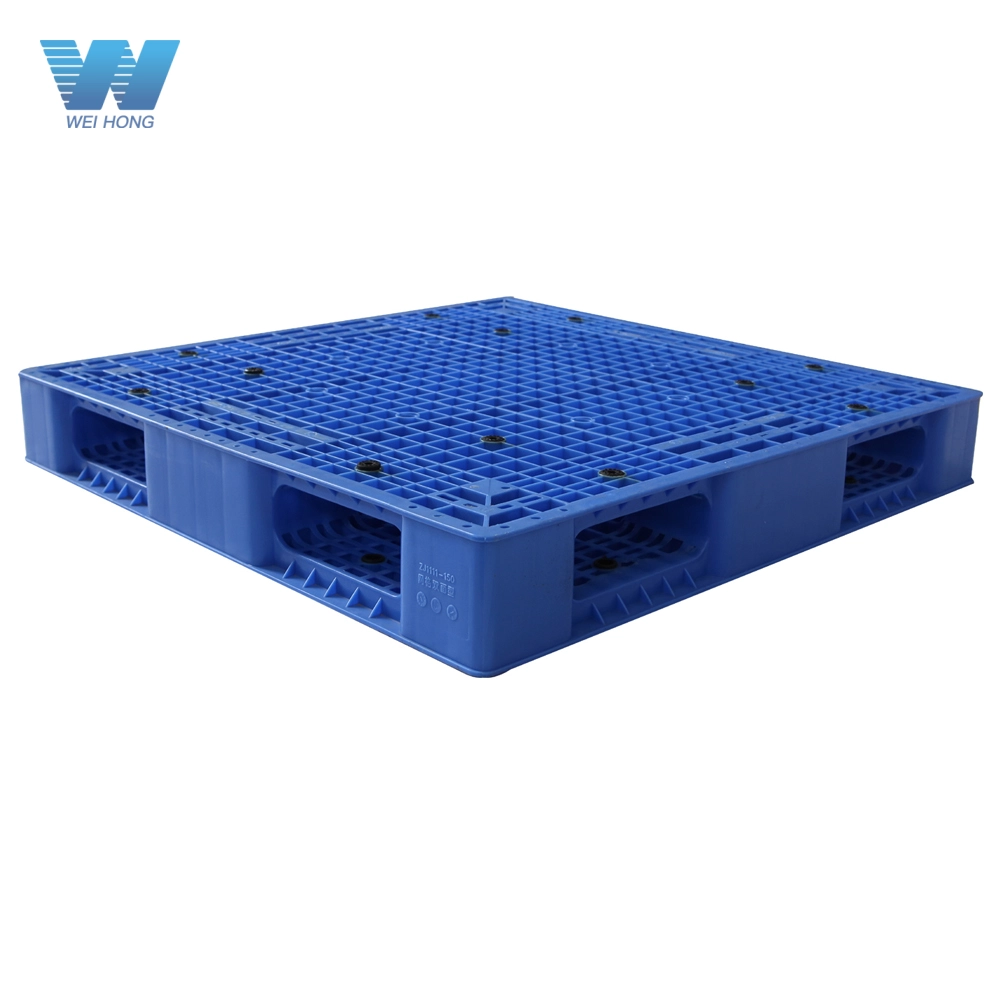
ZJ11111-150 Double-sided Heavy Duty Plastic Pallet
The double-sided plastic pallet, open deck or closed deck, is a solid and durable packaging solution designed for general and medium to heavy-duty cargo stacking, storage and transport. It’s made of virgin HDPE or PP, featuring a robust structure, a reinforced configuration with steel cores for the rack and shelf, and a steady loading capacity for both sides.
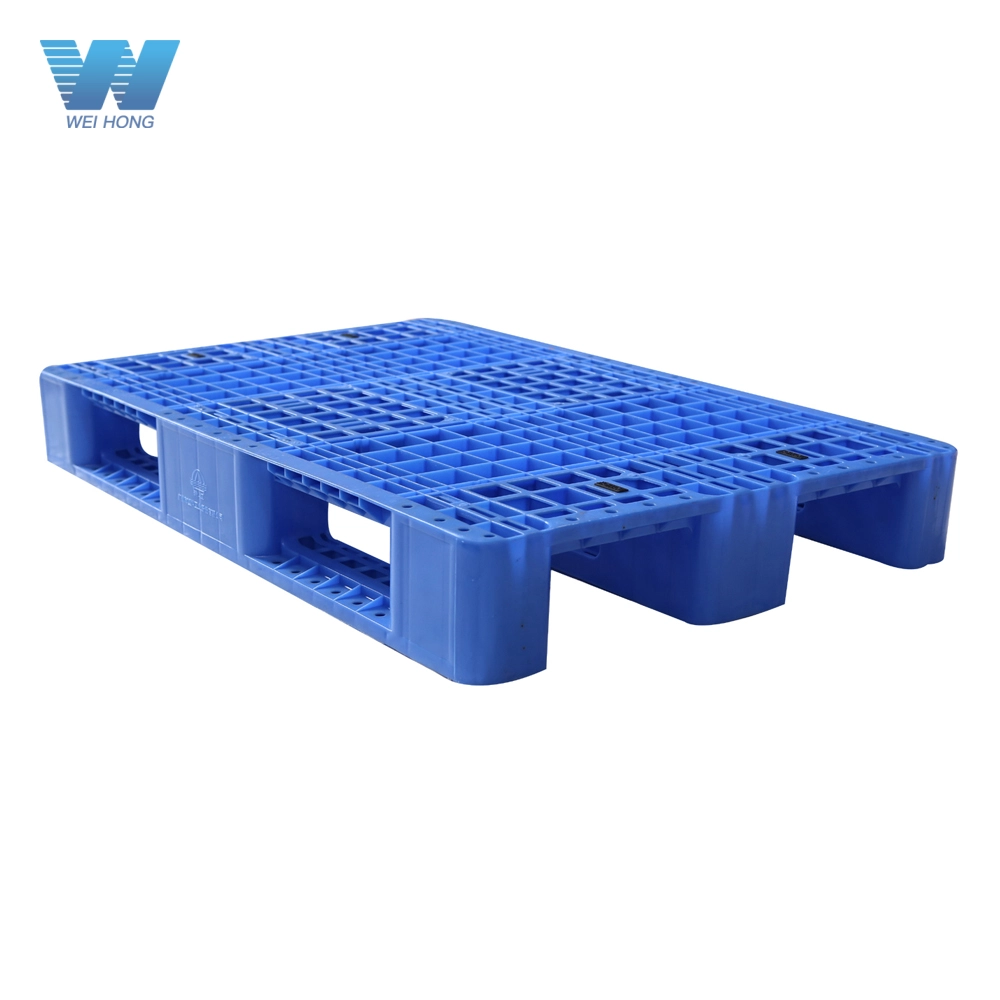
ZJ1208-155 Three-runner Single-sided Plastic Pallet
The three-runner single-sided plastic pallet is a solid and durable packaging solution designed for general and medium to heavy-duty cargo storage, transport and automated storage and retrieval system (AS/RS) use. It’s made of virgin HDPE or PP, featuring in robust structure, reinforced configuration with steel cores for rack and shelf, and a steady loading capacity.
Request More Information About Plastic Pallets
Have questions or need detailed insights on this article? Fill out the form below to contact our team for comprehensive information and support related to our plastic pallet solutions.
Contact us


+86 138 0277 8204
+86 183 4431 0917
+86 195 3791 1860

No. 15-1, Fengying Rd., Taiping Town, Conghua Dist., Guangzhou City, Guangdong Province, China.
Weihong
Whatsapp: +8613802778204
Guangdong Weihong Plastic Technology Co., Ltd.
Scan QR Code