











The Complete 2026 Guide to Choosing Plastic Pallets for Cold Storage Automated Warehouses
Planning a cold storage ASRS? Don't let the wrong plastic pallet cripple your automation. This definitive guide covers material (HDPE/PP), design (4-way entry), critical specs, and top picks for reliable performance in -25°C with stackers and AGVs.
- Introduction: The Critical Link in Your Cold Chain Automation
- Part 1: Why Ordinary Pallets Fail in Automated Cold Stores
- Part 2: The 4 Non-Negotiable Selection Criteria for Automation
- 1. Material: Virgin, Frost-Resistant Polymers Only
- 2. Design & Precision: The Language of Automation
- 3. Load Capacity: The Foundation of Safety
- 4. Hygiene & Durability
- Part 3: Top Picks for Your Automated Cold Store (2026)
- Part 4: Pitfalls to Avoid: The "Three Never Rules"
- FAQ: Plastic Pallets for Cold Storage ASRS
Introduction: The Critical Link in Your Cold Chain Automation
Part 1: Why Ordinary Pallets Fail in Automated Cold Stores
-
Extreme Low Temperatures: Constant exposure to -18°C to -25°C causes conventional plastics to become brittle and prone to cracking and breaking under impact or load.
-
Robotic Precision Demands: ASRS stackers, AGVs, and conveyors require extreme dimensional accuracy and flatness. Even minor warping or size variance can lead to misalignment, failed picks, and system errors.
-
Stringent Hygiene Standards: Pallets for food and pharmaceutical cold chains must be easy to clean, non-porous, and resistant to harboring bacteria or odors.
-
High-Cycle, High-Stress Use: Pallets face constant robotic handling, high-bay racking, and heavy loads, demanding exceptional strength and dynamic load capacity.
Part 2: The 4 Non-Negotiable Selection Criteria for Automation
1. Material: Virgin, Frost-Resistant Polymers Only
-
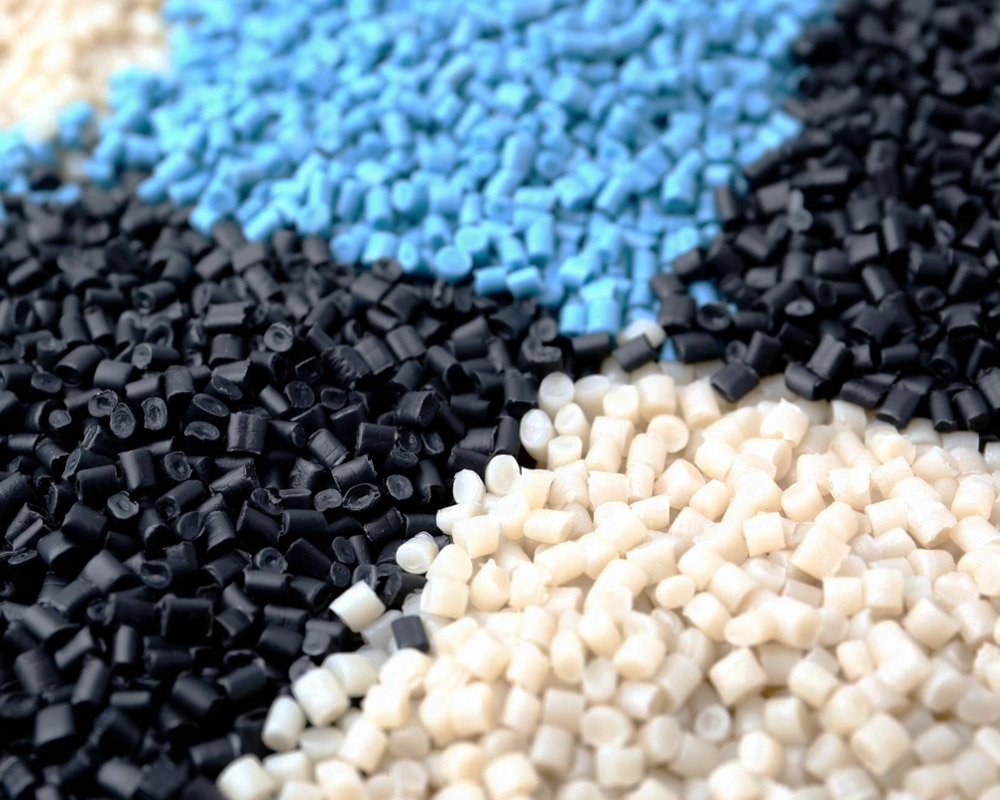
Must Use: 100% virgin High-Density Polyethylene (HDPE) or Polypropylene (PP). These engineered resins retain their impact resistance and structural integrity at temperatures as low as -25°C.
-
Never Use: Recycled or regrind materials. These are inconsistent, become dangerously brittle when frozen, and can contaminate products.
2. Design & Precision: The Language of Automation
-
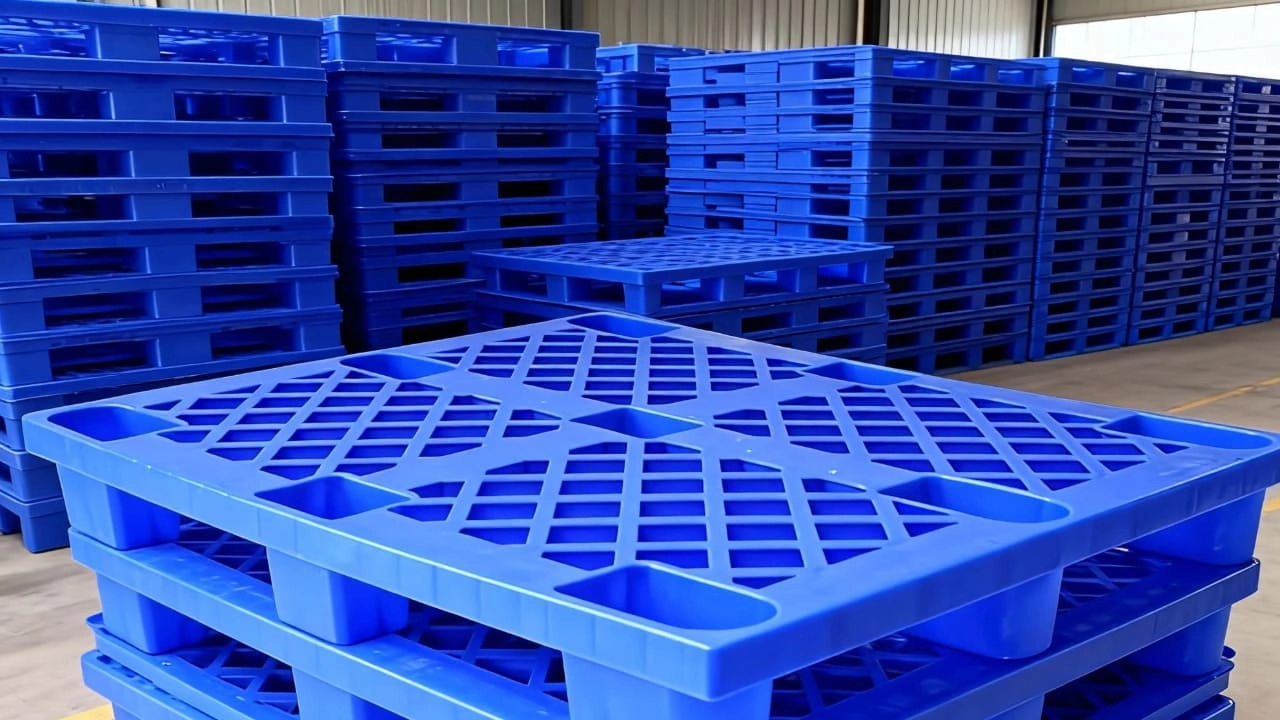
Optimal Design: 4-Way Entry, Runners (Stringer) Bottom, Flat Deck.
-
Runners (Stringer) Bottom: The universally compatible base structure for smooth interaction with ASRS forks, pallet jacks, and AGV transfer stations.
-
Flat, Non-Gapped Deck: Prevents ice buildup and allows for easy, thorough cleaning and sanitization. Critical for food safety (FDA, HACCP).
-
4-Way Entry: Provides maximum flexibility for warehouse management systems (WMS) to direct equipment from any direction, optimizing travel paths and storage density.
-
-
Precision Tolerances (The "Make or Break" Spec):
-
Overall Dimensions: Tolerance ≤ ±3mm.
-
Flatness: No visible warping or twist.
-
Fork Pocket Opening: Height ≥ 120mm for reliable, smooth fork entry every time.
-
3. Load Capacity: The Foundation of Safety
-
Dynamic Load: ≥ 1,500 kg (for transport on forks/AGVs).
-
Static Load: ≥ 6,000 kg (for stationary stacking).
-
Racked Load: ≥ 1,000 kg (for beam racking, uniformly distributed).
-
Pro Tip for High-Bay/Hi-Load: Specify pallets with embedded steel tubes. This reinforcement prevents long-term beam deflection (sagging), a critical safety feature in high-bay warehouses storing heavy loads.
4. Hygiene & Durability
-
The design must allow for easy drainage and withstand industrial cleaning processes.
-
It must endure the physical stress of millions of automated cycles in a harsh, cold environment.
Part 3: Top Picks for Your Automated Cold Store (2026)
|
Pallet Type
|
Best For
|
Key Advantages
|
|---|---|---|
|
4-Way Entry, Runners (Stringer) Pallet with Flat Deck
|
The universal choice for >90% of applications. Food, pharma, and general frozen goods AS/RS.
|
Maximum Compatibility: Works flawlessly with all automation. Superior Cleanability: Solid deck meets strict hygiene protocols. Operational Flexibility: 4-way entry enables the most efficient WMS routing.
|
|
Double-Deck, Reversible Pallet (with Steel Tubes)
|
Heavy unit loads (e.g., frozen meat, seafood), double-faced stacking, or very high-bay rack systems.
|
Exceptional Strength & Stability: Handles the heaviest loads with minimal deflection. Extended Lifespan: Two usable deck surfaces double wear life. Safety-First: Steel tube reinforcement is essential for high-bay integrity.
|
Part 4: Pitfalls to Avoid: The "Three Never Rules"
-
Never Choose Recycled Material Pallets. The risk of low-temperature brittle fracture and product contamination makes them a false economy. The cost of one system stoppage outweighs any upfront savings.
-
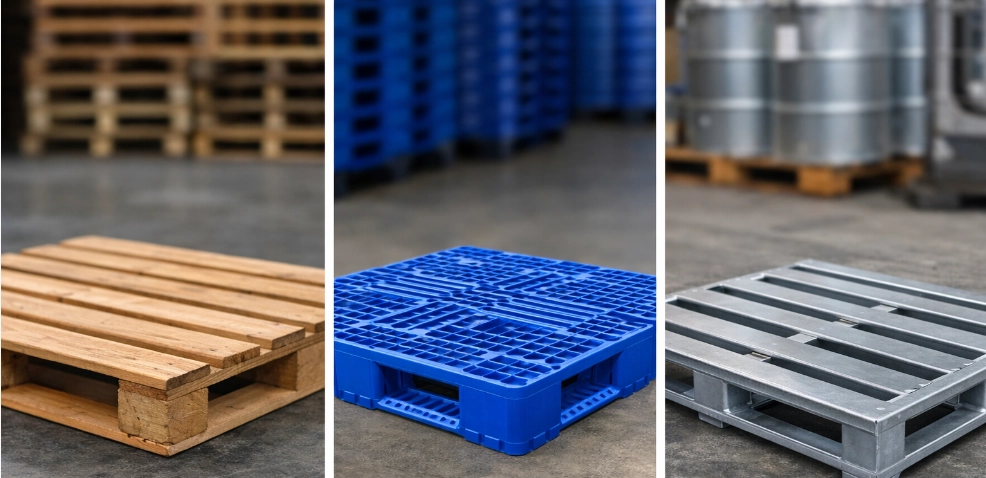
Never Use Wooden or Paper Pallets. They absorb moisture, swell, mold, and deform in sub-zero temperatures. Their inconsistent dimensions are incompatible with robotic precision.
-
Never Tolerate Poor Dimensional Tolerances or Warping. Pallets that are out of spec are the primary cause of jams, mis-picks, and equipment failure in automated systems. Don't let a cheap pallet cripple your multi-million dollar automation.
FAQ: Plastic Pallets for Cold Storage ASRS
The Complete 2026 Guide to Choosing Plastic Pallets for Cold Storage Automated Warehouses
Why Do Plastic Pallets of the Same Size Vary So Much in Price? Core Reason: Material Costs Determine the Difference
HDPE vs. PP Plastic Pallet: How to Choose the Right Material for Your Warehouse
Wooden Pallets vs Plastic Pallets vs Metal Pallets — Which Is Better for Modern Logistics?
About Products
Are there other sizes available apart from the ones on your website?
Yes, more sizes and styles of the plastic pallets and boxes are under development. Please contact us to check for availability.
What's the lead time if I place order?
Lead time for a 40HQ (370-1140pcs) is about 5-15 days depends on the style and size of the pallet.
What is the minimun order quantity?
MOQ is usually 200pcs for each model. Less quantity is acceptable when there is stock.
Logistics and Payment
What payment terms do you accept?
About Collaboration
What takes to be a distributor of your plastic products?
ZJ1211-150WD Double-sided Closed Deck Hygienic Plastic Pallet
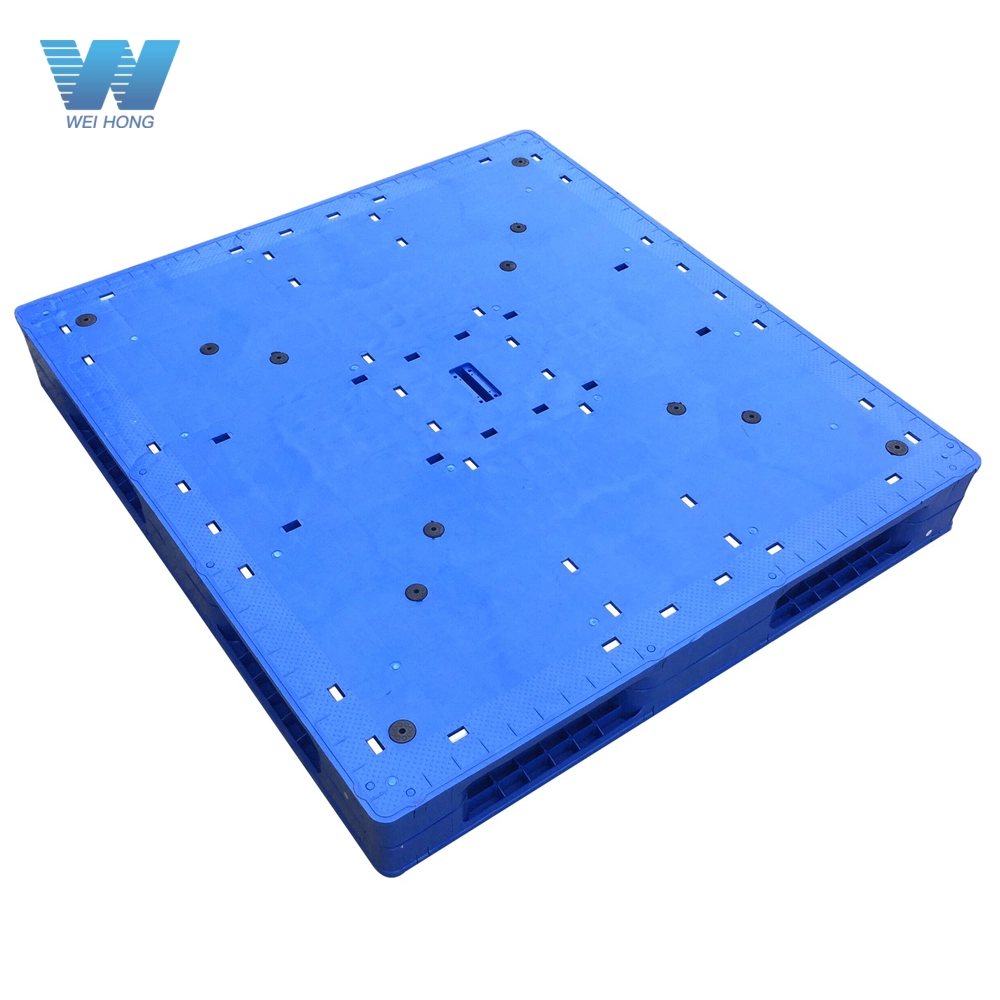
The double-sided closed deck hygienic plastic pallet is a solid and durable packaging solution designed for general and especially food and medicine storage and transport. It’s made of virgin HDPE or PP, featuring a flat surface and even bottom for hygienic consideration, a reinforced configuration with steel cores for rack and shelf, and a steady loading capacity.
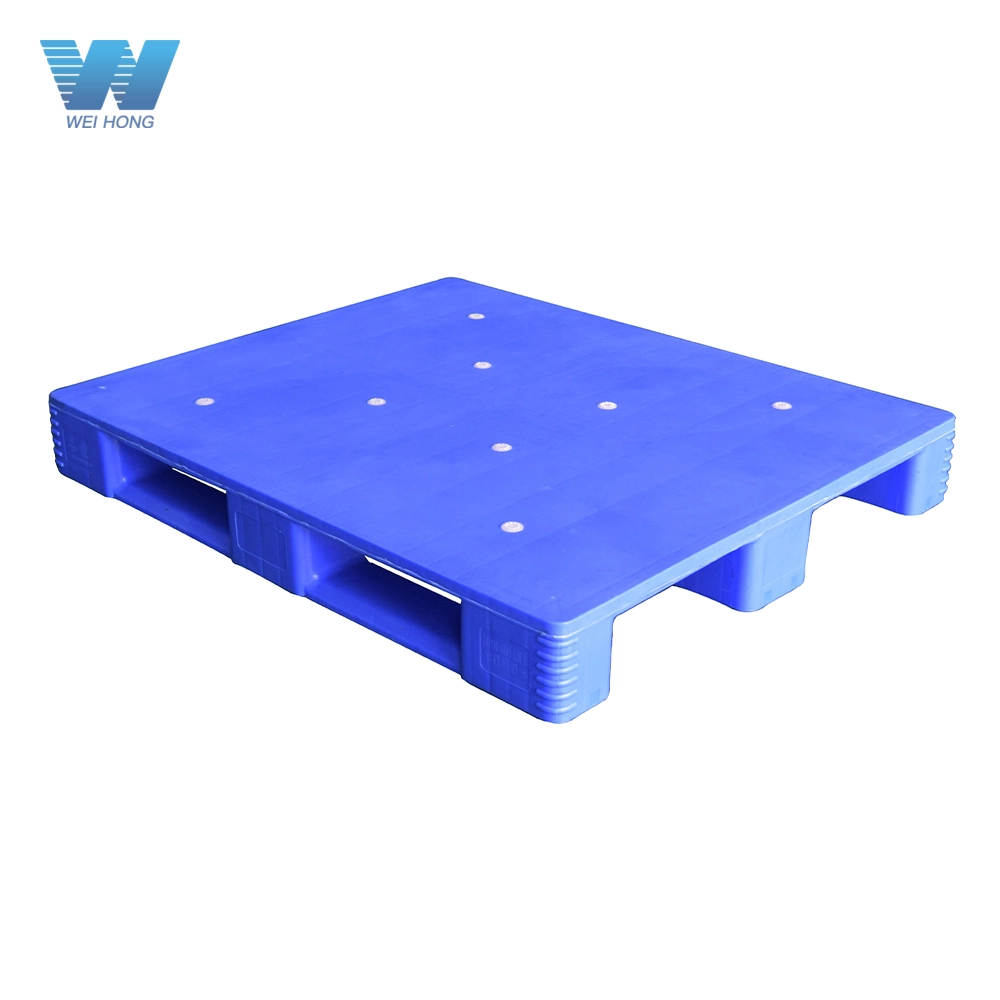
ZJ1210-150H Three-runner Closed Deck Hygienic Plastic Pallet
The three-runner closed-deck hygienic plastic pallet is a solid and durable packaging solution designed for general and especially food and medicine storage and transport. It’s made of virgin HDPE or PP, featuring a flat surface and even bottom for hygienic consideration, a reinforced configuration with steel cores for rack and shelf, and a steady loading capacity.
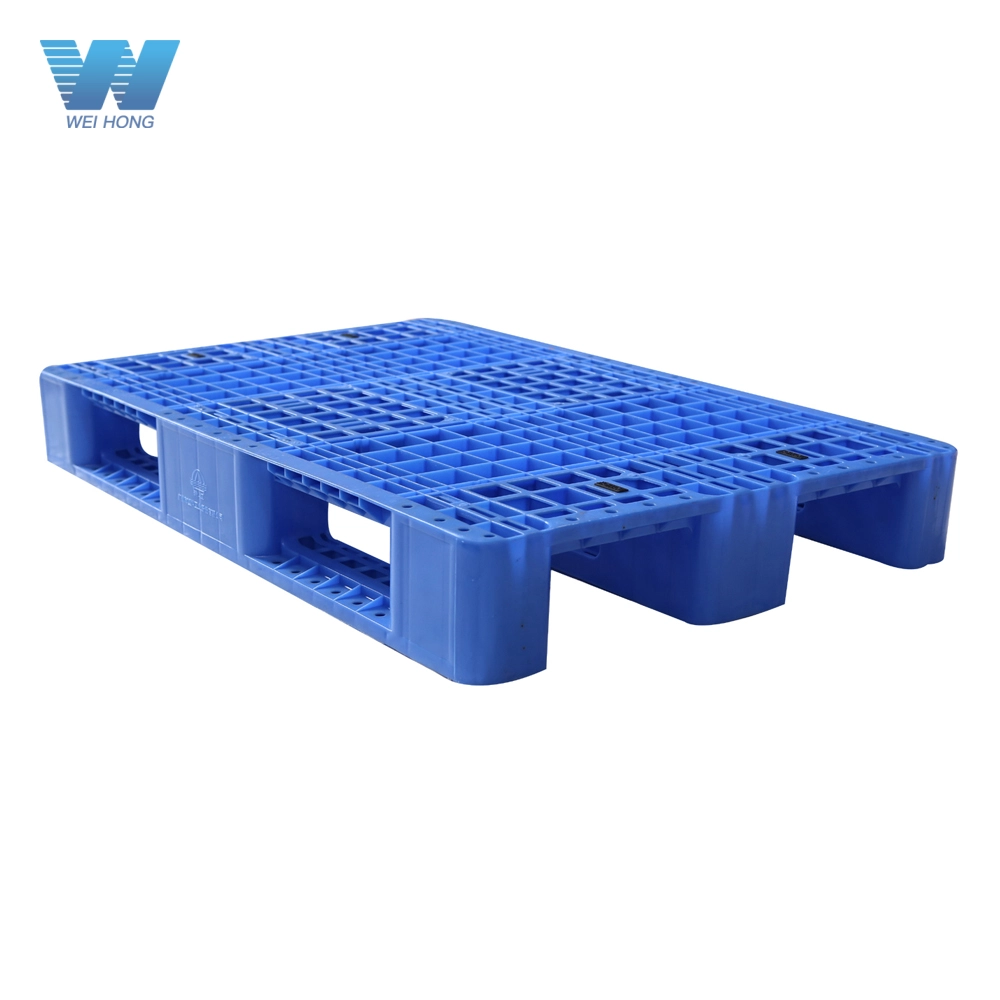
ZJ1208-155 Three-runner Single-sided Plastic Pallet
The three-runner single-sided plastic pallet is a solid and durable packaging solution designed for general and medium to heavy-duty cargo storage, transport and automated storage and retrieval system (AS/RS) use. It’s made of virgin HDPE or PP, featuring in robust structure, reinforced configuration with steel cores for rack and shelf, and a steady loading capacity.
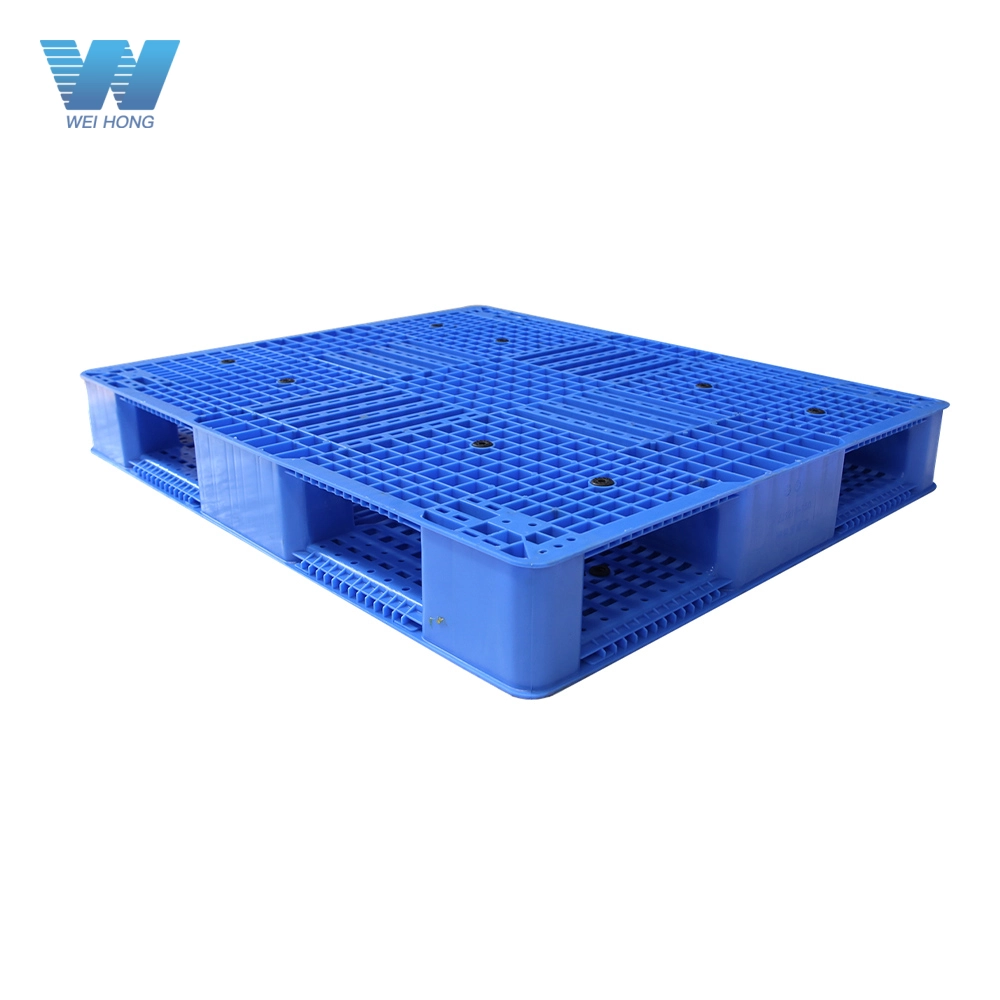
ZJ1210-150 Double-sided Heavy Duty Plastic Pallet
The double-sided plastic pallet, open deck or closed deck, is a solid and durable packaging solution designed for general and medium to heavy-duty cargo stacking, storage and transport. It’s made of virgin HDPE or PP, featuring a robust structure, a reinforced configuration with steel cores for the rack and shelf, and a steady loading capacity for both sides.
Request More Information About Plastic Pallets
Have questions or need detailed insights on this article? Fill out the form below to contact our team for comprehensive information and support related to our plastic pallet solutions.
Contact us


+86 138 0277 8204
+86 183 4431 0917
+86 195 3791 1860

No. 15-1, Fengying Rd., Taiping Town, Conghua Dist., Guangzhou City, Guangdong Province, China.
Weihong
Whatsapp: +8613802778204
Guangdong Weihong Plastic Technology Co., Ltd.
Scan QR Code