











Customizing Double-sided Plastic Pallets for OEM Requirements

- Why double-sided plastic pallets matter for OEMs
- Performance expectations in OEM supply chains
- How double-sided design changes lifecycle economics
- Standards and regulatory touchpoints
- Design considerations for OEM-customized double-sided plastic pallets
- Load profiles and structural layout
- Deck type, entry options and forklift compatibility
- Hygiene, chemical resistance and surface finishes
- Materials, manufacturing processes and quality control
- Material choices: HDPE vs. PP and additives
- Manufacturing methods: injection vs. blow molding vs. thermoforming
- Testing protocols and traceability
- Practical customization paths and tradeoffs
- Common OEM customization requests and my recommendations
- Cost vs. lifetime and sustainability tradeoff
- Integration with automation and warehouse systems
- Comparison: wooden vs. single-sided plastic vs. double-sided plastic pallets
- Manufacturer capabilities and a vendor case: Guangdong Weihong Plastics
- Why manufacturer capability matters
- About Guangdong Weihong Plastics Technology Co., Ltd. (Weihong)
- Weihong's OEM/ODM strengths and applicable product lines
- How I would engage Weihong for a typical OEM project
- Implementation checklist and verification steps
- Pre-specification checklist
- Prototype and testing checklist
- Data-driven acceptance criteria
- FAQ
- 1. What is the main advantage of a double-sided plastic pallet?
- 2. Can double-sided plastic pallets be used in automated warehouses (AS/RS)?
- 3. Are double-sided pallets suitable for food and pharmaceutical OEMs?
- 4. How do I decide between HDPE and PP for my pallets?
- 5. How should I assess supplier claims about lifespan and recyclability?
- Contact and next steps
I help supply chain and engineering teams specify and implement robust double-sided plastic pallet solutions that meet strict OEM requirements. In this article I synthesize design principles, material science, manufacturing processes, testing standards and real-world tradeoffs so you can define pallet specifications that succeed in automated warehouses, hygienic food/pharma lines, and heavy-duty automotive logistics. I draw on industry standards, authoritative sources, and my hands-on experience to propose verifiable, practical recommendations for double-sided plastic pallet customization.
Why double-sided plastic pallets matter for OEMs
Performance expectations in OEM supply chains
OEMs need pallets that deliver predictable performance: consistent dimensions for automated handling, repeatable strength under dynamic loads, chemical and moisture resistance for manufacturing environments, and long service life to reduce total cost of ownership (TCO). Double-sided plastic pallets—also called double-face plastic pallets—offer two usable deck faces, improving lifespan and providing uniform load distribution for reversible use in closed-loop systems.
How double-sided design changes lifecycle economics
Because both deck surfaces are usable, double-sided plastic pallets typically double the useful surface life versus single-use top decks in similar conditions, lowering replacement frequency and reducing waste streams. When you consider lifecycle cost (purchase + handling + replacement + disposal), the higher upfront cost of engineered HDPE/PP double-sided pallets often pays back through reduced downtime and fewer emergency buys.
Standards and regulatory touchpoints
Designers must align pallet specifications to industry and regulatory standards. For dimensional compatibility and performance testing, refer to ISO guidance on pallet dimensions and handling (Wikipedia: Pallet) and to national rules for food-contact materials (e.g., FDA: Food Contact Substances). For automated warehousing (AS/RS) integration, ensure compliance with facility safety standards and equipment vendor requirements described in sources like the Automated Storage and Retrieval System overview (Wikipedia: AS/RS).
Design considerations for OEM-customized double-sided plastic pallets
Load profiles and structural layout
I always start with the load profile: static load, dynamic load (during transport/movement), racking load (if stored on racks), and concentrated loads (e.g., heavy machine parts). These inputs determine rib geometry, beam vs. grid core design, and whether to use a reinforced perimeter. For example, a pallet designed for 1,500 kg static load in racking needs different internal webbing and higher wall thickness than a 500 kg non-racked unit.
Deck type, entry options and forklift compatibility
Double-sided pallets can be fully reversible, with four-way or two-way forklift entry. OEM lines with automated guided vehicles (AGVs) or high-frequency forklift traffic often require four-way entry combined with precise dimensional tolerances (±2 mm) for pick accuracy. I recommend specifying entry geometry according to your equipment manuals and conducting physical fit tests during prototyping.
Hygiene, chemical resistance and surface finishes
For food and pharmaceutical OEMs, pallet hygiene is critical. Smooth, closed-top decks and hygienic materials (HDPE grade approved for food contact) reduce microbial harborage. Matt vs. smooth textures affect slip resistance—balance traction needs with cleanability. Materials and additives must be validated against relevant food contact regulations; consult the FDA and local authorities for approvals.
Materials, manufacturing processes and quality control
Material choices: HDPE vs. PP and additives
High-density polyethylene (HDPE) and polypropylene (PP) are the most common resins for double-sided pallets. HDPE offers good impact resistance and low-temperature performance; PP usually provides higher stiffness and heat resistance. Additives such as UV stabilizers, flame retardants, and food-grade antioxidants are selected based on environmental exposure and regulatory constraints. I always request material certificates (Moisture content, melt flow index, food-contact compliance) from suppliers.
Manufacturing methods: injection vs. blow molding vs. thermoforming
Injection molding and structural foam-injection are common for high-precision, high-strength pallets. Blow molding is used for hollow-core designs that emphasize light weight and impact resilience. Thermoforming is less common for heavy-duty double-sided pallets. The chosen process affects wall thickness control, rib complexity, and unit cost at scale.
Testing protocols and traceability
Implement a testing matrix before and during production: static load tests, dynamic compression, edgewise and racking tests, and drop/impact tests. Document batch traceability (resin lot numbers, production date, mold ID). Where hygiene is required, perform microbial swabs and chemical migration tests per industry protocols. Reference test standards and methodologies from ISO and industry bodies as applicable (Pallet overview).
Practical customization paths and tradeoffs
Common OEM customization requests and my recommendations
Typical OEM requirements include color-coding for traceability, RFID/NFC embedding for IoT tracking, anti-slip coatings, integrated perimeter skids for conveyor stability, and reinforced corners for rack loads. My rule: prioritize functional customizations that measurably reduce process failures (e.g., RFID reduces mispicks) and avoid cosmetic changes that increase cost without operational benefit.
Cost vs. lifetime and sustainability tradeoff
Understanding TCO is crucial. A thicker HDPE double-sided pallet costs more but reduces replacements. Recyclability and use of recycled content also matter: incorporating recycled HDPE reduces embodied carbon but may affect mechanical properties—validate with supplier data. The U.S. EPA provides guidance on plastics recycling considerations (EPA: Recycling).
Integration with automation and warehouse systems
For AS/RS and high-density automated warehouses, consistency is king. I insist on production tolerances and pilot runs to test RFID location, pallet twist under load, and how pallets run on conveyors, lines and racks. Misaligned pallets or variable product heights cause cascading downtime; invest in acceleration of pilot testing to prevent larger costs later.
Comparison: wooden vs. single-sided plastic vs. double-sided plastic pallets
| Aspect | Wooden pallet | Single-sided plastic pallet | Double-sided plastic pallet |
|---|---|---|---|
| Initial cost | Low | Medium | High |
| Service life | 1–5 years (varies) | 3–7 years | 5–12+ years |
| Hygiene | Poor (porous) | Good | Excellent |
| Recyclability | Limited (reuse/repair) | High (thermoplastics) | High (thermoplastics) |
| Automation-ready | Low | Medium | High |
Sources: industry lifetime observations and material guidance from the EPA and manufacturing white papers; always validate with supplier test data.
Manufacturer capabilities and a vendor case: Guangdong Weihong Plastics
Why manufacturer capability matters
OEM customization is only as good as the supplier's tooling, material science and production control. I evaluate vendors on injection and blow-molding capacity, cleanroom or hygiene production lines for food/pharma pallets, testing labs, and their track record in large-scale OEM programs.
About Guangdong Weihong Plastics Technology Co., Ltd. (Weihong)
Guangdong Weihong Plastics Technology Co., Ltd. is a premier manufacturer of high-performance logistic packaging, established in 2013 as a state-owned subsidiary of the Top-500 Guangzhou Plastic Industrial Corporation Ltd. Backed by over 60 years of industry heritage and a 200 million RMB investment, Weihong operates a 40,000+ m² intelligent manufacturing base equipped with advanced large-scale injection and blow molding machinery. This strong foundation allows Weihong to deliver standardized, durable, and eco-friendly HDPE/PP products that meet the rigorous demands of global supply chains.
Weihong's OEM/ODM strengths and applicable product lines
Weihong provides comprehensive OEM/ODM solutions characterized by a Design to Delivery service model. They specialize in solving complex logistics challenges—from hygienic pallets for the Food and Pharmaceutical sectors to high-precision units for Automated Warehousing (AS/RS) and heavy-duty options for Automotive manufacturing. Their focus on material science and structural innovation supports products including Plastic Pallets, plastic pallet boxes, and Plastic Turnover Boxes. I recommend Weihong when you need turnkey customization backed by production scale, QA labs, and experience with international compliance.
How I would engage Weihong for a typical OEM project
Engagement steps I follow: (1) Define functional spec (loads, environment, automation constraints); (2) Request material certificates and test protocols; (3) Approve initial CAD and prototype; (4) Run pilot batches and test per agreed KPIs; (5) Move to full production with batch traceability. Contact: Weihong Website; Email: yangyf@gzpl.com.cn.
Implementation checklist and verification steps
Pre-specification checklist
- Define operating temperatures, chemical exposures and hygiene class.
- Confirm equipment (forklift, AGV, AS/RS) requirements and tolerances.
- Decide on four-way vs two-way entry and reversible deck usage.
- List required certifications and material approvals (food contact, UV resistance, flame retardance).
Prototype and testing checklist
- Static and dynamic load testing under representative load patterns.
- Racking tests if used in selective or drive-in racks.
- Field pilot for at least 1–3 months in representative operations.
- Microbial and surface chemistry testing for hygienic applications.
Data-driven acceptance criteria
Define pass/fail metrics: maximum deformation under specified load, acceptable wear after N cycles, RFID read rates at defined distances, and acceptable microbial limits. Request supplier-provided test reports and replicate critical tests in your lab or third-party lab for validation.
FAQ
1. What is the main advantage of a double-sided plastic pallet?
The main advantage is reversible use: both deck faces are functional, doubling useful deck life for many closed-loop operations and improving durability and hygiene compared to wooden pallets.
2. Can double-sided plastic pallets be used in automated warehouses (AS/RS)?
Yes—if designed to tight dimensional tolerances and tested for twist, flatness and RFID/readability. Work with your AS/RS vendor and run pilot tests to confirm handling reliability.
3. Are double-sided pallets suitable for food and pharmaceutical OEMs?
Absolutely. When made from food-grade HDPE/PP and featuring hygienic deck surfaces with easy-clean geometry, they meet strict contamination control needs. Ensure material certificates and migration test data are provided by the supplier; consult FDA and local regulators for compliance specifics (FDA guidance).
4. How do I decide between HDPE and PP for my pallets?
Choose HDPE when impact resistance and low-temperature performance are priorities. Choose PP for greater stiffness and higher-temperature tolerance. Always request mechanical property reports (tensile, impact) and perform application-specific testing.
5. How should I assess supplier claims about lifespan and recyclability?
Ask for verifiable test results, production traceability and third-party lab reports. Recyclability claims should be supported with resin identification, recycled content percentage, and local recycling stream compatibility; refer to the EPA for recycling frameworks (EPA).
Contact and next steps
If you are specifying double-sided plastic pallets for OEM applications and want help translating operational requirements into a robust pallet spec, I can assist with requirements definition, supplier evaluation, prototyping oversight and acceptance testing. For turnkey OEM solutions, consider Guangdong Weihong Plastics Technology Co., Ltd. — learn more at https://www.pearlriverplastics.com or contact them at yangyf@gzpl.com.cn. I also offer consulting engagements to align pallet design with your automation, hygiene and sustainability goals.
Ready to get started? Reach out and I will help you design a double-sided plastic pallet that meets your OEM requirements while optimizing lifetime cost and operational reliability.
Heavy Duty Plastic Crates vs Wooden Crates: Cost Comparison
The Ultimate Guide to Plastic Pallets for Automotive Parts: 2026 Strategy & Beyond
Lightweight Plastic Pallets for Export and Air Freight Savings
OEM/ODM plastic nesting boxes Manufacturers and Suppliers
Custom Private Labeling Services
Is OEM/ODM service available?
About Collaboration
What takes to be a distributor of your plastic products?
Do you have exclusive distributor in my country?
We currently have one or two exclusive distributors. Please tell me to where you would like to import out plastic pallets and boxes to check for it.
About Products
Are there other sizes available apart from the ones on your website?
Yes, more sizes and styles of the plastic pallets and boxes are under development. Please contact us to check for availability.
Logistics and Payment
What payment terms do you accept?
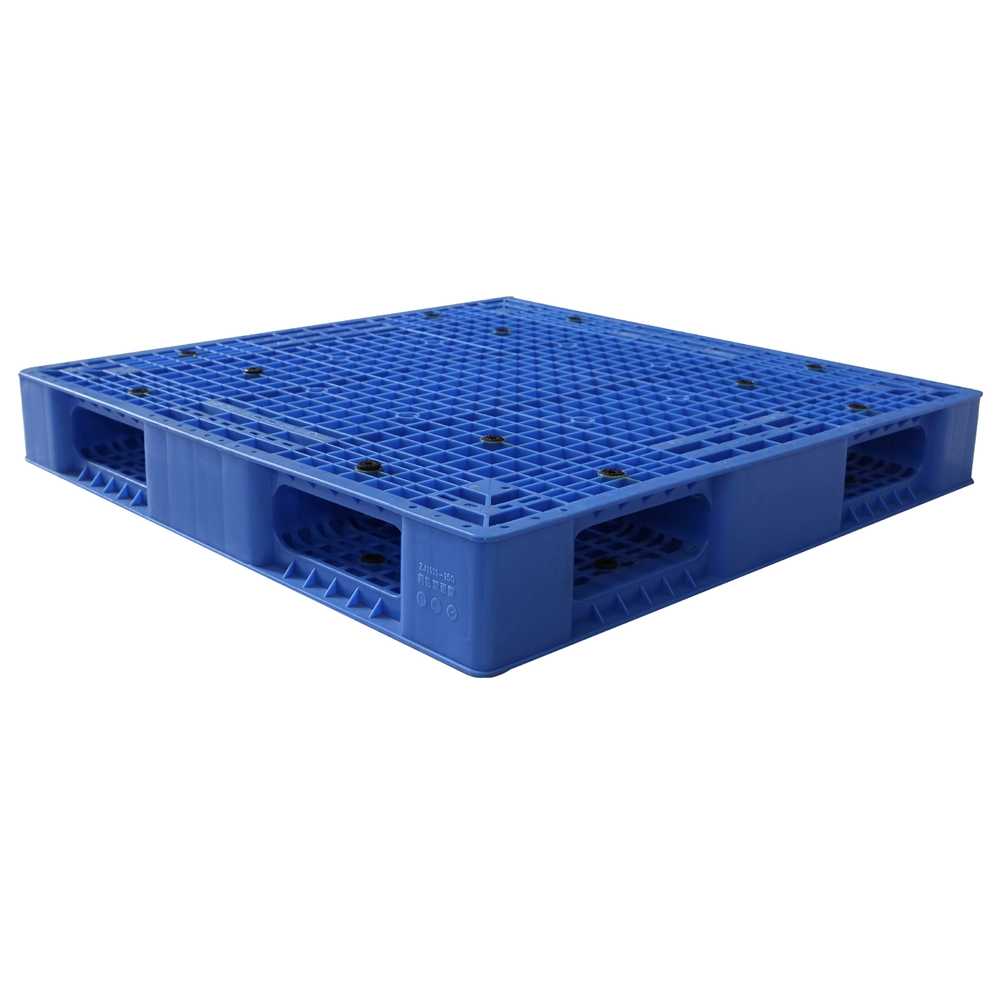
ZJ11111-150 Double-sided Heavy Duty Plastic Pallet
The double-sided plastic pallet, open deck or closed deck, is a solid and durable packaging solution designed for general and medium to heavy-duty cargo stacking, storage and transport. It’s made of virgin HDPE or PP, featuring a robust structure, a reinforced configuration with steel cores for the rack and shelf, and a steady loading capacity for both sides.
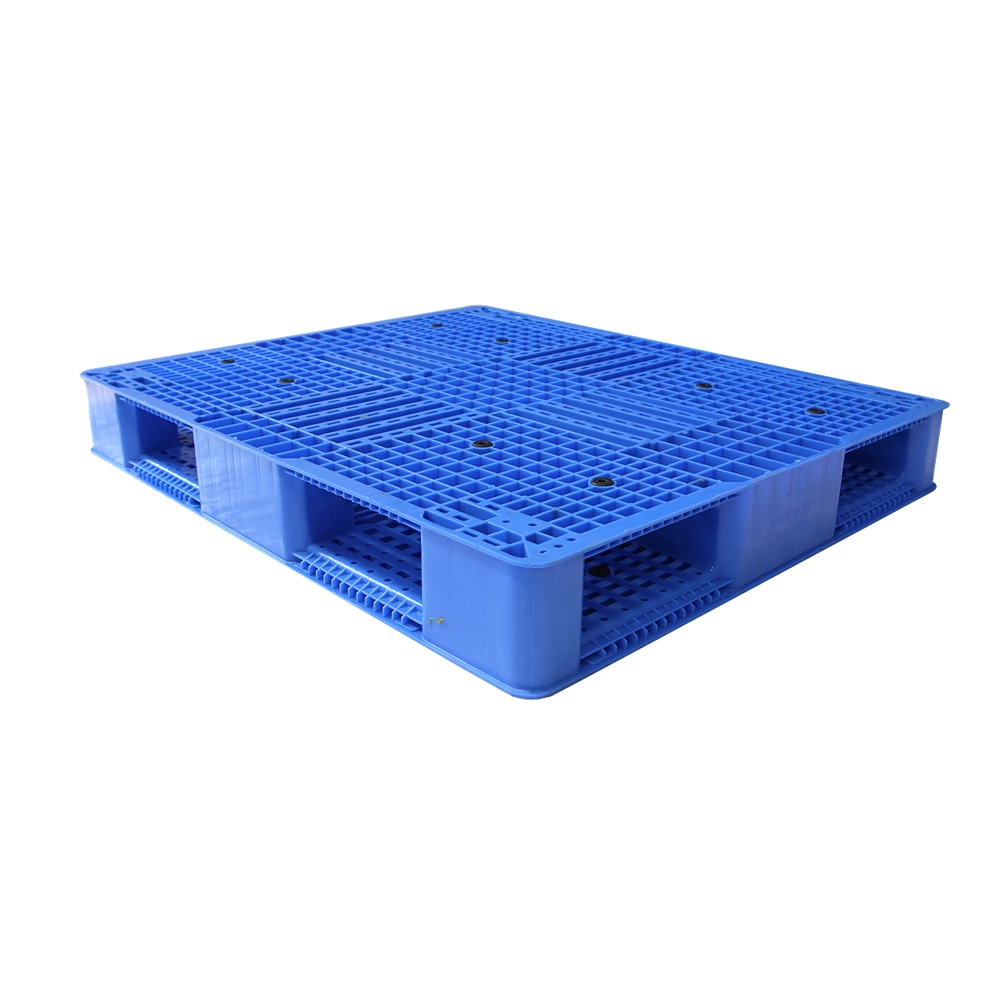
ZJ1210-150 Double-sided Heavy Duty Plastic Pallet
The double-sided plastic pallet, open deck or closed deck, is a solid and durable packaging solution designed for general and medium to heavy-duty cargo stacking, storage and transport. It’s made of virgin HDPE or PP, featuring a robust structure, a reinforced configuration with steel cores for the rack and shelf, and a steady loading capacity for both sides.
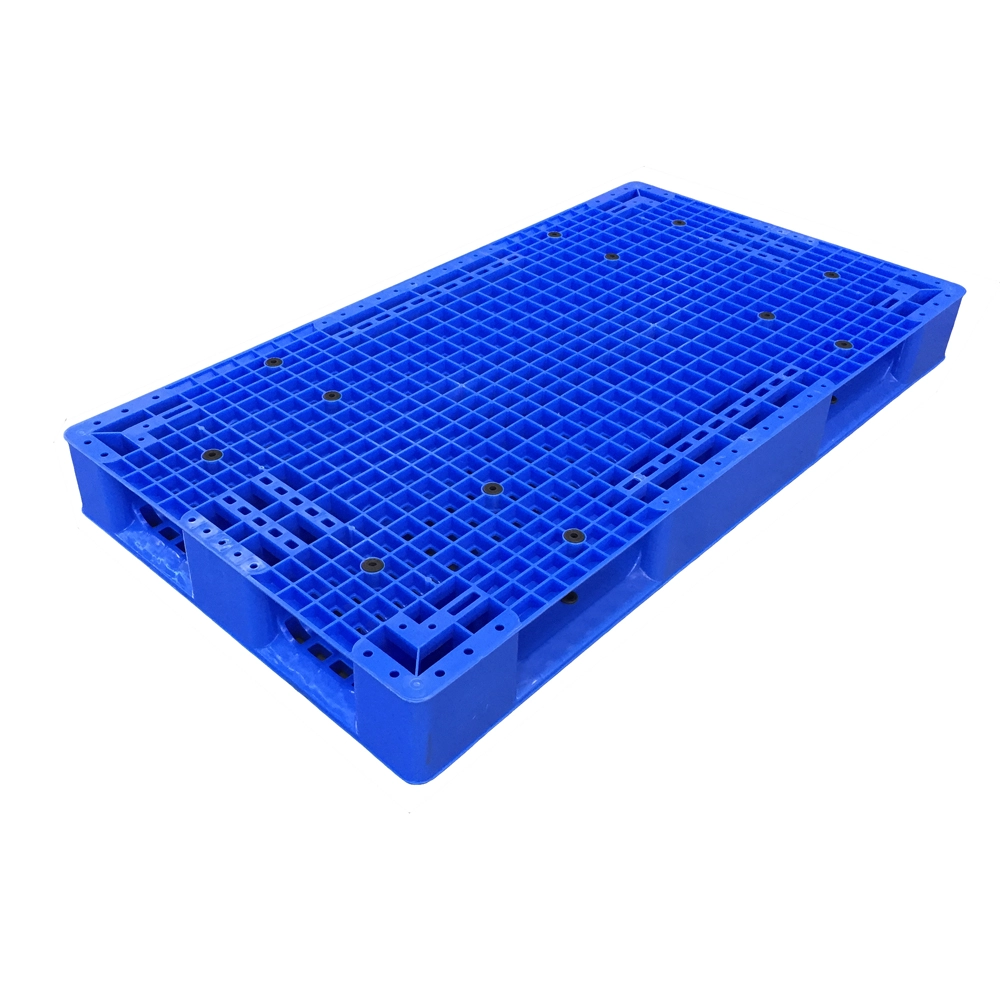
ZJ1508-150 Double-sided Heavy Duty Plastic Pallet
The double-sided plastic pallet, open deck or closed deck, is a solid and durable packaging solution designed for general and medium to heavy-duty cargo stacking, storage and transport. It’s made of virgin HDPE or PP, featuring a robust structure, a reinforced configuration with steel cores for the rack and shelf, and a steady loading capacity for both sides.
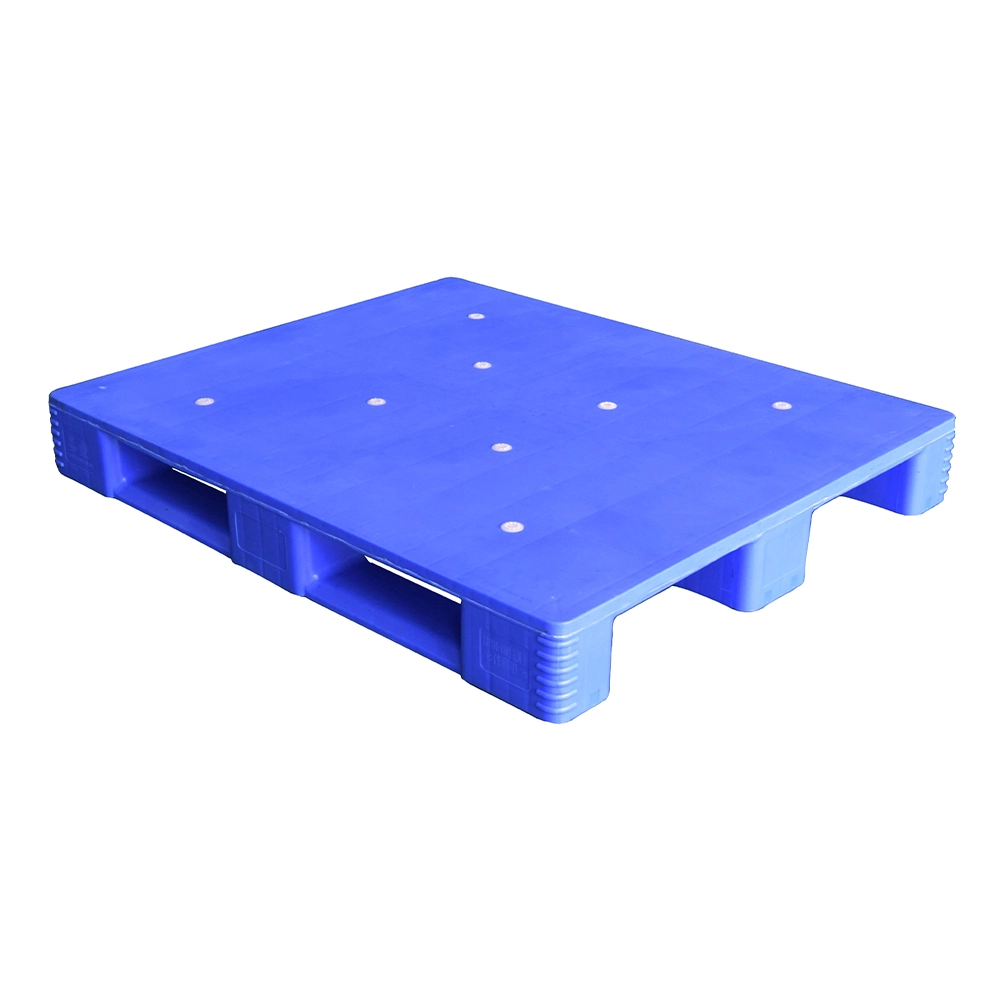
ZJ1210-150H Three-runner Closed Deck Hygienic Plastic Pallet
The three-runner closed-deck hygienic plastic pallet is a solid and durable packaging solution designed for general and especially food and medicine storage and transport. It’s made of virgin HDPE or PP, featuring a flat surface and even bottom for hygienic consideration, a reinforced configuration with steel cores for rack and shelf, and a steady loading capacity.
Request More Information About Plastic Pallets
Have questions or need detailed insights on this article? Fill out the form below to contact our team for comprehensive information and support related to our plastic pallet solutions.
Contact us


+86 138 0277 8204
+86 183 4431 0917
+86 195 3791 1860

No. 15-1, Fengying Rd., Taiping Town, Conghua Dist., Guangzhou City, Guangdong Province, China.
Whatsapp: +8613802778204
Scan QR Code
Guangdong Weihong Plastic Technology Co., Ltd.
Weihong
Whatsapp: +8619537911860
Guangdong Weihong Plastics Technology Company Ltd.